News of a new $30 billion financial lifeline for First Republic sparked a broad market reversal that bolstered stocks and drove down bond prices, while momentarily allaying simmering investor fears about a banking crisis.
Why it matters: With interest rates soaring across the world, the embattled regional bank has been the focus of widespread fears about financial contagion. Inflationary pressures are boosting rates, which in turn are exposing cracks in the foundation of the global financial system.
Emergency loans to banks spiked to a new record in the week through Wednesday, surpassing previous highs reached during the 2008 financial crisis.
Why it matters: The details came in a weekly Federal Reserve report released Thursday, which is sure to attract more attention for what it may reveal about stresses in the banking system after the failures of Silicon Valley Bank and Signature Bank.
A handful of large, troubled U.S. regional banks — and maybe one really big European one — may well accomplish what the mighty Federal Reserve couldn't on its own: tightening the financial screws enough to slow down economic activity in a meaningful way.
That, at least, is the takeaway from financial market moves since the federal seizure of Silicon Valley Bank less than one week ago.
Payment-processing company Square announced on Thursday that it's launching an accelerator program to help Latino and Black retail business owners get funding and coaching.
Why it matters: Latinos are opening small businesses in the U.S. faster than other groups, but they struggle to access capital, according to prior research.
Aviation officials and industry leadersgathered near Washington, D.C. Wednesday for wide-ranging discussions centered on recent headline-grabbing incidents across the country.
Why it matters: While the Federal Aviation Administration (FAA) is ultimately responsible for aviation safety, it's up to pilots, air traffic controllers, airlines and other stakeholders to work together to prevent dangerous incidents.
The tech and startup communityhas a major perception problem that has been highlighted by the Silicon Valley Bank fallout.
Why it matters: The spread of anti-tech sentiment is a PR issue that could do permanent damage to the industry's reputation and make it even harder for American founders to build and innovate.
Patrick Lenihan has held strategic communications roles at Google and Goldman Sachs and advised dozens of growth-stage companies. Now he's helping reshape one of the world's most popular dating apps, Grindr.
Why it matters: 2022 was all about taking Grindr public and 2023 is about "being public" by reclaiming the company's narrative and building its reputation, Lenihan tells Axios.
The rate of eviction filings has returned to or exceeded pre-pandemic levels in many U.S. cities in recent months, amid the historically high cost of housing and other basic necessities.
That's according to data from the Eviction Lab — a Princeton University project aiming to fill an "information hole in the center of the evictions crisis" by collecting data from court filings and other sources, research specialist Jacob Haas told Axios.
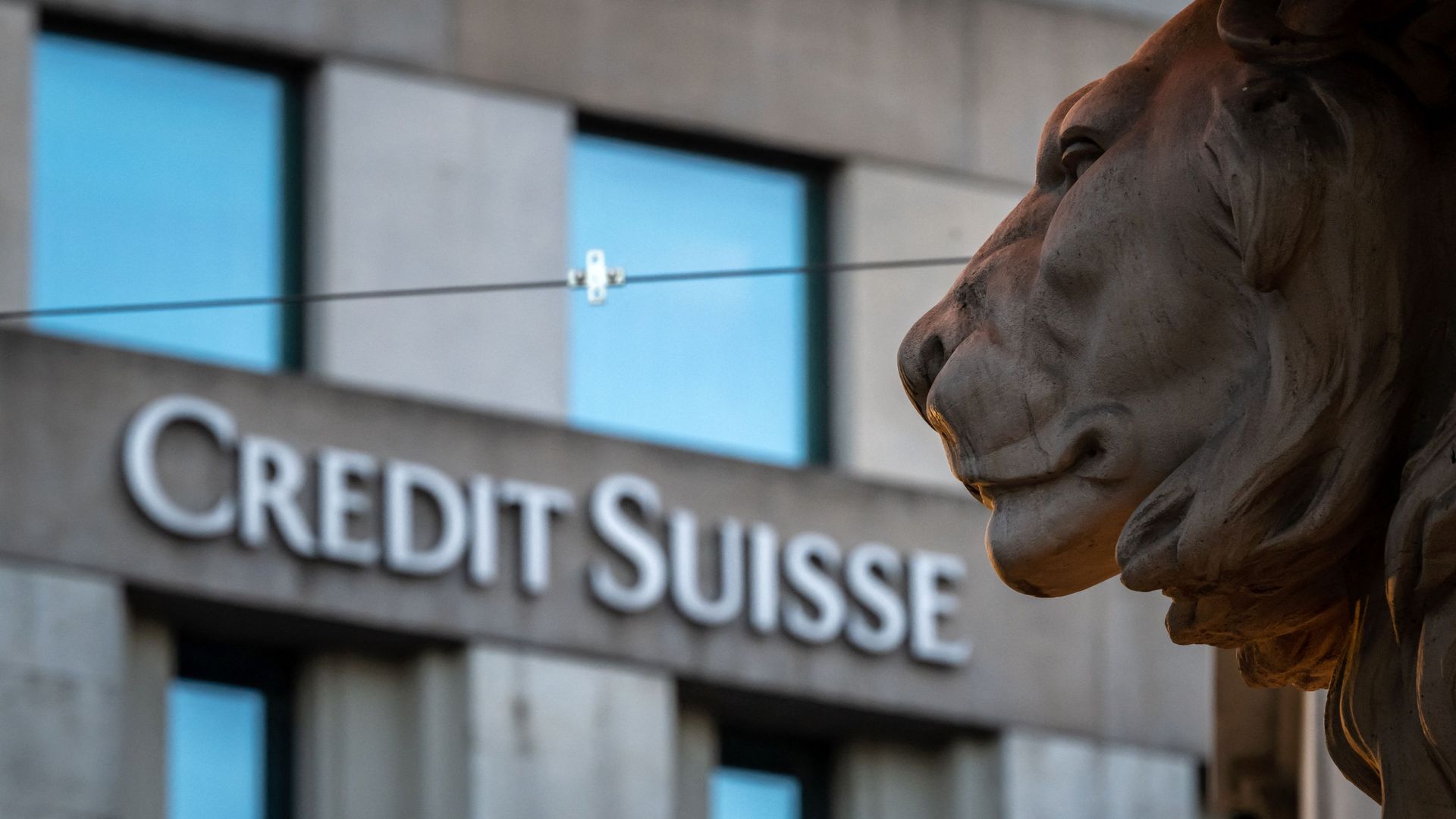
Driving the news: Credit Suisse last night said it would borrow up to $54 billion from the Swiss government, which took a page out of the U.S. "backstop" playbook.
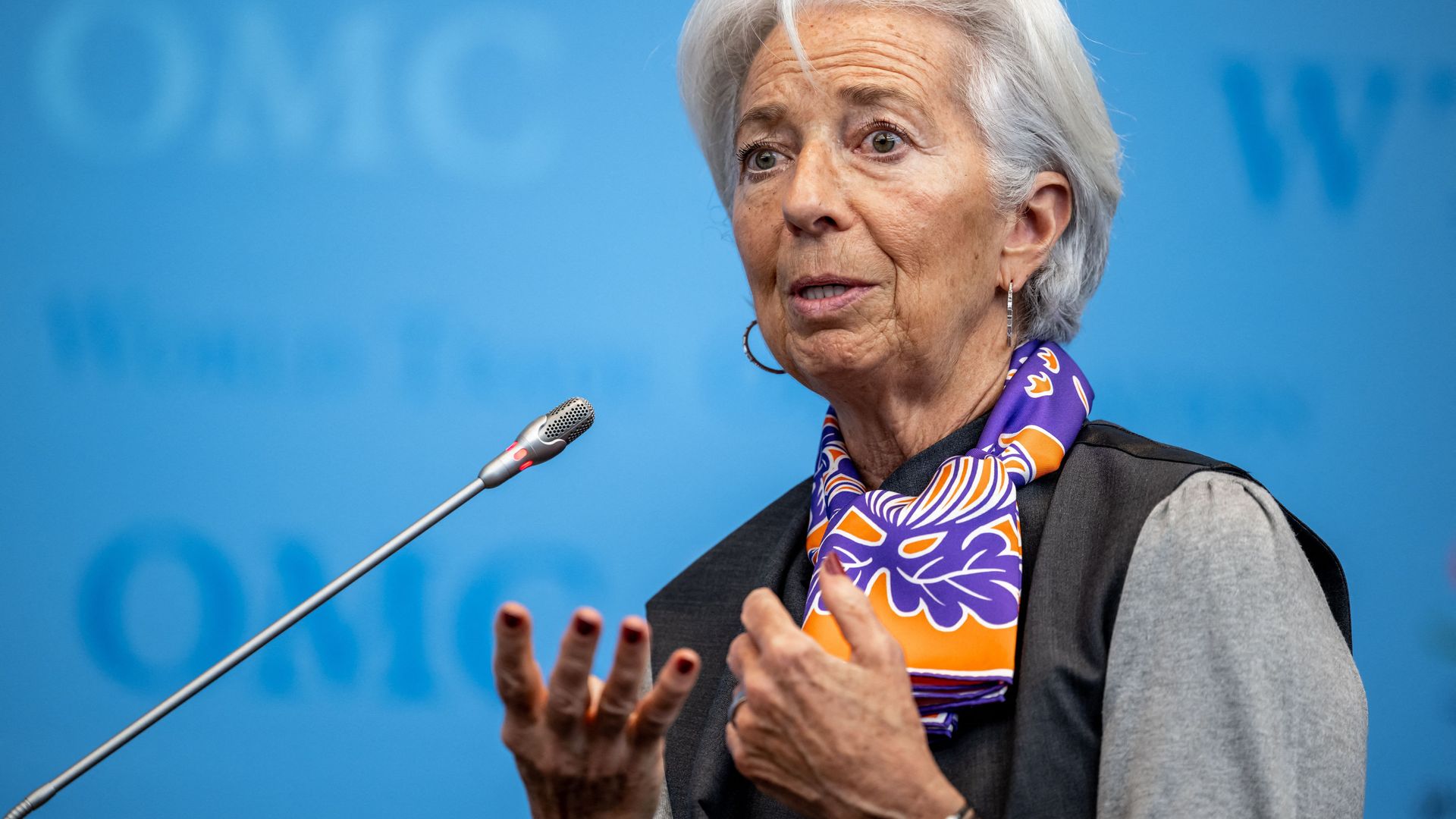
The European Central Bank on Thursday raised interest rates by a half percentage point as officials continue an aggressive battle against inflation despite some signs of stress in the banking system.
Why it matters: The supersized rate increase means the troubles at Credit Suisse and financial market jitters were not enough for the central bank to back off its inflation fight.
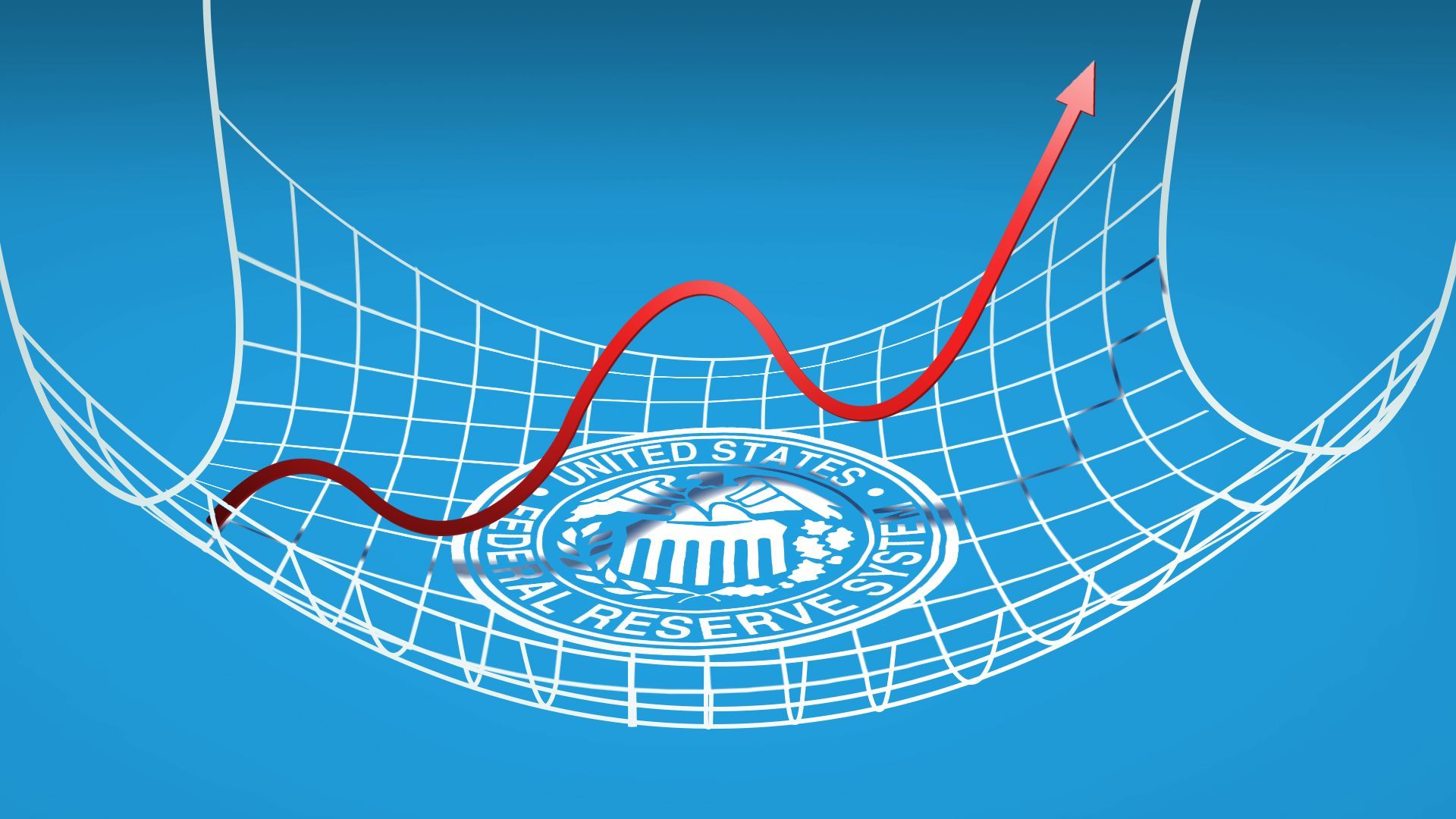
Does the still simmering banking crisis mean the Fed will hit pause on rate hikes? More of the market now seems to think so.
Driving the news: Numbers derived from the Fed Funds futures markets suggest more than 50% odds that the Fed won't fiddle with its key monetary policy rate at all, when its next statement comes out on March 22.
This year’s chairman’s letter from BlackRock CEO Larry Fink, published Wednesday, gives less emphasis to climate risk and environmental, social and governance (ESG) investments than past letters — but doesn't play down the substance.
Why it matters: As the head of the world's largest asset manager, Fink’s letters are widely taken as a signal for how the financial community is thinking about certain topics, and how policy makers may need to respond.
The Biden Administration has warned TikTok that it faces a ban in the U.S. if its Chinese parent company, ByteDance, does not sell its stake in the U.S. version of the app, a source confirmed to Axios.
Why it matters: TikTok has become one of the most popular mobile apps in the country, amassing over 100 million U.S. users. Banning it would have an immediate impact on millions of everyday Americans, and would mark a significant escalation of tensions between China and the U.S.
Credit Suisse will borrow up to 50 billion Swiss francs ($53.68 billion) from the Swiss National Bank under a covered loan facility as well as a short-term liquidity facility, the company announced Wednesday.
Why it matters: Credit Suisse is one of only 30 global financial institutions that the international Financial Stability Board has designated as being systemically important — it's too big to fail, per Axios' Felix Salmon.





















/2023/03/16/1678932289323.gif?w=3840)