The Justice Department on Tuesday sued American Airlines and JetBlue to block an "unprecedented series of agreements" that will consolidate the two airlines' operations in Boston and New York City.
Why it matters: The civil antitrust complaint alleges that the planned Northeast Alliance (NEA) "will cause hundreds of millions of dollars in harm to air passengers across the country through higher fares and reduced choice," the DOJ said in a release.
More than 30 major companies have promised to hire and train Afghan refugees coming to the U.S., per a press release from the Tent Partnership for Refugees, the group spearheading the effort.
The big picture: The 33 companies, including Amazon, Facebook, Pfizer and UPS, are joining the Tent Coalition for Afghan Refugees, a coalition founded by Hamdi Ulukaya, the founder and CEO of food company Chobani.
Credit Mexican engineering and entrepreneurship for developments that led to the color television, oral contraception and finding a way to help mend the ozone layer.
Why it matters: The contributions helped modernize how we could see the world; improve women's health and expand women's roles beyond the home; and identify dangerous emissions and how to reduce them.
Latinos are severely underrepresented in the media industry and have made few gains in film, television, or newsrooms since 2014, according to a preliminary U.S. Government Accountability Office report.
The Department of the Treasury announced Tuesday it will sanction cryptocurrency exchange SUEX for allegedly facilitating financial transactions for multiple ransomware actors.
Why it matters: The sanctions, the first against a cryptocurrency exchange platform, are part of the Biden administration's crackdown on ransomware in response to several high-profile cyberattacks this year.
Minute Media has raised “tens of millions of dollars” in a previously unreported funding round, with participation from sports betting giant FanDuel, its founder and CEO Asaf Peled tells Axios.
Why it matters: The funding will strengthen a years-long partnership as Minute Media seeks to invest more in sports betting, and FanDuel more in content.
The Washington Post on Tuesday launched an ad network as part of its Zeus advertising technology business, executives told Axios. The network has been in the works for two years.
Why it matters: Marketers have long said they want to buy ads with the ease and efficiency of platforms like Google and Facebook, but on trusted websites like premium news publishers. This ad network solves that.
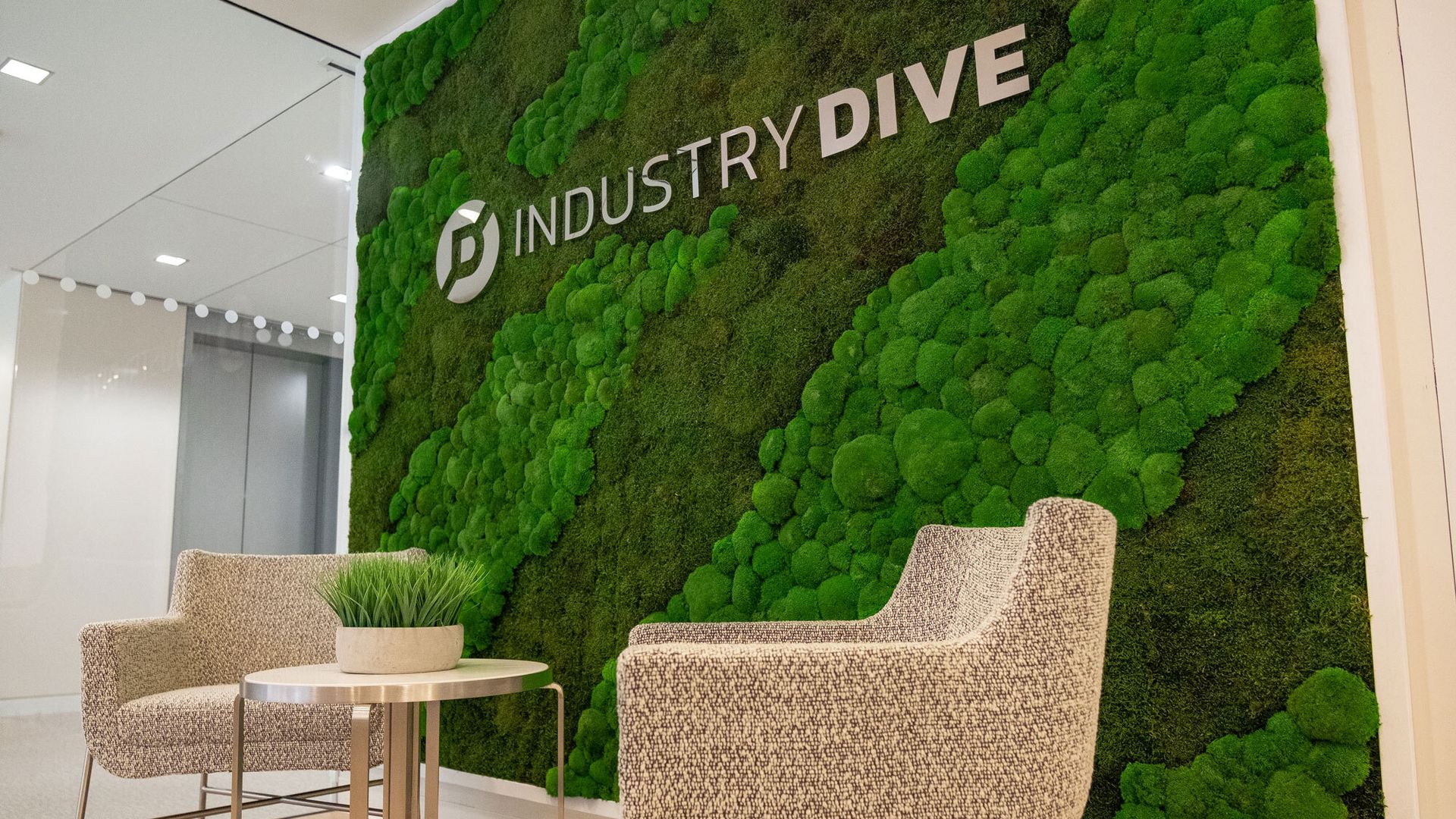
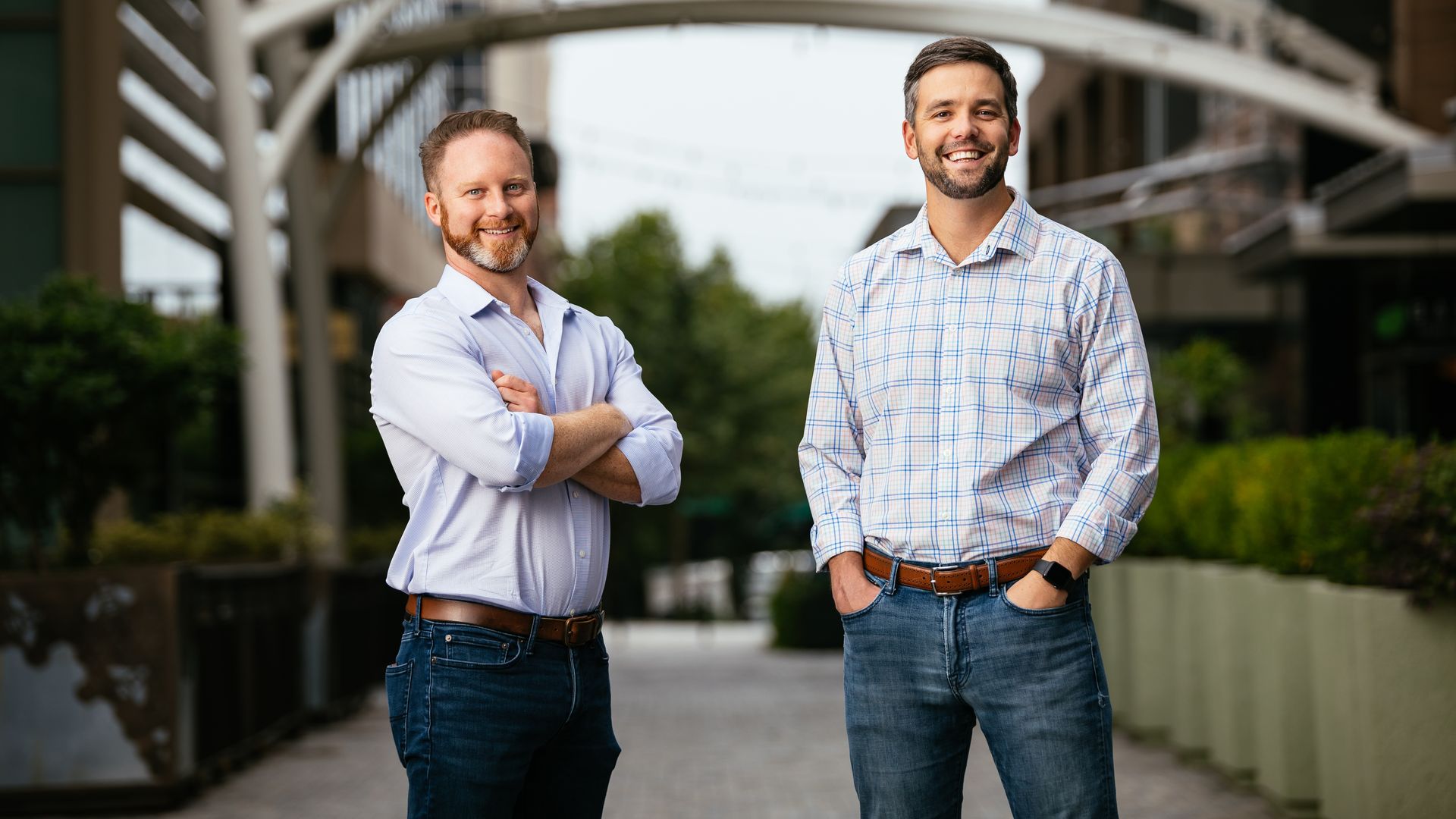
Industry Dive, a Washington, D.C.-based business journalism outlet, is acquiring PharmaVOICE, a trade publication for pharmaceutical industry executives, its CEO and co-founder Sean Griffey tells Axios. The deal marks Industry Dive's fourth acquisition in the last year and a half.
Why it matters: The company, which is expected to finish 2021 with more than $80 million in revenue, is pursuing a similar strategy to several other media companies that are trying to remain independent: acquire small brands to get bigger incrementally.
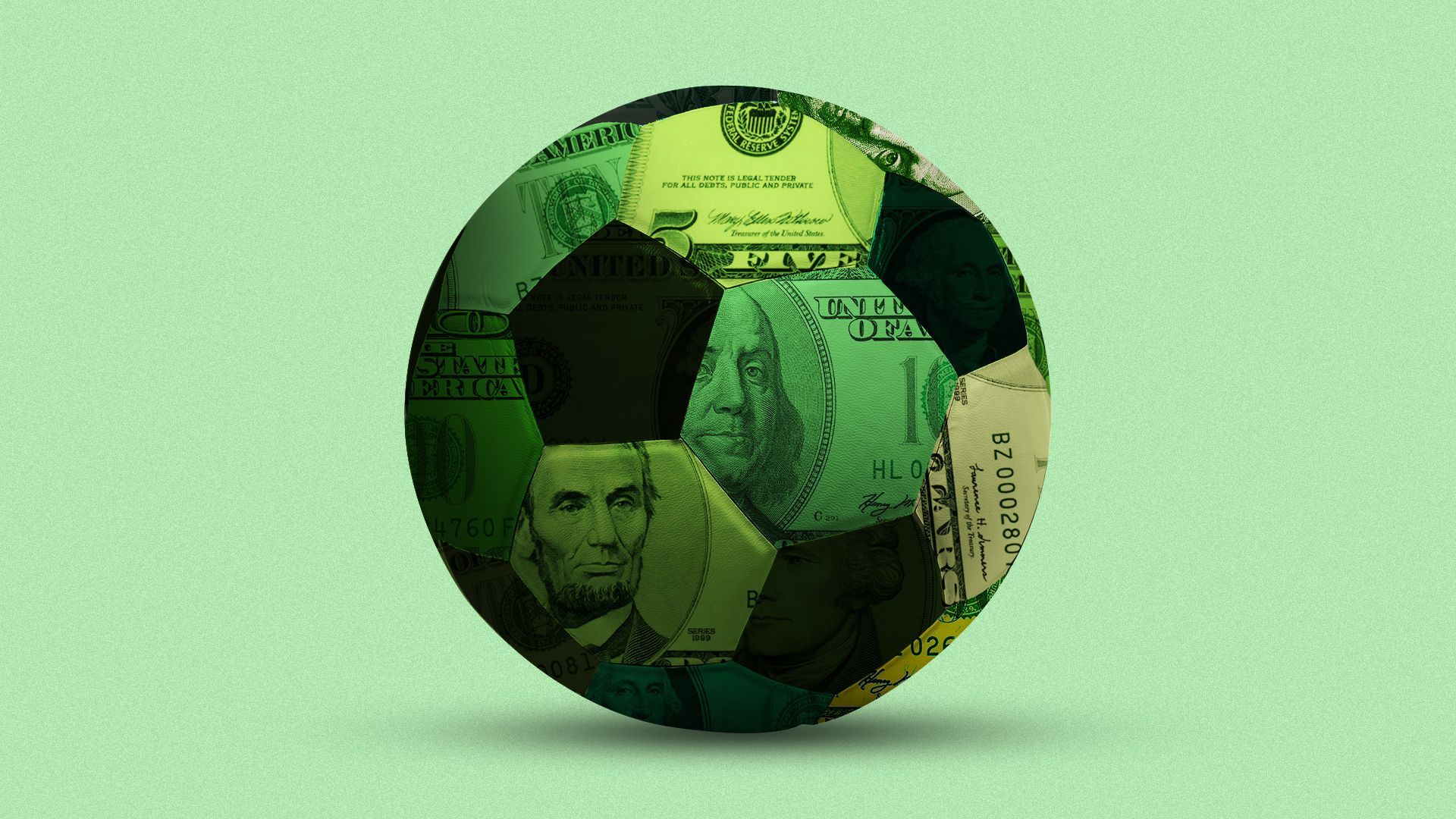
Sorare, a French fantasy soccer platform whose "cards" are non-fungible tokens registered on the Ethereum blockchain, raised $680 million in Series B funding at a $4.3 billion valuation led by SoftBank Vision Fund 2.
Why it matters: This is the largest-ever VC deal for a company in the NFT space, which either will prove to be Bitcoin circa 2013 or pet rocks circa 1975.
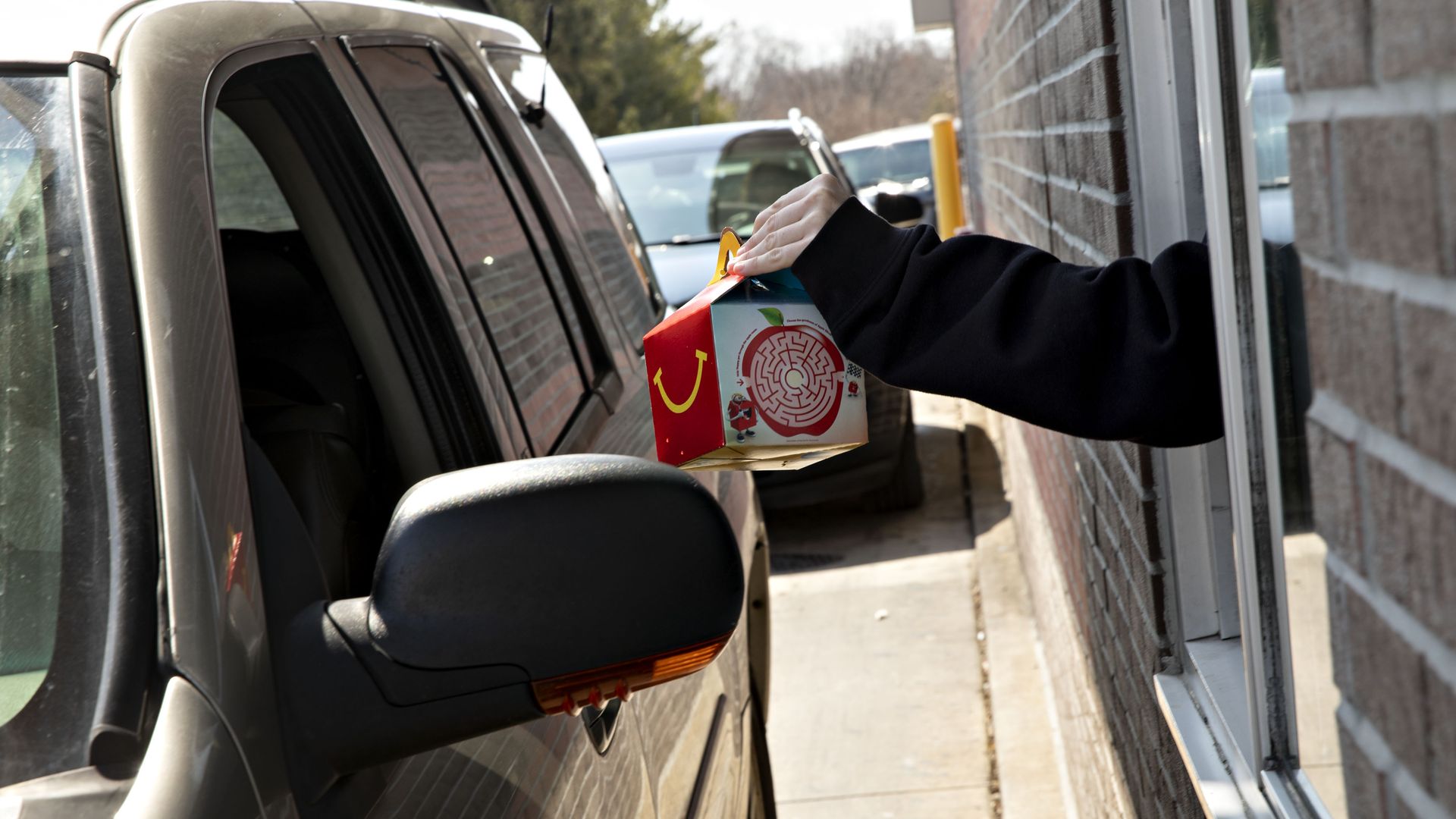
McDonald's announced plans Tuesday to phase out plastic toys in its Happy Meals worldwide by the end of 2025 and instead offer playthings made from recycled or bio-based and plant-derived materials.
Why it matters: The company did not disclose how many Happy Meals and toys it sells every day, but it said the new effort will reduce the amount of virgin plastic it uses annually in those meals by 90% compared to 2018 levels.
The IPO market is doing its best Alfred E. Neuman impression so far this week, refusing to entertain everyone else's worries.
The big picture: Both the Dow and S&P 500 fell nearly 2% yesterday, as investors tried to measure the fallout of Chinese construction giant Evergrande defaulting on its $300 billion in liabilities.
Royal Dutch Shell's sale of its Permian Basin assets to ConocoPhillips can't be untethered from how the industry is positioning itself as it faces pressure on climate change.
Catch up fast: The companies announced the $9.7 billion cash deal yesterday afternoon. ConocoPhillips will get 225,000 acres in Texas it expects will produce 200,000 barrels of oil equivalent per day in 2022.
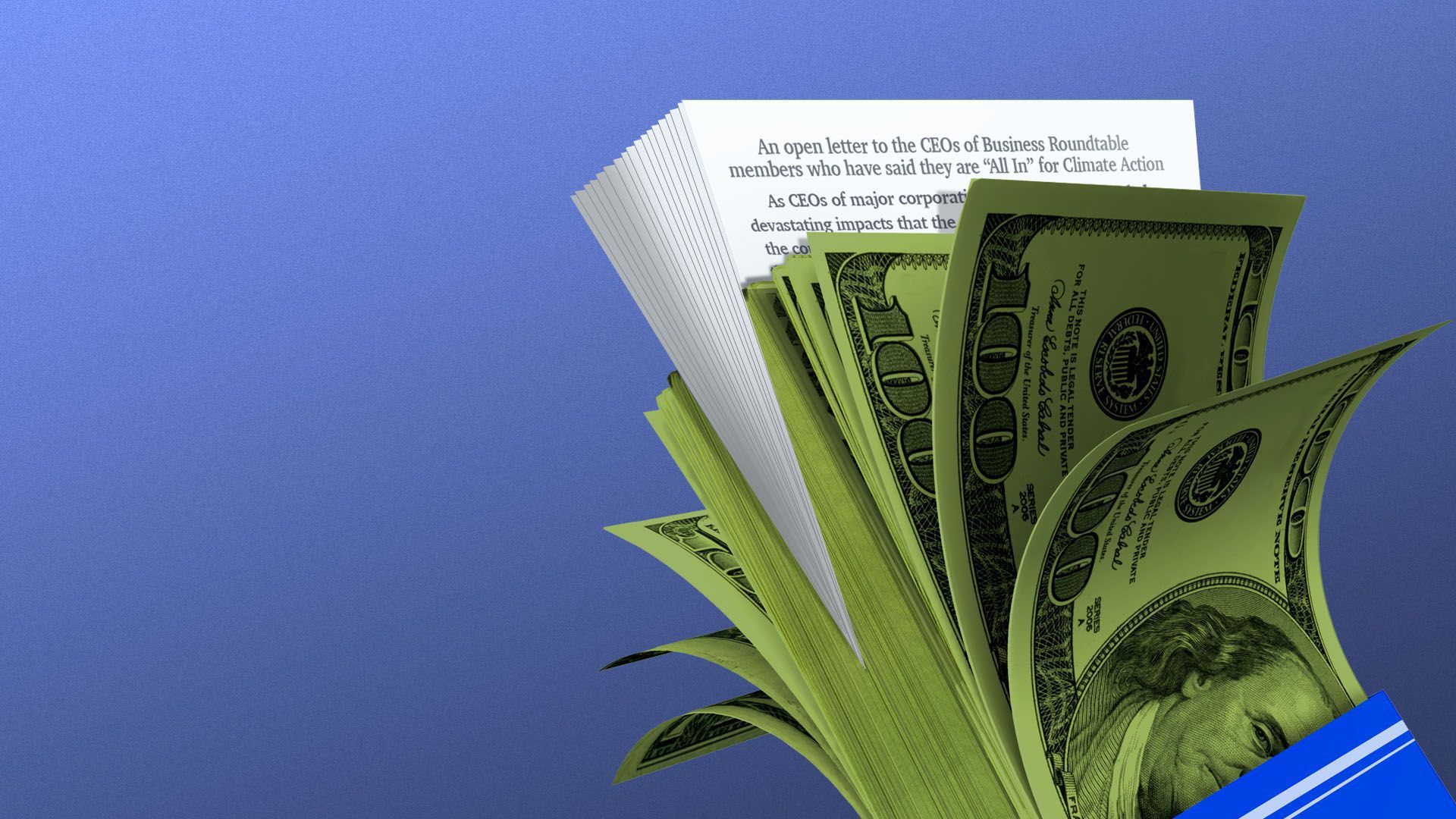
Salesforce, the customer relations management company that many readers may know for its Slack software, announced it has achieved net-zero emissions throughout its value chain.
Driving the news: This includes the energy used by its customers, it says.
A new survey of large corporations shows the pandemic has driven home the need for innovation, while demonstrating just how hard it is to do.
Why it matters: In an exponential age, companies that can keep successfully innovating can reap outsized rewards, while those that fail, risk being left permanently behind.
Outdoor dining options kept many Denver restaurants in business amid COVID-19 restrictions last fall and winter — and now the industry is taking steps to bring the cozy patio tents back.
Why it matters: The impending cold weather, combined with concerns over the Delta variant's spread, have restaurant owners searching for ways to keep diners coming.
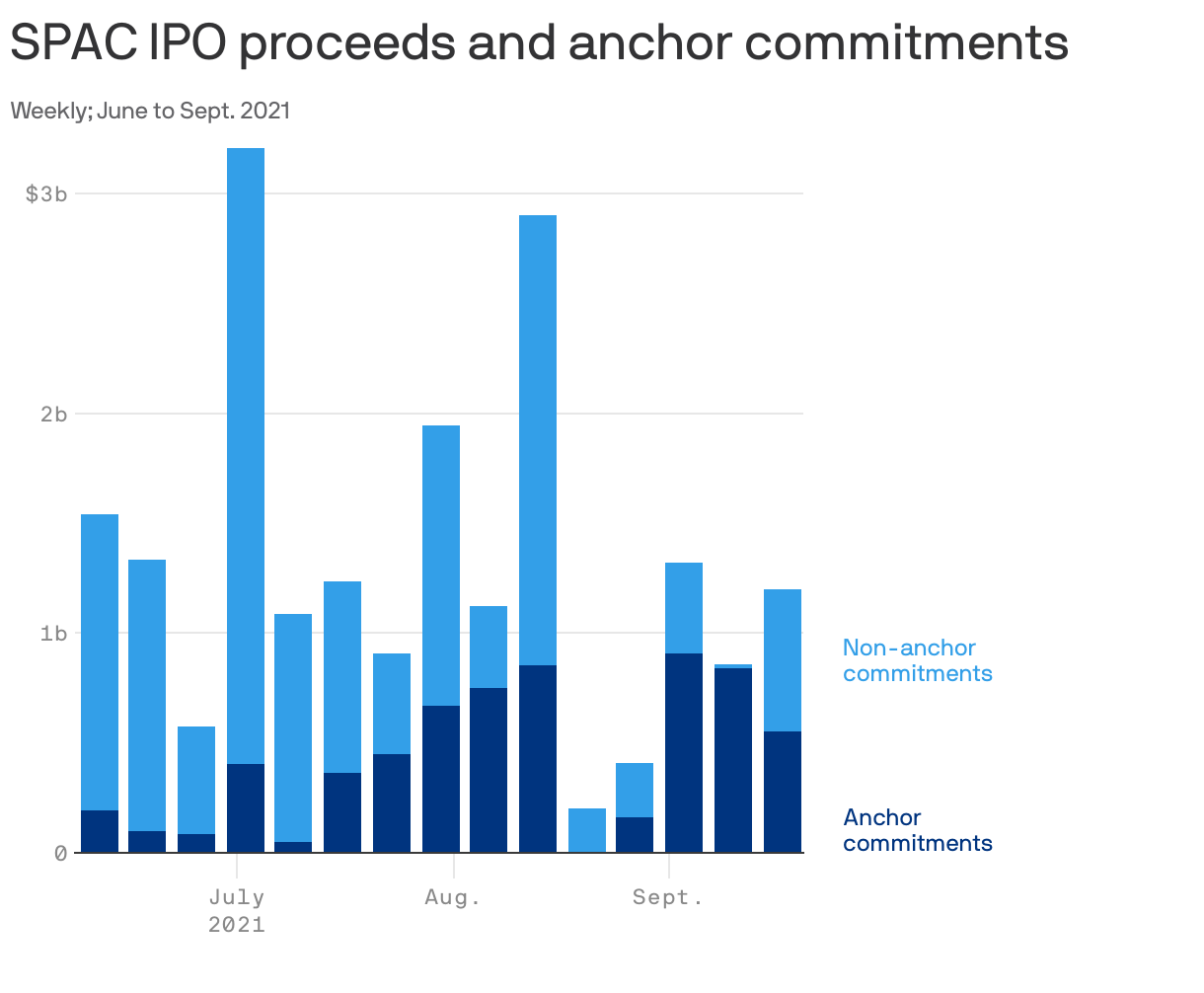
One byproduct of weakened demand for SPAC IPOs has been an uptick in sponsors getting anchor investors for their public offerings, often by offering them more favorable terms such as founder shares.
What’s happening: The trend continues. So far in September, anchor commitments represent more than half of all SPAC capital raised, per data from SPAC Research.
Flashback: Since the co-working office company's initial public listing plans flamed out in spectacular fashion, WeWork has become a very different company.
The relationship between a company’s climate disclosure and its potential future performance is becoming easier to see.
Why it matters: The SEC is readying new rules around mandatory risk and climate commitment disclosures, which will likely help investors compare companies on an equal footing.
Leaders of the Stop Hate For Profit social media boycott group are discussing whether to organize another campaign against Facebook in light of an explosive investigative series from the Wall Street Journal, Common Sense CEO Jim Steyer tells Axios.
The intrigue: Sources tell Axios that another group, separate from the Stop Hate For Profit organization, is expected to launch its own ad boycott campaign this week.
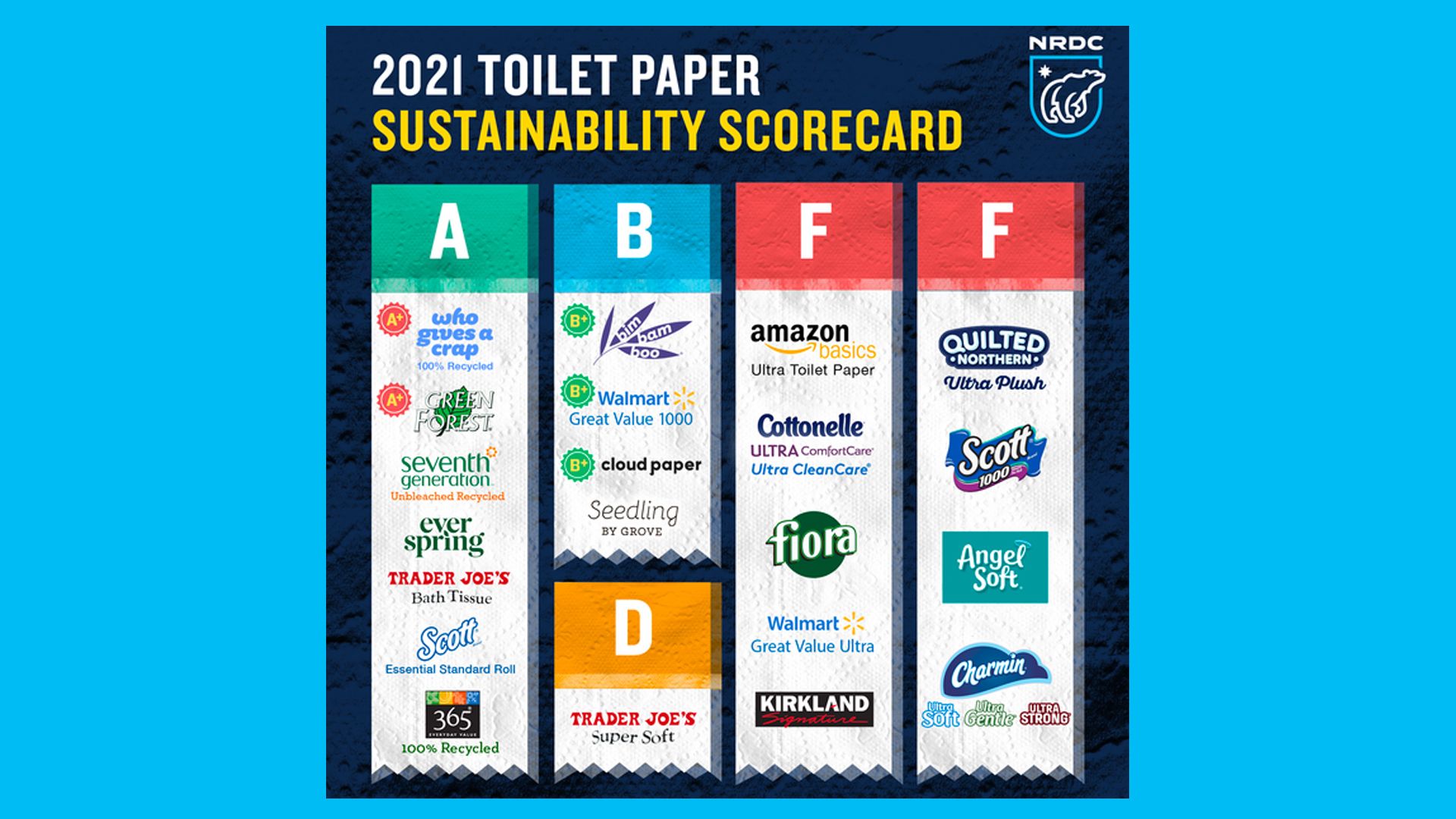
Soft? Quilted? Strong? The familiar adjectives from the supermarket aisle play no role in the Natural Resources Defense Council's annual toilet paper scorecard, which uses environmental yardsticks to judge what the industry so gently describes as bathroom tissue.
Why it matters: Consumers who pick products based on their green credibility will be troubled to learn that big-name brands (which are often cheaper) get poor marks compared with startups that typically cost more.
It's not a Lehman momentbut it's still a very big deal. Chinese construction giant Evergrande looks set to default on its $300 billion of liabilities, in a move that has already had global market repercussions.
Why it matters: Evergrande is the first big test of the global financial system — and especially the Chinese financial system — since the pandemic-induced chaos of March 2020, when central banks around the world were forced to take unprecedented measures to prevent total collapse. So far, world markets seem to be coping just fine.
In July, the head of the American Hospital Association blasted UnitedHealth Group for its "jaw-dropping" profits in the second quarter. But an analysis of financial documents shows a sample of large not-for-profit hospital systems that collectively generated the same amount of revenue as the insurance giant were almost three times more profitable than UnitedHealth.
Reality check: Companies and lobbying groups often paint their business foes as the primary problems with the health care system, but each sector contributes to the system's dysfunction.
Brace yourself: It's going to be hard to find everything — not just your favorite holiday foods and hot toys and gifts but also basic staples like coffee and footwear — because of supply chain problems that will likely persist at least through next spring.
Why it matters: Scarce resources will likely lead to more scuffles among shoppers in brick-and-mortar stores, fewer deals for Black Friday and online price wars that could threaten the livelihood of already-suffering retailers.