America's troubled urban housing policies are having negative effects that go far beyond high rents and real estate prices.
Why it matters: Decades-old barriers to building more housing in America's most productive cities make it harder to move and live there, which eats into wages, depresses population, saps economic growth, and even worsens climate change.
United Airlines said Wednesday that over 97% of its U.S.-based employees are now fully vaccinated against COVID-19, according to a company memo obtained by Axios.
Why it matters: United announced in August that it would require its 67,000 U.S.-based employees to get vaccinated by Sept. 27 or face termination. It's one of several airlines that set vaccine requirements even before President Biden issued his own vaccine mandate for employers with over 100 workers.
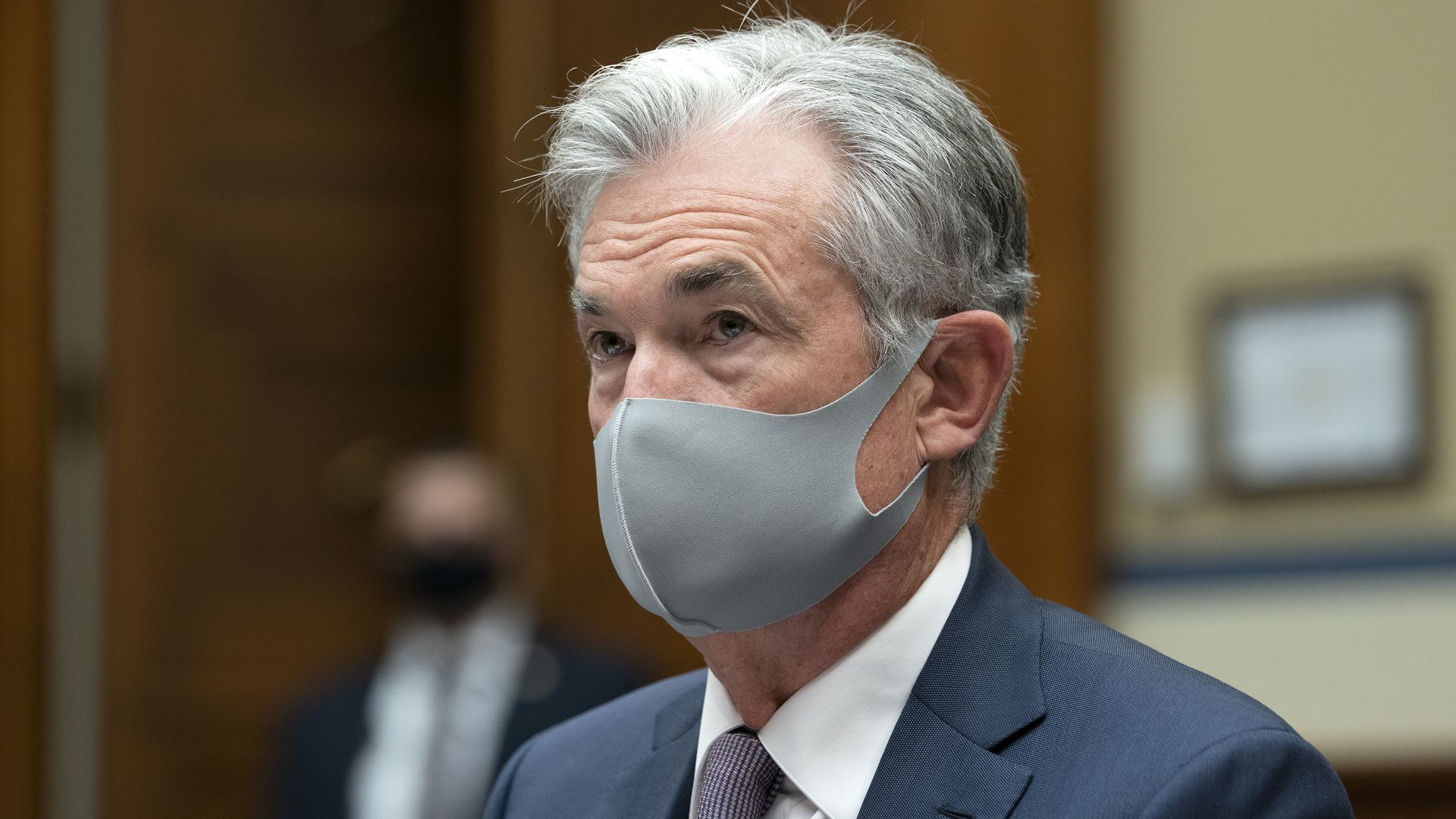
The Federal Reserve hinted Wednesday its full throttle of economic support could start to ease as soon as November (its next policy meeting).
Why it matters: It would be the start of a pivot for the Fed, which unleashed unprecedented measures when the pandemic hit to help rescue the U.S. economy.
Owners of the Second Avenue buildings blown apart by the 2020 Christmas Day bombing in Nashville are sharing a new vision for their properties that would recreate the original vibe of the area using bricks and iron salvaged from the debris.
Why it matters: Preservationists and city leaders have publicly feared the bombed-out brick buildings would be replaced with a parking lot or bland glass structures that don't match the rest of Second Avenue.
Netflix said Wednesday that it's acquiring the Roald Dahl Story Company (RDSC), the UK-based company that owns and manages the rights of the storied works from the late British author Roald Dahl. Deal terms weren't disclosed.
Why it matters: It's likely one of Netflix's largest content acquisitions. Netflix typically licenses programming for its streaming service, instead of buying the rights outright.
Dapper Labs, the company behind the NBA Top Shot digital collectibles, announced today it has raised $250 million in fresh funding and struck a deal to work with Spain's LaLiga to create NFTs with the soccer league.
Why it matters: It shows that venture firms remain bullish on the underlying notion of infusing collectibles with digital technology.
Toast, a Boston-based restaurant management platform, raised $870 million in an IPO that values the company at nearly $20 billion. It priced at $40 per share, which was above its original and upwardly-revised ranges, and will list on the NYSE (TOST).
Why it matters: This is whiplash success story. Toast was valued by VCs at $5 billion heading into the pandemic, but in April 2020 laid off nearly half of its employees and furloughed another 12%.
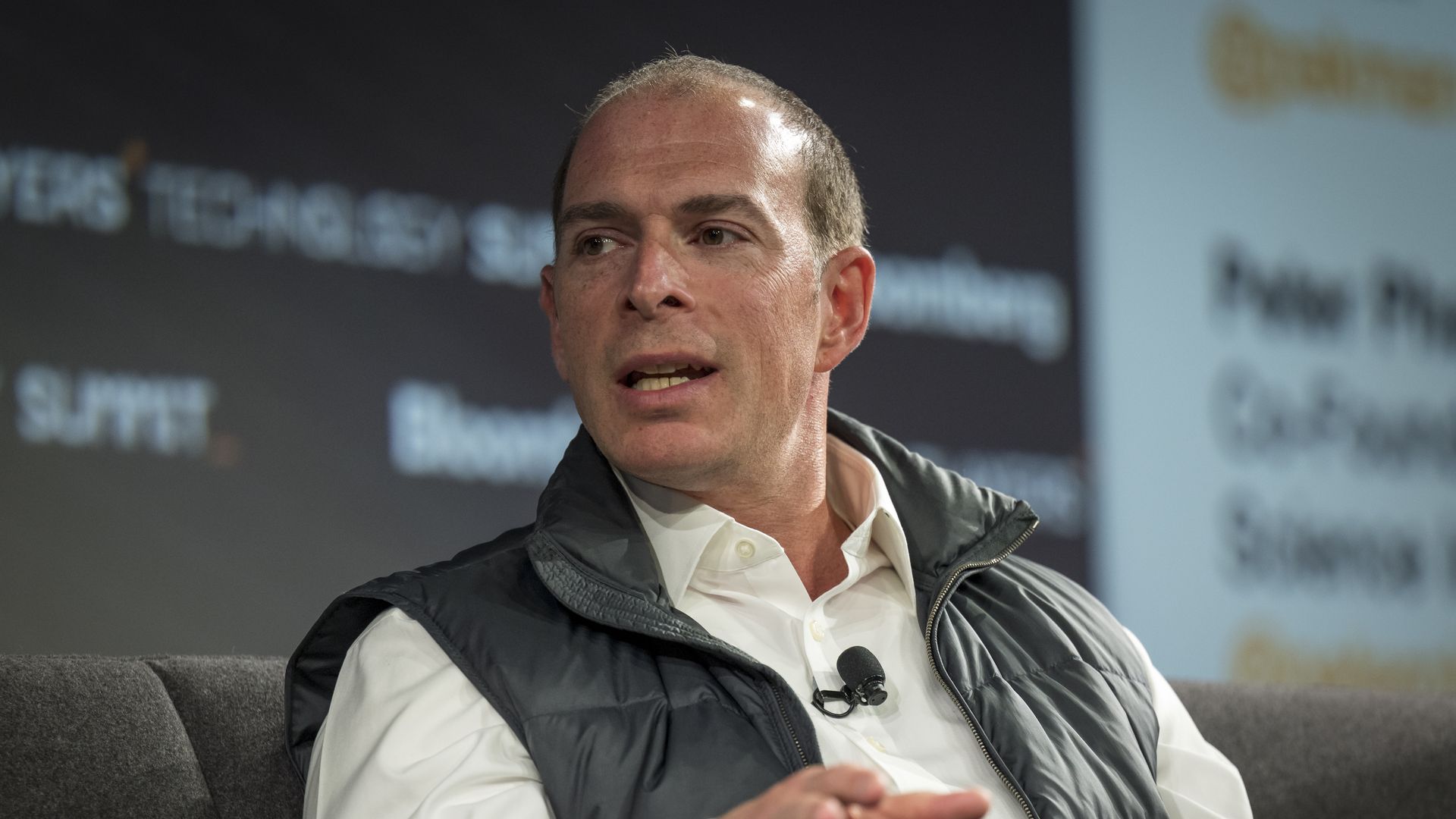
Venture capitalist David Pakman is leaving Venrock after nearly 13 years, to become managing partner of crypto-focused CoinFund.
Behind the scenes: Pakman has backed several crypto startups via Venrock, including NBA Top Shot creator Dapper Labs, but regulatory limits make it hard for traditional venture firms to dive too deep into crypto without becoming a registered investment adviser.
A lot of government agencies can propel their public-sector employees into high-paying private-sector gigs. Sitting squarely at the top of the list is the Treasury Department.
Why it matters: Treasury has almost unlimited financial power.
Companies are narrowing the blue- and white-collar experience as they're forced to adapt to a worker-led market.
Driving the news: Basic office tools and concepts like corporate communications and schedule flexibility are migrating to frontline operations through investments in technology.
Inequality widened in September, driven by income losses and fears among the most financially vulnerable, according to the latest Morning Consult/Axios Inequality Index released today.
Why it matters: As COVID continues to spread, expanded pandemic-era unemployment benefits expired this month, removing a financial safety net for 7.5 million Americans.
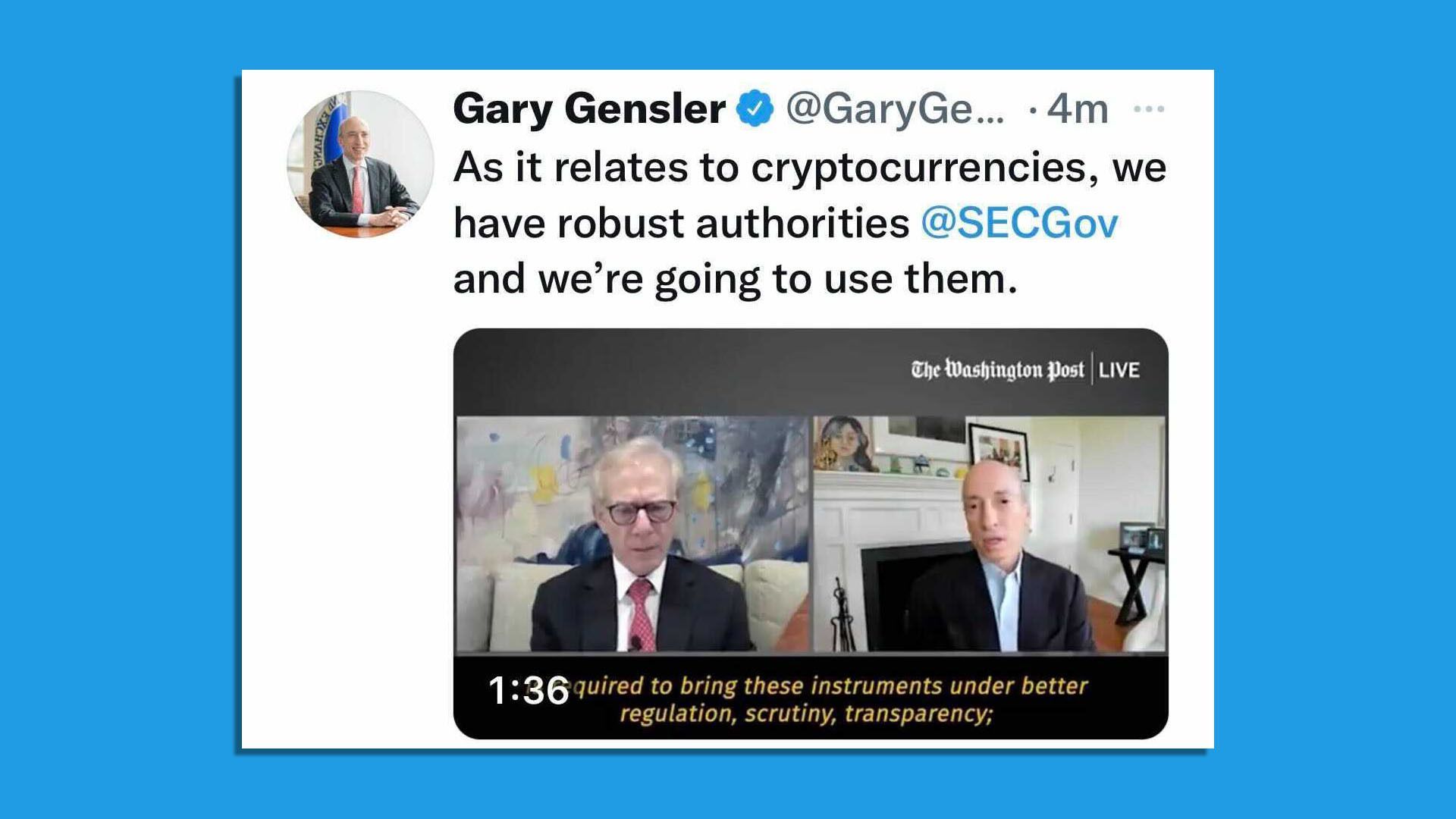
SEC chair Gary Gensler said he doesn’t see long-term viability for thousands of cryptocurrencies, likening them to the wildcat banking era before federal regulation, The Wall Street Journal reports.
What they're saying: "I don’t think there’s long-term viability for five or six thousand private forms of money,” Gensler told the WashPost's David Ignatius at a virtual event. "So in the meantime I think it’s worthwhile to have an investor-protection regime."
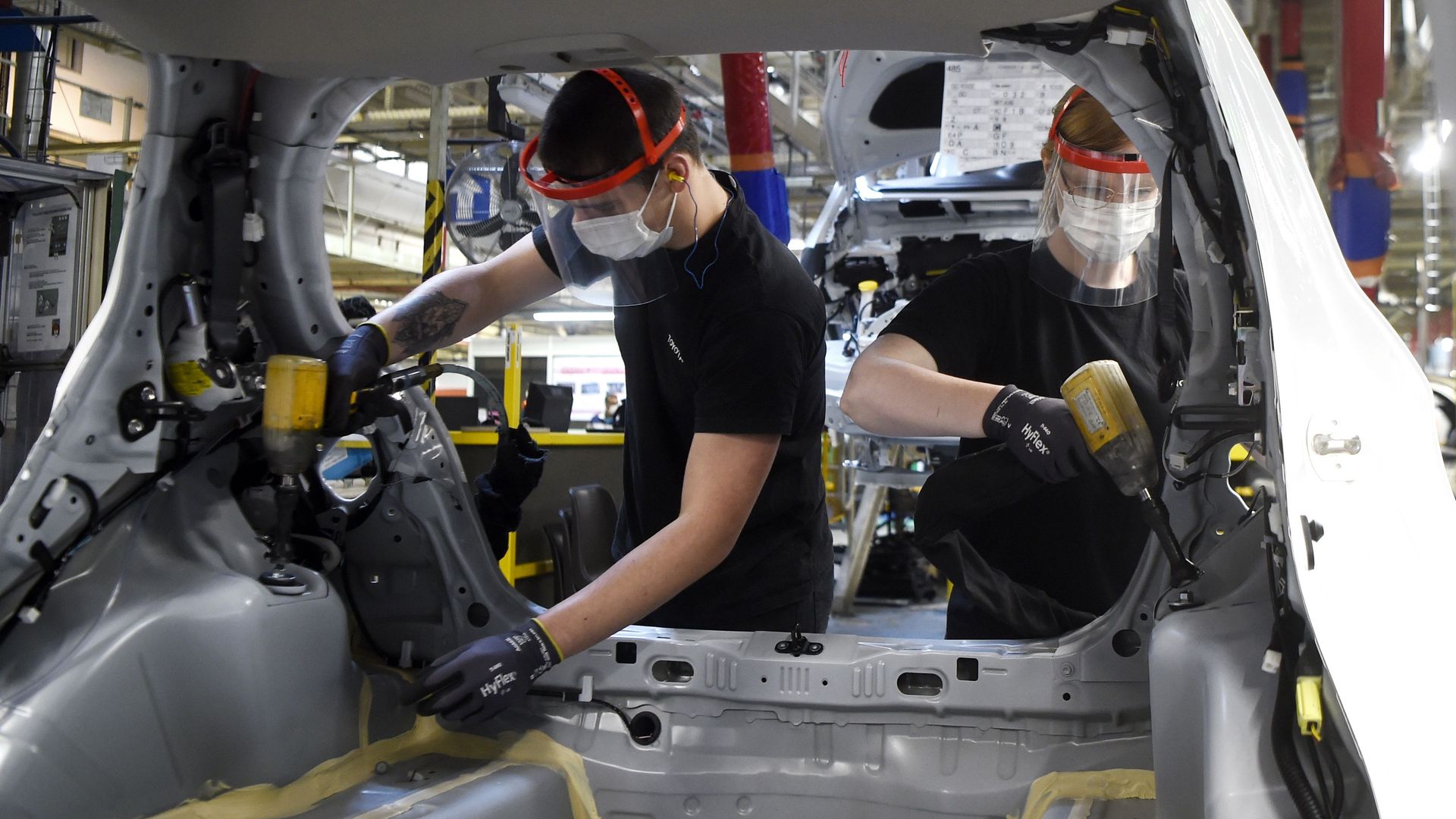
The outlook for global automakers and suppliers continues to worsen, amid heightened risk from supply chain disruptions, including the ongoing semiconductor chip shortage.
Driving the news:IHS Markit slashed its forecast for global light-vehicle production in 2021 by 6.2% — about 5 million vehicles. It's cutting even deeper — 9.3% or about 8.45 million vehicles — for 2022.
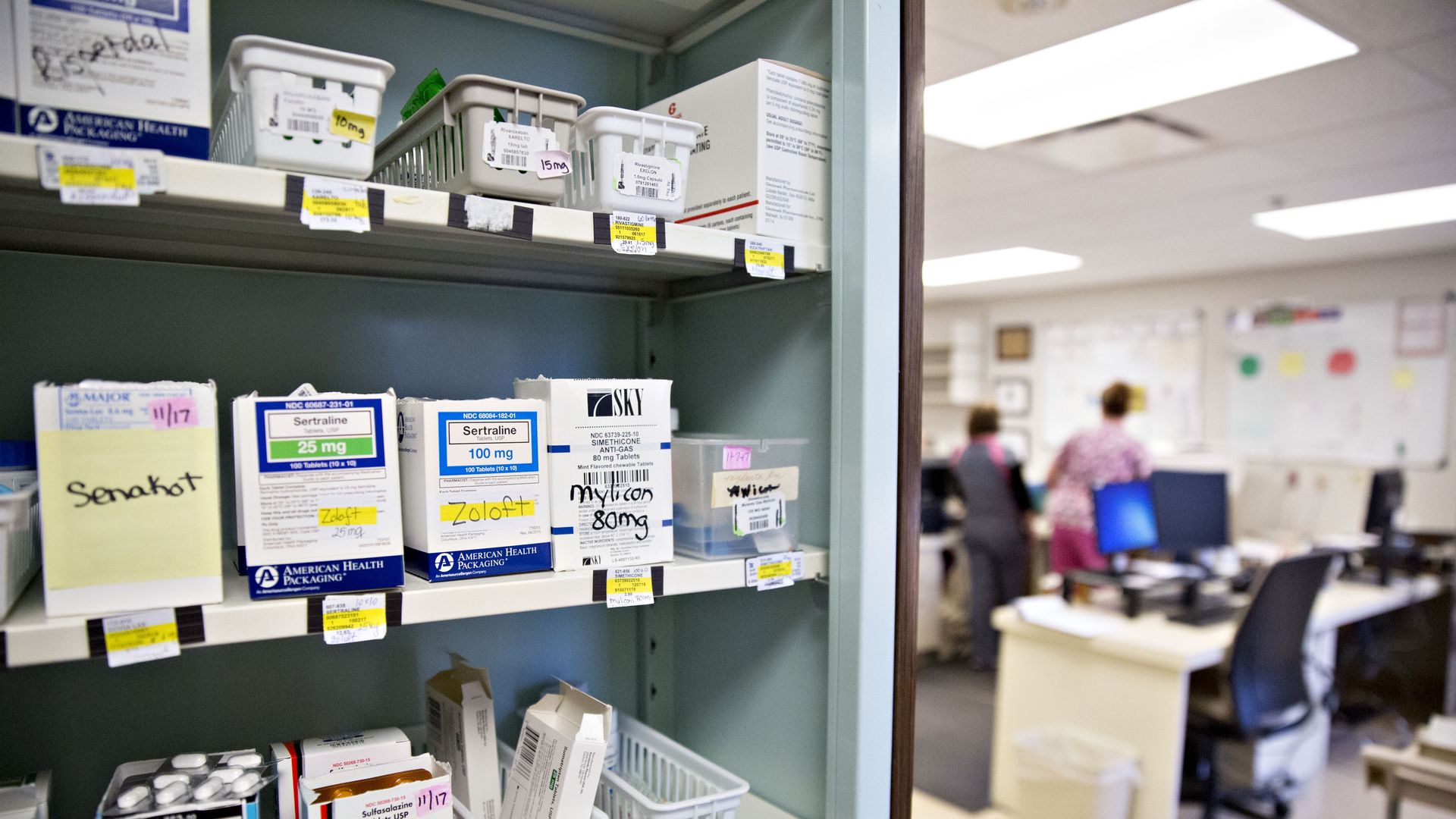
Walgreens paid $970 million to increase its ownership of Shields Health Solutions — a company that helps hospitals run their own specialty pharmacies — from 23% to 71%.
Why it matters: Standard Walgreens pharmacies are ubiquitous throughout the country, but this deal will give Walgreens a bigger position in specialty pharmacies, which handle pricey medications for complex conditions and have become very lucrative.
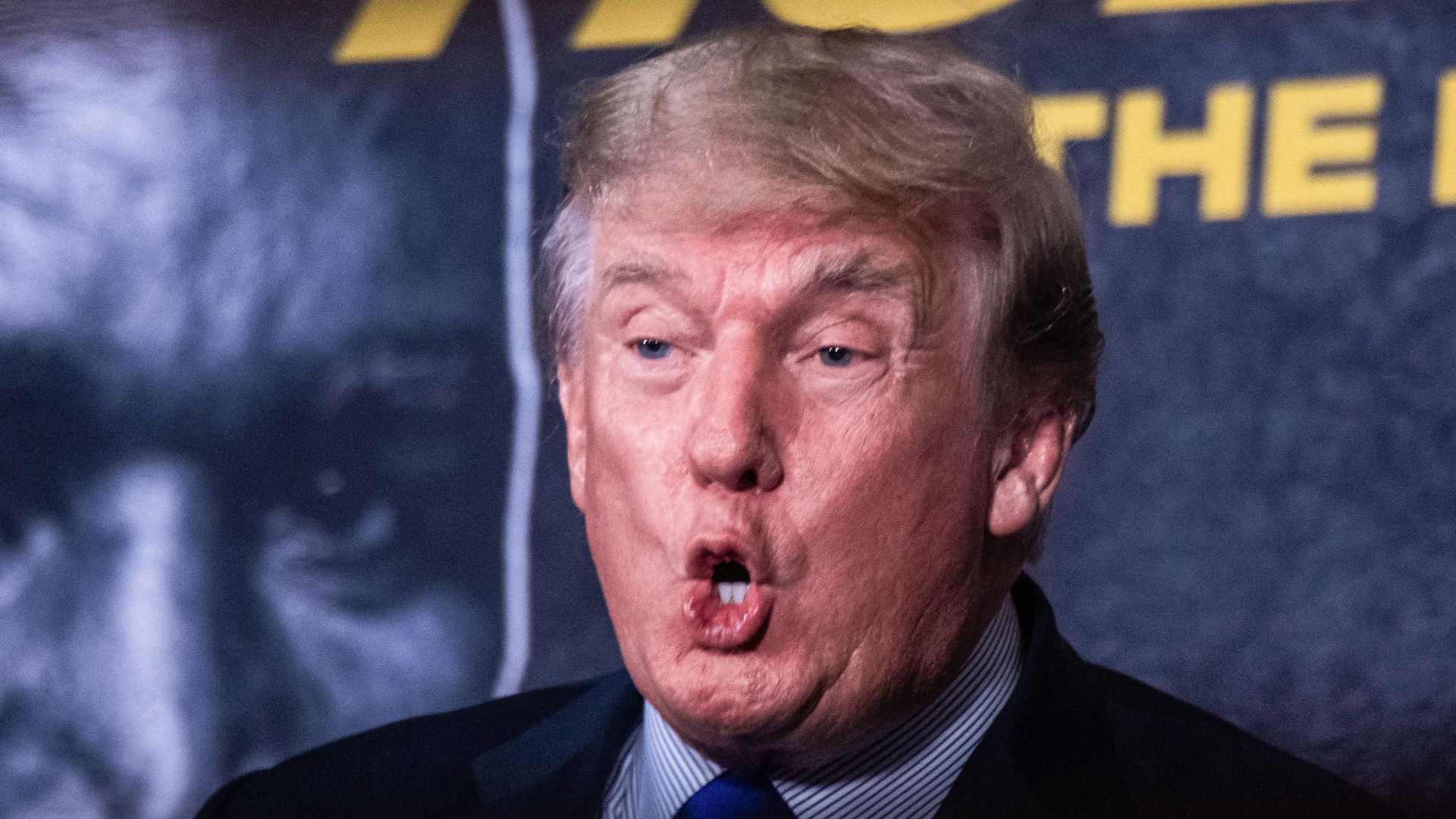
Former President Trump filed a $100 million lawsuit against the New York Times and his niece Mary Trump on Tuesday over the news outlet's 2018 reporting on his tax records, the Daily Beast first reported.
Details: The suit, filed in New York's Dutchess County, alleges NYT journalists "engaged in an insidious plot to obtain confidential and highly-sensitive records" and that they "convinced" Mary Trump to "smuggle records out of her attorney's office and turn them over to The Times."
Democrats find themselves in a political and potentially catastrophic economic quagmire as Republicans stand firm on denying them any help in raising the federal debt ceiling.
Why it matters: The Democrats are technically right — the debt comes, in part, from past spending by President Trump and his predecessors, not only President Biden's new big-ticket programs. But Senate Minority Leader Mitch McConnell (R-Ky.) is saddling them with the public relations challenge of making that distinction during next year's crucial midterms.











/2021/09/22/1632318670056.gif?w=3840)