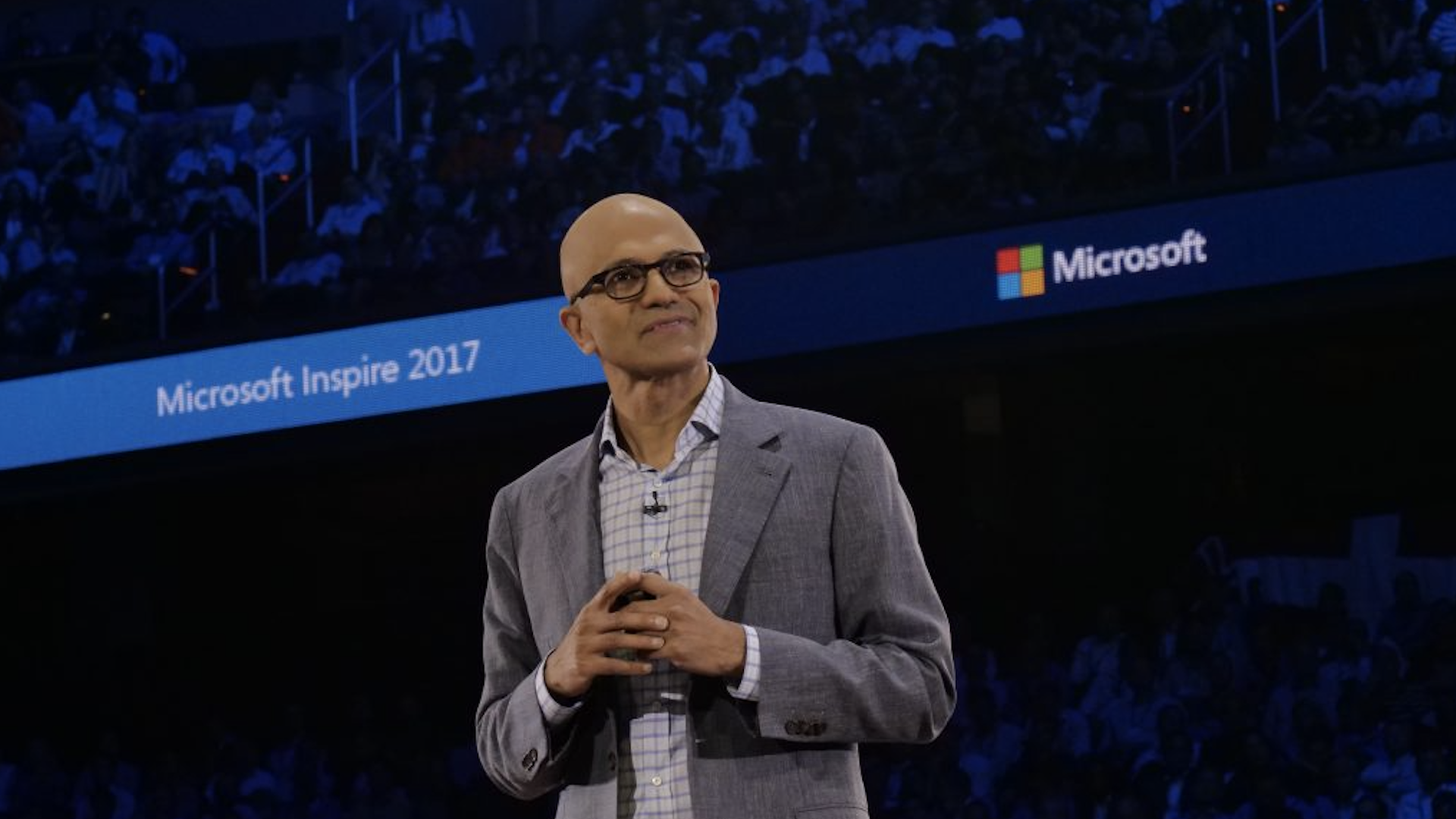
Strength in Microsoft's cloud business helped offset the impact of COVID-19 on computer manufacturing, as the company topped earnings and revenue expectations for the quarter that ended March 31. That's despite a February warning from the company that PC sales would not meet prior estimates.
Why it matters: The tech sector has taken on added importance and value as many other areas of the economy have been shut down or severely impacted by the coronavirus pandemic.
Sam Hinkie, best known to NBA fans for helping the Philadelphia 76ers tank their way back into contention, has raised $50 million for a Silicon Valley venture capital firm called Eighty-Seven Capital. He tells Axios to expect seed and early-stage investments, but not with a sports focus.
Background: Hinkie began his career in venture capital and private equity before joining the Houston Rockets front office in 2005. He then spent three years as president and general manager of the 76ers, during which time the team was awful but made key draft picks like Joel Embiid.
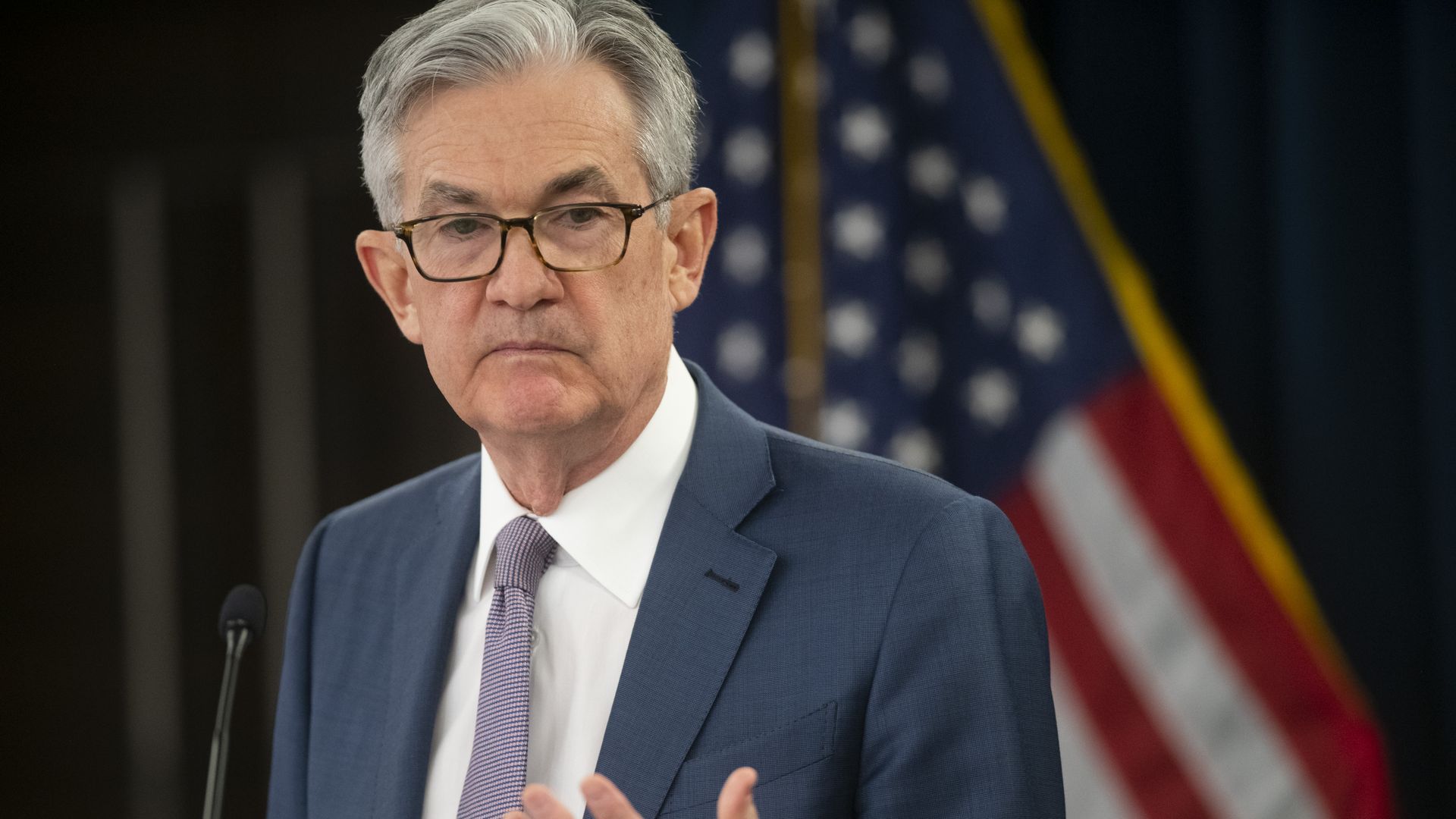
Federal Reserve chairman Jerome Powell painted a grim picture of the U.S. economy during a virtual press conference with reporters on Wednesday, but he said the Fed will act "forcefully, proactively and aggressively" to try to heed off the pain.
Why it matters: In a matter of weeks, stay-at-home orders and other restrictions to contain the coronavirus have pushed over 26 million Americans out of work and prompted the biggest economic contraction in over a decade. The Fed has made quick — and at times unprecedented — moves to shield the economy and keep critical markets functioning.
Lyft disclosed Wednesday that it is laying off 982 employees, about 17% of its workforce, and furloughing another 288 — as well as implementing salary cuts for many employees for 12 weeks.
Why it matters: Despite its attempt to roll out new services like delivery, Lyft has been hit hard by the coronavirus pandemic as people remain home and largely avoid interacting with others. Rival Uber is said to be in talks to cut 20% of its employees as well, as it faces the same market shifts.
The NFL and Amazon said Wednesday that they have renewed their streaming partnership for Thursday Night Football games and added the exclusive TV rights to an additional Saturday game late in the season.
Why it matters: The deal shows Amazon's commitment to accessing live sports rights as it continues to build out its media business. It also shows the NFL's push to make sure its games are watched by as many people as possible — particularly younger audiences that are migrating away from live sports on traditional TV.
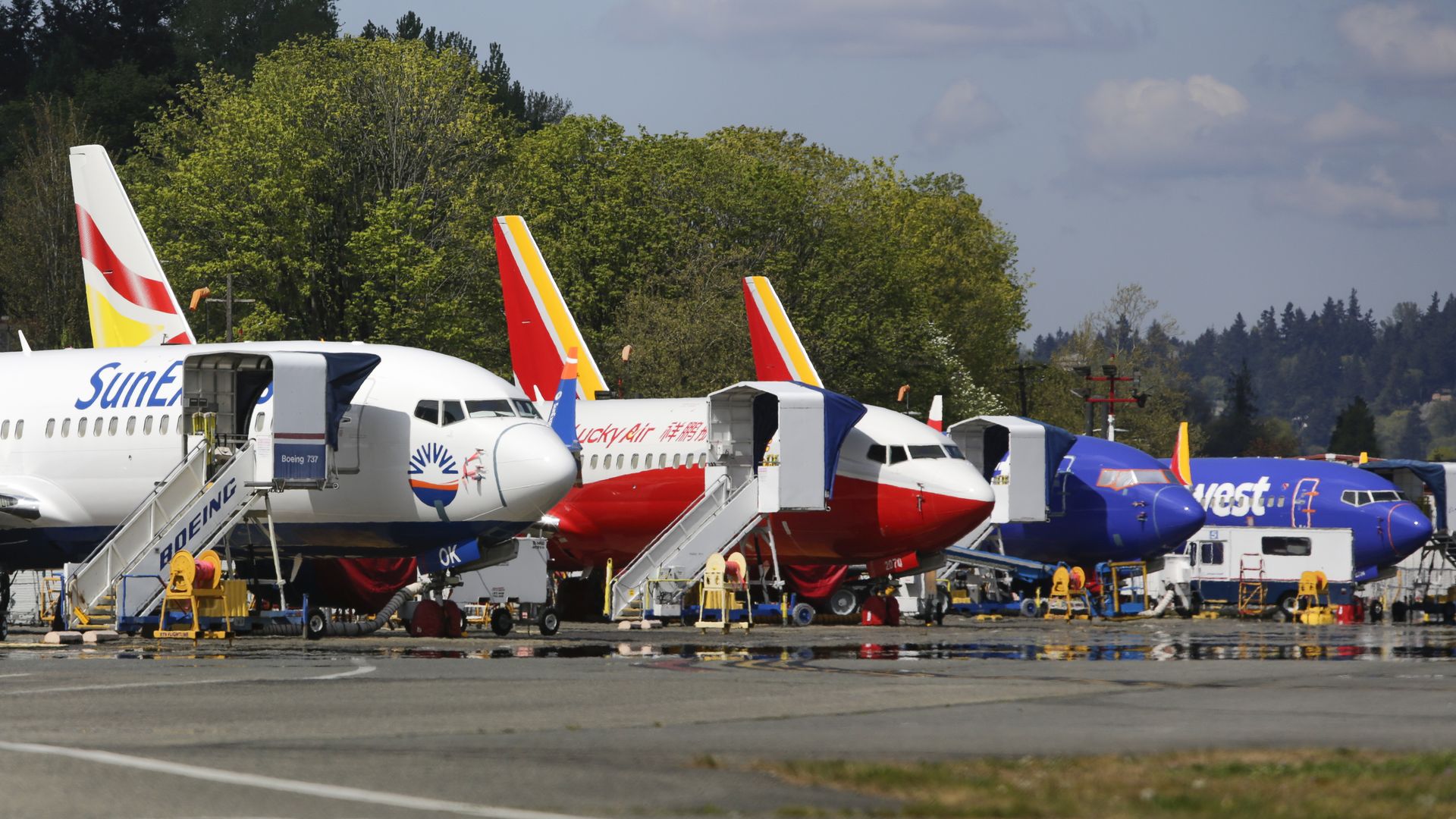
Boeing said Wednesday it would cut 10% of its workforce in the face of dismal demand for its planes during what is likely to be a long recovery for the airline industry from the coronavirus pandemic.
The big picture: Boeing is facing a double whammy from the coronavirus-induced decline of air travel plus the more than yearlong grounding of its best-selling plane, the 737 MAX.
JD.com, a Beijing-based e-commerce giant, filed confidentially for a Hong Kong stock float that could raise at least $2 billion, per multiple reports.
Why it's the BFD: It reflects how Hong Kong's 2018 decision to relax listing rules on dual-class shares is paying off by bringing local giants back home, with JD.com looking likely to follow NYSE-listed Alibaba Group's giant Hong Kong stock sale from last November.
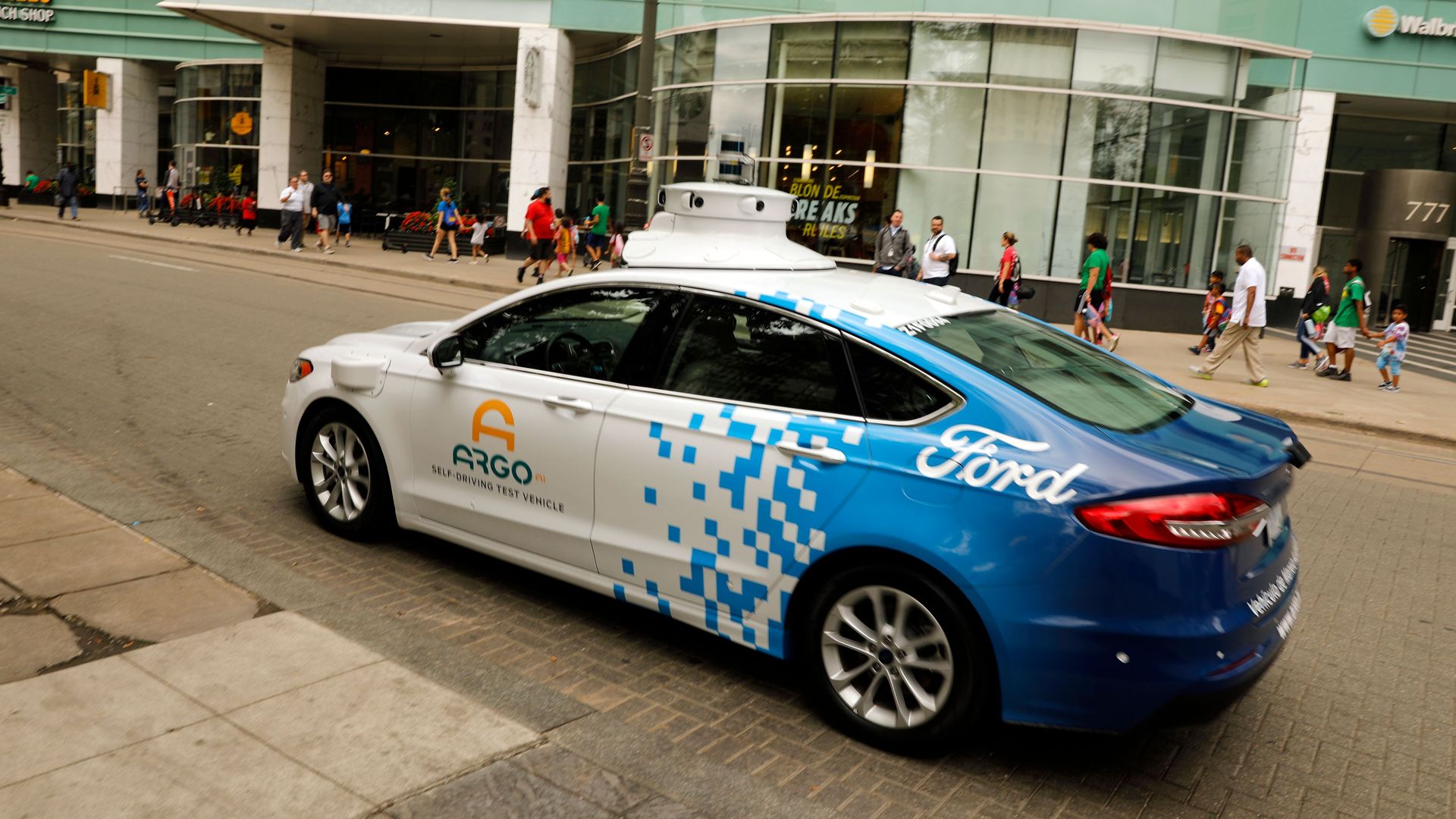
The economic and logistical toll of the coronavirus pandemic is affecting the rollout of several electric vehicle models, and even canceling one project.
Driving the news: Ford and the EV startup Rivian just scrapped plans to jointly develop a vehicle under the Lincoln brand that would use Rivian's "skateboard" platform.
Tesla, which dominates electric vehicle sales in the U.S. and has a growing global reach, will report its first-quarter earnings after markets close today.
The big picture:Bloomberg's preview of CEO Elon Musk's quarterly call tonight points out that Tesla's share price has been resilient despite production shutdowns from the coronavirus pandemic.
The U.S. economy shrank by an annualized 4.8% in the first quarter, the government said on Wednesday.
Why it matters: It's the biggest quarterly drop in over a decade and shows the beginning of an economic slowdown that's expected to get worse as the coronavirus roils the economy. Economists are bracing for current quarter figures, with some projecting a record annualized decline of about 40%.
More than 30% of debt from U.S. companies is trading at distressed levels, ratings agency S&P Global reports.
The state of play: "The U.S. distress ratio grew considerably to 30.2% as of April 10 from 24.9% as of March 16, with the highest proportion of distressed credits held by oil and gas issuers and financial institutions," analysts said in a recent note to clients.
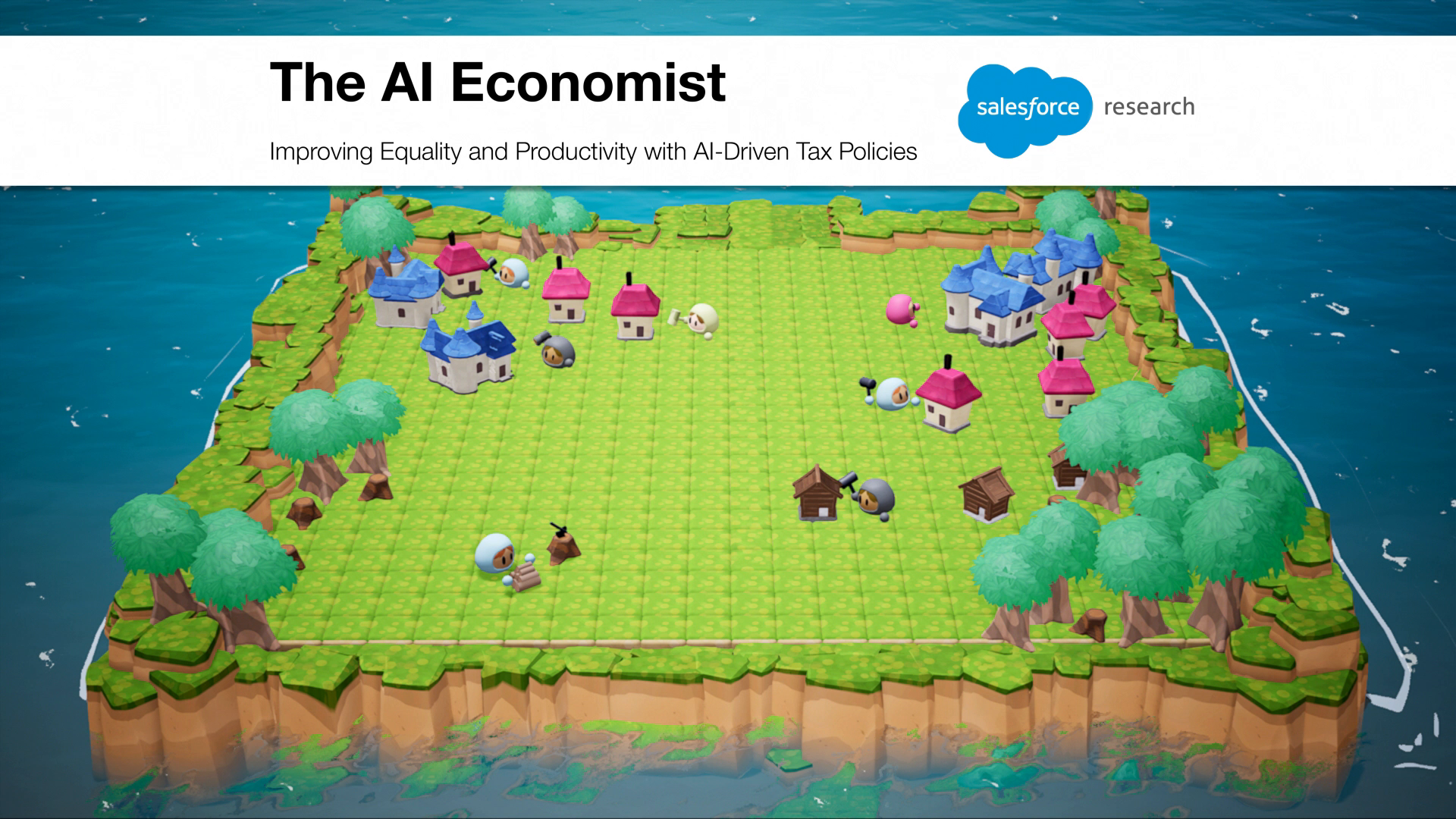
A team of researchers at Salesforce has been working to tap artificial intelligence to identify which tax rates would best achieve a balance of productivity and economic equality.
Why it matters: It's hard to do real-world experiments actually testing out changes in tax policy. Assuming the models work and can add complexity over time, AI could allow economists and regulators to test out lots of approaches to find one that best matches their desired outcome.
Nintendo's "Animal Crossing: New Horizons" slashed its in-game interest rates at its Bank of Nook, taking the war on savers virtual, the Financial Times writes.
The state of play: Players are "being driven to speculate on turnips and tarantulas, as the most popular video game of the coronavirus era mimics global central bankers by making steep cuts."
The number of new unemployment claims filed by Americans over the past five weeks has been record-shattering, and the shock has overwhelmed states' ability to process claims, likely leaving millions more newly jobless people without benefits.
What's happening: A new study from left-leaning think tank EPI finds that there are likely as many as 14 million people who have lost their jobs since March 15 but have been unable to apply for unemployment benefits.
The battle for the future of women's hockey is between one side (NWHL) that wants to stand on its own and another side (PWHPA) that wants to be affiliated with the NHL — similar to how the WNBA is affiliated with the NBA.
Yes, but: The "WNBA model" has evolved and is no longer what it used to be, so mentioning it as an example of the latter model's success is somewhat misleading.
As the coronavirus pandemic persists, a divide is growing between stock investors and business owners.
The state of play: Wealthy investors remain confident about the future and their stock portfolios, while business leaders are growing increasingly worried, new surveys show.
Private equity has long dabbled around the edges of professional sports, but now has its first firm dedicated to buying into teams.
Driving the news: Arctos Sports Partners has been launched by David "Doc" O'Connor, former president of Madison Square Garden Co., and Ian Charles, a longtime private equity secondaries investor.
The cable-news hostsTucker Carlson, Joe Scarborough and Mika Brzezinski, Chris Cuomo, Bret Baier, Nicolle Wallace, and Anderson Cooper each recorded their most-watched month ever in April, AP Media Writer David Bauder reports.
The state of play: Fox News prime timehad the most viewers ever in April, MSNBC's full-day schedule had the largest audience in network history, and CNN's all-day audience was the highest since 2005, when Hurricane Katrina struck.
Thousands of independent restaurant owners from across the country will join a Zoom press conference today to push Congress to create a "restaurant stabilization fund" to save small eateries that are on the brink of insolvency.
Why it matters: The federal PPP loan program doesn't work for these restaurants because of requirements to hire back employees. These establishments are closed and not generating revenue.
Whether in the workplace or the mall, people can expect that an opened-up world will involve more intrusive security measures and surveillance.
Why it matters: All the new coronavirus protocols that companies are considering for their workers and customers — from contact tracing and temperature-taking to heat mapping and "immunity passports" — have privacy and civil liberties implications.
The "sharing economy" — as embodied by companies like Uber, Airbnb, and WeWork — is in critical condition, thanks to the coronavirus pandemic.
Why it matters: Basic assumptions about the evolution of human behavior in the digital age are melting under the pressure of COVID-19, requiring us to recalibrate how we envision the tech-enabled future.
This was supposed to be the year that Ford's plodding turnaround effort started to gain traction, but the novel coronavirus pandemic changed all that. Now it's all about survival.
Why it matters: With its factories shuttered and car sales down sharply, the automaker has shifted its focus to conserving cash while delaying projects like self-driving cars that could define its future.
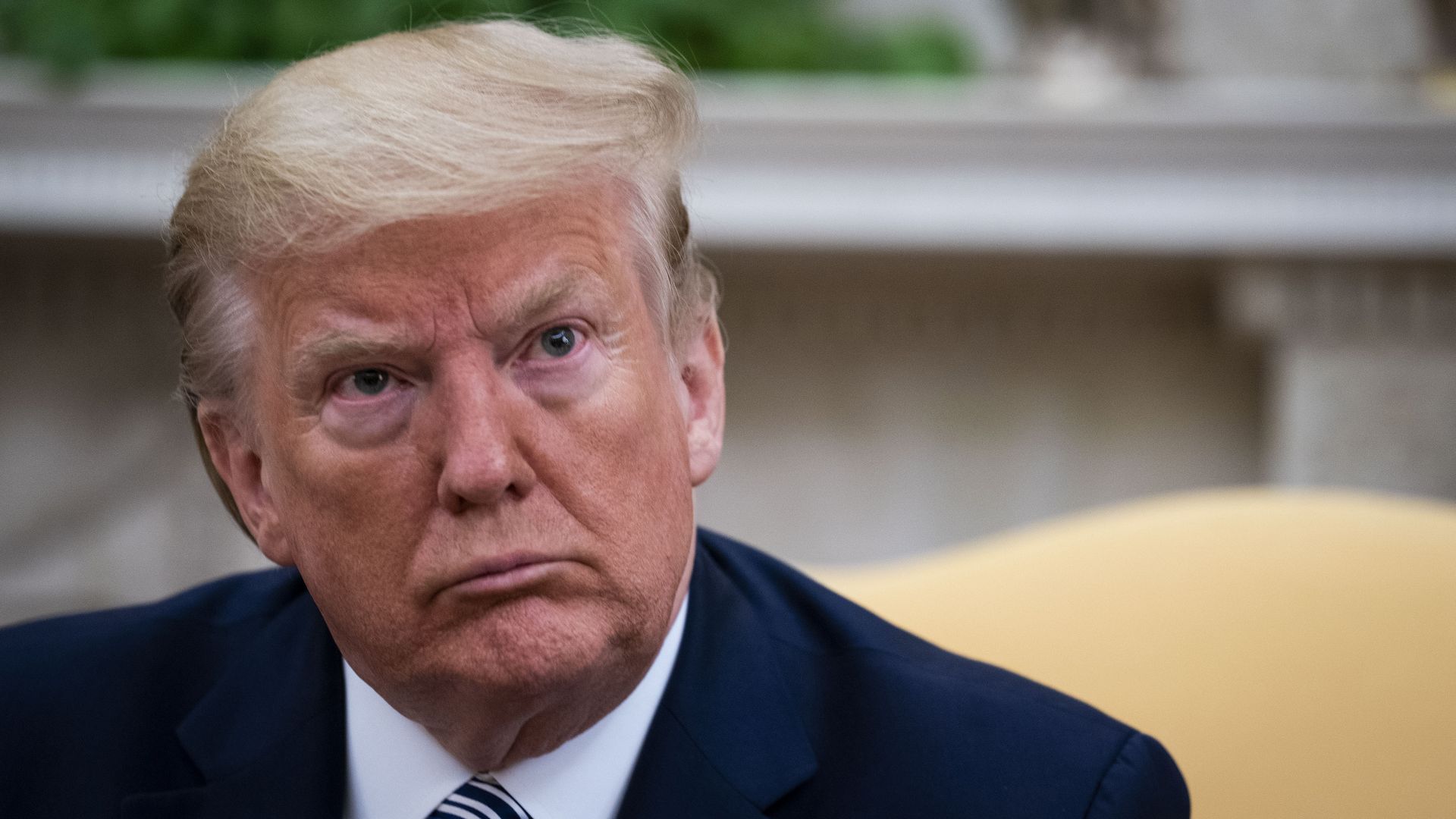
President Trump signed an executive order on Tuesday requiring meat processing plants to stay open under the Defense Production Act during the coronavirus pandemic.
Why it matters: America's food supply chain is at risk due to coronavirus outbreaks in rural meatpacking plant communities.





















/2020/04/28/1588113470845.gif?w=3840)