Films won't need to be released in theaters to qualify for an Oscar next year, according to new rules announced Tuesday evening by the Academy of Motion Picture Arts and Sciences.
Why it matters: Movie studios are required to debut their films in a physical theater in Los Angeles County for at least seven days in order to qualify for the Oscars, but the Academy says it's temporarily changing its rules as most movie theaters remain shuttered across the country due to the coronavirus.
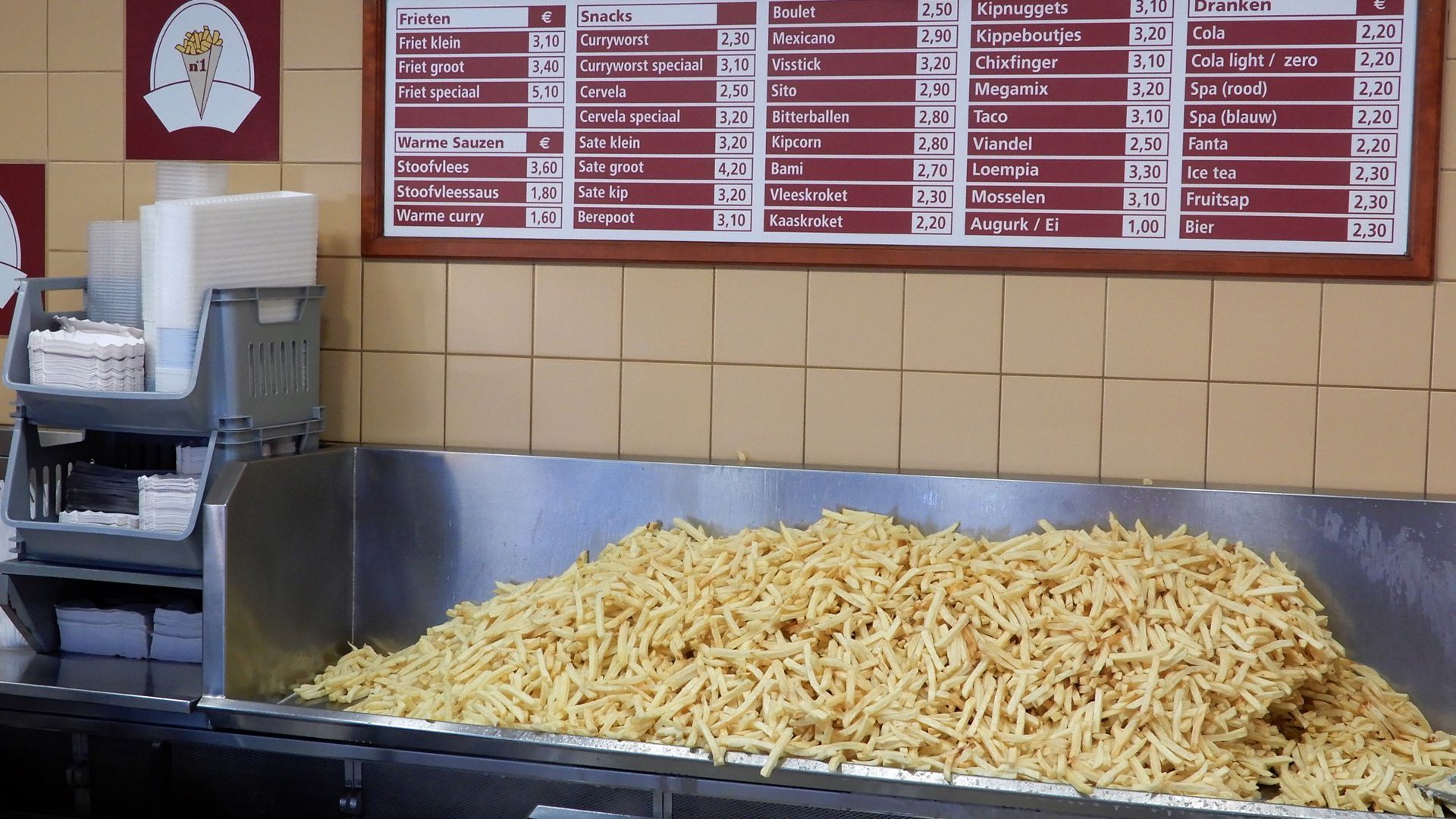
Hundreds of thousands of poundsof potatoes are at risk unless Belgians eat more french fries during the coronavirus crisis, Romain Cools, the secretary-general of the country's potato industry group, told CNBC.
The big picture: Frozen potatoes account for 75% of Belgium's potato processing capacity, and demand has been crushed with restaurants shuttered and freezers filled up.
Stock for Google's parent company, Alphabet, was up nearly 4% in after-hours trading Tuesday after the company reported that it beat Wall Street expectations for total revenue.
Yes, but: Despite beating expectations on revenue, the company still reported a slowed advertising growth rate compared to last quarter, due to the decline of the ad market caused by the coronavirus. Google makes the vast majority of its total revenue from ads.
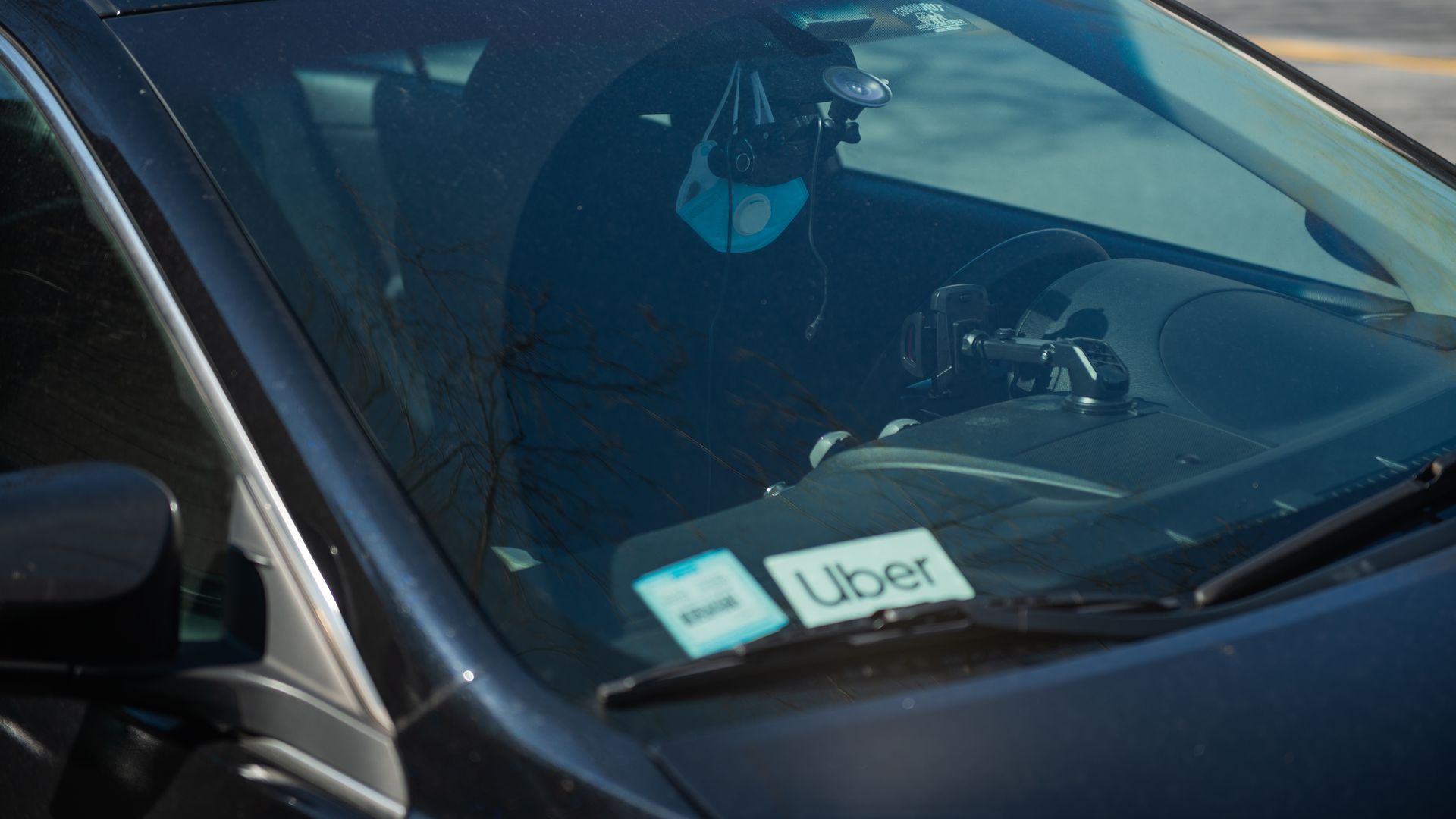
As people continue to stay home amid the coronavirus pandemic, leadership at Uber is discussing potentially laying off as much as 20% of the company's workforce, according to The Information. The company's chief technology officer, Thuan Pham, has also recently resigned, Uber confirms.
The big picture: Though Uber's food delivery business is experiencing a boom as restaurants seek to remain afloat, much of its ride-hailing business has dissipated — dipping 60–70% in Seattle during the height of the city's outbreak, for example.
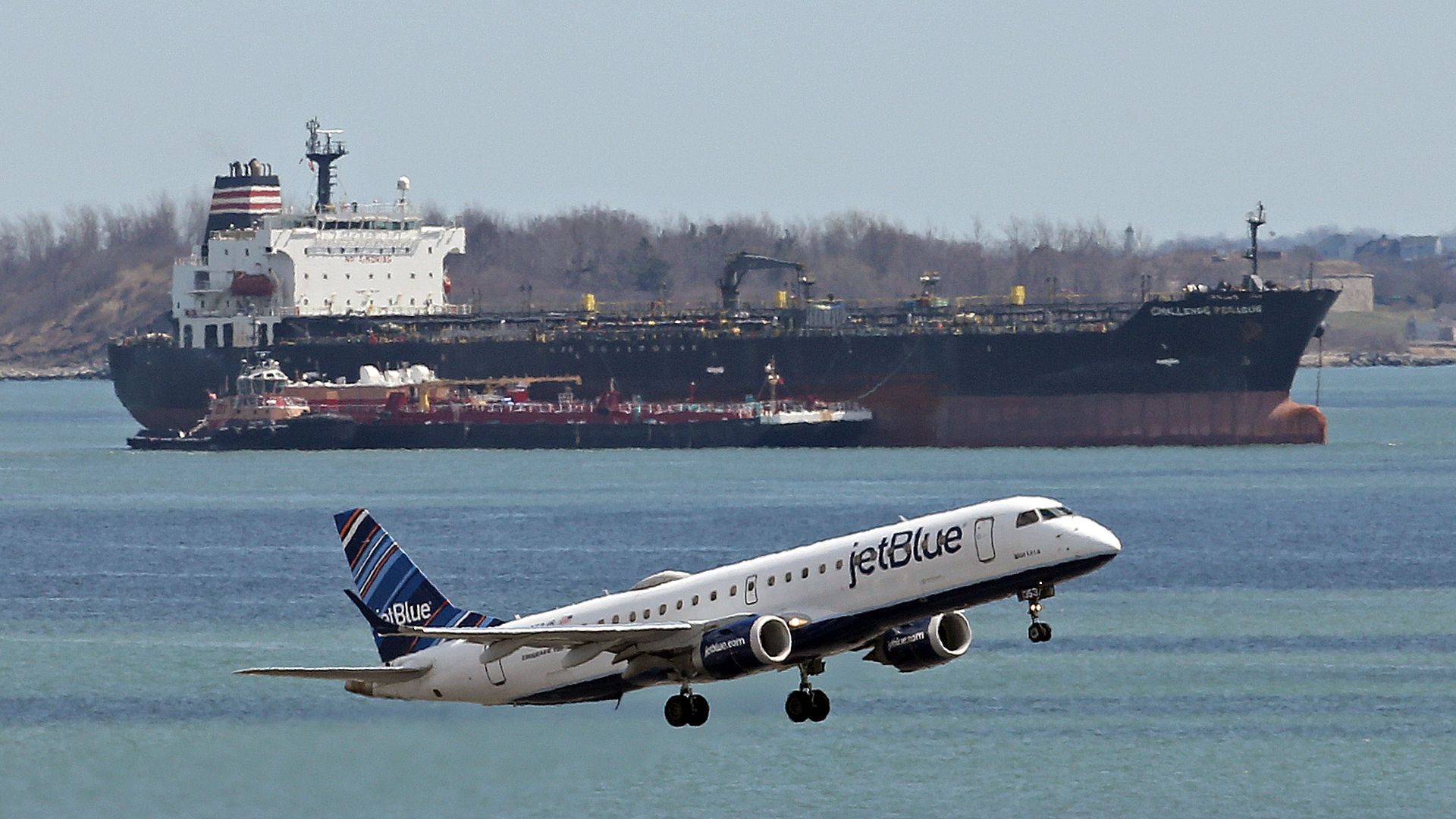
JetBlue on Tuesday became the first major U.S. airline to announce it will require its passengers to wear face coverings in an effort to slow the spread of the coronavirus.
The big picture: Passengers will have to wear masks the entirety of the time from check-in to deplaning. Children who are too small to keep on a face mask are exempt from the policy, which will take effect on May 4.
School closures as a result of the coronavirus crisis are creating a "disruption in continuity of learning," as high school seniors and current college students become turned off by the prospect of online learning, Coursera CEO Jeff Maggioncalda told Axios during a virtual event on Tuesday.
Why it matters: 1.6 billion students have had their schools closed around the world, according to UNESCO. Maggioncalda said there's "growing concern" that students won't return to college until there's a "new kind of normal," but that he hopes online courses will allow students to continue learning for free or at low cost.
Online travel booking site TripAdvisor confirmed Tuesday that it is eliminating 900 jobs, or around 25% of its workforce, as the coronavirus pandemic wreaks havoc on the hotel and airline industries.
The state of play: Co-founder and CEO Steve Kaufer, who is no longer taking a 2020 salary, said in a statement that the company "had hoped cutting discretionary expenses and furloughs would be enough, but as the pandemic worsened, it became clear that the company needed to take additional cost saving measures."
Southwest Airlines reported Tuesday a first-quarter net loss of $94 million as the coronavirus pandemic brings the airline industry to its knees.
The big picture: It's clear the pandemic has painfully impacted the travel industry, specifically airlines, which are now reporting their losses during 2020's first quarter as U.S. travel plunges 95% from the same time last year.
Walmart CEO Doug McMillon told "Axios on HBO " that he doesn't like to think of a temporary $2 entry wage increase for workers at e-commerce warehouses "as hazard pay, because it diminishes why our people are coming to work. ... They're coming to work because they want to serve."
The big picture: The company has had to ramp up its fulfillment capacity to meet the surging demand for groceries and home goods amid the pandemic.
Uber looks like it's playing hardball again — this time in a conflict with the city of San Francisco over food delivery fees.
What's happening: In response to an order from the San Francisco mayor capping the fees delivery services can charges restaurants, Uber's food delivery business announced Friday it would no longer serve residents of the city's Treasure Island neighborhood, saying it's no longer able to finance those operations.
Smartphone sales could take an especially strong hit this year as people cut spending and travel less and focus scarce resources on other types of technology.
Why it matters: Smartphones provide a huge chunk of industry revenue because hundreds of millions are sold each year. It's a key business not just for phonemakers like Apple and Samsung, but also for component suppliers like Corning and chipmakers like Qualcomm.
One thing that will affect post-pandemic oil demand and carbon emissions is how quickly — and how much — driving ultimately bounces back compared to other modes of moving around.
Driving the news: Rough proxy data via Apple provides early signs that driving is starting to come back in a number of U.S. cities, while light rail and bus use basically isn't (yet).
Business and finance coverage is the fastest-growing area of news and information content during the coronavirus era, according to data from SimilarWeb.
The big picture: For the first time in several years, politics is not the top news category in America, or globally.
"Consortium coverage" is becoming a bigger trend as news companies experience dramatic businesses losses and join forces on complicated topics like coronavirus.
Driving the news: Colorado newsrooms are uniting to cover COVID-19. The Associated Press says it's worked with nearly two dozen Colorado news organizations to cover the state's response to the pandemic using a tool launched by the AP called "StoryShare," which allows newsrooms to share content and coverage plans.
Treasury Secretary Steve Mnuchin told CNBC Tuesday that the Small Business Administration would undertake a "full review" of any loan that exceeds $2 million under the Paycheck Protection Program (PPP).
The combination of the Fed's seemingly limitless monetary policy and the open floodgates fiscal response from the White House and Congress has investors worrying about inflation again.
Why it matters: Inflation not only increases the cost of goods and services, but it could force the Fed to raise interest rates before the economy has recovered, depressing growth as the U.S. starts to emerge from the coronavirus-induced recession.
With the future of the 2020 baseball season still unknown, ESPN is relying on reruns of classic games, including a May 12 telecast focused on Derek Jeter, executives tell Axios.
Why it matters: ESPN sees value in re-airing classics, especially with mega-stars. Without live sports, it's the closest thing the network can offer to baseball fans, who tend to be older and less likely to tune into alternatives like eSports.
The second round of Payroll Protection Program loans for small businesses got under way Monday — and disparities between the haves and the have-nots are becoming more stark.
What's going on: Small businesses in the Midwest, notably Nebraska, got a big share of the loans. But states like New York and California — hit hard by the coronavirus economic shut down — came up comparably short.
Chef and author Dan Barber tells "Axios on HBO" that the economic fallout from the coronavirus will be an "absolute disaster" for small farmers: "It is the tsunami. It's coming."
Why it matters: Barber has been surveying local farmers in New York's Hudson Valley, where he works, and 90% of them anticipate they will go out of business if restaurants are forced to operate at 50% capacity during the height of harvest season this summer.
/2020/04/28/1588108803555.gif?w=3840)