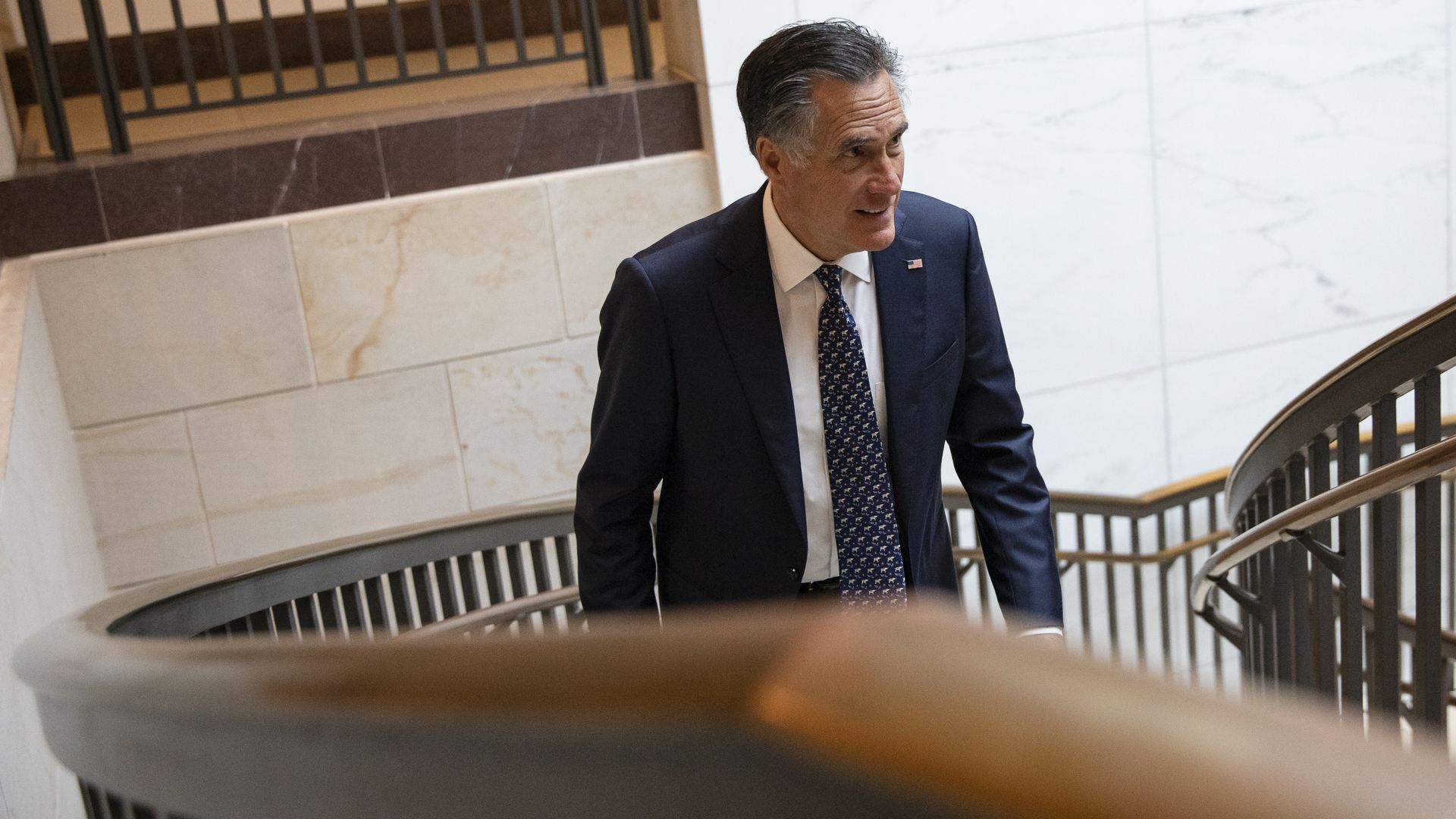
Sen. Mitt Romney (R-Utah) wants to pay essential workers an up to $12 an hour extra for the next three months as a form of hazard pay for working during the coronavirus pandemic, the senator told The Washington Post Friday.
The big picture: Labor groups have called for hazard pay recently amid concerns that people working during the crisis are putting themselves at risk for the well-being of others. Romney's plan could see some workers make up to $1,920 a month extra, per the Post.
Workers joined May Day protests across the globe on Friday, in the midst of nationwide lockdowns aimed at fighting the spread of the novel coronavirus.
Zoom in: In the U.S., employees at Amazon, Instacart, Target, Whole Foods and FedEx — many of whom are acting as "essential workers" and facing heightened risk from the virus — planned walk-outs on Friday to call for more personal protective gear and hazard pay.
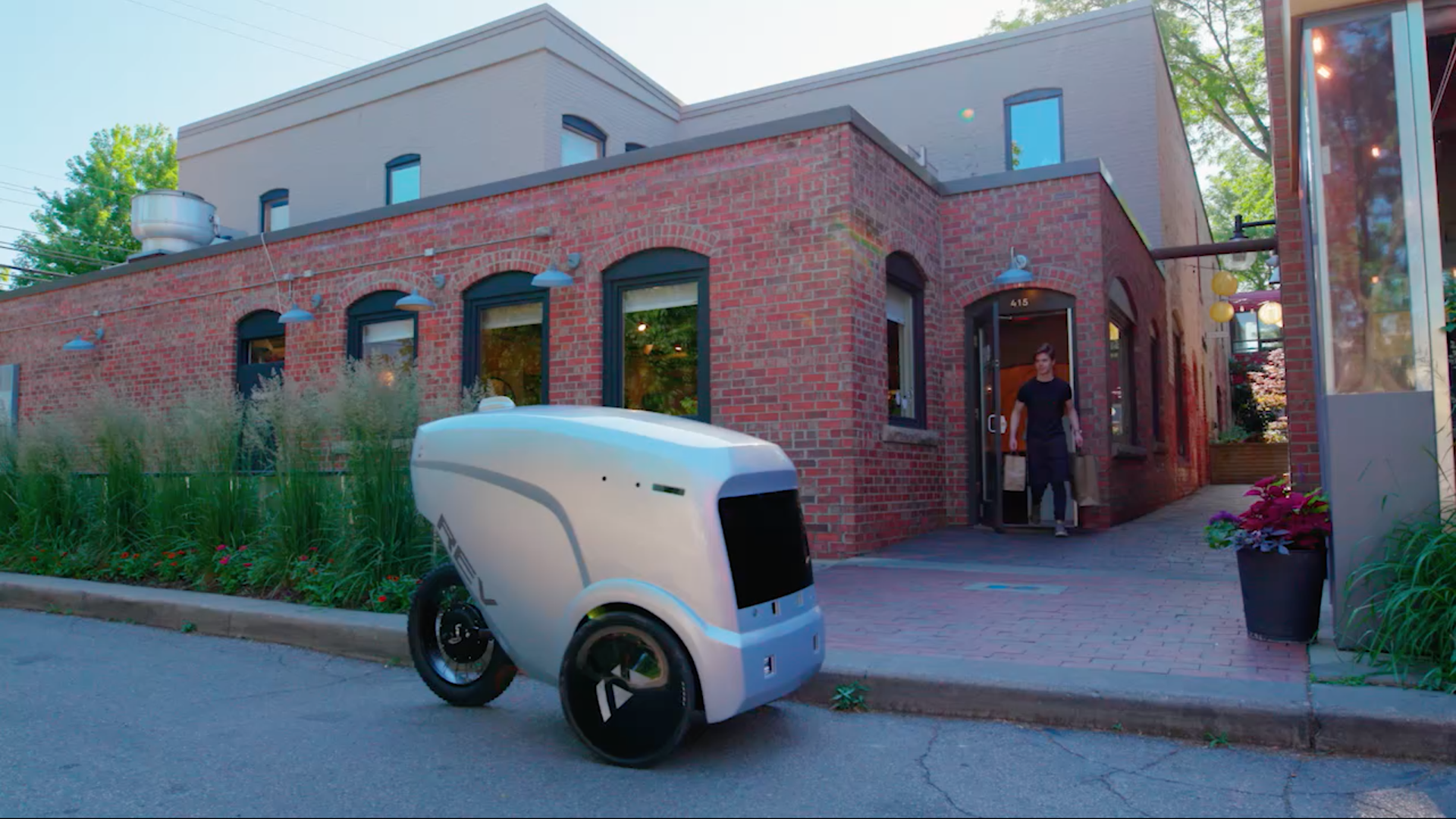
Refraction AI, a robot delivery startup in Ann Arbor, Mich., was having trouble gaining traction before the pandemic — and now, it's racing to capitalize on our stay-at-home mentality.
Why it matters: In the midst of the pain and suffering from a crisis, there's often room for innovation by forward-looking entrepreneurs with good timing.
The coronavirus pandemic couldn't have hit Ford at a worse time — midway through a restructuring effort, with several critical vehicle debuts just around the corner.
Why it matters: With its factories closed and car demand sharply lower, it's more important than ever for Ford to get the company back on track quickly so it can weather the storm.
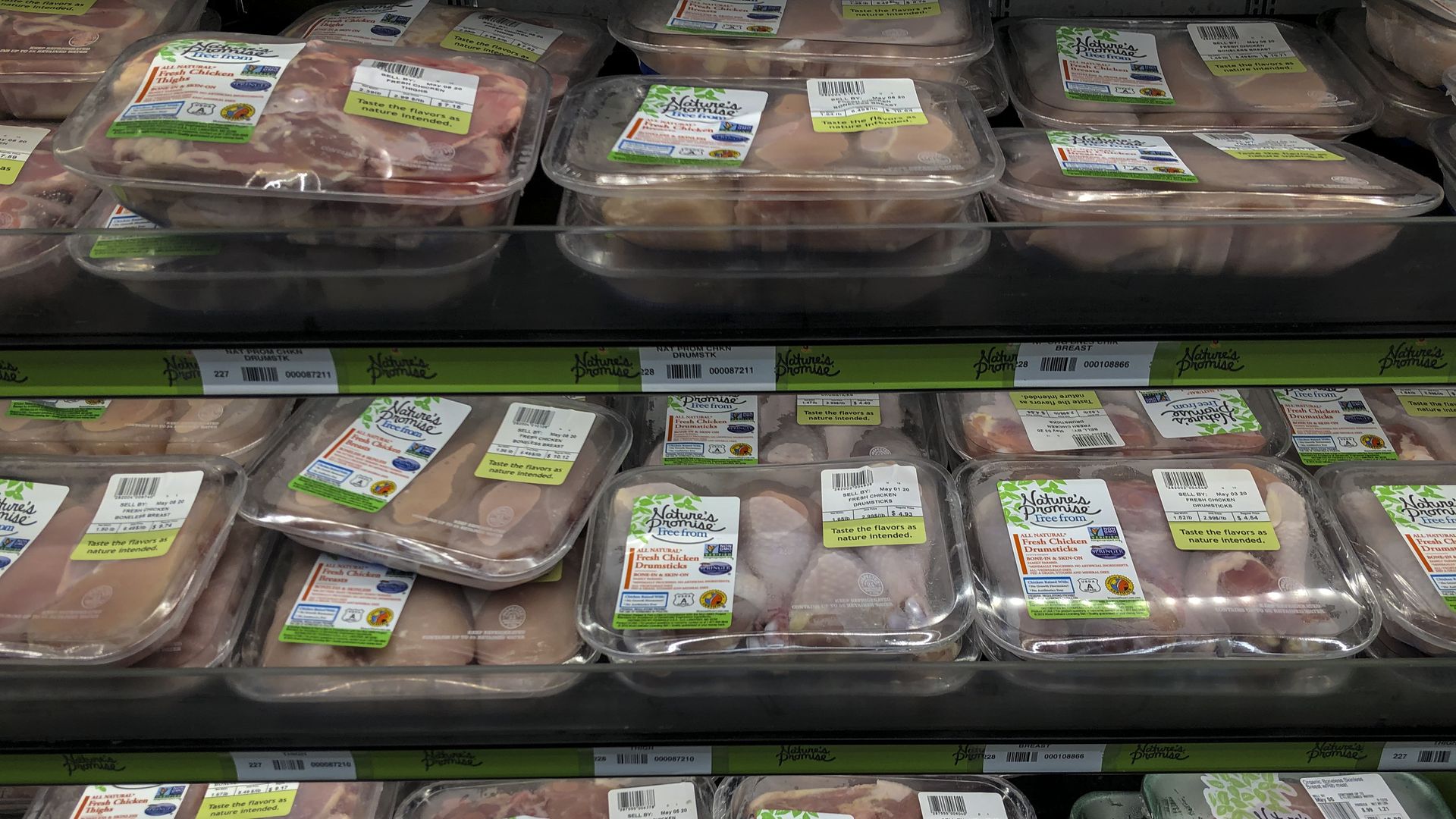
Why it matters: The federal government has ordered meatpacking plants to remain open to keep America's food supply chain intact. But the data reveal worker safety is jeopardized when companies don't drastically change the work culture and provide protective equipment.
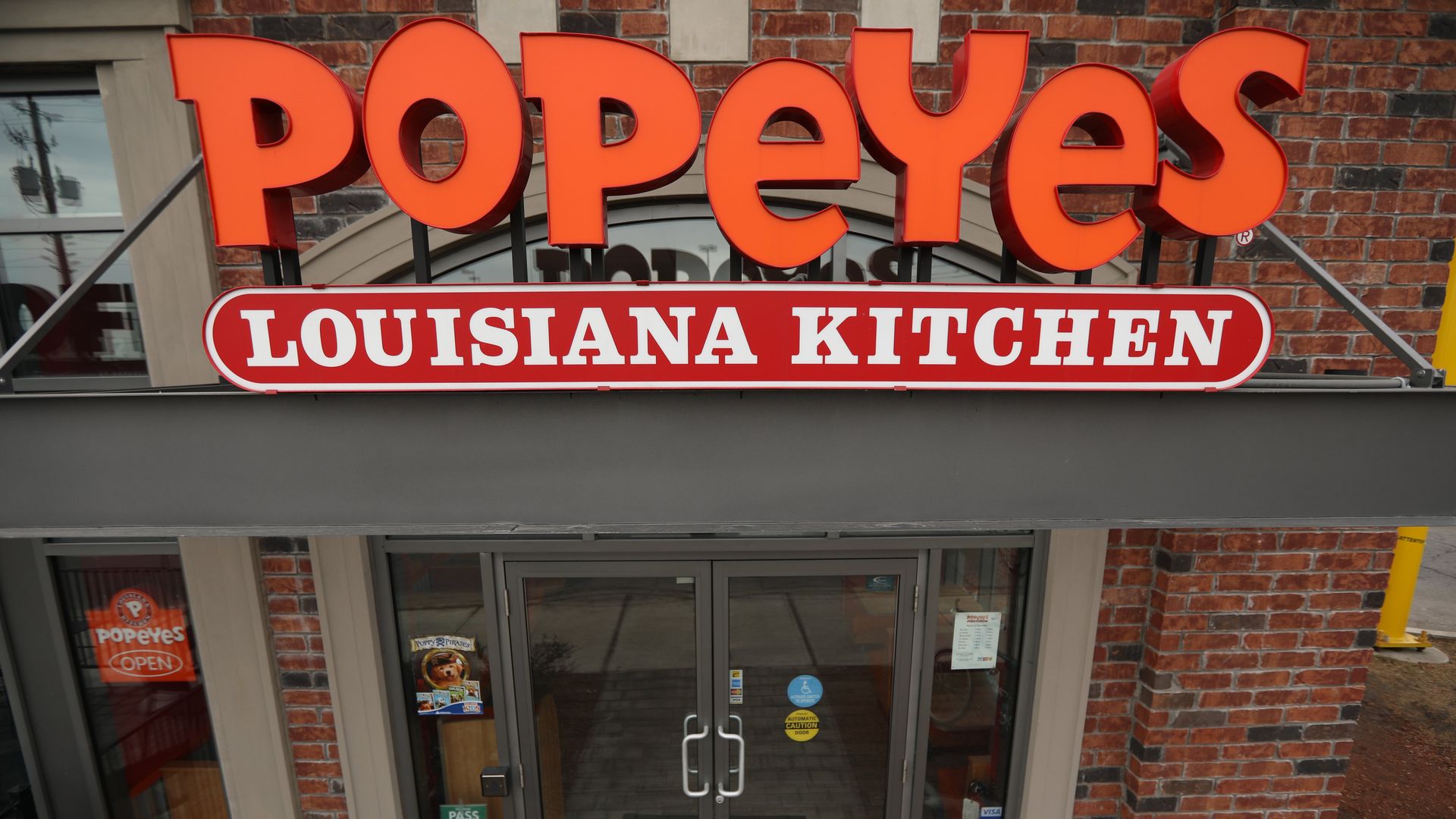
Popeyes reported 26% growth in the first quarter — driven by its hugely popular fried chicken sandwich — despite coronavirus lockdowns across the country, Bloomberg reports.
The big picture: The trend wasn't universal across the fast-food world. Restaurant Brands International, which owns Popeyes, saw its other chains feel pressure as the pandemic took hold. Tim Hortons' sales fell about 10%, while Burger King's dropped nearly 4%.
Amazon announced Thursday as part of its Q1 2020 earnings that it’s planning to spend the $4 billion it would expect in profit next quarter on worker safety and resources because of the coronavirus pandemic — then its stock dropped 5% in after-hours trading.
Why it matters: If you’ve been wondering for the last six to eight weeks why some publicly traded companies seem to be resisting strong measures to curb the virus spread, this a big reason.
New data from companies and analysts is indicating that smartphone sales are starting to take a hit as we predicted might be the case earlier this week.
Why it matters: Smartphones have been the growth engine of consumer electronics for more than a decade. Sales were already slowing before the coronavirus, but the industry now appears headed for a significant dip.
Investors were hoping to come away from this week's earnings reports with a better sense of how tech companies were faring amid the coronavirus pandemic, but they ended up with some dollops of sobering news on a heap of continuing uncertainty.
The big picture: Tech may be the sector best poised to ride out the economic disruptions caused by the illness, but it won't be immune from the pain, and even some of its revenue gains will be dented by a higher cost of doing business.
ExxonMobil reported Friday a $610 million first-quarter loss, down 126% from the same period last year, reflecting a $2.9 billion write-down linked to lower commodity prices.
Why it matters: Exxon is the largest U.S.-based multinational oil-and-gas company, and the loss underscores how the decline in oil price and demand from the coronavirus pandemic is hitting producers of all sizes.
The Fed's programs also helped spark a rally in equity prices, and the S&P 500 had its best month since 1987 in April.
The state of play: While retail traders have jumped into the stock market with both feet, institutional investors have preferred to play it safe and go to cash, data show.
The Fed has not yet begun buying corporate bonds through its announced special facilities, but just by announcing plans to take action has sparked rallies in bonds across the spectrum and improved market functioning.
Yes, but: "The Fed’s aggressive actions have benefited the markets in the short term. Longer term, however, we think there will be downgrades, defaults, and bankruptcies, particularly among companies that came into the downturn with high leverage," warns Ruta Ziverte, head of fixed income for William Blair.
The PPP initially made headlines for leaving out many small businesses who were muscled out by large corporations and savvier peers with long banking histories, but now even those who secured the funding say the program needs to be overhauled.
Driving the news: "It’s difficult to successfully use the Paycheck Protection Program loan," Jackie Victor, founder and owner of Detroit's Avalon Breads, writes in an op-ed for the New York Times.
While business owners have largely praised the federal government's fast response and the good intent of the CARES Act, it has left much to be desired.
The state of play: It is believed that one of the reasons for the Fed's expanded lending under the Main Street facility is the struggles of the Paycheck Protection Program.
The world's most powerful central banks made clear this week that they expect the economic damage from the coronavirus pandemic to be deep and long-lasting and they are arming themselves for war.
Why it matters: We are entering an uncharted era of central banking that will see the Fed and its peers lend money directly to businesses, take unprecedented risks and directly support tremendous portions of the global economy.
Whenever you're ready to fly again, be prepared: air travel after the coronavirus will look and feel a lot different from the last time you boarded a plane.
The big picture: With passenger traffic down 95% during the height of the pandemic, airlines have all but given up on trying to salvage the lucrative summer travel season. The global industry expects to lose $314 billion this year, and airline executives say it could be two to three years before air travel recovers to pre-crisis levels.
The sudden wave of tens of millions of unemployment claims has overwhelmed state agencies hobbled by outdated tech and understaffed offices.
Why it matters: The federal coronavirus aid package expanded unemployment benefits for laid-off workers as the pandemic roiled the labor market, but an unprepared system has boxed out people in need — and artificially depressed the unemployment count, economists say.
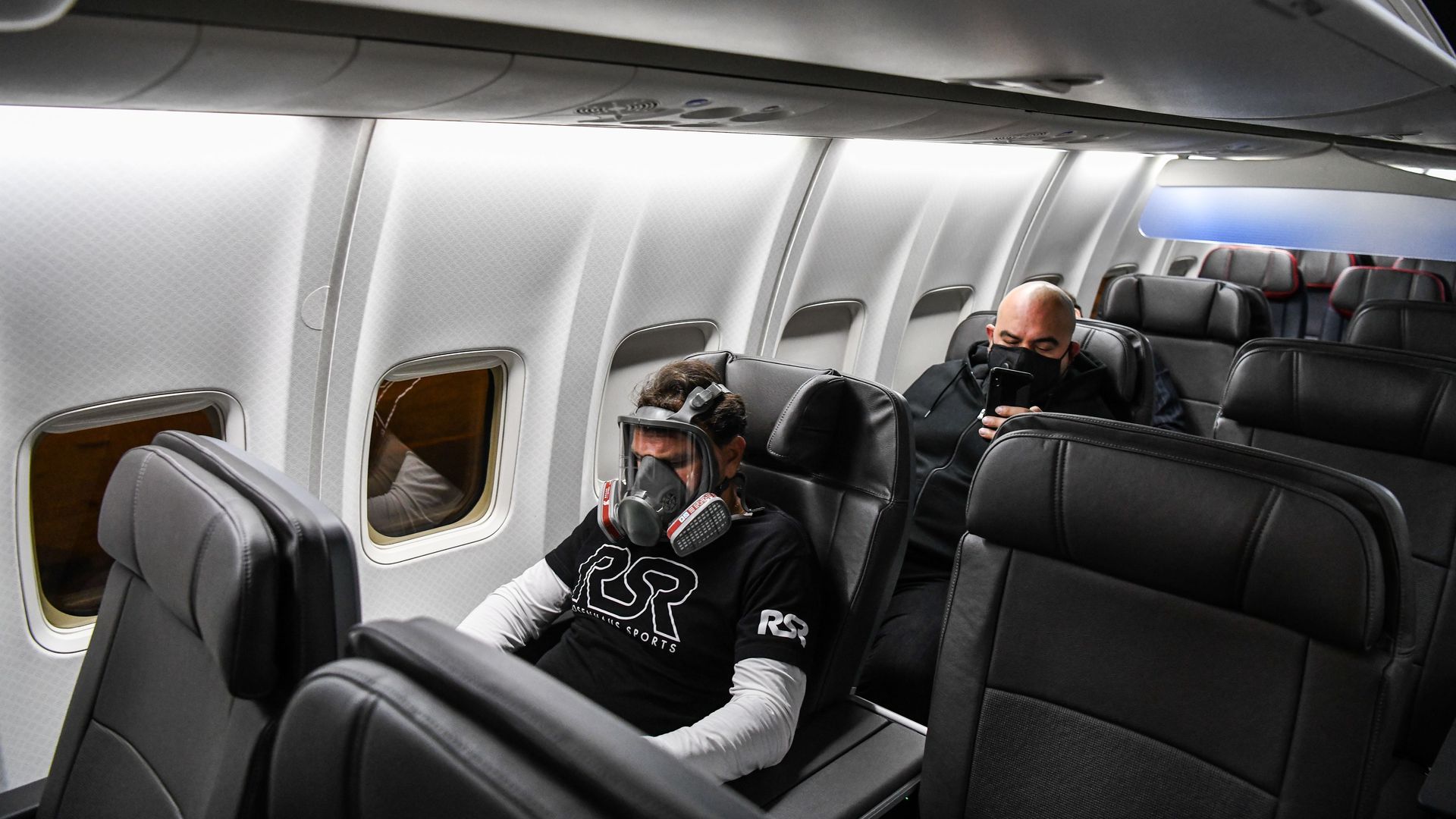
American Airlines and Delta Airlines announced on Thursday that passengers will be required to wear face masks on their flights starting in early May, joining Jet Blue and Frontier Airlines.
The big picture: Flight attendant unions have been pressuring the federal government to mandate face masks on planes, Politico reports. Employees at American and Delta were already required to wear masks.
Boeing does not expect to seek aid from the federal government to offset losses exacerbated by the coronavirus crisis, after selling $25 billion in bonds in the public market, the company said in a Thursday press release.
Flashback: Boeing sought $60 billion in federal aid for the aircraft industry, including suppliers, in March. The Treasury Department had set aside up to $17 billion for Boeing as part of its $2 trillion CARES rescue package, the Wall Street Journal reported earlier this month.