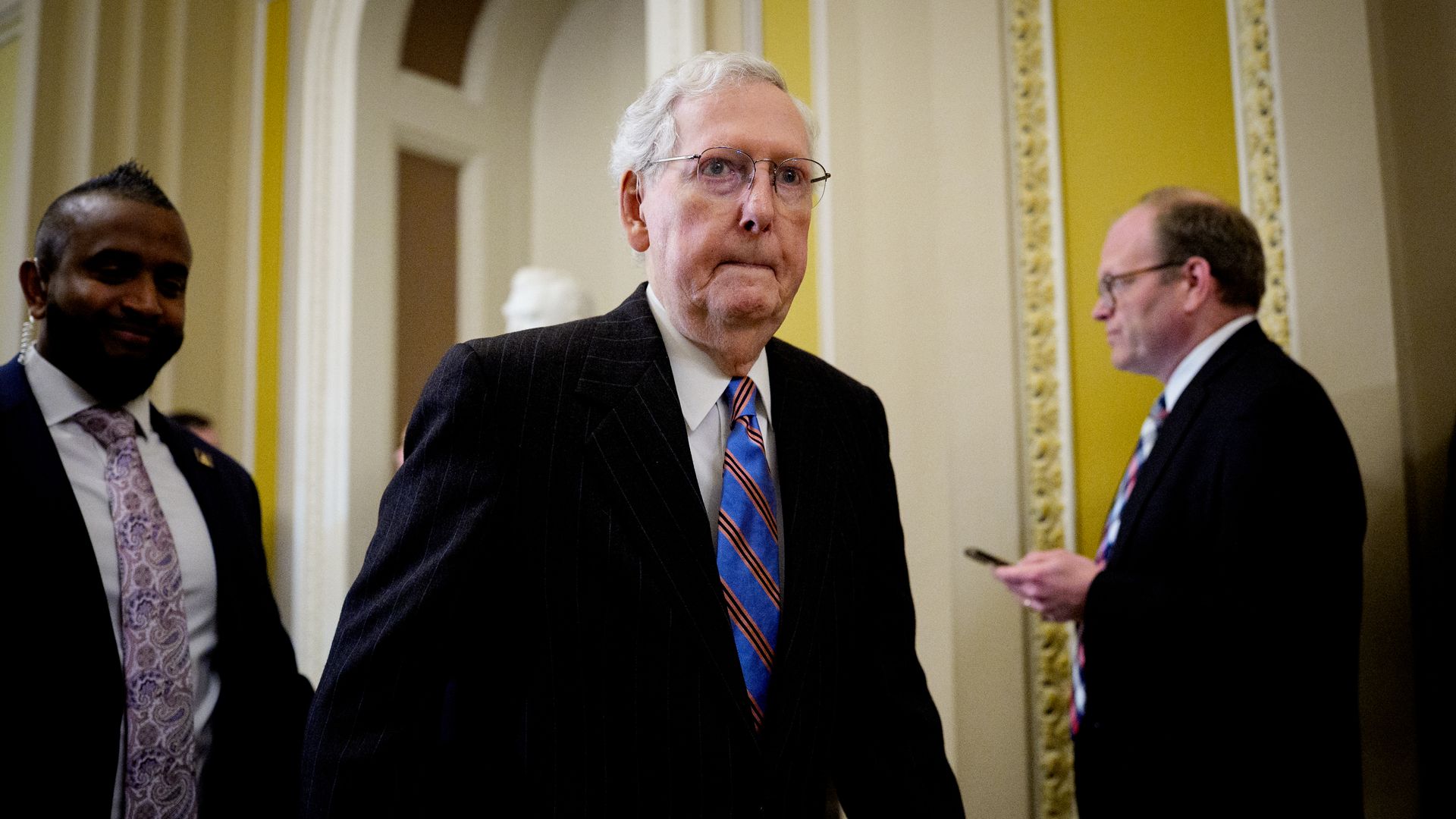
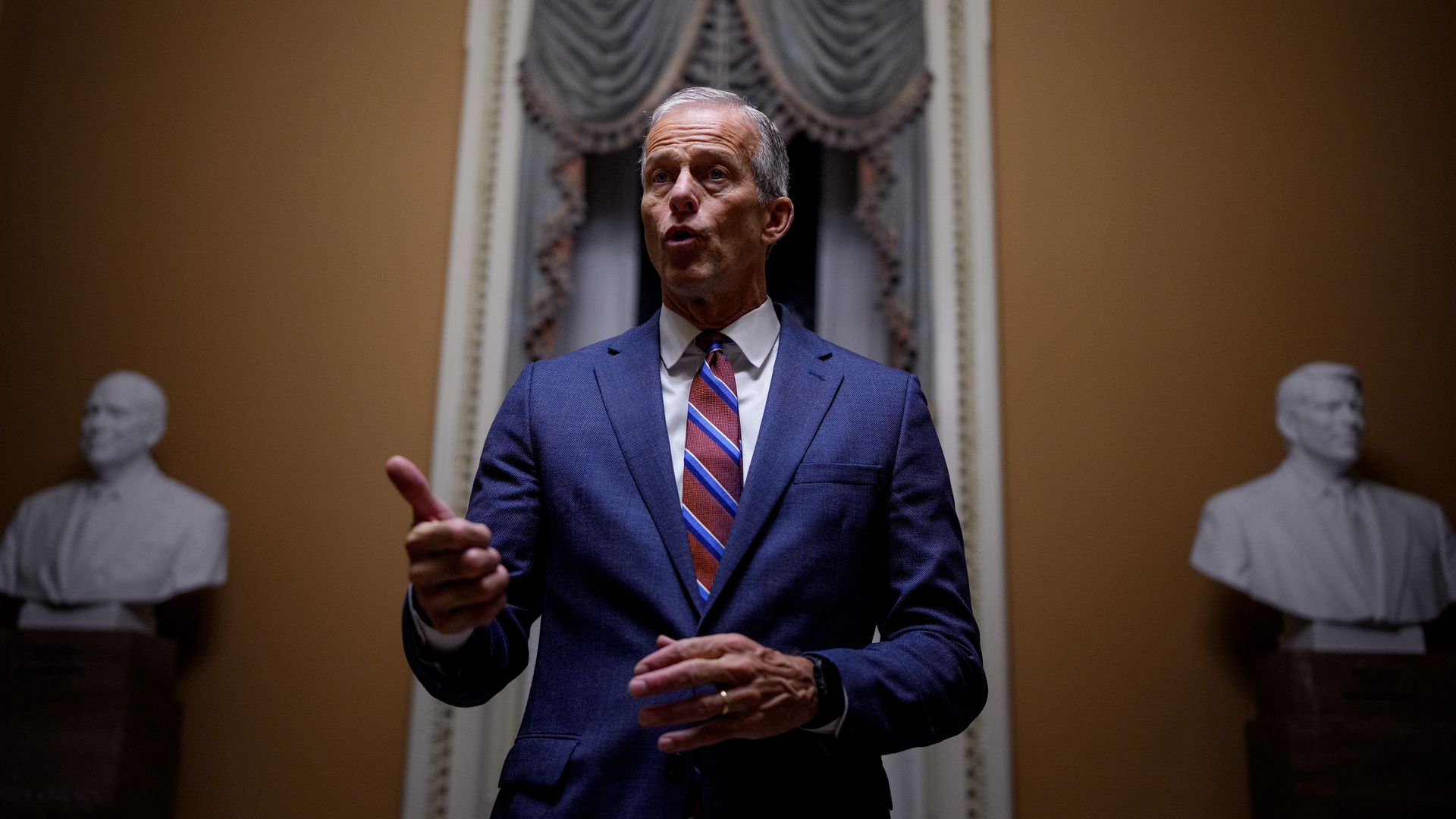
Congress rallied to pass a spending bill that ended the record-long government shutdown, but it came with a price: much of the legal cannabis industry.
The big picture: A last-minute provision in the spending bill criminalized many hemp-derived products, despite the objection of businesses, lobbying groups, and lawmakers with stakes in the $28 billion industry.
Retailers are locked in a Thanksgiving turkey price war, cutting into margins to hold onto cost-conscious consumers.
Why it matters: Americans are feeling squeezed, with grocery prices about 30% higher than before the pandemic — and millions facing new food insecurity after the government's SNAP benefits freeze.
ESPN, ABC, National Geographic and more than a dozen other Disney-owned channels have been reinstated on YouTube TV after the two companies finally struck a distribution agreement.
Why it matters: The blackout, which started October 30, cut off major sports and news programming — including NFL games, college football, and 2025 election night coverage — for more than 8 million subscribers of YouTube TV.
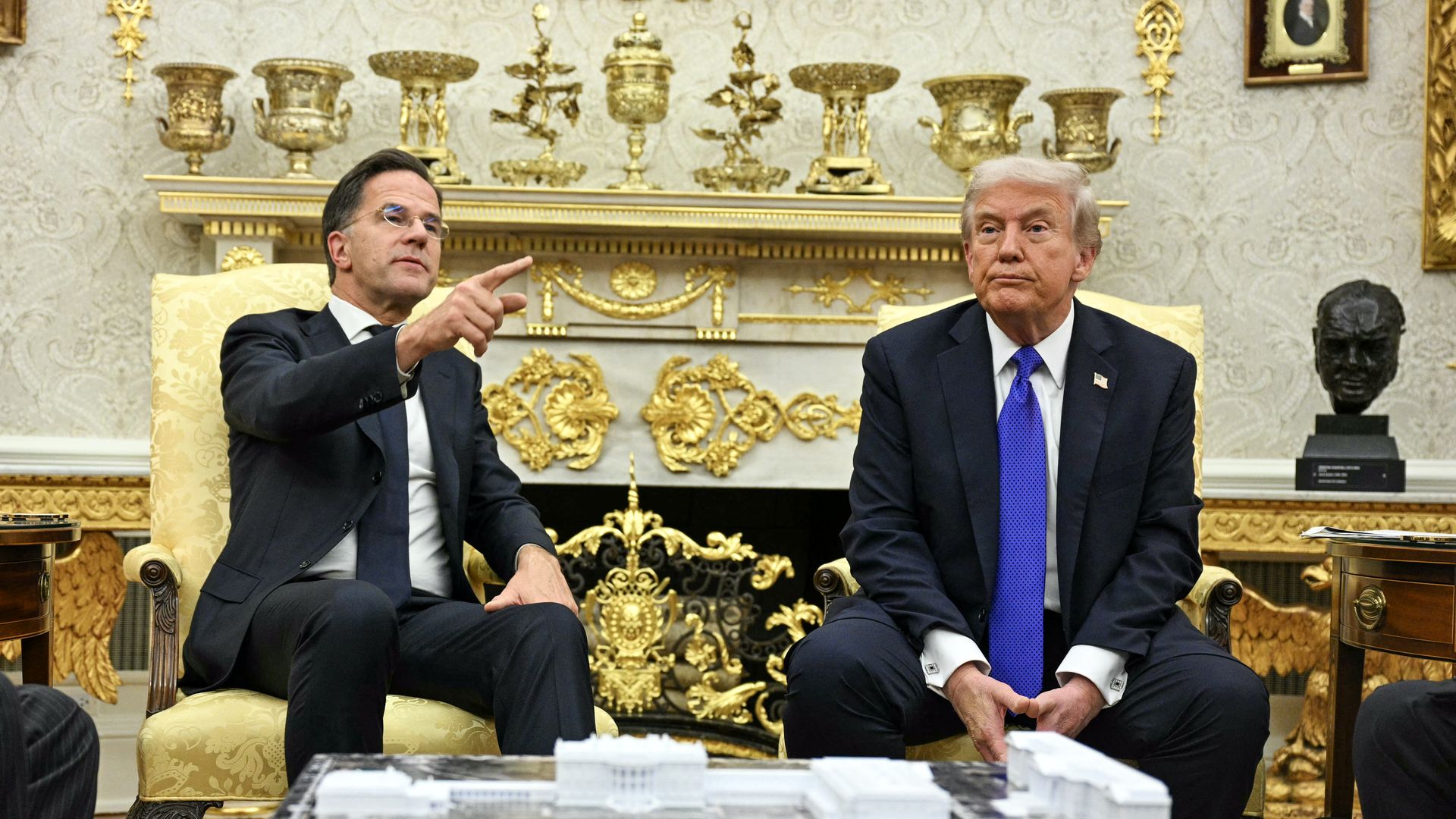
Forget retaliation: To cut tariffs President Trump imposed on their country, the Swiss sent a delegation of industry tycoons bearing gifts — a special Rolex desktop clock, a 1-kilogram personalized gold bar, and loads of flattery.
Why it matters: Trump loves such pampering, and the word's out among nations and companies seeking his favor. Tributes fit for a king — especially gold — catch his eyes and his heart.
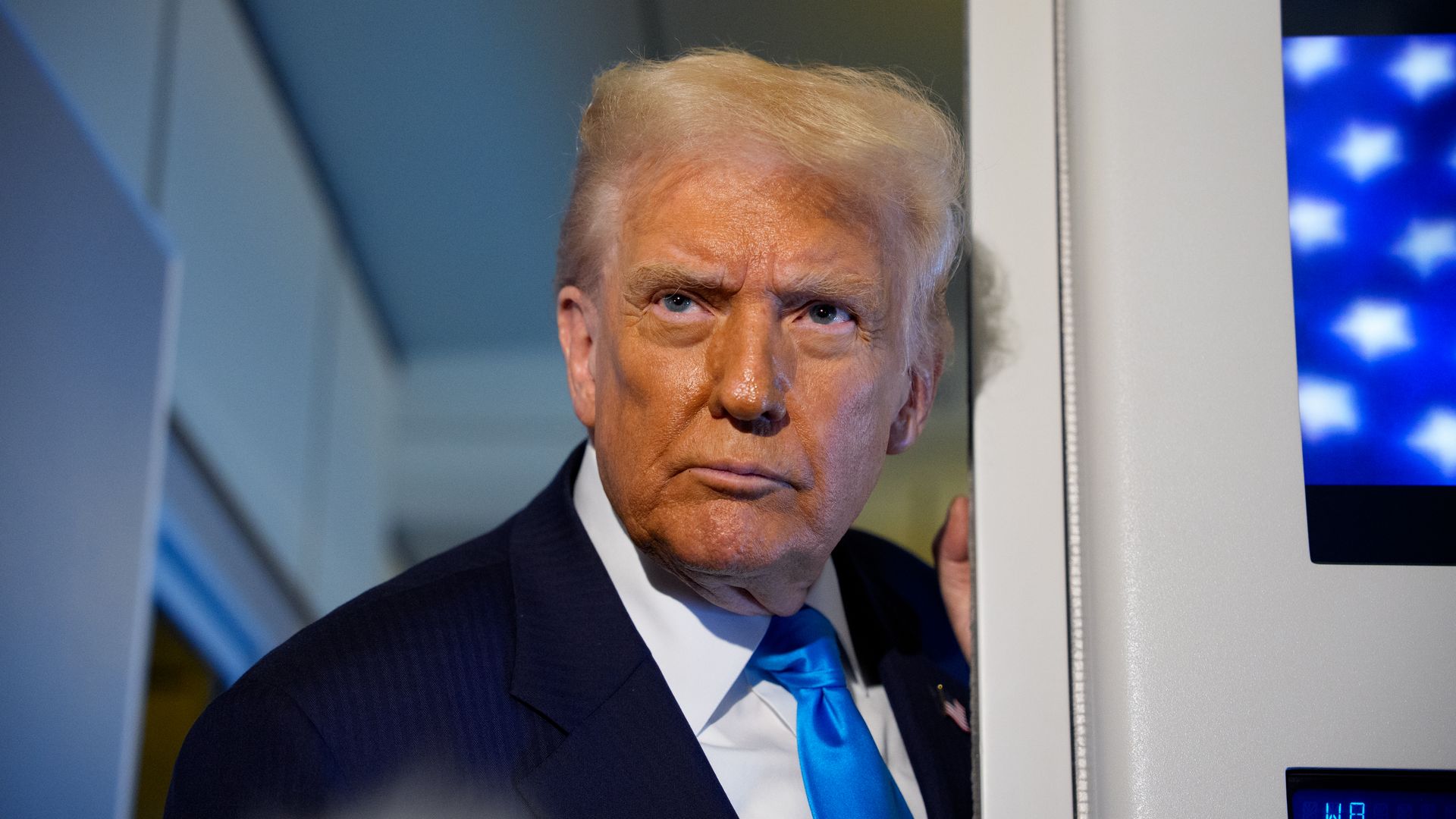
President Trump on Friday directed the Justice Department to investigate Jeffrey Epstein's connections to a number of high-profile people but also set the largest bank in the U.S. in his crosshairs: JPMorgan Chase.
Why it matters: Trump's cited several names — including former President Clinton — that have come under scrutiny for their association with the convicted sex offender, on the heels of House Democrats releasing emails detailing the president's own links to Epstein.
The Transportation Department Friday killed a Biden-era proposal that would have required airlines to compensate passengers for flight delays or cancellations.
The big picture: The scrapped proposal, floated in December, would have required airlines to provide passengers with cash reimbursements, as well as amenities like food, lodging and transportation following significant flight delays.
A federal bankruptcy judge on Friday approved a $7.4 billion bankruptcy settlement for OxyContin maker Purdue Pharma that will end years of litigation over the company's role in the opioid epidemic.
Why it matters: The plan ends the Sackler family's control of Purdue Pharma and states' litigation against the company and the family, but does not shield Sackler family members from future lawsuits stemming from the opioid crisis.
The formal sign-off will come next week in U.S. Bankruptcy Court for the Southern District of New York.
It follows more than a year of negotiations after the Supreme Court rejected a settlement that would have protected the Sackler family from future opioid-related lawsuits.
"Today cements the end of a long chapter, and brings us very near to the end of the book for Purdue," said Purdue board chairman Steve Miller.
The company's assets will be transferred to a new company called Knoa Pharma, which will be oriented around addiction treatments and addressing the opioid crisis.
Catch up quick: Purdue Pharma, which the Sackler family owned privately, became a focal point of the opioid crisis because of the way it aggressively marketed OxyContin despite rampant abuse of the painkiller.
The company filed for bankruptcy in 2019, and in 2021 a court approved a bankruptcy plan that would have protected the Sackler family from future opioid-related lawsuits.
After a U.S. district court overturnedthat order, state attorneys general negotiated a new $6 billion settlement. That deal was overturned by the Supreme Court.
The bankruptcy proceedings drew more than $40 trillion in creditor claims against the company, per Bloomberg.
Under the revised deal, the Sackler family will contribute about $6.5 billion to be distributed over 15 years, with the majority going to states in the first three years.
Purdue lawyer Marshall Huebner told the court he wished he could "conjure up $40 trillion or $100 trillion to compensate those who have suffered unfathomable loss," AP reported.
Absent that, he said: "The plan is entirely lawful, does the greatest good for the greatest number in the shortest available timeframe."
This is an extraordinarily delicate moment for America's central bank, as a seemingly routine decision — whether to cut interest rates next month — is exposing deep divides and a moment of flux in how the Federal Reserve operates.
The big picture: The immediate question is this: Should the Fed's policy committee cut rates for a third straight meeting in December to guard against further worsening of the job market, as a narrow majority of officials anticipated in September? Or is elevated inflation a more urgent concern?
Boeing will purchase up to 100,000 metric tons of carbon removal from Charm Industrial, a startup transforming forest wastes into "bio-oil" stored permanently underground.
Why it matters: It's Charm's first aviation deal amid growing emissions from flight — and an aerospace industry seeking climate solutions that can eventually reach a large scale.
Doug McMillon, president and CEO of Walmart Inc. during a massive expansion and technological revolution, will retire and be succeeded by John Furner, president and CEO of Walmart U.S.
Why it matters: Furner takes over the largest U.S. retailer at a crucial moment, with tariffs weighing on the economy and growing pressure from both consumers and the government over affordability.
Wall Street has now priced in some of the net effects of White House policies that have yet to take shape, from lower taxes to potential stimulus checks.
Why it matters: That leaves less potential upside for stocks when those policies actually materialize.
Why it matters: This is twilight-zone stuff, folks. For the No. 1 and No. 3 paid downloads, the artists, the music, the lyrics — the songs — aren't by real people. But real people love them.
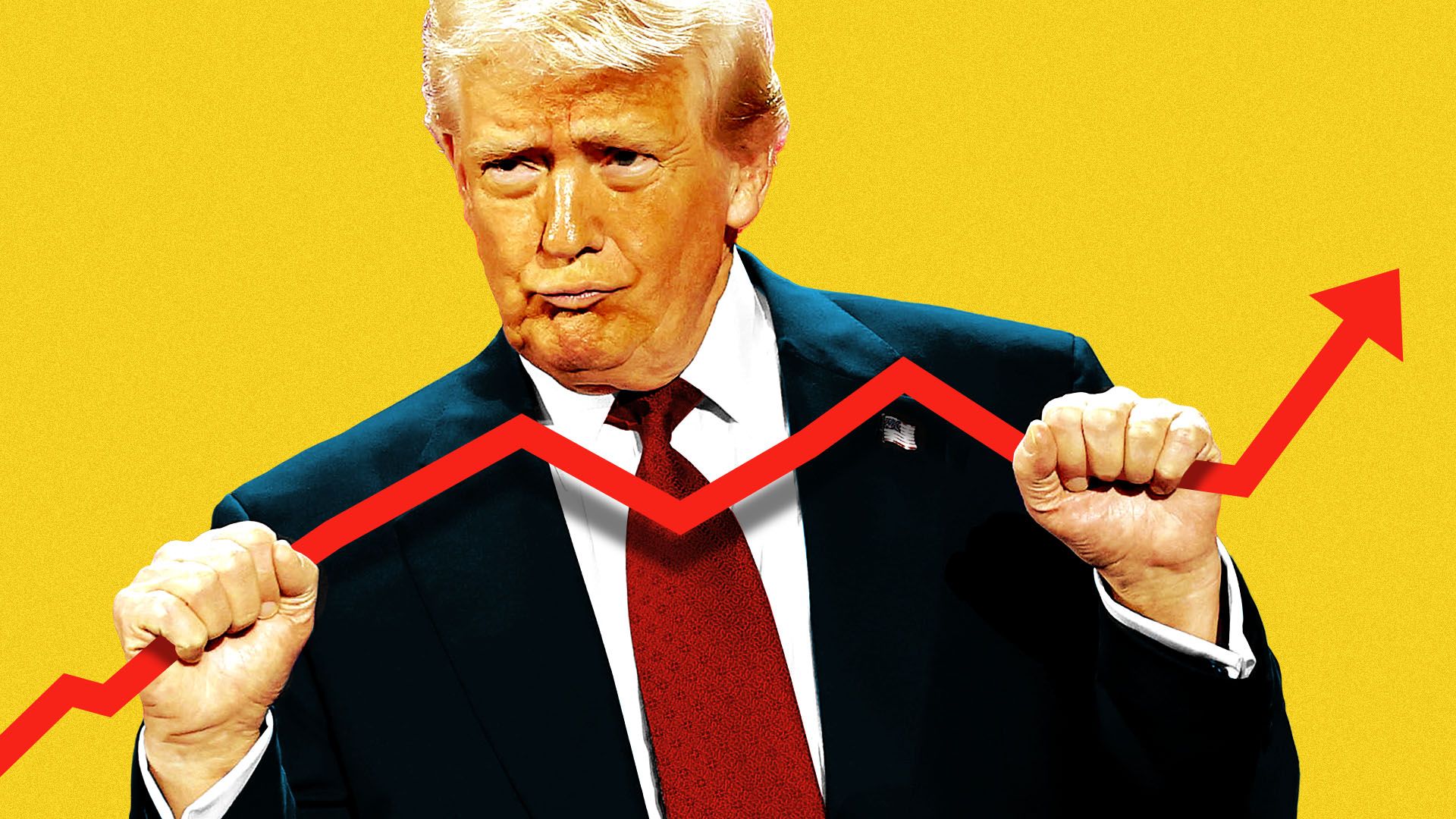
President Trump's tariff policy was always in tension with domestic economic policy — the risk of higher costs versus the promise of lower prices — but as long as inflation remained under control, the tariffs mostly won out.
Social media companies are heading to court over kids' mental health — and a New Mexico judge has just demanded Meta produce chatbot records in one key lawsuit, Axios has learned.
Why it matters: Lawsuits targeting addictive algorithms and the mental health impacts on children are just the start of a new legal era where AI could be the wild card.
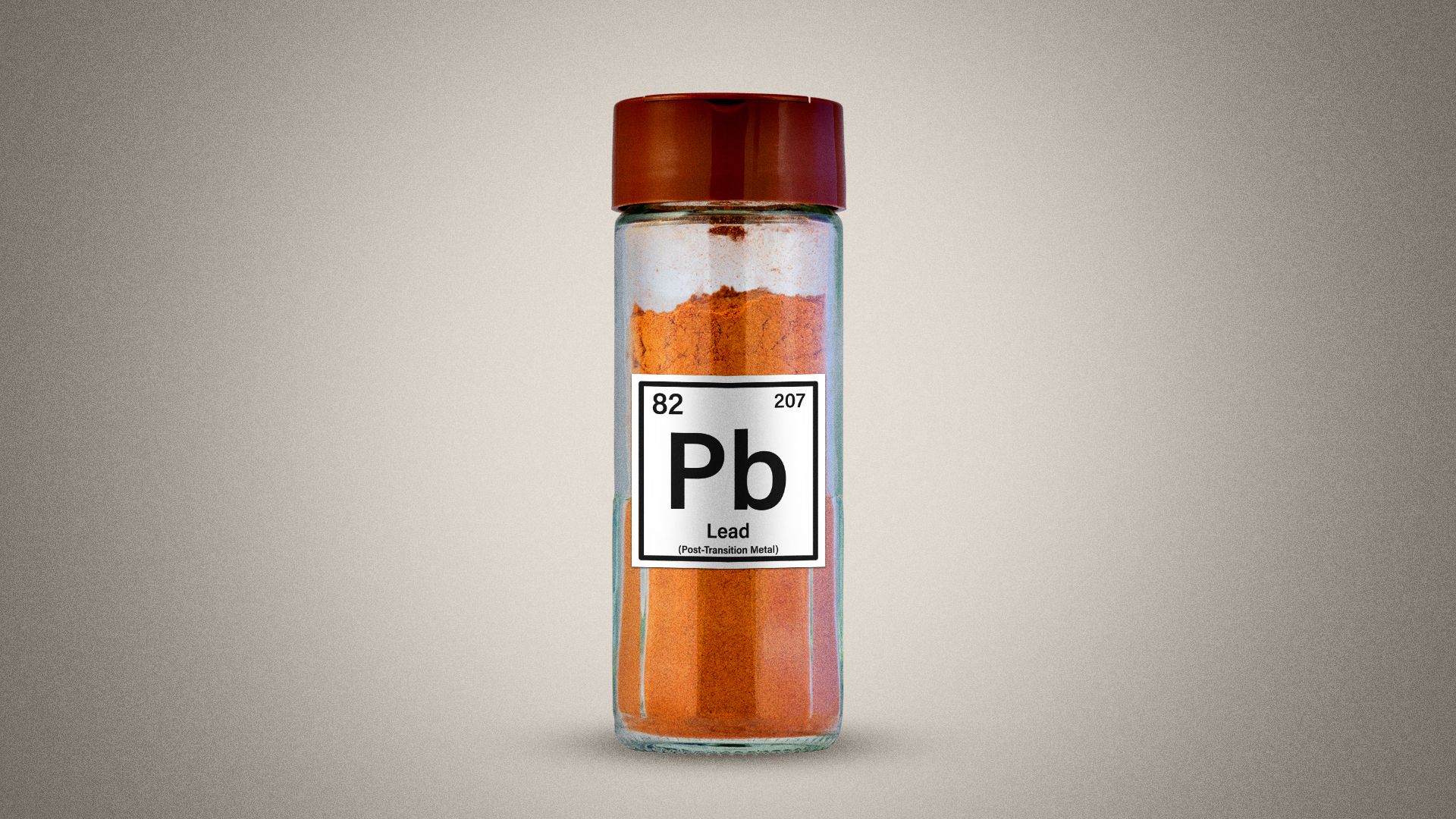
Some brands of common household items — think protein powder, cinnamon and cassava — have concerning amounts of lead, recent Consumer Reports (CR) testing has found.
Why it matters: CR's lead-testing campaign both fills a consumer protection need and reminds us that food and supplement vetting doesn't always go as far as we might like it to.
LISBON — AI amplifies human creativity, but what makes brands and people successful will never be replicated by AI, Hootsuite CEO Irina Novoselsky and Bluesky COO Rose Wang said in an interview with Axios this week at Web Summit in Portugal.
Why it matters: Leaders of social media companies are embracing AI, but aiming to preserve what made their platforms successful: people's authentic voices and creativity.
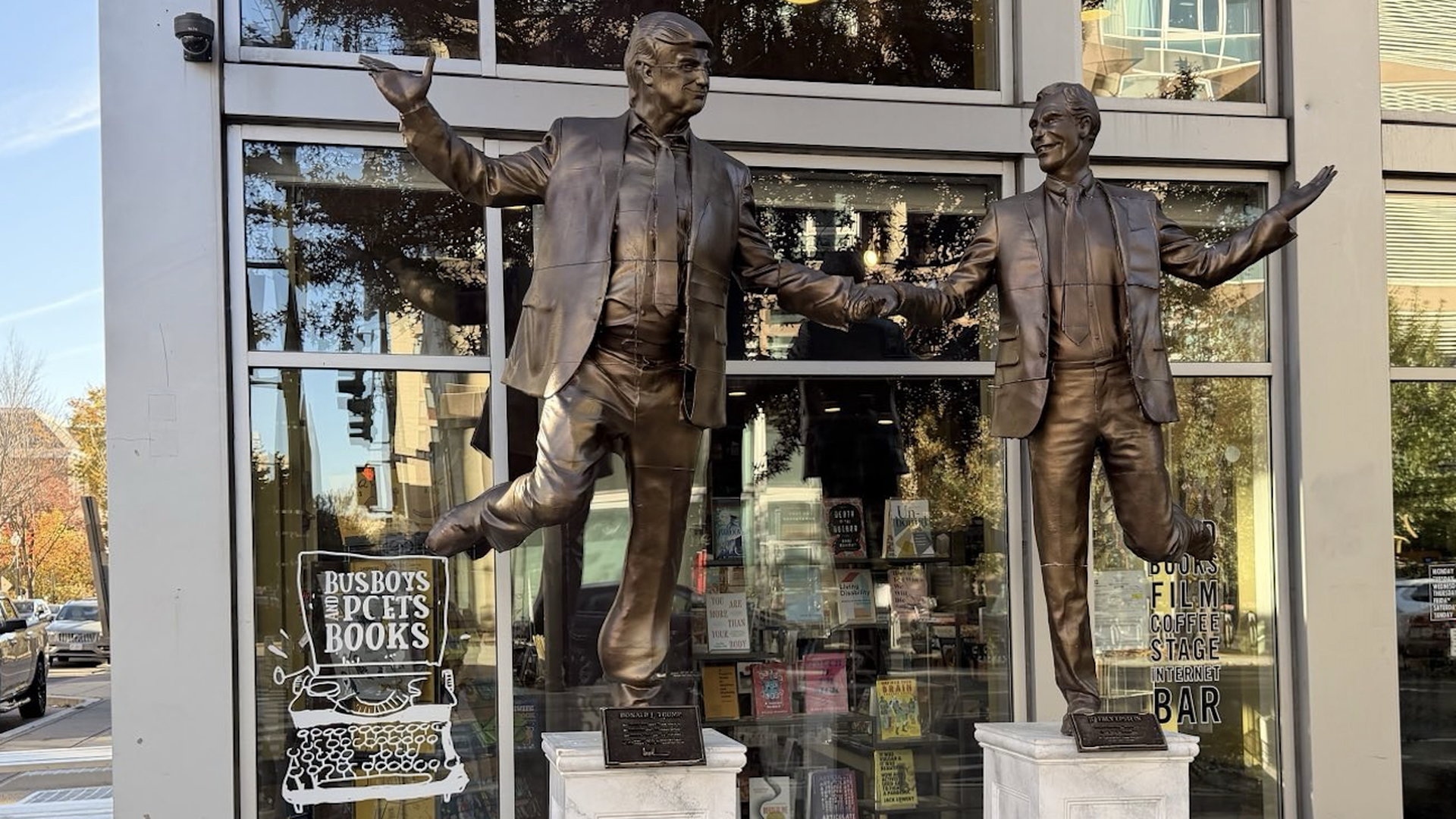
Why it matters: The Secret Handshake, the anonymous group behind the statue, made clear in a statement that they set up the protest piece because a House panel released thousands of emails this week on convicted sex offender Epstein, some of which referred to Trump.
Republican Sen. John Curtis of Utah says politicians should be louder about their climate progress.
Why it matters: The Conservative Climate Caucus founder'scomments offer a contrast to criticism from California Gov. Gavin Newsom and world leaders as the U.N. summit unfolds in Belém, Brazil.