Subscription newsletter company Puck has acquired Air Mail, the digital media startup founded by magazine veteran Graydon Carter, Puck confirmed to Axios on Thursday.
Why it matters: The deal brings together two like-minded digital media startups and serves as a poetic business exit for Carter, who mentored Puck co-founder Jon Kelly at Vanity Fair.
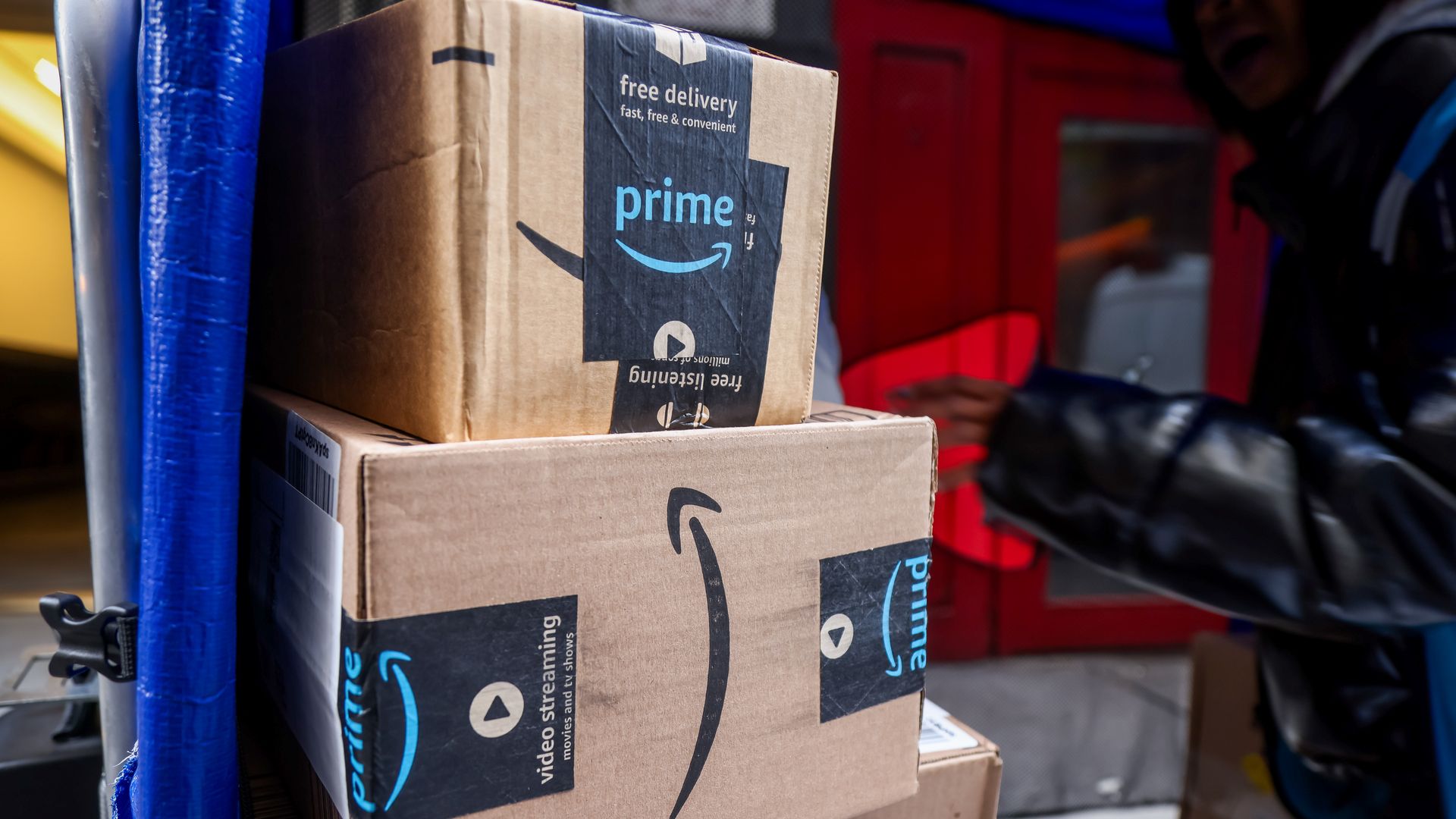
Amazon shares surged after-hours Thursday after the company posted a stronger-than-expected quarter, powered by cloud growth and resilient North American sales.
Why it matters: The results underscore how Amazon's heavy bets on AI and faster fulfillment are paying off.
The story: More Americans believe long-term investing success now requires looking beyond traditional holdings, according to findings from Charles Schwab's 2025 Modern Wealth Survey.
Apple on Thursday reported earnings slightly ahead of analysts' expectations despite continued weakness in Greater China, and forecast strong growth this holiday season.
Why it matters: The iPhone maker is huge on its own, but its results are also key to a host of suppliers and partners through the tech industry.
Eli Lilly's GLP-1 sales are rising at an unexpectedly strong pace, prompting its arch rival to make a surprising bid for an upstart obesity drug maker that another pharmaceutical company had already agreed to acquire.
Why it matters: The dynamic competitive landscape in the weight-loss drugs space continues to shift.
Hershey is warning of a disappointing Halloween, saying candy sales are lagging — just as trick-or-treaters get ready to hit the streets.
Why it matters: The candy aisle has become ground zero for climate-driven price pressure, and for quiet recipe tweaks as chocolate makers stretch cocoa supplies.
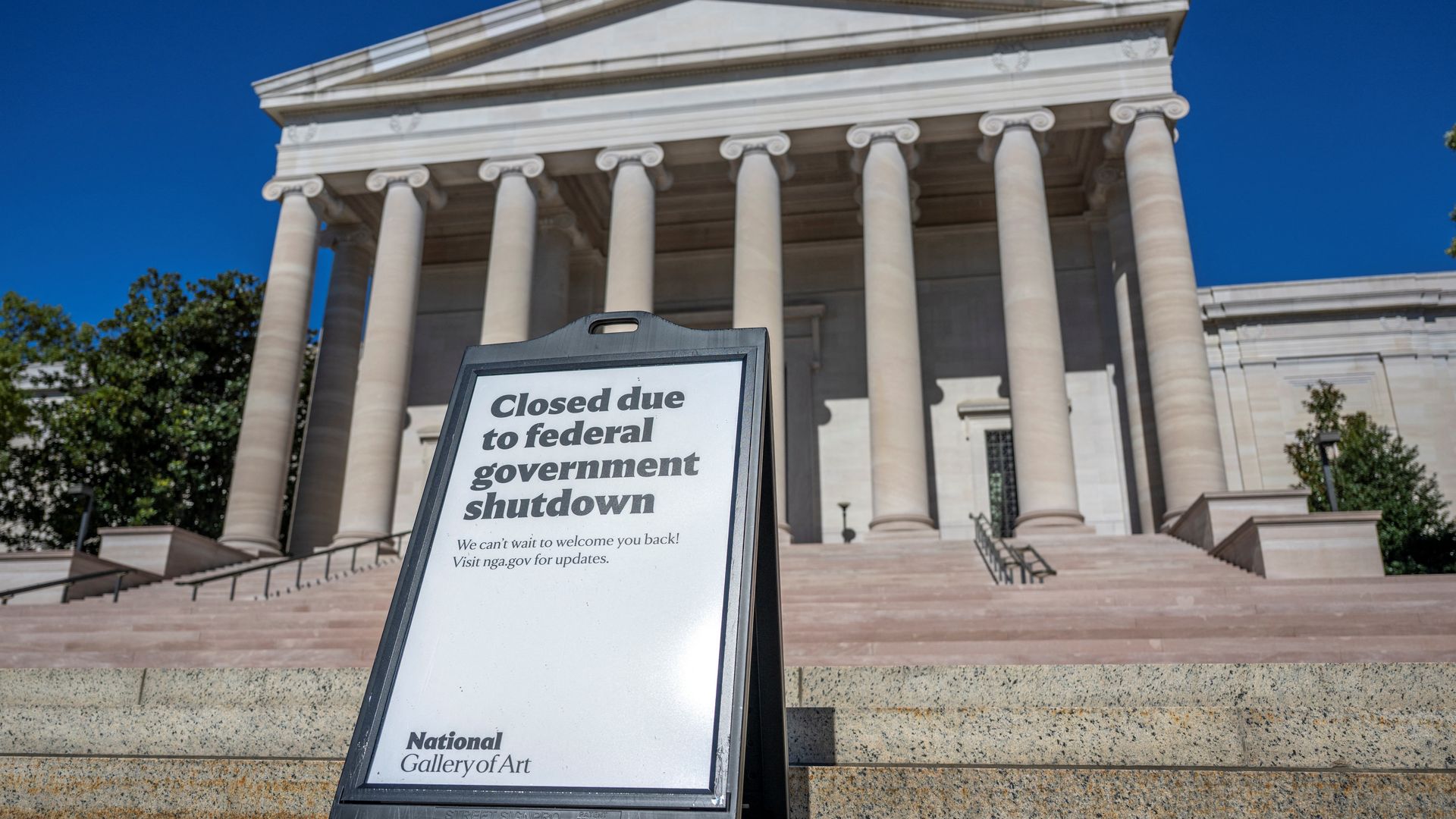
CEOs represented by the Business Roundtable, one of the nation's most influential business lobby groups, along with more than a dozen trade groups, urged Congress to reopen the government in a statement Thursday.
Why it matters: Some 200 or so CEOs of major U.S. companies, from Apple to Walmart, belong to the Business Roundtable, which warns that the prolonged government shutdown is causing economic damage, some of which is irreversible.
"The longer the shutdown persists, the larger and more durable the economic damage becomes — and some of it could never be recovered," the group says in its statement.
16 trade associations also joined the statement, representing a range of industries, including the American Bankers Association, American Hotel & Lodging Association, National Association of Home Builders and National Association of Manufacturers.
The big picture: The shutdown is now in its 30th day, and pressure is building on lawmakers to broker a deal.
Around 42 million Americans are at risk of losing their food benefits, or SNAP, beginning Saturday.
More than 65,000 small businesses that contract with the federal government have $3 billion at risk each week the shutdown persists, the Chamber of Commerce said in an analysis released Thursday.
"The Chamber is again calling on Congress to immediately pass the continuing resolution to reopen and fund the government," Neil Bradley, chief policy officer for the lobby group, said in a statement.
Zoom in: The airline industry in particular is eager to get back to business.
Air traffic controllers and other airport workers are going without pay, straining air travel in the U.S.
On Thursday, CEOs from American Airlines and United attended a roundtable to press for an end to the stalemate, Reuters reports.
"Delta Air Lines implores Congress to immediately pass a clean continuing resolution to reopen the government so that our air traffic controllers, TSA and CPB officers charged with the safety and efficiency of our national airspace can collect the paychecks they deserve," the company said in a statement.
Editor's note: This story has been updated with additional details.
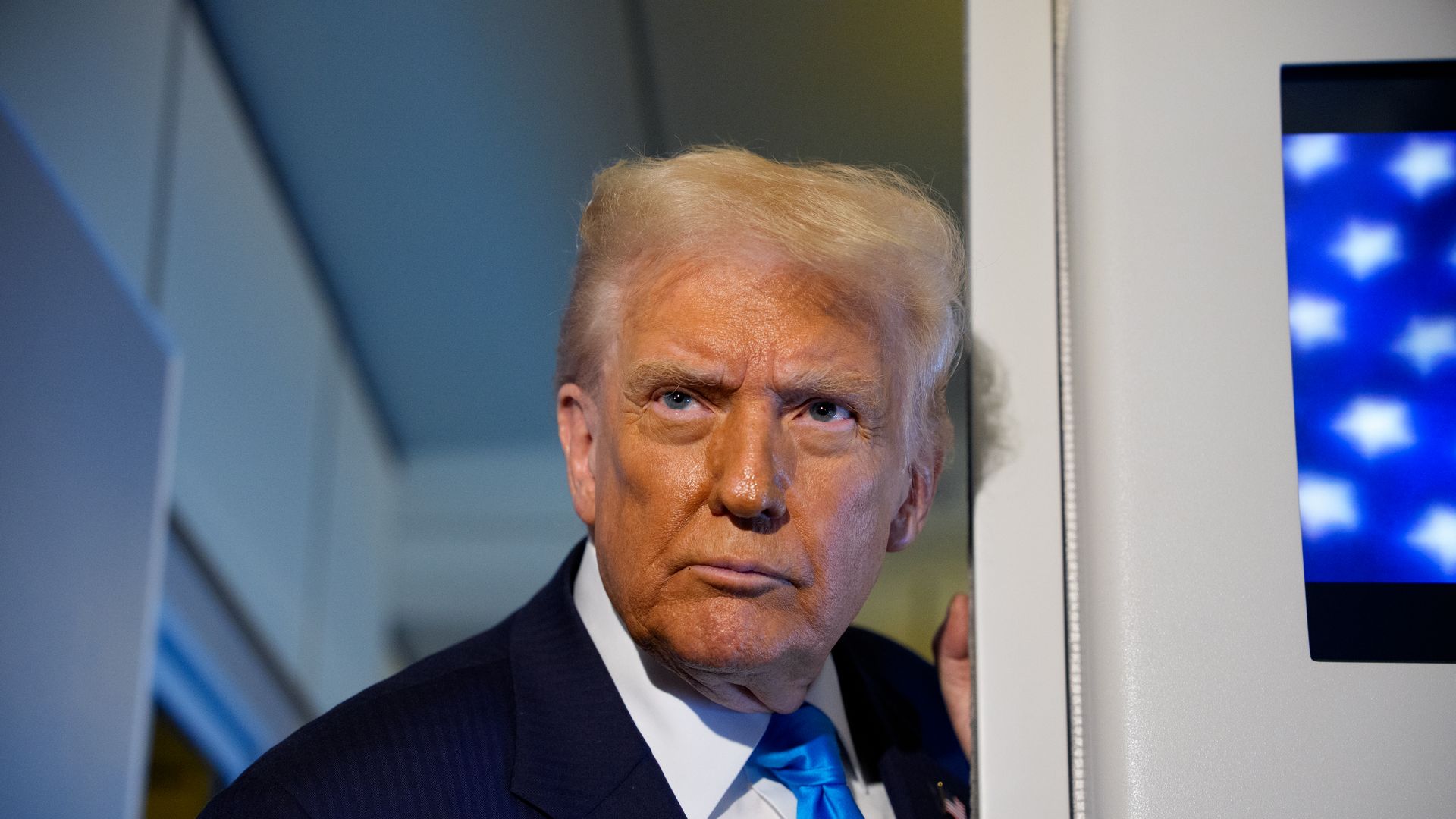
As the government shutdown stretches into its 30th day, more Americans blame President Trump and Republicans than Democrats for the impasse, according to a Washington Post-ABC News-Ipsos poll.
Why it matters: More Americans are growing deeply worried about what is now the second-longest government shutdown in U.S. history — one that will soon cut off food stamp benefits and has already left more than a million Americans without a paycheck.
The people who operate Bitcoin and secure it for posterity are in a debate over how much data can be stored on its blockchain.
Why it matters: It's an ideological battle over what Bitcoin should be used for, with a growing number of operators working to keep it just about money.
Turning Point USA, the right-wing group founded by Charlie Kirk, is trying to become a force in MAGA media with guerrilla-style reporting segments that are drawing millions of viewers on social media.
Why it matters: The reports on the TPUSA Frontlines site are the latest sign of how Turning Point — long known for Kirk's campus tours and its mobilization of young voters — is shifting in the aftermath of Kirk's assassination in September.
Downtown districts across the U.S. have experienced widespread business closures, empty spaces and reduced foot traffic.
The pandemic accelerated long-term shifts that were already underway as e-commerce, remote work and changing consumer habits altered downtown economies.
Why it's important: These districts play an outsized role in community economies, serving as cultural and economic hubs that bring together jobs, residences, businesses, public spaces and anchor institutions.
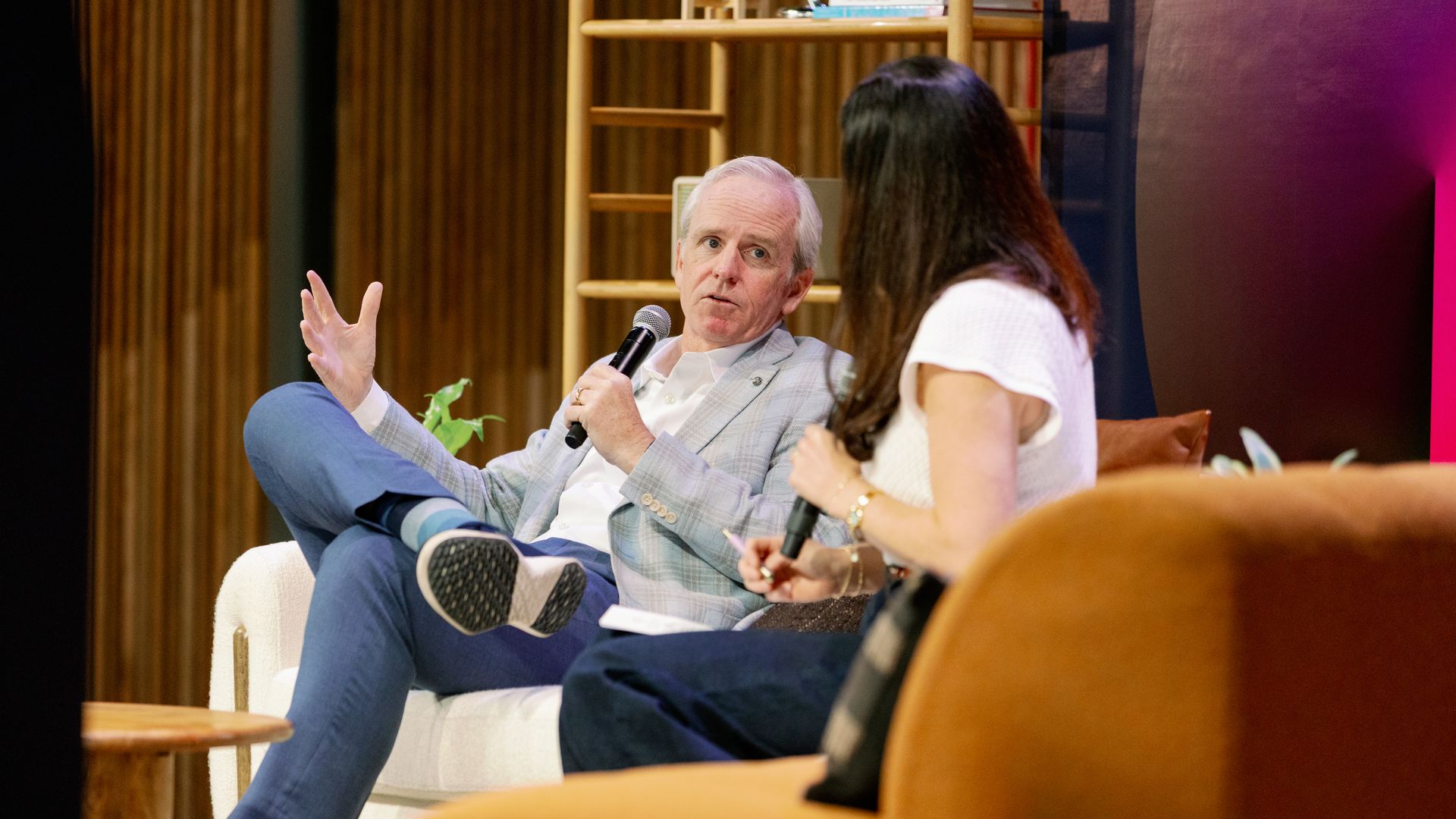
Sara Blask, Blue Origin'sformer principal of launch communications, referred to her team as the "Seal Team 6" of crisis communications during on an-stage interview at MB Live.
Why it matters: Space tourism is a highly technical, highly regulated industry that is viewed with skepticism by many — making proactive storytelling and crisis planning priorities for the comms teams.
Communicators tend to gripe about how they deserve to have a seat at the corporate leadership table. It's a tired trope that I'm, quite frankly, sick of writing about.
Yes, but: When Walmart executive vice president of corporate affairs Dan Bartlett told me the "public" has a seat at the table, it made me pause.
Why it matters: Corporate affairs and communications teams show their value by acting as strategic liaisons between a company and its most important audiences, namely the public.
Palantir on Thursday sued two former employees who now work at Percepta, an "AI transformation company" recently launched by venture capital giant General Catalyst.
Why it matters: GC has become one of venture's most ambitious firms, having recently bought an Ohio hospital and participated in a takeover bid for Janus Henderson. There's lots of IPO buzz.
This could stain its story, even if GC never gets added to the defendant roster.
Bending Spoons, an Italian holding company that buys and seeks to revitalize tech brands like AOL, on Thursday announced a $710 million equity raise at an $11 billion pre-money valuation.
Why it matters: The deal includes $270 million in primary capital that will be used to make further acquisitions, Bending Spoons CEO Luca Ferrari tells Axios.
Kaya Yurieff and Jasmine Enberg are launching a new media company called Scalable to cover the creator economy as a joint venture with Whalar Group's The Lighthouse.
Why it matters: The startup is the latest in a wave of journalists going independent and reflects the maturing of the creator economy.
New York State officials are taking fresh steps toward Gov. Kathy Hochul's goal of developing at least 1 gigawatt of new nuclear power upstate, per announcements shared with Axios ahead of their release.
Why it matters: Nuclear power has growing and cross-aisle momentum, and New York's move follows this week's new U.S.-industry partnership aimed at building $80 billion worth of projects.
Lucid Motors will soon unveil a vehicle-to-home power product, and the luxury EV startup is also talking with third-party dealerships in Europe — a departure from its direct-to-consumer model.
Why it matters: Those steps, shared by interim CEO Marc Winterhoff in an interview, illustrate how Lucid is adapting on the fraught, expensive road from buzzy startup to commercial-scale automaker.
China has pledged to return its purchases of U.S. soybeans to regular levels in each of the next three years, Treasury Secretary Scott Bessent said Thursday.
Why it matters: China stopped buying U.S. soybeans earlier this year amid President Trump's trade war, depriving American farmers of their largest export market.
The concentration of market gains into a basket of AI stocks ($5 trillion Nvidia mainly) is making it harder for hedge funds to hedge, as they are becoming dangerously correlated with the broader stock market.
Why it matters: Higher correlations increase the chance of bigger losses when there is a downturn, defeating the primary purpose of hedge funds.
Bill Gates' shift from "doomsday" climate warnings to a focus on improving human lives is triggering sharp reactions from scientists and activists.
Why it matters: As one of the world's most prominent funders of both climate and global health efforts, Gates' positioning influences the political and philanthropic center.
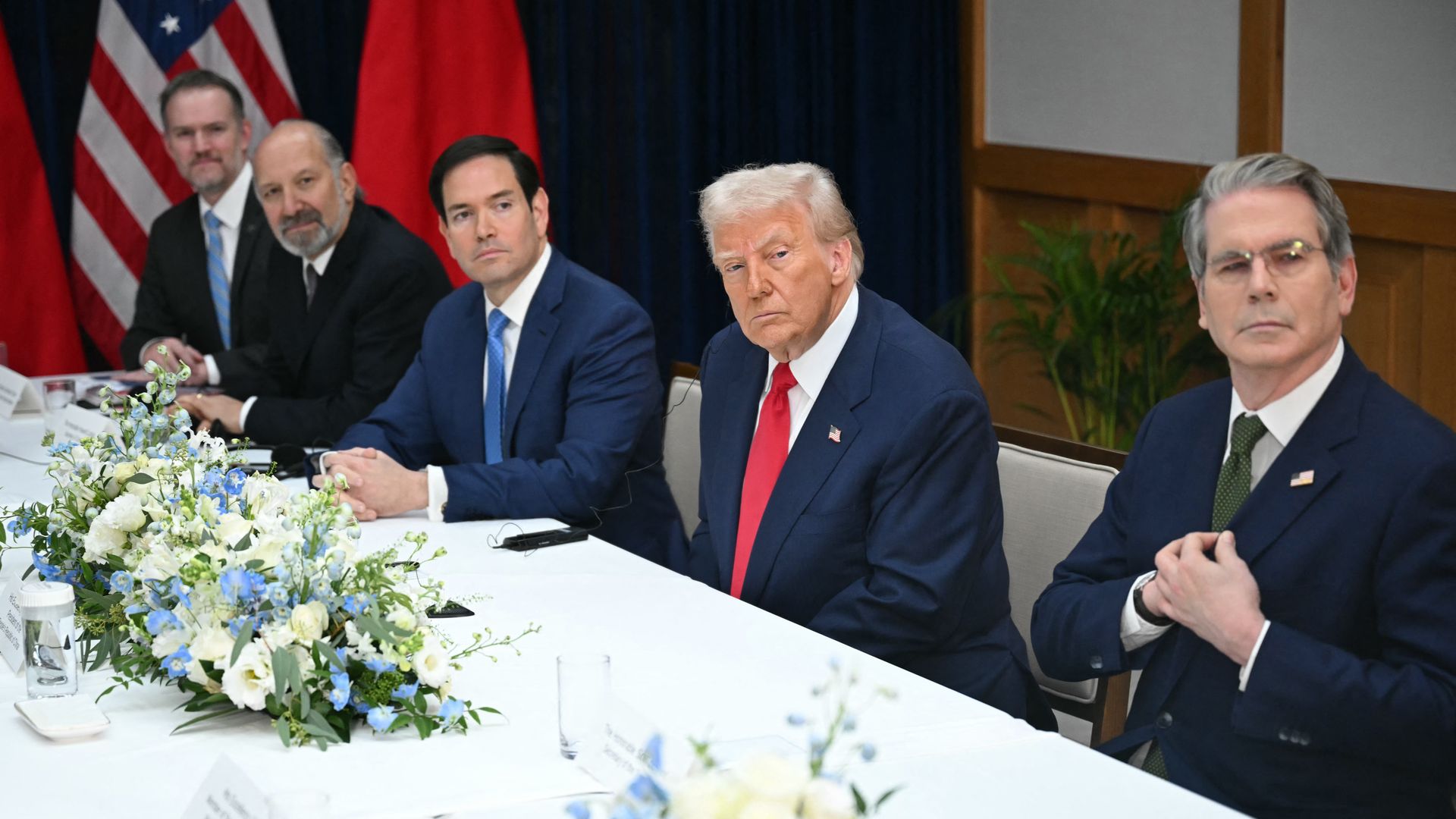
President Trump said he'll trim China tariffs after talks with Xi Jinping in South Korea in exchange for Beijing's pledge to buy U.S. soybeans and energy, allow exports of rare earth minerals and curb the flow of fentanyl.
Why it matters: A trade truce between the world's two largest economies could bring relief to businesses, investors and consumers.
The AI spending spree continues. It's only getting bigger, in fact, and the sums more astronomical.
Why it matters: The longer the boom can keep carrying the economy, the more it can offset other structural changes, like a reordering of global trade and a transformation of the labor market.
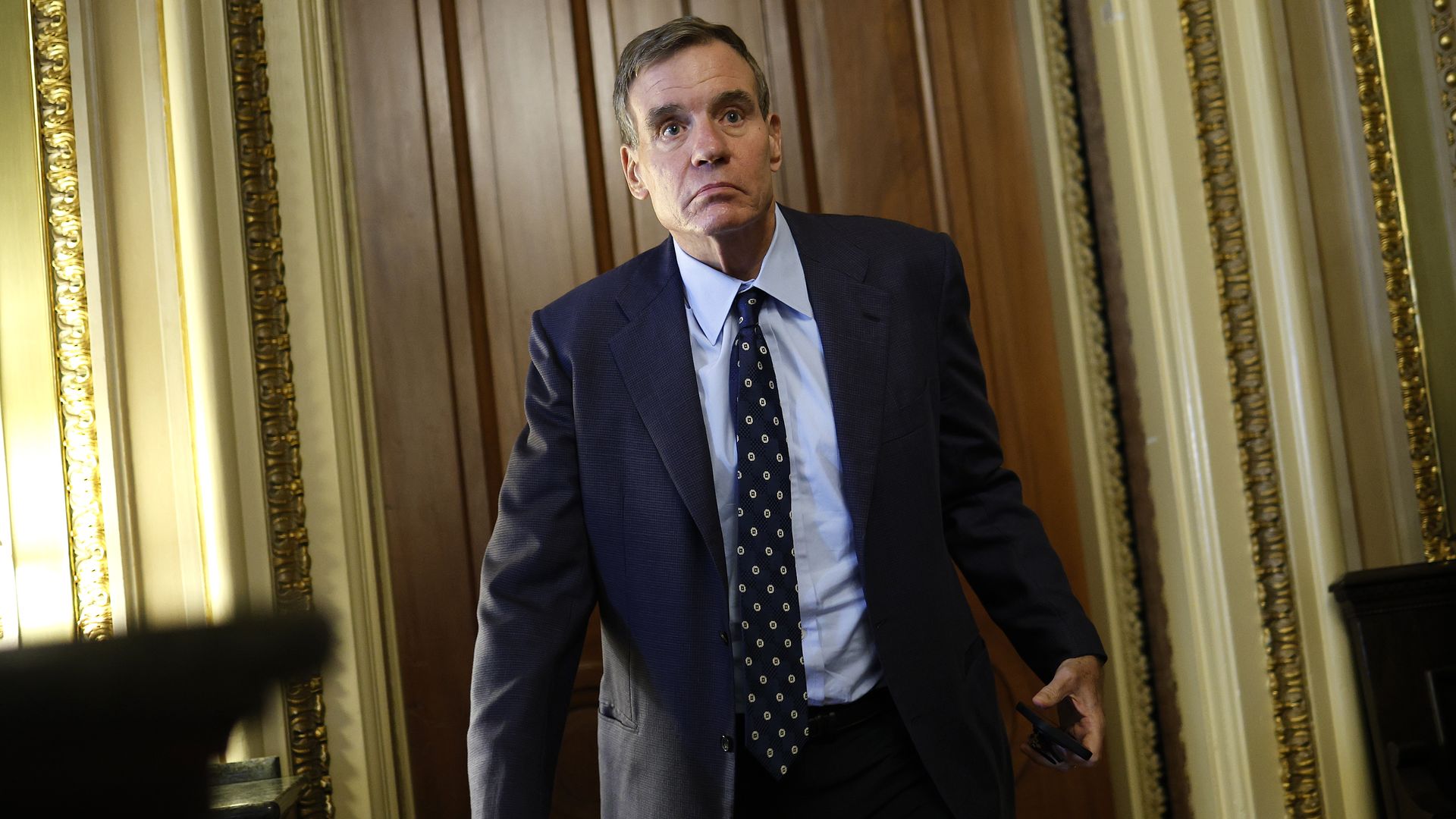
Top Senate Democrats are fuming at their exclusion from a Wednesday briefing on the White House's strikes against boats in the Caribbean and Pacific Ocean.
Why it matters: The White House has faced bipartisan pushback for its lack of transparency around the unilateral strikes against alleged drug traffickers.