Five of the Magnificent 7 reported earnings this week, and all but Meta had a positive stock move afterward, with Amazon hitting a record high.
Why it matters: The results, and the market's response, capture the debate now taking place on Wall Street over the AI rally: How much return can the tech giants get on their biggest bet ever.
The U.S. Mint has stopped making pennies and the fallout is already hitting cash registers, as stores run short on change.
Why it matters: Roughly 250 billion pennies are still out there — though the American Bankers Association says the issue isn't supply, but circulation, with many coins collecting dust in jars.
Why it matters: Bank of America's and Visa's holiday spending reports show wealthier households are driving retail growth, while lower- and middle-income consumers are stretching to keep up.
It's not enough to talk about AI in general on earnings calls anymore. OpenAI in particular is the new buzzword, with 31 mentions on major corporate earnings transcripts so far this quarter, per an analysis by AlphaSense.
Why it matters: It signifies OpenAI's growing dominance over not just the AI ecosystem, but the market as a whole.
The big picture: Millions of people expected to see their Supplemental Nutrition Assistance Program (SNAP) delayed for November due to the government shutdown. But a judge's ruling Friday might have changed that.
Pfizer has filed a lawsuit against Metsera and Novo Nordisk, seeking to block Novo's rival takeover bid unveiled Thursday.
Why it matters: The fight over obesity startup Metsera is heating up and could be headed to court — a scenario that may stall the deal's completion for years.
Newell Brands conceded Friday that it raised prices too high for imported kitchen products like its Calphalon, Mr. Coffee and Crockpot brands, causing sales to drop last quarter.
Why it matters:Tariffs are forcing companies into an increasingly risky game of pricing chess — go too low and margins vanish; go too high and customers disappear.
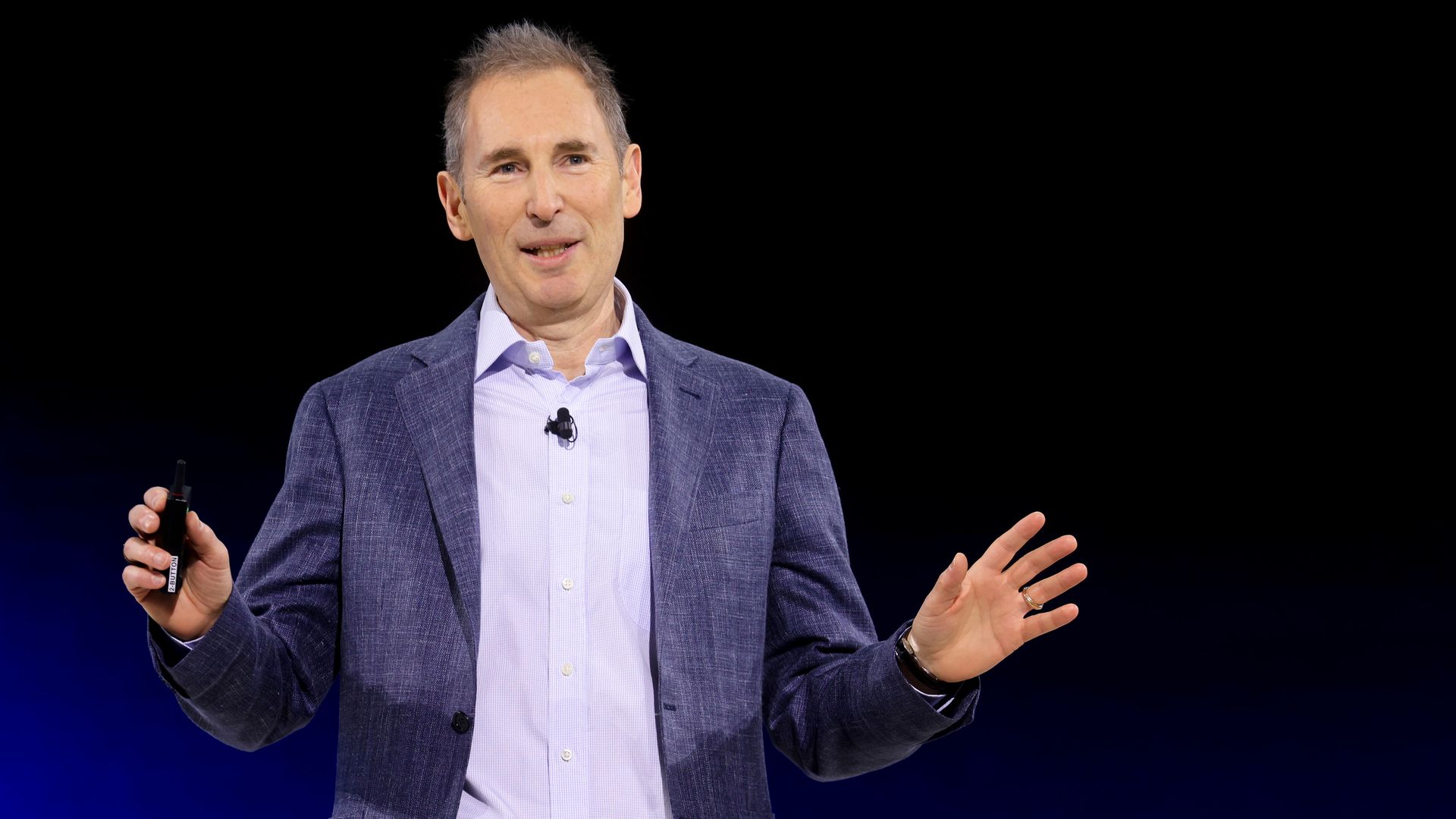
Amazon CEO Andy Jassy says the company's announcement of layoffs earlier this week wasn't about AI.
Why it matters: The cuts of 14,000 white-collar workers at the tech and retail giant have triggered fears of a growing AI job apocalypse, but labor market reality is more nuanced.
The job market slump we're seeing right now is complicated by other factors. AI — though certainly disruptive — is lower down on the list.
ESPN, ABC, National Geographic and more than a dozen other Disney-owned channels have disappeared from YouTube TV after the two companies failed to renew their content deal before expiration.
Why it matters: The blackout cuts off major sports programming, including NFL games and college football, for one of the largest pay-TV providers in the U.S. with more than 8 million subscribers.
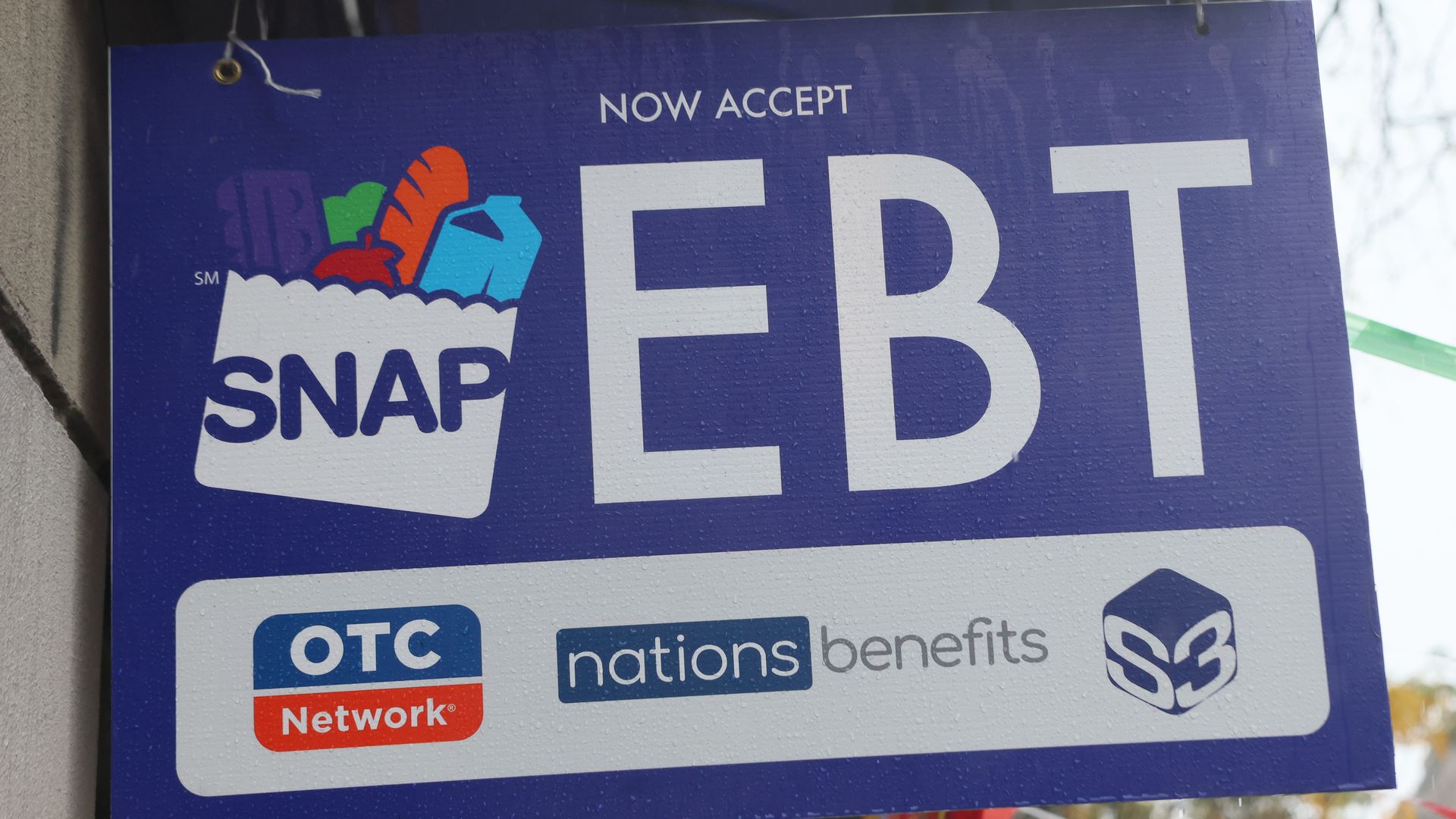
Millions of families are bracing for empty EBT cards this weekend as SNAP benefits pause — spurring grocers, delivery apps and nonprofits to move fast to fill the gap.
Why it matters: The SNAP shutdown halts roughly $8 billion a month in federal food assistance — money that usually flows straight into grocery stores and helps feed 42 million Americans.
The market rally stumbled after Federal Reserve chair Jerome Powell said the central bank is unsure about a third rate reduction in December. But we were in a bull market before lower interest rates came to the table.
So why does Wall Street want more rate cuts so bad?
The big picture: AI has powered most of the rally. Lower rates could allow the rest of the market to catch up. That broadening would make for a less concentrated, and arguably healthier, bull market.
Wall Street is raising concerns about Big Tech companies using debt to fund their AI ambitions. That was evident as Meta tumbled 11% on Thursday after it posted strong results but increased capital spending plans.
Why it matters: Investors may not be willing to put up with the expense of an AI buildout forever, which could push some companies toward off-balance sheet financing methods that are harder to keep track of.
Wall Street is licking its chops at the mere prospect of an OpenAI IPO, which could unleash a financial frenzy with little precedent if and when it arrives.
Why it matters: A stock offering — potentially two years away — is driven by necessity.
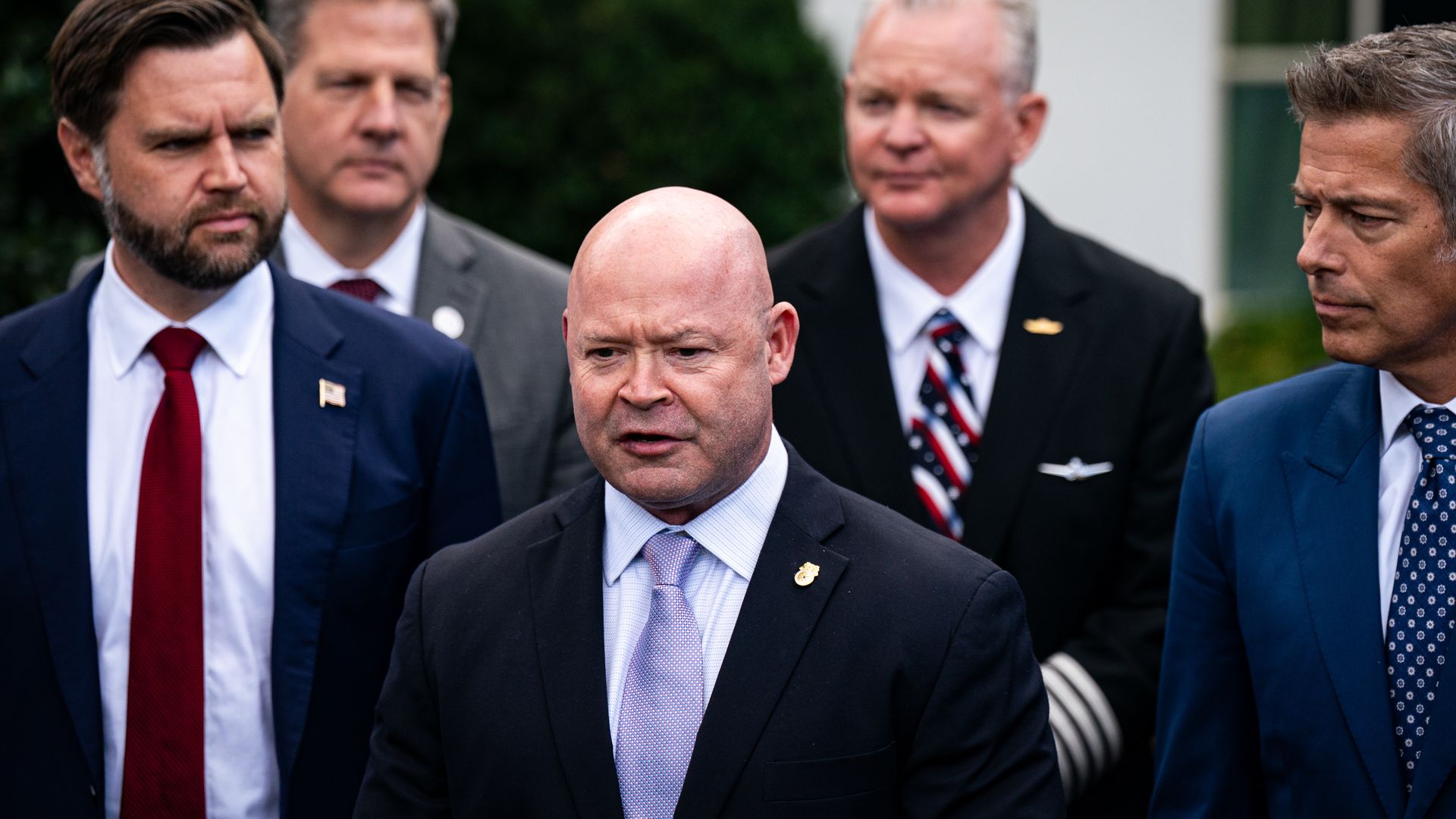
Democrats' already fraying alliance with organized labor is coming under new strain as a growing list of union leaders calls on the party to accept a Republican bill that would reopen the government.
Why it matters: Once it would have been virtually unthinkable for so many unions to break so decisively with their long-time Democratic compatriots in such a highly charged national fight. Not anymore.