A trio of Silicon Valley venture capitalists focused on enterprise tech are forming a new early-stage investment firm, Axios has learned.
The big picture: In a time of slowed fundraising and firms reconfiguring their teams, it's no surprise to see some established investors choose to start a fresh endeavor.
Amazon on Tuesday reported a blowout first quarter, with its results boosted by cloud computing and advertising activity.
Driving the news: The retail giant posted $143.3 billion in revenue for the first quarter, a 13% increase from a year ago, and well above analyst expectations.
The richest man in the blockchain industry, Binance founder Changpeng Zhao (CZ), was sentenced in a Seattle federal court Tuesday to four months in prison.
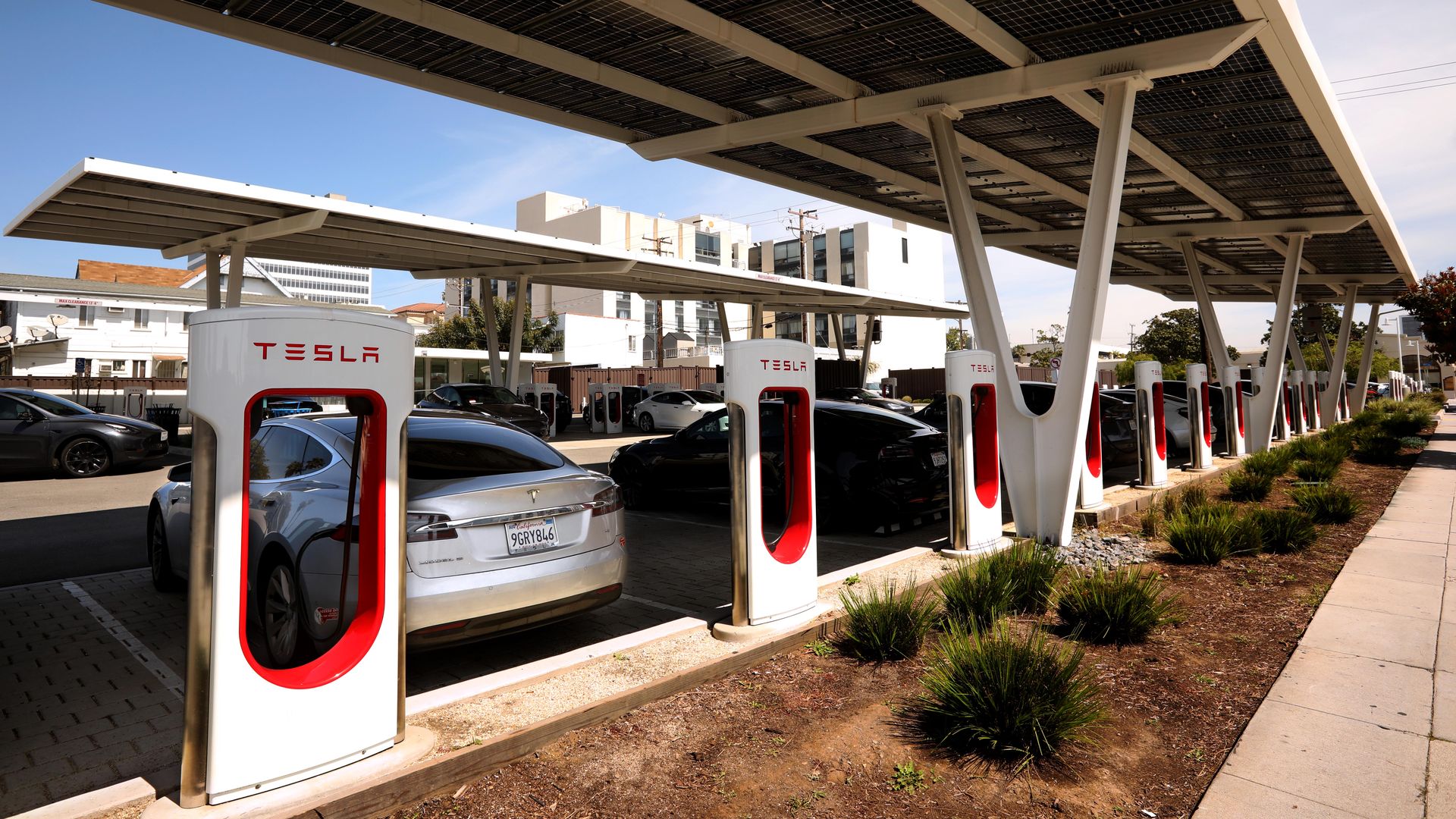
Tesla is laying off the workers in its Supercharger division, calling into question the direction of the company's charging strategy at a time when EV advocates say further expansion is needed.
Why it matters: CEO Elon Musk has long described the company's Superchargers — the world's largest EV charging network with more than 50,000 plugs — as a competitive advantage and key to EV sales growth.
As the looming electricity demand from artificial intelligence datacenters has lawmakers and grid operators scrambling for solutions, Bitcoin miners point to a partial solution: powering down when a utility needs them to.
Why it matters: AI is projected to be one of the most transformative technologies in decades, but only if it can access torrents of new electrical power.
WeWorkhas reached a $450 million restructuring deal that would help the co-working space operator emerge from Chapter 11 bankruptcy protection by the end of May.
Why it matters: Company co-founder and former CEO Adam Neumann is not involved, despite having wanted to buy back his former company.
New data on Tuesday shows workers still see faster pay growth and pricier benefits than in pre-pandemic times, as the labor market continues to flourish.
Why it matters: That is one huge factor keeping the economy healthy. But it raises red flags for Federal Reserve officials worried about lingering inflation, which now appears more difficult to stamp out than at the end of last year.
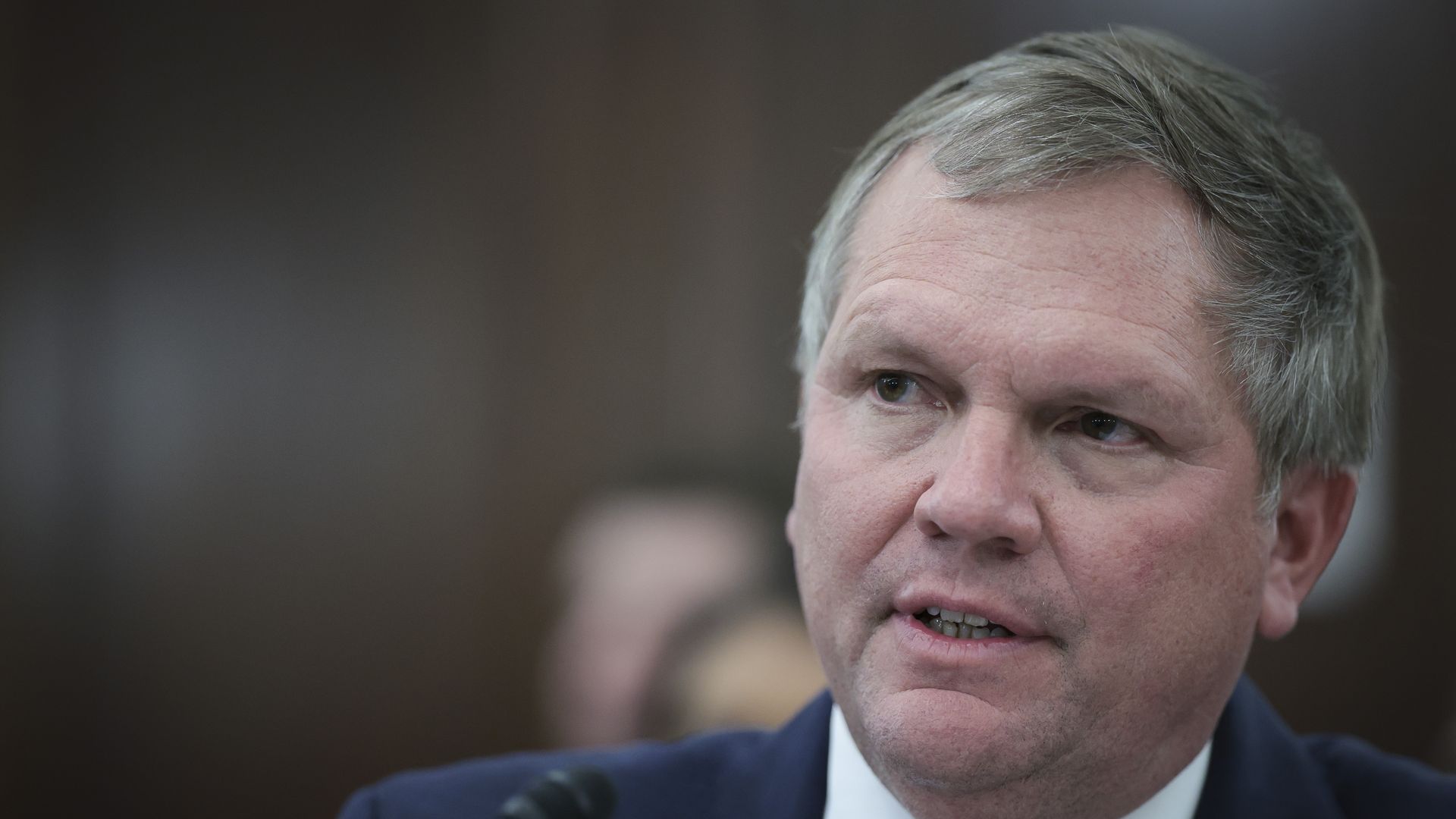
An influential shareholder adviser said it is recommending five activist investor nominees to serve on Norfolk Southern's board, in a report that ratchets up the pressure on the railway company's leaders.
Why it matters: Ohio-based activist investor Ancora has seized on the company's underperformance and its handling of the East Palestine derailment last year to gain ground in its effort to replace the CEO and a slate of board directors.
Zoom in: Institutional Shareholder Services, the largest of proxy advisers that recommend how investors should vote at annual meetings, said on Tuesday it recommended five of Ancora's seven board nominees.
The proxy adviser backed eight of the company's director nominees, including CEO Alan Shaw. In addition to pushing for majority control of the board, Ancora has openly called for removing the company's chief executive.
ISS acknowledged the company's poor performance and bad communication with investors, but stopped short of backing Ancora's full slate.
"We find that questions about the management and direction of the company would be best answered by a reconfigured board with more extensive and balanced industry expertise and the benefit of access to all available information," ISS said.
Norfolk Southern nominee Heidi Heitkamp, the former U.S. senator from North Dakota, did not receive ISS' backing, but former Ohio Governor John Kasich did.
Between the lines: Ancora has received support from labor unions, shareholders, and steel producer Cleveland-Cliffs, a Norfolk Southern customer.
Shares of the company are down by more than 20% since the start of 2022, and Norfolk Southern has grappled with the Ohio derailment and massive spill in East Palestine last February.
Glass Lewis, a smaller proxy adviser, recommended six of Ancora's nominees and backed the CEO candidate that Ancora wants to replace Shaw.
Yes, but: ISS did not advocate for a management team change at the $52 billion company, which trades under the "NSC" stock ticker on the New York Stock Exchange.
"NSC is not a broken company, and operational performance does not reflect a situation so dire as to suggest that a change in board control and an accompanying overhaul of strategy and leadership is immediately required. The prevailing strategy appears to be logical...," ISS wrote.
What's next: If the two sides don't strike an agreement, shareholders will vote on who ultimately leads the company at the May 9 annual meeting.
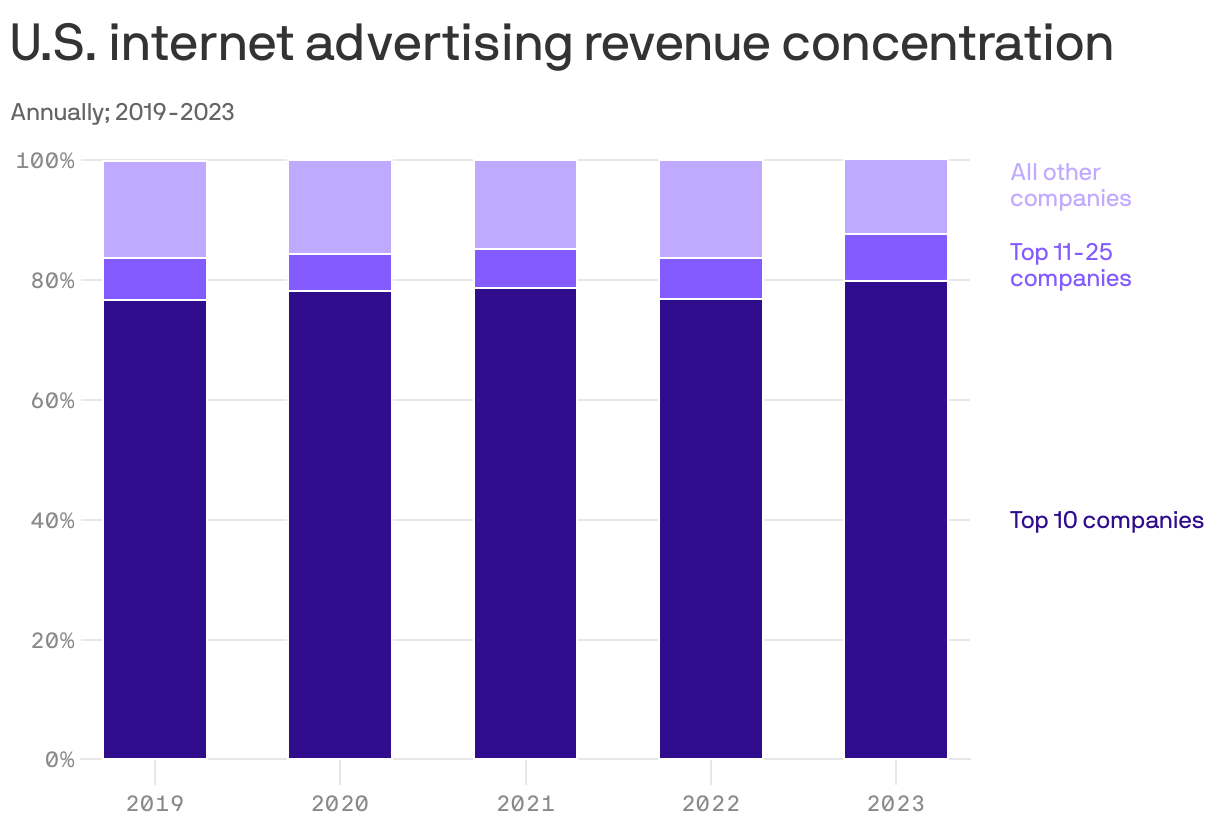
While legacy media companies are expected to report marginal improvements to their ad businesses during earnings this week, the vast majority of growth in the sector is increasingly being propelled by Big Tech.
Meta, Snap, Google, Spotify and Roku all beat investor expectations on top and bottom lines last quarter. (Shares in Meta and Roku fell after hours, mostly due to weak forecasts related to expenditures.)
Tech companies focused on creators are cracking down on spammy aggregators in a bid to give those who create original content a better shot of breaking through.
Google took similar steps last month to reduce "low-quality, unoriginal content" in search results by 45%. Google began prioritizing original news in search results over aggregators in 2019.
TikTok has started to prioritize longer-form content that's harder to repost or rip off with smaller clips.
Why it matters: YouTube, Meta, Snap and others have all moved away from producing original content and are instead relying on creators to create compelling posts and videos.
Quality control of that content is becoming a bigger priority.
Axios CEO Jim VandeHei is out with his new book "Just the Good Stuff: No-BS Secrets to Success." (It's already the No. 1 new release in leadership reads on Amazon.)
The book lays out VandeHei's best tools and tips for effective leadership. But for media insiders, there's one clear takeaway: Don't wait.
Why it matters: The media industry is being upended so rapidly that time has become an executive's most precious resource. Often, leaders waste valuable time, energy and resources trying to validate things they know will work, or stress test problems that they already know how to fix.
"Think of all the time wasted avoiding tough conversations or difficult decisions or unpleasant moments. We dither, ignore, nibble around the edges. All this does is prolong misery for you — and everyone else involved," VandeHei writes.
Eight prominent U.S. newspapers owned by investment giant Alden Global Capital are suing OpenAI and Microsoft for copyright infringement, in a complaint filed Tuesday in the Southern District of New York.
Why it matters: On top of a similar case filed by the New York Times against both companies, the new suits add heft to publishers' claims.
Nicole Shanahan, the vice presidential candidate running alongside Robert F. Kennedy Jr. on his independent presidential ticket, is launching a podcast and social media push as part of a broader media strategy to reach young voters ahead of the election.
Why it matters: The 38-year-old California attorney and former wife of Google co-founder Sergey Brin has little political experience nor national name recognition. Her media tour is a coming-out party for her as a politician.
Spire Global, a firm that utilizes data from its satellites and leverages artificial intelligence to generate weather forecasts, is turning to the financial sector for customers.
Driving the news: The firm on Monday announced a deal with an unnamed financial firm that it says is priced in the multimillion-dollar range. It signals how quickly new technology is reshaping a critical industry.
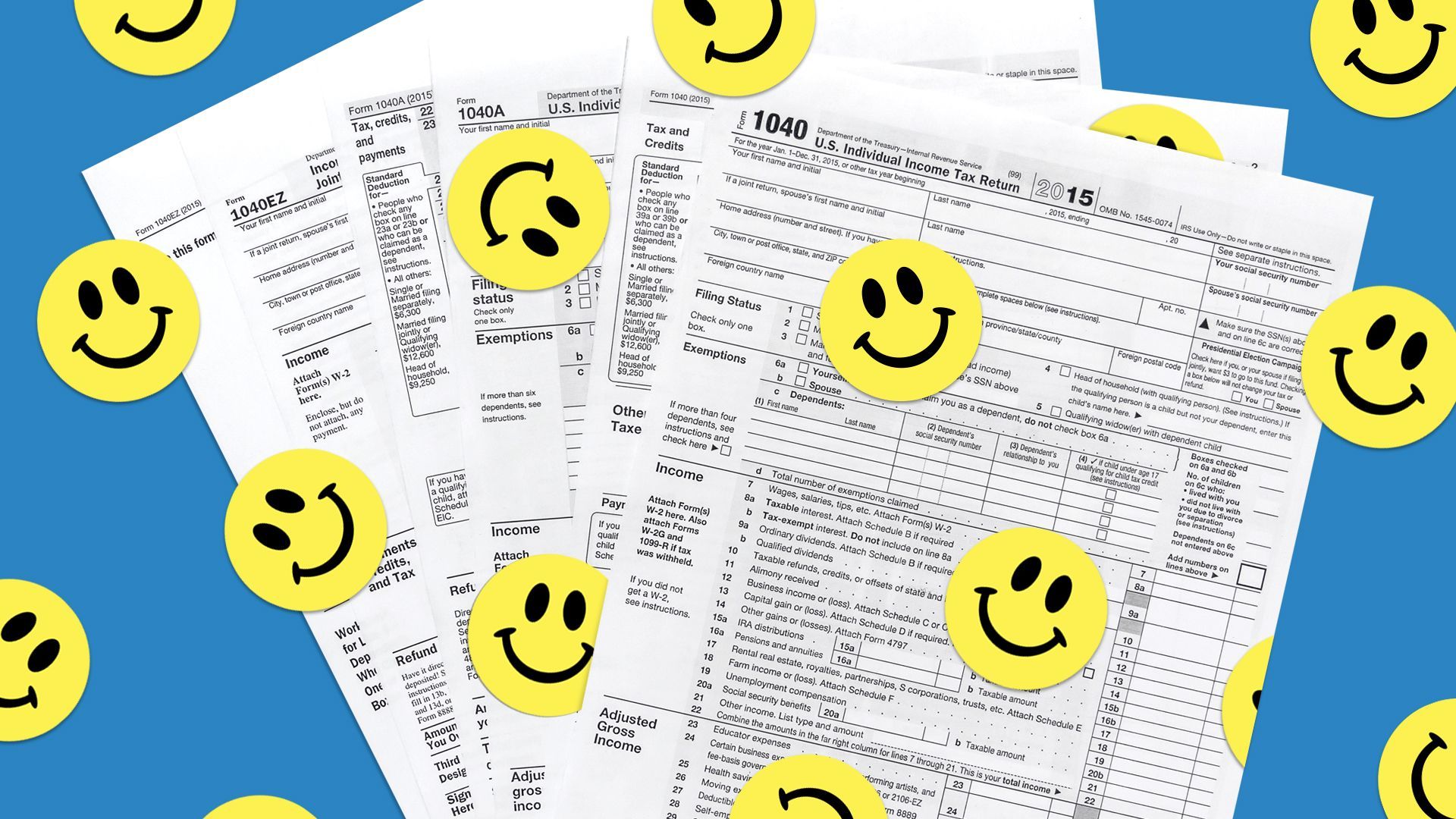
The Biden administration says that the IRS' Direct File program, which allowed folks to file their taxes directly online, was a hit — with use exceeding the agency's expectations and overwhelmingly positive reviews.
Why it matters: This could mark a turning point in the way many Americans pay their taxes.
"Financial divestment" is the top demand of pro-Palestinian protesters at Columbia University. But none of them know where Columbia's money is invested. Nor does almost anyone else.
Reality check: Columbia, like most private schools, keeps most of its financial information under wraps.