BlackRock turned heads when it partnered with a digital asset firm to launch a tokenized money market fund on the Ethereum blockchain in March. Just weeks later, that fund has become the largest.
The big picture: Overall the tokenized treasury market, at $1.3 billion, remains small compared to the $160 billion enjoyed by stablecoins.
Flashback: BlackRock partnered with Securitize Markets to put real world assets onchain, starting out with a treasury fund for qualified purchasers. Within days, it had $100 million in assets.
Franklin Templeton, however, was the first to put a registered mutual fund on-chain, according to the firm.
Of note: Not many addresses hold the BUIDL tokens, just 13, according to rwa.xyz.
Franklin Templeton's fund has the second most associated wallet addresses overall, at 404, per the research firm, just behind Ondo U.S. Dollar Yield fund's (USDY), 836.
Behind the scenes: BlackRock made a minority investment in Securitize as part of their partnership, and BlackRock's global head of strategic partnerships Joseph Chalom joined Securitize's board, per the Wall Street Journal in March.
Securitize said the firm led its $47 million fundraising round just today, referencing that investment made at BUIDL's launch.
The bottom line: Tokenizing real world assets is a work in progress, but the entry of big firms like BlackRock appears to be at least accelerating the pace of the category's growth — BUIDL is 30% of the overall category.
Starbucks' big earnings miss Tuesday sent shares plunging after the bell —and on Wednesday they just kept falling.
The intrigue: One issue that shook investors was a decline in the coffee giant's U.S. same-store sales, a problem that seemed at least partly attributable to an old Yogi-ism: "Nobody goes there anymore, it's too crowded."
Nvidia founder and CEO Jensen Huang, Stanford's Fei-Fei Li ("the Godmother of AI") and OpenAI chief strategy officer Jason Kwon are among this year's Gold House A100 List honorees.
Why it matters: The list is published annually to coincide with the start of Asian American and Pacific Islander Heritage Month and recognizes individuals of Asian Pacific heritage who have had a significant impact on American culture and society.
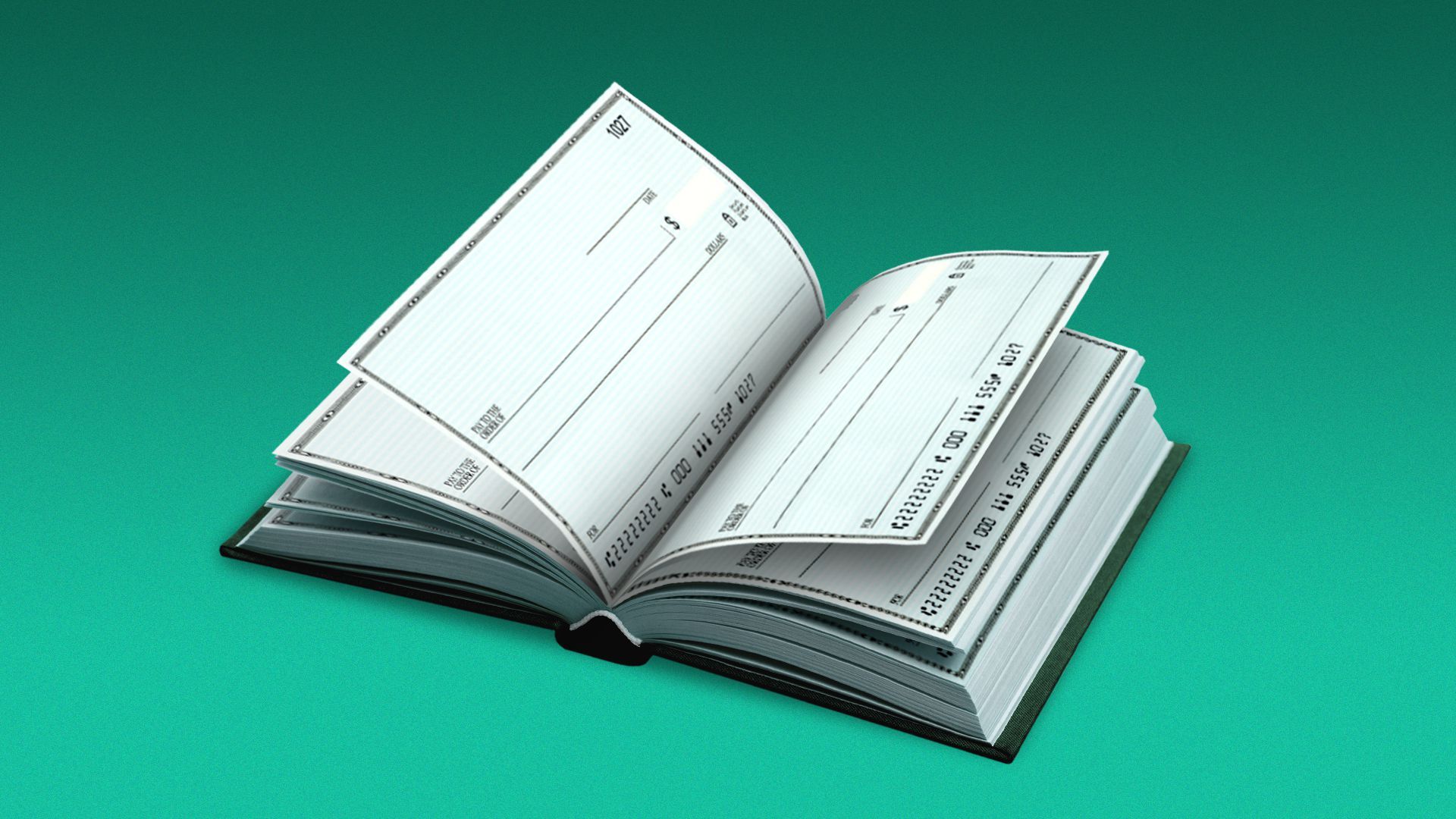
Independent bookstores nationwide are benefitting from payments sent via Bookshop.org, an online store where customers can send some of the profits from their purchases to their local mom-and-pop.
Why it matters: It's hard for small brick-and-mortar bookstores to compete with Amazon — but not impossible.
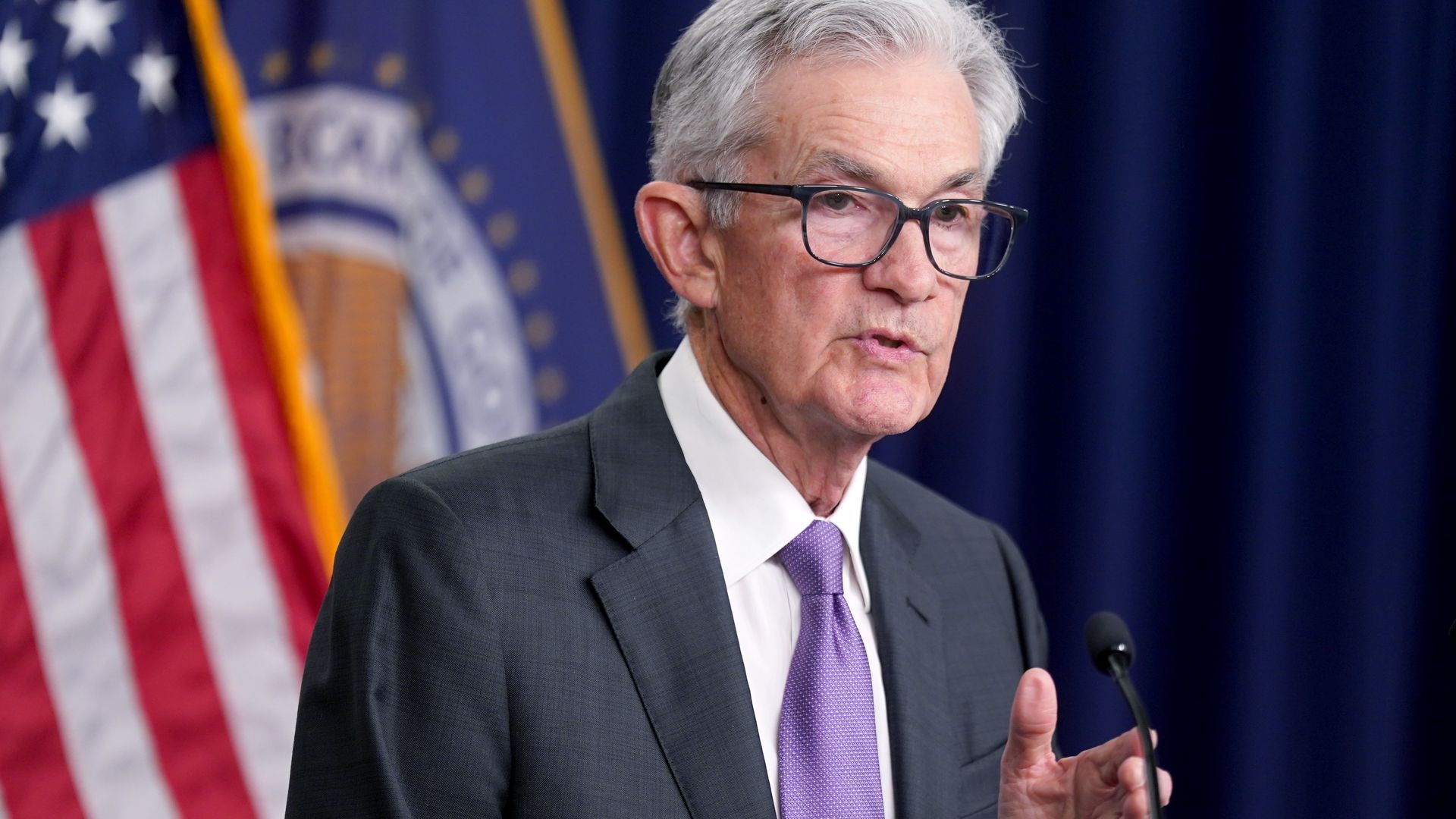
The Federal Reserve held interest rates steady on Wednesday for the sixth straight time and acknowledged a "lack of further progress" on cooling inflation.
Why it matters: The latest economic data show prices are still rising too quickly, complicating the Fed's projections of lower interest rates this year.
IBM has elevated Sarah Meron to chief communications officer, Axios has learned.
She will report to Jonathan Adashek, IBM senior vice president of marketing and communications.
Why it matters: The promotion is part of a recent reorganization of the communications, marketing and impact team — which included the layoffs of a "single-digit percentage of IBM's global workforce," according to a spokesperson.
California utility PG&E said it's it's in talks to sell a minority stake in its power generation unit to KKR.
Why it matters: PG&E, which serves millions of California residents and businesses, needs capital to help finance its grid upgrade and wildfire prevention work, as it seeks to prevent a repeat of the 2019 Camp Fire that caused deaths and sent the company into bankruptcy.
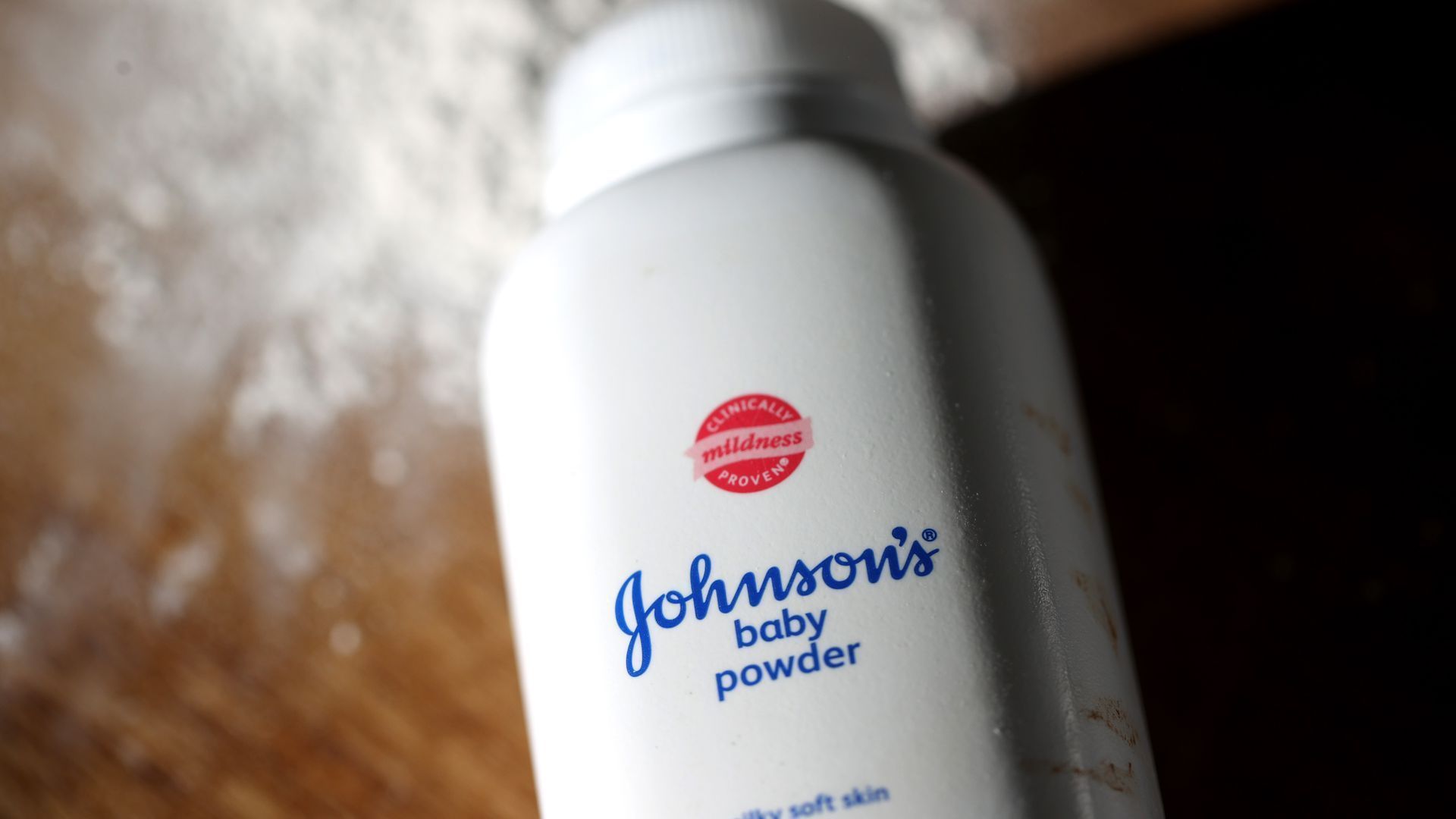
Johnson & Johnson said Wednesday that it has reached a new settlement with people who allege the company's talc-based baby powder caused their ovarian cancer.
Why it matters: J&J faces tens of thousands of lawsuits over accusations that its baby powder was cancerous.
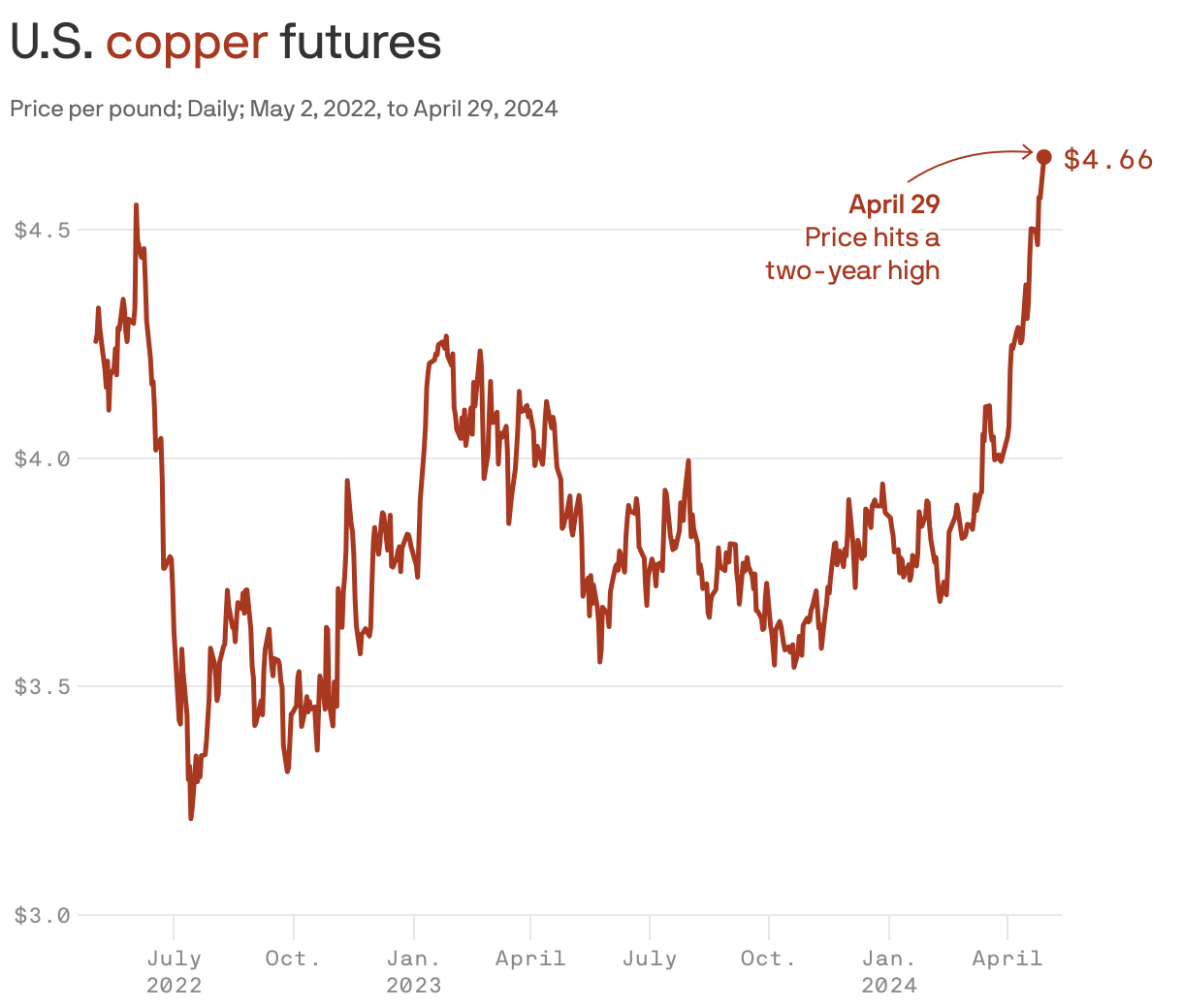
Copper prices have been on a tear, converging with a broad rally in commodities, and flirting with their highest levels since 2022.
Why it matters: Copper's versatility in construction, electronics, transportation and now AI applications makes it a go-to for industrial purposes, and as a useful gauge of economic health that's coined it the nickname "Dr. Copper."
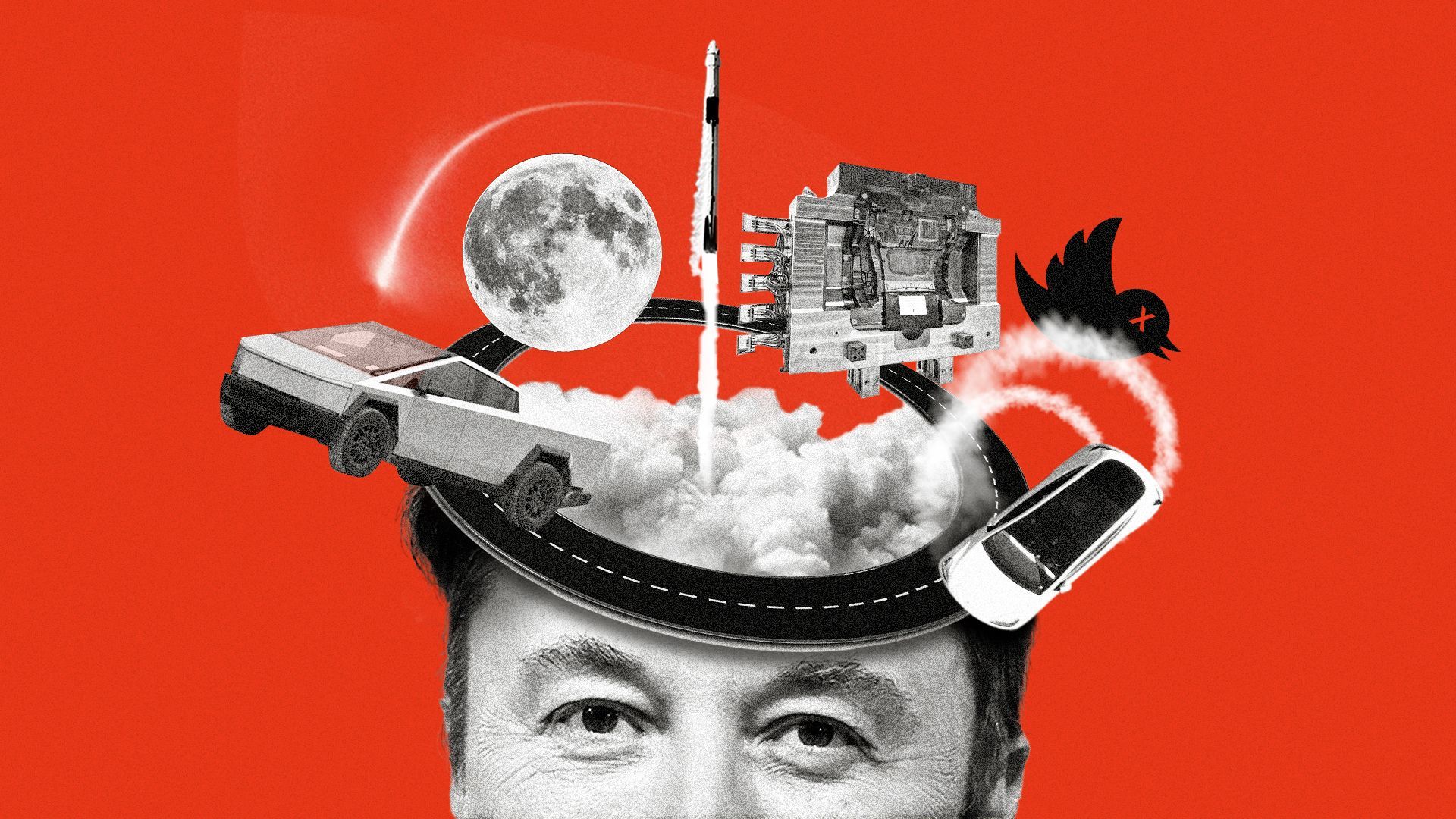
Do you trust Elon Musk to run crucial infrastructure? You might have no choice.
Why it matters: Musk controls the Starlink satellite-communications network; the Supercharger EV-charging network; and the X social-media network. All of them perform an important social function while being effectively unregulated.
Bingo is taking the urban nightlife scene by storm, vaulting from a stodgy Rotary Club favorite to the centerpiece of alcohol-and-nacho fueled dance parties.
Why it matters: "Eatertainment" has become the hottest new restaurant trend since the pandemic.
The U.S. Drug Enforcement Agency is recommending that cannabis be reclassified as a Schedule III drug, which would codify that it has medicinal value and is less dangerous than its current Schedule I designation, Axios has confirmed.
Why it matters: The U.S. cannabis industry needed a win, just days after one of its best-known companies, MedMen, filed for bankruptcy protection.