Novo Nordisk, the maker of Ozempic and Wegovy, continues to enjoy booming sales, but supply constraints and pricing concerns are putting pressure on the stock.
Why it matters: The company's weight-loss and diabetes drugs have transformed the Danish drug giant into one of the hottest stocks on the market.
Between the lines: Novo on Thursday reported sales of $9.35 billion in the first quarter, up 22% from a year earlier, as its GLP-1 drugs continue to soar in popularity.
Wegovy is now getting 25,000 additional patients every week in the U.S., up from a rate of just 5,000 weekly when 2024 began, CFO Karsten Knudsen said on an earnings call.
Yes, but: Supply constraints are still affecting Ozempic and Wegovy — and the company said those will continue.
The company said it expects sales growth of 19%–27% for 2024, about the same as the forecast it released in January: 18%–26%.
"Not raising the outlook underscores the uncertainty on the manufacturing capacity ramp," Lee Brown, health care sector global team leader at research firm Third Bridge, tells Axios.
State of play: The company also reported "continued pricing pressure" on diabetes and obesity care products, including lower realized prices on Wegovy, despite demand outstripping supply.
Insufficient supply usually means higher prices, but Novo CEO Lars Fruergaard Jørgensen said lower prices reflect the company's effort to reach "more and more patients."
Threat level: While Ozempic and Wegovy enjoy a huge head start in the weight-loss lane, competitors are surging — namely from Eli Lilly with Mounjaro and Zepbound, whose sales are soaring.
Others are targeting the market with ferocity owing to the substantial revenue opportunity.
Coinbase Global's latest earnings report, which for the first time included the impact of the January-debuted bitcoin ETFs, was a stunner.
Why it matters: The largest publicly traded crypto firm is a good barometer for how well the industry is doing at large, and its latest financials show the vastly improved environment this year, compared to the last.
Sony and Apollo Global Management have submitted a $26 billion cash bid for Paramount Global, according to sources, in a joint bid that escalates the bidding war for the entertainment giant.
Why it matters: The offer comes as an exclusive negotiating window for a complex rival offer for Paramount from Skydance Media closes on Friday.
Crypto scams tend to get a lot of attention, even when they don't actually involve cryptocurrencies.
The big picture: When people discuss the risks around scams in crypto, it's often linked to digital assets' specific dangers: backdoors, anonymous founders and new ways to cover one's tracks. There are certainly scams in crypto, but there are also plain old scams that just use "crypto" as a hook.
Businesses are doing little to communicate about the 2024 elections, even as geopolitical matters continue to divide workplaces in the U.S.
Driving the news: A new survey conducted by Shallot Communications, found only half of in-house communication leaders have started rolling out workplace activism or civic engagement policies ahead of election season.
Of those who are planning to communicate, the internal tiger team responsible for this strategy typically includes representatives from legal, comms, HR and the CEO's office, per the survey.
A majority of companies — roughly 6 in 10 — give employees time off to vote, but 25% failed to communicate about it internally.
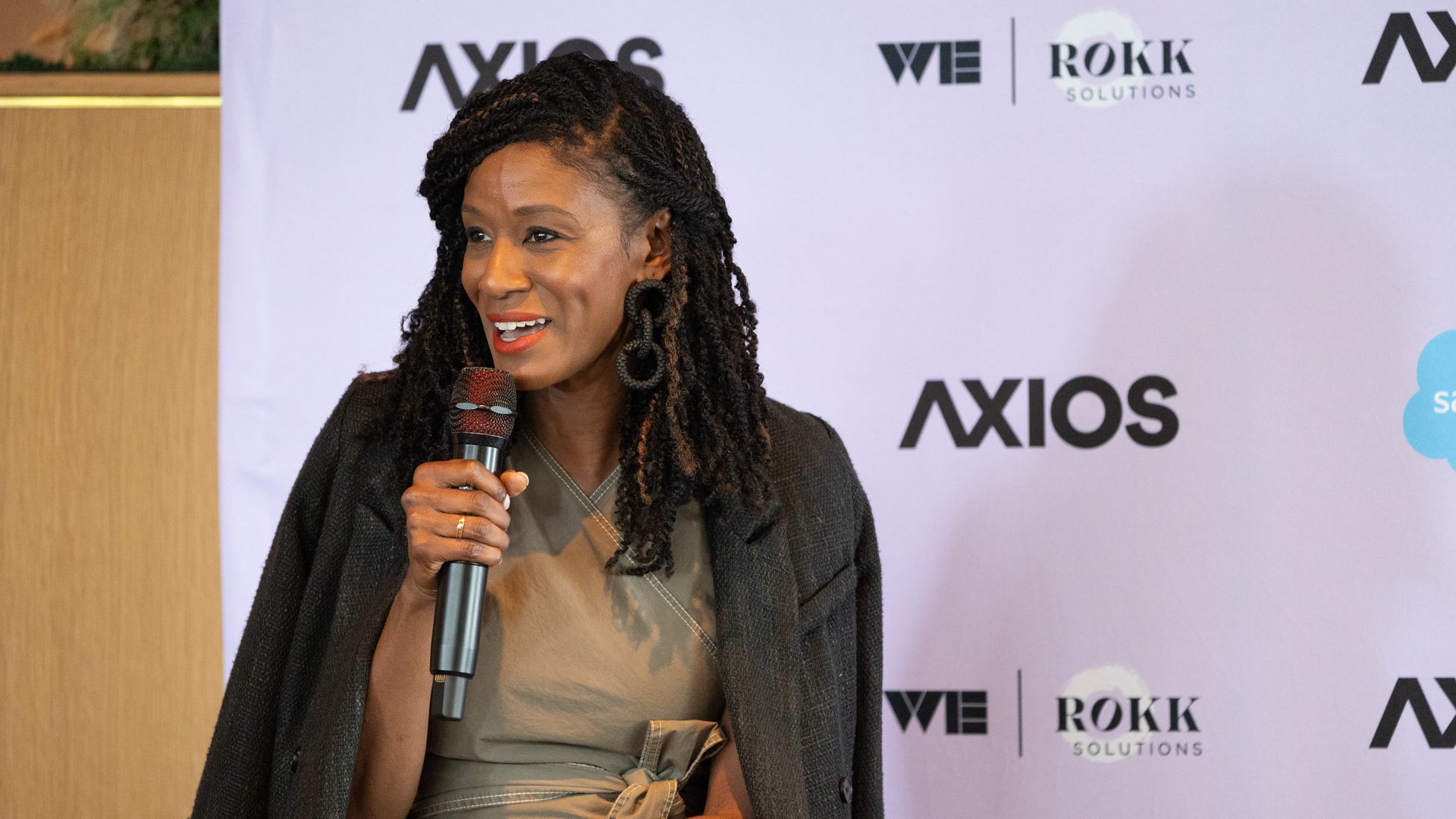
At an event in Washington, D.C., alongside the White House Correspondents' Dinner, more than 100 Axios Communicators readers gathered to discuss managing corporate reputation during an election year.
Why it matters: In times of uncertainty, polarization or transition, employees require more communication, not less.
University leaders who have struggled for six months to communicate their free speech policies in response to the Israel-Hamas conflict are having cops in riot gear now do it for them.
Why it matters: Trying to have it both ways — allowing demonstrations for months and now sending police to break up protests — has succeeded in alienating everyone.
Spotify is testing a new feature that allows users to swipe through vertical video clips, similar to the TikTok experience, that feature artists sharing stories behind their music, according to screenshots obtained by Axios.
Why it matters: The clips experiment has been accelerated following Spotify's recent deal expansion with Universal Music Group (UMG).
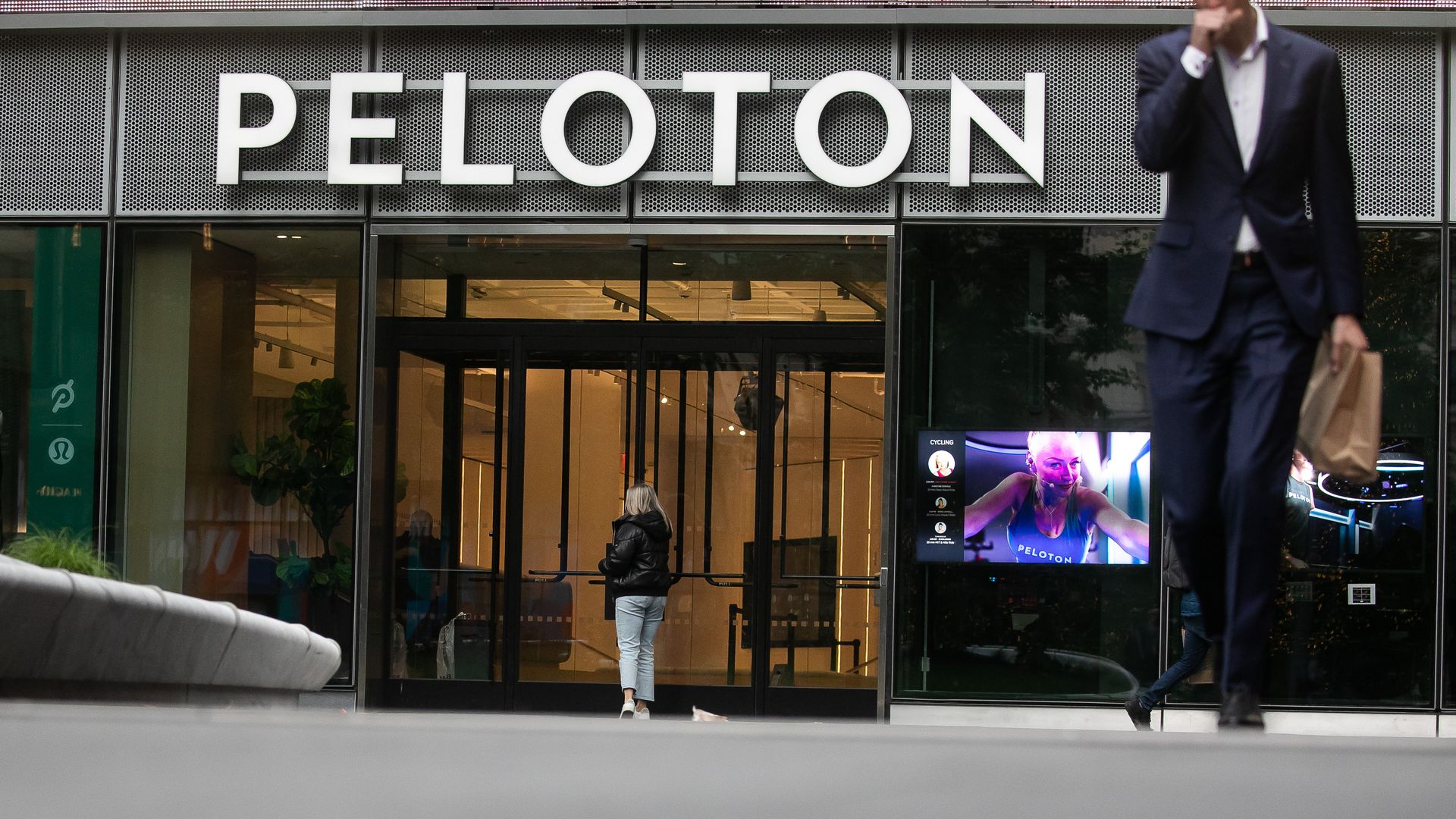
Peloton Interactive said CEO Barry McCarthy will step down from his role as the connected fitness company works to turn itself around.
Why it matters: The struggling company, whose shares are down around 90% from their 2020 peak, is searching for a replacement and slashing 15% of its workforce.
Higher interest rates were supposed to bring a lot of pain for Americans. So far that hasn't happened.
Why it matters: The Federal Reserve left interest rates unchanged Wednesday, keeping rates higher than originally anticipated, but in his afternoon news conference Fed chair Jay Powell made it clear he's ready to pivot in the event the pain makes an appearance.
U.S. sustainable investment funds, including ETFs, suffered their worst-ever exodus in Q1. They saw $8.8 billion in net outflows, per new data from Morningstar.
Why it matters: That outflow stands in stark contrast to consistent inflows through the first quarter of 2022 — and to the continued net inflows to sustainable funds outside the U.S.
Boston is in the vanguard of cities trying to coax developers to convert office buildings to apartments, offering deep tax discounts as an incentive.
Why it matters: Office-to-residential conversions are a hot topic nationally because of how the COVID-19 pandemic forever changed the way we live and work.
Representatives Mike Flood and Wiley Nickel are pressing the U.S. Securities and Exchange Commission to approve options trading on spot bitcoin funds, per a letter sent to chair Gary Gensler obtained by Axios.
Why it matters: Issuers are still waiting to be allowed to launch options after the contentious January approval of spot bitcoin ETFs, which eked through a Commission vote only after a court ruling on the matter.