The VHS vs. Betamax debate in the EV charging world is over: The Tesla plug is the winner, Nathan writes.
Why it matters: Until recently, automakers have been split over two different types of electric vehicle connectors.
Driving the news: The White House today said it's embracing the Tesla standard after SAE International (formerly the Society of Automotive Engineers) said it's doing the same, AP reported.
Tesla's North American Charging Standard provides clarity for equipment suppliers and expands charging access "for current and future EV drivers across the country," the U.S. Joint Office of Energy and Transportation said today in a statement.
And you thought the cubicle was an goner, Nathan writes.
State of play: First, open-office plans were all the rage — then the pandemic supercharged remote work.
That seemed like enough to seal the fate of the forlorn, flimsy office half-walls.
The intrigue: "And yet cubicles, like scrunchies, are back, spurred by demand from employers and employees alike," the New York Times writes, citing research that global sales of cubicles and partitions are expected to jump from $6.3 billion to $8.3 billion over the next five years.
A big factor: Workers returning to the office want quiet spaces, NYT says.
💭 Nathan's thought bubble: Cubicles might make it easier to focus, but they won't stop the constant flow of interruptions in the modern workplace.
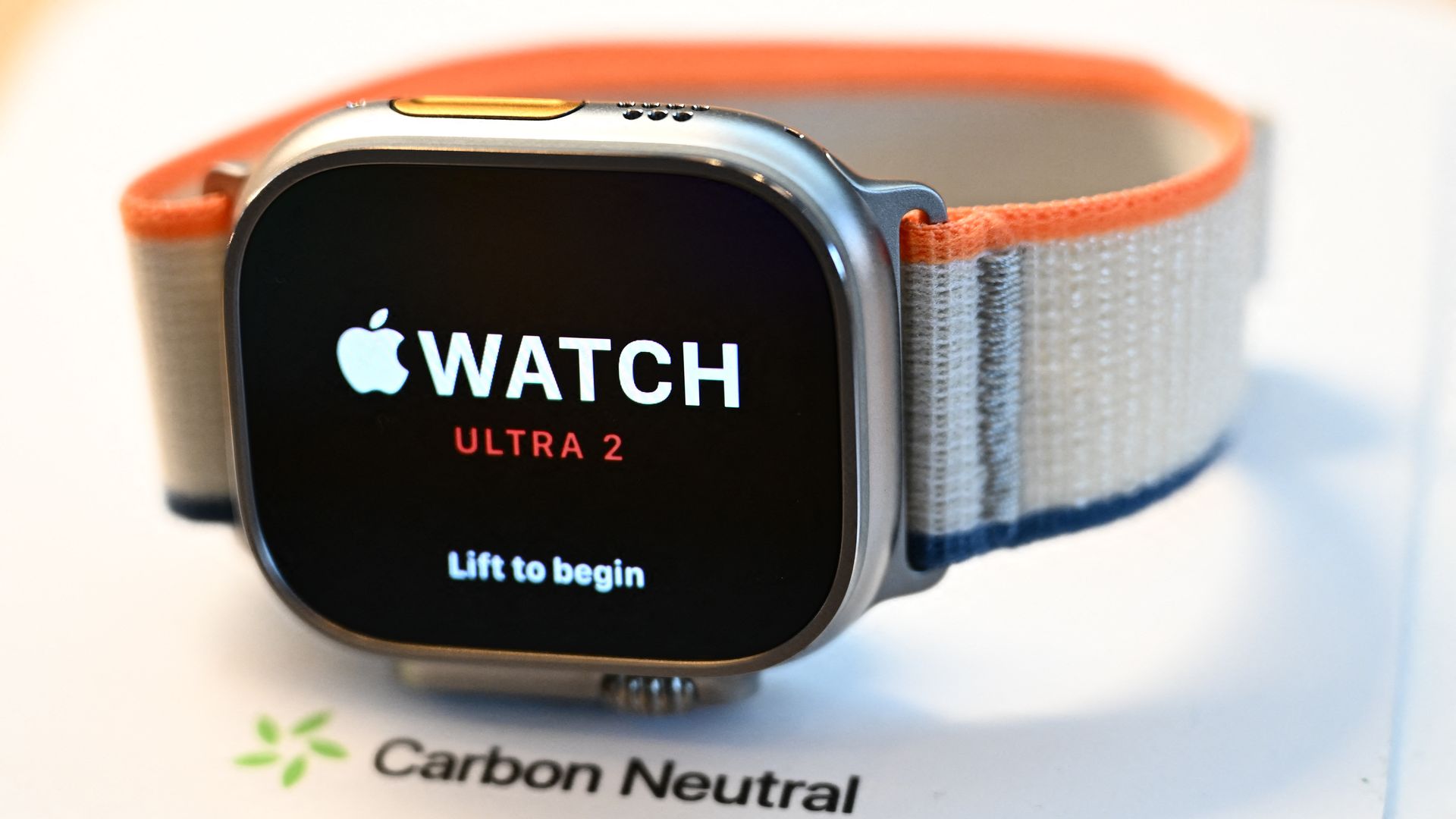
Apple is preparing to pause U.S. sales of its Apple Watch 9 and Ultra 2 as required by a U.S. International Trade Commission ruling in an intellectual property lawsuit from earlier this year.
Why it matters: Apple, through the Apple Watch, is the largest smart-watch seller in the world, with its devices accounting for nearly a third of all purchases across the globe last year, according to tech research firm Counterpoint Research.
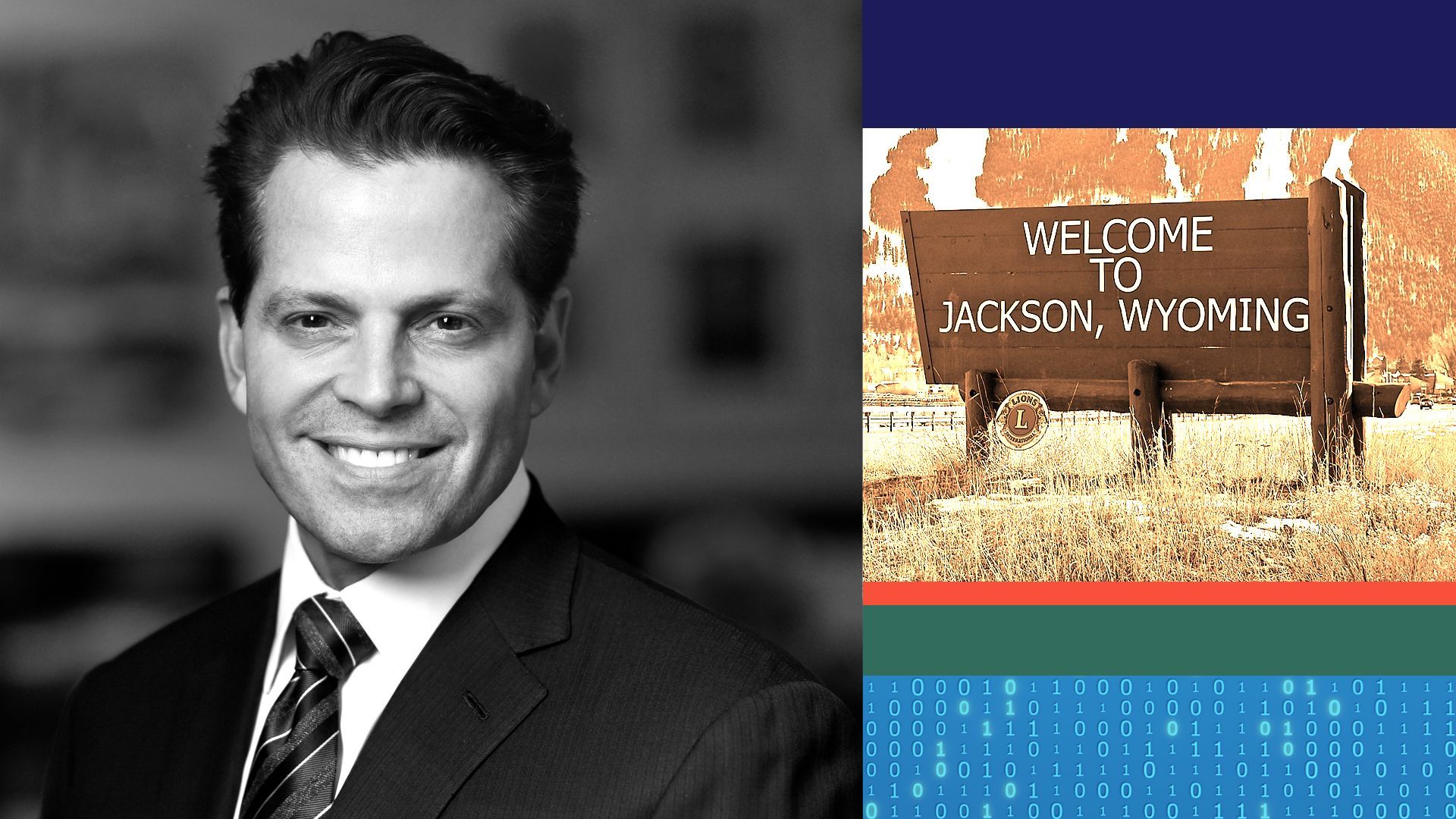
The New York Post wrote Anthony Scaramucci's "financial obituary" in July 2022, with a cartoon image of him on a sinking rowboat laden with bitcoin, but the entrepreneur tells Axios he's not dead.
What he's saying: "This is the most successful year of my career," Scaramucci says, with his core fund in SkyBridge up 25% as of Dec. 15, which he attributes to his decision to reinvent the investment firm and move into digital assets.
Troubled online luxury retailer Farfetch has agreed to a $500 million rescue by South Korea's Coupang and U.S. investment firm Greenoaks, rather than accept a rival offer from Apollo Global Management.
The big picture: Farfetch opted against being sold off for parts, including its stakes in Nieman Marcus and Off-White.
Deutsche Bahn, Germany's national railroad, said it's launched a sale process for its DB Schenker logistics unit, which reportedly could be worth up to €20 billion.
Why it matters: Private equity firms are sure to be interested, but only if they can secure enough debt financing. As such, this process could signal the viability of mega-LBOs in early 2024.
Here's another wrinkle for Nippon Steel's nearly $15 billion bid for U.S. Steel: climate groups fear that the Japanese giant has inadequate plans to decarbonize.
Why it matters: The deal needs approval from U.S. regulators. And the steelworkers' union — another important Democratic political constituency — argues the plan requires its approval.
The New York Times' subscription sports news site, The Athletic, is joining Apple's paid news app, Apple News+, The Athletic's publisher David Perpich and Apple's senior vice president of services Eddy Cue told Axios.
Why it matters: The New York Times pulled out of its partnership with Apple News in 2020, arguing the deal didn't directly strengthen its relationships with subscribers. Now, Perpich says, it makes "strategic and business sense" for The Athletic to partner with Apple.
Shares of U.S. Steel surged on Monday after Japan-based Nippon Steel announced plans to purchase the once-iconic American producer in a deal valued at $14.9 billion, nearly double what U.S. rival Cleveland-Cliffs had offered for the company just four months ago.
By the numbers: The stock was in negative territory for the year until this past August when Cleveland-Cliffs made a splashy bid to merge — and it's now sitting on gains of nearly 100%.
The Biden administration has signaled a crackdown on corporate America, but U.S. regulators' teeth seem to be smaller and blunter than the dentition seen across the pond.
Why it matters: For all U.S. regulators' bluster on the subject of regulating AI and Big Tech, a lot more is getting done in Europe and the U.K. It's likely to remain that way for the foreseeable future.
This year saw a box office top-heavy with nostalgia.
Driving the news: Total worldwide box office earnings for movies in 2023 are approaching $8.5 billion heading into the holiday weekend, up from nearly $7.4 billion in 2022, according to industry tracker Box Office Mojo.
Google said Monday it's expanding billing options in its app store as part of a $700 million settlement in an antitrust lawsuit brought by attorneys general from 36 states and Washington, D.C.
Why it matters: The lawsuit that accused the company of anticompetitive conduct in its Play Store operations was one of several antitrust civil cases the tech giant was facing.
Vlad Tenev is the 36-year-old CEO, president and co-founder of Robinhood — the stock-trading app that vastly undercut Wall Street brokerage fees, and kick-started a new era of retail investing.
Why he matters: Tenev is determined to turn Robinhood into a global financial platform — reaching way beyond the 23 million customers (mainly in the U.S.) who have used the app since its 2013 start.
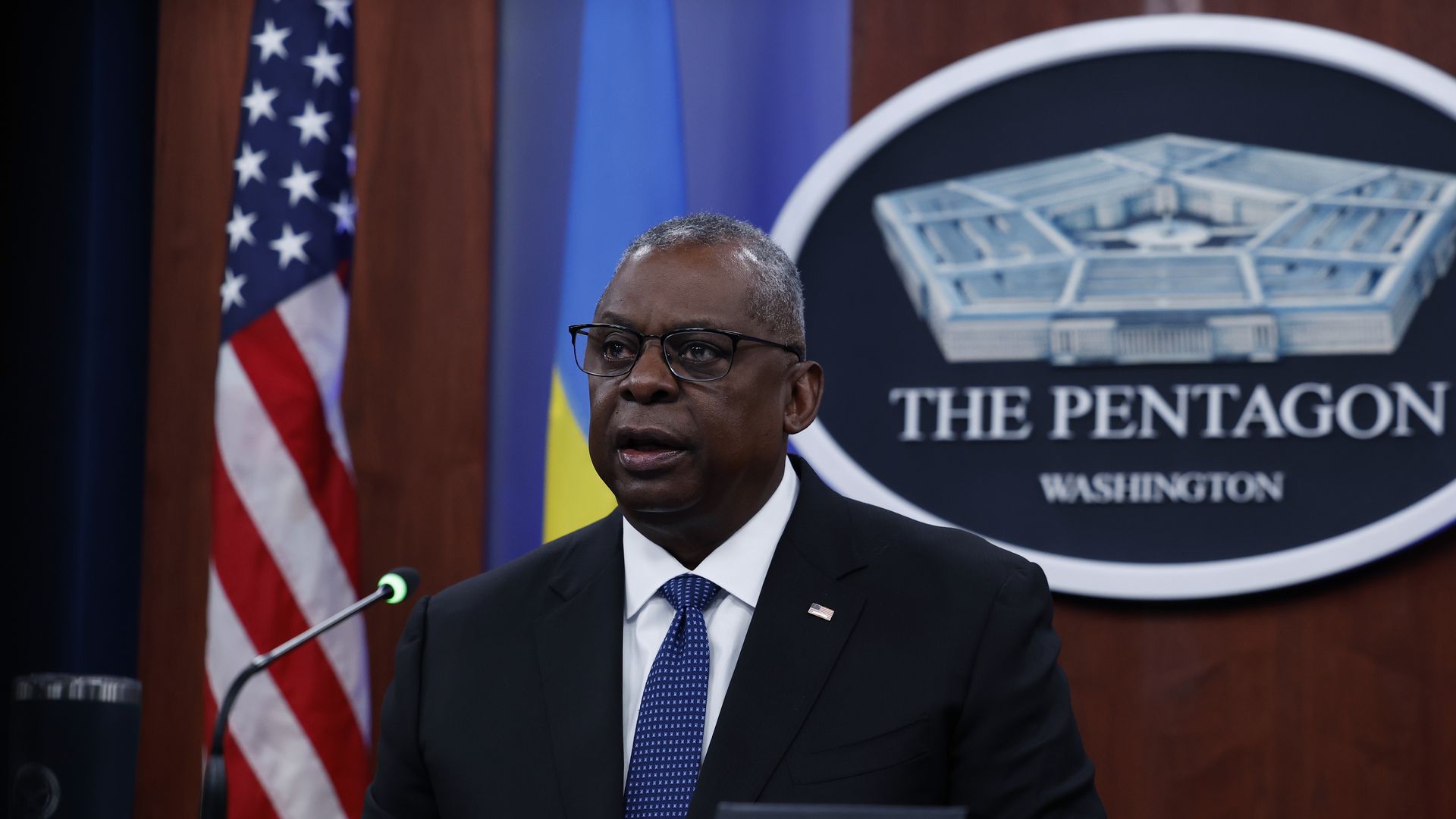
U.S. Defense Secretary Lloyd Austin announced Monday the expansion of a multinational maritime security force to protect ships in the Red Sea from missile and drone attacks from Iran-backed Houthi rebels in Yemen.
Why it matters: "The recent escalation in reckless Houthi attacks originating from Yemen threatens the free flow of commerce, endangers innocent mariners, and violates international law," Austin said in a statement.
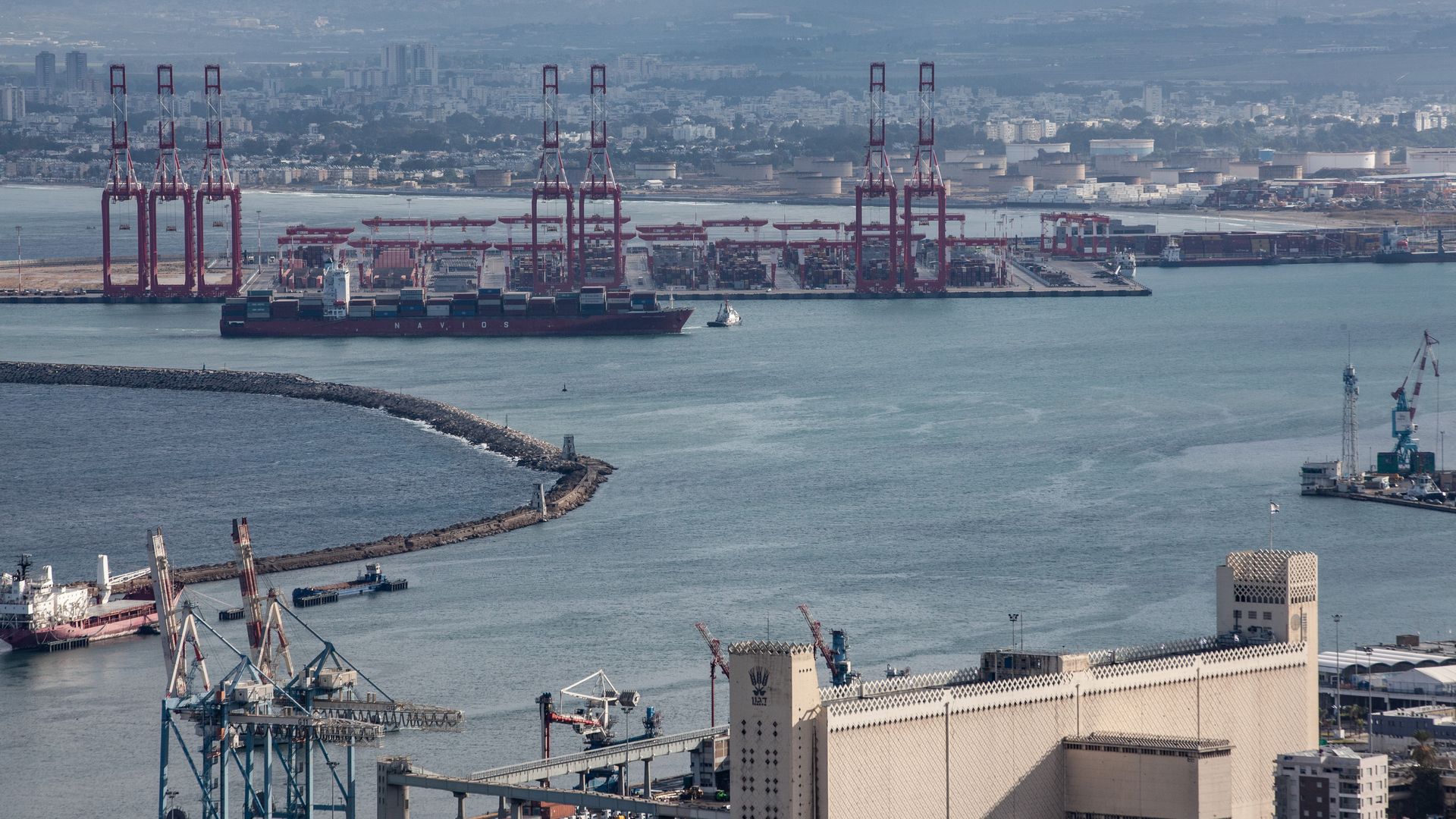
Global shipping giants are rerouting vessels away from the Red Sea as conflicts related to the Hamas-Israel war spread.
Driving the news: In response to the war, Yemen's Iran-backed Houthi rebels have been attacking merchant ships in the Red Sea before or after they move through the Suez Canal.