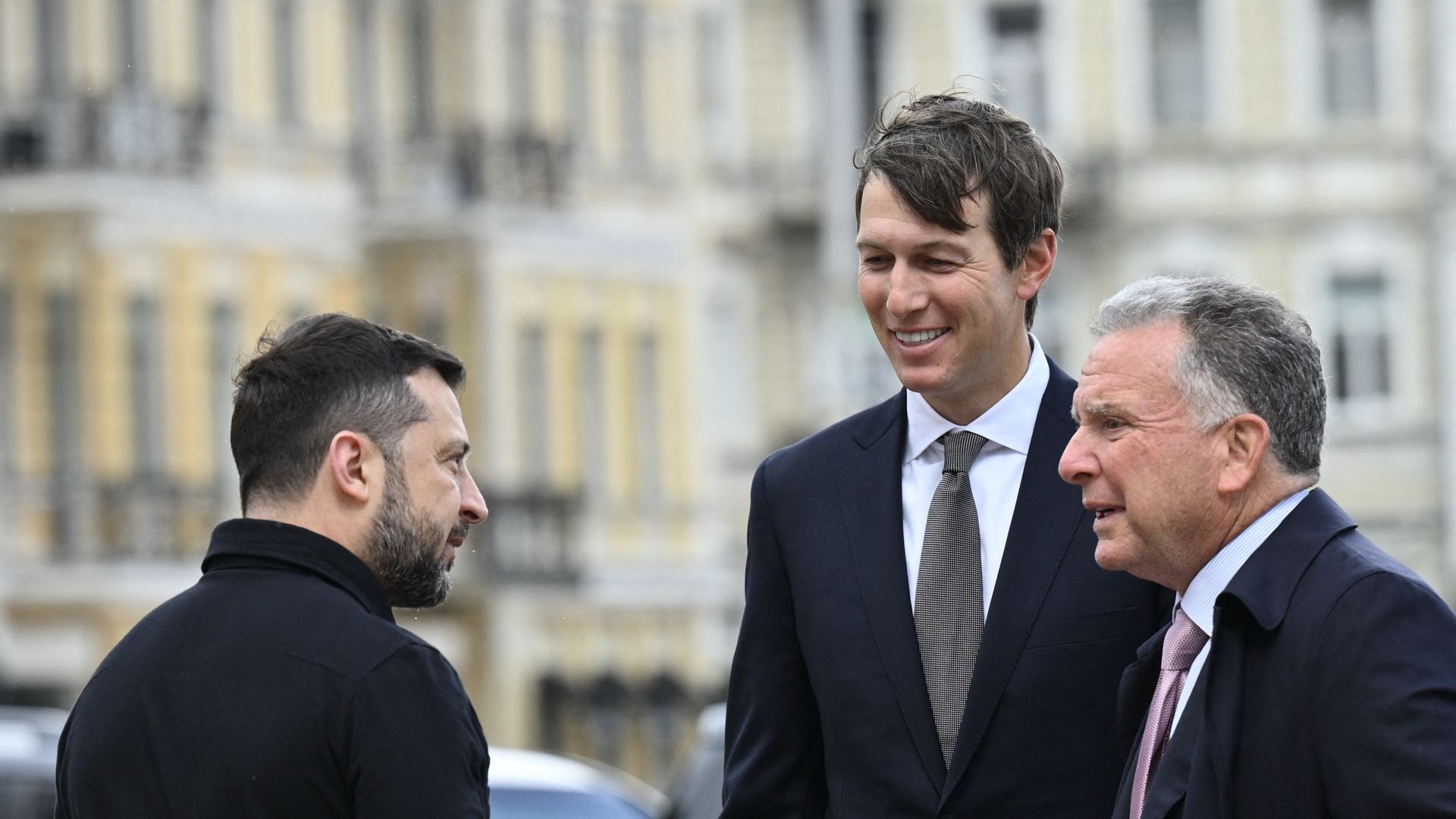
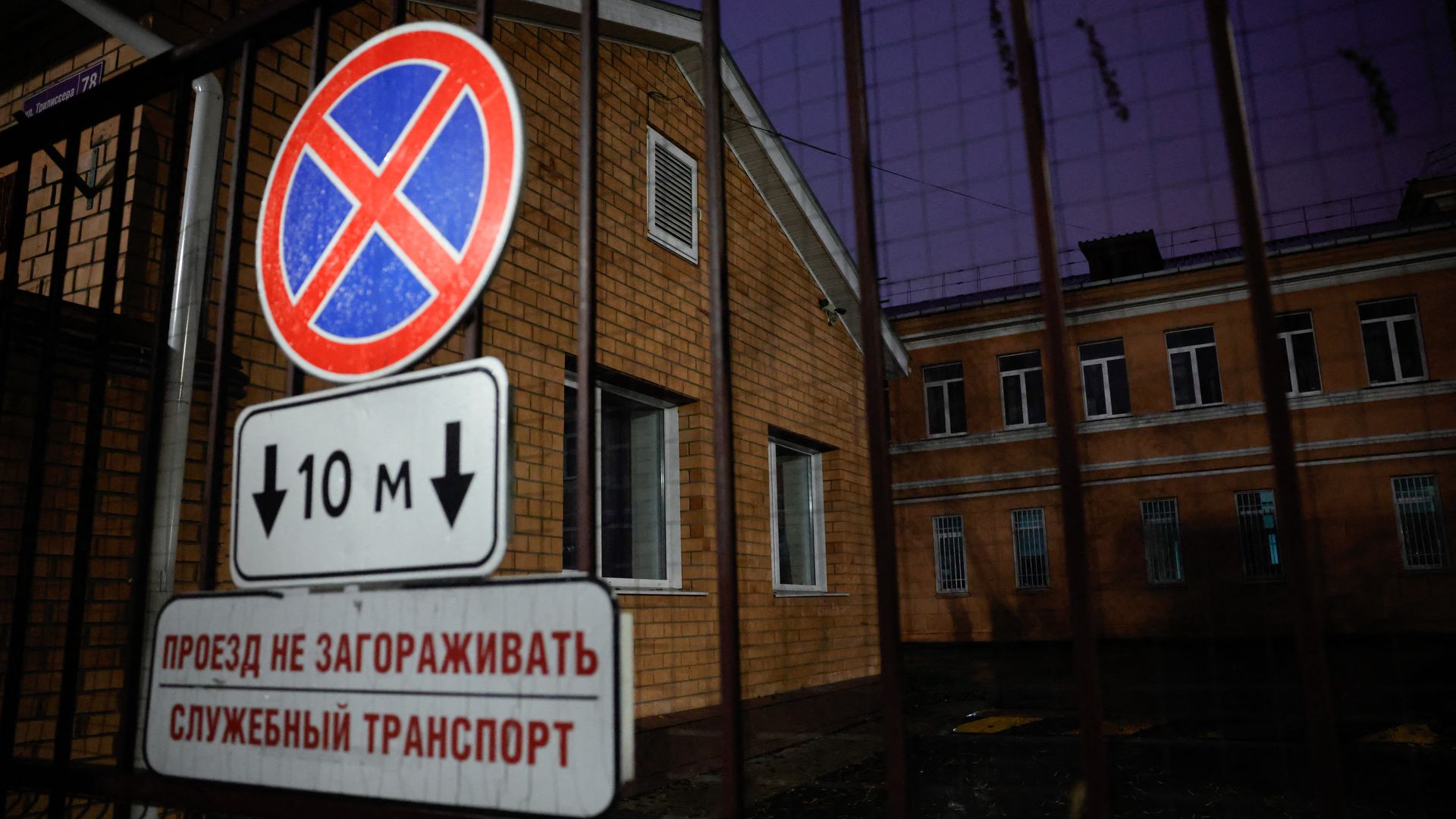
Presidential envoys Steve Witkoff and Jared Kushner will meet with Ukrainian negotiators and European officials in Miami on Friday to present "new ideas and proposals" to break the stalemate in the Russia-Ukraine war, U.S. and Ukrainian officials say.
Why it matters: The Trump administration is hoping to reach a diplomatic breakthrough ahead of the midterm elections and before brutal winter weather grips Ukraine.
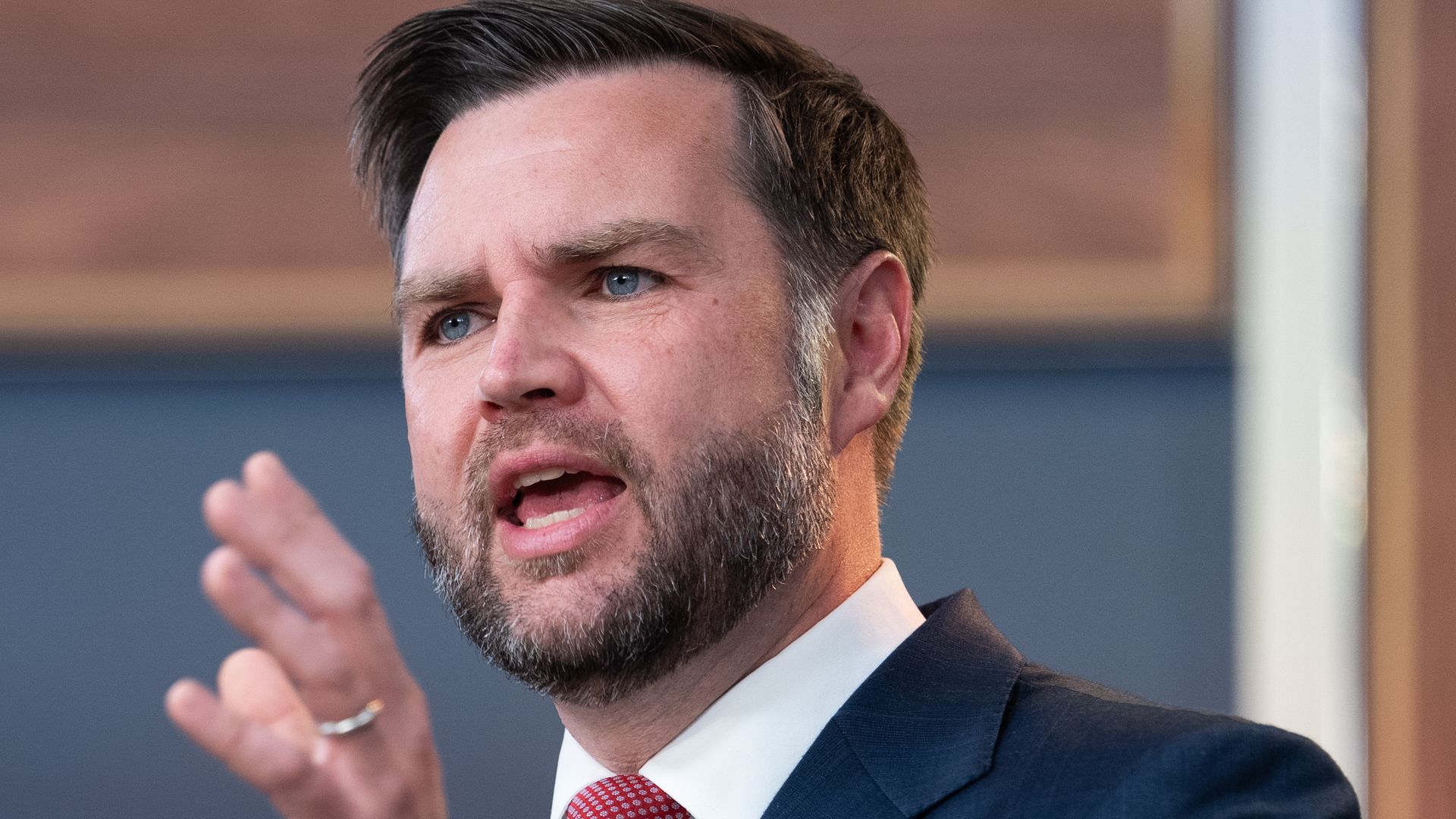
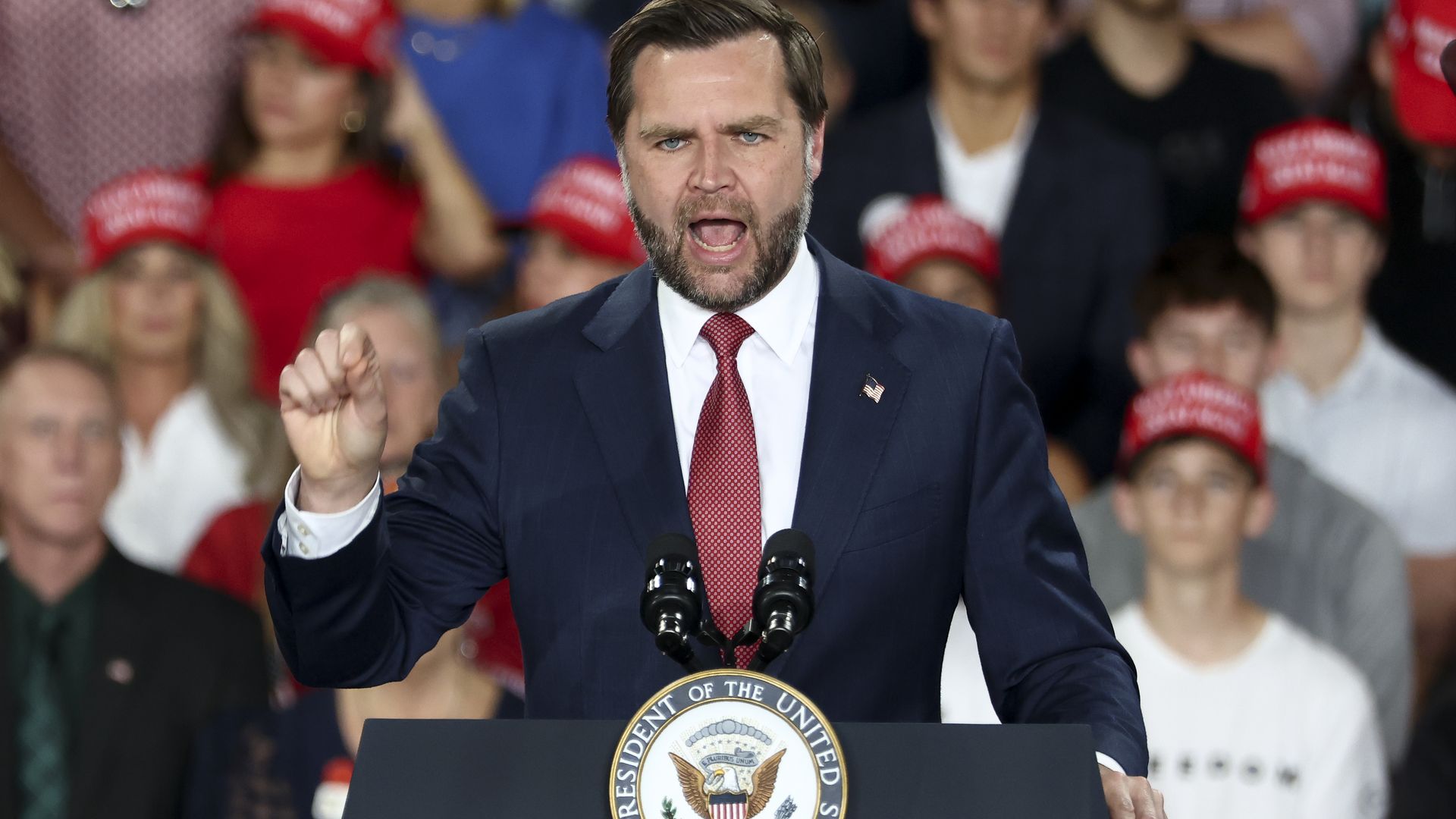
Vice President JD Vance announced a crackdown Thursday on the ability of Big Tech companies to sponsor workers seeking green cards to live and work in America.
Why it matters: The move blocks a path to permanent residency for affected workers but does not suspend the H-1B program, which allows skilled foreign workers to work temporarily in the U.S.
Vice President JD Vance said Thursday that the Trump administration is suspending Microsoft, Adobe and several other IT firms' ability to hire foreign-born workers for permanent residency in the U.S.
Why it matters: The move will affect hundreds of companies owned by the tech giant, escalating the Trump administration's crackdown on immigrant labor.
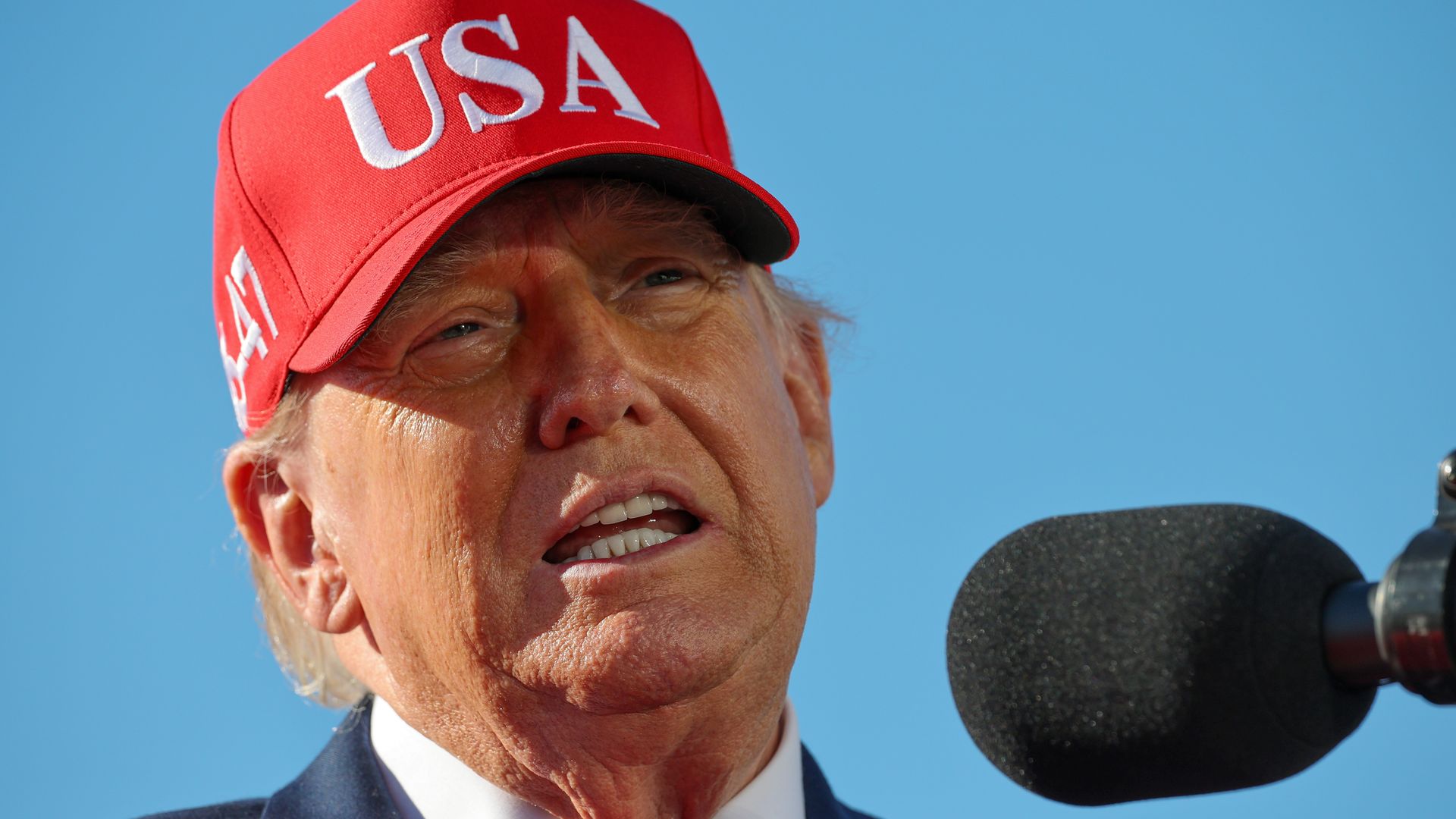
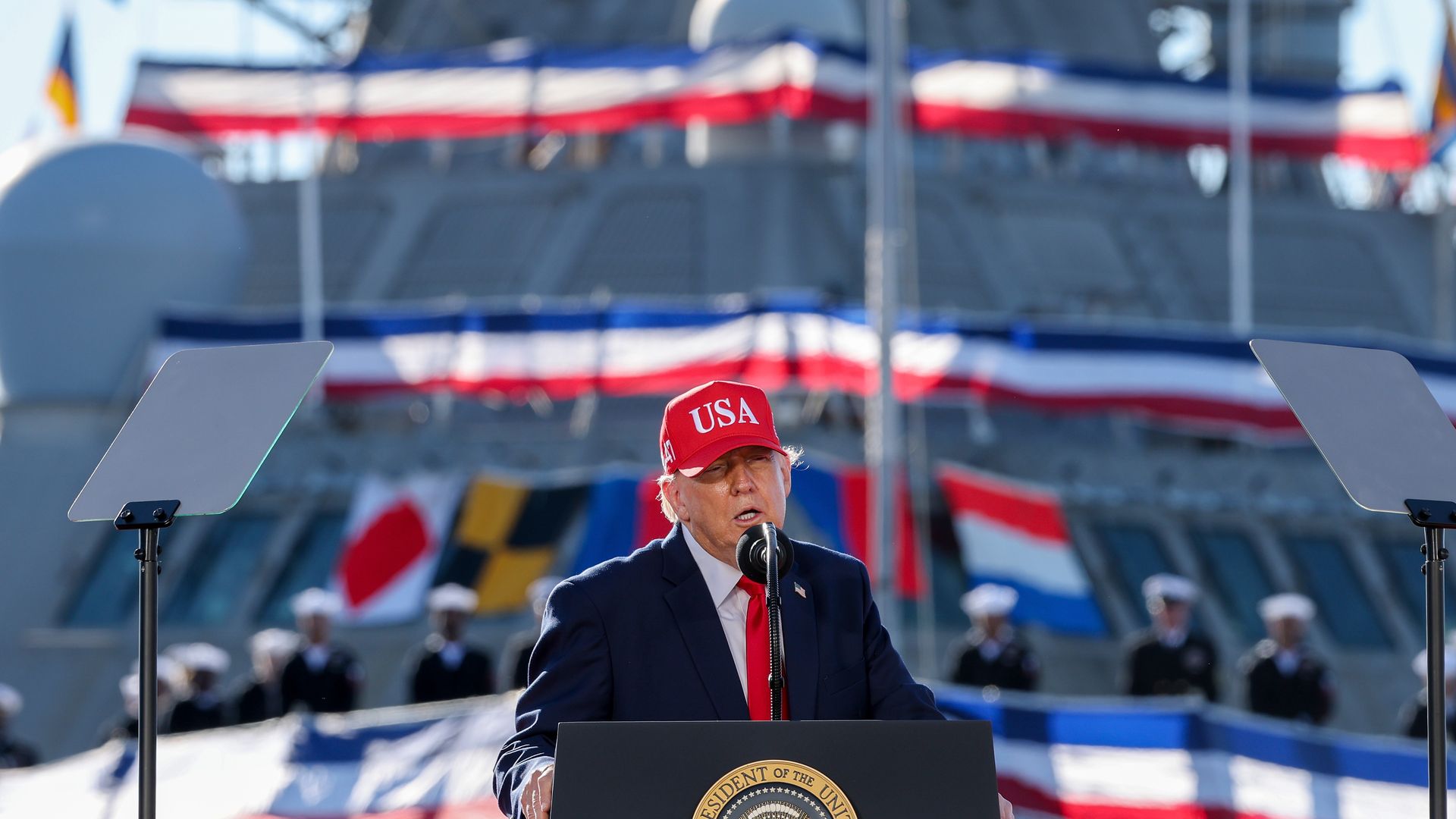
President Trump said Thursday the U.S. will not attack Iran ahead of the Nov. 3 midterm elections.
Why it matters:Trump had been considering for several days resuming major combat operations before the midterms. However, his past statements about his intentions in Iran haven't always matched what he ultimately did.
If major combat operations resume, they're expected to include large-scale strikes on Iranian energy facilities, infrastructure and nuclear targets, sources say.
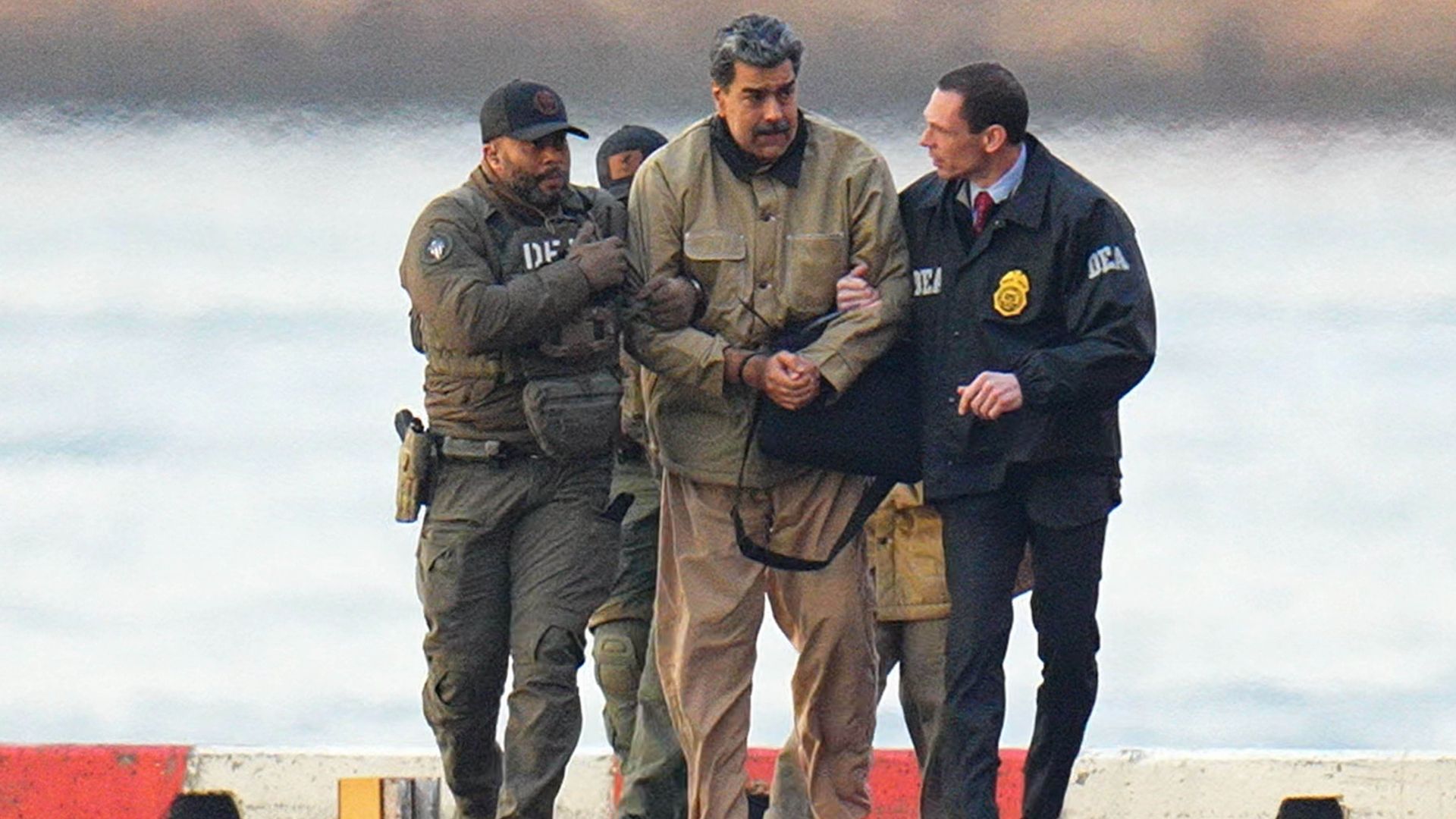
Prosecutors accused former Venezuelan President Nicolás Maduro and his wife of orchestrating the torture of people held in his regime's custody, piling onto the narcoterrorism charges they already face in a fresh indictment unveiled Thursday.
The big picture: The charges add new fuel to the historic prosecution seeking to hold the strongman-turned-prisoner accountable for alleged crimes against Americans and alleged abuse of power.
Republicans are in a dogfight to defend the Latino gains that had them dreaming of a lasting political realignment just two years ago.
Why it matters: Nowhere is that reversal of fortune more visible than in South Texas, where President Trump ran up historic numbers in 2024 — and Republicans redrew the map in 2025, assuming those Latino gains would last.
The Pentagon instructed U.S. Central Command several days ago to conclude preparations for resuming major combat operations in Iran, U.S. officials said.
Why it matters: The directive didn't include a specific date for launching strikes, and President Trump hasn't made any final decisions. But U.S. and Israeli sources say it could happen before the U.S. midterm elections and possibly the Israeli elections a week earlier.
Police and protesters clashed in Liège, Belgium, on Wednesday as student anger over education costs and school conditions grew, echoing massive protestsin neighboring France.
Why it matters: The protests are exposing broader anger across Europe over school funding and classroom conditions.
The U.S. is coordinating across federal agencies to monitor travelers arriving from Siberia as a pneumonic plague case draws international concern, CDC director Erica Schwartz said Wednesday.
Why it matters: Pneumonic plague can spread from person to person and is the deadliest version of the disease, with a near 100% fatality rate if left untreated.
President Trump threatened Wednesday to fire two of his top political consultants if he finds a conflict, after reports that they advised a Russia-aligned government ahead of local elections there.
Why it matters:Chris LaCivita and James Blair are leading Republicans' midterm election strategy, putting their foreign consulting work in tension with their prominent roles in Trump's political operation.
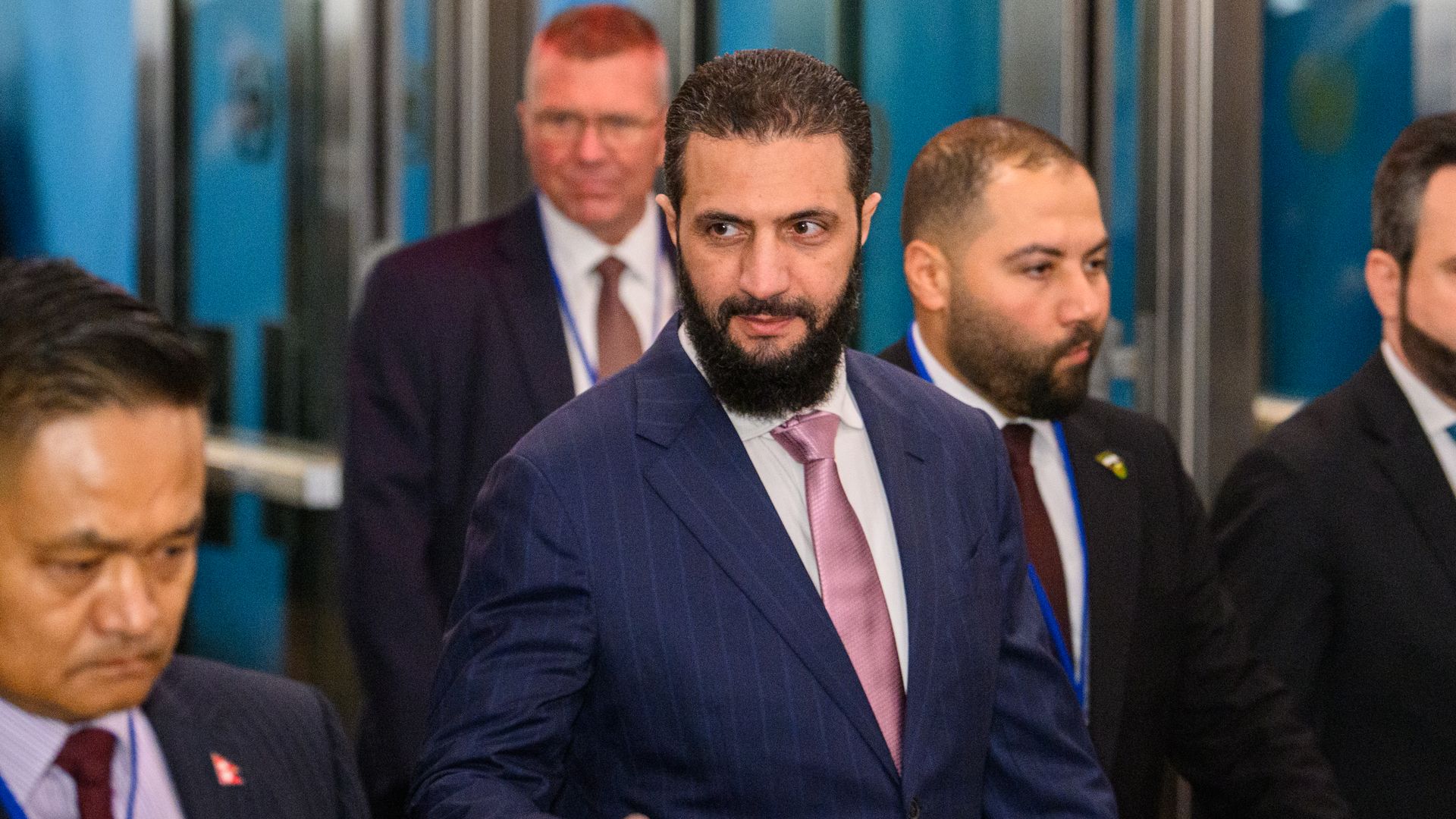
Saudi Arabia and Syria are discussing sending Syrian troops to Yemen to join the counteroffensive against the Houthi rebels, three U.S. officials told Axios.
Syrian President Ahmed al-Sharaa is seriously considering it, but he hasn't decided.
Why it matters: While the discussion is mostly between Saudi Arabia and Syria, the Trump administration has been consulted by both countries and is not opposed in principle to such a move, the U.S. officials said.
Pressure continues to mount on Russia to release information about the suspected pneumonic plague case, which remains shrouded in uncertainty nearly a week after reports first surfaced.
Why it matters: Russia says there's no pneumonic plague outbreak or broader public health risk, but international officials say they have insufficient information to assess what happened.
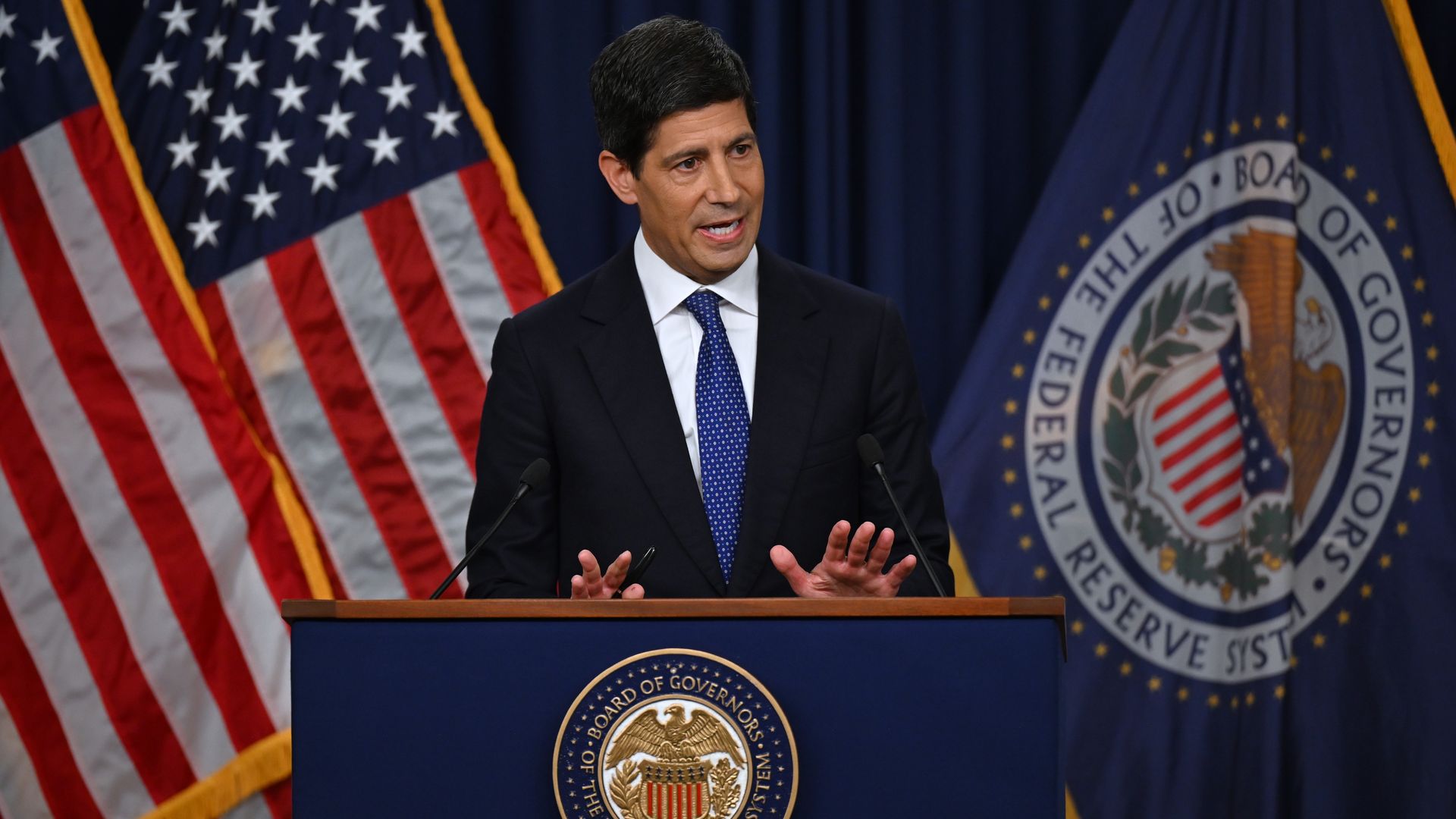
Federal Reserve officials worried that higher costs tied to energy, AI investment and other shocks could spill over into broader, more persistent inflation, according to the minutes from the central bank's Sept. 15-16 meeting.
Why it matters: That meeting concluded with the Fed's first interest rate increase in three years. The minutes show that "several" officials thought rates were doing little to restrain the economy, raising the stakes for further increases down the line.
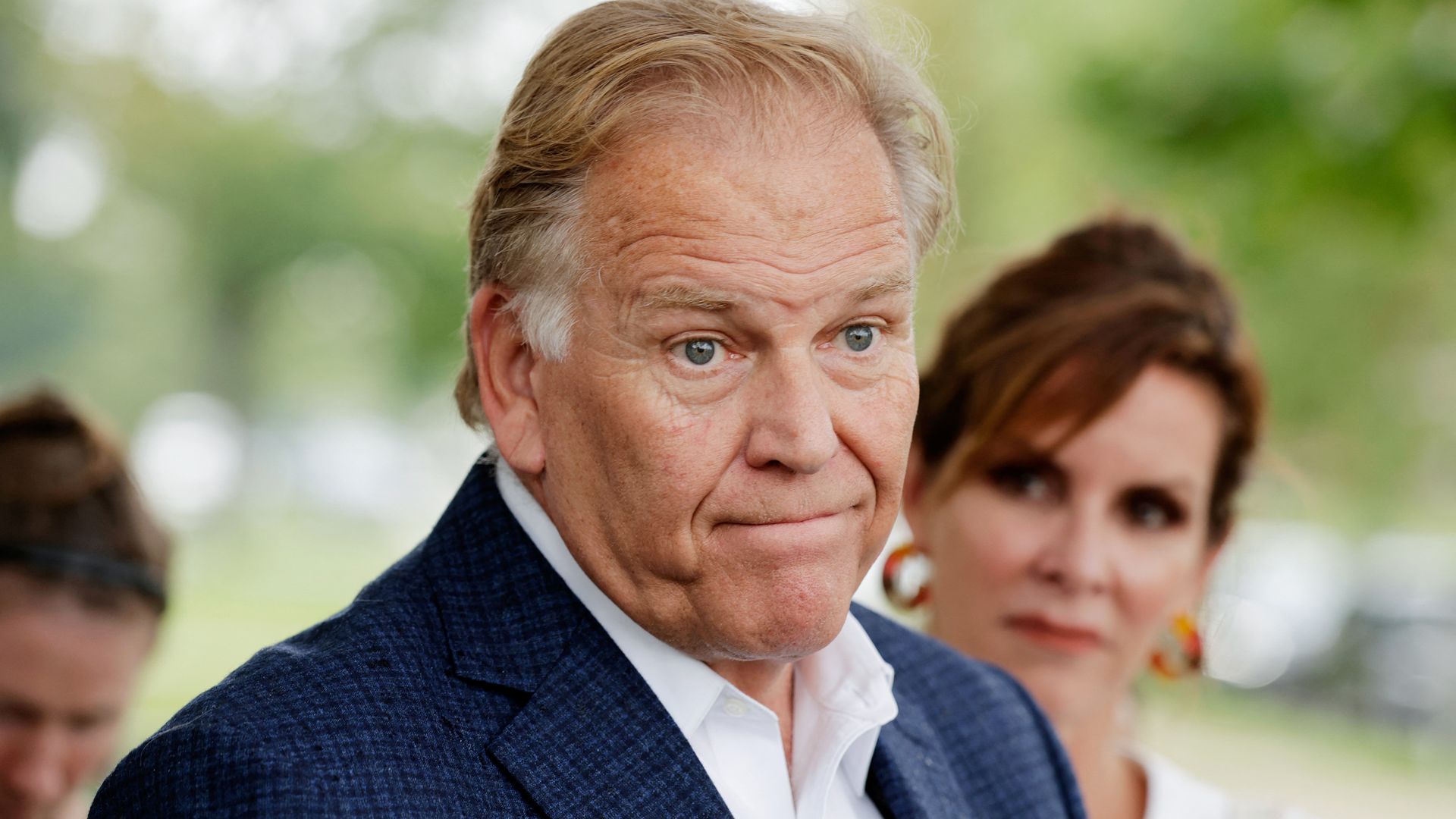
Michigan Republican Senate nominee Mike Rogers called for an immediate end to President Trump's tariff war with Canada in a new ad Wednesday.
Why it matters:Trump endorsed Rogers, but Rogers has increasingly broken with the president as he fights to win a tight race against Democratic nominee Abdul El-Sayed.
The German auto industry — long renowned for its engineering prowess and marketing genius — is reeling from stiffening competition, trade threats and shifting consumer tastes.
Why it matters: Volkswagen, Mercedes-Benz and BMW have been a powerful force on the global auto market for decades — but the market has shifted sharply.
The good news about the epic shifts in global bond markets is that they mostly reflect economic fundamentals, not the kinds of panicky swings seen in a crisis.
The bad news is that there's a risk the disruptions metastasize into a broader crisis in an era of fractured politics across major democracies.
The big picture: Turmoil in the streets this week in France is the latest sign of hazards that await elected leaders who try to address yawning fiscal deficits head-on.
They are squeezed between voters who want to maintain public benefit levels and tax levels and a bond market that is resetting long-term interest rates higher — meaning that carrying on with wide deficits will come at a greater and greater cost to service debt.
That's why even what has been a relatively orderly repricing so far carries risks that are bigger than just high mortgage or corporate borrowing rates.
Driving the news: The relentless upward march of bond yields continued Wednesday morning. The French 10-year yield soared 0.18 percentage point, to 4.93%.
French yields are also surging relative to other countries that use the euro, especially Germany — the kind of fragmentation seen in the eurozone debt crisis of the early 2010s that originated in Greece.
But France is not alone. U.K. 10-year yields are up 0.12 point, to 5.49%, while the 10-year U.S. Treasury yield is up 0.08 point Wednesday morning, reaching 5.36%, the highest since 2002.
Reality check: These are massive moves in markets that form the bedrock of global financial markets. And yet they don't appear to be driven by the kind of crisis dynamics and forced selling that fueled bond market volatilityin the 2008 crisis, the 2014 Treasury flash crash and the March 2020 pandemic.
Rather, they've been driven by bottomless demand for capital from AI hyperscalers and deficit-running sovereign governments, exacerbated by surging energy prices that increase inflation risk.
What they're saying: "When you look at outright yield levels and/or spreads, a lot of this is still quite rational, and within the realm of what fair valuation should be, just given where nominal growth is and where we are in the cycle," Kunal Shah, the co-CEO of Goldman Sachs International, tells Axios.
"At this point, I still wouldn't say that we're anywhere close to the point of this being a broad financial stability risk or issue," says Shah, who is also co-head of fixed income, currency and commodities.
"What policymakers in Europe have shown us, though, is that when there's broader issues on contagion and/or disorderly functioning markets, that's when they can be quick to respond."
"Whilst the move in spreads has been very quick and sharp, in the broader context, we're still nowhere close to where we had got to in that previous European crisis," he says. "Financial conditions are tightening, but it's still not, I'd say, flashing red to the point that you need a backstop from the policymakers."
Yes, but: The European Central Bank has more powerful tools than it did in 2010 to address imbalances between European countries, and has shown willingness to use them. But it can't do much about the fundamentals of governments spending consistently far more than they raise in taxes.
And the global nature of the yield surge shows the common fiscal challenge across major economies.
State of play: In France, there have been violent clashes with police as teachers and students protest proposed wage freezes and school funding cuts.
In the U.K., a central political dispute is over the future of the "triple lock" pension adjustment mechanism, which all but guarantees pension costs will grow faster than the overall economy.
The rate adjustment of the last several weeks will increase already-onerous debt service costs for all advanced countries.
Of note: Those forces can create destabilizing effects for business even apart from the impact on rates. Shah, for example, says that U.K. governments lurching from budget to budget has made it hard for businesses making long-term decisions.
"I hope that at some point we'll be able to break out of this cycle, because it does stifle confidence and it just makes planning for the long term very hard," Shah says.
Russia's war on Ukraine has sparked a boom in global defense-tech investing, particularly around drones. But very few of those startups are actually based and building in Ukraine.
Buntar Aerospace is an exception.
Driving the news: Buntar this week raised $16 million led by U.S.-based Freedom Fund VC, following a $10.4 million round earlier this year.
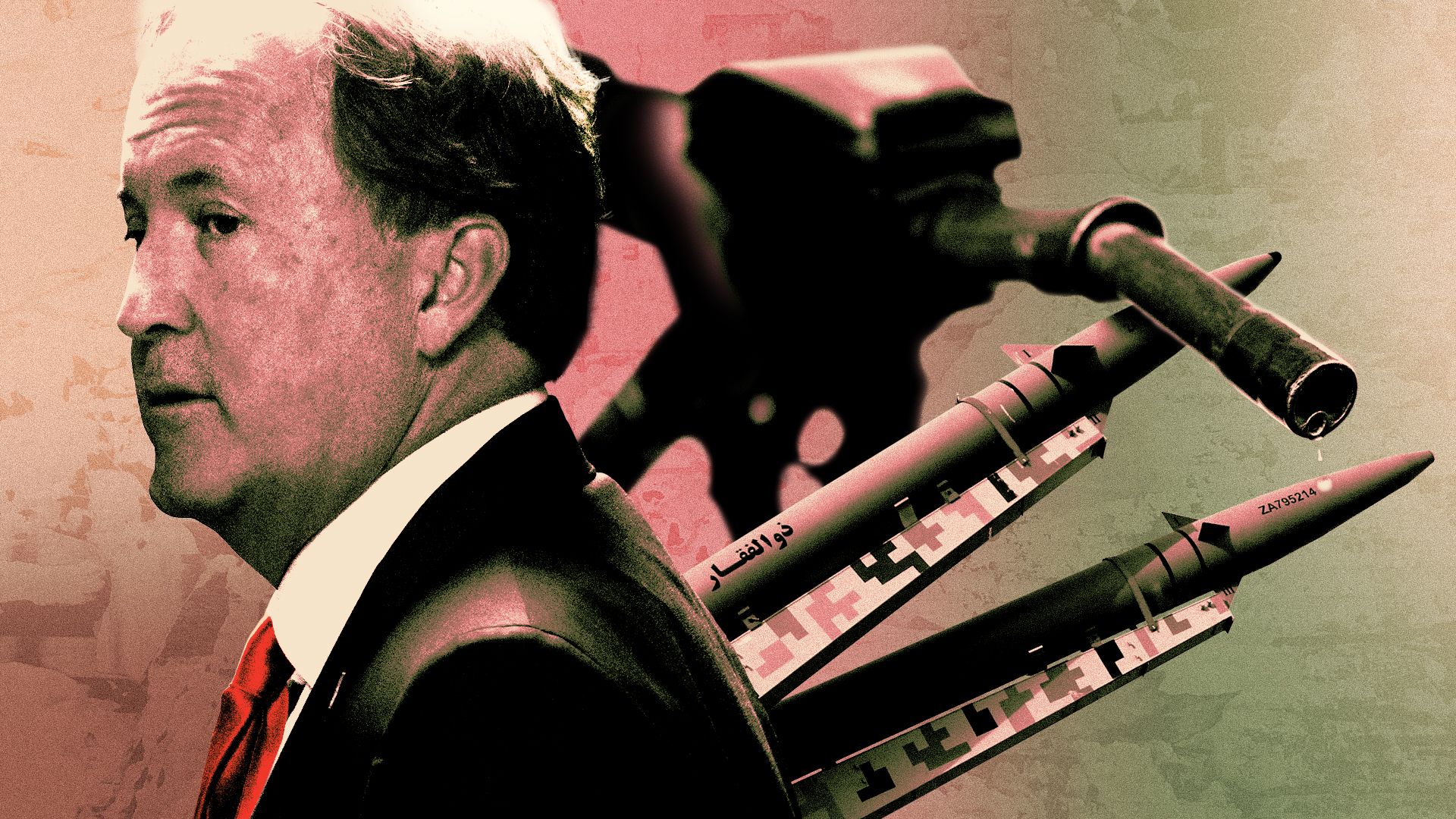
Texas Republican Senate nominee Ken Paxton privately lamented the impact of the Iran war and gas prices on his campaign in a meeting last month, telling a group of donors and lobbyists, "I don't make the decisions," according to audio obtained by Axios.
Why it matters: It's a candid admission from a close Trump ally about the challenging environment Republicans face this cycle.
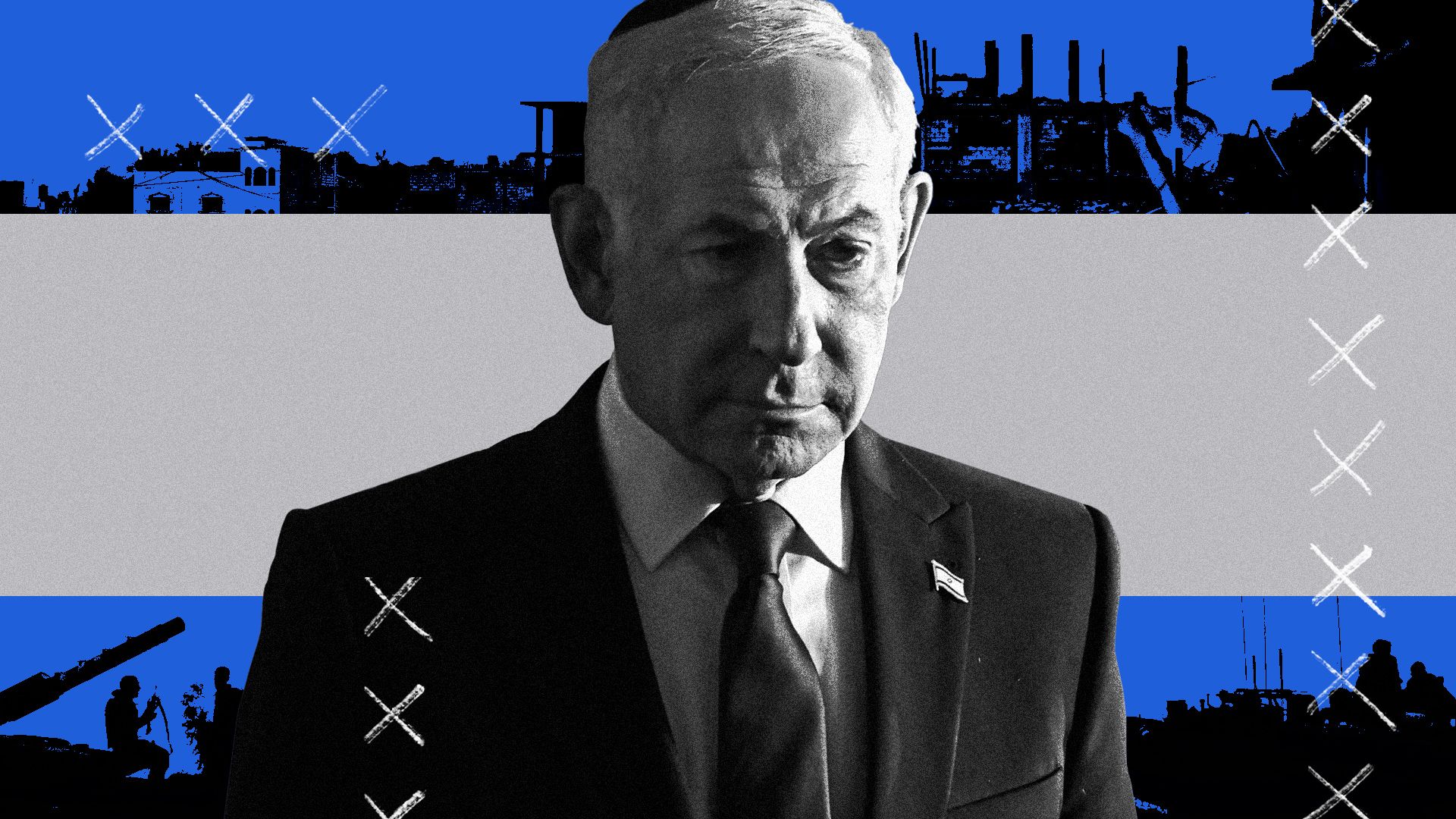
Israel is marking the third anniversary of the Oct. 7 terror attacks three weeks before an election where Prime Minister Benjamin Netanyahu's personal culpability for the country's worst-ever security failure will be a central issue.
Why it matters:Netanyahu has never looked more politically vulnerable than in the weeks after Oct. 7, but he has defied expectations by keeping his government afloat — presiding over simultaneous wars and an atmosphere of perpetual emergency. Though the polls are tight, they leave a clear path for the ultimate political survivor to hang on yet again.