Should LIV Golf deals be kept secret? Judge will decide

Add Axios as your preferred source to
see more of our stories on Google.
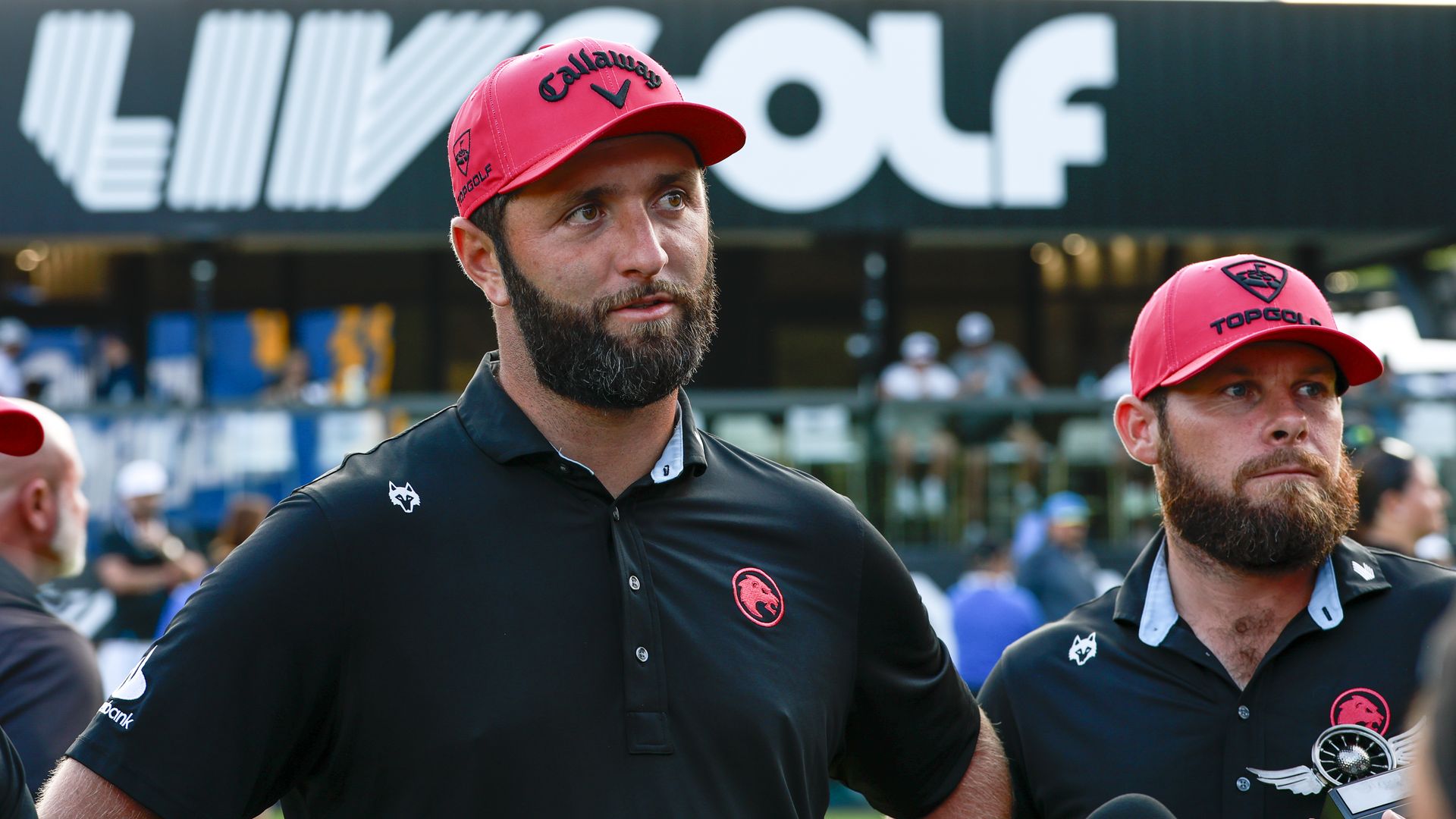
LIV Golf players Jon Rahm and Tyrrell Hatton. Photo: by Michael Miller/ISI Photos/ISI Photos via Getty Images
A federal judge is expected to hear arguments Wednesday on whether LIV Golf should be allowed to keep its player severance deals secret in bankruptcy court.
Why it matters: The Saudi-backed league filed for Chapter 11 bankruptcy protection in September after its strategy of paying big money to lure players away from the PGA Tour proved unsustainable.
- The contracts include deals with prominent players like Bryson DeChambeau, Jon Rahm and Phil Mickelson.
The intrigue: Bankruptcy experts questioned whether LIV Golf's motion to file the contracts under seal is justified, saying there must be a compelling reason to shield them from the spotlight in court.
- "Yes, you can file stuff under seal. It's for sensitive information. It's supposed to be the formula for Coke and stuff like that," University of Michigan bankruptcy law professor John Pottow tells Axios.
- He added: "I think that a bankruptcy judge is going to have serious skepticism about the need for this information to remain confidential."
State of play: LIV Golf attorneys said in a court filing that its players' separate agreements contain "commercially sensitive" information that must be shielded from public view, including "specific and detailed terms regarding releases, payment amounts, and ongoing business arrangements."
- "In addition, given the high-profile celebrity nature of the Players, disclosure of the Personal Information, would create a real risk to the safety of the Players and could be used to harm or harass them," the LIV attorneys wrote.
Reality check: Information about the compensation for professional athletes is widely available, and players are regularly subject to praise and scorn for a variety of reasons, including their pay and their play.
What they're saying: "I do believe the sealing statute is meant to be narrowly construed and that broad interpretation of terms like 'commercially sensitive' risks undermining the objectives of transparency as part of the price of getting bankruptcy relief," University of North Carolina bankruptcy law professor Melissa Jacoby tells Axios in an email.
- "Just being embarrassed of how much money you're being paid — I think you're a big boy and you signed the contract and you're reaping the benefits," Pottow said. "I don't know if that's enough to get you under seal."
What we're watching: It remains to be seen whether anyone will object.
- The U.S. Trustee — part of President Trump's Department of Justice — would typically be the most likely party to file an objection to a request like this in a major bankruptcy case. But it has not done so yet — and the office declined to comment for this story.
- Pottow said that it could be harder for Judge Michael Kaplan to justify rejecting a motion to seal if no parties in the case have cried foul.
Zoom out: Wednesday's hearing is a pivotal moment in the case as LIV tries to find a path to reinvention after the Saudis withdrew funding, citing a shift in investment strategy.
- LIV disclosed Monday in a court filing that it had obtained $4 million in debtor-in-possession bankruptcy financing from BC Partners as part of the investor's agreement to provide up to $300 million if it can lure a sufficient number of players to commit to the league's second iteration.
- The investor envisions players participating in LIV 2.0 as equity holders, giving them "a direct voice in building its future"
- "BC Partners Credit believes this unique structure will attract and retain top talent, strengthen team identity, and align the long-term interests of players, owners, and fans," BC said in a statement.
The bottom line: Judge Kaplan controls whether the world will see the details of LIV's deals with its players.
