H-1B visas aren't suspended. Here's what Vance is really targeting

Add Axios as your preferred source to
see more of our stories on Google.
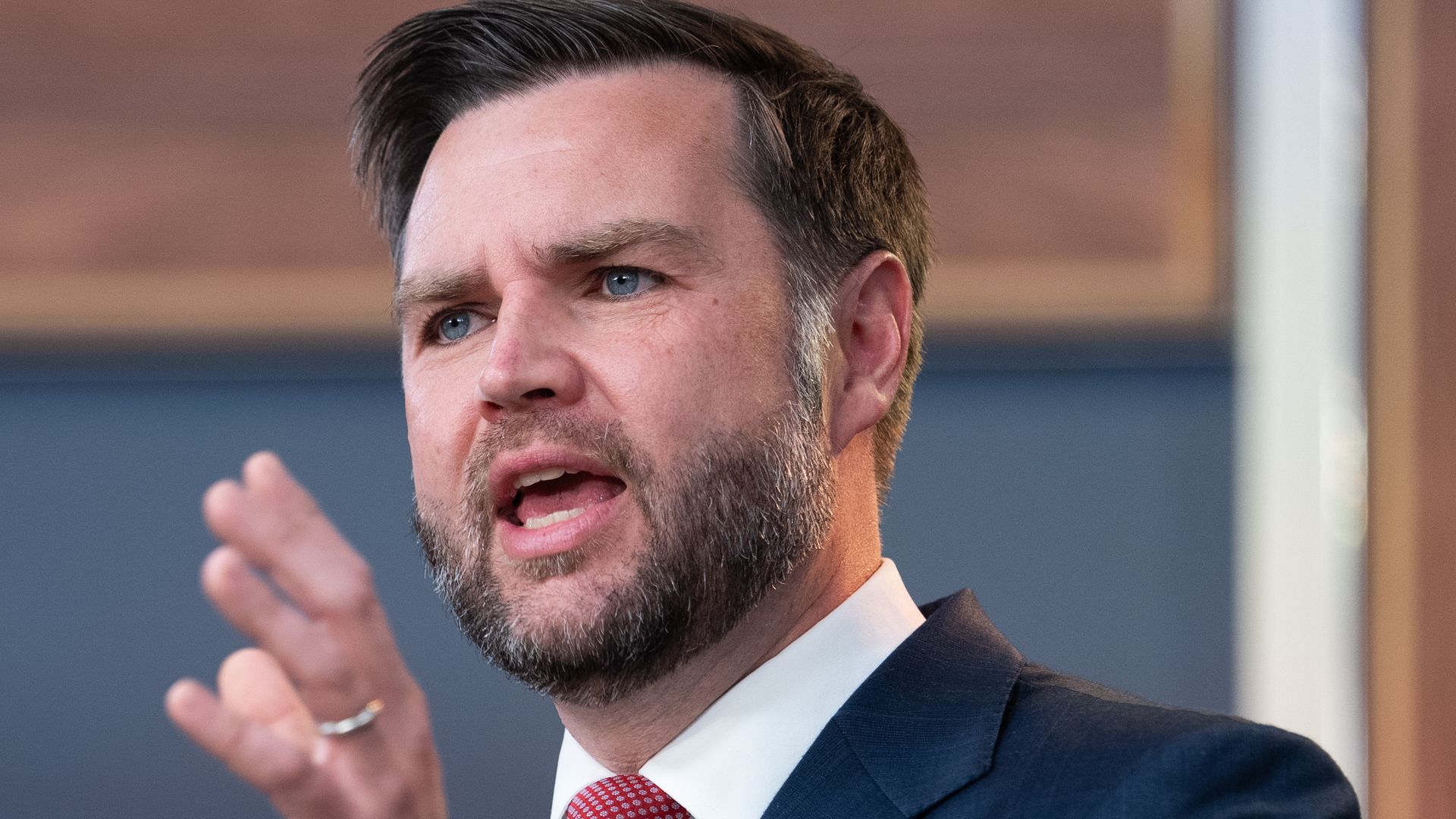
Vice President JD Vance in Washington, D.C. Photo: Aaron Schwartz/Bloomberg via Getty Images
Vice President JD Vance announced a crackdown Thursday on the ability of Big Tech companies to sponsor workers seeking green cards to live and work in America.
Why it matters: The move blocks a path to permanent residency for affected workers but does not suspend the H-1B program, which allows skilled foreign workers to work temporarily in the U.S.
Driving the news: Vance said the U.S. is suspending Microsoft, Adobe and six other technology companies from the Permanent Labor Certification Program, known as PERM.
- The program, which runs through the Labor Department, is separate from the H-1B visa program and helps foreign workers get employee-sponsored green cards.
- Vance told tech companies: "We want you to continue to grow and to employ a lot of people, but we want you to employ American workers."
- There's no indication that the Trump administration is suspending employees from doing that.
How H-1B visas work
How it works: The H-1B visa program gives highly skilled workers in specialized jobs the chance to live and work in the U.S. under a temporary nonimmigrant status.
- Tech companies often hire many people through this program from overseas.
- One prominent holder was South African-born Elon Musk, who has argued it helps companies recruit strong talent abroad.
Yes, but: Though they can be extended, H-1B visas generally last up to three years and are considered temporary — unless workers apply for a green card, often through the permanent labor certification program, known as PERM.
How PERM differs from H-1B visas
Vance's crackdown specifically targets PERM — often the first step in employers sponsoring workers for employment-based green cards.
- Green cards allow eligible foreign workers and non-citizens the right to live and work permanently in the U.S.
To receive approval, PERM generally requires employers to show there are no qualified, willing or available American workers for a position.
- Companies need to advertise the job to American workers and review applications to document their recruitment efforts.
- Once PERM is approved, the employers can help sponsor a green card for the worker.
Context: An H-1B visa holder does not need PERM to continue working in the U.S., though it does get them closer to an employer-based green card.
- The administration's crackdown is specifically targeting the residency side of the sponsorship process.
- Already-issued green cards are not revoked by the PERM suspensions.
Why is Vance suspending companies?
The Trump administration has rallied around the concept of reducing the number of foreign workers in the U.S. and has long suggested that these workers are taking away American jobs.
- Vance pointed to Microsoft laying off 6,000 workers, suggesting "every worker that Microsoft laid off, they replaced that worker with one and a half foreign indentured servants."
Friction point: Foreign workers have created a divide among Trump allies.
- While some MAGA voices rallied around Musk, who previously held the H-1B visa and acted as one of Trump's biggest supporters during the 2024 election cycle, others have held a harder line against immigration, arguing jobs should be prioritized for Americans.
What happens to foreign workers?
State of play: Vance's decision does not suspend or cancel the H-1B visa program or revoke existing H-1B visas.
- "We will not accept any new or process any pending permanent labor certification applications involving these companies," Labor Secretary Keith Sonderling said Thursday, per reports.
The bottom line: The move creates an obstacle for some foreign workers seeking permanent residency through their companies, as the Trump administration intensifies its scrutiny of hiring practices.
