Fed officials feared inflation pressures could spread, minutes show

Add Axios as your preferred source to
see more of our stories on Google.
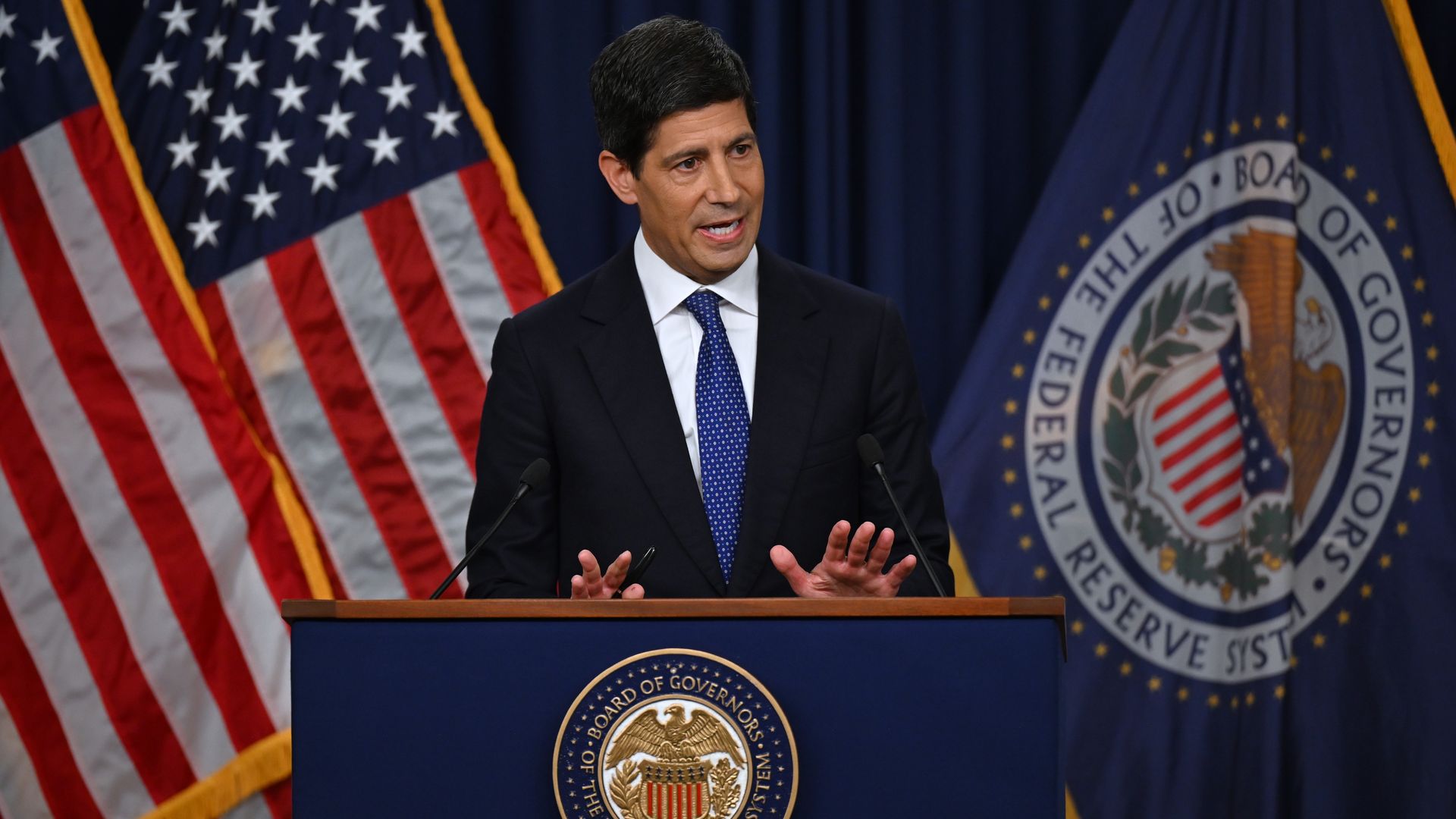
Federal Reserve chairman Kevin Warsh speaking to reporters last month. Photo: Li Rui/Xinhua via Getty Images
Federal Reserve officials worried that higher costs tied to energy, AI investment and other shocks could spill over into broader, more persistent inflation, according to the minutes from the central bank's Sept. 15-16 meeting.
Why it matters: That meeting concluded with the Fed's first interest rate increase in three years. The minutes show that "several" officials thought rates were doing little to restrain the economy, raising the stakes for further increases down the line.
What they're saying: "A couple of participants emphasized that a higher policy rate would help prevent sector-specific price increases stemming from energy market disruptions and AI-related demand from broadening out and generating more persistent inflation dynamics," according to the minutes.
- "Many" officials worried that the longer energy prices stayed high, "the greater the risk that cost increases in certain sectors could lead to broader price pressures."
The big picture: Officials also discussed the sharp rise in longer-term Treasury yields, with a "few" officials pointing to stronger economic data, heavier AI-related borrowing and geopolitical developments as potential drivers.
- Despite the rise in rates, "many" officials thought borrowing and investing conditions were still helping support the economy, pointing in part to higher stock prices and ample credit.
The intrigue: "Several" officials said interest rates were "not restrictive or only mildly restrictive," suggesting they did not think Fed policy was doing much yet to restrain the economy.
- "Most" officials thought another rate increase would likely be appropriate by year-end, according to the minutes. That lines up with projections released alongside the decision showing that 16 of 18 officials who submitted forecasts penciled in at least one more hike in 2026.
- Warsh did not submit a projection. Speaking to reporters last month, he offered little guidance about what comes next.
Between the lines: Since then, two key Fed officials have signaled there is no rush to raise rates again.
- New York Fed president John Williams said there was "no need for urgency," while Fed vice chair Philip Jefferson said policymakers may need more time to judge whether another increase is necessary.
What to watch: Inflation has remained stubborn, with the economy still absorbing higher energy prices from the Iran war and growing price pressures tied to the AI boom.
- The AI boom is also supporting stronger-than-expected growth. "Several" officials said the scale and pace of the AI buildout had continued to surprise to the upside.
- Officials saw it boosting investment and wages in certain sectors, with potential productivity gains in the coming years.
What's next: The next major inflation report — the September Consumer Price Index — is set to be released next week.
