Montana Gov. Greg Gianforte (R) signed into law Wednesday a bill banning TikTok statewide, effective Jan. 1, 2024.
Why it matters: A growing number of Republican-led states have issued TikTok bans on government-issued devices after the FBI warned of possible threats to national security posed by the Chinese-owned social media platform, but Montana is the first state to impose a total ban on the app.
Netflix has attracted nearly 5 million monthly active users to its new ad-tier service after launching fewer than 200 days ago.
Why it matters: The company revealed the metric for the first time during its first-ever upfronts presentation this week — marking two new milestones in its firm shift toward building a traditional ad-supported media business.
The English voice of Zelda heard by millions of players in Nintendo’s recent Legend of Zelda games is the result of an “amalgam of different inspirations,” including “Game of Thrones” and Mia Farrow, actor Patricia Summersett tells Axios.
Why it matters: Summersett’s rendition has become iconic across multiple top Zelda games, including 2017’s Breath of the Wild and its sequel, this month’s Tears of the Kingdom.
EA sports’ next college football game will include real college players, as long as they want in. And those players will get paid.
Why it matters: This deal, first reported by ESPN, will put a capper on a long-running controversy over compensation for college athletes in video games and can be seen as a long-term victory by players.
The Federal Trade Commission has charged the developer of period tracking app Premom with deceiving users by sharing their health data with third parties, including Google and two China-based firms.
Why it matters: Legal protections for sensitive personal health data that can include information such as medications, mental health and pregnancy status have not kept up with the digital health sector's explosive growth.
Driving the news: The ruling is part of a concentrated recent effort by the FTC under activist chair Lina Khan to target a growing class of companies that are not subject to HIPAA yet nonetheless share and sell health data.
Details: According to the FTC, Premom shared users' reproductive health information and precise geolocation data with companies including Google and Alibaba subsidiary Umeng via tracking tools known as software development kits (SDKs).
That data sharing "led to the unauthorized disclosure of facts about an individual user’s sexual and reproductive health, parental and pregnancy status," per the agency, as well as users' social media account data, precise geolocation data, and information about users' mobile devices and Wi-Fi network identifiers, the FTC says.
What's happening: The FTC is fining Premom $100,000 in civil penalties.
If approved by the federal court, the order would bar Premom's parent company, Easy Healthcare Corporation, from sharing users' personal health data with third parties for advertising.
It would also require Premom to get user consent before sharing such data.
What they're saying: "Premom broke its promises and compromised consumers’ privacy," Samuel Levine, director of the FTC’s Bureau of Consumer Protection, said in a statement.
Catch up quick: Wednesday's ruling follows similar actions against companies including period tracking app Flo, prescription discount startup GoodRx, and Teladoc mental health subsidiary BetterHelp.
Yes, and:Health privacy in the post-Roe digital age is fraught as prosecutors seeking to enforce anti-abortion laws are free to go after reproductive health data in mobile apps, where it is unprotected by federal law.
As many as one-third of women use digital tools to track their periods, which can be for monitoring their cycles, planning to avoid a pregnancy or trying to conceive.
The bottom line: The FTC's moves directly challenge the way digital health companies operate and could significantly alter the future health tech landscape.
The Supreme Court on Thursday ruled Twitter is not subject to claims it aided and abetted terrorism for hosting tweets from ISIS, and dismissed a related case involving YouTube, a major legal win for the two social media platforms.
Driving the news: In Twitter vs. Taamneh, the court unanimously ruled that Twitter having hosted terroristic speech did not mean it was legally responsible for terrorist attacks, and claims could not be brought under the federal Anti-Terrorism Act.
FTX and sister trading unit Alameda Research are suing ex-CEO Sam Bankman-Fried and two other former execs over the acquisition of stock clearing company Embed last year.
Why it matters: This could be the first of many suits relating to acquisitions and investments that Bankman-Fried made.
Silver Lake on Wednesday launched a €32-per-share tender offer for German enterprise software provider Software AG, despite a rival approach from Bain Capital.
Why it matters: It's rare to see private equity firms fight over a deal in which management has already made its preference known.
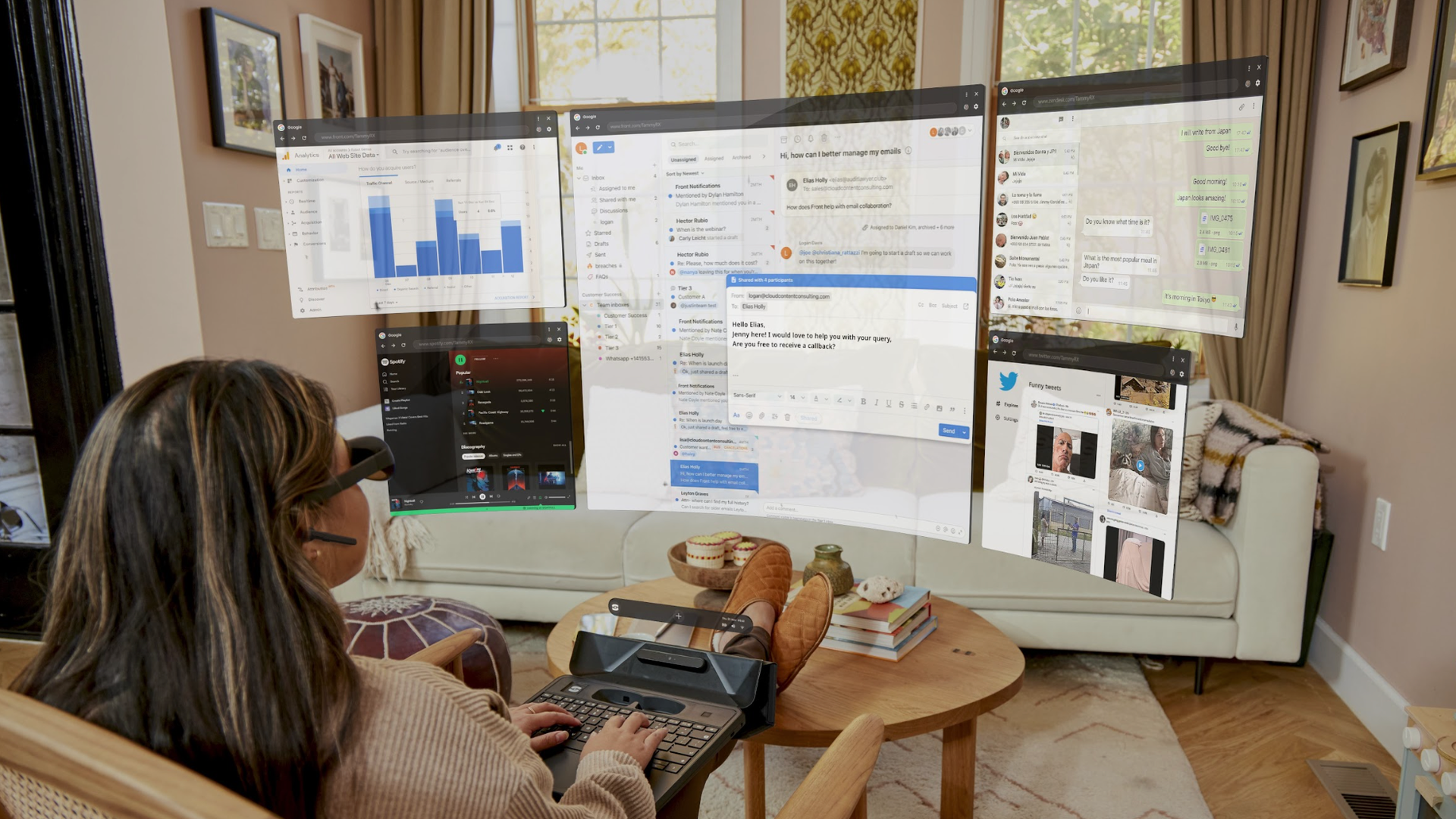
Two former Magic Leap employees have teamed up to create Spacetop, a $2,000 laptop that ditches the traditional screen and instead uses its own augmented reality glasses to create a 100-inch virtual display.
Why it matters: Laptops have always been defined around the space constraints of the screen, with display size determining just how big the device needed to be.
A software transparency startup has landed two key government contracts and closed a $6 million seed round to help agencies and critical infrastructure organizations understand what's in the software they run.
Why it matters: Few organizations understand what components or open source programs are running in the software they use, making it difficult to know what security flaws actually affect them.
Charging an electric vehicle (EV) is a time-consuming burden — which is why the notion of battery swapping, dismissed by Tesla CEO Elon Musk and many others as unworkable, is still percolating.
Why it matters: Many drivers won't embrace EVs unless the refueling experience is as seamless as filling up a gas tank.
Microsoft researchers say the latest model of OpenAI's GPT "is a significant step towards AGI" — artificial general intelligence, the longtime grail for AI developers.
The big picture: If you think of AI as a technology ascending (or being pushed up) a ladder, Microsoft's paper claims that GPT-4 has climbed several rungs higher than anyone thought.

/2023/05/17/1684359859902.gif?w=3840)