The effort to unionize workers at Boston-based Activision Blizzard studio Proletariat is becoming tense, with one worker at the studio telling Axios they feel “disillusioned” by the way their colleagues have sought to organize the team.
Why it matters: Disputes between workers and management have been an expected and recurring aspect of the game industry’s nascent unionization efforts — not so much disputes among the workers themselves.
Google filed a key defense brief Thursday in a Supreme Court case that could reshape the legal landscape for online publishers and services.
Driving the news: Google told the court that tampering with Section 230 of the Communications Decency Act, which protects firms from liability for content their users post, would "undercut a central building block of the internet."
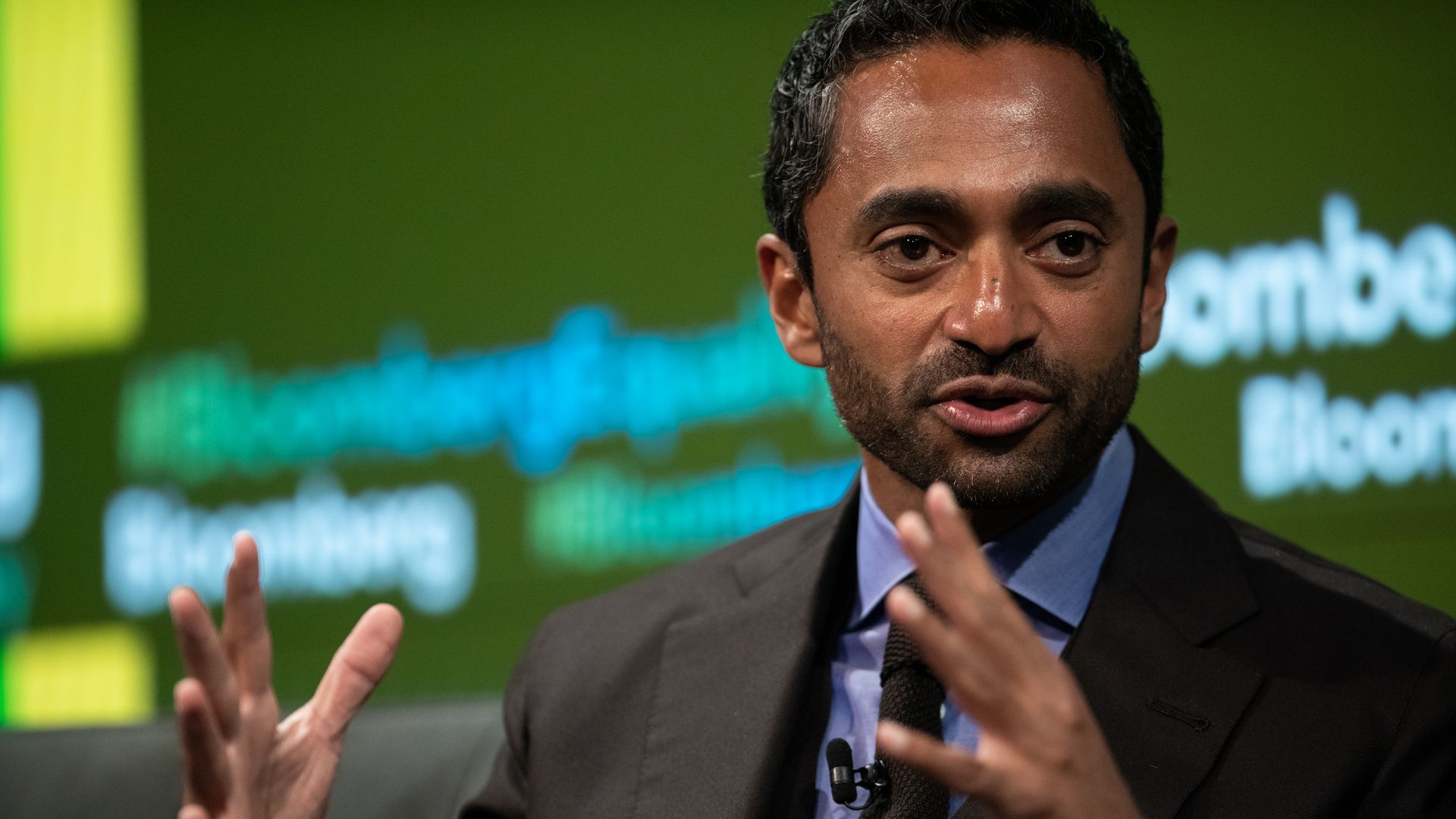
Social Capital, the VC firm led by Chamath Palihapitiya, has narrowed the scope of its new fundraise, according to a letter sent to prospective investors and obtained by Axios.
Details: The new plan is to size Fund V at around $1 billion with a focus on early-stage deals, versus prior plans to raise significantly more and to also back growth-stage companies and special opportunities.
Uber CEO Dara Khosrowshahi was expected to arrive in Kyiv Thursday to visit employees, drivers, and government and relief agency partners.
The big picture: During the war, the company doubled its service footprint from nine cities to 18. Uber has 25,000 drivers currently working in Ukraine.
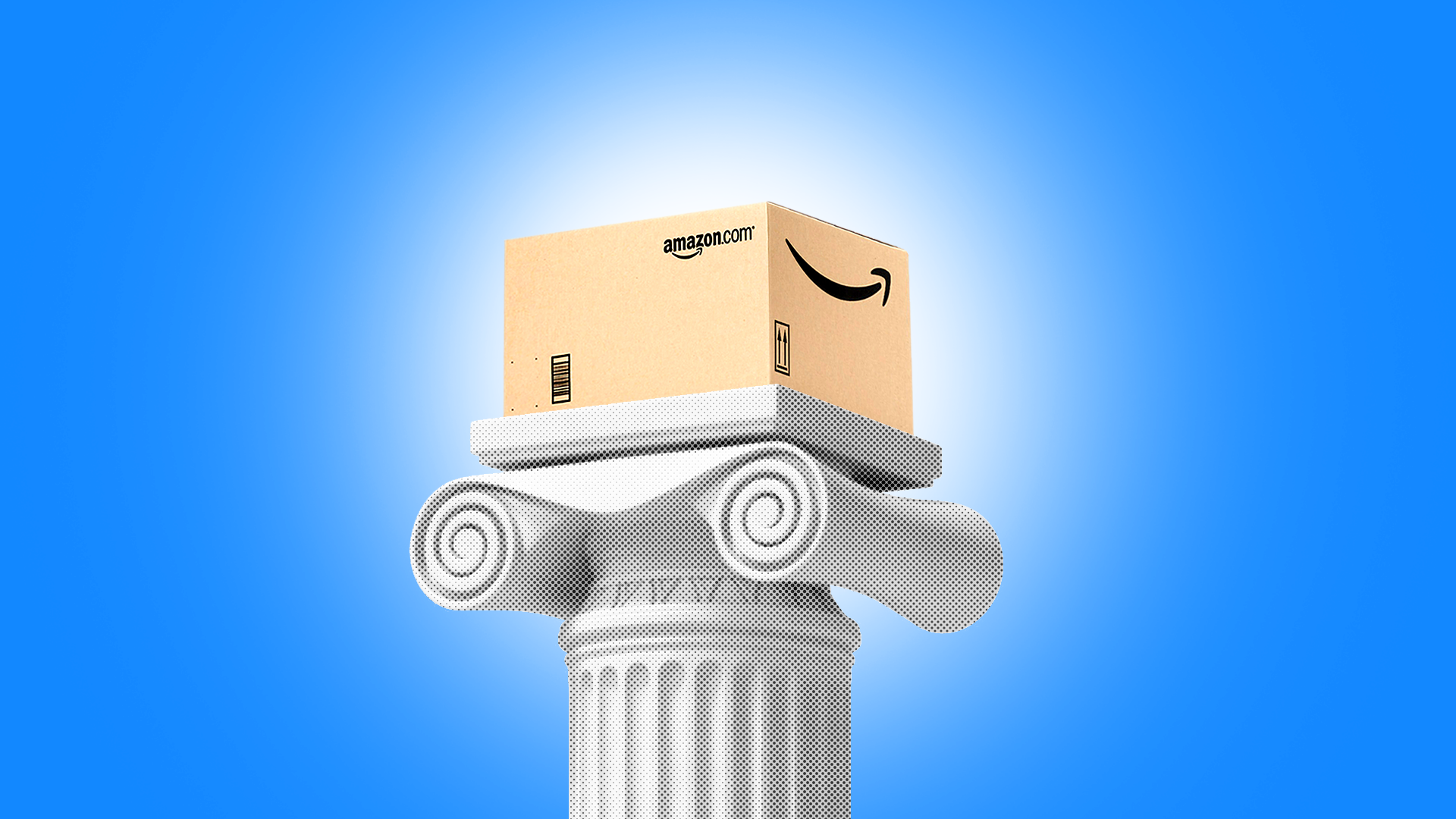
Amazon is turning into a logistics as a service provider, allowing merchants to use its Prime logistics without actually needing to sell on Amazon.
Why it matters: Its future growth, especially in terms of profits, could ride on its ability to manage inventory, warehouse, deliver and even process returns for other businesses.
Thousands of flights were delayed and hundreds more were canceled nationwide Wednesday — and the FAA's outmoded pilot-alert system may be to blame.
The big picture: The FAA relies on ancient computers and infrastructure to run some of its systems. That infrastructure is in need of modernization to handle the current demand, the U.S. Travel Association argues.
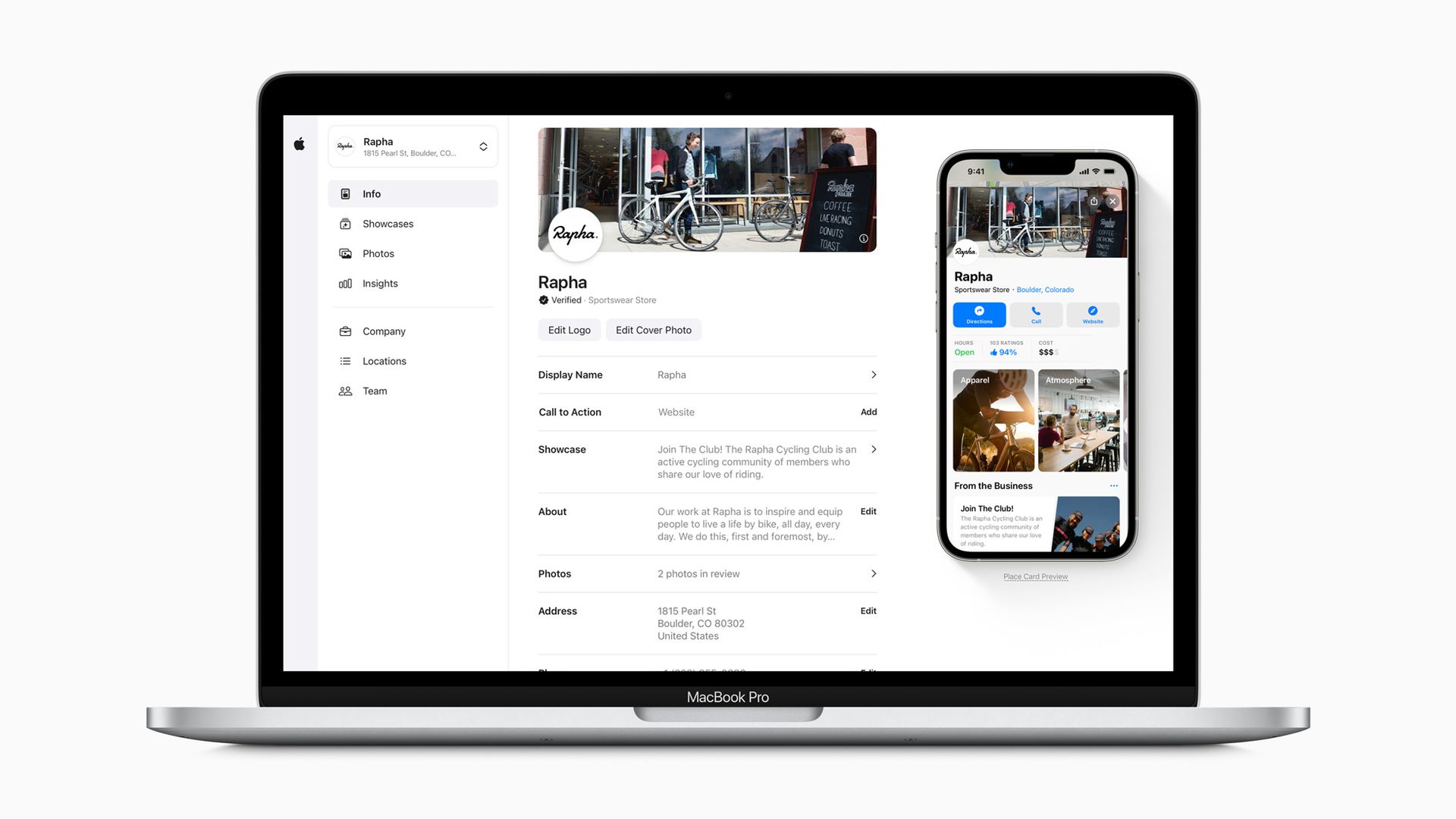
Apple is unveiling a free online tool that allows businesses to customize the information card shown by Apple Maps and other services with photos, details and even limited-time offers.
Why it matters: Allowing businesses to better explain their services could help score some points with merchants and consumers and give Apple useful local info to power future services.
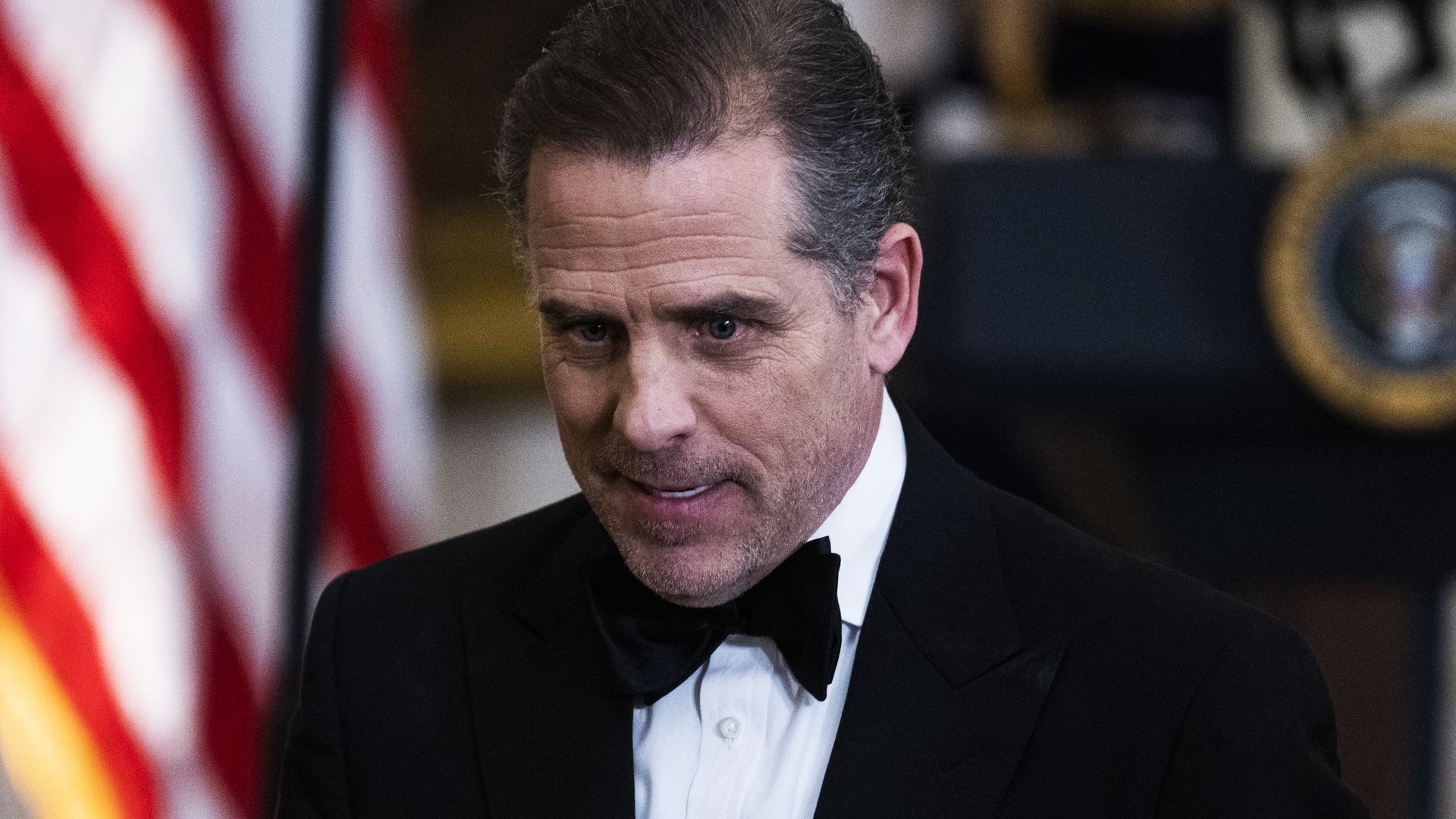
Republicans on the House Oversight Committee are asking former Twitter employees to testify at a February hearing on the social media platform's handling of reporting on Hunter Biden, Axios has learned.
Why it matters: This first move while in the majority is an indication of the committee's priorities — even as it launches an investigation into the classified documents found at the Penn Biden Center.
The FBI is using ads on Facebook to seek out Chinese language speakers in the U.S. who have been harassed or digitally stalked by malicious Chinese government actors, Axios has learned.
Why it matters: It's the latest step in a months-long effort to root out what law enforcement calls "transnational repression" by Beijing. Over the last year, the FBI has arrested or charged a host of U.S. residents and Chinese intelligence officials as part of a nationwide crackdown.
A major new federal lawsuit playing out this winter argues that social media platforms are "defective" products that can be held legally responsible for harms they cause to younger users.
Why it matters: Plaintiffs in the more than 100 cases that have been consolidated to one federal courtroom say services like Facebook, TikTok, Snapchat and YouTube are addictive by design — and lawyers working on the case compare their work to the fight against tobacco or opioids.
Experts are increasingly warning of a connection between heavy social media use and mental health issues in children — a hot topic now driving major lawsuits against tech giants.
Why it matters: Seattle Public Schools' recently filed lawsuit against TikTok, Meta, Snap and others — which accuses the social media giants of contributing to a youth mental health crisis — is one of hundreds of similar cases.
Sen. Mark Warner (D-Va.) is considering proposing a bill that would go beyond current efforts to ban TikTok in the U.S. by addressing a wider "category of applications."
Driving the news: TikTok, the massively popular video-sharing app owned by China's ByteDance, is facing bipartisan bills that would ban it in the U.S. over concerns that China might spy on American users or manipulate TikTok content.



/2023/01/12/1673554197076.gif?w=3840)