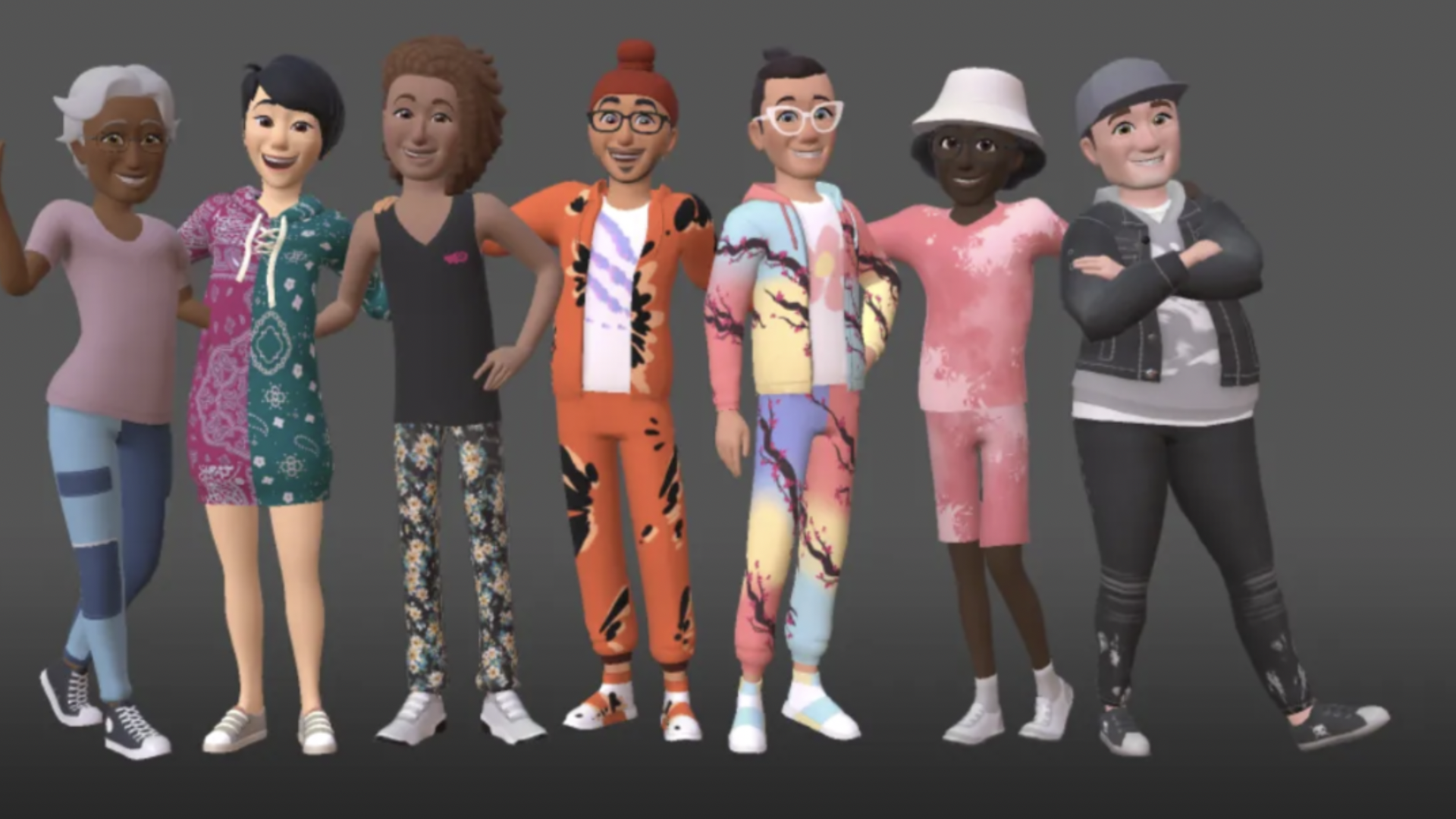
Facebook is loosening a controversial rule about how users log into its VR headsets.
Why it matters: A mid-2020 mandate that Oculus VR users enter a Facebook login to operate the device infuriated some longtime Oculus users who wanted nothing to do with the controversial social network.
A few years ago, Google started offering a non-college certificate program to help teach basic IT skills to future workers. Now, the tech giant is working to make sure more people — including community college students — have access to the curriculum.
Why it matters: The labor market has a big skills mismatch, with companies saying they can't find enough qualified applicants, while plenty of job seekers struggle to find meaningful and lucrative work.
Mark Zuckerberg painted an expansive view of the metaverse on Thursday, but the "embodied Internet" he envisions is still years off, while the concerns about the company's present are both real and urgent.
Why it matters: Zuckerberg insists that his company can both chip away at its current problems and build toward its future vision. Critics, meanwhile, argue Facebook is trying to turn the page without shouldering responsibility for trouble it has already created.
Facebook is now Meta, as the company tries to shift into a new organization focused on virtual connectivity. Industry watchers say the new moniker — and the timing of its unveiling — is also an attempt to shine its tarnished image.
What's happening: The nearly trillion-dollar tech giant is following a familiar playbook of corporate rebranding exercises, which have generally worked out well for companies that want to move on from their pasts, Priya Raghubir, professor of marketing at NYU's Stern School of Business, tells Axios.
CEO Mark Zuckerberg took swipes at rivals Apple and Google during a Thursday keynote event where he announced Facebook's rebranding as Meta.
The big picture: Facebook has been trying to deflect regulatory scrutiny to its rivals Google and Apple as lawmakers home in on its acquisitions, content moderation and privacy woes.
Amazon posted disappointing third-quarter results Thursday, with earnings and revenue lower than expected. Its shares dropped more than 4% in after-hours trading.
Why it matters: Amazon's business, which has boomed over the last year, has slowed just ahead of the holiday season, dragged down by supply chain problems, labor shortages and higher costs for shipping and freight due to the pandemic.
By the numbers:
Earnings: $6.12 per share vs. $8.92 per share expected, per CNBC
Revenue: $110.81 billion vs. $111.6 billion expected, per CNBC
Amazon Web Services: Sales rose to $16.11 billion vs. $15.48 expected, helping Amazon avoid a loss this quarter, per CNBC
What they're saying: CEO Andy Jassy said he expected the company to face billions of dollars of additional costs while minimizing customer disruption: "It’ll be expensive for us in the short term, but it’s the right prioritization for our customers and partners.”
Amazon has said it will hire hundreds of thousands of permanent and seasonal employees across the U.S. ahead of the holidays.
What's next: Amazon forecasts fourth quarter sales between $130 billion and $140 billion. Analysts had been expecting around $142.1 billion.
Apple on Thursday posted quarterly revenue that fell just short of expectations despite marking a record for a September quarter, while its earnings were roughly in line with what analysts were predicting.
Between the lines: Apple, like other companies, is dealing with supply chain issues due to a chip shortage and other pandemic-related disruptions. Apple's stock fell nearly 5% in after-hours trading.
Predicting the next word someone might say — like AI algorithms now do when you search the internet or text a friend — may be a key part of the human brain's ability to process language, new research suggests.
Why it matters: How the brain makes sense of language is a long-standing question in neuroscience. The new study demonstrates how AI algorithms that aren't designed to mimic the brain can help to understand it.
"Assassin’s Creed Valhalla" is Ubisoft’s second-largest profit-generating game in Ubisoft’s history, the company revealed today in its latest earnings report.
Why it matters: "Valhalla," which launched in November 2020, has rocketed to that spot in under a year.
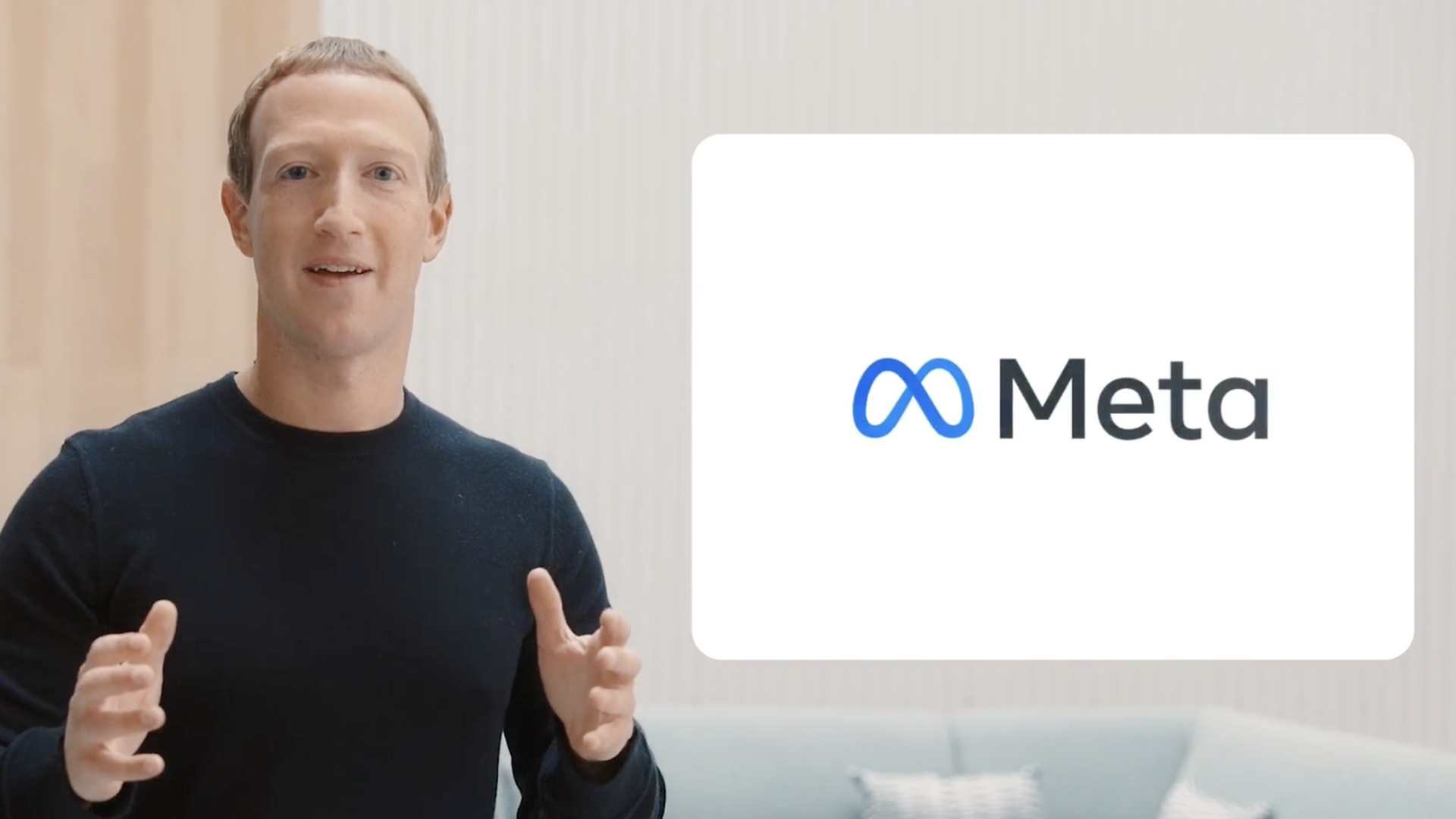
CEO Mark Zuckerberg on Thursday said the social media giant is renaming its company Meta.
Why it matters: The effort is meant to shift its image from a social media platform to a “metaverse” company that focuses on building virtual work and social communities.
Facebook unveiled a series of new moves in augmented and virtual reality on Thursday, as part of its longer-term effort to help build a "metaverse" that will bring physically distant people closer together.
Between the lines: Facebook has said this is its next major push, but it comes as the company is under intense scrutiny for how it is managing the impact of its existing services.
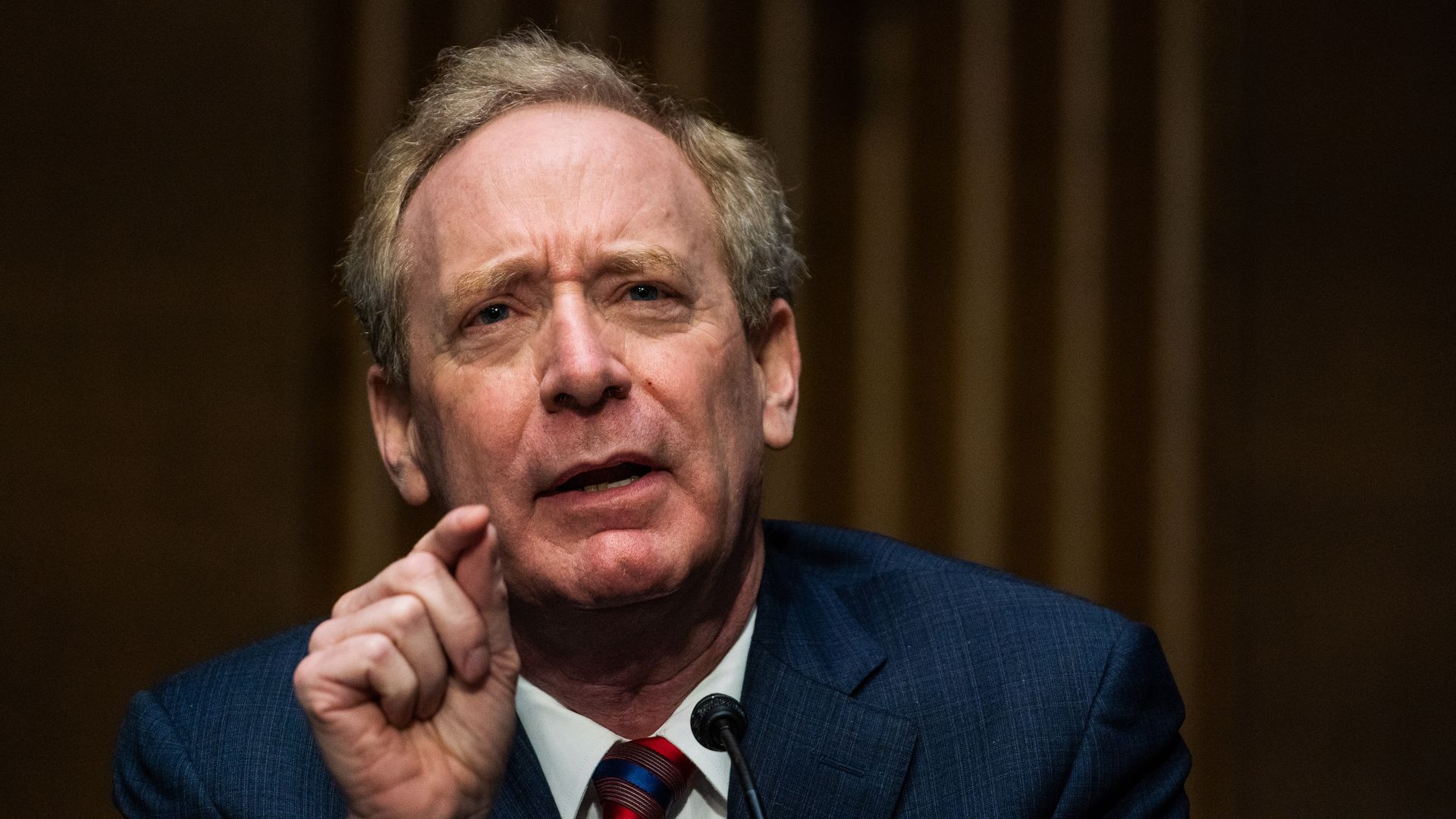
Microsoft announced Thursday that it's launching a national campaign to help fill 250,000 cybersecurity jobs in the U.S. by 2025, including by providing free curriculum to every public community college.
Why it matters: The company's president Brad Smith warned that the current workforce shortage is at crisis levels and threatens to undermine the country's ability to protect itself against cyber and ransomware attacks.
Activision Blizzard is adopting new policies around harassment and aggressively cutting the salary of its CEO, Bobby Kotick, to California's minimum wage, as part of continued attempts to correct the company's toxic behavior.
Google on Thursday warned some customers that antitrust bills targeting the tech giant could jeopardize the services small businesses rely on.
Why it matters: By turning to its customers, Google could drum up opposition from small businesses that may give lawmakers pause in advancing legislation.
As Facebook faces a sustained wave of critical coverage pushing the company to reform itself, it also confronts a law of corporate physics: Transforming a gargantuan company is nearly impossible.
The big picture: Facebook's critics — and some of its own employees, as internal documents have shown — say it has long prioritized growth and profits over safety. Shifting that kind of mindset in a large organization takes time and will — and the company has to really want it, which Facebook has yet to make clear.
Users will now be able to submit requests to remove images of minors from Google search results, the tech giant announced Wednesday.
Why it matters: The move comes amid outrage over Facebook's negative effect on teens' mental health and lack of protections for children. In the wake of criticism from senators, tech companies are scrambling to set themselves apart.


















/2021/10/27/1635374333890.gif?w=3840)