The open-source software developer GitHub says that for some programming languages, about 30% of newly written code is being suggested by the company's AI programming tool Copilot.
Why it matters: Copilot can look at code written by a human programmer and suggest further lines or alternative code, eliminating some of the repetitive labor that goes into coding.
Amazon on Wednesday threw its support behind a U.S. House bill meant to deter online sales of counterfeit and stolen goods, after a lengthy lobbying battle against similar measures at the state and federal level.
Why it matters: Amazon dropping its opposition means the prospects of the legislation becoming law have brightened considerably, especially since fellow e-commerce companies Etsy and eBay already have endorsed the bill.
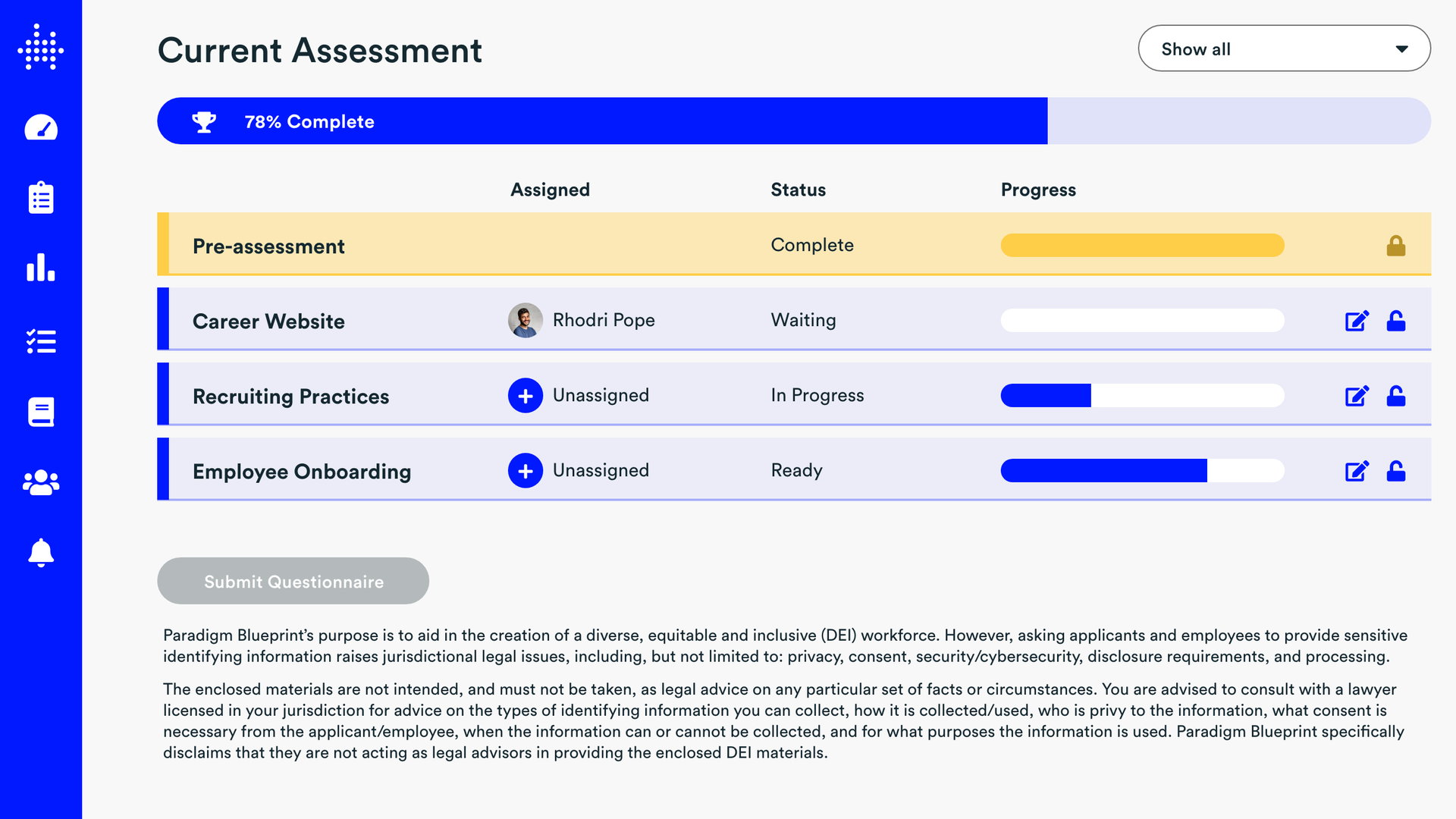
Paradigm, the consulting firm run by Joelle Emerson, is launching Blueprint — a self-service tool that companies can use to see how their policies and practices stack up on facilitating diversity, equity and inclusion.
Why it matters: Despite much talk and significant financial investment, the tech industry has failed to become appreciably more diverse in recent years.
A new startup backed by funding from AOL founder Steve Case and Laurene Powell Jobs wants to break up broadband monopolies across the country.
Why it matters: Internet access has been crucial during the pandemic, but it's not ubiquitous, and it can be both slow and unaffordable in swaths of the country.
Augmented reality video game studio Niantic is beginning a worldwide roll-out for “Pikmin Bloom,” the company’s newest effort designed to make going outside more fun.
Why it matters: Niantic created a cultural phenomenon with 2016’s “Pokémon Go,” and has partnered with Nintendo to try to engineer another mobile gaming hit.
Driving the news: Senators from both parties spent the Senate Commerce consumer protection subcommittee hearing urging executives to go on the record supporting various legislative changes to laws covering online content liability, privacy and children's safety.
The Federal Communications Commission voted Tuesday to revoke authorization for China Telecom's U.S. subsidiary to operate in America, citing national security concerns.
Why it matters: The state-owned China Telecom is one of the largest telecommunications companies based in China. It has provided services in the U.S. for nearly 20 years but must now cease operations within 60 days.
Google and YouTube's parent company, Alphabet, posted earnings and profit that surpassed expectations in the third quarter, crushing digital advertising and easily bearing privacy changes from Apple.
Why it matters: Google continues to be incredibly profitable — it keeps growing in areas like Google Cloud and YouTube and has recovered fully from an advertising slump due to the Covid-19 pandemic.
Some 15o people were arrested worldwide and more than $31.6 million in cash and virtual currencies were seized during a 10-month international investigation into opioid trafficking through darknet marketplaces, the Department of Justice announced Tuesday.
Why it matters: The massive probe, called "Operation Dark HunTor," spanned three continents and led to the recovery of about 234 kilograms (over 500 pounds) of illegal drugs, including enough fentanyl to cause more than 4 million lethal doses, according to deputy attorney general Lisa Monaco.
RightForge, an internet infrastructure company that courts conservatives, will host former President Trump's new social media platform, CEO Martín Avila told Axios on Monday.
Why it matters: By relying on a web hosting service that won't cut ties over controversial comments, Trump's new platform could avoid the problems conservative network Parler faced when Amazon pulled its web services following the Capitol insurrection.
Oura is announcing the latest version of its fitness ring, which adds daytime and workout heart rate sensing, period tracking and other features.
Why it matters: The startup is competing against the giants of the tech industry in the form of the Apple Watch and trackers from Fitbit, which is now owned by Google.
Adobe is announcing a bunch of shifts at its Adobe Max conference, but perhaps the biggest is that it is bringing Photoshop and other creative apps to the web browser.
Why it matters: Adobe has already shifted to a subscription business model and brought many of its apps to the iPad. The latest move will allow for better Chrome OS support as well as better collaboration.
Facebook has been embroiled in scandal for the past five years, and while the specific allegations change over time, a central theme is constant. Given the choice between commercial and moral imperatives, Facebook always seems to choose the option that is best for the share price.
Why it matters: Facebook's stock chart supports that narrative. Since the 2016 scandals alleging that the social network was infiltrated by foreign actors trying to influence the outcome of democratic elections, Facebook's revenues — and its stock — have been soaring.
TikTok, YouTube and Snapchat will appear before Congress Tuesday with a key priority: distinguishing their practices from Facebook's.
Why it matters: Facebook is under attack, and its tech peers don't want to get caught in the crossfire as lawmakers mull legislation to rein in the company.
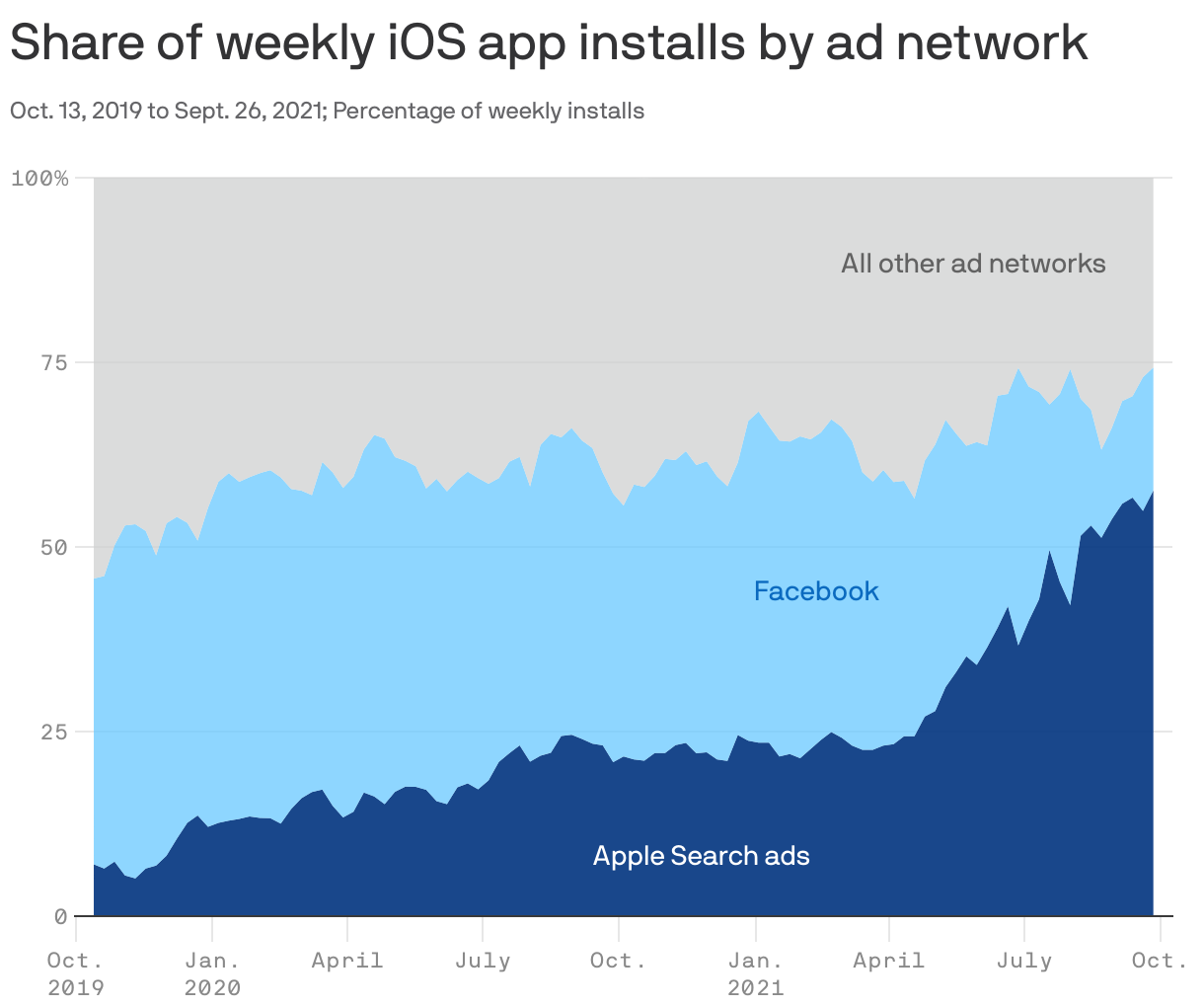
The latest earnings reports from Facebook and Snapchat show that Apple's mobile privacy measures are beginning to have a material impact on the ad businesses of some of its Big Tech competitors.
Why it matters: While experts don't think Apple's moves will do long-term damage to its rivals, they will force social media companies to invest heavily in new technology and products for the next few years — all while their ads business continues to experience significant headwinds.
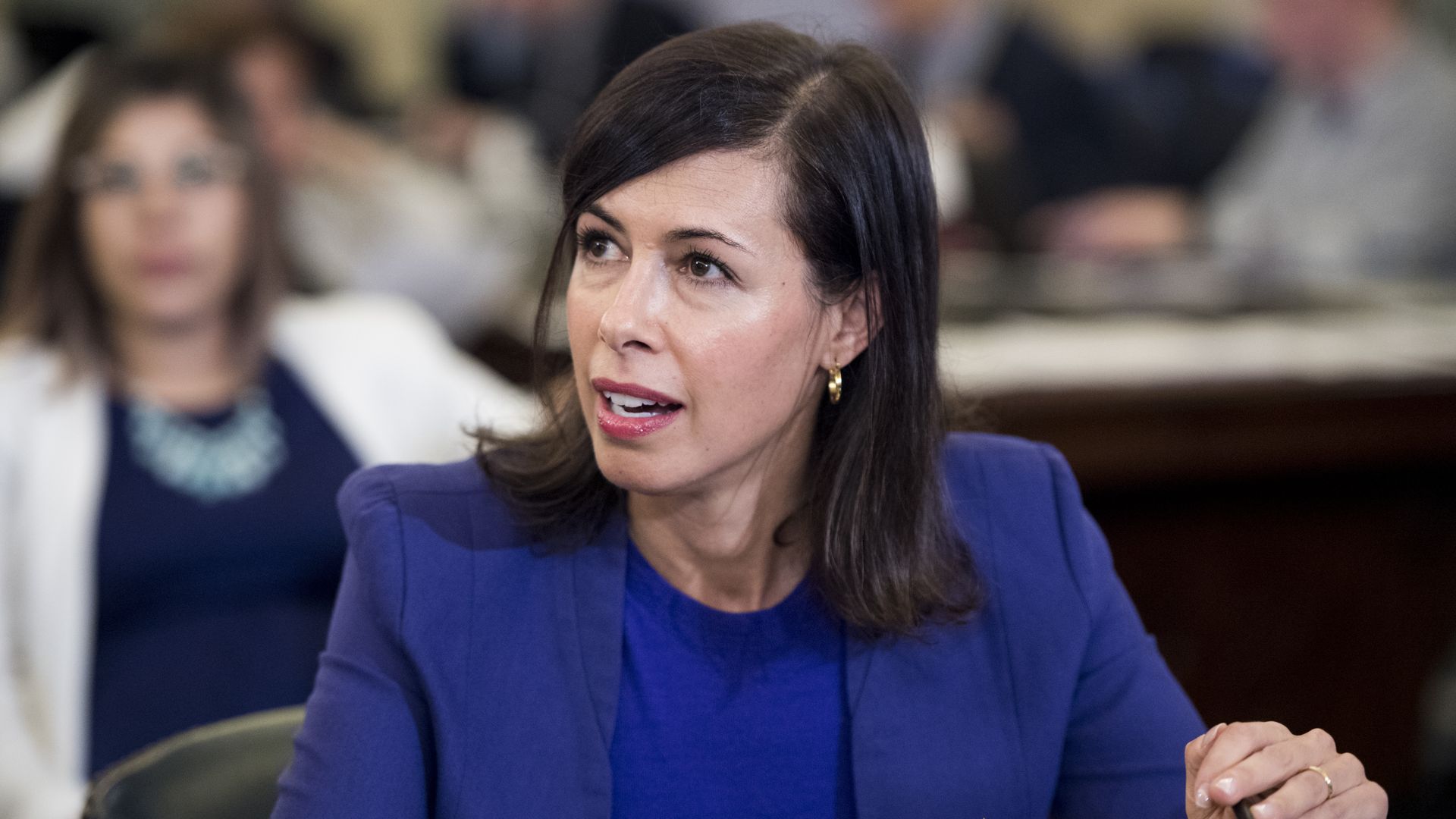
President Joe Biden on Tuesday nominated Jessica Rosenworcel to be chairwoman of the Federal Communications Commission, Alan Davidson to be head of the telecom arm of the Commerce Department, and Gigi Sohn to be commissioner at the FCC.
Why it matters: Internet availability and affordability has been a key policy priority for the White House, but the administration lagged in tapping people for the agency posts that oversee the issues.
Facebook CEO Mark Zuckerberg on Monday said that the company is pivoting its strategy to focus on young adults, following reports that teens have fled its apps.
Why it matters: A series of stories based on leaked whistleblower documents suggest the company sees the aging of its user base as an existential threat to its business.
News outlets are increasingly willing to work together on big, multifaceted stories — including this week's reporting on leaked documents from a Facebook whistleblower.
Why it matters: Collaborative efforts help bring more resources to bear on complex stories, some of which require a global reporting effort. But they require high degrees of coordination, and competition can sometimes get in the way.









/2021/10/26/1635284553261.gif?w=3840)