Police are using virtual reality as a less-expensive, more scalable way to train officers for the field.
Why it matters: Police in the U.S. are often undertrained — with disastrous results — in part because simulating scenarios with real people is expensive and time-consuming. Better VR technology can help change that.
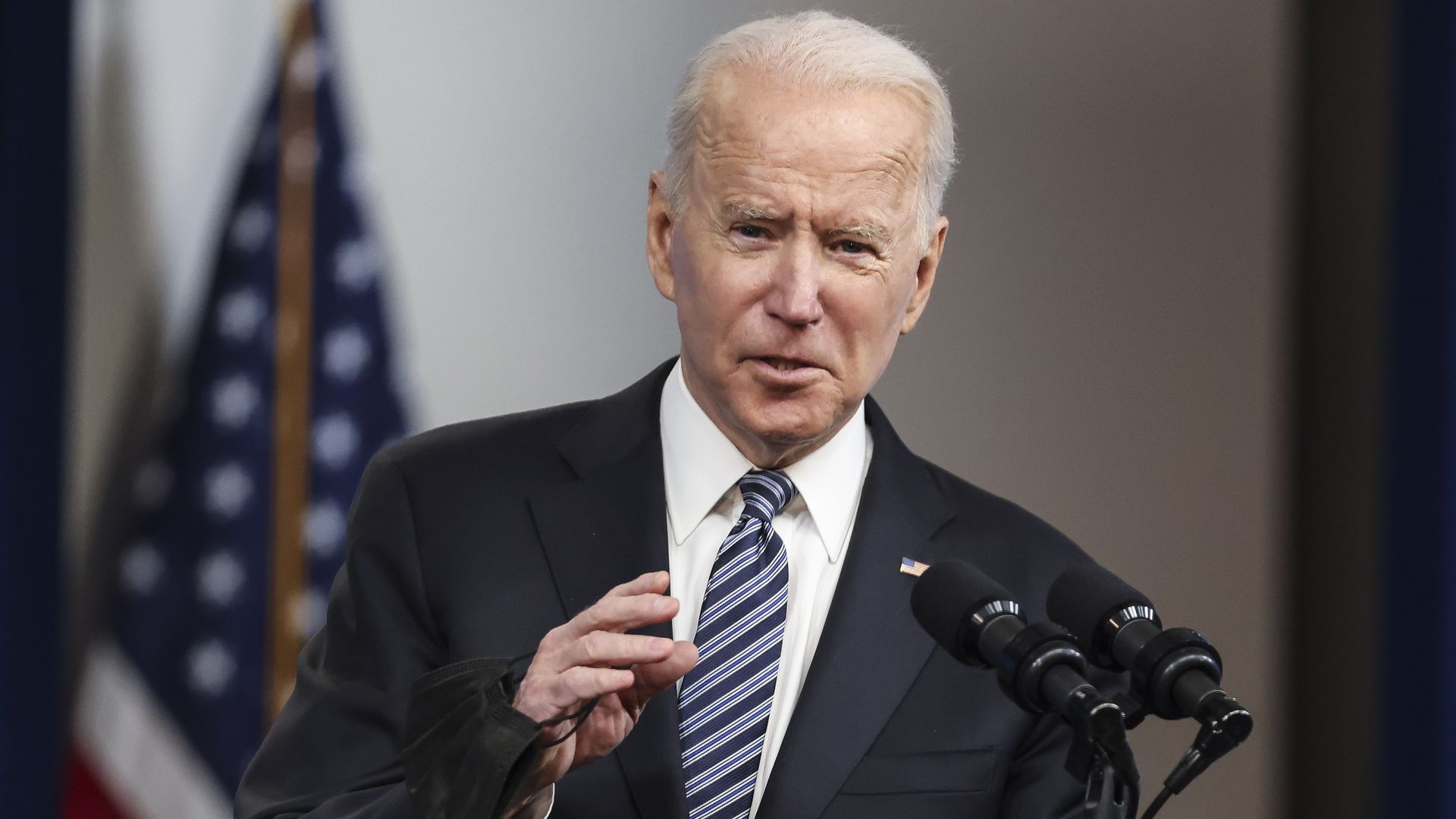
President Biden signed an executive order Wednesday to improve the country’s cybersecurity following a series of high-profile cyberattacks in both the public and private sectors.
Why it matters: The United States is facing mounting cyberattacks — from the Colonial Pipeline hack to the SolarWinds and Microsoft Exchange attacks — and the Biden administration is feeling pressured to act quickly to combat vulnerabilities in the country’s infrastructure.
At least 11 states and Washington, D.C. are experiencing gas shortages after a ransomware attack forced Colonial Pipeline, a critical pipeline running from Texas to New York, offline on Saturday, according to crowdsourced data collected by the app GasBuddy.
Why it matters: The event demonstrates how a cyber breach of critical infrastructure can cripple large swaths of the country and that no company is safe from ransomware attempts.
By 2022, two years of online events will have proven that game developers have more options than ever to reach their audiences without ever leaving home.
The big picture: Gaming's biggest annual showcase, E3, returns as a digital experience in a month, but companies are steadily finding new ways to communicate directly with their audiences, without the need to center it on a flashy in-person show in the middle of June.
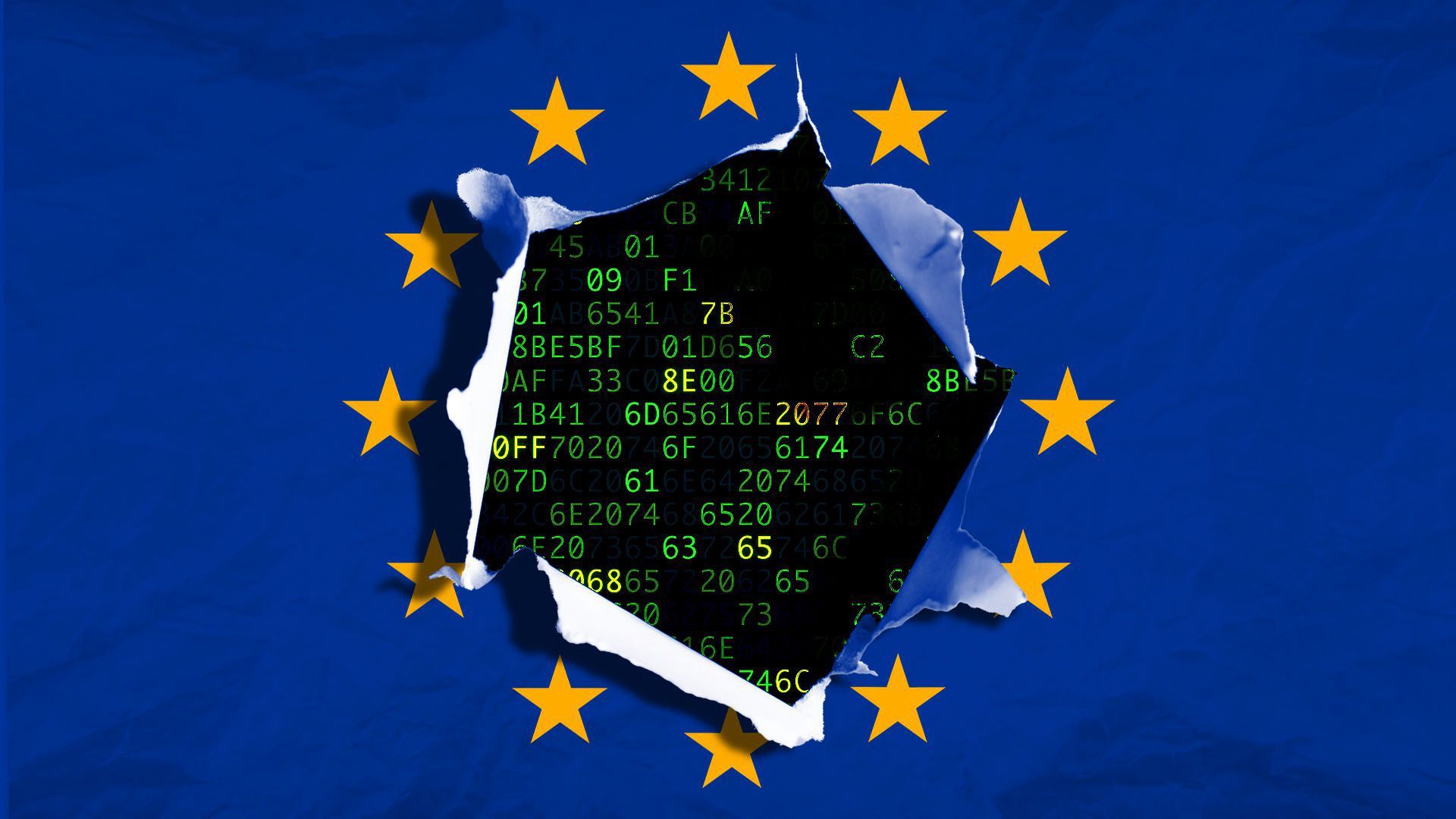
U.S. companies have begun to face costly problems abroad while they wait for American and European partners to hammer out a new privacy deal after the EU voided a key international pact last year.
What they're saying: U.S. businesses that operate internationally say they've lost "tens of millions" of dollars thanks to the legal logjam, according to Jules Polonetsky, CEO of the Future of Privacy Forum, an industry-backed nonprofit. "European companies are being cautious and not going ahead with transactions until there is clarity."
The AI-aided music startup Boomy is exiting beta-testing and launching to the public, Axios has learned.
Why it matters: While the computer-aided compositions likely won't be topping the charts any time soon, machine-made songs are improving and point the way towards a future where not just playlists will be personalized, but music itself.
The political action committee of the Congressional Hispanic Caucus is releasing bilingual ads that target four House Republicans over their support for former President Trump and their votes to challenge the election results, the New York Times reports.
Why it matters: The four Republicans represent districts with large Latino populations in Florida, Texas, New Mexico and California. They each won their seats by narrow margins last year.
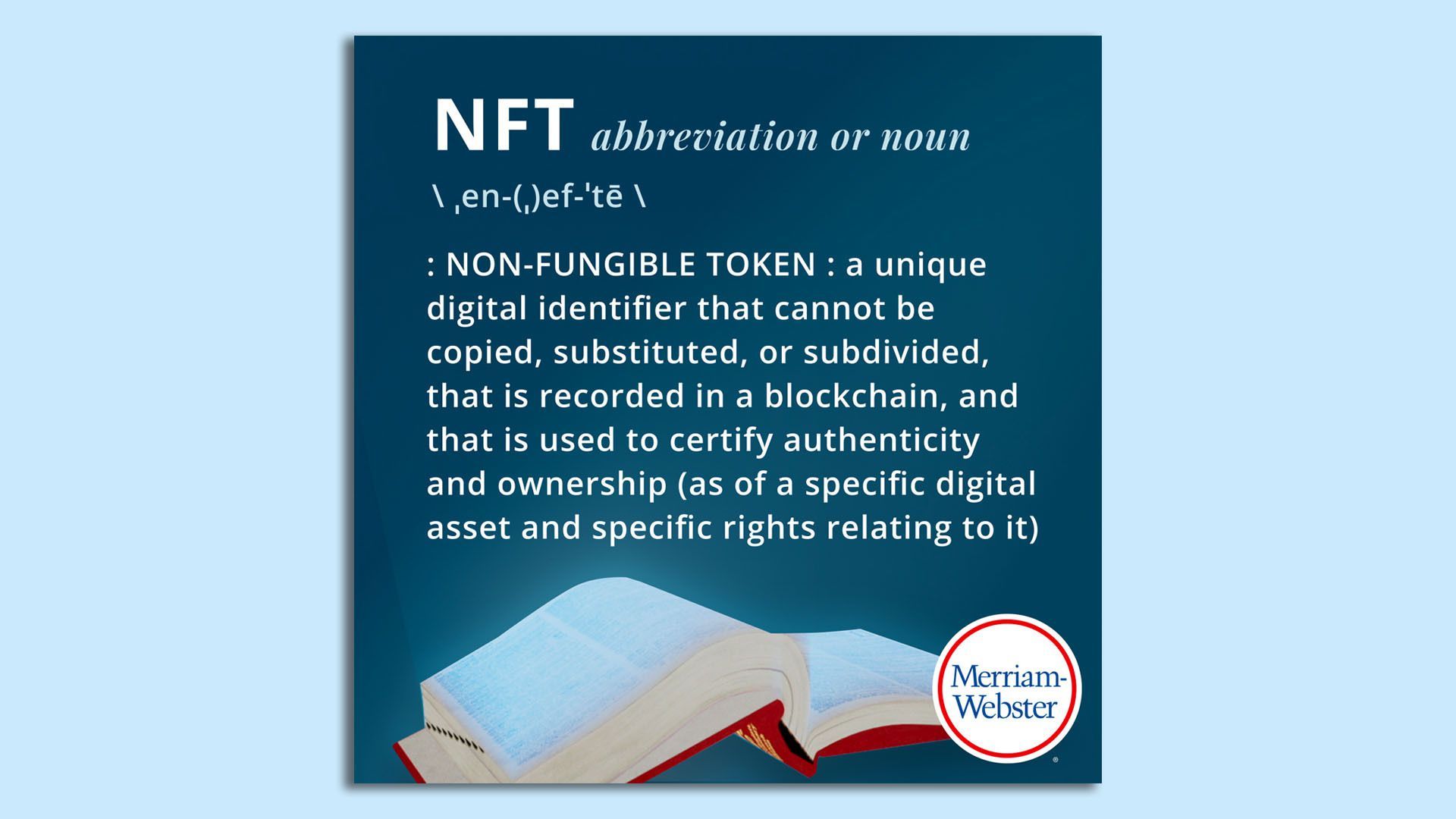
NFT — or non-fungible token — is the newest entry in the Merriam-Webster dictionary.
Driving the news: "Over the past several months, NFT has rocketed into popular culture. ... When a new word makes its way into the world's lexicon, our ears ... perk up," says editor-at-large Peter Sokolowski.
The question of whether game consoles are really sold at a loss has taken on unexpected relevance during the Epic-Apple trial, as Apple’s lawyers have pressed for specifics.
The big picture: The conventional wisdom in gaming has long been that Sony, Microsoft and Nintendo sell their game consoles with zero or negative margins.
A showdown between courts in Texas and Wuhan over an intellectual property dispute demonstrates how China is working hard to present itself as a champion of intellectual property (IP) protection.
Why it matters: As China's global influence continues to grow, its domestic regulatory and legal regimes are gaining more international sway as well.
The ransomware attack against the Colonial Pipeline — the massive East Coast gasoline artery — is a stunning real-world example of the increasing risks that the energy sector faces from a cyberattack.
Why it matters: Different parts of the vast American energy system are vulnerable — from pipelines to power grids to individual power plants and plenty in between.
TikTok is testing a tool for brands to recruit employees, sources tell Axios.
Details: The pilot program is designed to help people find jobs on TikTok and connect with companies looking to find candidates. It's also meant to help brands use TikTok as a recruitment channel.
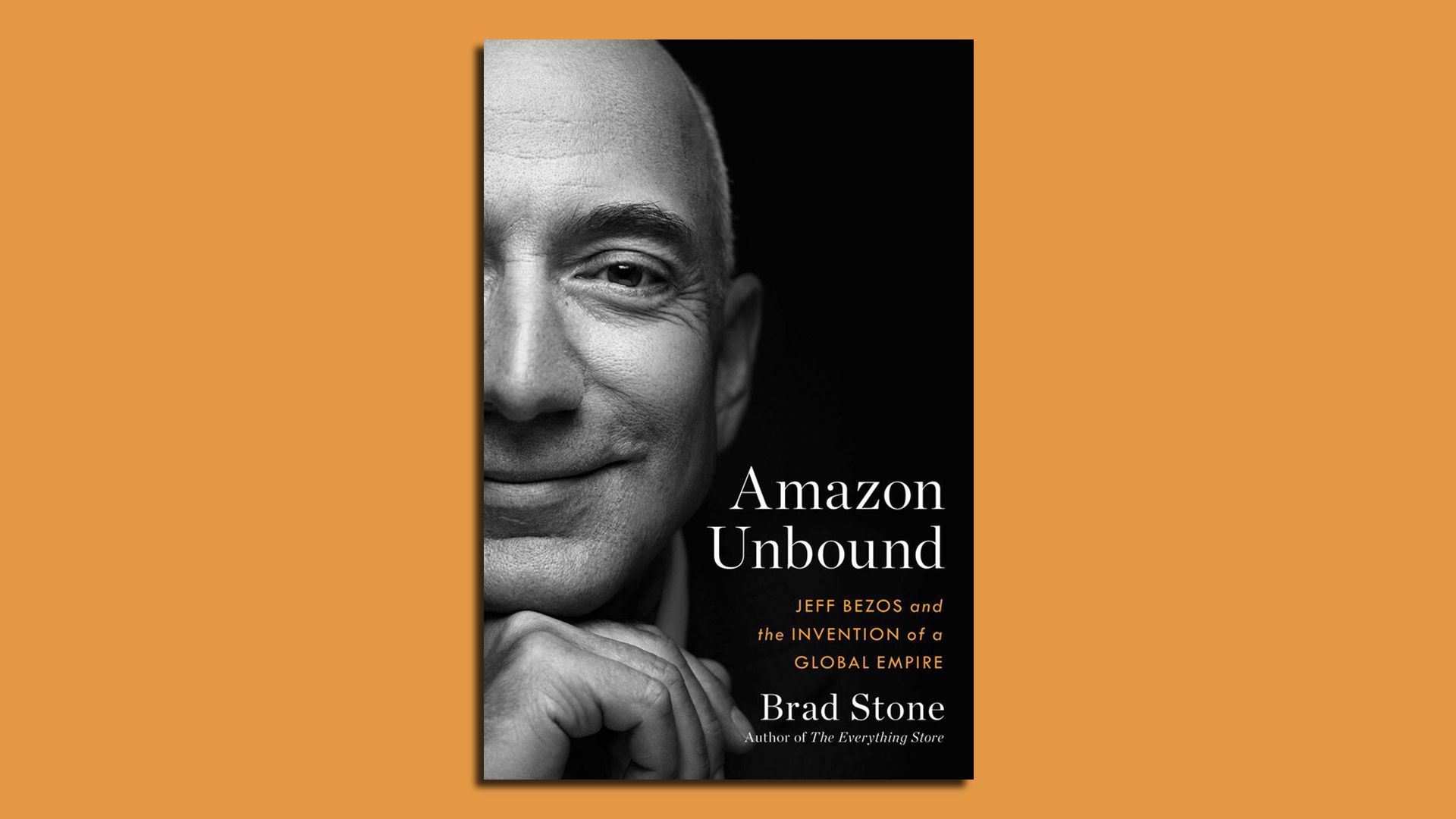
Loyalty to Amazon above all else is partly what propelled Dave Clark to become the company’s retail CEO, according to a new book on Amazon and its founder.
Why it matters: “Amazon Unbound” by Bloomberg journalist Brad Stone devotes a full chapter to the origin story of Amazon’s delivery and logistics network, which Clark has helped build since the early 2000s.
Jeffrey Housenbold, who recently stepped down as a managing partner of SoftBank Vision Fund, has formed a new SPAC with Sukhinder Singh Cassidy, who was president of ticket resale firm StubHub until it was acquired last year by Viagogo.
Why it matters: The death of SPACs has been greatly exaggerated.
Last weekend's ransomware attack on a major U.S. energy pipeline highlighted a growing dilemma facing U.S. companies and institutions: the more their processes go digital, the more vulnerable they are to malicious digital attacks.
Why it matters: The tech industry loves to talk up how the pandemic accelerated the pace of digital transformation, which it has. But that brings fresh risks from cyberattacks with a broad range of motivations — from hacker mischief to international espionage to financial profit, as appears to be the case with the new incident.
"We are on the cusp of a global pandemic," said Christopher Krebs, the first director of the Cybersecurity and Infrastructure Security Agency, told Congress last week. The virus causing the pandemic isn't biological, however. It's software.
Why it matters:Crippling a major U.S. oil pipeline this weekend initially looked like an act of war — but it's now looking like an increasingly normal crime, bought off-the-shelf from a "ransomware as a service" provider known as DarkSide.









/2021/05/11/1620764118667.gif?w=3840)