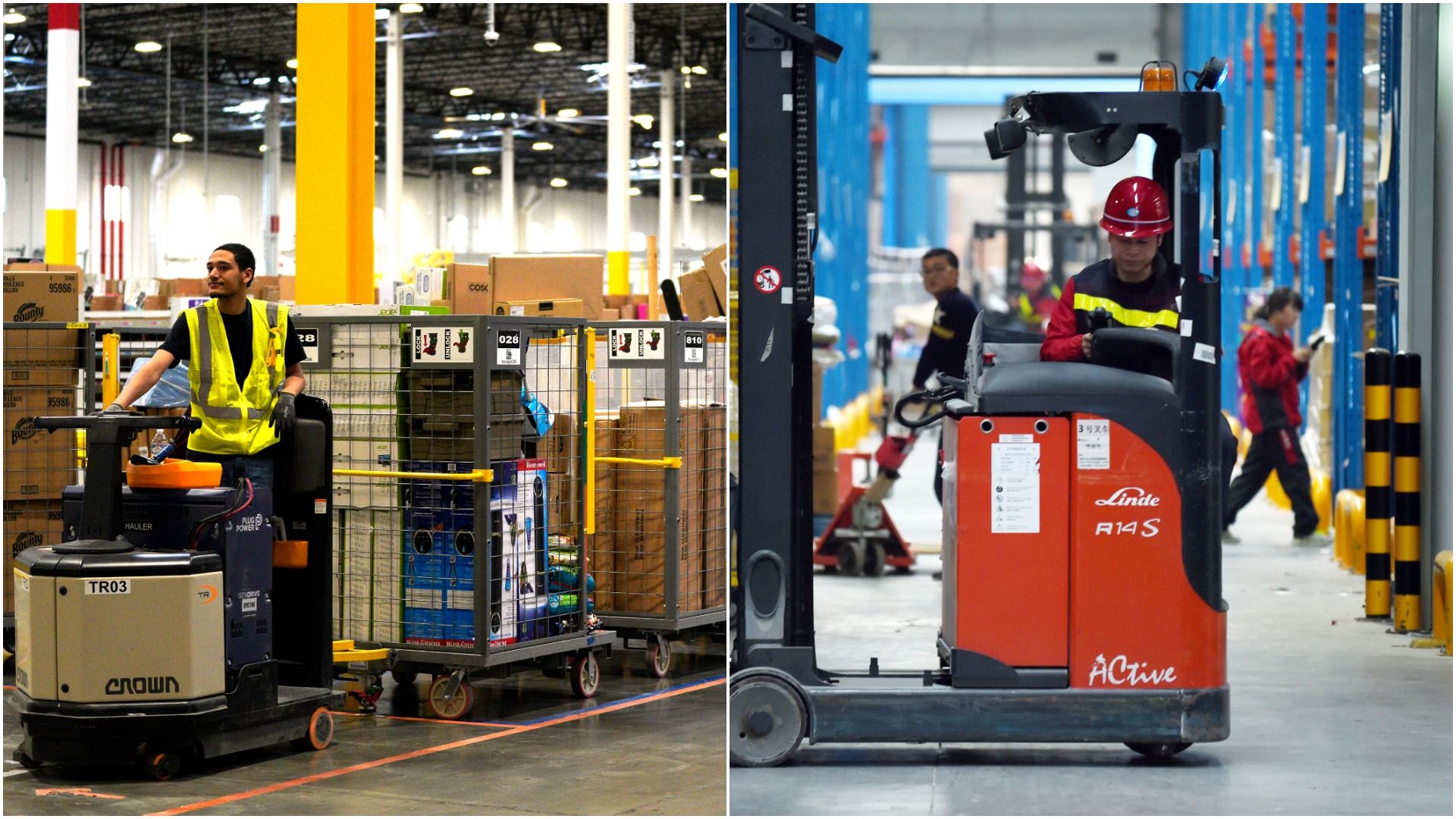
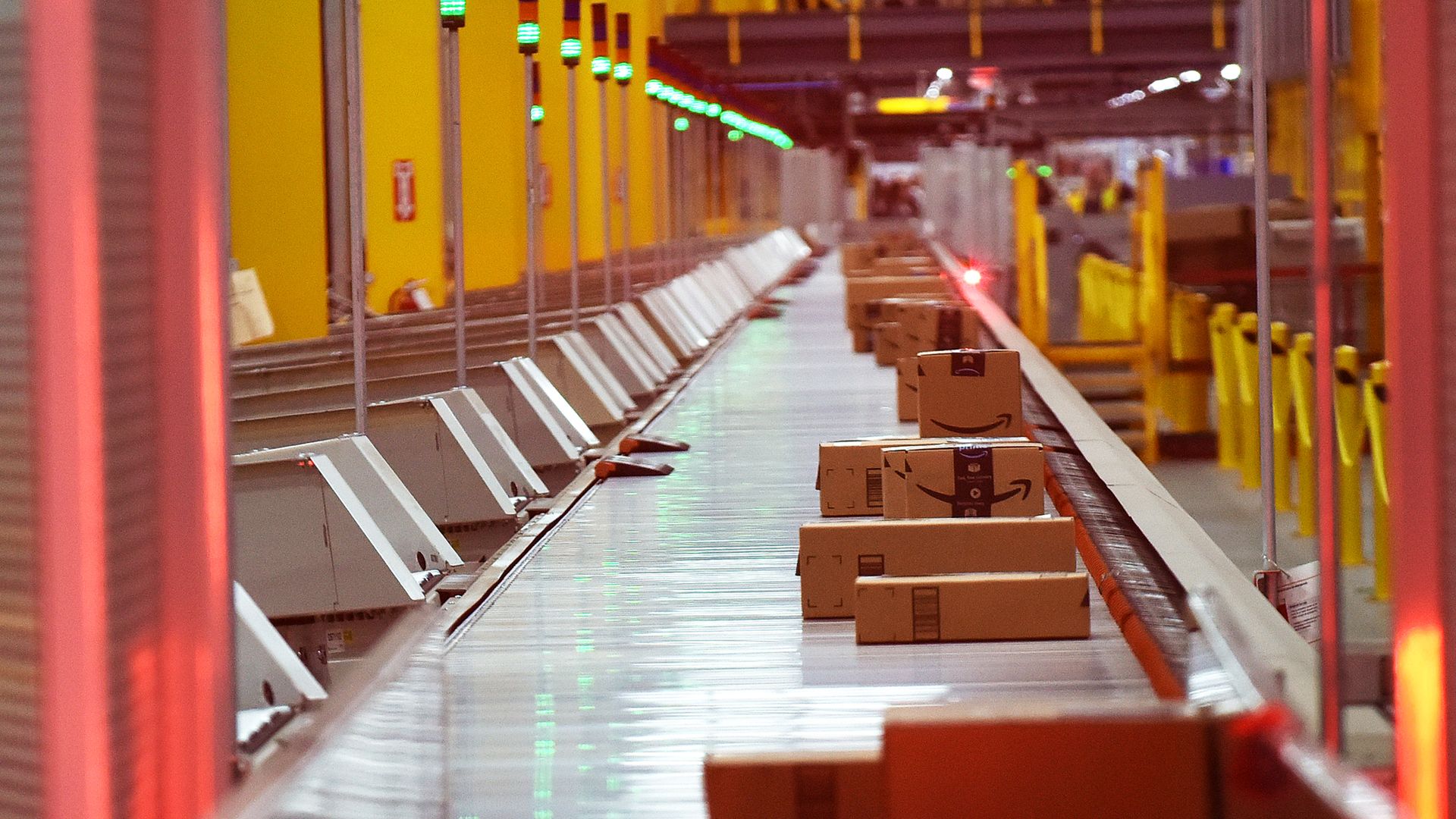
Amazon's move to slash free delivery times in half for Prime members — from 2 days to 1 — will squeeze American retailers, who are already scrambling to match it. But the e-commerce behemoth is still miles behind its Chinese rivals.
Why it matters: As we reported from China last summer, JD.com is already delivering 90% of its packages within 24 hours. Even 85% of packages shipped from abroad get to customers' doorsteps in a day. Last year, Alibaba said it will offer same-day delivery to all of China. Amazon is just catching up.
Snapchatsaid Friday that it is launching "Snap Select," a new feature which will make it easier for companies to buy video ads within its "Discover" content section.
Why it matters: Snapchat has dramatically improved its ads business since going public in 2017, mostly by making it easier to buy regular Snap ads "programmatically," or in an automated fashion. It's hoping to expand on that success by focusing on making it easier for advertisers to buy premium video ads.
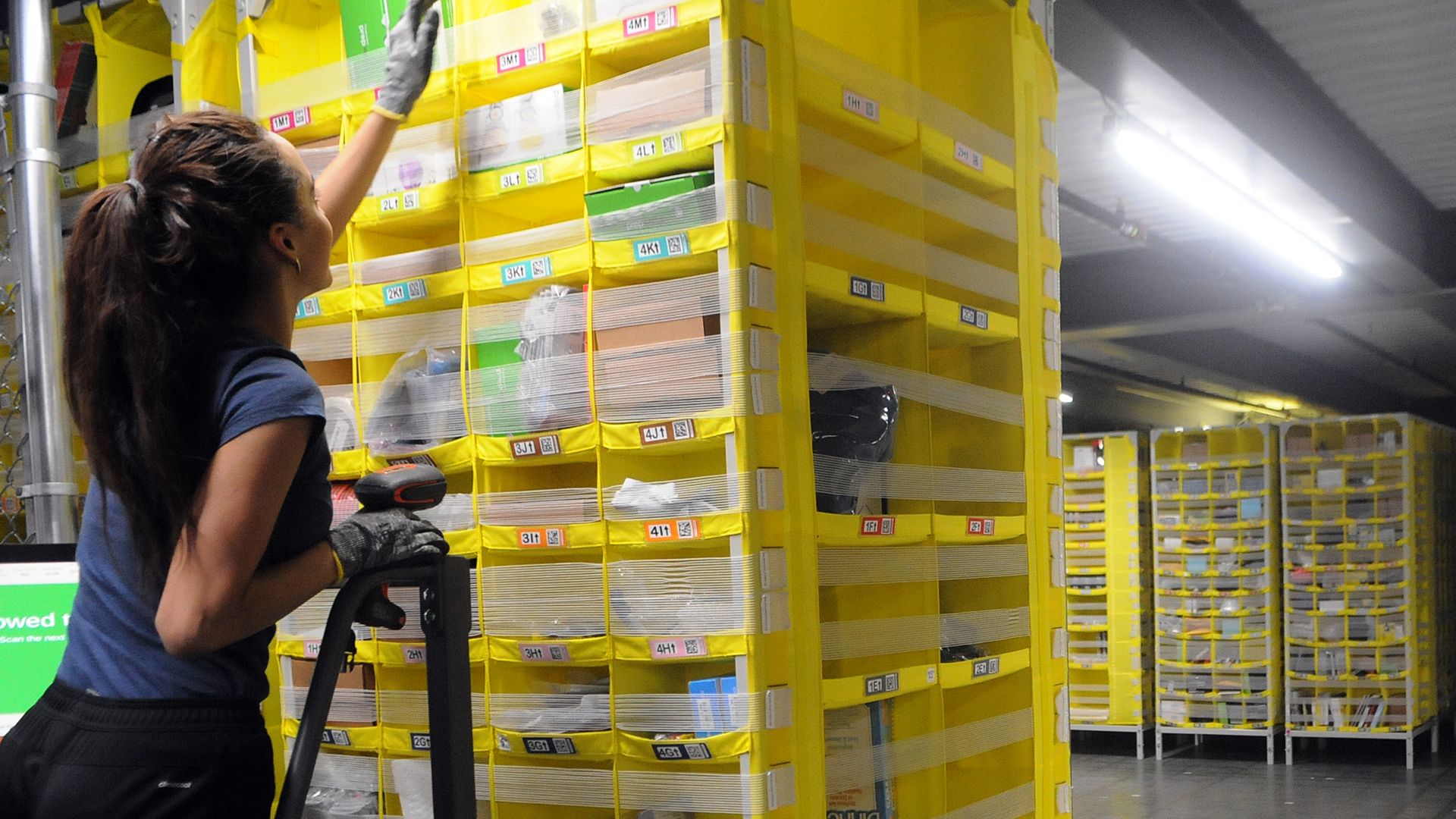
In a 14-month span starting in August 2017, Amazon fired about 300 full-time employees at a single warehouse in Baltimore for lack of productivity, according to reporting from The Verge that Amazon confirmed to Axios.
The big picture: That's a significant chunk of the roughly 2,500 people employed at the Baltimore warehouse where the firings occurred, reports the Verge's Colin Lecher.
Magic Leap, the Florida-based augmented reality company, raised $280 million in new funding from Japan's NTT DoCoMo.
Why it matters: No other startup in the consumer electronics space has ever raised that kind of cash while still private (depending on how you categorize Juul). This new infusion puts Magic Leap's total take up to a whopping $2.5 billion, and it also reportedly will reopen its most recent funding round.
Slack, the ubiquitous workplace messaging tool, on Friday filed to go public via a direct stock listing.
Why it matters: Slack is one of the hottest names in enterprise software, most recently valued at over $7 billion by venture capitalists, causing some speculation that it could receive a major acquisition offer before or after the listing.
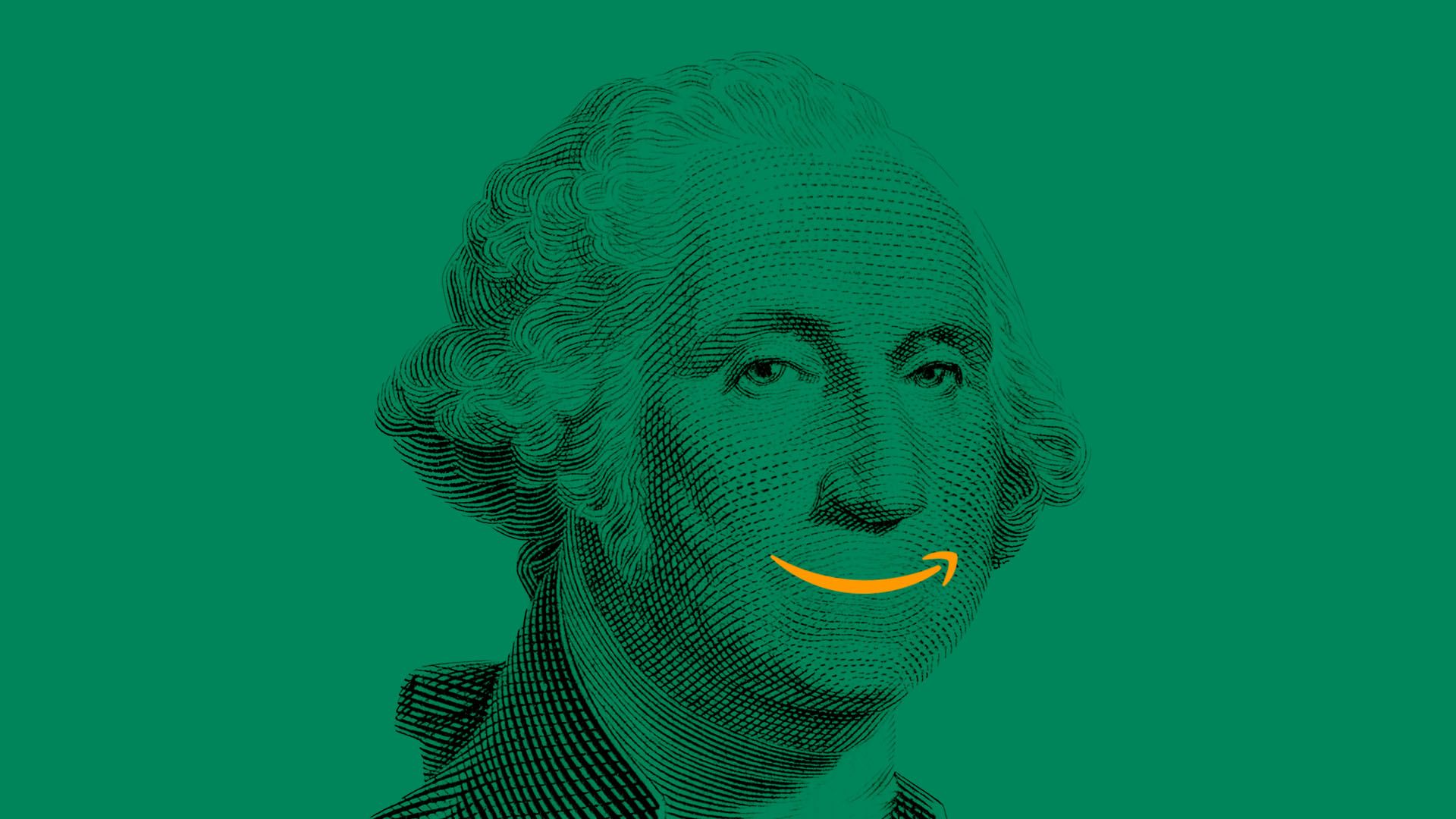
Amazon has found a potentially lucrative new customer for its retail platform: government officials who spend taxpayer dollars.
Why it matters: Collectively, federal and local officials spend billions of dollars a year on goods and services, ranging from copy paper to musical instruments for schools. Amazon’s attempt to capture those dollars alarms its critics, who say that taxpayers could get a raw deal while the tech giant expands its dominance.
Uber on Friday morning disclosed that it plans to raise upwards of $9 billion in its IPO, at a market cap that could approach $84 billion.
Why it matters: If successful, this would be one of the largest IPOs of all time. It also would help validate some of the record-high prices that venture capitalists have paid to invest in private, growth-stage "unicorns."
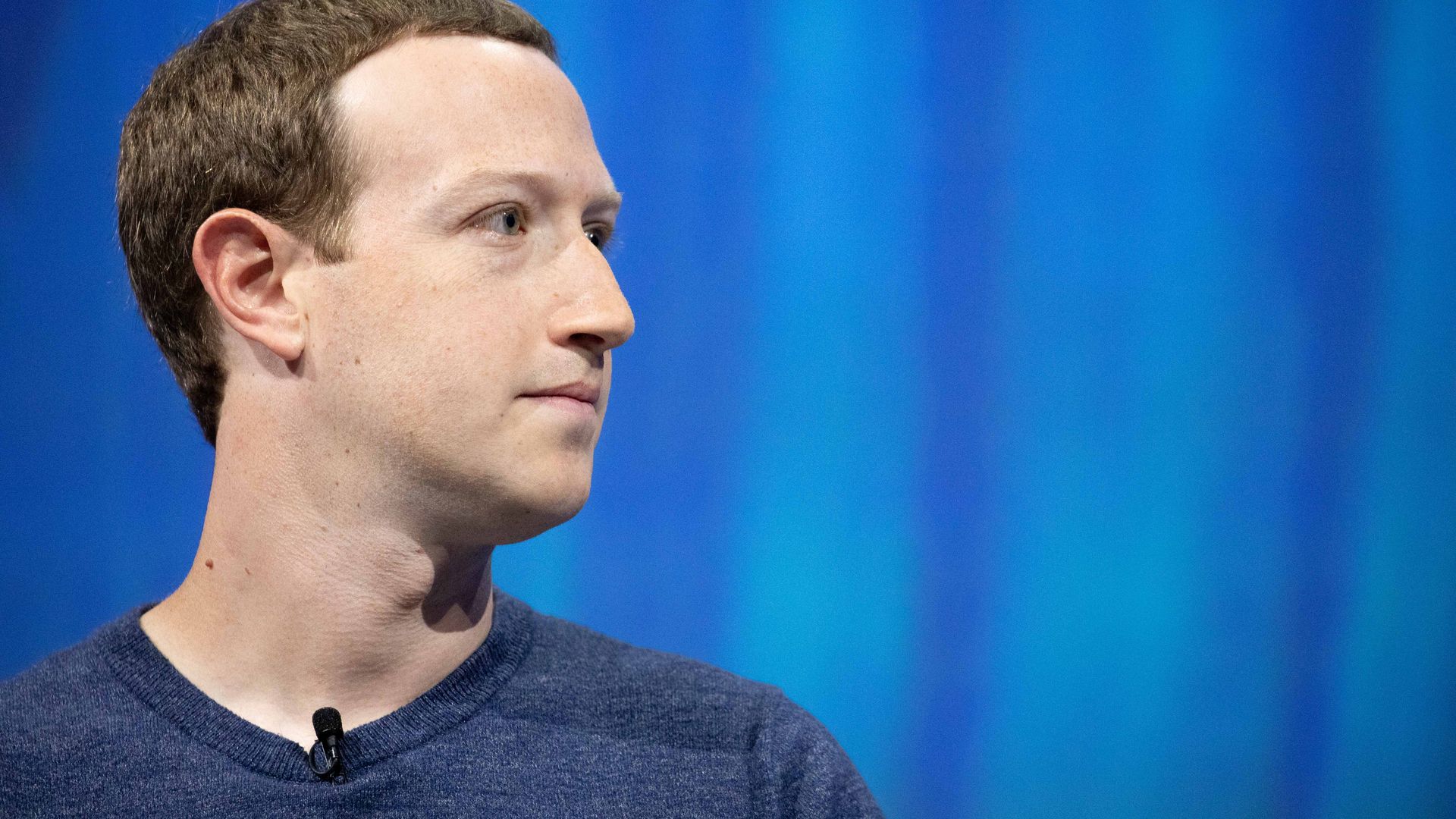
New York Attorney General Letitia James said Thursday that she would open an investigation into Facebook’s collection of 1.5 million Facebook users’ email contact databases. The tech giant admitted last Wednesday that it had "unintentionally uploaded" the email contact lists of 1.5 million people without their consent since 2016.
Why it matters: It's the latest privacy gaffe to pull Facebook into investigators' crosshairs. The company has faced several federal and state probes in the past year over the misuse of customer data.
Twitter reportedly doesn't go after white nationalist content as aggressively as it did with ISIS because it would likely mean some Republicans' accounts would be flagged as well, reports Motherboard.
Why it matters: Twitter CEO Jack Dorsey is walking a fine line between free speech and political peace with the right on the social media platform. Just this week he met with President Trump. Twitter, like other social platforms, has been accused of censoring or down-ranking conservative view points.
The CIA, one of the rare government entities known for its social media savvy, is now on Instagram to give users another look into the secretive agency.
The big picture: The new account is another online vehicle to "spark the curiosity of Instagram users" and find recruits, CIA press secretary Timothy Barrett said. He noted that its first photo — captioned "I spy with my little eye..." — includes the original 1985 badge photo for CIA director Gina Haspel [Updated], as well as an open notebook with Arabic writing that reads, "Share what we can, protect what we must."
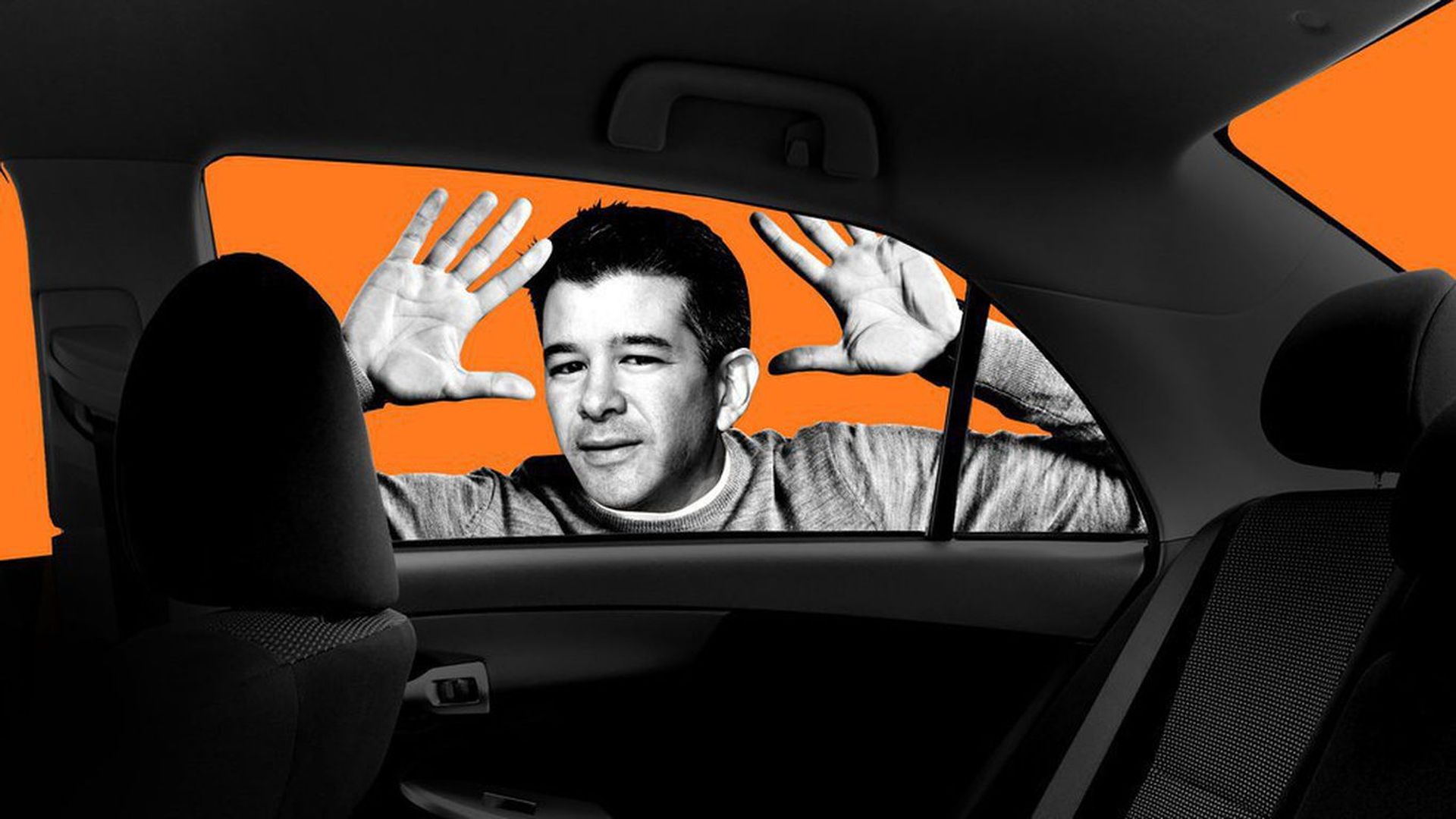
When Uber rings in on the New York Stock Exchange next month, expect to see a balcony peppered with longtime executives, drivers and couriers. But not necessarily its three co-founders: former CEO Travis Kalanick, Ryan Graves and Garrett Camp.
The bottom line: Axios has learned from multiple sources that there was a board-level discussion about having the three join, as opposed to just being invited to the exchange floor, but current CEO Dara Khosrowshahi was noncommittal.
Snapchat has hired McDonald's VP of Marketing Kenny Mitchell to leads its marketing efforts. Mitchell will report directly to CEO Evan Spiegel beginning in June.
Why it matters: The company is investing more in consumer marketing to promote the rollout of its redesigned Android app.
Synthesia, a London-based developer of video synthesis technology, raised $3.1 million co-led by LDV Capital and Mark Cuban.
Why it matters: This is the company whose tech is behind a viral video in which soccer star David Beckham speaks nine different languages. As you might have guessed, David Beckham doesn't know how to speak nine different languages, and the video is for malaria awareness, not some sort of Rosetta Stone-like product. It's both mesmerizing and terrifying.
Microsoft isn't just winning the techlash, as we reported yesterday. It's also making a ton of money.
What's new: The company reported $30.6 billion in revenue and $8.8 billion in profits yesterday, exceeding expectations amid strength in both its growing cloud efforts as well as its legacy PC business.
Facebook, its investors, and its critics wrestled Wednesday with how to assess the prospect of a $3 billion to $5 billion government fine for the social media giant.
The big picture: On the one hand, that would be a record fine for the FTC, and it's certainly nothing to sneeze at. At the same time, it's likely just a flesh wound to a company that brings in roughly that much revenue every month — and a monetary fine alone provides no guarantee that the company's behavior will change.
Alongside unicorns boasting sky-high IPOs and sparkling urban redevelopments, superstar cities like New York and San Francisco are beset by ever-deepening inequality and housing crises.
That's the steep cost of superstardom — an enviable tax base and a glamorous reputation, set against rife homelessness, hours-long commutes in bumper-to-bumper Teslas and BMWs, and the erosion of your home's character.













/2019/04/24/1556117837540.gif?w=3840)