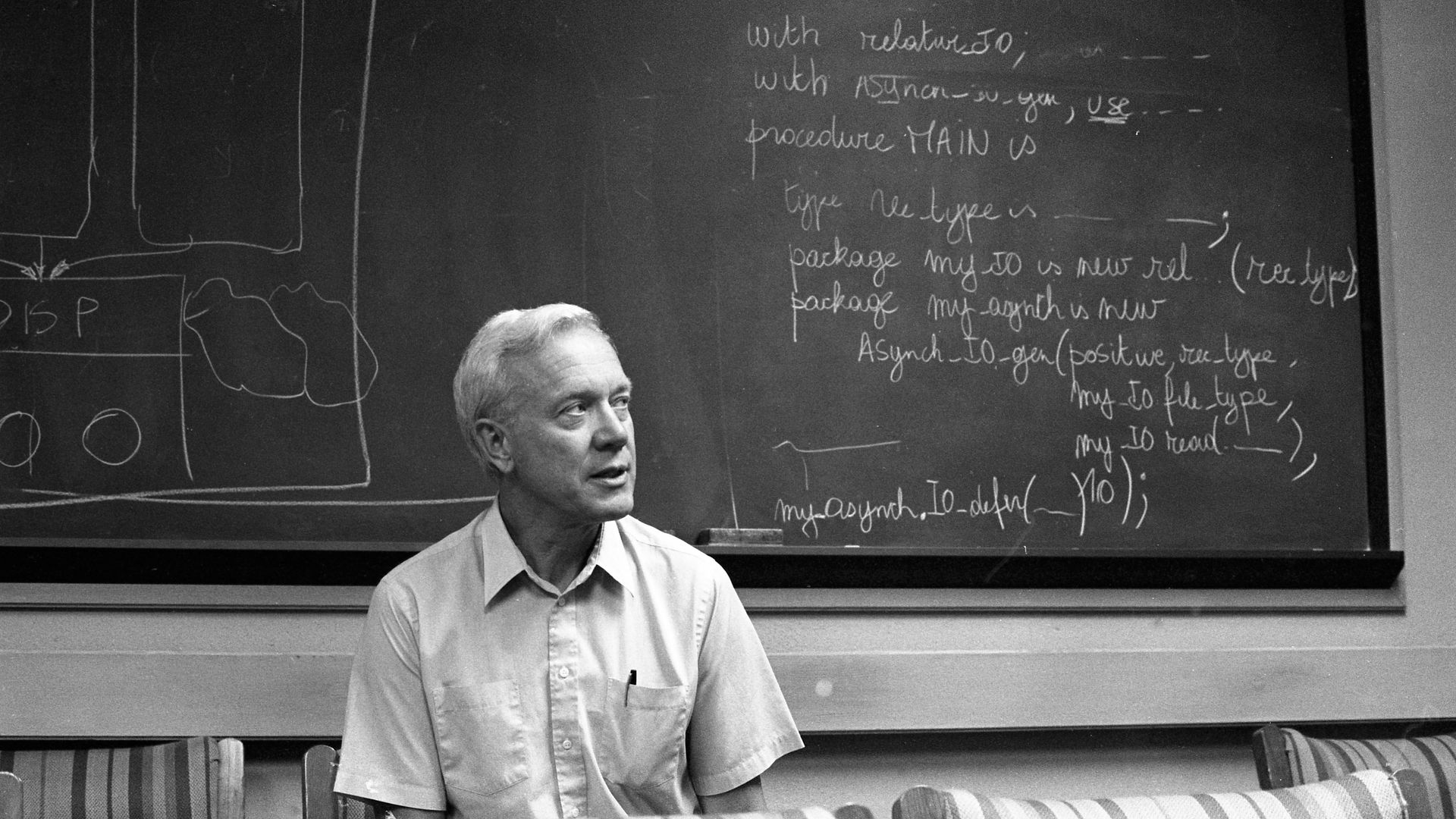
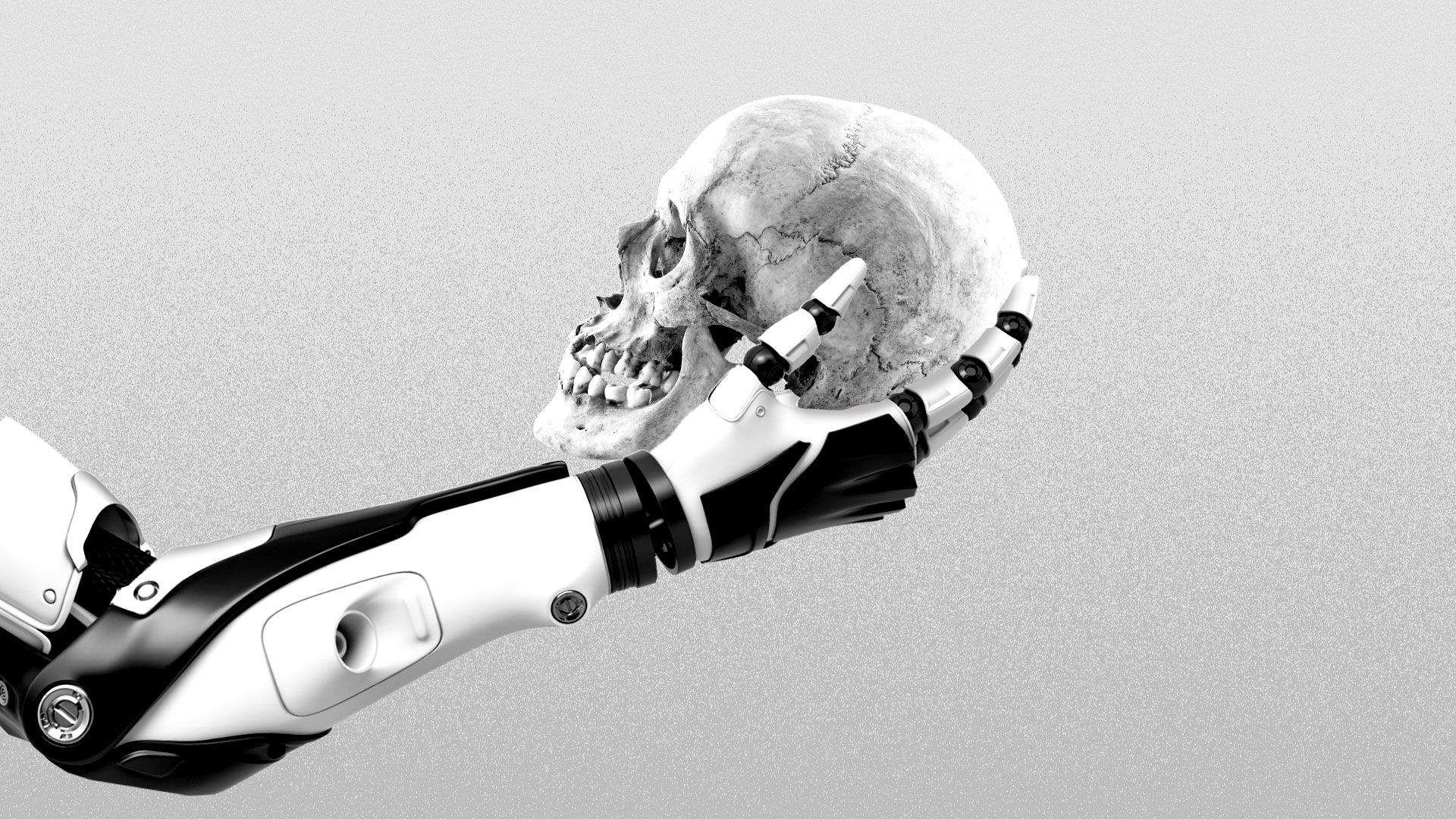
Nils Nilsson, a pioneer in artificial intelligence whose groundbreaking work helped lead to today's online maps, died yesterday at the age of 86.
The big picture: Nilsson's work was foundational to several modern technologies. Anyone who has gotten directions online, played a video game or marveled at moving robots has experienced the legacy of his research.
Facebook told investors it expects a Federal Trade Commission fine of up to $5 billion, driving down its GAAP earnings per share. Still, Facebook stock was up more than 4% in after-hours trading Wednesday after reporting otherwise positive first-quarter earnings.
Why it matters: Reports had suggested that the FTC could slap Facebook with a multibillion-dollar fine as a result of an ongoing investigation into Facebook's handling of data privacy. Facebook says it expects a loss of $3 to $5 billion from the debacle. The matter still unresolved.
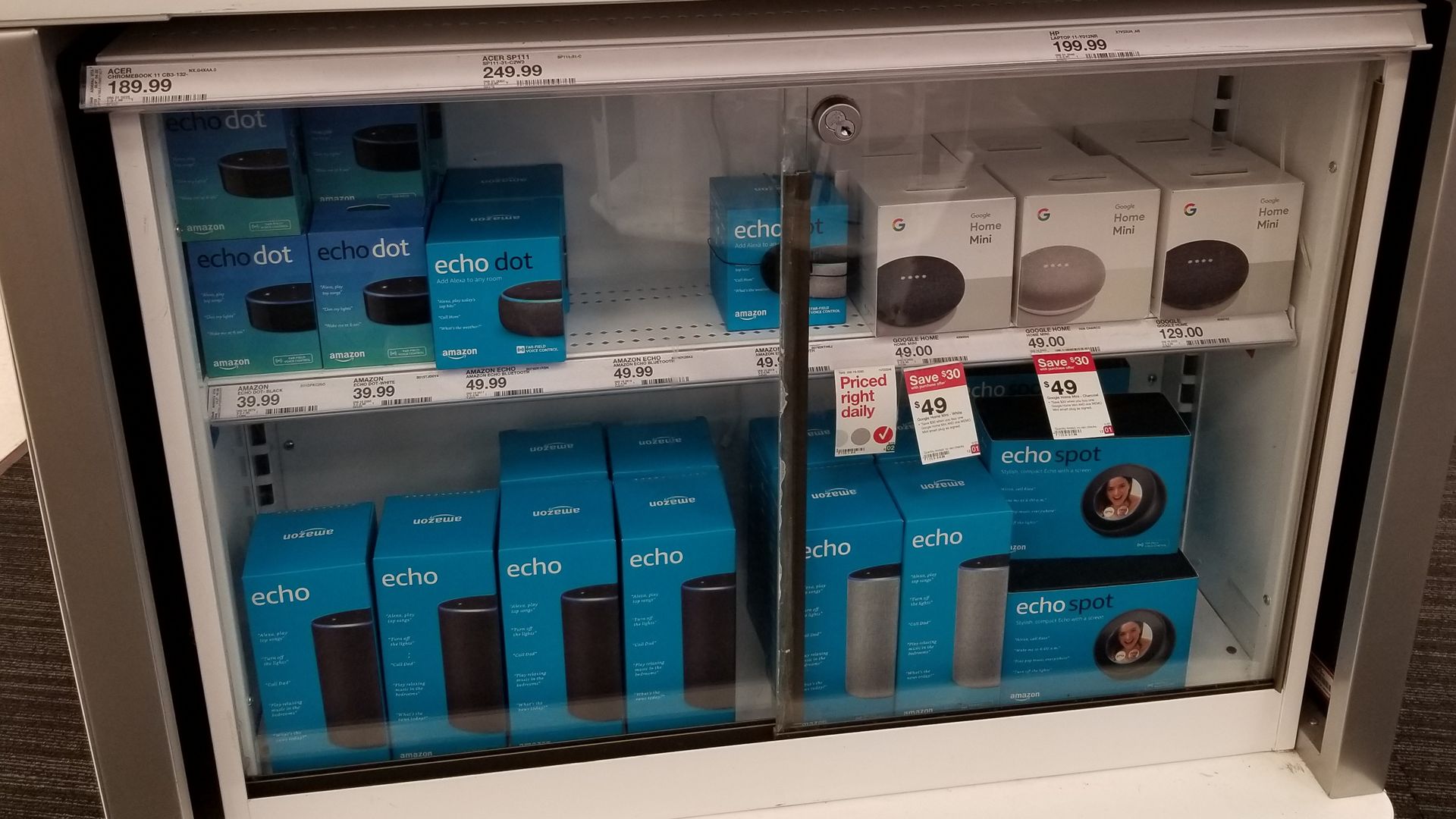
Amazon's Alexa audit team, which helps improve responses for the online assistant, has the ability to obtain customers' home addresses via their location data, Bloomberg reports.
Why it matters: While there is no evidence that Amazon employees have attempted to do so, with Amazon telling Bloomberg that these instances are "highly controlled," it's yet another example of how customers can fail to understand how much personal data they're sharing by utilizing Big Tech products and services.
Dan and Axios' Kim Hart discuss how Microsoft is largely avoiding the PR and regulatory headaches that have bedeviled fellow tech giants like Facebook and Google.
The Academy of Motion Picture and Arts and Sciences announced Tuesday that it voted to allow streaming services like Netflix, Hulu and Amazon Prime to be eligible for Academy Award nominations, even if their movies mostly live on the small screen.
Why it matters: The decision ends a bitter fight between legacy Hollywood heavyweights and tech giants over whether streamers should be eligible for Oscars.
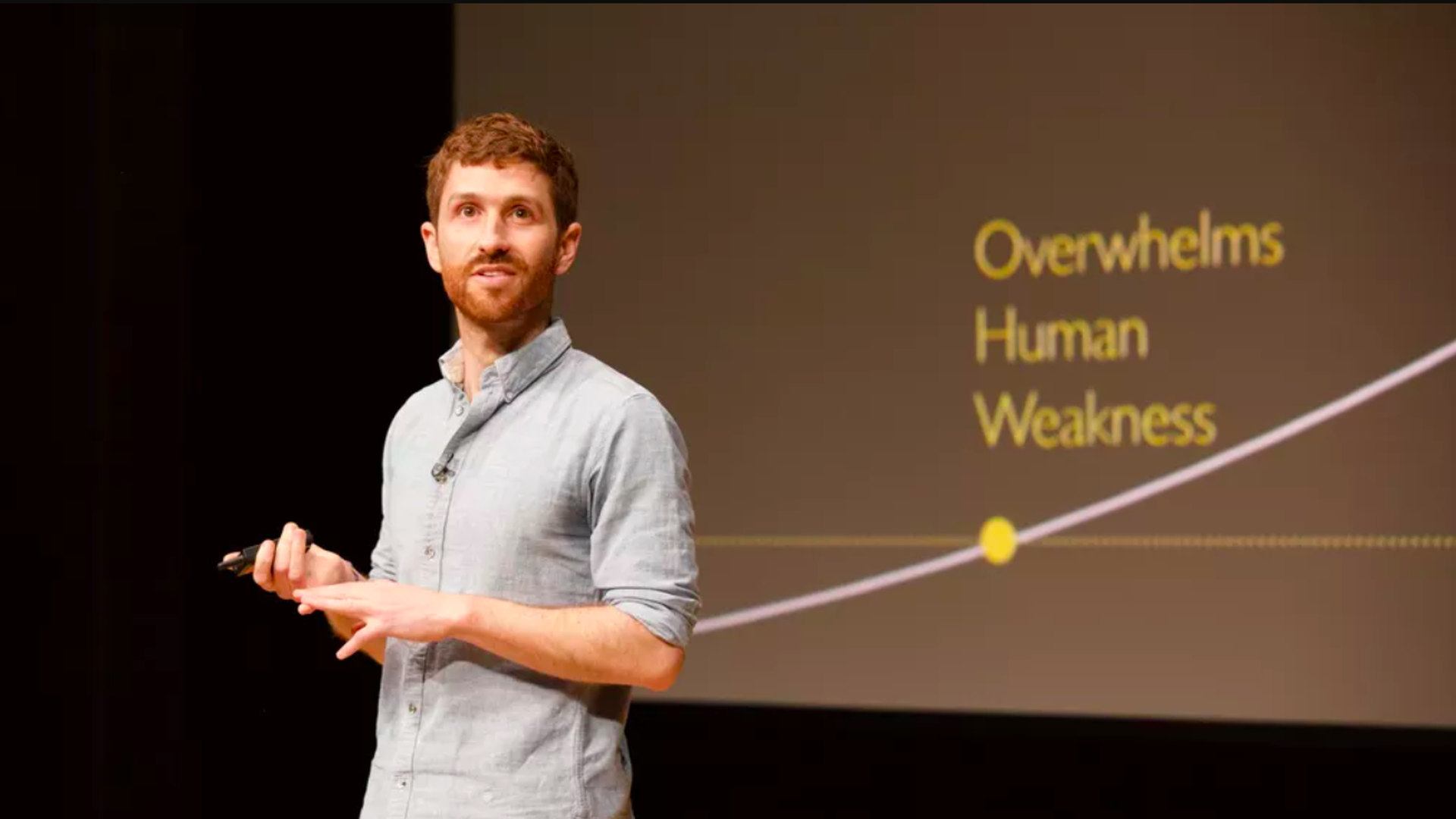
Tristan Harris, the former Googler who helped popularize the notion of "time well spent" laid out the shift he says the tech industry needs to make in order to stop, as he puts it, "downgrading humanity."
The impact: As Harris described his vision at a jazz hall in San Francisco, many in the 300-person crowd were academics, nonprofit leaders and longtime technology critics. There was also a smattering of folks from major tech companies including Apple, Google and Twitter.
Wing Aviation — a unit of Google's parent, Alphabet — received the first U.S. authorization to operate a fleet of drones for consumer-goods deliveries, the Wall Street Journal reports.
Why it matters: The decision is a "coup for Wing in a budding, fiercely competitive industry. Amazon ... and other companies are vying for similar approvals."
The tech industry is feeling the pain of an unprecedented backlash over its business practices and broad impact on society, but original tech giant Microsoft has managed to stay mostly above the fray.
Why it matters: Microsoft, which trudged through its own antitrust battle with the Justice Department in the '90s, has sidestepped the mistakes made by its younger, brasher Big Tech brethren.
Get everyone in the room: That's the new mantra for AI researchers, nervous about the potential for their technology to decimate jobs and perpetuate human biases. They're pulling in experts from every academic background, including seemingly incompatible ones, to help steer the course.
Driving the news: But sparks flew last evening in a star-studded on-stage conversation between prominent AI researcher Fei-Fei Li and celebrity author–philosopher Yuval Noah Harari. Li, who is behind an enormous multidisciplinary project at Stanford to inject human values into AI research, often calls for closer collaboration between disciplines. But she and Harari were frequently at odds on stage.
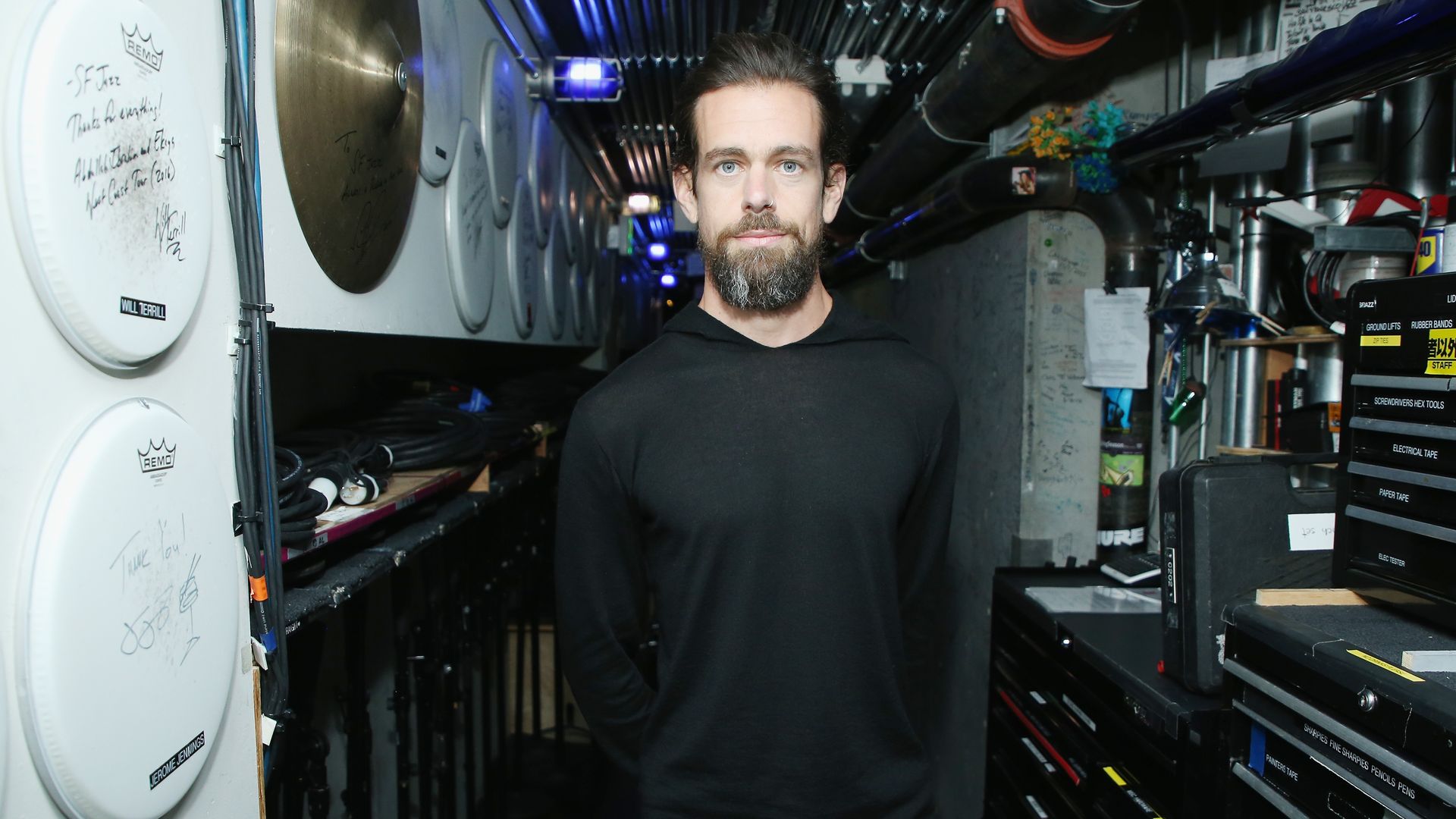
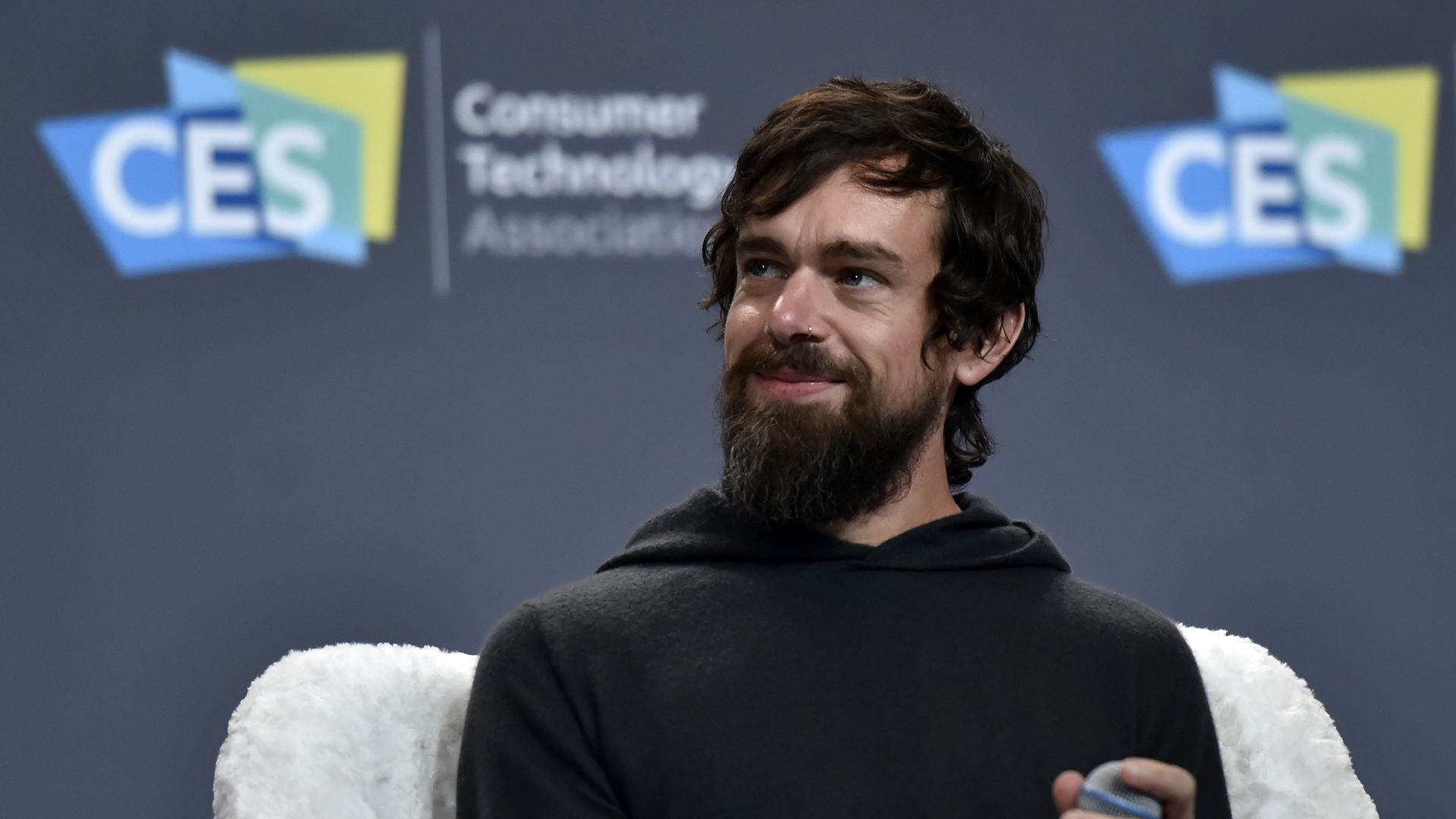
Twitter chief executive Jack Dorsey met with President Trump Tuesday at the White House — a conversation the platform called "constructive" but only provided limited details about.
Flashback: Just this morning, Trump was tweeting that Twitter doesn't "treat me well as a Republican," echoing claims of anti-conservative bias on the platform that have never been backed up by evidence or reporting.
No matter how much you've read about Twitter’s troubles, the platform is enjoying a burst of encouraging signs.
Driving the news: Twitter's Q1 numbers came in high today: 330 million monthly active users, 134 million visiting every day, and $787 million in revenue, beating analyst expectations.
Snap shares climbed 10% in aftermarket trading on Tuesday, following quarterly results that beat Wall Street analyst expectations on both the top and bottom lines.
What happened: Snap recently released its long-awaited redesign of its Android app, which executives said should rejuvenate its growth and user engagement. It also recently held its first conference for outside partners, revealing new plans to open up its garden walls.
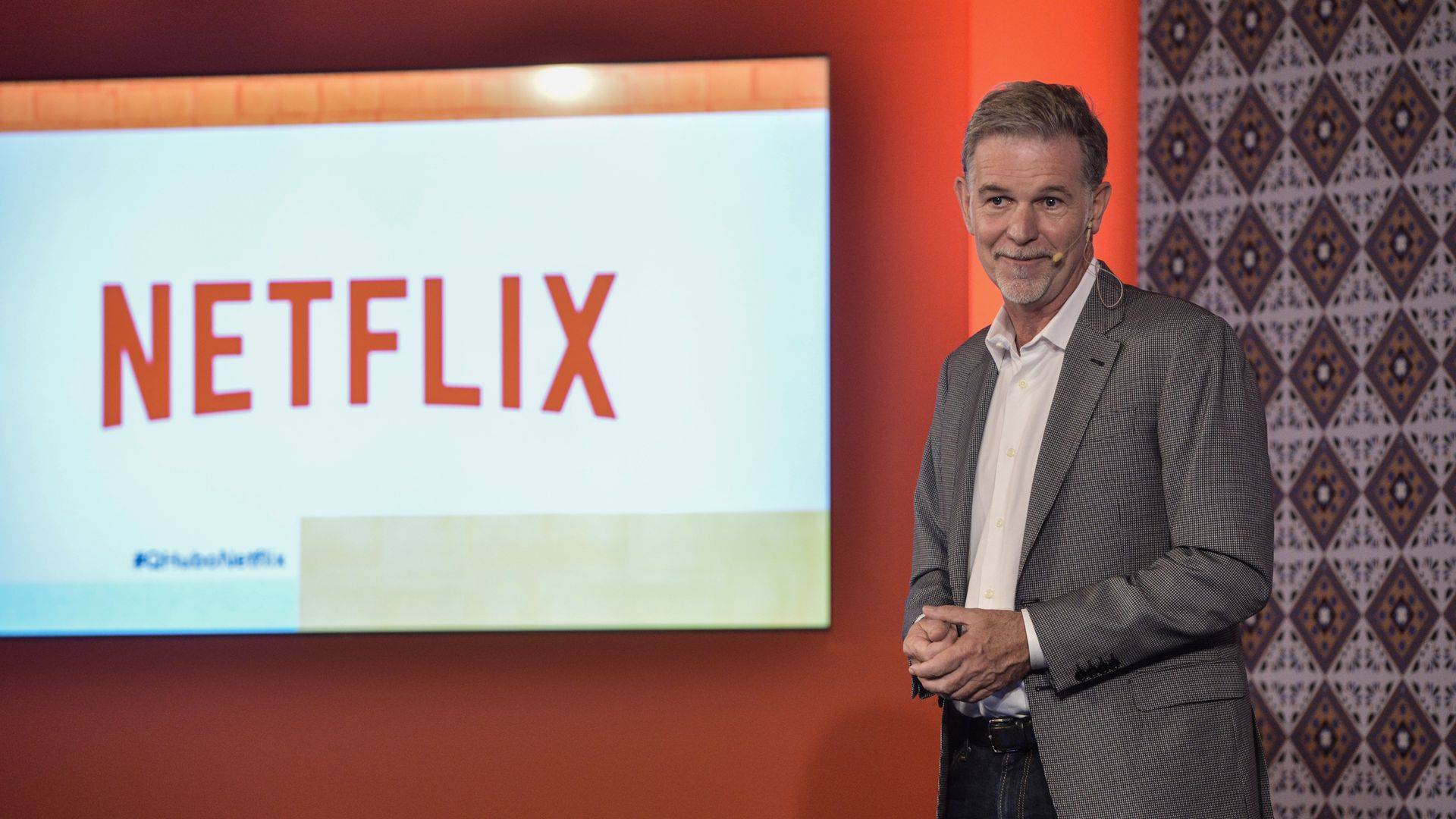
Reed Hastings, the co-founder and CEO of Netflix, took home almost $302 million in 2018 after accounting for the actual value of stock he cashed out throughout the year, according to the company's latest proxy statement.
The big picture: Netflix has morphed into a streaming giant that is producing more of its own shows — hiking its prices as subscribers grow — and Hastings is reaping huge rewards. Hastings made $179 million in 2017, making him the highest-paid CEO of all S&P 500 companies.
Two leaders of the 2018 employee walkout at Google over sexual harassment claims say they have faced retaliation for their activism, a charge Google is denying.
What's happening: According to Wired, Meredith Whittaker was told that her role would be "changed dramatically" following uproar around a since-disbanded external AI ethics board. Whittaker, who leads Google's open research efforts, also helps run the AI Now Institute, which she co-founded at NYU.
The whole point of artificial-intelligence systems is that they can learn — but they still have to start somewhere. And the nascent field of health care AI is still focused on those early building blocks.
Where it stands: Google already has a leg up on some of its competitors, because of the data it already collects through search and Gmail, NPR reports.
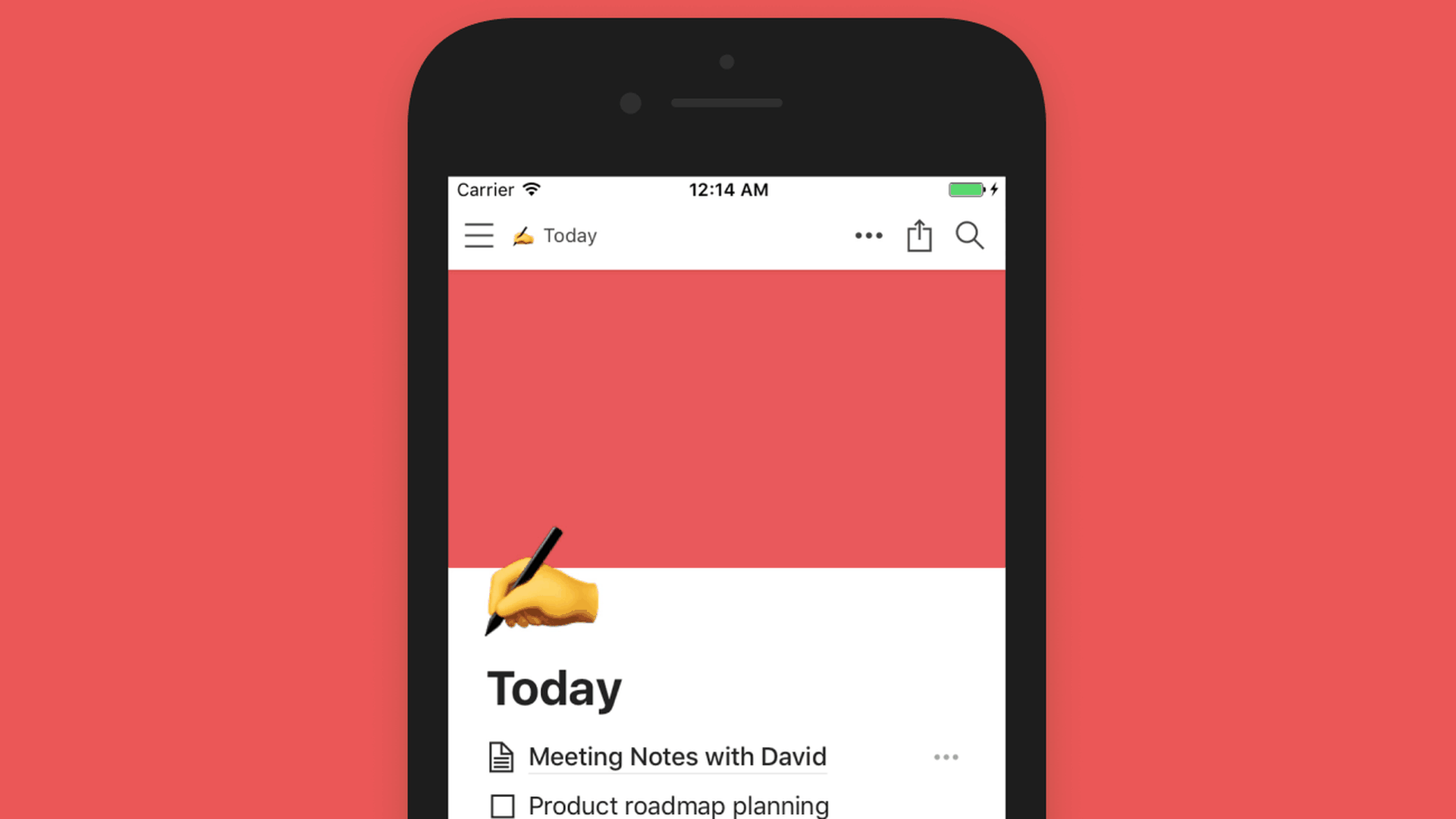
A new generation of workplace collaboration tools with a heavy emphasis on design is developing a cult following among users and beginning quietly to win over the corporate world.
The big picture: Companies like Airtable, Notion, Figma, and others are following in the footsteps of IPO candidate Slack, the workplace chat app which helped prove this model successful by growing far beyond Silicon Valley's engineering teams.
One unexpected byproduct of the robotization of food — an accelerating trend I reported on last week — is an explosion of data about eaters' habits and preferences.
Why it matters: Companies often use this information to personalize food or ads to individual preferences. But seemingly trivial information about what and when you eat is also a gold mine that companies share with other interested parties — like your employer.