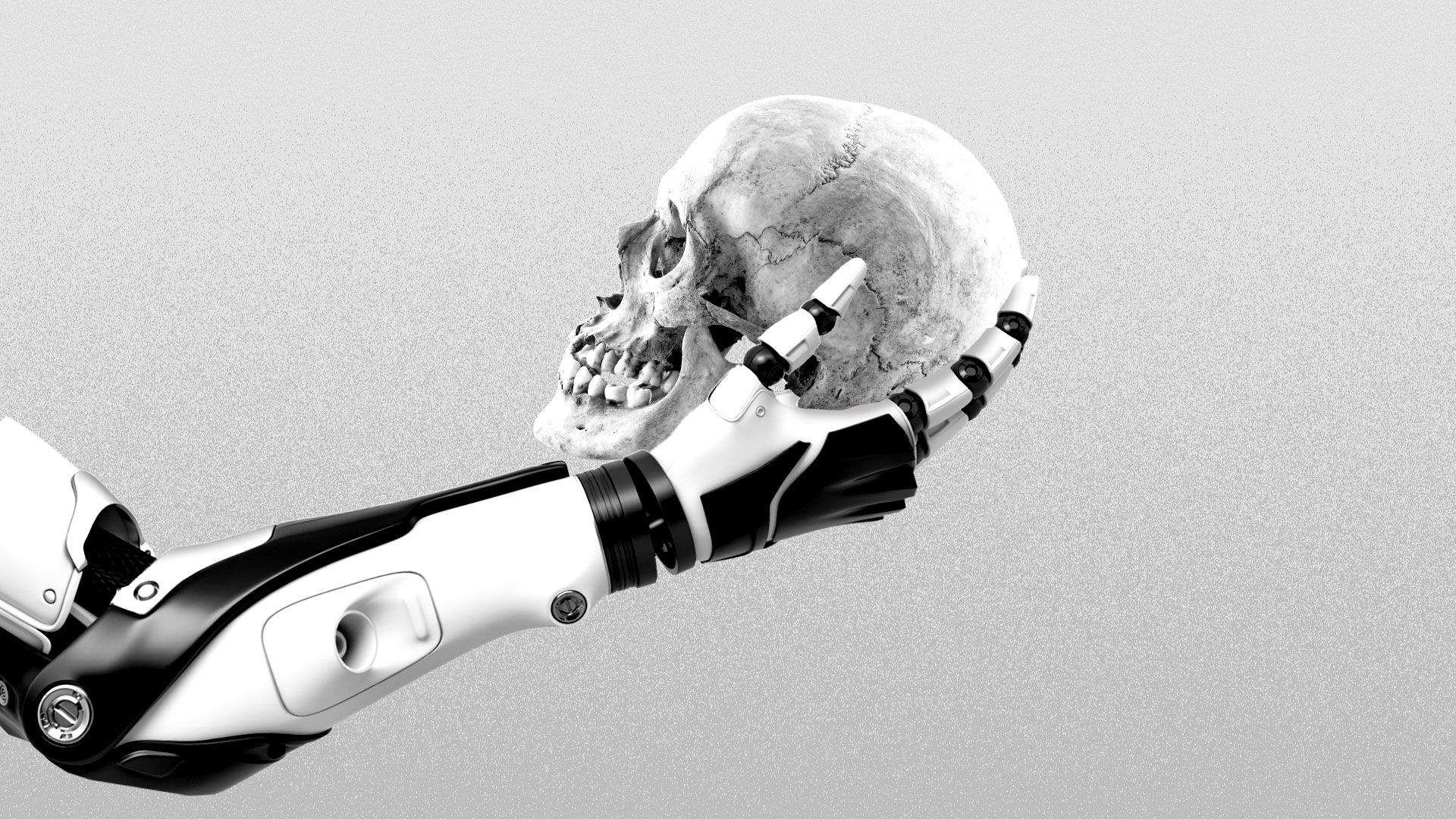
Get everyone in the room: That's the new mantra for AI researchers, nervous about the potential for their technology to decimate jobs and perpetuate human biases. They're pulling in experts from every academic background, including seemingly incompatible ones, to help steer the course.
Driving the news: But sparks flew last evening in a star-studded on-stage conversation between prominent AI researcher Fei-Fei Li and celebrity author–philosopher Yuval Noah Harari. Li, who is behind an enormous multidisciplinary project at Stanford to inject human values into AI research, often calls for closer collaboration between disciplines. But she and Harari were frequently at odds on stage.
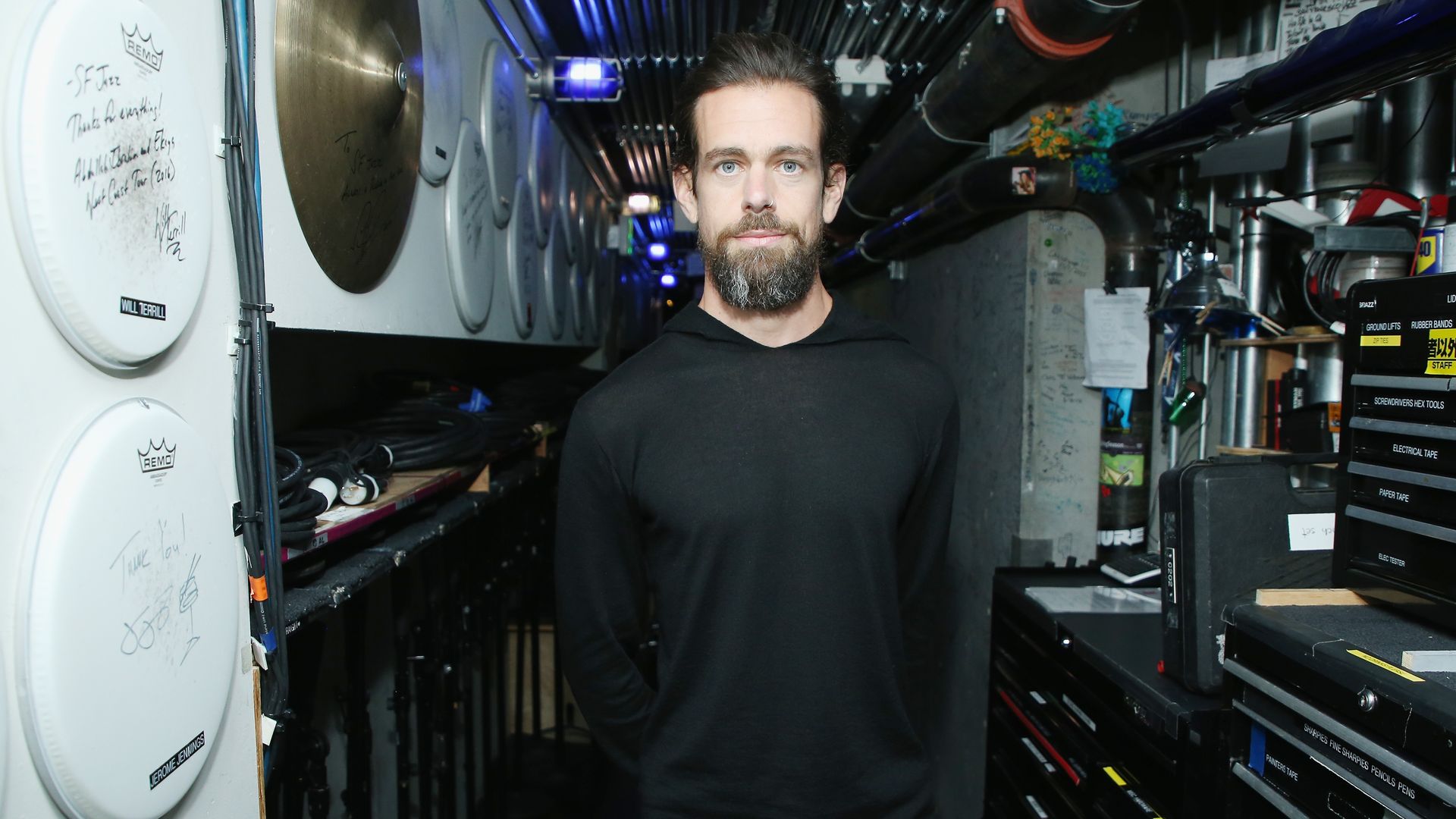
Twitter chief executive Jack Dorsey met with President Trump Tuesday at the White House — a conversation the platform called "constructive" but only provided limited details about.
Flashback: Just this morning, Trump was tweeting that Twitter doesn't "treat me well as a Republican," echoing claims of anti-conservative bias on the platform that have never been backed up by evidence or reporting.
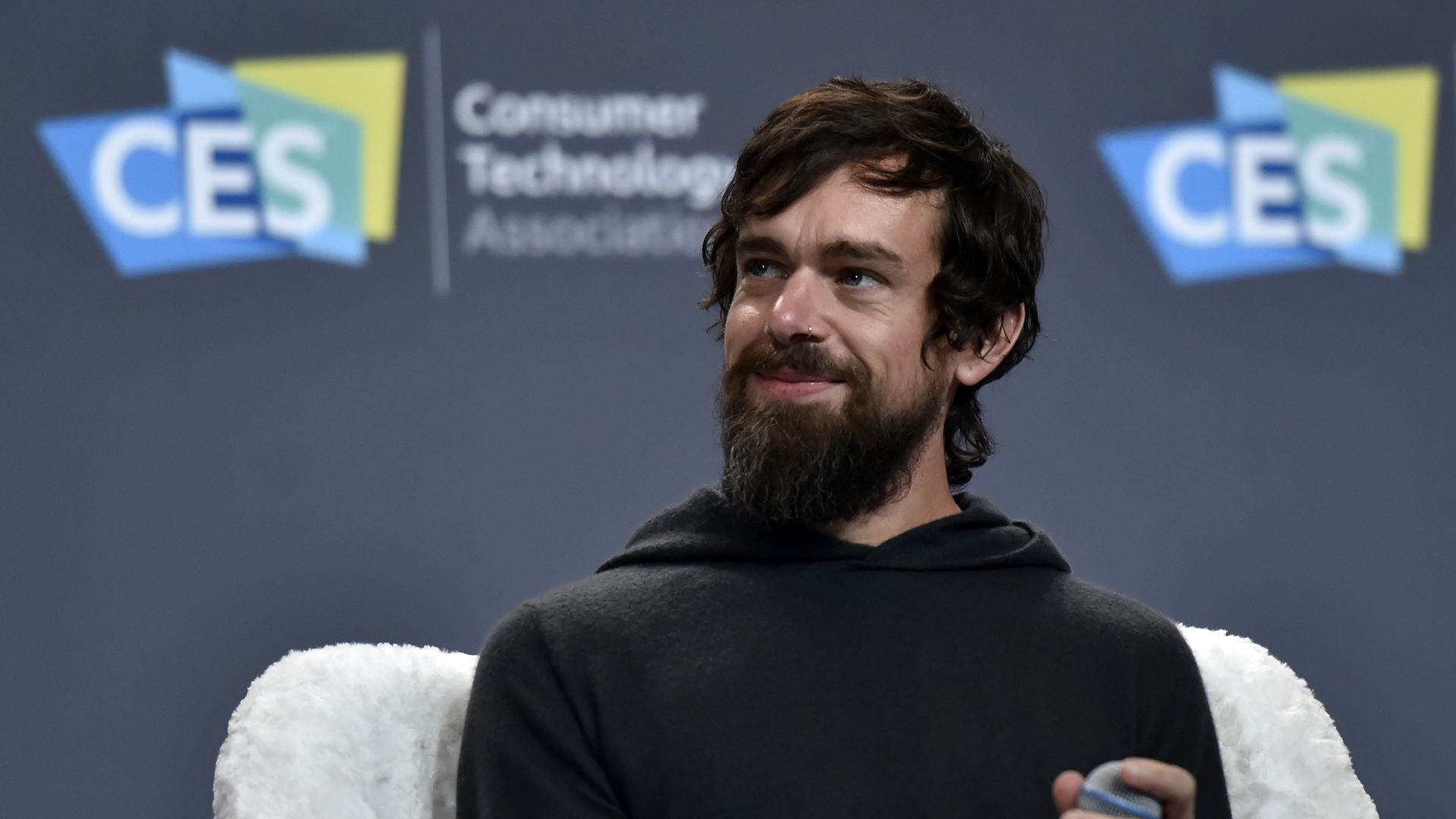
No matter how much you've read about Twitter’s troubles, the platform is enjoying a burst of encouraging signs.
Driving the news: Twitter's Q1 numbers came in high today: 330 million monthly active users, 134 million visiting every day, and $787 million in revenue, beating analyst expectations.
Snap shares climbed 10% in aftermarket trading on Tuesday, following quarterly results that beat Wall Street analyst expectations on both the top and bottom lines.
What happened: Snap recently released its long-awaited redesign of its Android app, which executives said should rejuvenate its growth and user engagement. It also recently held its first conference for outside partners, revealing new plans to open up its garden walls.
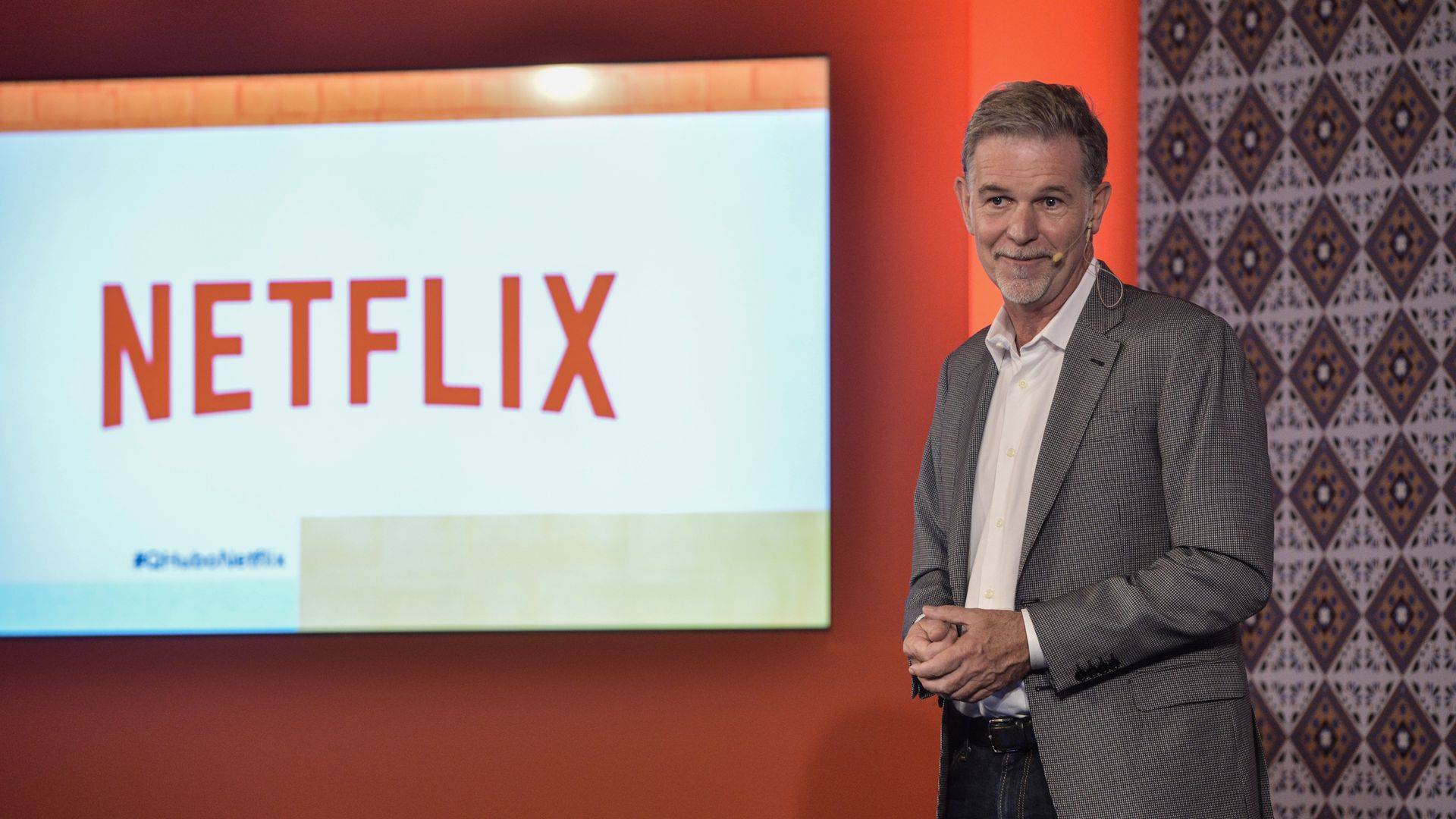
Reed Hastings, the co-founder and CEO of Netflix, took home almost $302 million in 2018 after accounting for the actual value of stock he cashed out throughout the year, according to the company's latest proxy statement.
The big picture: Netflix has morphed into a streaming giant that is producing more of its own shows — hiking its prices as subscribers grow — and Hastings is reaping huge rewards. Hastings made $179 million in 2017, making him the highest-paid CEO of all S&P 500 companies.
Two leaders of the 2018 employee walkout at Google over sexual harassment claims say they have faced retaliation for their activism, a charge Google is denying.
What's happening: According to Wired, Meredith Whittaker was told that her role would be "changed dramatically" following uproar around a since-disbanded external AI ethics board. Whittaker, who leads Google's open research efforts, also helps run the AI Now Institute, which she co-founded at NYU.
The whole point of artificial-intelligence systems is that they can learn — but they still have to start somewhere. And the nascent field of health care AI is still focused on those early building blocks.
Where it stands: Google already has a leg up on some of its competitors, because of the data it already collects through search and Gmail, NPR reports.
A new generation of workplace collaboration tools with a heavy emphasis on design is developing a cult following among users and beginning quietly to win over the corporate world.
The big picture: Companies like Airtable, Notion, Figma, and others are following in the footsteps of IPO candidate Slack, the workplace chat app which helped prove this model successful by growing far beyond Silicon Valley's engineering teams.
One unexpected byproduct of the robotization of food — an accelerating trend I reported on last week — is an explosion of data about eaters' habits and preferences.
Why it matters: Companies often use this information to personalize food or ads to individual preferences. But seemingly trivial information about what and when you eat is also a gold mine that companies share with other interested parties — like your employer.
State Department legal adviser Jennifer Newstead will be Facebook's new general counsel, the company said on Monday.
Why it matters: Newstead's hiring as Facebook's top lawyer, announced alongside new VP of global communications John Pinette, comes as the social network continues to take on mounting scrutiny from regulators around the world.
Samsung said Monday it is officially delaying this week's planned release of the $2,000 foldable smartphone after some reviewers' devices failed in just days.
Why it matters: The Galaxy Fold is an effort to create a new category of smartphone, but unique hardware often comes with fresh challenges, as appears to be the case here.
Dan speaks with actor Ashton Kutcher, co-founder of a nonprofit called Thorn that's using technology to eliminate the online spread of child pornography. Thorn, which last week received part of $280 million in grant funding from TED's Audacious Project, says it is seeking to stem an "invisible and growing public health crisis."
What's happening: In posts to an internal discussion forum, according to Quartz, a female program manager at Microsoft knocked the company for a policy she says "financially incentivizes discriminatory hiring practices," adding that she's referring to incentives given to senior management for hiring those who aren't Asian or white men.
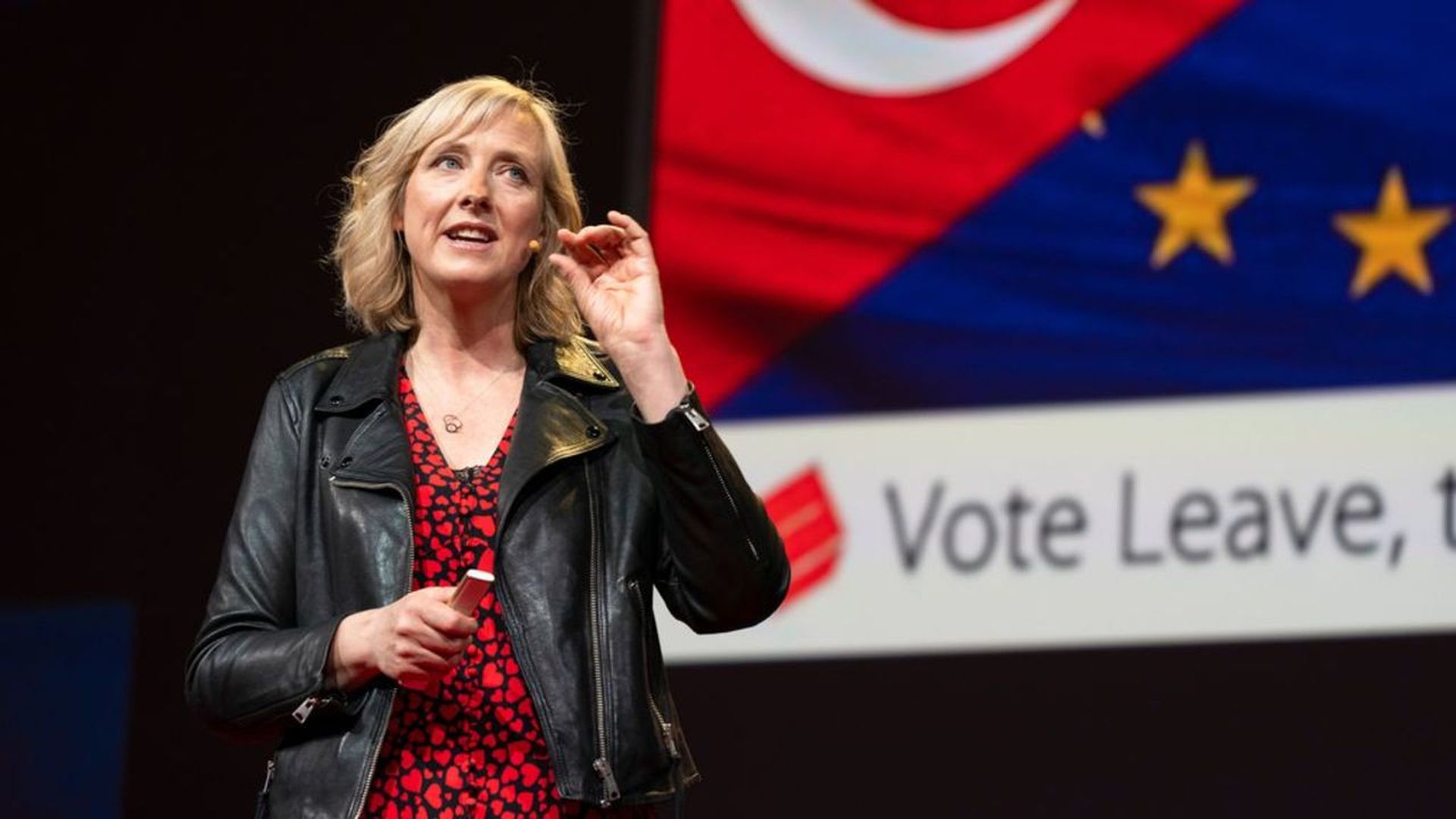
For Big Tech, TED is usually a friendly place. Companies like Google, Facebook and Microsoft have used past conferences to show off new advances, while executives from those companies mingle with leaders from finance and government.
The backdrop: In years past, despite some skepticism about the future of robots and artificial intelligence, the large companies themselves have generally enjoyed a warm reception. This year, though, things got decidedly chillier at TED 2019, which ended Friday.
World leaders are scrambling to contain acts of violence and hate crimes by introducing censorship measures, or by shutting down parts of the internet (or the whole network) in trouble spots.
Why it matters: Some experts argue that heavy-handed rules meant to curb the online promotion of violence could unintentionally make the problems worse instead.











/2019/04/22/1555898328850.gif?w=3840)