Pinar Yanardag and Emily Salvador, two MIT researchers, developed an AI that can design a unique little black dress. To get there, they fed in thousands of designs. The result is an asymmetrical, V-neck dress. The researchers topped off the outfit with AI-designed jewelry, shoes and a necklace — and it doesn't look half bad.
Context: For many women, the "little black dress" — first conceptualized by Chanel in the 1920s flapper years — is a wardrobe staple. It's a classic color, perfect for nights out (with a pair of heels) or a day in the office (with a blazer). But these days, with every big-time and small-time designer adding the LBD to their collections, the market is flooded with every kind of black dress imaginable — and it's hard to stand out.
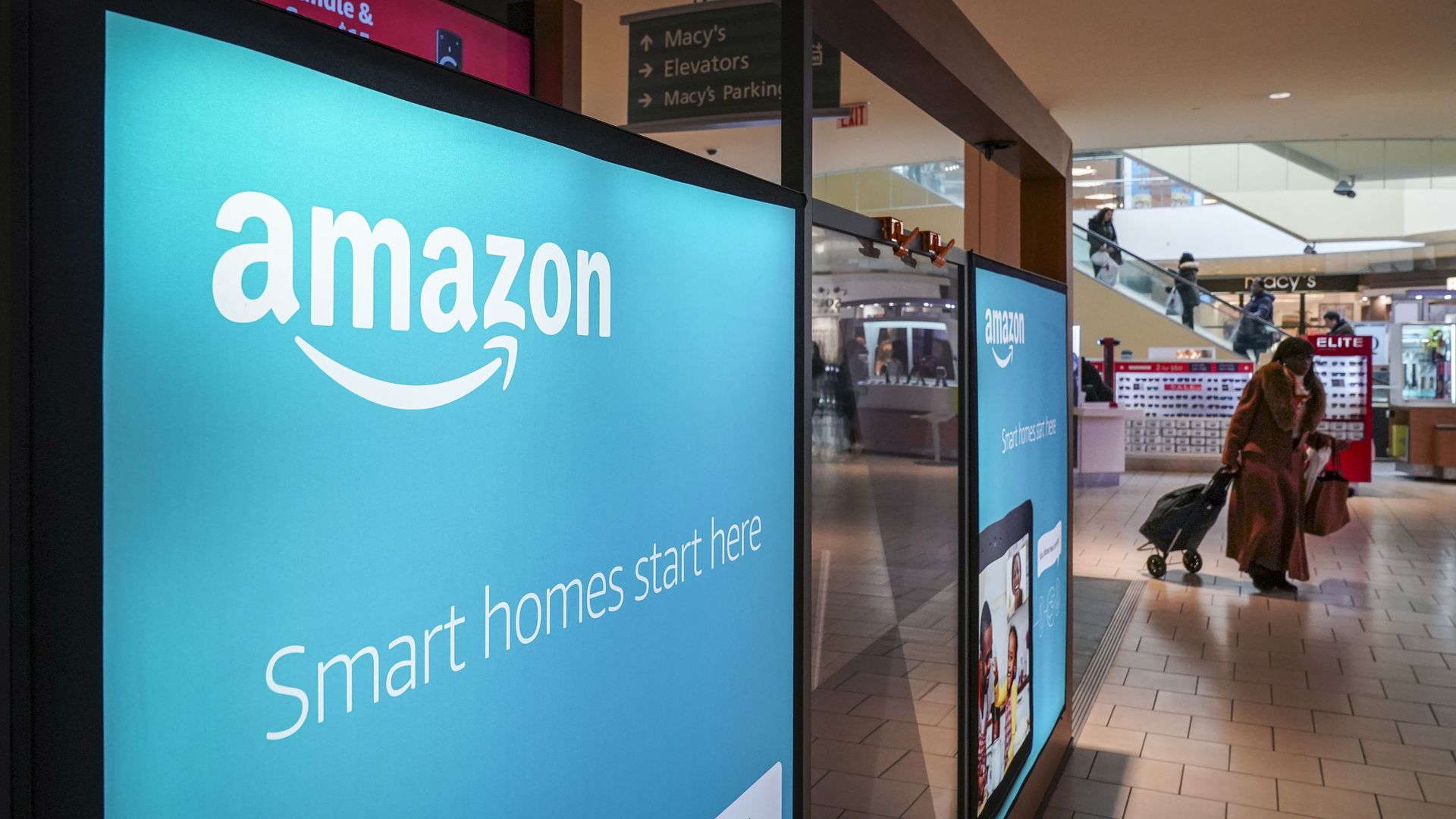
When Amazon announced the closure of all 87 of its pop-up stores in the U.S., it seemed to signal a failed experiment, but temporary shops can be a proving ground to test different physical experiences and gather data.
Why it matters: The pop-ups likely gave Amazon's strategists proprietary data and insights as the company prepares to open more brick-and-mortar outlets like Amazon Books, Amazon 4-Star, and Amazon Go convenience stores.
AVs built in China will look, feel and drive differently because they're being developed in an ecosystem of infrastructure, technical standards and regulatory requirements distinct from those of their U.S. and European counterparts.
Why it matters: Infrastructure investments in particular will help China meet its goal of 10% of vehicles reaching Level 4/5 autonomy by 2030. However, China’s walled-garden approach to AVs will also make it harder for foreign firms to enter the market, and in the long run may limit Chinese AV players as they seek to expand beyond the country’s borders.
Privacy policies have been the standard approach to online privacy for the entire existence of the commercial internet. Now key Democrats are souring on them.
Why it matters: Moving away from relying on the so-called "notice and consent" requirements would be a sea change for users and could put the United States at odds with Europe's sweeping privacy regulation.
Unmanned aerial vehicles, or drones, have the potential to transform our daily lives but not until regulators can be sure they won't fall from the sky or crash into other aircraft.
The big picture: UAVs have almost unlimited uses — from combatting disease to delivering pizza — and their numbers are expected to soar across multiple industries in the next few years. The Federal Aviation Administration wants to relax some of its rules to allow that growth but in doing so it has to determine how safe is safe enough.
Carmakers are in a frantic race to own the driverless road. But a little-noticed parallel contest is under way in the world of autonomous vehicles — a competition for who will dominate a shift of motor traffic from the road to the air.
Why it matters: The competition to control the air could more profoundly impact how we live and work, with the potential to change the face of cities, how we measure time, and what we regard as our activity space.
In the mad dash for the still-tiny slice of top AI talent, companies are competing to beef up increasingly lucrative businesses, doling out sky-high salaries reaching well into 6 digits, on top of the usual tech office perks.
Spoiler alert: Microsoft is hugely outhiring its peers.
Books are up against the stiffest competition ever for our increasingly wandering eyes and shortening attention. Fortnite, Netflix, Facebook and a bottomless well of news make it hard to get through a chapter of a novel that once would have consumed an afternoon.
What's happening: Buoyed by the success of audiobooks, developers are deploying an array of new tech to pull words off the printed page and capture a generation hooked on whiz-bang entertainment.
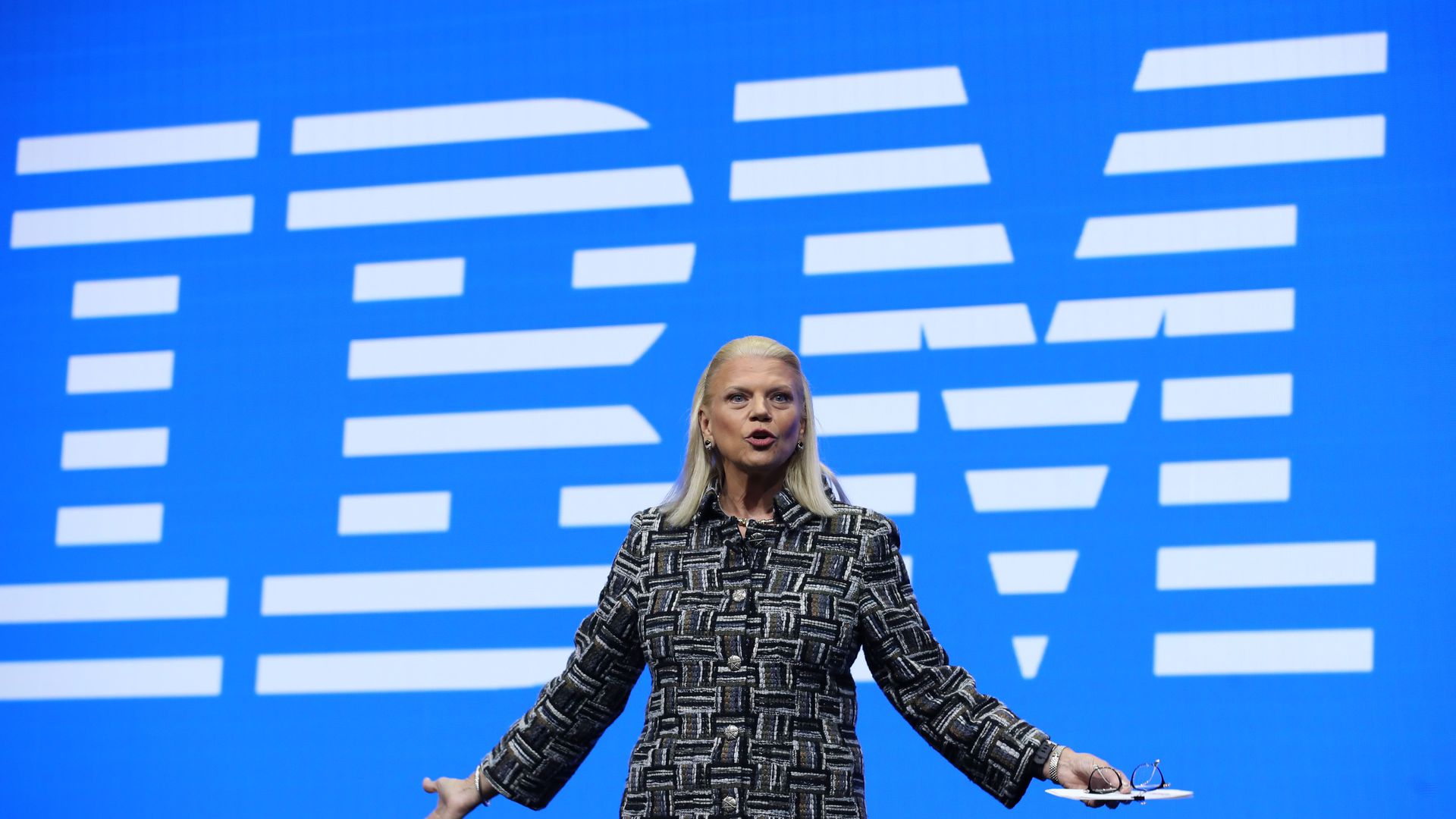
IBM CEO Ginni Rometty, in her leadership role at the Business Roundtable, has penned a sharply worded letter calling on Congress to pass the Equality Act, which would protect LGBTQ Americans from a broad range of discrimination.
Why it matters: While IBM has supported such legislation in the past, it's the first time the Business Roundtable has taken on the issue in such a high-profile and concerted manner.
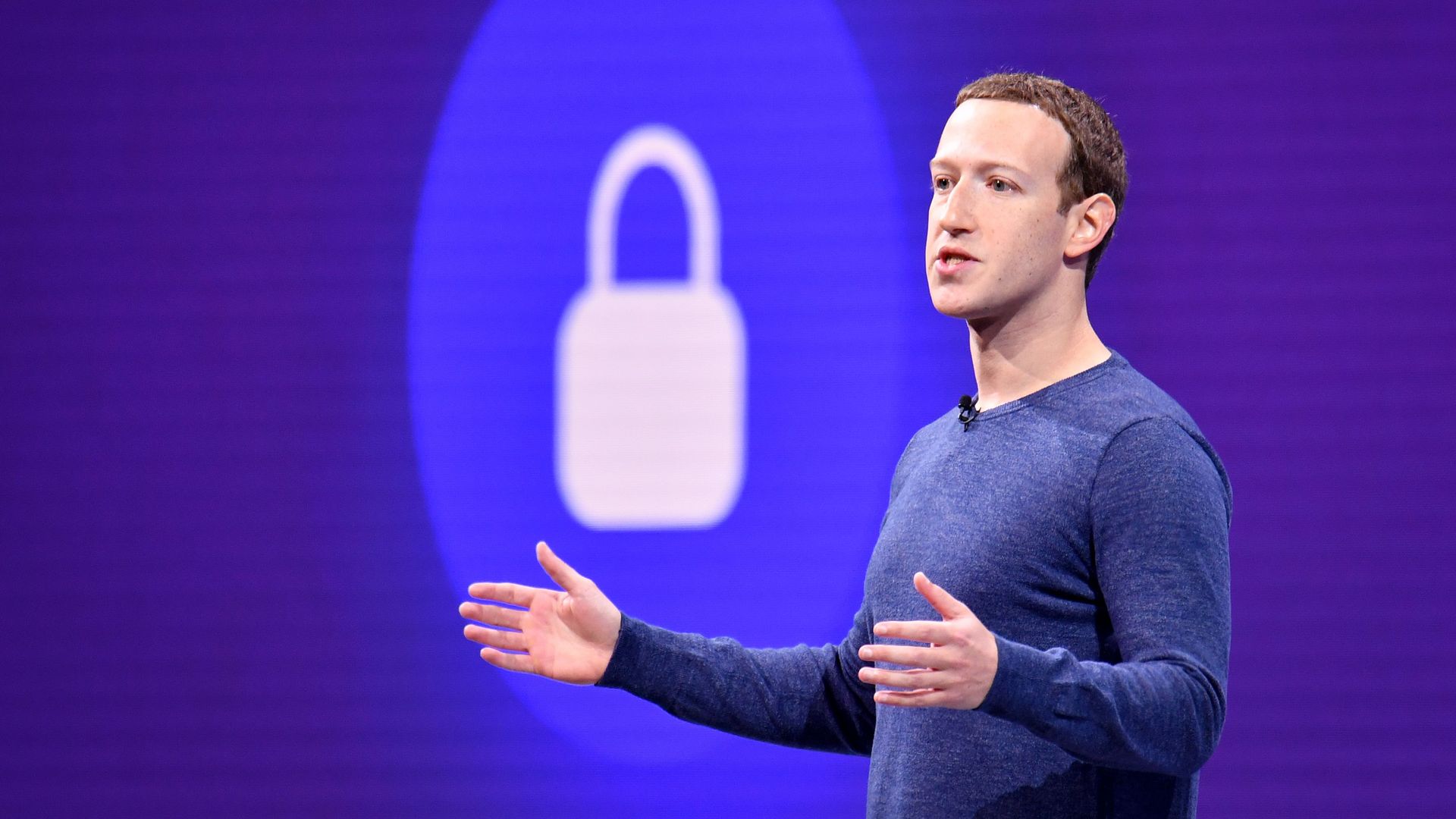
Mark Zuckerberg's vision for a new Facebook that focuses on private conversations could end up deepening the social network's misinformation problems.
Driving the news: Zuckerberg posted Wednesday outlining a new emphasis on privacy at Facebook, foreseeing a future that de-emphasizes the News Feed's "digital public square" in favor of private messaging's "digital living room."
Apple said Wednesday it plans to hire 1,200 people over the next 3 years to staff its expanded offices in San Diego — home to chipmaker Qualcomm, with whom Apple is currently embroiled in a bitter legal battle.
Why it matters: The move comes as Apple is reportedly looking to beef up its in-house modem chip operations, although the iPhone maker stressed it is hiring for a wide range of engineering functions.
Yesterday's privacy announcement from Facebook CEO Mark Zuckerberg has been framed as a response to public outcry about the company's lax data privacy standards, but it's really about Facebook going all in on what it sees as the future of communication, payments and life.
What's next? The new "Facebook coin," even if not quickly adopted by payment processors, can become a global currency that users of Facebook, WhatsApp and Instagram can use to complete transactions among themselves anywhere in the world.
Facebook's decision to shift gears to focus on encrypted private messaging will either cement the social network's global dominance or end it. Either way, it will change the way more than one-third of the world's population engages with the internet.
Driving the news: Zuckerberg's Wednesday announcement is a clear response to public outcry over Facebook's flawed custody of users' data. But the shift, if it actually happens, could go a lot further than privacy principles.
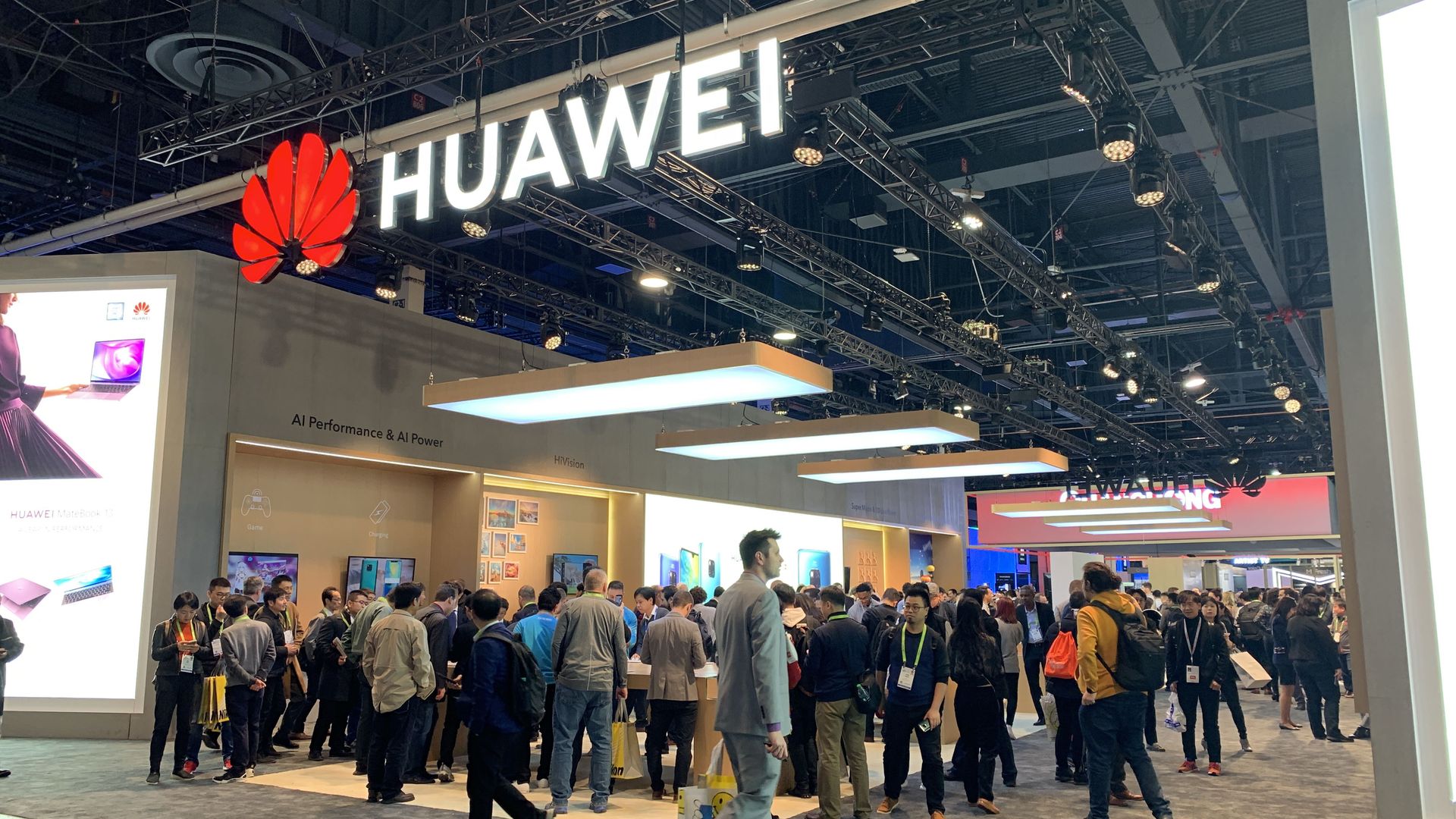
Huawei said Wednesday night that it has filed a federal lawsuit against the U.S. government, challenging the constitutionality of a law that keep it from selling its telecommunications gear here.
Why it matters: The U.S. has launched an all-out blitz aimed at stopping the Chinese equipment vendor from selling its current and future products throughout the world.






/2019/03/07/1551987819087.gif?w=3840)