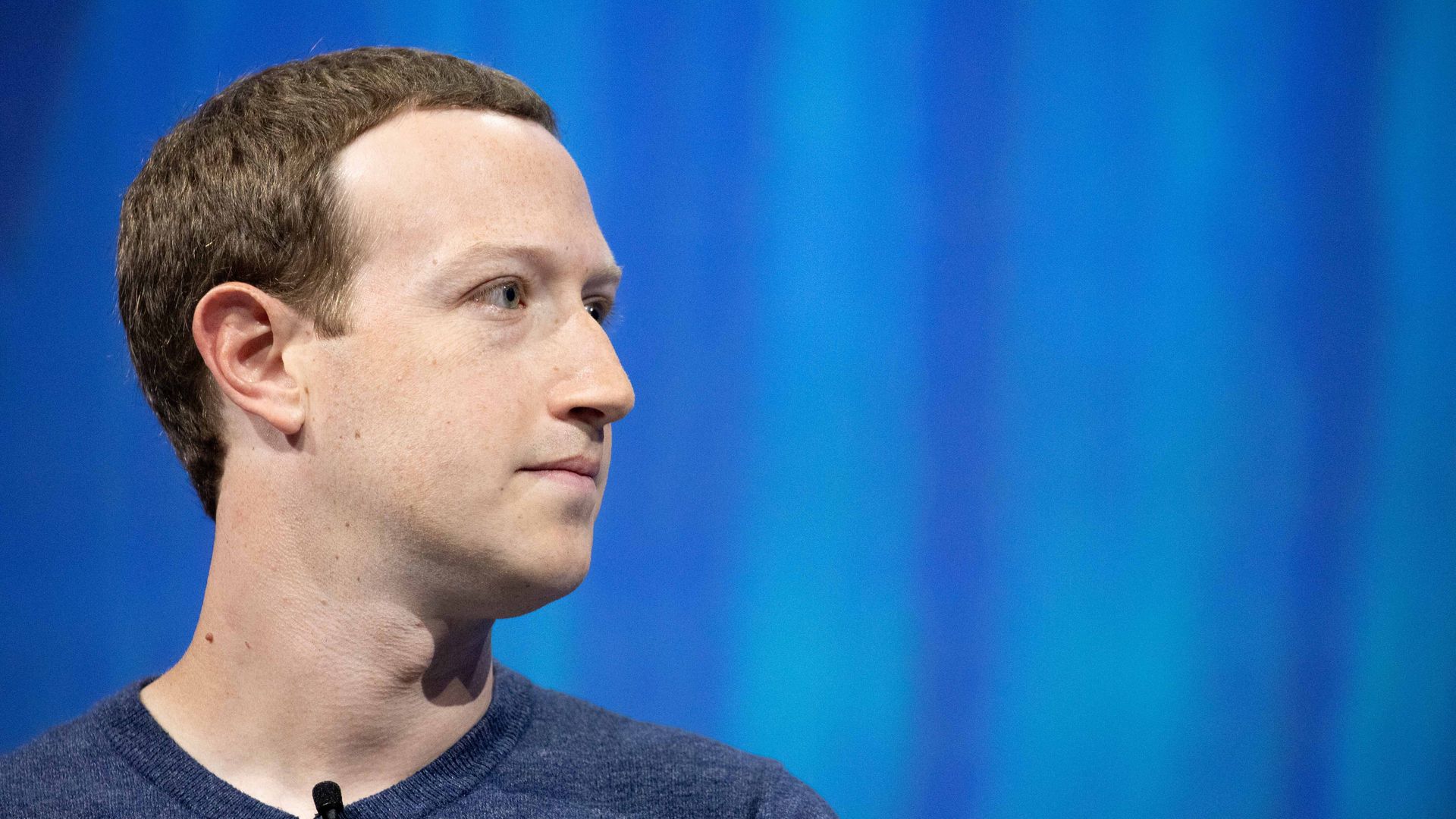
15 years after he launched the "digital equivalent of a town square," Facebook founder Mark Zuckerberg is promising a major shift in the other direction. "I believe the future of communication will increasingly shift to private, encrypted services where people can be confident what they say to each other stays secure and their messages and content won't stick around forever," he announced today.
Why it matters: "That would mark a sharp reversal for Facebook, which has grown into one of the world’s wealthiest companies by inventing exotic new methods of personal data collection," The Verge's Casey Newton writes.
Mark Zuckerberg announced Wednesday in a 3,000-word note that Facebook plans to rebuild its services around several privacy-focused principles: "private interactions," "encryption," "reducing permanence," "safety," "interoperability" and "secure data storage."
The big picture: Zuckerberg’s note reflects how Facebook finds itself perpetually on the defensive over privacy issues. The social giant’s reputation has spiraled since last year, when reporters exposed the Cambridge Analytica scandal and Facebook was hit with its first major data breach, according to a Harris Poll survey produced in partnership with Axios.
A new study suggests black people are more likely to get hit by an autonomous vehicle than white people, Vox writes.
Why it matters: The findings are the latest example of how human bias seeps into artificial intelligence. If AVs are trained with data that includes only light-skinned people as examples of what constitutes a "human," they won't recognize dark-skinned people as also "human" in the real world.
A proposal from the Trump re-election campaign to create a national, wholesale 5G network is drawing criticism from FCC commissioners on both sides of the aisle.
What's happening: On Tuesday, Republican FCC commissioner Brendan Carr joined Democratic colleague Jessica Rosenworcel in speaking out against the plan.
Cities are souring on the controlled chaos of current ride-hailing systems, and fleet management systems could work in concert with policy and infrastructure to mitigate the issue.
Why it matters: If autonomous vehicles make ride-hailing cheaper and more efficient, city traffic could slow even further — but fleet management systems could help cities manage the challenge, ideally before AVs are widely deployed.
Officials in Arlington County, Virginia Tuesday laid out details of the deal that will give Amazon incentives to bring its headquarters expansion to the Washington, D.C. suburb.
Why it matters: A vote by the Arlington County Board on the draft deal approaches amid mounting scrutiny of financial incentives promised for corporate expansions. A political backlash to Amazon's planned office in New York — announced as a pair with Virginia's — already caused the company to back out.
Facebook's reputation took a long dive over the past year, staggering under an avalanche of controversies, a new Harris Poll survey in partnership with Axios has found.
Why it matters: Other tech giants, including Google and Apple, have seen their reputations decline as well. But Facebook's drop in the Axios Harris Poll 100, a new partnership between Axios and Harris Poll, is in a class of its own — suggesting that the social network may be uniquely vulnerable to a loss of public confidence.
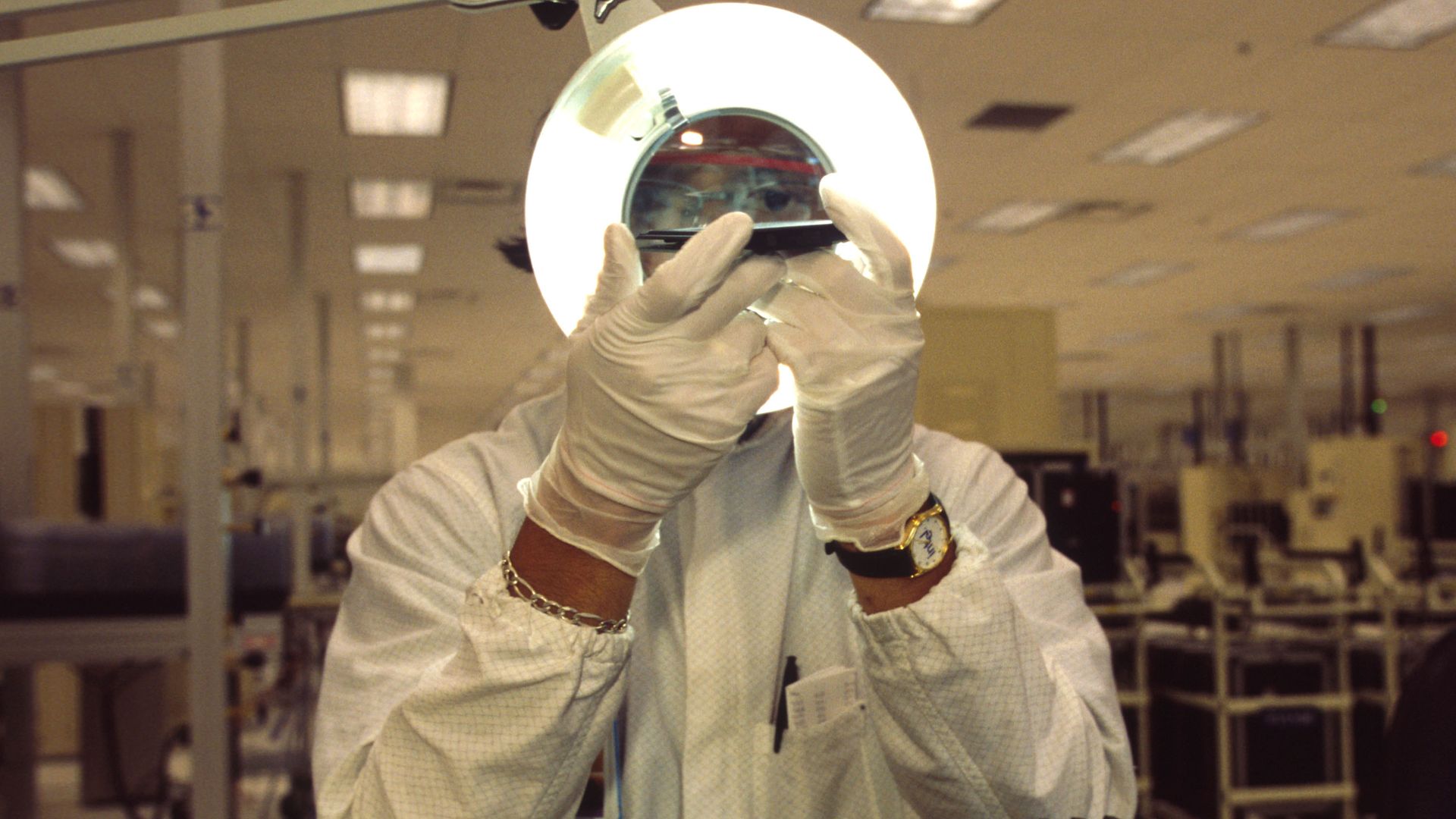
One of the most important and overlooked arenas of high-stakes tech competition is the global race among companies and nations to invent and manufacture the brains of future technologies — a rivalry for the commanding heights in advanced computer chips for artificial intelligence.
What's happening: For decades, U.S. companies have held the lead in chips. But now, they are losing ground. America's biggest chipmaker says Chinese companies could catch up with U.S. chip advances within 5 years.
Just 9 rich tech companies have come to dominate the development of AI. In the process they have made monumental errors, leading to privacy meltdowns and biased algorithms.
In a new book, New York University professor Amy Webb stakes out the controversial position that these companies — though they stirred up the trouble — are also the best hope to fix it.
While not a perfect barometer for web freedoms, Google's annual transparency report provides one of the oldest and most comprehensive datasets of government requests to censor or take down content.
Cellphone numbers have become a primary way for tech companies like Facebook to uniquely identify users and secure accounts, in some ways becoming a proxy for a national ID.
Why it matters: That over-reliance on cellphone numbers ironically makes them a less effective and secure authentication method. And the more valuable the phone number becomes as an identifier, the less willing people will be to share it for communication.
Quartz reports Tuesday that a California startup called Kobold, which has developed advanced methods to chase down supplies of cobalt, has won backing from the Bill Gates' Breakthrough Energy Ventures and the VC powerhouse Andreessen Horowitz.
Why it matters: Cobalt is a critical component in batteries needed for smartphones and the growth of EVs, so demand is growing.
New reports shows ways that fake news is hiding in plain sight in America, and how it's getting harder to track in real time.
Driving the news: An investigation by fact-checking company Snopes finds that a series of seemingly innocuous local websites, first reported last year by Politico, are being run by GOP consultants whose businesses are funded in part by candidates the websites cover.
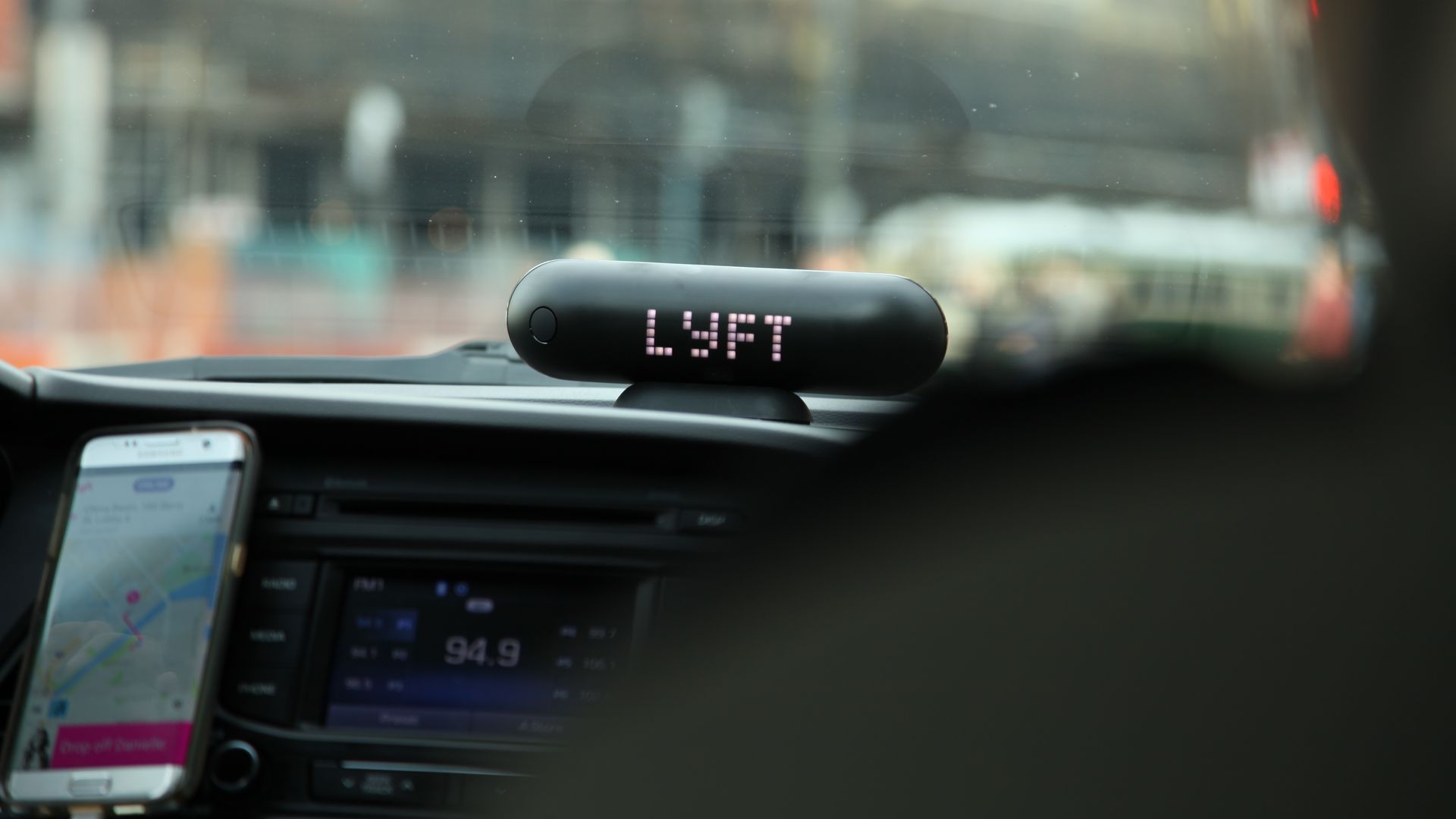
From Lyft’s IPO filing last week: The company acknowledged that it will have to brush up on health care privacy law as it expands into the industry.
How it works: Hospitals, clinics and other health care companies pay Lyft "platform" fees to help arrange rides for patients to their doctors' appointments.
Steven Spielberg made waves this week when he suggested a rules change that would disqualify movies from Oscars consideration that debut on streaming services or only appear in a short theatrical window. He argued they should be eligible for Emmy Awards instead.
Why it matters: Members of the creative community pushed back, arguing that Spielberg was attempting to preserve the old guard. Netflix tweeted in response that it gives people better access to movies and gives filmmakers more opportunities. Its film "Roma" received 3 Oscars this year, but was passed up for "Best Picture."
A global reckoning around the future of the internet is underway as autocratic regimes look to censor the internet in their countries, and races to develop new internet technologies, such as blockchain and 5G, heat up between the U.S. and China.
Why it matters: The next version of the internet could be split between countries that embrace an open web and isolationists that don't. It could also be fractured by different technologies that could fundamentally change the interconnected nature of the network and limit who can do business where.












/2019/03/06/1551835998018.gif?w=3840)