Snapchat is letting users buy products through a new advertisers' augmented reality feature in its app called "Shoppable AR."
Why it matters: It's one of the most sophisticated uses of augmented reality for marketing that's been rolled out to date — and now that people can buy things directly using the tool, it's likely to spur more investment in the technology.
Amazon is announcing a new program today that will allow people to create their own games and other programs for their Alexa-powered devices.
Why it matters: The move — part of Amazon's ever-growing expansion plans — could both boost loyalty to Amazon's platform and help people make their own devices more useful.
Lyft is launching a multi-million dollar effort to make all of its rides worldwide carbon neutral, the company announced Thursday.
How they're doing it: The plan, which will make Lyft one of the top voluntary purchasers of carbon offsets in the world, involves "the direct funding of emission mitigation efforts, including the reduction of emissions in the automotive manufacturing process, renewable energy programs, forestry projects, and the capture of emissions from landfills."
Amazon is an iceberg: People only see what's above the surface. Meanwhile, underneath, the company just keeps expanding.
Why you'll hear about this again: This has proven true time and time again. When people thought of Amazon as a bookstore, it was already on its way to being an e-commerce giant. When all people saw was an e-commerce giant, Amazon was well on its way to being a marketplace and web services provider.
FORTUNE editor-in-chief Clifton Leaf introduces the magazine's annual list of the World's 50 Greatest Leaders: “If 2018 becomes the year that the United States finally begins to tackle its disease of gun violence ... it will be due not to the good sense of elected officials, but rather to the courage, tenacity, and sheer eloquence of students."
The top five: The students of Marjory Stoneman Douglas and other schools; Bill and Melinda Gates, cofounders, The Gates Foundation; The #MeToo Movement; South Korean President Moon Jae-in; and Ken Frazier, Merck CEO.
In Amazon founder and CEO Jeff Bezos' annual letter to shareholders, he shares seven "essentials of what we’ve learned (so far) about high standards inside an organization" in this age of "customer empowerment."
His first rule: Intrinsic or Teachable? ... People "are pretty good at learning high standards simply through exposure. High standards are contagious."
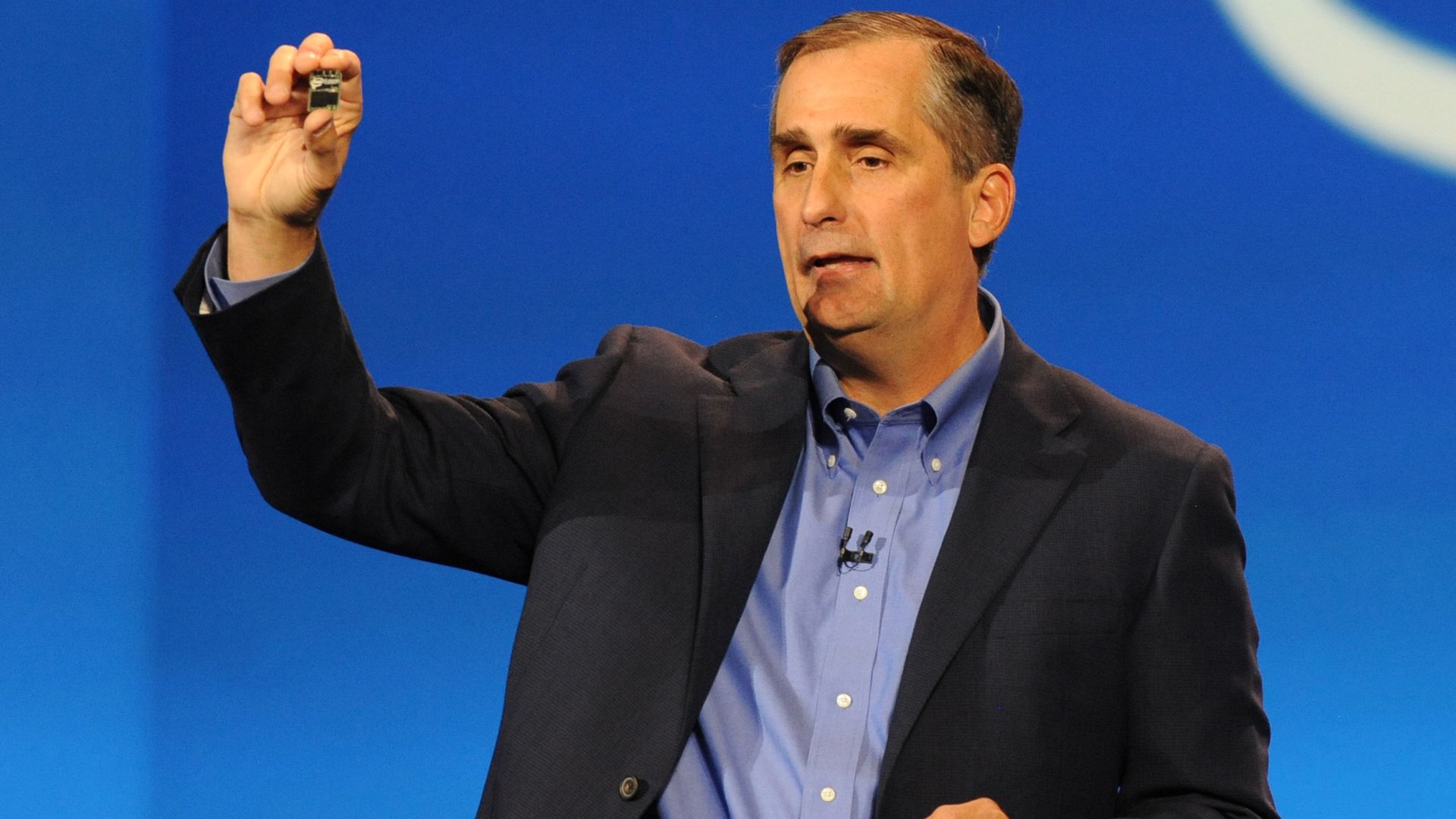
Intel said Wednesday night that it is halting work on its augmented reality glasses, confirming a report from The Information.
Why it matters: Under CEO Brian Krzanich, Intel has looked to move beyond its computer chip roots and explore areas including VR, AR, wearables and chips for small electronics. However, many of these efforts have been shuttered with few or no products making it to market.
John T. Stankey, Senior EVP of the AT&T/Time Warner merger said that if AT&T and Time Warner were to merge, it wouldn't be in the combined company's best interest to work with another vertically-integrated company, such as Comcast/NBCUniversal, to together restrict their content from digital distribution competitors, or "skinny bundles."
Why it matters: The DOJ has argued that the merger will give two big companies with both content and distribution services an incentive to team up and simultaneously hold back their content from upcoming internet skinny bundle rivals, like YouTube TV or Dish's Sling TV.
Chipmaker Qualcomm confirmed to Axios it is in the process of job cuts, but declined to say how many employees were being laid off. "As part of the cost reduction plan announced in January, Qualcomm is conducting a reduction of our full-time and temporary workforce," the company said in a statement.
Why it matters: The company announced plans to cut costs in January as it grappled with a number of factors including a hostile takeover bid from Broadcom, a legal dispute with Apple as well as antitrust issues around the globe.
The head of a major U.S. tech trade group made an alarming claim to lawmakers Wednesday: new European data privacy rules will cost lives.
Why it matters: Major U.S. tech companies are working to comply with the EU's General Data Protection Regulation that goes into effect next month, even as they try to head off potential privacy regulations stateside.
Facebook Inc. is assembling a design team to create semiconductors that would enable the social media company to reduce its dependence on chip-making giants like Intel and Qualcomm, Bloomberg reports.
Why it matters: This would give the company "finer control over product development and would be able to better tune its software and hardware together," Bloomberg noted. Facebook could use the chips to operate hardware devices, artificial intelligence software and servers at its data centers.
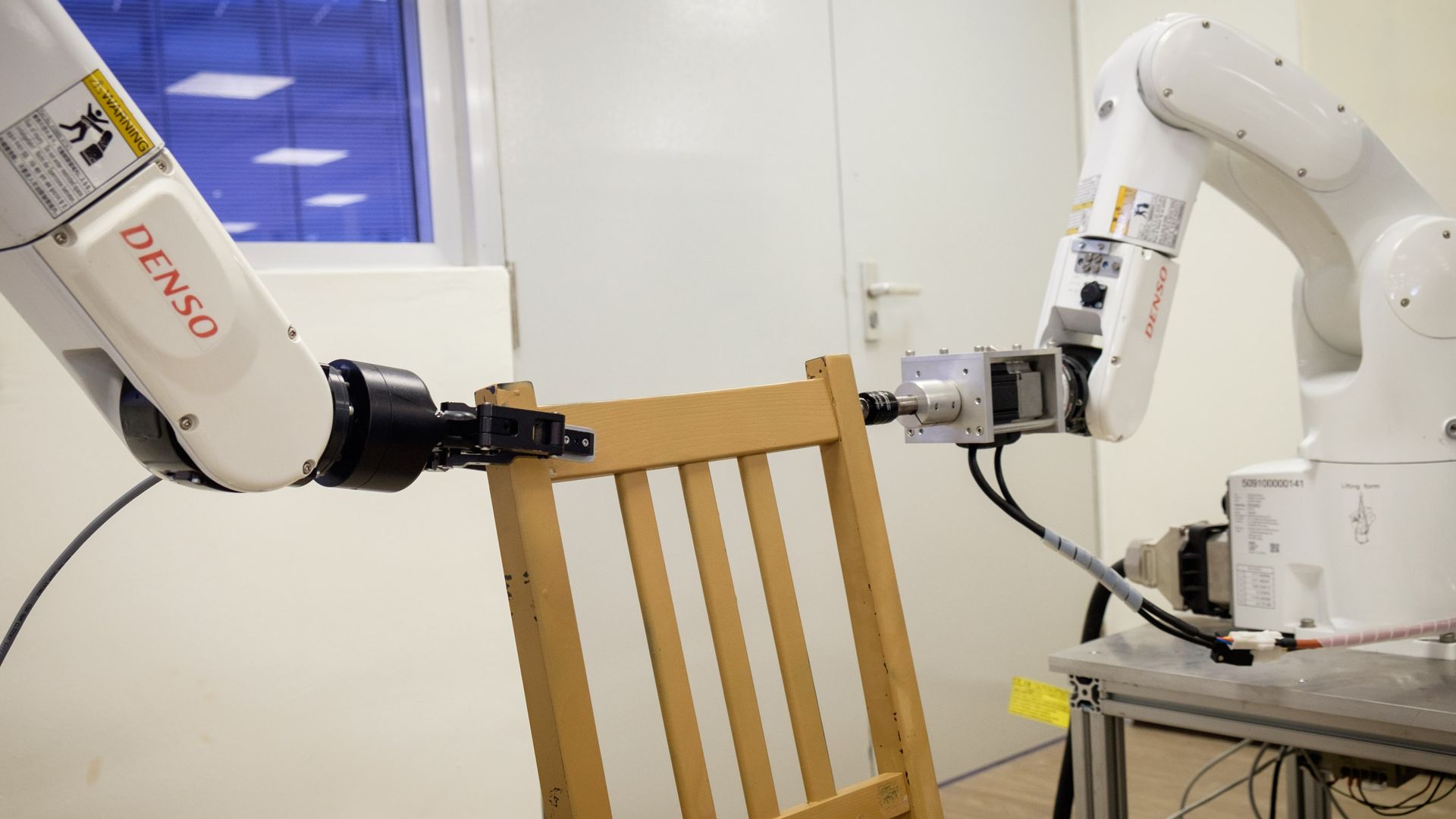
A robot is able to put together an IKEA chair in about 20 minutes, researchers report in a study published in Science Robotics on Wednesday.
Why it matters: The relatively complex task involves what tends to be considered human traits — fine-motor movements, hand-eye coordination, and proper calibration of the amount of force needed to put something together. This brings robots closer to fully autonomous functions that could be applied to multiple industries.
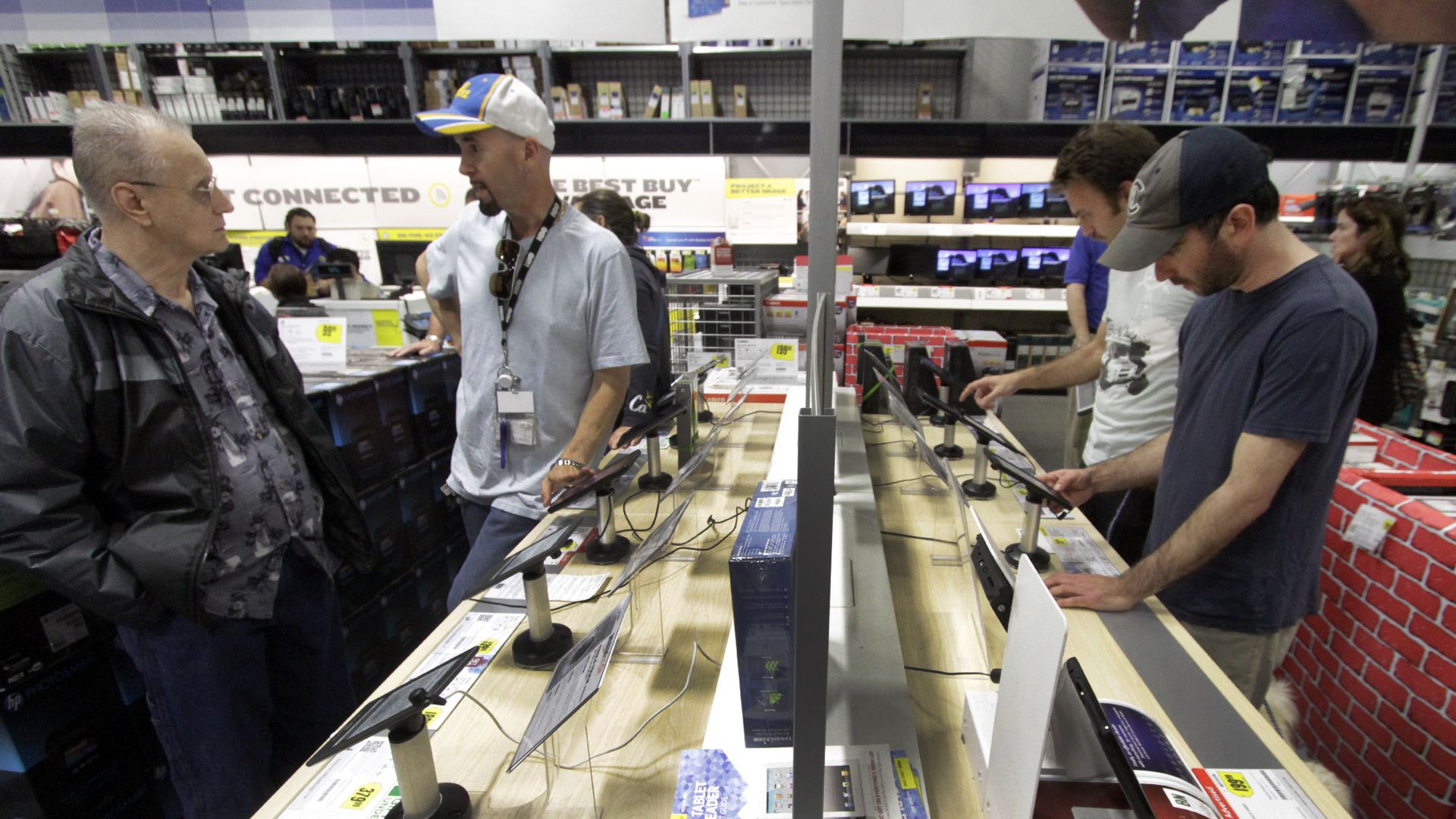
Amazon has a deal to exclusively sell its new line of Fire smart TVs at Best Buy beginning this summer, a big step for the e-commerce giant toward bringing its products to brick-and-mortar stores, reports AP.
The big picture, via Axios' Ina Fried: It’s an unlikely partnership as the two companies compete in most areas. That said, TVs are often bought in retail stores and the move helps Amazon's Fire TV better compete against Roku and Google as manufacturers increasingly build smart TV capabilities directly into TV sets.
The terrifying engine loss on a Southwest flight may have been caused by a fan blade that broke off from one of the two engines, per the Philadelphia Inquirer.
Why it matters: Less than a year ago, the FAA and the engine’s manufacturer drew attention to problems with metal fatigue on the fan blades in the CFM56 engine series, which this plane has, after a similar incident in 2016, also a Southwest plane.
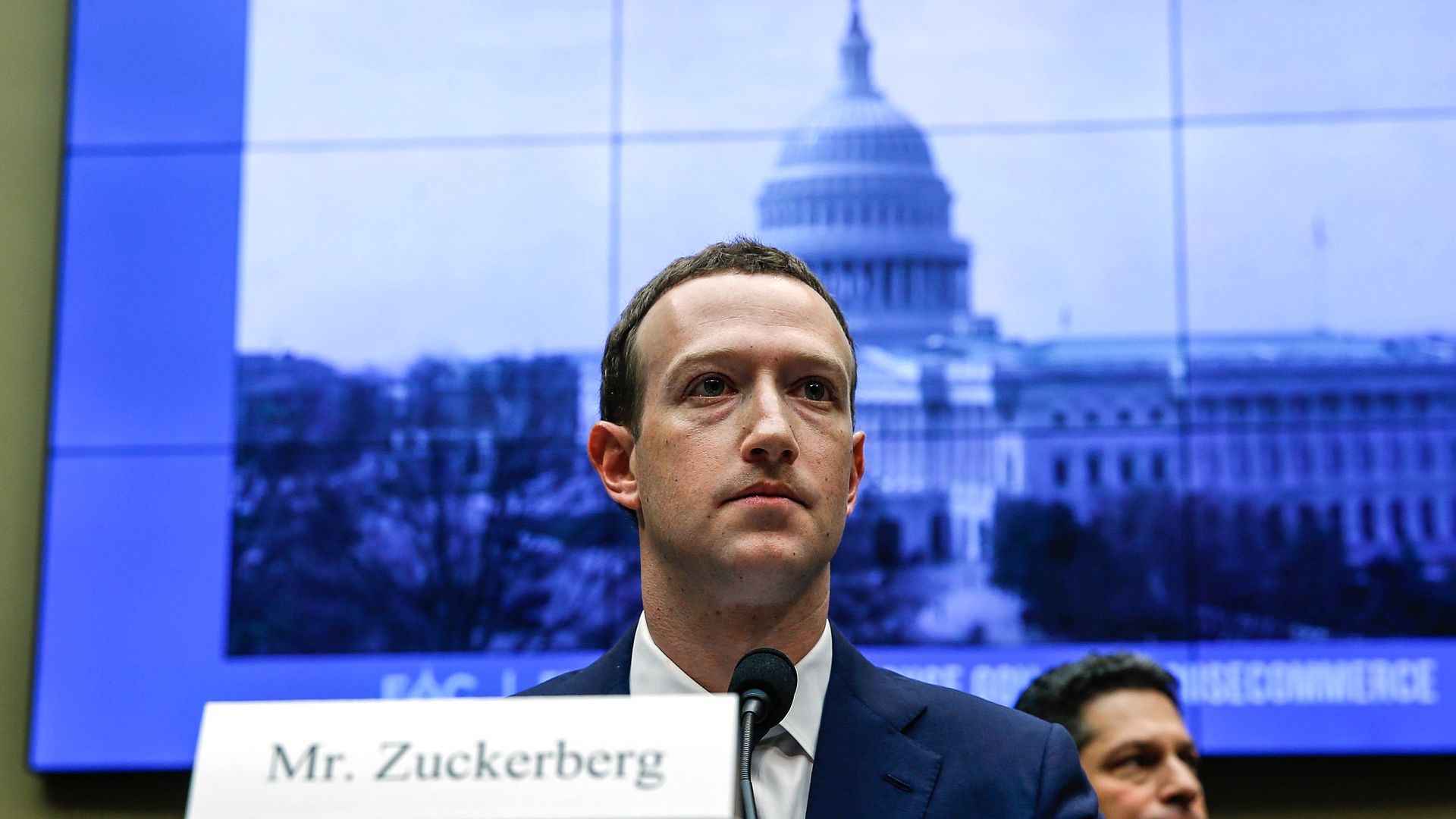
Lawmakers fired up by Mark Zuckerberg's testimony are homing in on privacy as their Big Tech target, with most active attempts to regulate the industry focusing on companies' use of consumer data.
Why it matters: That means other issues — like competition, or the health impact of social-network overuse — aren’t getting much attention.
Artificial intelligence is a much-discussed buzzword in boardrooms around the world, but a lot of companies are still keeping it at arm's length, fearful that it's too complex and won't pay off fast enough, according to McKinsey Global Institute, a think tank.
Why it matters: In a study released today, McKinsey ferrets out 400 practical current use cases for AI that it says could be worth $3.5 trillion a year in savings and sales.
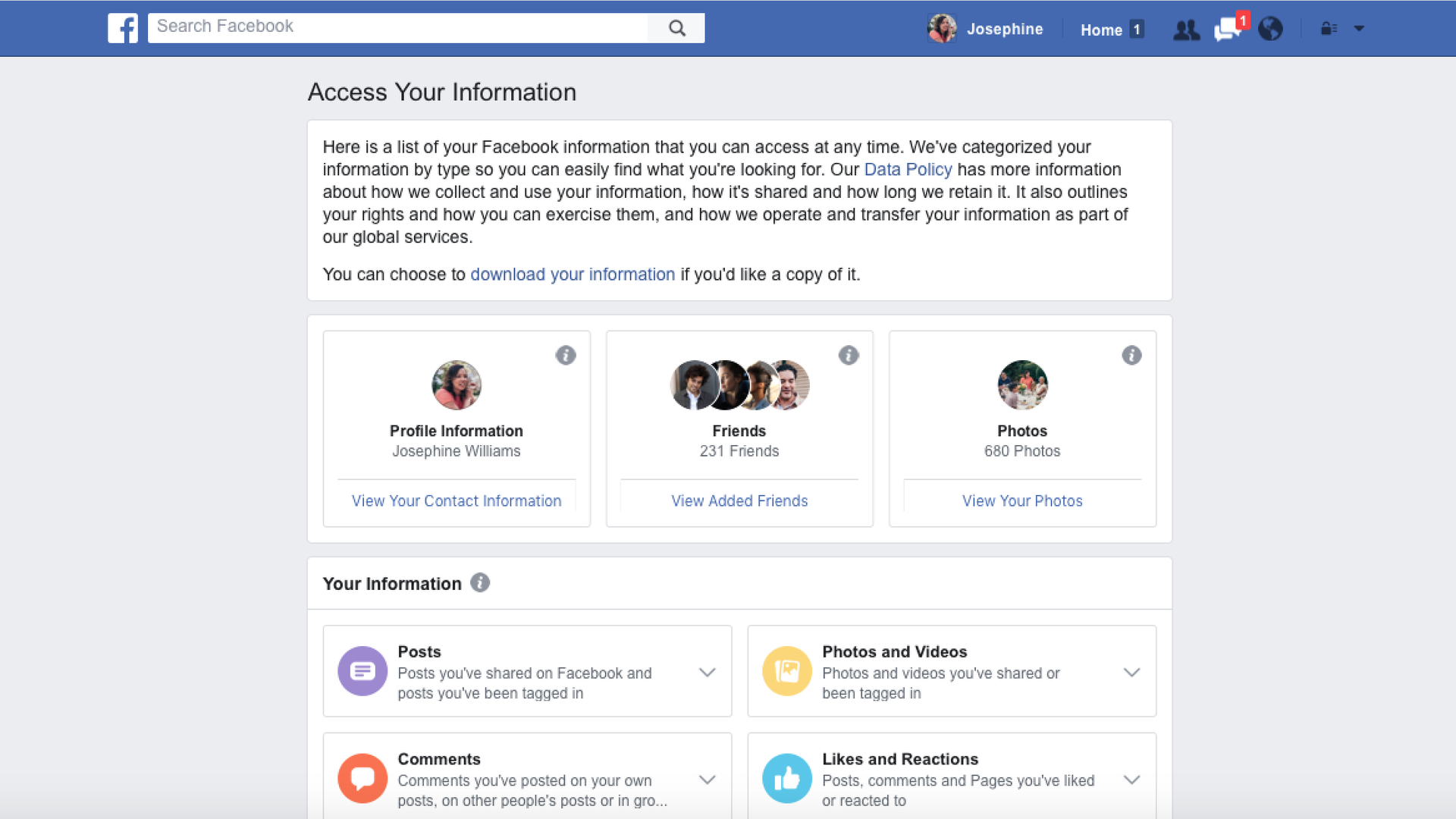
Facebook on Tuesday debuted changes it is making to privacy controls as European data protection rules go into effect next month. With the changes, Facebook users will have more options to view and download data stored on Facebook, as well as an easy way to tell Facebook not to use third-party data as part of its ad targeting.
The bottom line: While Facebook is offering the same tools to users globally, they will show up first in Europe this week, arriving for other users "in the coming weeks and months."













/2018/04/17/1523999066068.gif?w=3840)