The head of a major U.S. tech trade group made an alarming claim to lawmakers Wednesday: new European data privacy rules will cost lives.
Why it matters: Major U.S. tech companies are working to comply with the EU's General Data Protection Regulation that goes into effect next month, even as they try to head off potential privacy regulations stateside.
Facebook Inc. is assembling a design team to create semiconductors that would enable the social media company to reduce its dependence on chip-making giants like Intel and Qualcomm, Bloomberg reports.
Why it matters: This would give the company "finer control over product development and would be able to better tune its software and hardware together," Bloomberg noted. Facebook could use the chips to operate hardware devices, artificial intelligence software and servers at its data centers.
A robot is able to put together an IKEA chair in about 20 minutes, researchers report in a study published in Science Robotics on Wednesday.
Why it matters: The relatively complex task involves what tends to be considered human traits — fine-motor movements, hand-eye coordination, and proper calibration of the amount of force needed to put something together. This brings robots closer to fully autonomous functions that could be applied to multiple industries.
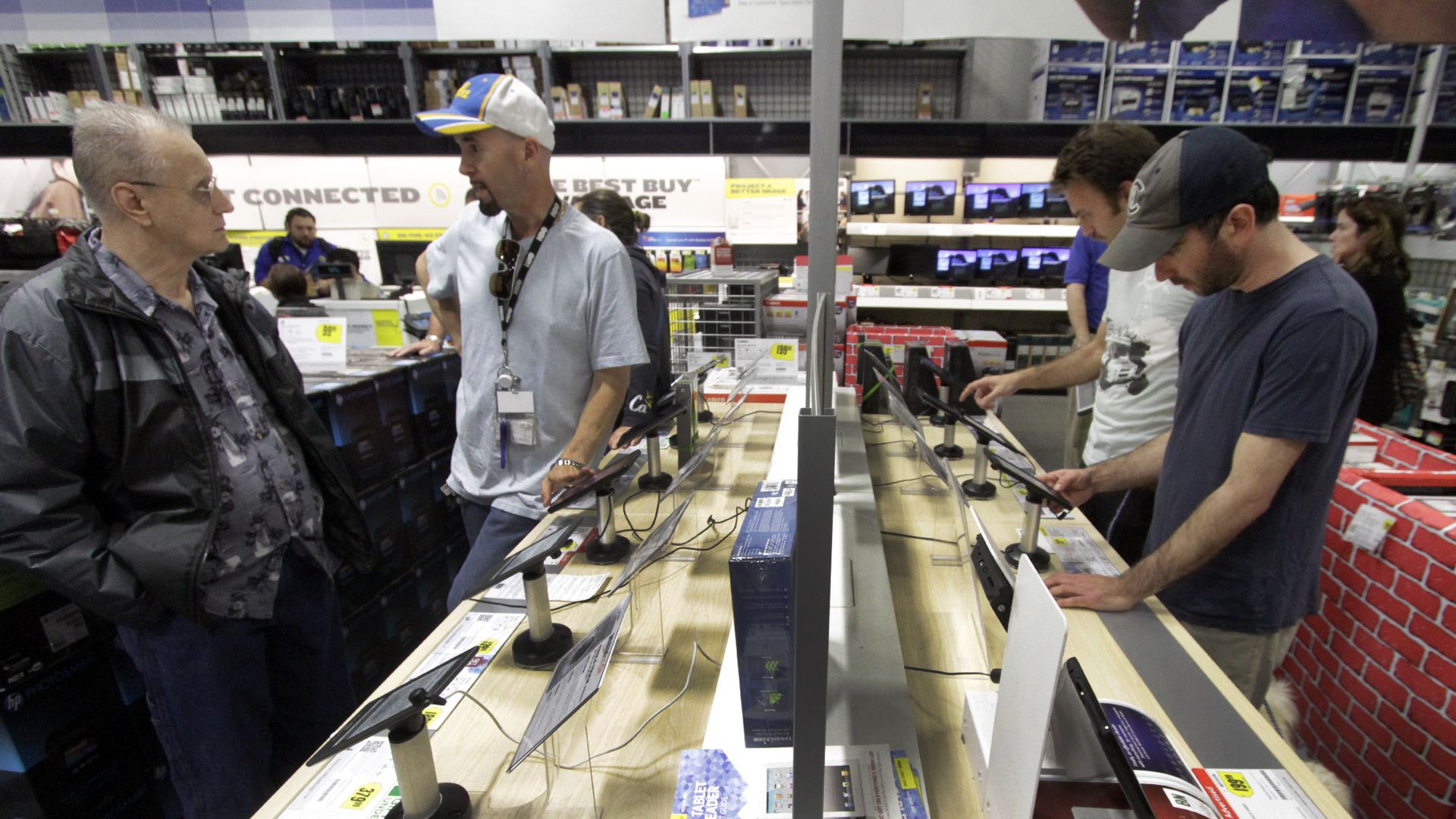
Amazon has a deal to exclusively sell its new line of Fire smart TVs at Best Buy beginning this summer, a big step for the e-commerce giant toward bringing its products to brick-and-mortar stores, reports AP.
The big picture, via Axios' Ina Fried: It’s an unlikely partnership as the two companies compete in most areas. That said, TVs are often bought in retail stores and the move helps Amazon's Fire TV better compete against Roku and Google as manufacturers increasingly build smart TV capabilities directly into TV sets.
The terrifying engine loss on a Southwest flight may have been caused by a fan blade that broke off from one of the two engines, per the Philadelphia Inquirer.
Why it matters: Less than a year ago, the FAA and the engine’s manufacturer drew attention to problems with metal fatigue on the fan blades in the CFM56 engine series, which this plane has, after a similar incident in 2016, also a Southwest plane.
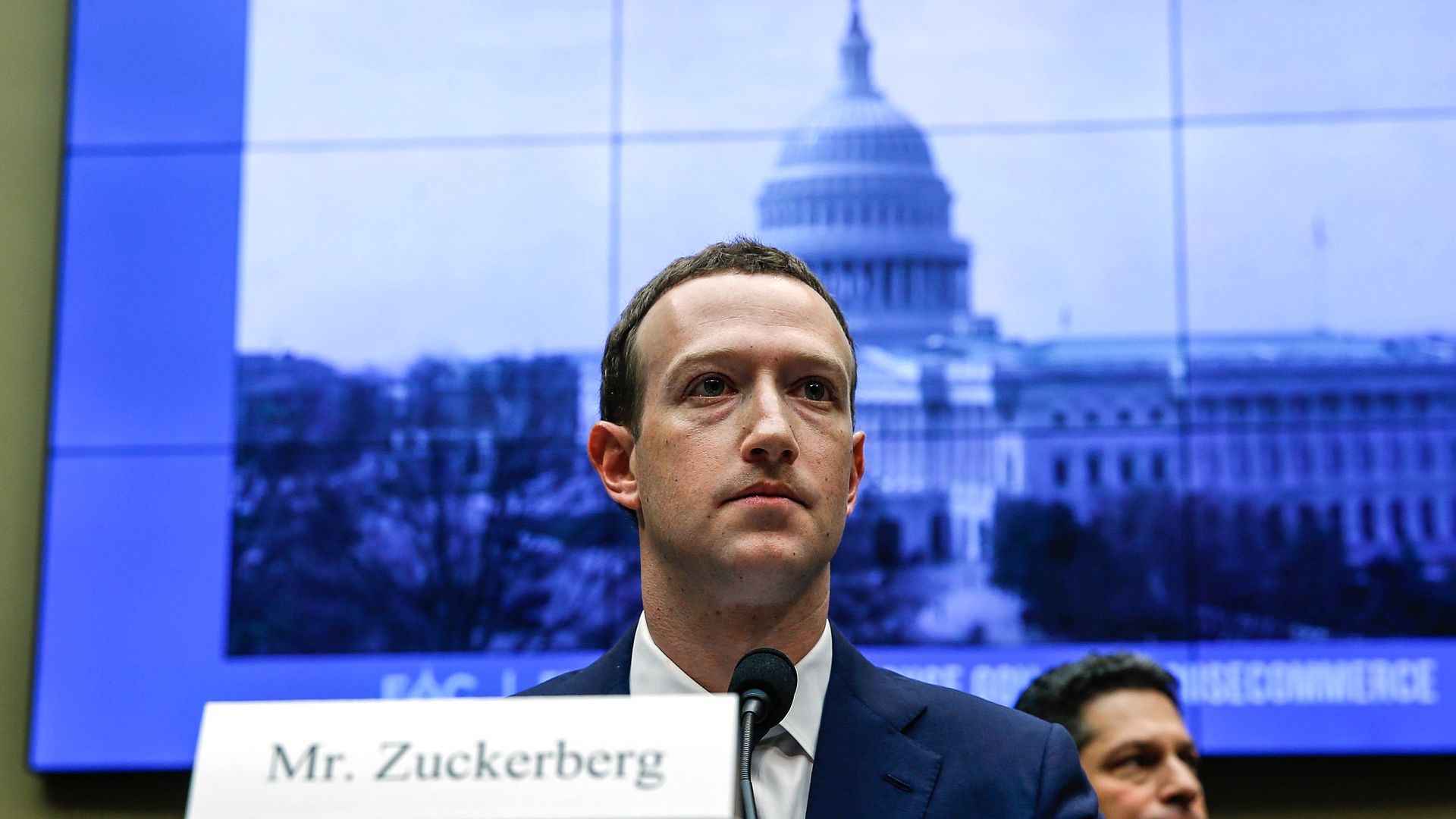
Lawmakers fired up by Mark Zuckerberg's testimony are homing in on privacy as their Big Tech target, with most active attempts to regulate the industry focusing on companies' use of consumer data.
Why it matters: That means other issues — like competition, or the health impact of social-network overuse — aren’t getting much attention.
Artificial intelligence is a much-discussed buzzword in boardrooms around the world, but a lot of companies are still keeping it at arm's length, fearful that it's too complex and won't pay off fast enough, according to McKinsey Global Institute, a think tank.
Why it matters: In a study released today, McKinsey ferrets out 400 practical current use cases for AI that it says could be worth $3.5 trillion a year in savings and sales.
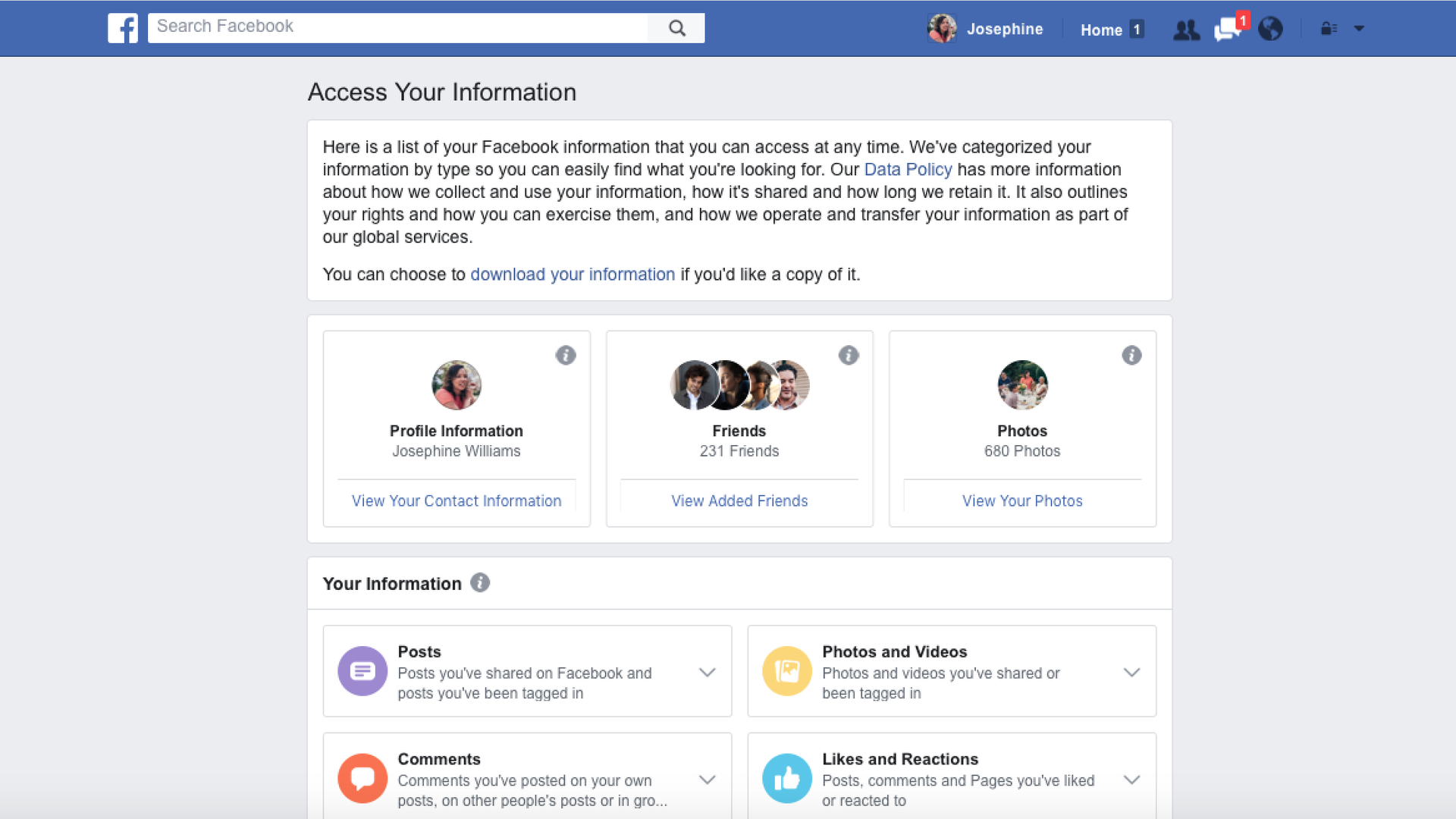
Facebook on Tuesday debuted changes it is making to privacy controls as European data protection rules go into effect next month. With the changes, Facebook users will have more options to view and download data stored on Facebook, as well as an easy way to tell Facebook not to use third-party data as part of its ad targeting.
The bottom line: While Facebook is offering the same tools to users globally, they will show up first in Europe this week, arriving for other users "in the coming weeks and months."
The Federal Communications Commission is steaming ahead with a proposal to ban some telecom equipment makers from a subsidized purchase program.
Why it matters: The proposal, which the FCC is expected to put up for public comment Tuesday, affects companies that "pose a national security threat to America's networks." It's part of a Washington-wide effort to choke off Huawei and ZTE's access to the U.S. market over fears they are too close to the Chinese government.
Netflix stock beat Wall Street expectations for user growth and revenue in the first quarter of 2018, adding 7.41 million new subscribers to bring its total worldwide to 125 million.
The big picture: A strong Q4 had analysts and investors worried that the streaming giant wouldn't be able to recreate its blockbuster success. But Netflix plans to drop a whopping $7.5 billion to $8 billion on content for 2018, with executives forecasting that free cash flow will be roughly negative $3 - $4 billion in 2018. They expect this trend to continue for several years as they pour cash into original content.









/2018/04/17/1523999066068.gif?w=3840)