Facebook's new survey to determine a publication's trustworthiness is composed of two questions, per BuzzFeed: "Do you recognize the following website," and "How much do you trust each of these domains?"
Why it matters: The effort to rank news outlets on the platform is a major step towards weeding out bad content and misinformation on Facebook.
Our thought bubble: The survey seems rather short, which is likely an effort to entice users to complete it.
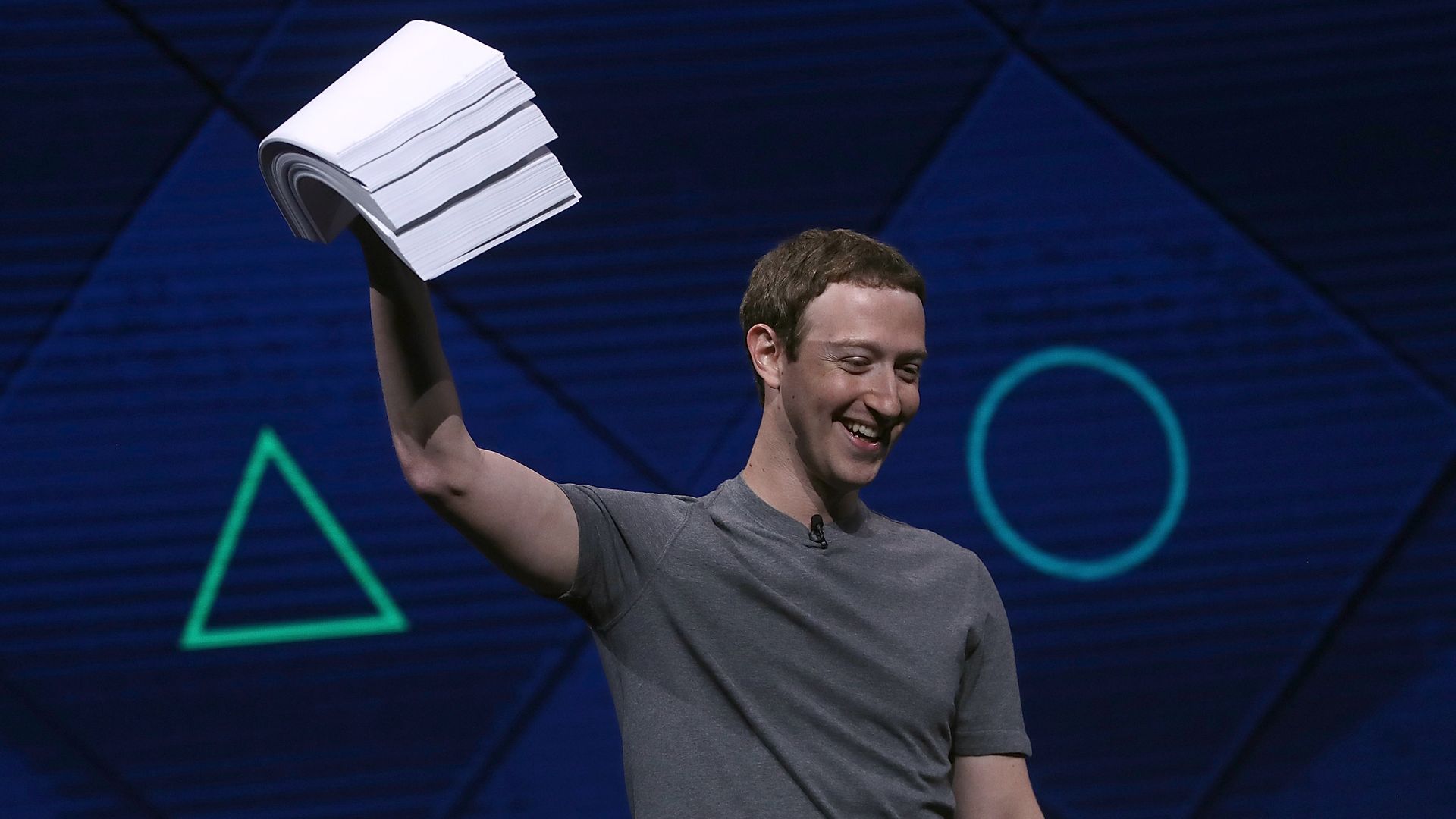
Facebook CEO Mark Zuckerbergsaid in a Facebook post last week that this "will not change the amount of news you see on Facebook. It will only shift the balance of news you see towards sources that are determined to be trusted by the community."
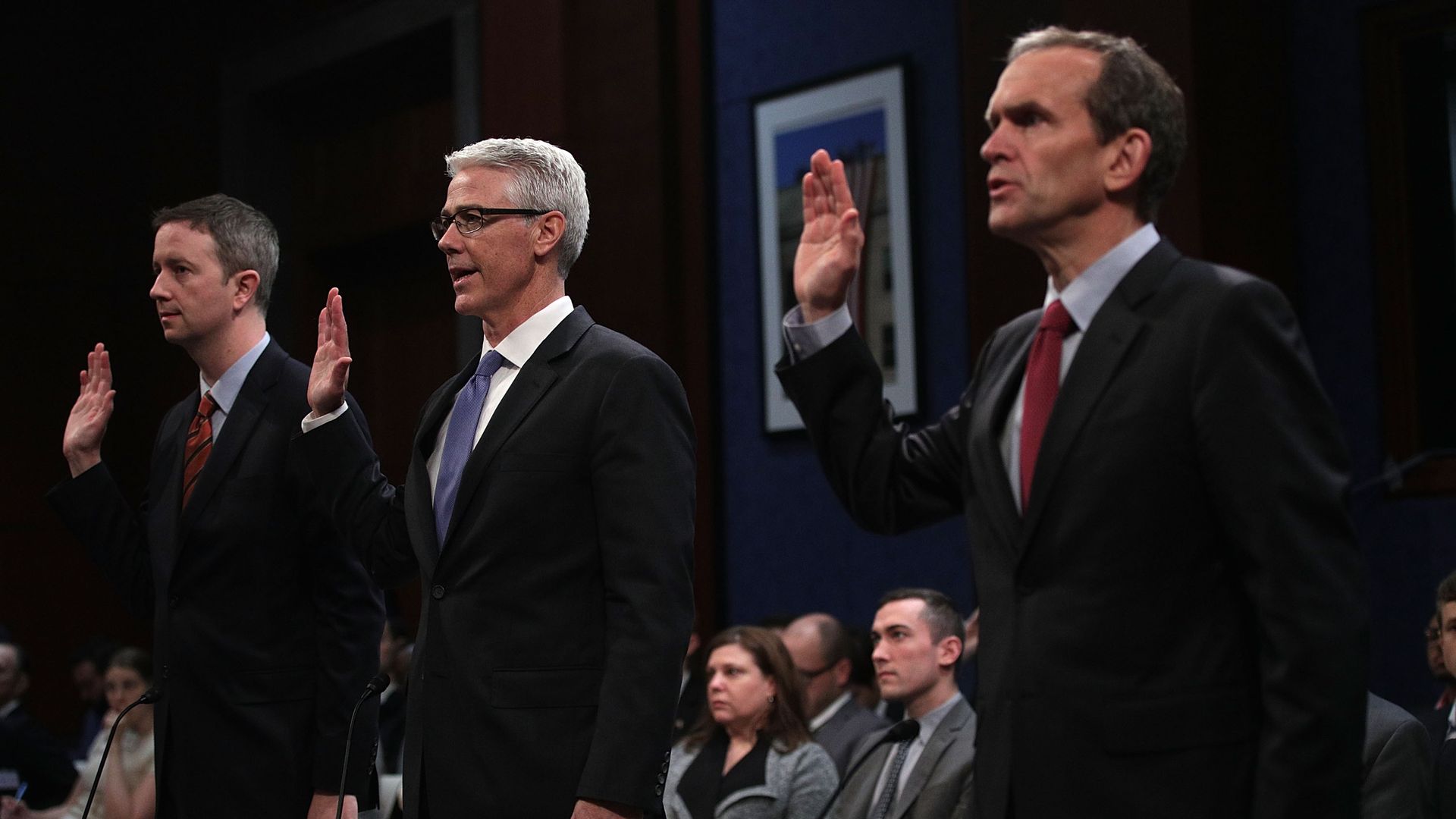
Facebook chief marketing officer Gary Briggs is retiring after more than four years on the job, he posted on Facebook. Separately, Yann LeCun, an artificial intelligence pioneer Facebook hired in 2013 to run its A.I. research unit, will now be the company's chief A.I. scientist, according to Quartz.
Why it matters: Though Briggs will stick around to help Facebook hire his replacement, the move comes at a time when the company is facing growing questions about its influence.
Meanwhile, LeCun's new role is reflective of the increasing importance of A.I. in Facebook's products, thus the need for an executive overseeing both research efforts and product applications.
Uber has hired Bo Young Lee as its first-ever chief diversity and inclusion officer, following a recommendation from U.S. Attorney General Eric Holder's report on addressing culture issues at the company, Recode reports. Uber already has a head of global diversity, Bernard Coleman, but Lee's position will be higher in the company hierarchy.
Why it matters: It's one of a number of executive hires at Uber since Holder's report was released. Under new CEO Dara Khosrowshahi, Uber has also added a chief legal officer and a chief operating officer.
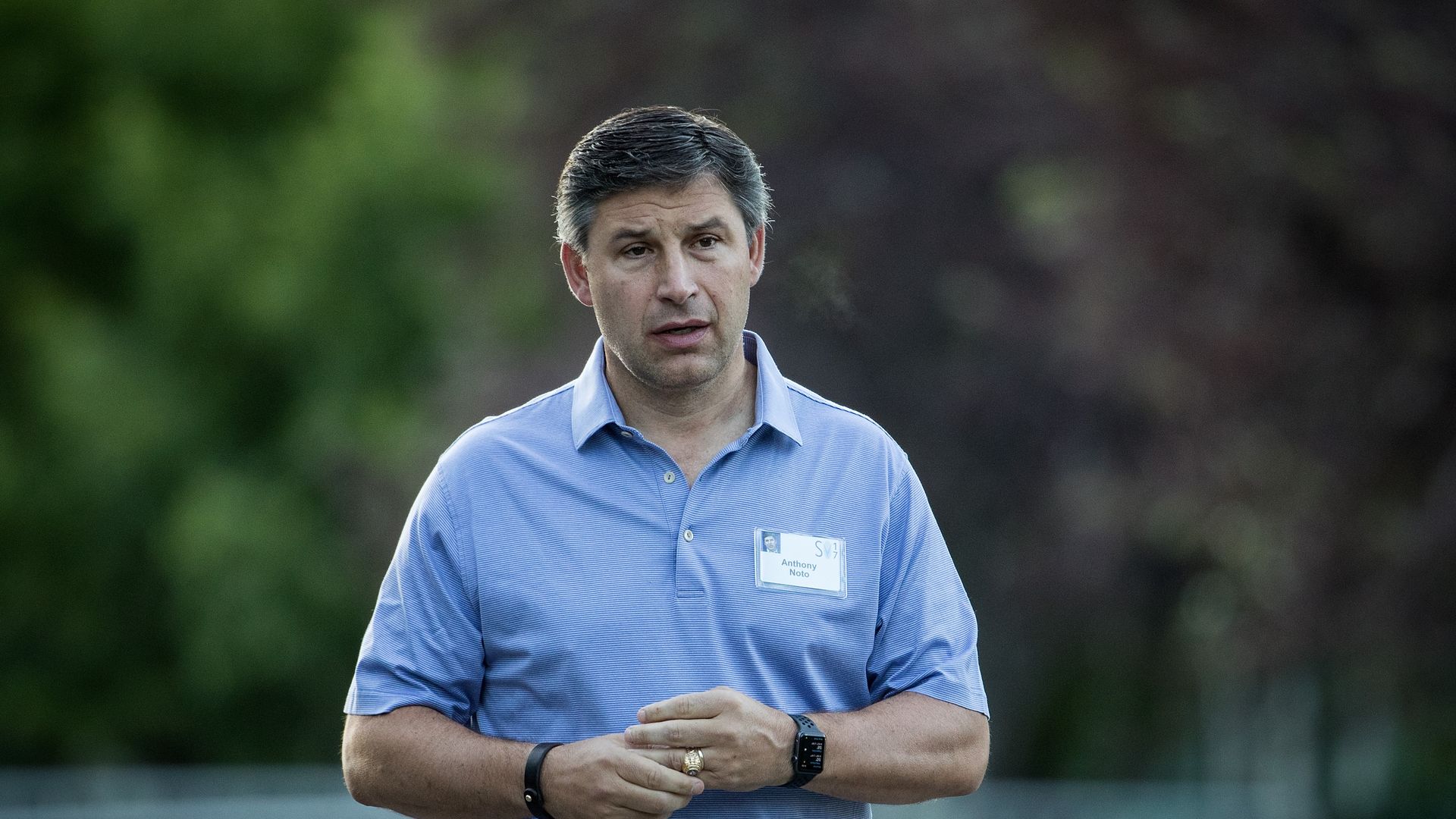
Twitter COO Anthony Noto is leaving the company to become CEO of Sofi, the loan tech company announced on Twitter. Twitter's stock was down over 3% Tuesday morning following the news.
Why it matters: It's a big loss for Twitter. Noto turned Twitter's finances around with the recent live video and video ad push, bringing the company closer to profitability than it has ever been since going public four years ago.
Nominations for the 90th Academy Awards were announced Tuesday morning on the heels of what might be an unforeseeable, politically charged awards season.
The backdrop: This year’s Oscars comes at tumultuous period for Hollywood and the movie industry, after dozens of women last year made accused renown film producer Harvey Weinstein of making unwanted sexual advances. (The Academy of Motion Picture Arts and Sciences voted overwhelmingly to expel him).
Snapchat is launching a new feature that will let users share "Stories" (strings of user-generated or professionally-created photos and videos) outside of its app. The company says the ephemeral nature of its platform is still important, so Stories will only be available off-platform for up to 30 days, depending on the type of content that's shared.
Why it matters: Snapchat rebranded itself as a "camera" company last year,and prides itself on fostering a creative environment that empowers users to create and customize content in a way they wouldn't on other platforms. This effort could be seen as a way for Snapchat make more money off of that original content.
Apple will finally begin to ship its $349 HomePod speaker on February 9, the company said on Tuesday. Customers can begin pre-ordering this Friday.
Background: Apple’s Siri-powered entry in the smart speaker category was originally supposed to ship last year, after it was unveiled in June. It's already behind Amazon's Echo line of speakers and the Google Home.
DuckDuckGo started a decade ago as a privacy-friendly search engine alternative to Google that doesn't collect your personal information. Now, facing the data-collection dominance of Facebook and Google, it's seeing anonymous searching spike and is expanding beyond the search box.
Why it matters: Google and Facebook track individuals' online behavior to tailor advertising based on those preferences. With data breaches on the rise, along with concerns over election manipulation through targeted ads, DuckDuckGo is pitching itself as an "internet privacy company" by launching encrypted private browsing that blocks trackers.
Digital publishers are fed up with Google and Facebook hosting their content without paying for it. Several are calling for, or predicting, a relationship between web platforms and digital content providers that mimics the carriage relationships between TV networks and cable and satellite companies.
Why it matters: Platforms are looking to host more premium content, especially long-form video, as people migrate away from traditional TV. Their push for those ad dollars is empowering content creators with video expertise to demand premiums for the content they can provide.
Bottom line: The pendulum is swinging in content companies' favor.
Netflix blew past investor expectations Monday, adding more subscribers and revenue than forecast and plans to spend more on content than ever before.
Why it matters: It's another reminder for Pay-TV providers and TV networks that the traditional cable bundle can't compete with the power of on-demand.
The trend: McClendon is one of a small (but possibly growing) number of techies returning home from Silicon Valley to partake in politics. Last month, former Groupon executive and tech entrepreneur Suneel Gupta announced his run for Congress to represent Michigan's 11th district, where he grew up.
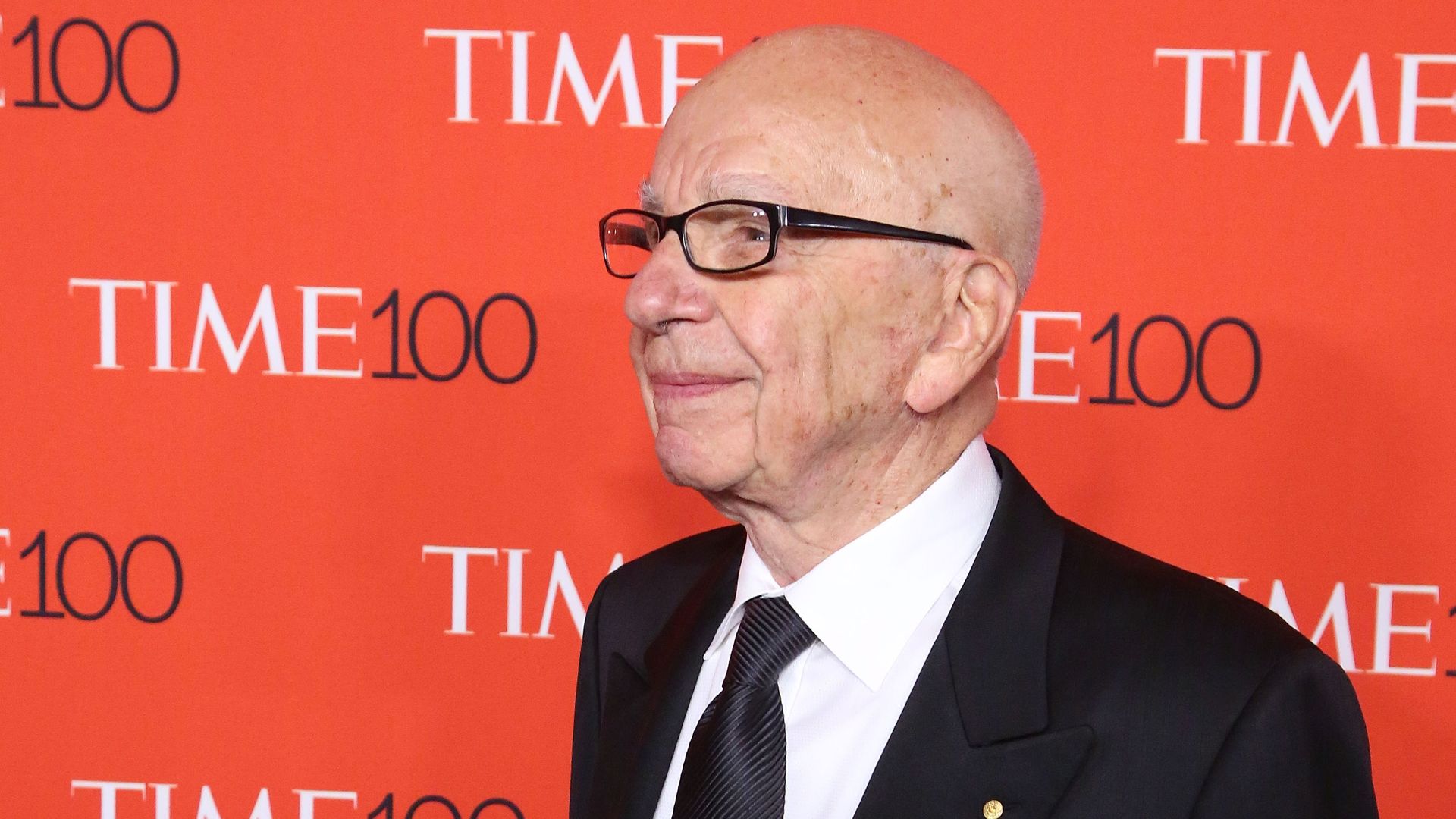
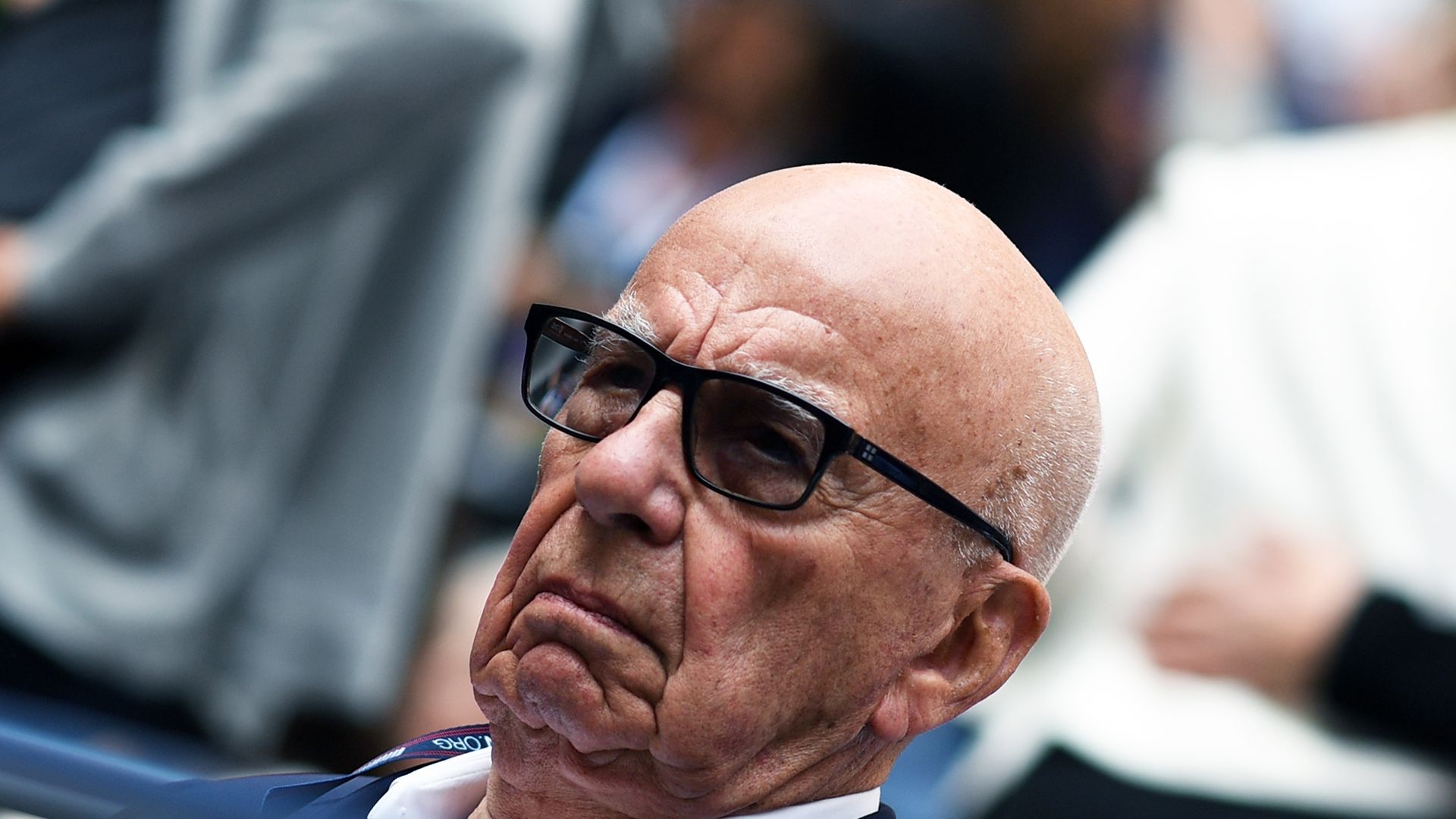
Rupert Murdoch, a longtime opponent of Google and Facebook's media dominance, released a statement Monday calling for Facebook to pay trusted publishers a carriage fee for their content — similar to the model adopted between cable companies and TV networks.
Why it matters: Murdoch's sentiments have been echoed by other leaders in digital media that argue the current distribution landscape is unsustainable and will collapse if it doesn't strike a symbiotic relationship between distributors and content creators.
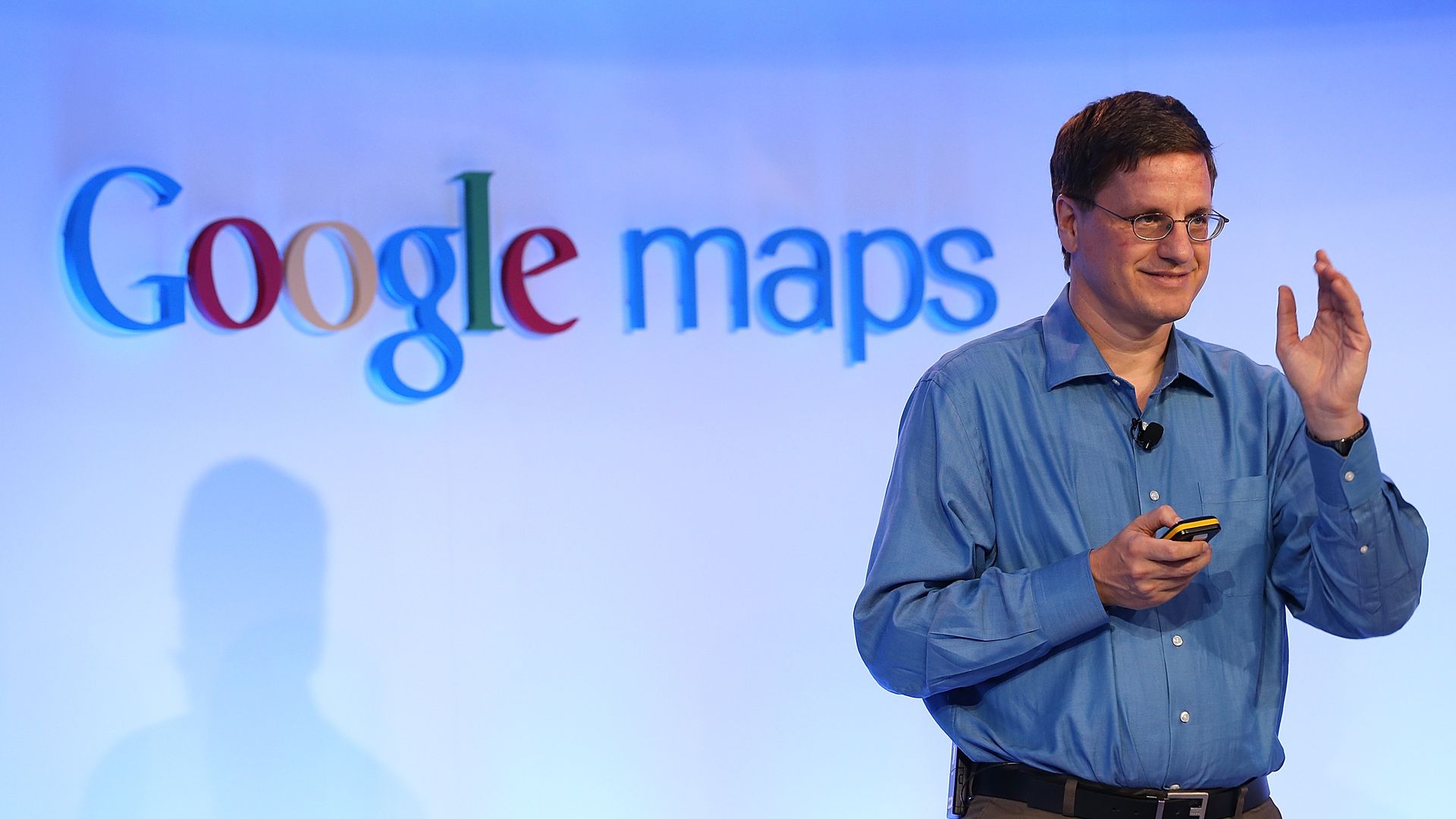
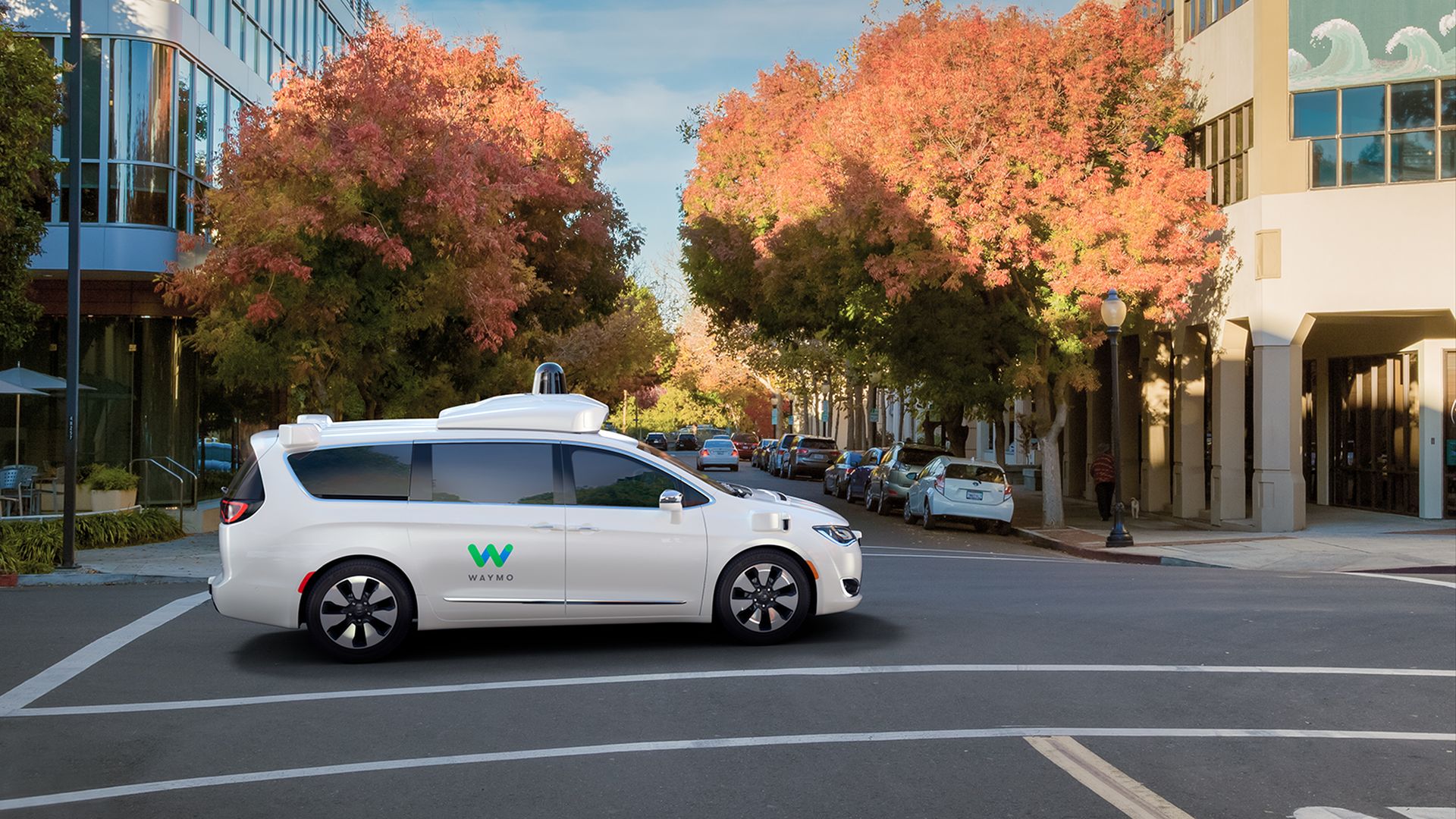
Waymo, Alphabet's self-driving car unit, is testing its vehicles in Atlanta, the company said on Monday. Though it's already been mapping the area and running tests, there's no word yet on any plans to ferry passengers.
The big picture: Waymo has been extensively testing its autonomous driving technology in the Bay Area and Phoenix, with Atlanta becoming the 25th city where its cars are tested. The more it can test its cars in a variety of locations, the more data it can collect to bolster its technology.
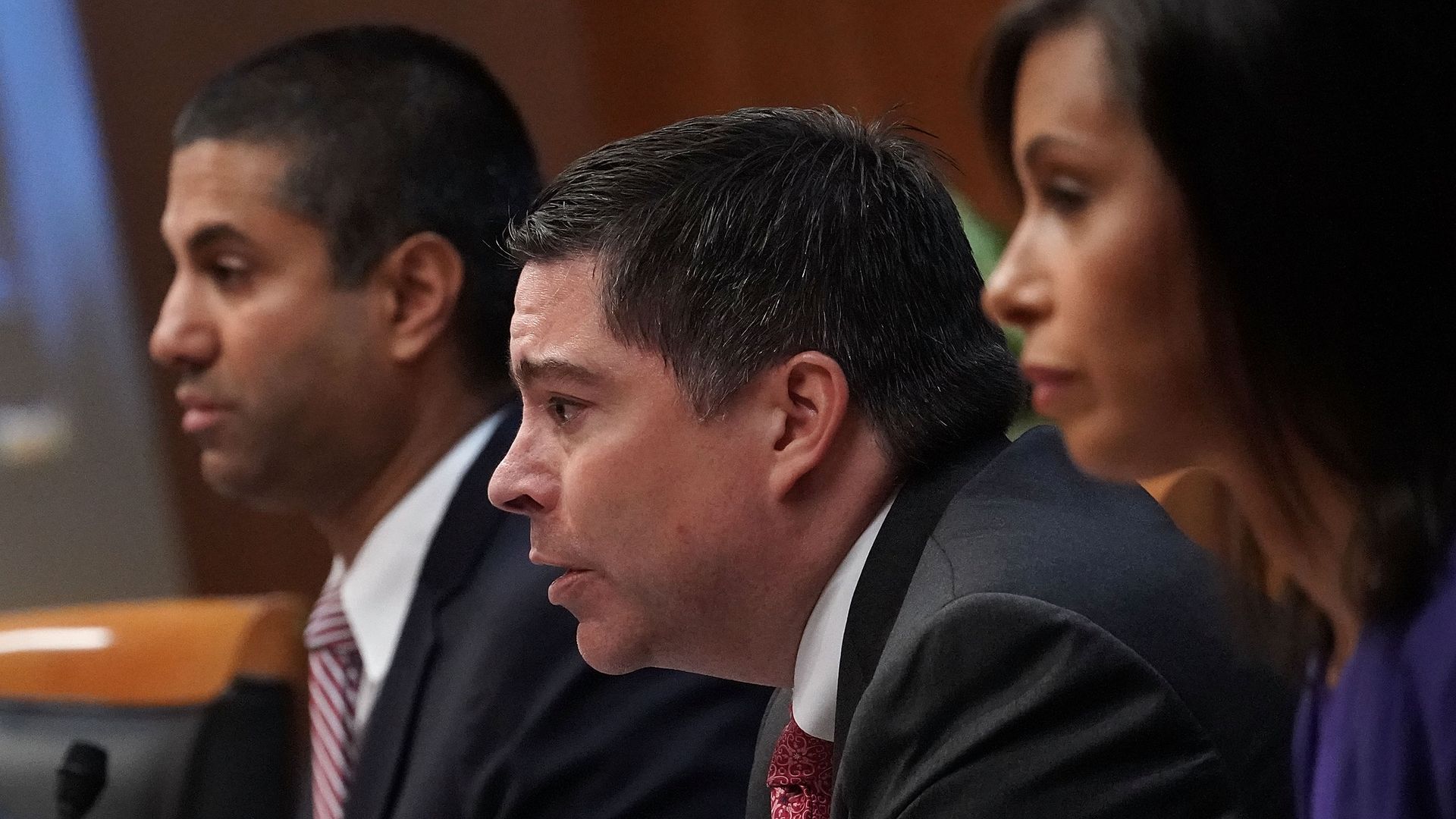
One of the Federal Communications Commission's Republican commissioners said Monday that regulators should not crack down on big tech companies like Facebook and Google.
Why it matters: Heavily-regulated internet service providers like AT&T and Verizon are increasingly trying to compete with Google and Facebook, which are not as regulated and together control the market for digital ads. The internet providers and web firms that rely on their services are often at odds in policy debates. For example, FCC Chairman Ajit Pai argued that web platforms are a greater threat to online freedom than internet service providers.
Uber CEO Dara Khosrowshahi says that despite a year of scandals and turmoil, the company's business is quite strong, if nowhere near profitable.
"Business is actually surprisingly good for everything that the company went through," Dara Khosrowshahi said Monday, speaking at the DLD18 conference in Munich.
Yes, but: "The part of the business that is not going well is the profitability part. We have some details to work out."
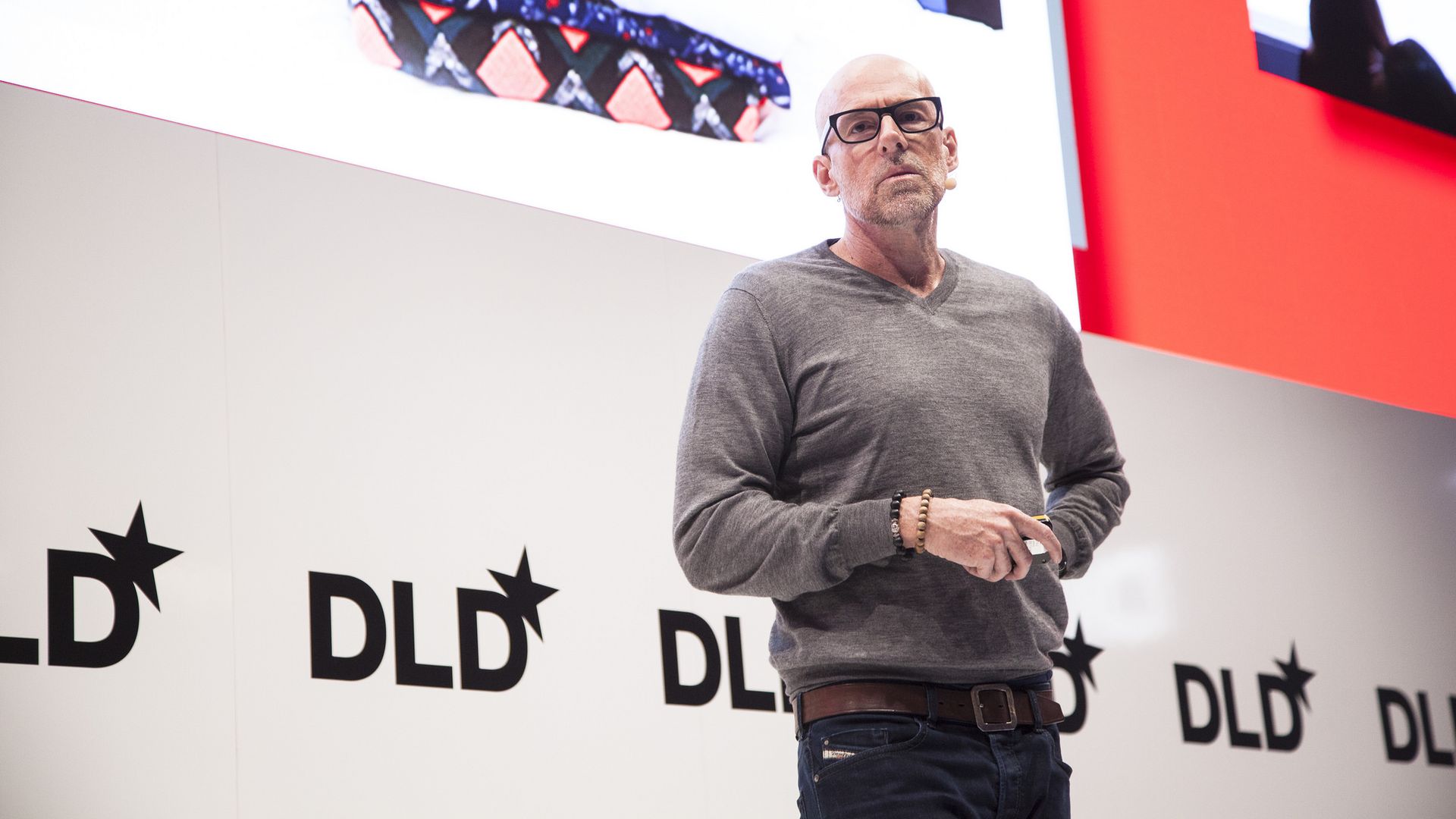
When NYU professor Scott Galloway began The Four, his book on Apple, Google, Amazon and Facebook, he thought it was a love letter. Now he says it's time to break up the companies.
Why it matters: In a year where the biggest tech companies have been widely criticized, regulators may have more inclination than ever to look at their business practices.
In a slew of blog posts Monday morning, the tech giant addresses ways it thinks its technologies have both hurt and helped democracy around the world. In the end, Facebook Civic Engagement Product Manager Samidh Chakrabarti says he can't guarantee that "positives are destined to outweigh the negatives" but that the company has a "moral duty" to understand how its technology is affecting democracy, for better or worse.
Why it matters: The posts show a continued effort on Facebook's end to be more transparent about the ways its platform has steered away from its original mission of promoting openness and democracy.
Major conditions imposed by regulators as part of Comcast's merger with NBCUniversal expired Saturday, renewing debate over AT&T's takeover of Time Warner that the Justice Department is trying to block.
Why it matters: When approving the merger in 2011, the Justice Department and Federal Communications Commission required Comcast-NBCUniversal to abide by more than 150 conditions. As they phase out, some worry the media giant will engage in anti-competitive behavior that the conditions were designed to prevent — especially with the FCC's net neutrality rules also going away. (Comcast says it won't.)
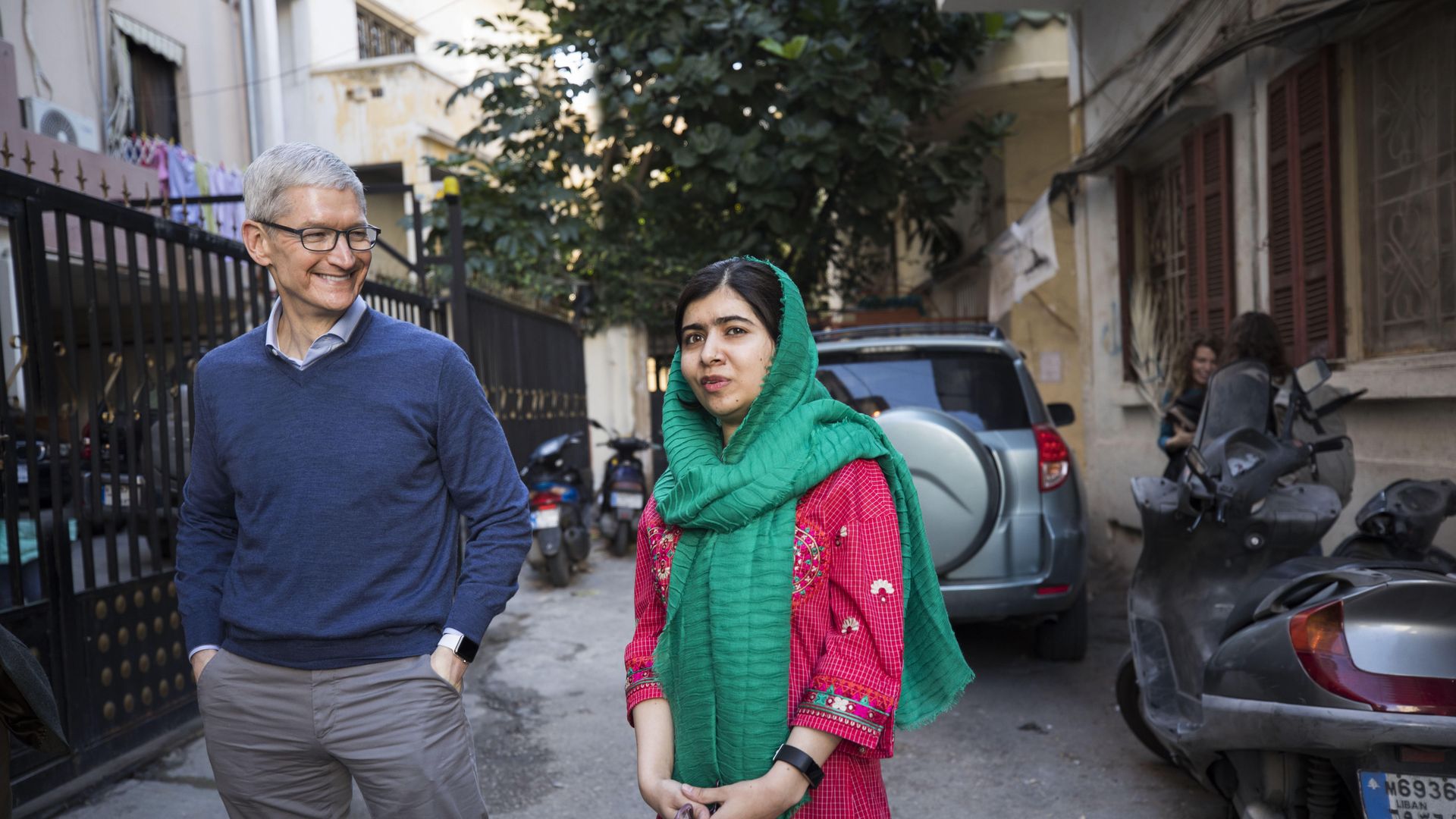
Apple said Sunday it is providing financial and technical assistance to the Malala Fund with CEO Tim Cook joining the organization's leadership council.
Why it matters: The support should allow the Malala Fund to expand its efforts to India and Latin America with an initial goal of helping more than 100,000 girls expand their education beyond primary school.