Netflix blew past investor expectations Monday, adding more subscribers and revenue than forecast and plans to spend more on content than ever before.
Why it matters: It's another reminder for Pay-TV providers and TV networks that the traditional cable bundle can't compete with the power of on-demand.
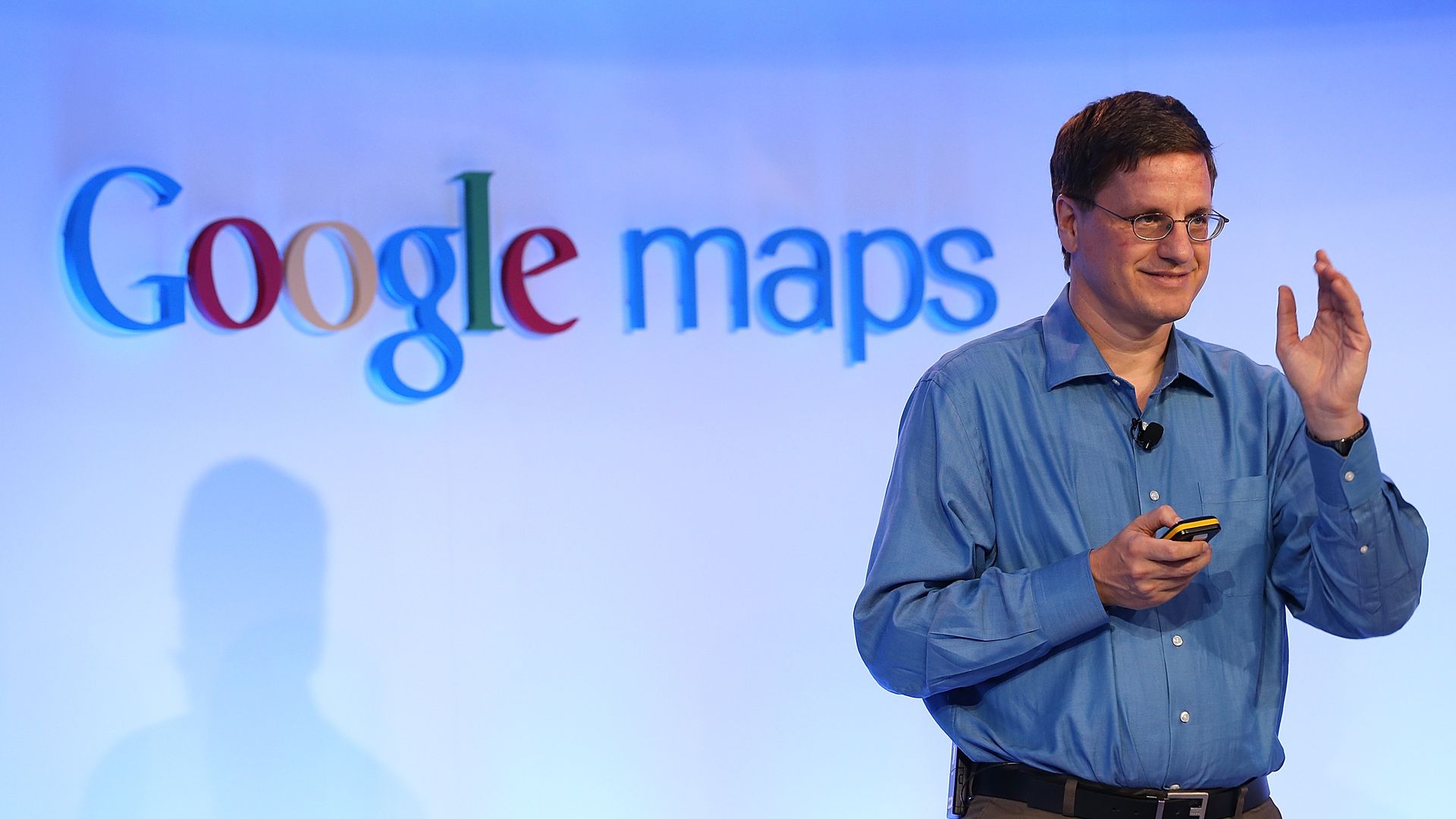
The trend: McClendon is one of a small (but possibly growing) number of techies returning home from Silicon Valley to partake in politics. Last month, former Groupon executive and tech entrepreneur Suneel Gupta announced his run for Congress to represent Michigan's 11th district, where he grew up.
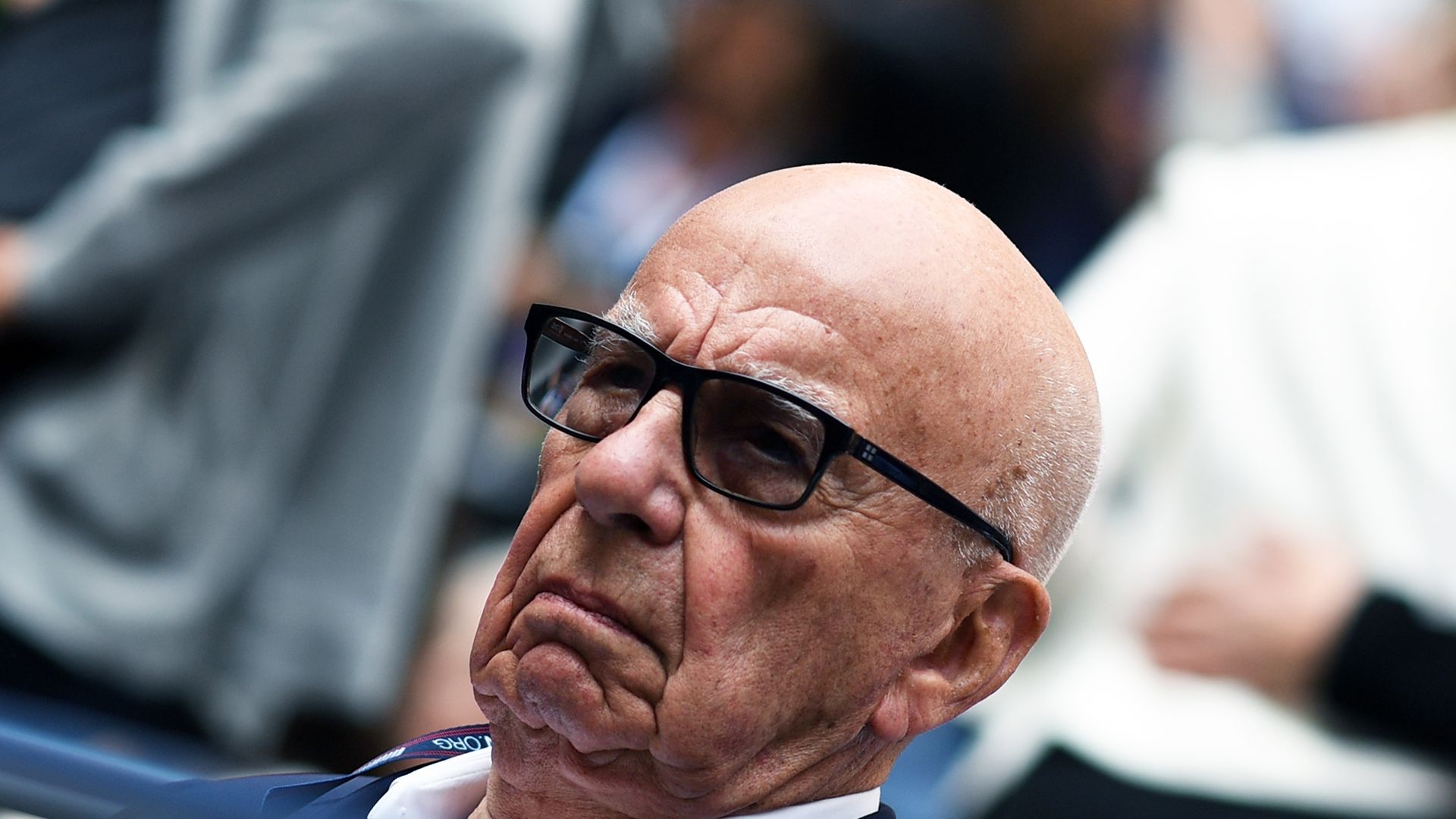
Rupert Murdoch, a longtime opponent of Google and Facebook's media dominance, released a statement Monday calling for Facebook to pay trusted publishers a carriage fee for their content — similar to the model adopted between cable companies and TV networks.
Why it matters: Murdoch's sentiments have been echoed by other leaders in digital media that argue the current distribution landscape is unsustainable and will collapse if it doesn't strike a symbiotic relationship between distributors and content creators.
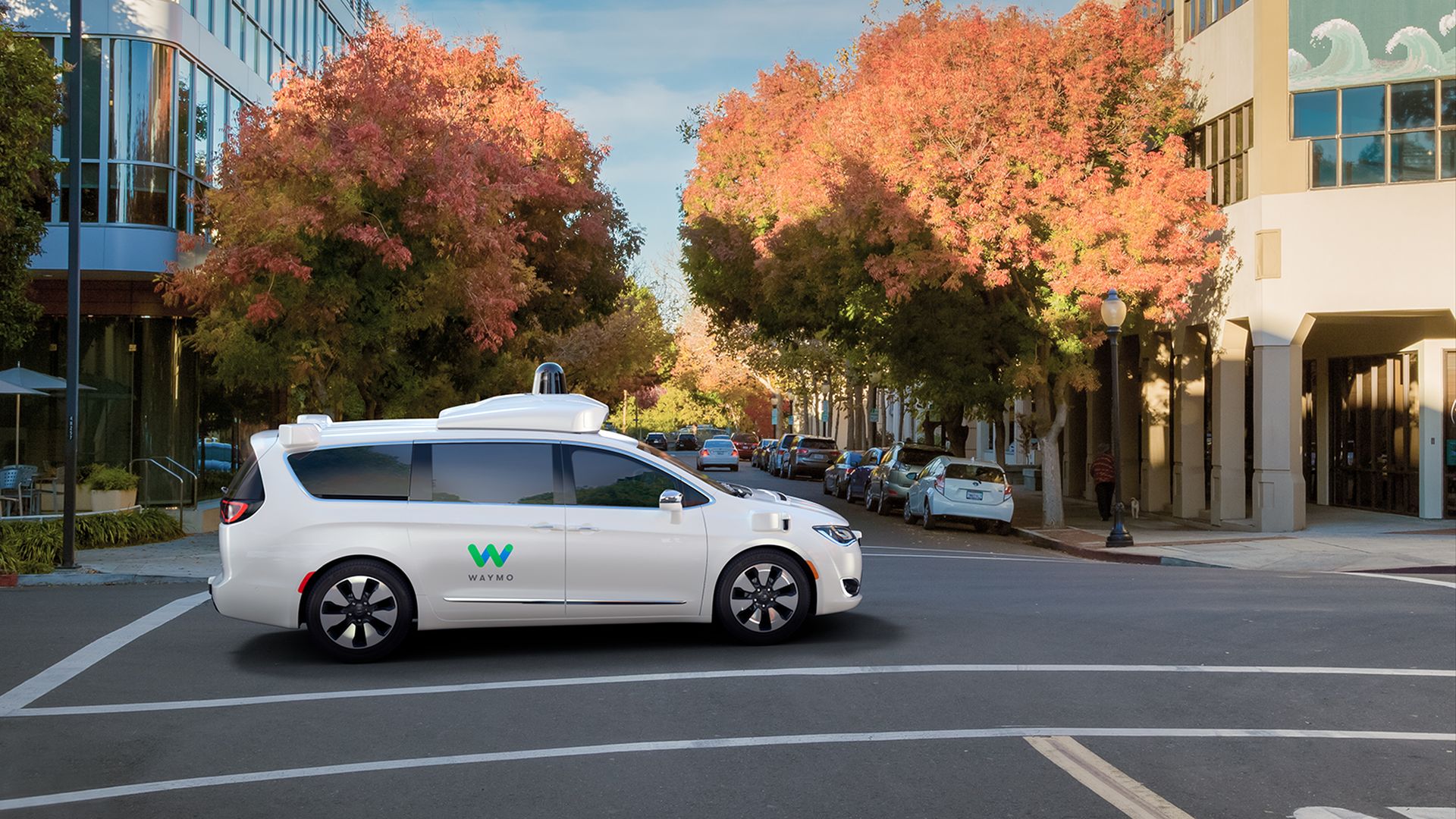
Waymo, Alphabet's self-driving car unit, is testing its vehicles in Atlanta, the company said on Monday. Though it's already been mapping the area and running tests, there's no word yet on any plans to ferry passengers.
The big picture: Waymo has been extensively testing its autonomous driving technology in the Bay Area and Phoenix, with Atlanta becoming the 25th city where its cars are tested. The more it can test its cars in a variety of locations, the more data it can collect to bolster its technology.
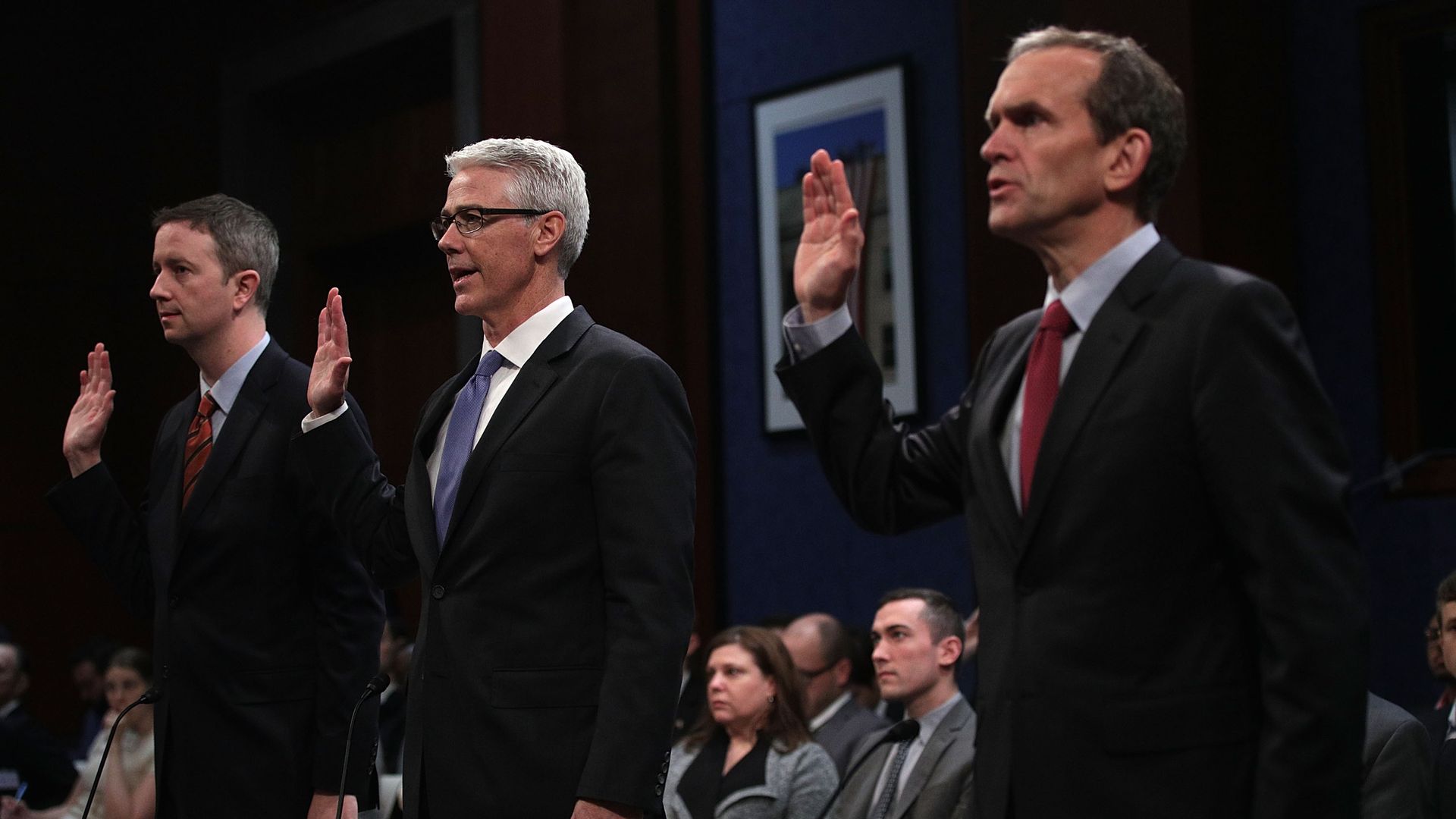
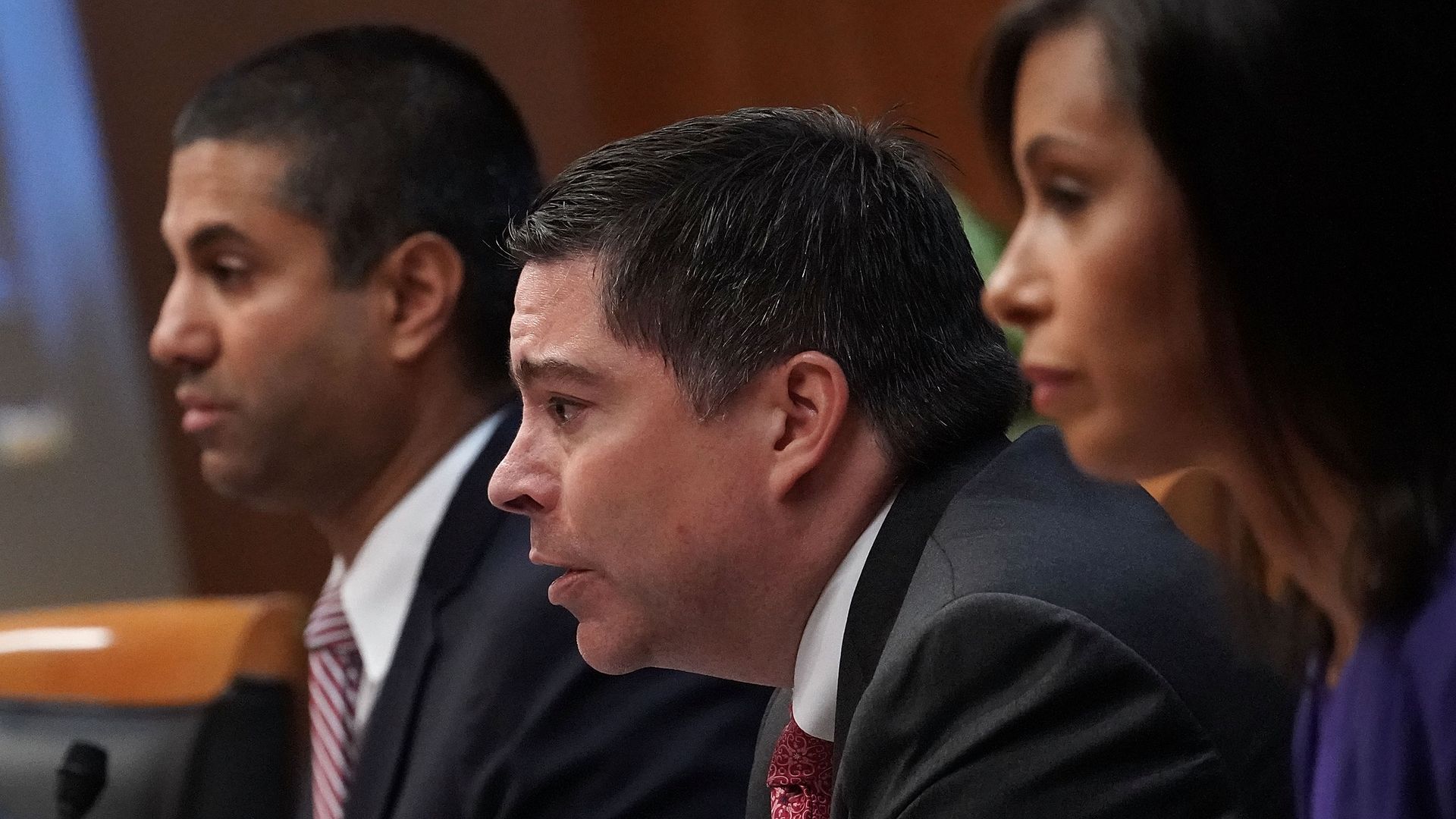
One of the Federal Communications Commission's Republican commissioners said Monday that regulators should not crack down on big tech companies like Facebook and Google.
Why it matters: Heavily-regulated internet service providers like AT&T and Verizon are increasingly trying to compete with Google and Facebook, which are not as regulated and together control the market for digital ads. The internet providers and web firms that rely on their services are often at odds in policy debates. For example, FCC Chairman Ajit Pai argued that web platforms are a greater threat to online freedom than internet service providers.
Uber CEO Dara Khosrowshahi says that despite a year of scandals and turmoil, the company's business is quite strong, if nowhere near profitable.
"Business is actually surprisingly good for everything that the company went through," Dara Khosrowshahi said Monday, speaking at the DLD18 conference in Munich.
Yes, but: "The part of the business that is not going well is the profitability part. We have some details to work out."
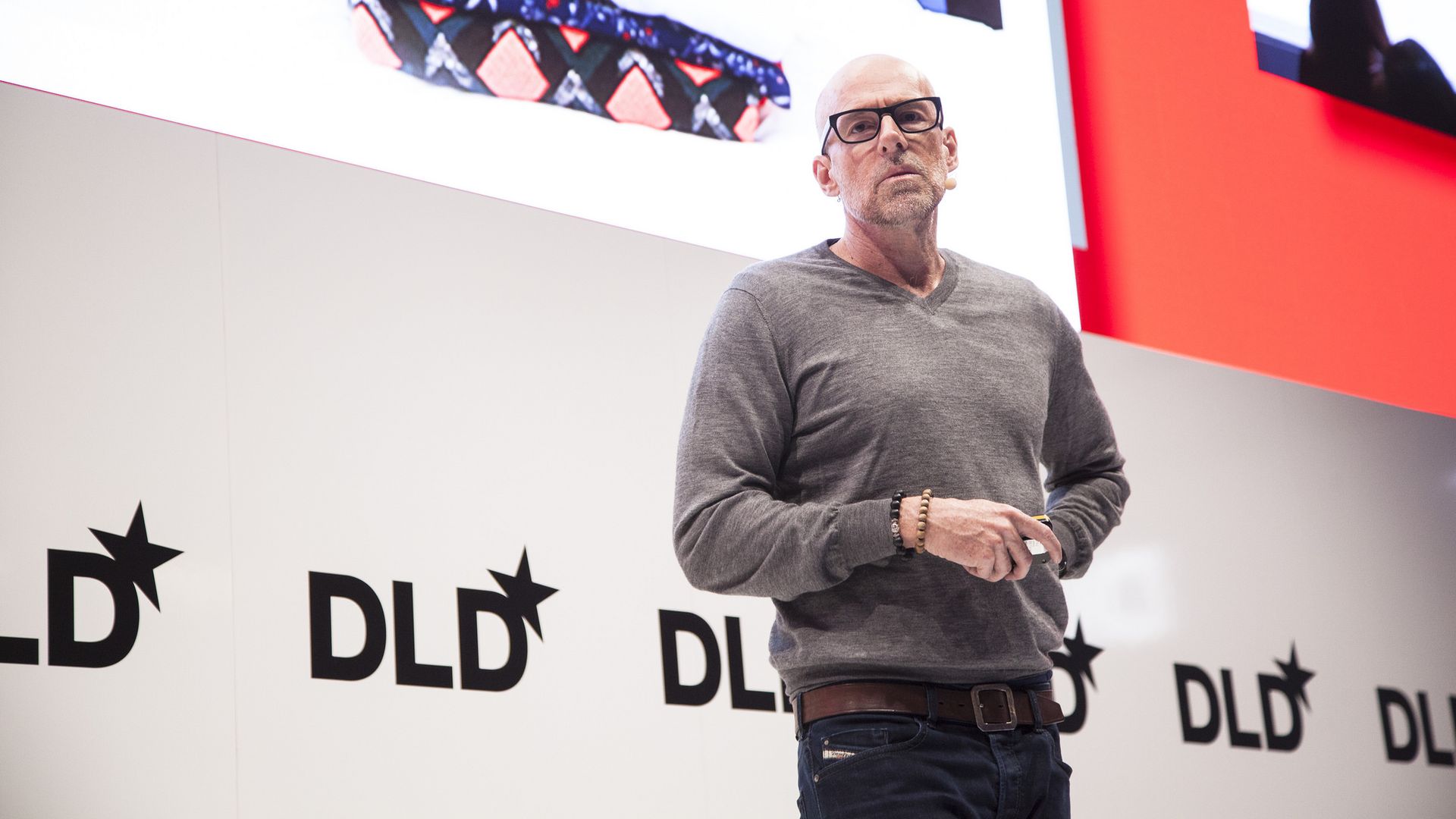
When NYU professor Scott Galloway began The Four, his book on Apple, Google, Amazon and Facebook, he thought it was a love letter. Now he says it's time to break up the companies.
Why it matters: In a year where the biggest tech companies have been widely criticized, regulators may have more inclination than ever to look at their business practices.
In a slew of blog posts Monday morning, the tech giant addresses ways it thinks its technologies have both hurt and helped democracy around the world. In the end, Facebook Civic Engagement Product Manager Samidh Chakrabarti says he can't guarantee that "positives are destined to outweigh the negatives" but that the company has a "moral duty" to understand how its technology is affecting democracy, for better or worse.
Why it matters: The posts show a continued effort on Facebook's end to be more transparent about the ways its platform has steered away from its original mission of promoting openness and democracy.
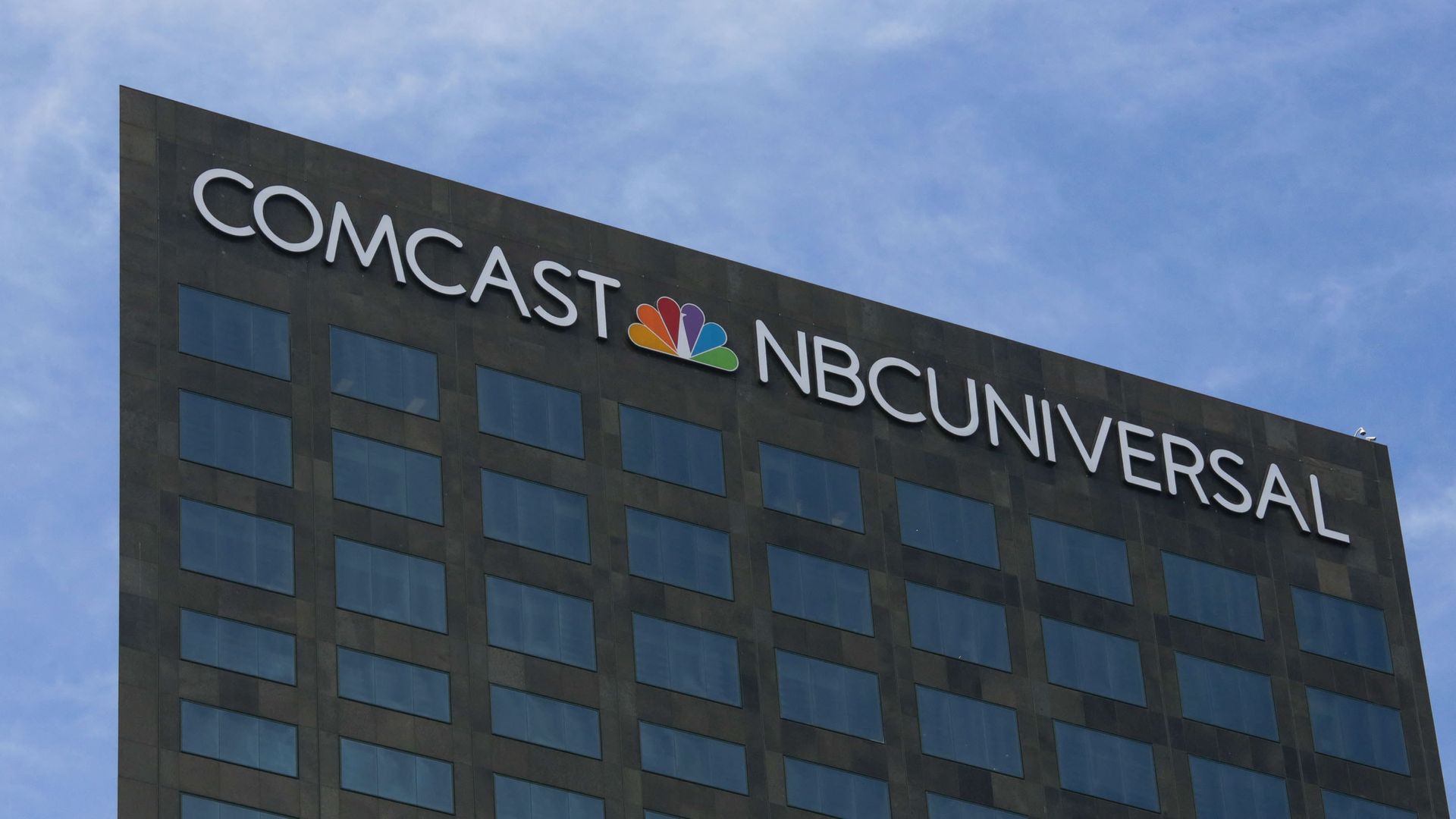
Major conditions imposed by regulators as part of Comcast's merger with NBCUniversal expired Saturday, renewing debate over AT&T's takeover of Time Warner that the Justice Department is trying to block.
Why it matters: When approving the merger in 2011, the Justice Department and Federal Communications Commission required Comcast-NBCUniversal to abide by more than 150 conditions. As they phase out, some worry the media giant will engage in anti-competitive behavior that the conditions were designed to prevent — especially with the FCC's net neutrality rules also going away. (Comcast says it won't.)
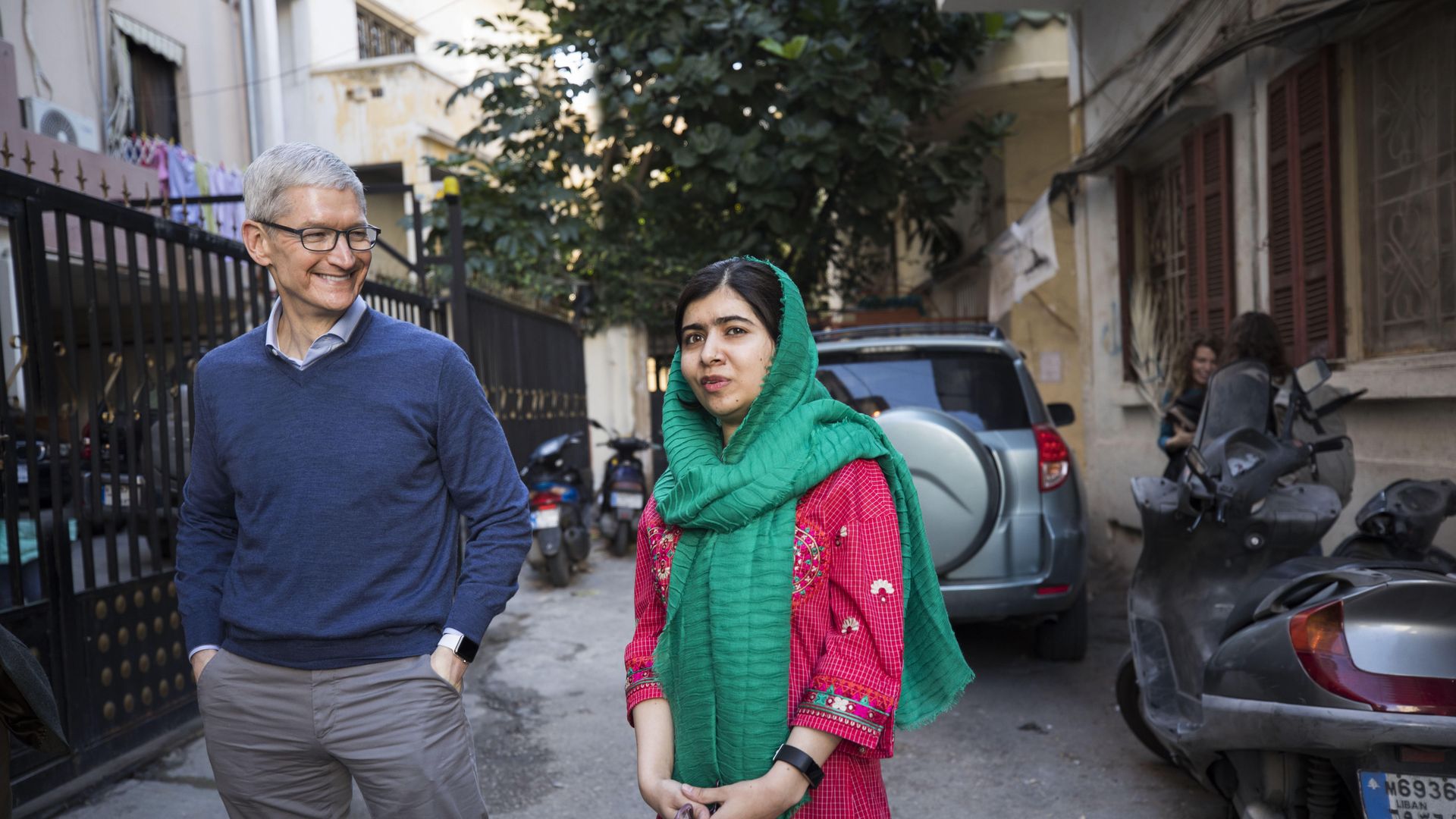
Apple said Sunday it is providing financial and technical assistance to the Malala Fund with CEO Tim Cook joining the organization's leadership council.
Why it matters: The support should allow the Malala Fund to expand its efforts to India and Latin America with an initial goal of helping more than 100,000 girls expand their education beyond primary school.