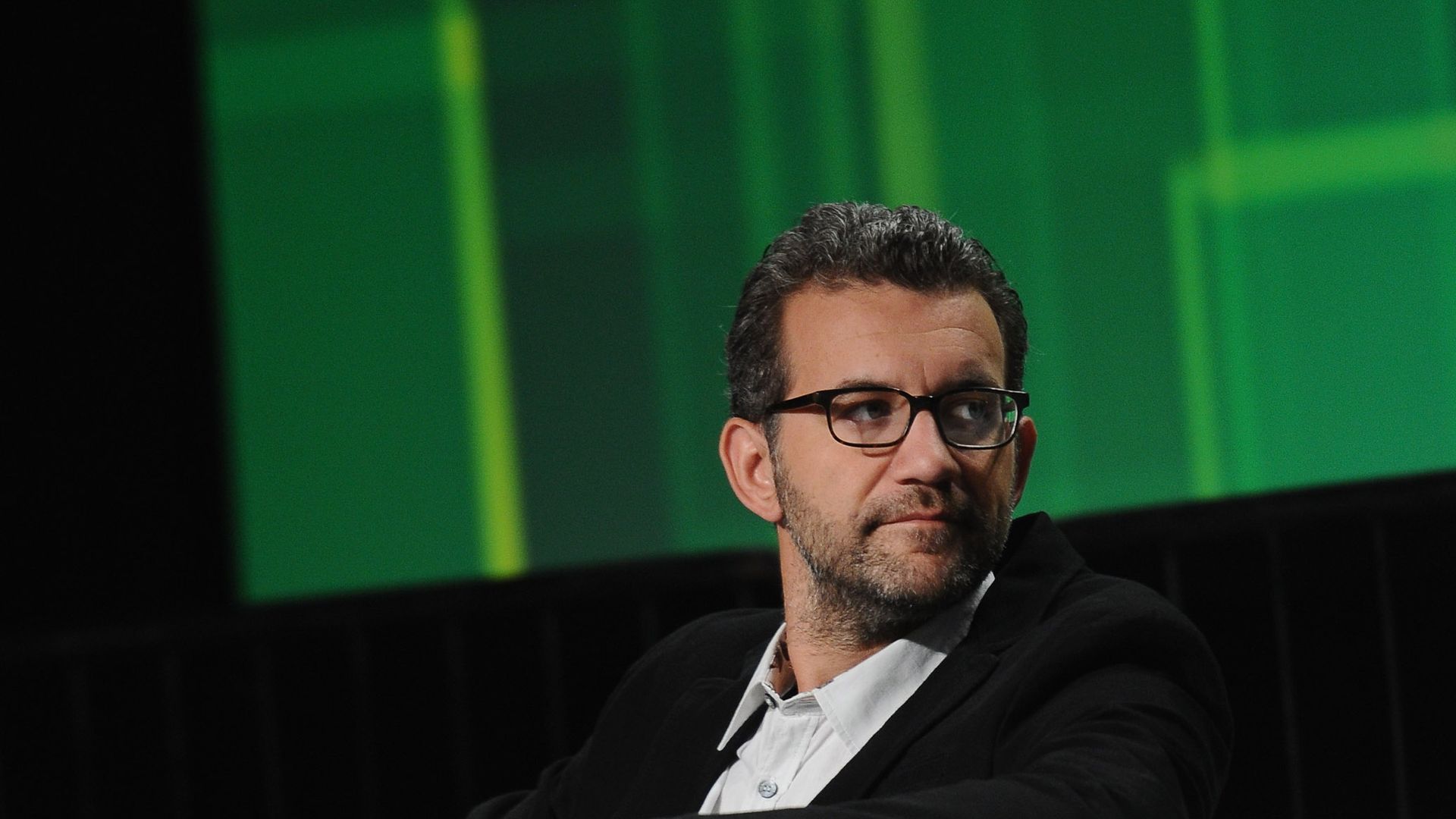
Tom Conrad, the former CTO of Pandora and current vice president of product at Snapchat's parent company, will step down in March, he told TechCrunch. He plans to focus his energy outside of the tech industry after decades working in it.
The impact: It's a big loss.Conrad is one of Snap co-founder and CEO Evan Spiegel's top lieutenants, especially given the company's focus on product design. The timing is also notable as the company is in the midst of redesigning its app in an effort to make it appealing and easy to understand for more users.
Alphabet's research division, X, said on Wednesday that a cybersecurity project named Chronicle has now become an independent company within its constellation of units that includes Google. Its yet-to-be released tech will help organizations prevent hacks by sifting through data and helping find vulnerabilities.
Why it matters: "The reality for most companies today when it comes to cybersecurity is reactive: find and clean up the damage," writes X chief Astro Teller in a blog post. "The real moonshot, which is still several years away, is predicting and deflecting cyber attacks before they infiltrate an organization’s network."
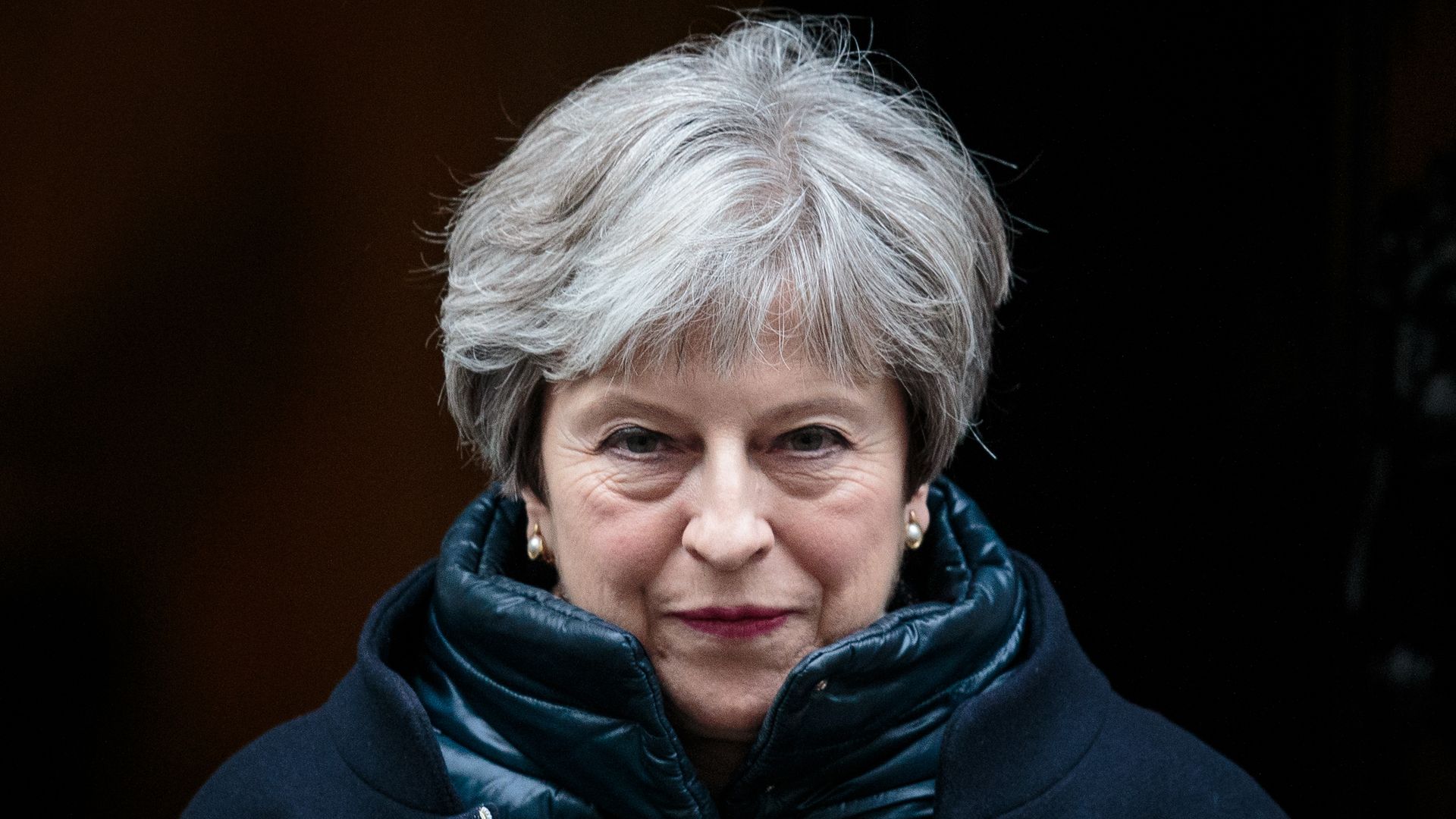
UK Prime Minister Theresa May is launching a "National Security Communications Unit" to combat fake news, one of many public steps May and other top government officials have taken on this issue.
Why it matters: The U.K. and other European countries have taken a much more aggressive stance on regulating technology companies that distribute fake news than the U.S.
May's spokesperson told reporters Tuesday that the unit will be tasked with "combating disinformation by state actors and others. It will more systematically deter our adversaries and help us deliver on national security priorities," according to Reuters.
Why it matters: Scott Galloway, author of The Four, an examination of Big Tech, says it's another example of Amazon's power. The message to convenience store chains — "A fist of stone from Seattle is coming for them," Galloway tells Axios.
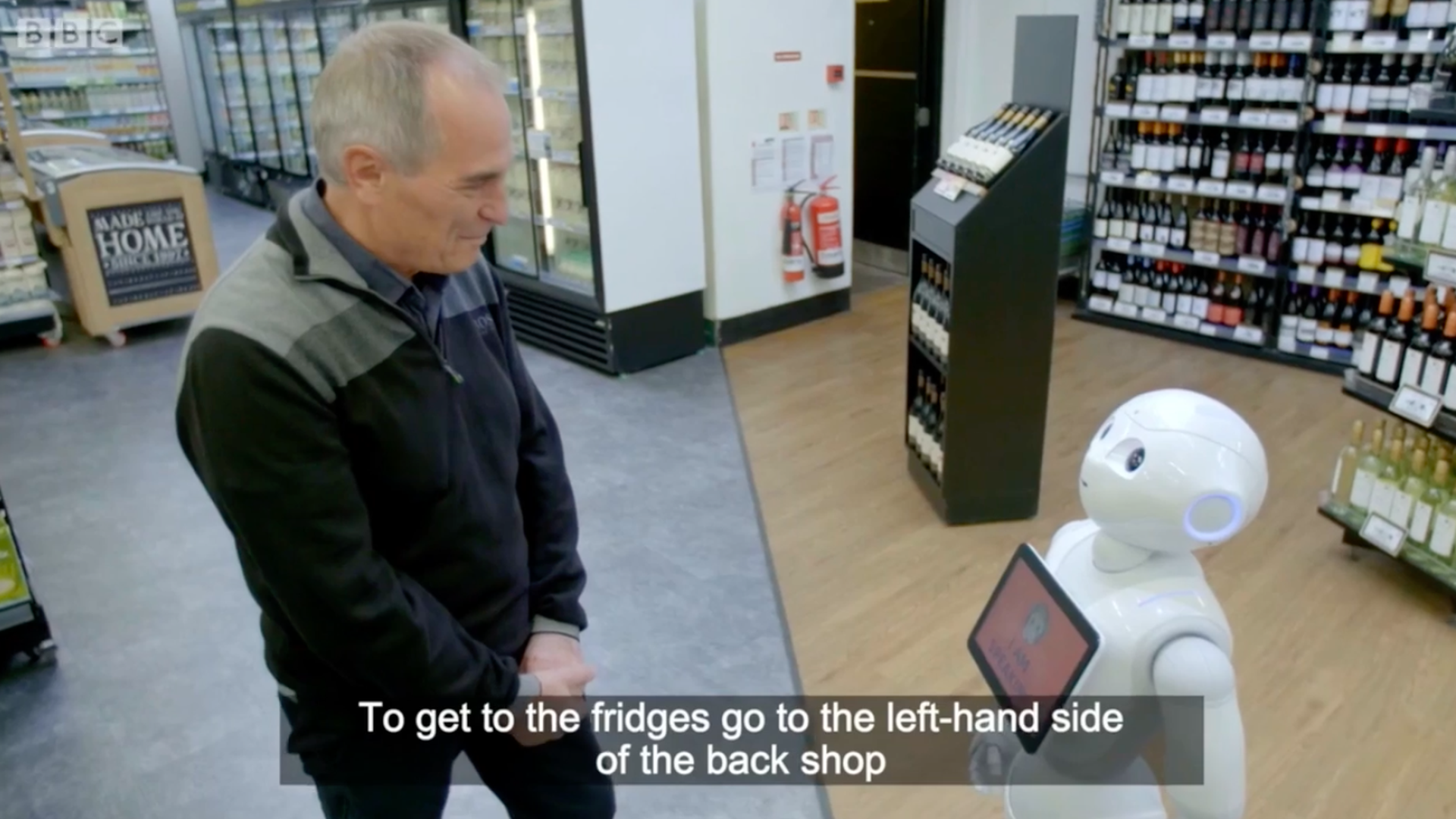
Oliver Lemon, a robotics professor at Heriot-Watt University in Scotland, agreed to put his program's social robot Fabio into an Edinburgh grocery store for a week, to be followed by the BBC. But ridicule has followed, as media report that Fabio has been "fired" after failing to smoothly engage with customers.
Fabio's sometimes-awkwardness is not surprising considering the still-rudimentary state of truly conversational robots (think Siri). But the experience has left Lemon sore. "'Fired' is not what happened," he tells Axios. "They thought that was a humorous angle though."
The organizers behind a 10-year mission to launch a robotic space exploration said Tuesday that the Google-sponsored “moonshot” has ended because the five finalists are unable to meet the March 31 deadline due to shortage of funds, technical and regulatory challenges.
What’s next: The heads of the XPRIZE Foundation, which oversees the contest, said the organization is considering other options, including a new title sponsor to provide a grand prize or continuing the mission as a non-cash competition.
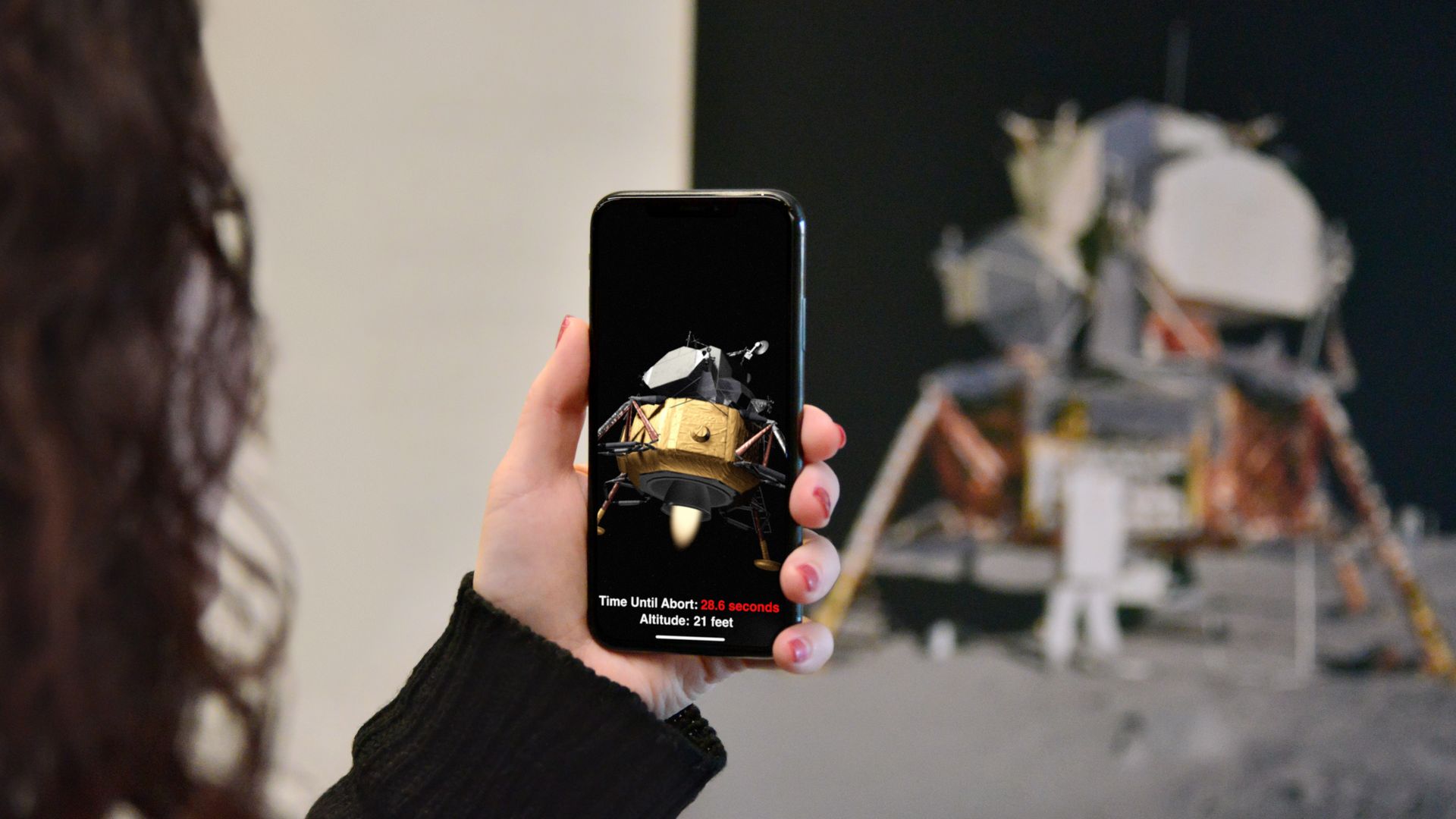
Apple announced that iOS 11.3, a free update this spring, will let people view health records, as well as improving augmented reality features and allowing people to get more information on a device's battery status.
Why it matters: Making inroads into the health care arena could make iPhone and Apple Watch more valuable, and pave the way for new businesses for Apple.
The European Commission on Wednesday said it was fining Qualcomm 997 million Euros ($1.23 billion) for abusing its dominance in the market for LTE chips.
Why it matters: This adds to Qualcomm's headaches. The company has already faced fines in China and inquiries in the U.S., is in a bitter dispute with Apple (one of its biggest customers) and is fighting a hostile takeover bid from rival Broadcom.
Pope Francis warned of the dangers of fake news and called for the establishment of a "journalism of peace" in his newly-released message for World Communications Day 2018. In it, he calls on journalists to be wary of the frenzy for scoops, reminding them to reflect instead on the impact their work has on peoples' lives.
The new tax overhaul might allow the United States might be the next base of operations for American companies that make a significant amount of cash via their intellectual property, per The Wall Street Journal. Foreign-derived intangible income, the money that companies make overseas on U.S.-produced goods that utilize their IP, will be taxed at 13.125% through 2025 and 16.4% thereafter, down from a previous top rate of 35%.
Why it matters: Ireland's similar tax break on intellectual property, known affectionately as the "Double Irish," ends after 2020. Its lucrative tax structure lured companies like Facebook and Alphabet to set up shop in Dublin, and the U.S. hopes to bring that money back home.
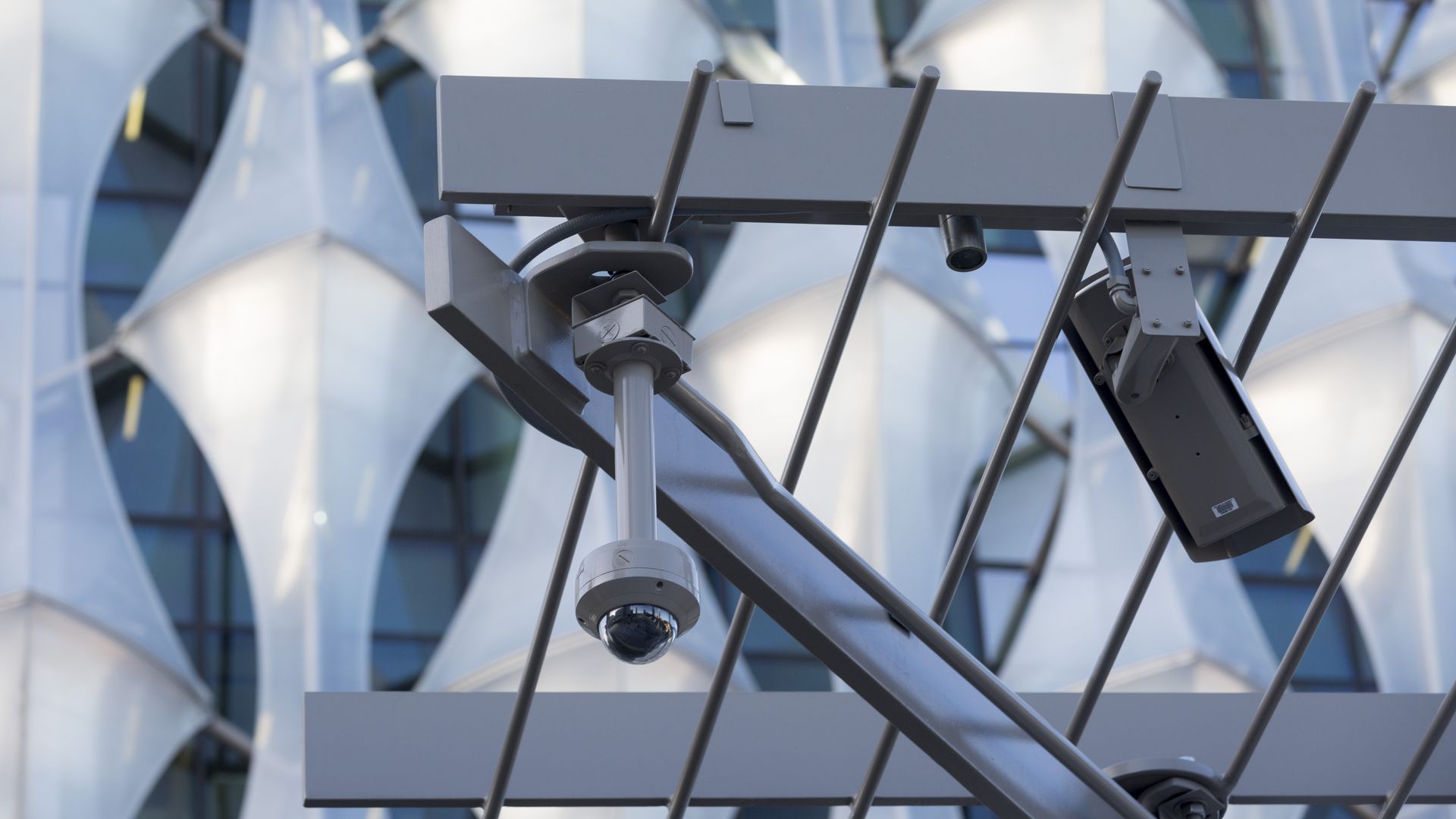
"They Are Watching You — and Everything Else on the Planet Technology and our increasing demand for security have put us all under surveillance," by Robert Draper in National Geographic's February issue.
Why it matters: "Our smartphones, our Internet searches, and our social media accounts are giving away our secrets. Gus Hosein, the executive director of Privacy International, notes that 'if the police wanted to know what was in your head in the 1800s, they would have to torture you. Now they can just find it out from your devices.'"
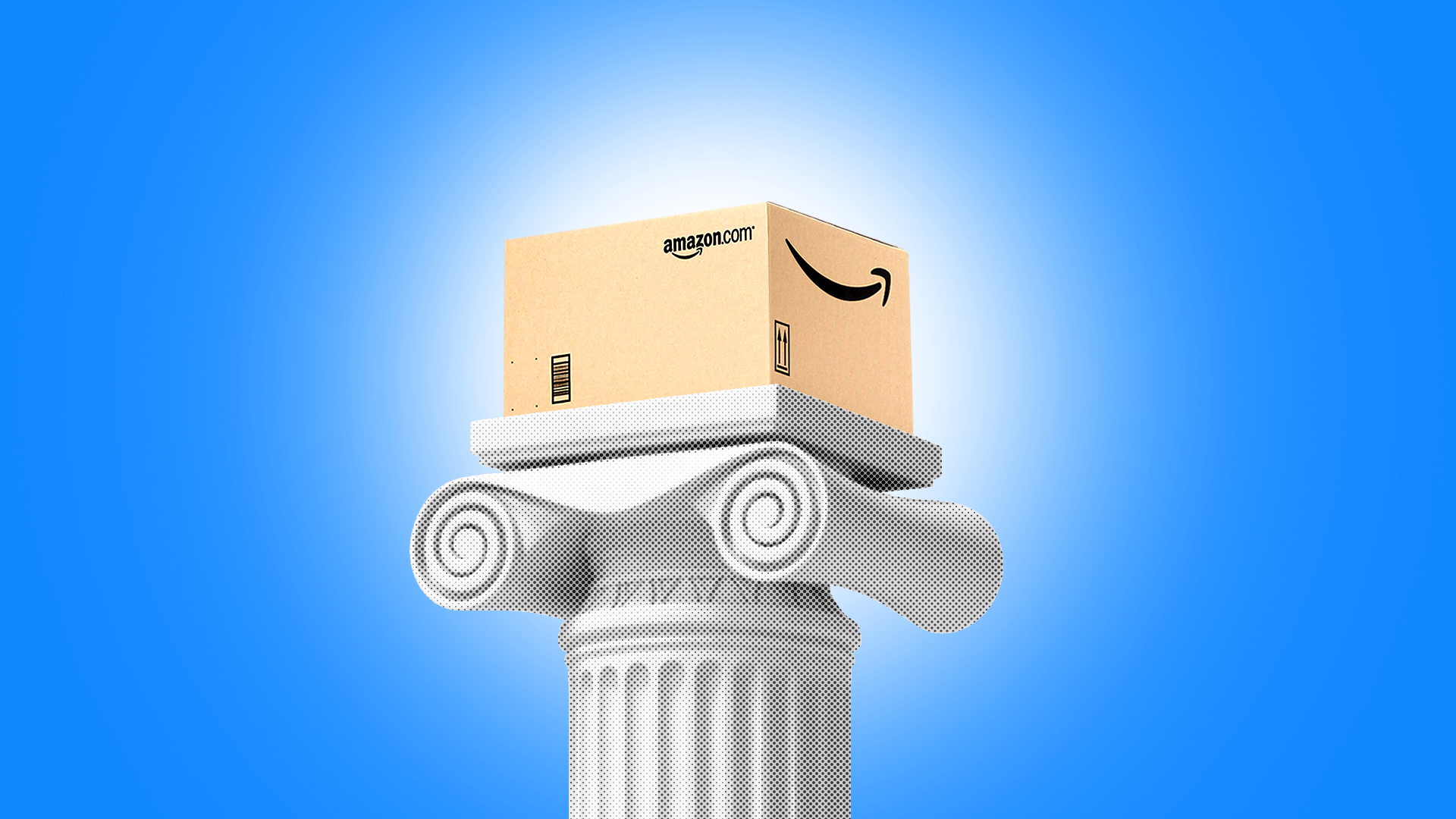
Elected officials across the country have spent the past three months fallingalloverthemselves to show Amazon just how much their cities love the e-commerce giant and would do just about anything to house its new headquarters.
Bottom line: The real winner is Amazon, which has created a feedback loop of positive press and fawning politicians just as the company increasingly needs both.
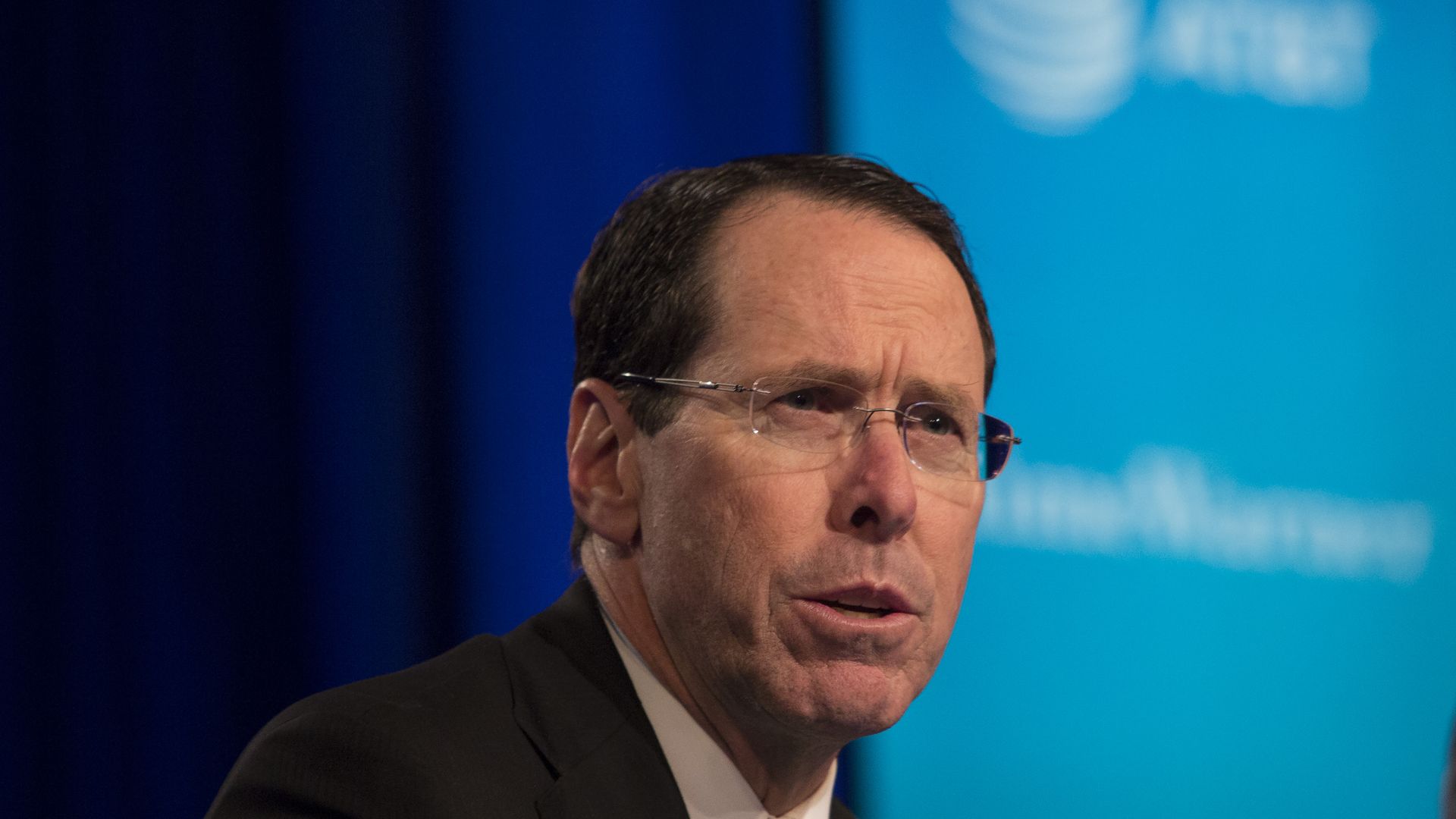
AT&T thinks it should play by the same neutrality rules as Google and Facebook — and it's telling readers of the New York Times, Washington Post and other national outlets this morning in an ad signed by CEO Randall Stephenson.
Why it matters: AT&T — like FCC Chairman Ajit Pai — is tapping into anti-tech sentiments to build the case that the net neutrality debate shouldn't just be about internet providers, but major web platforms as well.