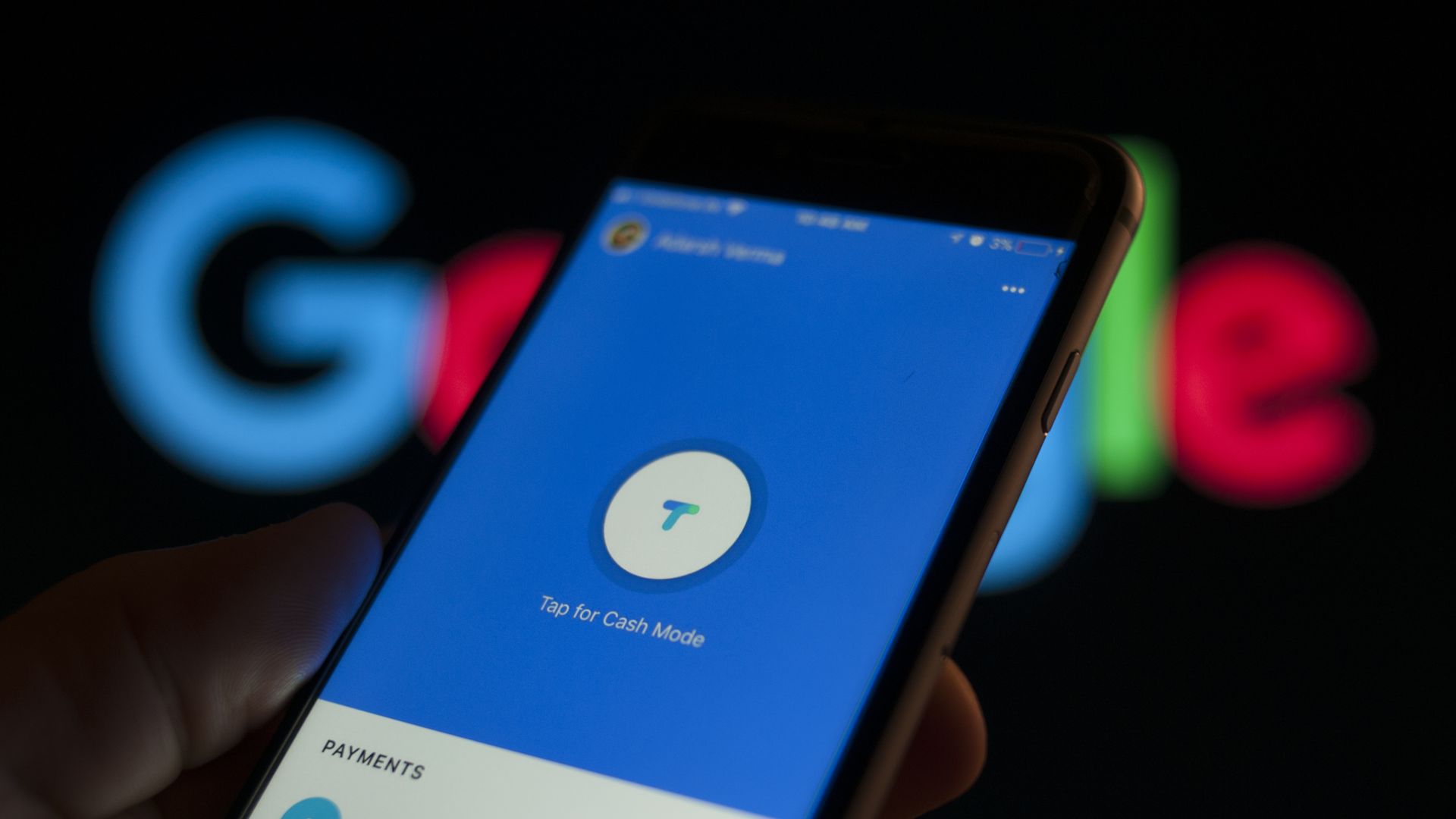
Google is testing an app that aims to collect hyper-local news and information from everyday people, like little league scores, that can be shared with local news outlets to make the news-gathering process more cost-efficient for them.
Why it matters: Disruptive technologies, like automated platforms and smartphones, have upended the local news industry, forcing dozens of local news outlets and journalists out of business. Google and Facebook's role in aiding that demise is largely contested, but local publishers seem excited about this opportunity.
Special Counsel Robert Mueller's team investigating Russian meddling in the 2016 election has talked to "at least one" Facebook staffer, Wired's Issie Lapowsky reported on Friday. The employee reportedly worked with Donald Trump's presidential campaign. Both Mueller's office and Facebook declined to comment.
Why it matters: It further embroils the world's largest social network in the controversy around Russia's meddling in the 2016 campaign, and is more evidence that Mueller is interested in Trump's digital operation.
Facebook told the Senate Intelligence Committee earlier this month that public pages involved with the Russian 2016 election interference campaign created 129 events on the platform that tens-of-thousands of users said they planned to attend.
Why it matters: It's become increasingly clear that one tactic of Russian operators was to create the potential for offline events that would sow discord among Americans. In at least some cases they were successful.
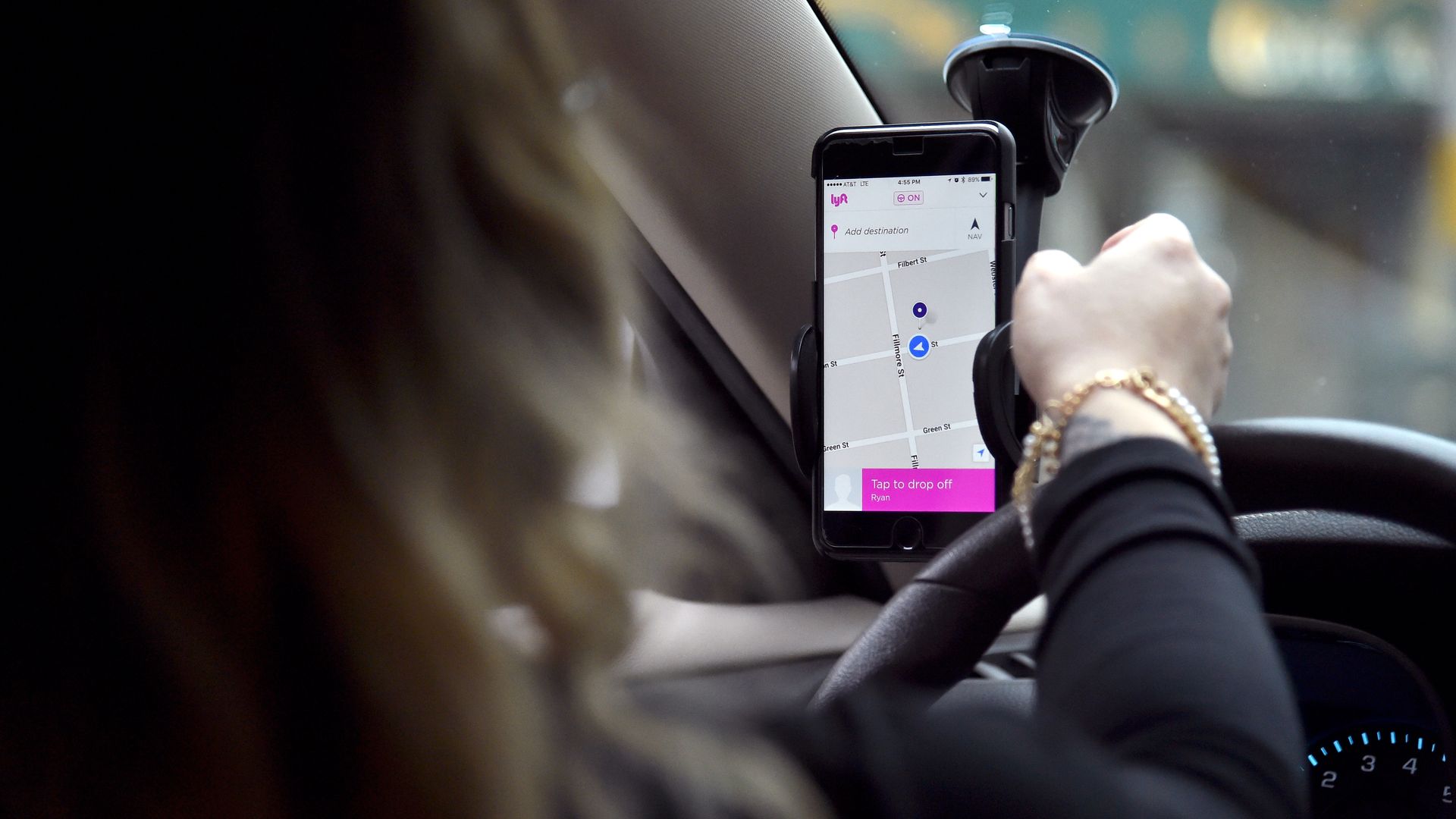
TechCrunch reports that Lyft staffers were able to view passengers' information, including where they were picked up and dropped off, and the feedback from drivers about their customers. Lyft says it is investigating the issue.
Why it matters, per Axios' Dan Primack: Lyft has portrayed itself as the ethical alternative to Uber, but the contrast might not really be quite so stark.
Billionaire philanthropist George Soros wants "more stringent regulations" on Big Tech, BuzzFeed's Ben Smith reports from Davos. Speaking at a dinner on the sidelines of the World Economic Forum, Soros called Facebook and Google "ever more powerful monopolies."
The backdrop: There's an ongoing fight against the influence of tech giants in response to crises over fake news, tech addiction and data security. Soros — a frequent political target of the right — suggests regulating tech companies like public utilities to preserve "competition, innovation, and fair and open universal access" as a solution.
Bob Lord has been hired as the Democratic National Committee's chief security officer — a new position created after the Russian hack on DNC's servers during the 2016 presidential campaign, Wired reports.
Why it matters: Lord, who recently served as Yahoo's head of security, aims to enhance the organization's current systems to prevent any chance of the hacking that interfered in 2016 happening again. During his time at Yahoo, Lord "was responsible for detecting two massive data breaches that occurred prior to his arrival," per Wired.
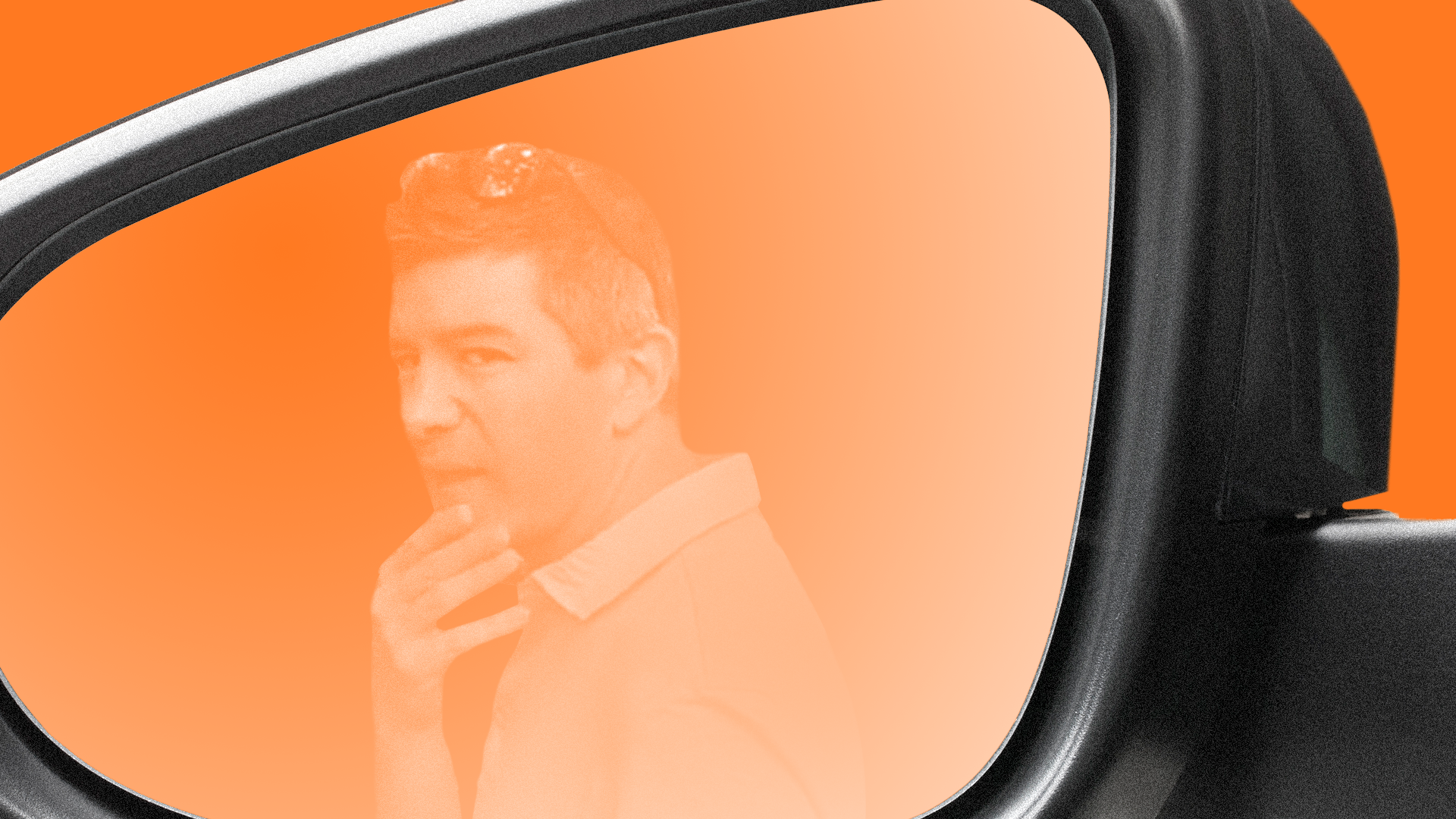
Benchmark Capital's fraud lawsuit against former Uber CEO Travis Kalanick was dismissed with prejudice on Thursday by a Delaware judge.
Bottom line: This was an expected formality. Benchmark had agreed late last year that it would drop the suit (which had moved to arbitration), if Kalanick permitted a SoftBank-led tender for Uber shares to proceed, and if that tender succeeded. That deal officially closed last week.
The European Union voted in favor of Facebook on Thursday, arguing that Austrian privacy activist Max Schrems could not bring a class action lawsuit against the tech giant for what he claimed were data privacy violations under EU law. The court also ruled that Schrems can bring a case against FacebookIreland as an individual.
Why it matters: Facebook has been criticized and fined for data privacy practices in Europe. In an effort to be more transparent, Facebook COO Sheryl Sandberg said the company would give users the ability to manage their own data ahead of Europe's sweeping data privacy regulations going into effect this May.
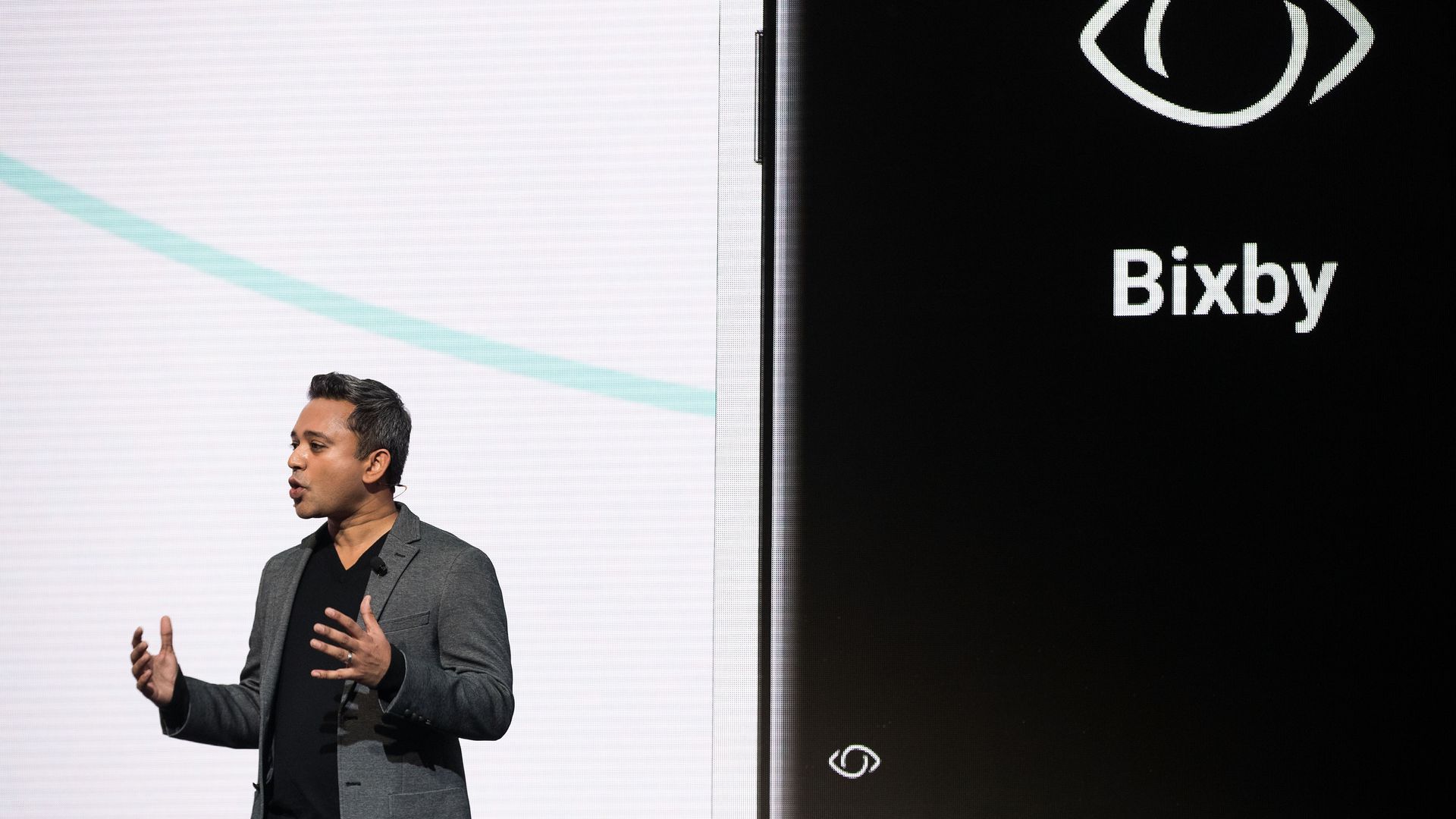
While Amazon's Alexa and Google's Assistant are aimed at providing a voice assistant for a wide array of duties, Samsung's Bixby is designed to be a more effective way to do the task at hand, whether that is setting up a TV or navigating the apps on a modern smartphone.
My thought bubble: I'm not saying that Samsung will be successful with its Bixby voice assistant. In fact, I believe it faces a steep uphill battle. But as electronics get ever more complex, a voice interface can be significantly more efficient than menus or buttons.
"The New Dating No-No: Asking for a Last Name — Now that smartphone apps are the primary way people meet, some things have become too awkward to ask" — Wall Street Journal A-Hed by Nicole Hong.
Why it matters: "Asking for a last name 'is definitely a modern social cue' that trust is building in a relationship."