A New York Times investigation revealed that an approximate 48 million Twitter users are fake profiles "designed to simulate real people," which can be sold to customers trying to gain more followers.
Why it matters: Per the Times, the fake accounts "can help sway advertising audiences and reshape political debates. They can defraud businesses and ruin reputations." And, they're made to imitate real people, who may also be on Twitter, and haven't given permission for their photos or names to be used.
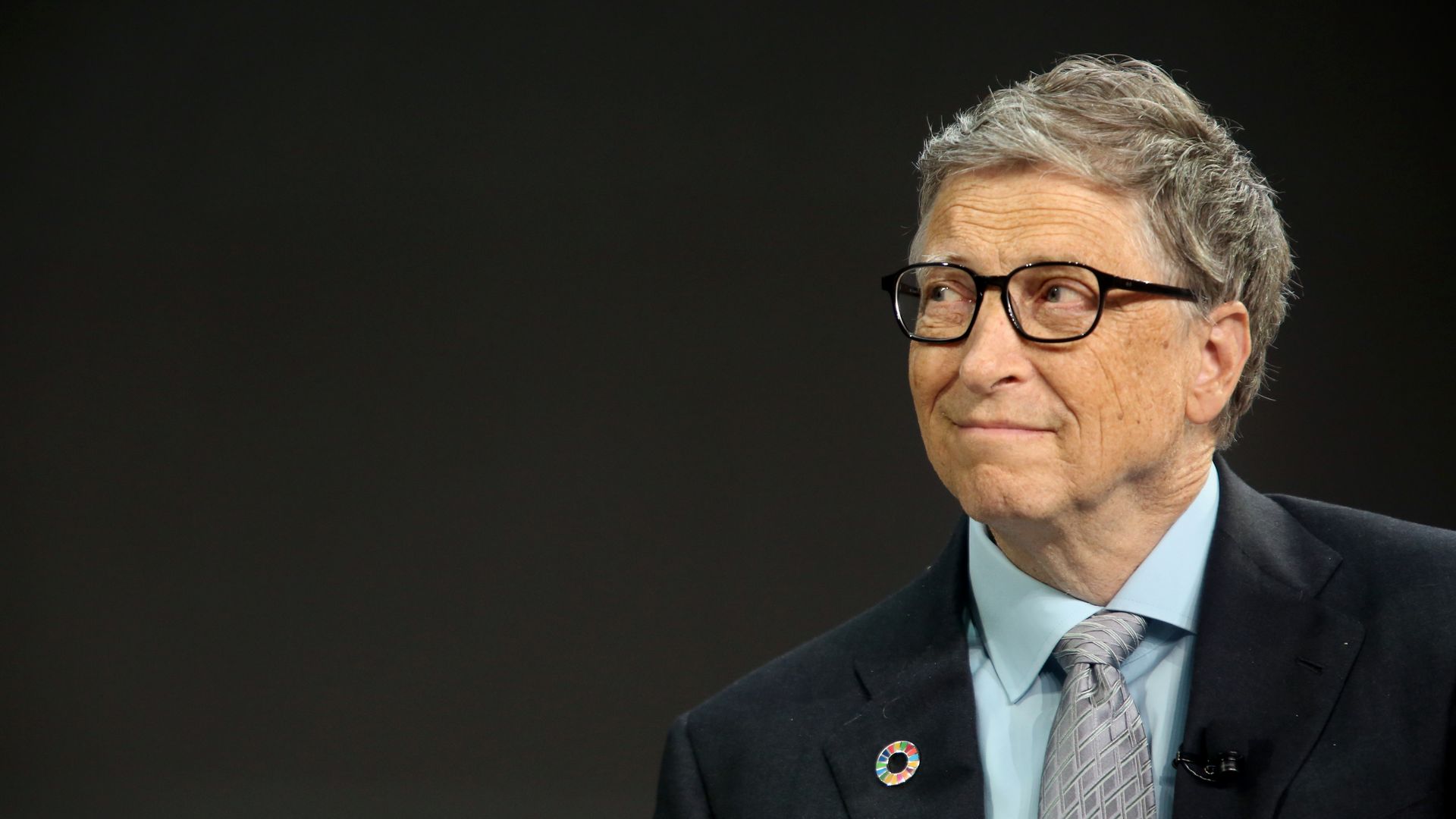
Bill Gates and Steven Pinker made the case for being optimistic about the direction of the world — in ending wars, in philanthropy, in reducing poverty — in an interview with the New York Times' Philip Galanes.
Why it matters: The overall attitude about the way things are going is seemingly negative, but Gates said the "techniques we use as a society...as imperfect as they are, are working by lots of key measures."
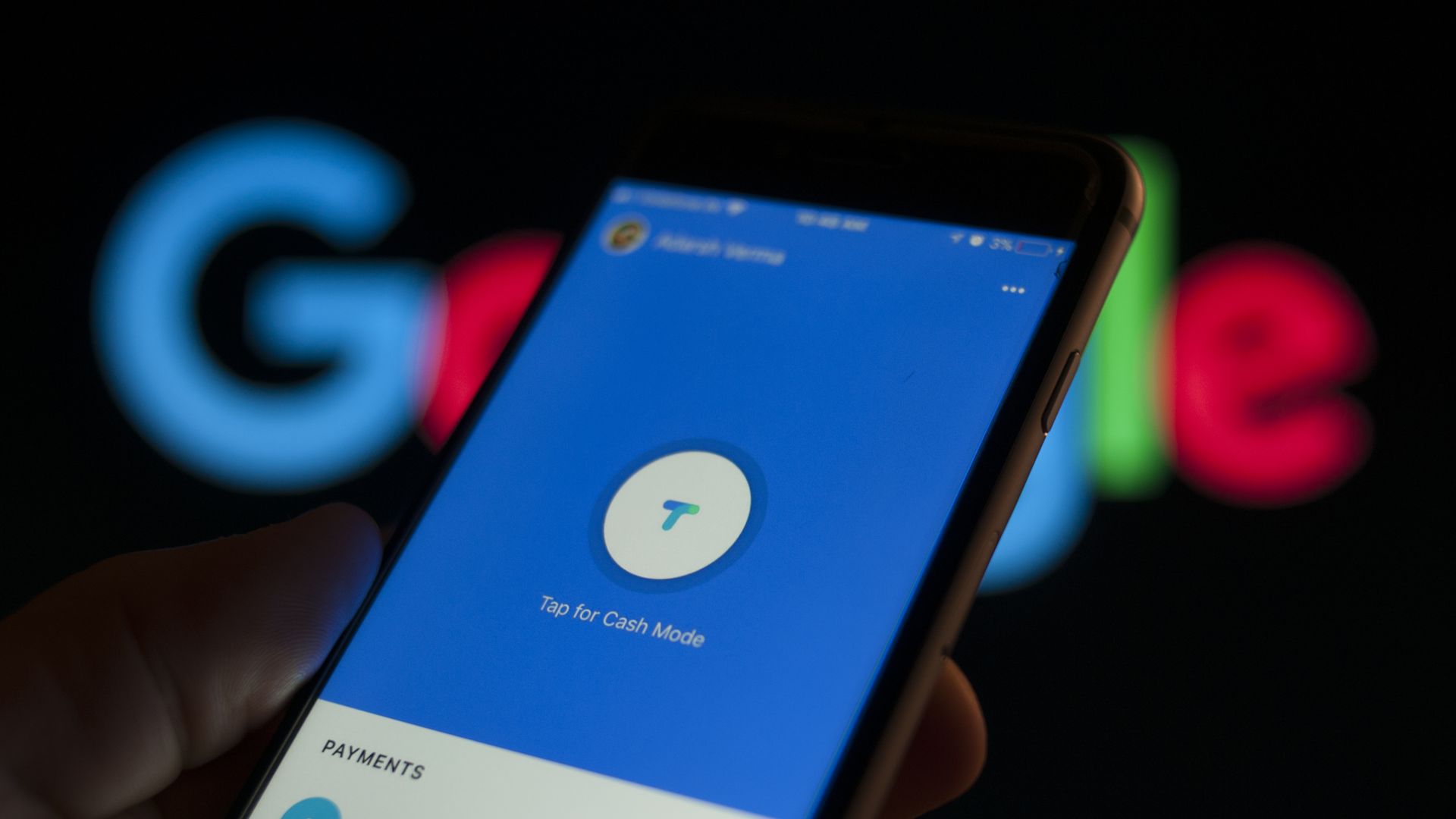
Google is testing an app that aims to collect hyper-local news and information from everyday people, like little league scores, that can be shared with local news outlets to make the news-gathering process more cost-efficient for them.
Why it matters: Disruptive technologies, like automated platforms and smartphones, have upended the local news industry, forcing dozens of local news outlets and journalists out of business. Google and Facebook's role in aiding that demise is largely contested, but local publishers seem excited about this opportunity.
Special Counsel Robert Mueller's team investigating Russian meddling in the 2016 election has talked to "at least one" Facebook staffer, Wired's Issie Lapowsky reported on Friday. The employee reportedly worked with Donald Trump's presidential campaign. Both Mueller's office and Facebook declined to comment.
Why it matters: It further embroils the world's largest social network in the controversy around Russia's meddling in the 2016 campaign, and is more evidence that Mueller is interested in Trump's digital operation.