Wednesday's politics & policy stories

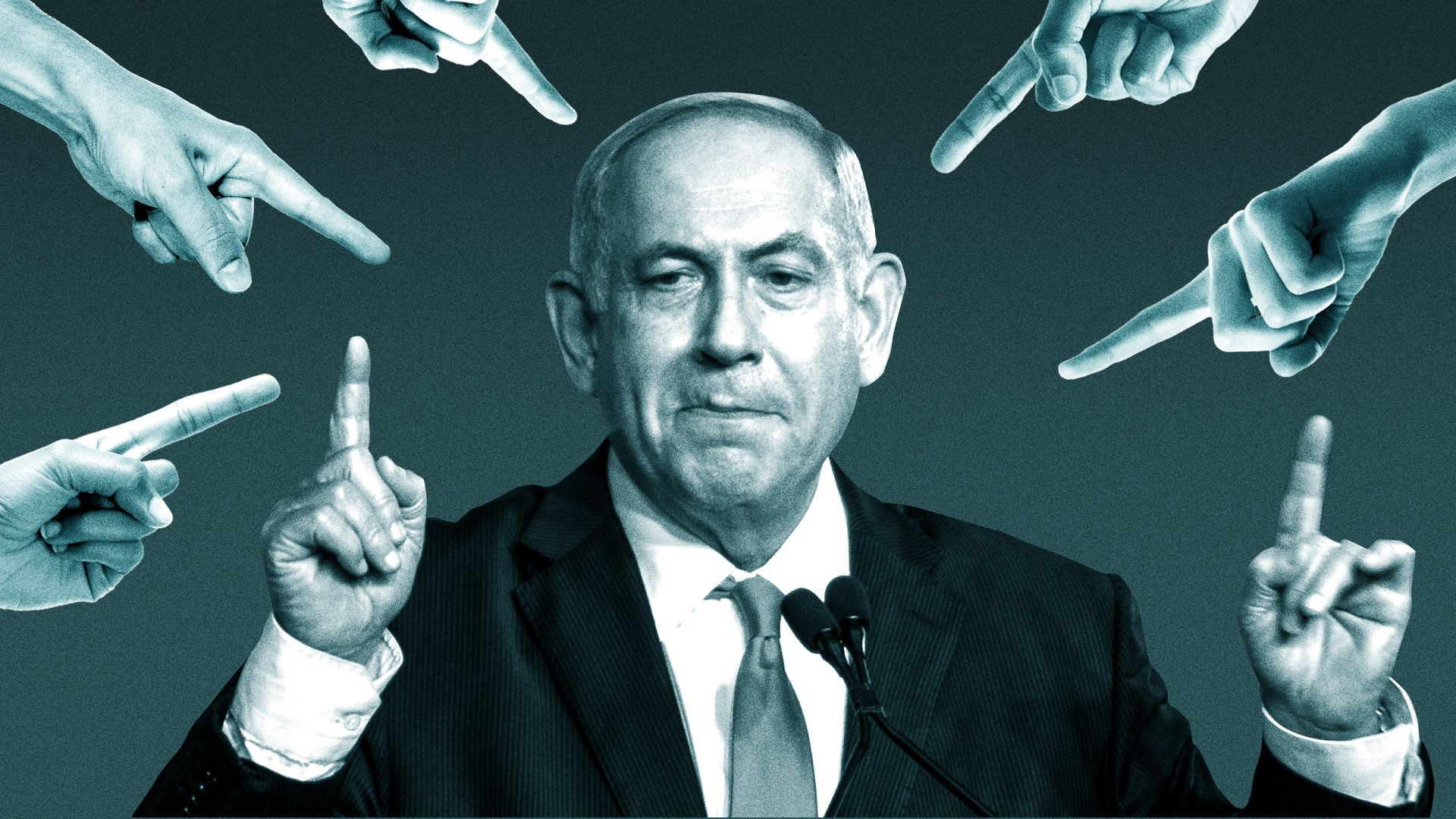
Israel hits a low point with Democrats in Congress
Israel's relationship with Democrats on Capitol Hill is rapidly deteriorating, with a growing number of lawmakers saying they can no longer support U.S. funding for even the country's defensive weaponry.
Why it matters: Opposing the use of American taxpayer dollars to fund Israel's Iron Dome missile defense system was "seen as insanely fringe four years ago," Rep. Maxwell Frost (D-Fla.) told Axios. No longer.

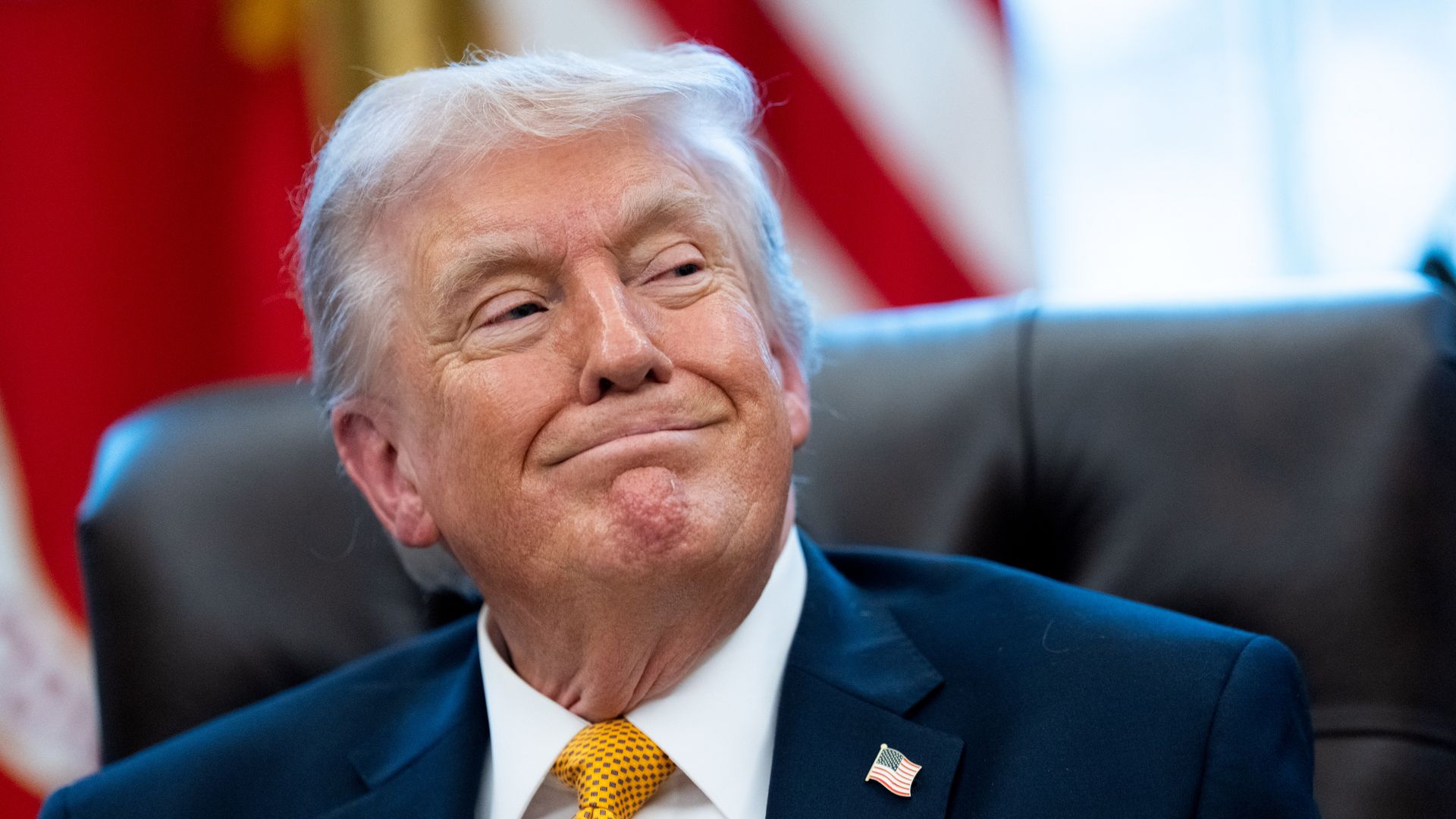
Scoop: Trump discussed "Jesus" meme with Bill Pulte before posting it, sources say
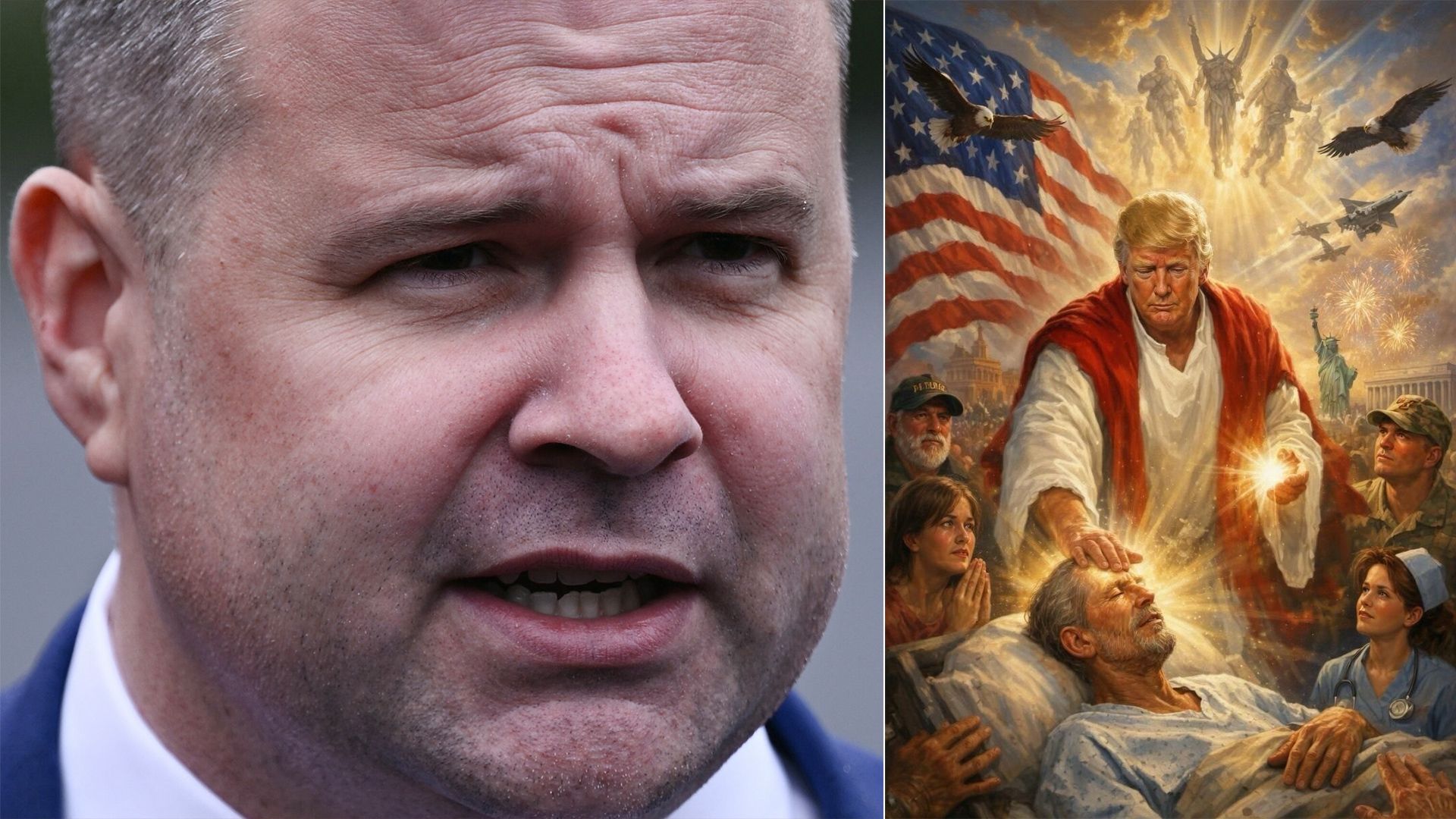
Before President Trump posted an image of him as a Christ-like healer, he discussed the meme with his controversial housing finance chief Bill Pulte, Axios has learned.
Why it matters: Trump's Truth Social post Sunday night drew such a fierce backlash from Christians that he pulled it down, an extremely rare move for him. But the mystery of who may have helped introduce the meme to him wasn't clear, until now.


Live Nation and Ticketmaster lose antitrust case
A New York jury on Wednesday found that event promoter Live Nation and its Ticketmaster subsidiary violated U.S. and state antitrust laws.
Why it matters: It's a major embarrassment for the Trump administration, which recently settled its case with minimal concessions.

Why stocks surged to a new record


Both the S&P 500 and the Nasdaq Composite hit new all-time closing highs on Wednesday.
Why it matters: Stocks are soaring on hopes that the Iran war will fade and on signs that Americans are continuing to spend — despite rising prices at the pump and souring sentiment.

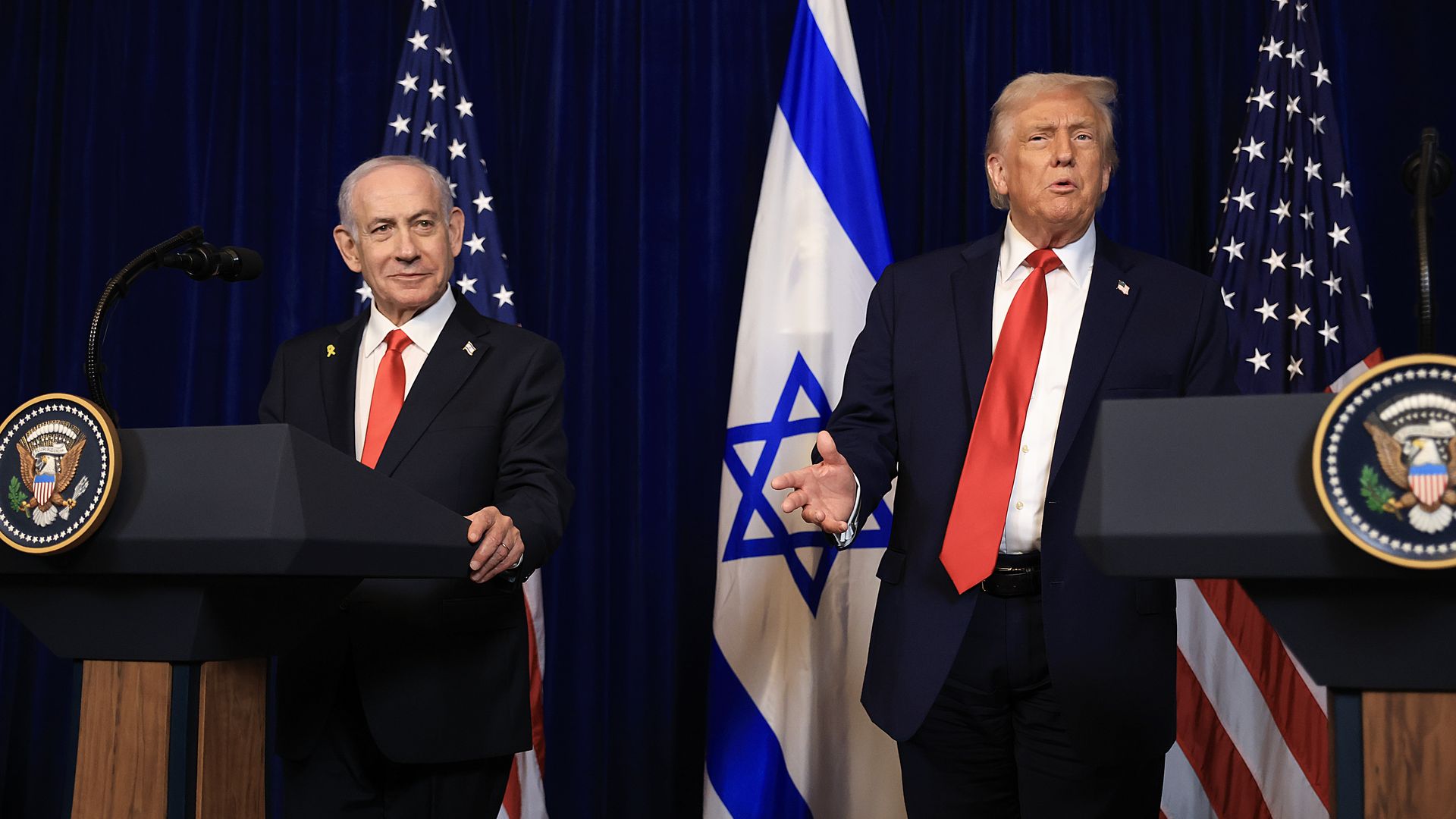
Trump would "welcome" Israel-Lebanon ceasefire: U.S. official
As Israel's Security Cabinet convened on Wednesday to discuss a potential ceasefire in Lebanon, a U.S. official told Axios that President Trump would "welcome and be happy with an end of hostilities."
Why it matters: The ceasefire proposal is politically sensitive for Israeli Prime Minister Benjamin Netanyahu. And while the two tracks are officially separate, it could help President Trump reach a peace deal with Iran.

Bayer CEO: "We need a predictable regulatory regime" for Roundup weedkiller
Bayer CEO Bill Anderson says the German crop science and drug company is hoping to move past the long-running controversy over its Roundup weedkiller in 2026.
Why it matters: Bayer — which acquired Roundup when it bought Monsanto in 2018 — recently announced a $7.25 billion settlement deal and is awaiting a Supreme Court ruling that could decide the product's fate in the U.S.


White House weighs former deputy surgeon general to lead CDC
Former deputy surgeon general Erica Schwartz has emerged as the leading contender to be the next director of the Centers for Disease Control and Prevention, according to two sources familiar.
Why it matters: The CDC has been without a full-time political leader since the ouster of Susan Monarez last August, and several top officials have resigned as Health Secretary Robert F. Kennedy Jr. seeks to remake the federal health bureaucracy.


The war outlook is the global economic outlook

To understand what the global economy will do this year, you have to understand what happens next in the Iran war.
- The outlook for the war and its aftermath, and what that means for the free passage of energy through the Strait of Hormuz, is the global economic outlook.
- That's the uncomfortable reality hanging over the International Monetary Fund and World Bank Group spring meetings this week.
Why it matters: The economic pain is uneven: Poorer countries that import their oil carry the heaviest weight.
- The U.S. — the country that started the conflict — is poised to suffer the least economic damage, by almost every measure.
- Still, a prolonged surge in prices for gasoline, diesel, jet fuel, fertilizer and more would exact a toll in the U.S.
The intrigue: There is little else on the minds of finance ministers, central bankers and other policymakers meeting in D.C. this week but the shock that is rattling their respective economies.
Consider the economic forecast that set the tone for the meetings. The IMF slashed its global growth forecast as it predicted a surge in inflation this year.

What they're saying: "The impact of the war will be uneven," IMF chief economist Pierre-Olivier Gourinchas told reporters on Tuesday.
- Alongside a baseline scenario, the IMF released two other forecasts in the event of a more prolonged conflict: an adverse scenario of a sharper economic slowdown and a more severe scenario that has the global economy flirting with an outright recession.
- But the growth hit for poorer nations would be twice as large as that for richer nations, the IMF said.
- "Every day that passes and every day that we have more disruption in energy, we are drifting closer toward the adverse scenario," Gourinchas said.
Zoom out: "The U.S. isn't vulnerable. It's the Asian countries who are," Treasury Secretary Scott Bessent told reporters when asked about the Strait of Hormuz blockade imposed earlier this week.
- "I can say that the president signaled that it would be a four- to six-week process ... and I think we're close to that," top White House economist Kevin Hassett told Axios.
The bottom line: Even if the U.S. escapes the worst, it still faces higher commodity prices — especially at the pump.
- Will inflation pressures at home eventually force President Trump to seek a quicker end to the war?
Former World Bank president David Malpass told Axios: "It's a clear supply shock — and so that's not just oil and natural gas, but in other products that are coming through the Strait of Hormuz. That takes time for the world to adjust to."
- "But my observation is markets are really good at adjusting to a supply shock."
It's been a weird 24 hours for the Fed
The message from top Republicans on Tuesday morning was that things were on track for an orderly transition atop the Federal Reserve when chair Jerome Powell's term ends next month. Events over the next 24 hours made those prospects messier.
The big picture: As much as Senate Republicans seek an off-ramp that would smooth the path for Kevin Warsh's confirmation as Fed chair, the legal stalemate holding things up has escalated.
Driving the news: On Tuesday, three Justice Department officials showed up unannounced at the Fed's construction site, looking to investigate the $2.5 billion renovation project, the New York Times reported.
- They were turned away, and a lawyer for the Fed subsequently said that it was inappropriate and that the DOJ must go through Fed lawyers in its investigation.
- In an interview aired on Fox Business Wednesday morning, President Trump, when asked what he would do if Powell does not resign from his position as a governor when his term as chair is up, said, "Well, then I'll have to fire him."
- The legality of the president's efforts to fire another Fed governor, Lisa Cook, is currently pending before the Supreme Court.
Catch up quick: Sen. Thom Tillis (R-N.C.) is pledging to block Warsh's nomination from advancing until the Justice Department investigation — which he and Fed leaders view as a blatantly pretextual attack on the central bank's independence — is resolved.
- Powell, whose term as a governor extends until 2028, has said, "I have no intention of leaving the Board until the investigation is well and truly over, with transparency and finality."
- A federal judge quashed earlier DOJ subpoenas of the Fed, ruling that there is "abundant evidence" that its purpose "is to harass and pressure Powell" to either yield to Trump on monetary policy or resign.
Between the lines: There is seemingly a schism between Republicans who want to move on and get Warsh into place as promptly as possible, and Justice Department officials — particularly Jeanine Pirro, U.S. attorney for the District of Columbia — who want to deliver to Trump the vengeance he seeks.
- The latest events are the opposite of the kind of de-escalation that the senators who must vote to confirm Warsh seek.
What they're saying: Axios asked top White House economist Kevin Hassett on Wednesday morning about what comes next and whether there is a path for Warsh to be confirmed by next month.
- "I have high confidence that that will happen," Hassett said. He added that the way the Justice Department got involved "was that the president wanted to investigate the cost overrun."
- "So right now, the Fed's position is that they can spend as much money, perhaps wasting, as they want, and the White House is not allowed to inspect it."
As to whether Powell should resign as a governor when his term as chair ends next month, Hassett said, "Jay will have to decide for himself what he wants to do."
- "But the tradition is once a Fed chairman is confirmed, then the previous chairman resigns, and I think Fed chair Powell has said he would do that as long as he felt he wasn't in legal jeopardy," Hassett said.
That's not all when it comes to developments in the relationship between the Trump administration and the Fed: There has also been a softening of the administration's calls for immediate interest rate cuts.
Why it matters: With inflation surging thanks to the Iran war, Warsh — once confirmed — will face a tricky task in trying to deliver the rate cuts Trump has demanded.
- The latest comments from Treasury Secretary Scott Bessent, echoed Wednesday morning by Hassett, suggest that Warsh will not face immediate pressure from the White House to deliver cheaper money.
"I believe rates should be cut ... but if they want to wait for some clarity, I understand that," Bessent told a small group of reporters Tuesday.
- He added that "we should wait for the new chairman, Warsh, and let him lead the next cycle."
Hassett seconded those comments on Wednesday morning.
- "I understand that the energy shock will certainly have some repercussion for global inflation," Hassett told Axios, after noting Bessent's comments.
- "But on the other hand, core inflation is at the lowest level since the Biden inflation began, and interest rates in the U.S. are higher than for comparable countries around the world," he added.
- "If I were a [Fed] governor, I would still be willing to cut rates because I know that oil price shocks don't lead to inflation."

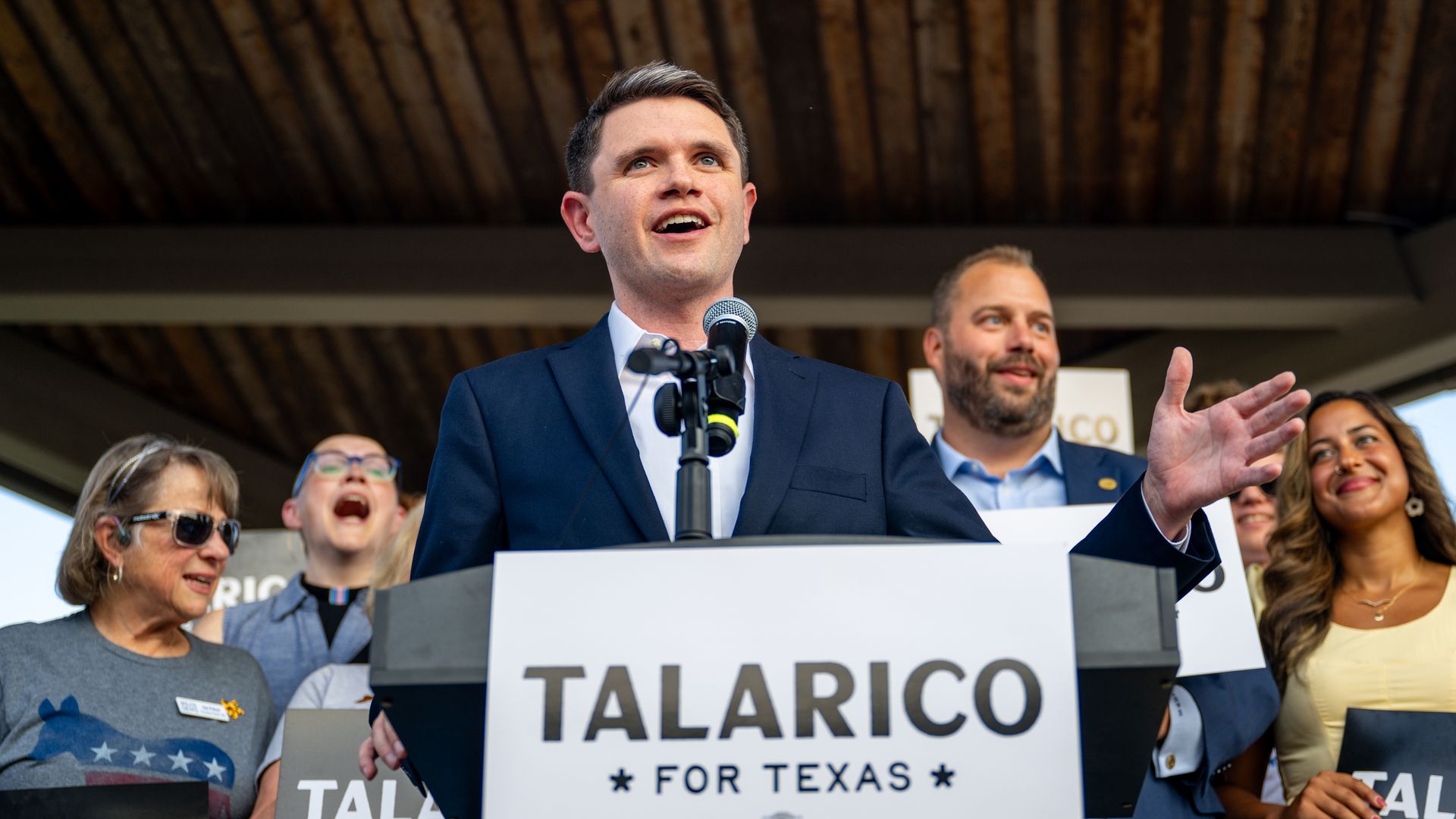
Talarico notches record fundraising haul
Texas Democratic Senate candidate James Talarico hauled in more than $27 million in the first quarter of 2026, his campaign announced Wednesday.
Why it matters: The money raised by the state legislator from Austin dwarfs the amount incumbent Republican U.S. Sen. John Cornyn raised during the same period and will play a key role in persuading voters in what is shaping up as a very expensive race.

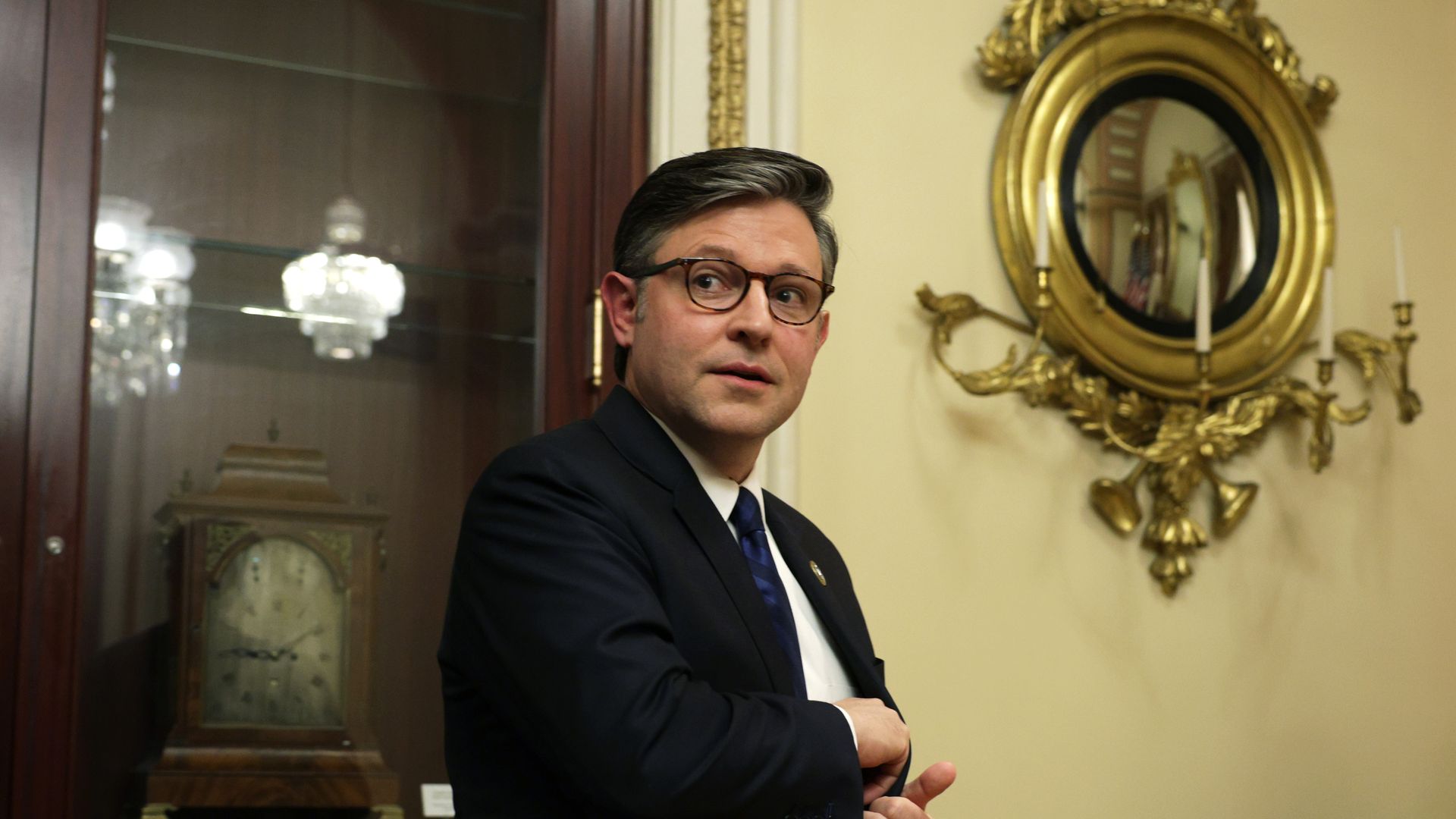
Mike Johnson delays FISA renewal vote after conservative revolt
GOP leaders postponed the initial vote on reauthorizing FISA on Wednesday as a bloc of conservatives threatened to tank the bill.
Why it matters: The White House and GOP leadership have been pushing for a clean 18-month extension of the surveillance authority, but members are still demanding changes.


U.S. and Iran inch toward framework deal to end war, U.S. officials say
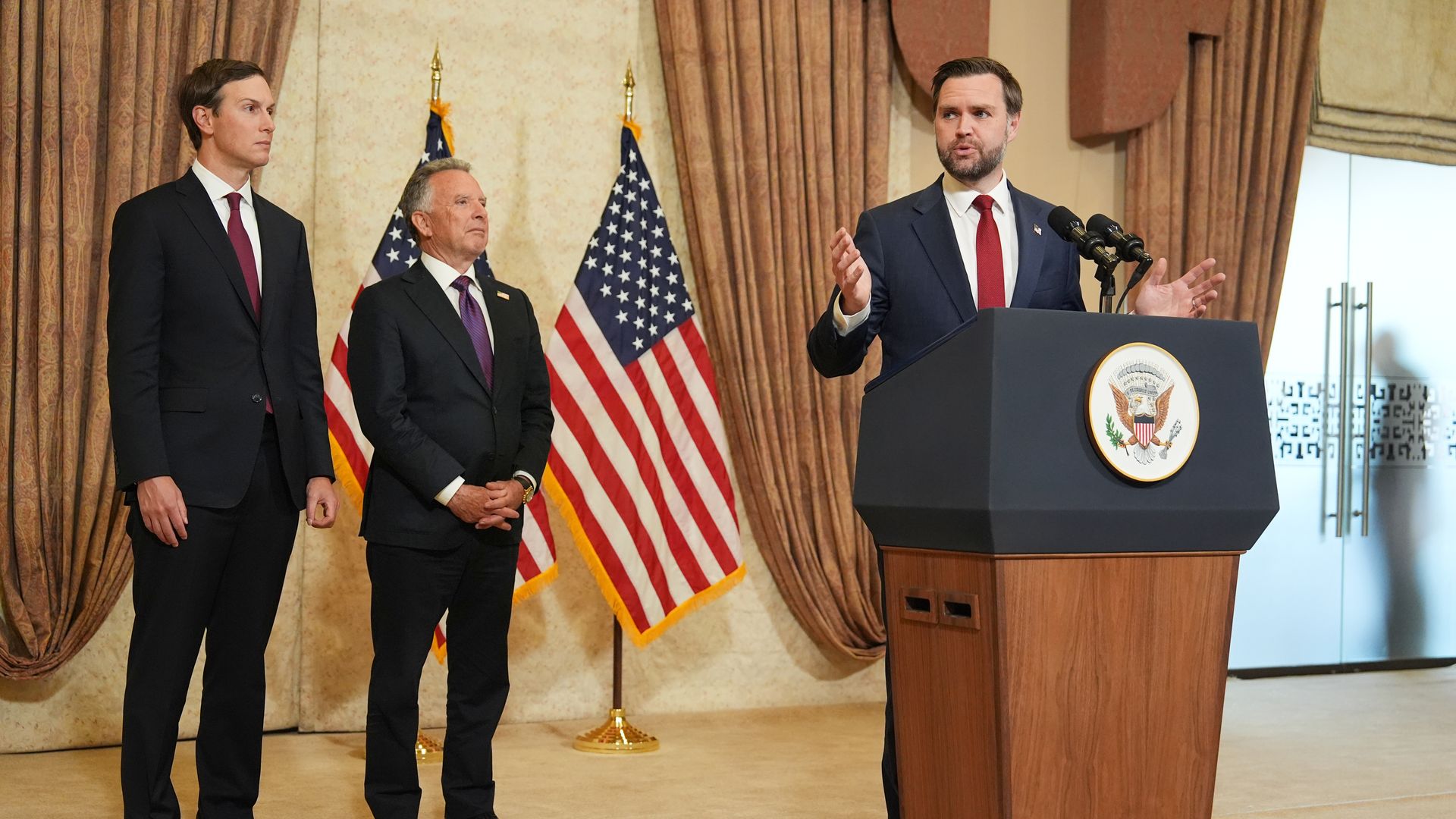
U.S. and Iranian negotiators made progress in talks on Tuesday, moving closer to a framework agreement to end the war, two U.S. officials said.
Why it matters: The two adversaries — with the assistance of Pakistani, Egyptian and Turkish mediators — have been trying to bridge remaining gaps and reach a deal before the ceasefire expires on April 21.

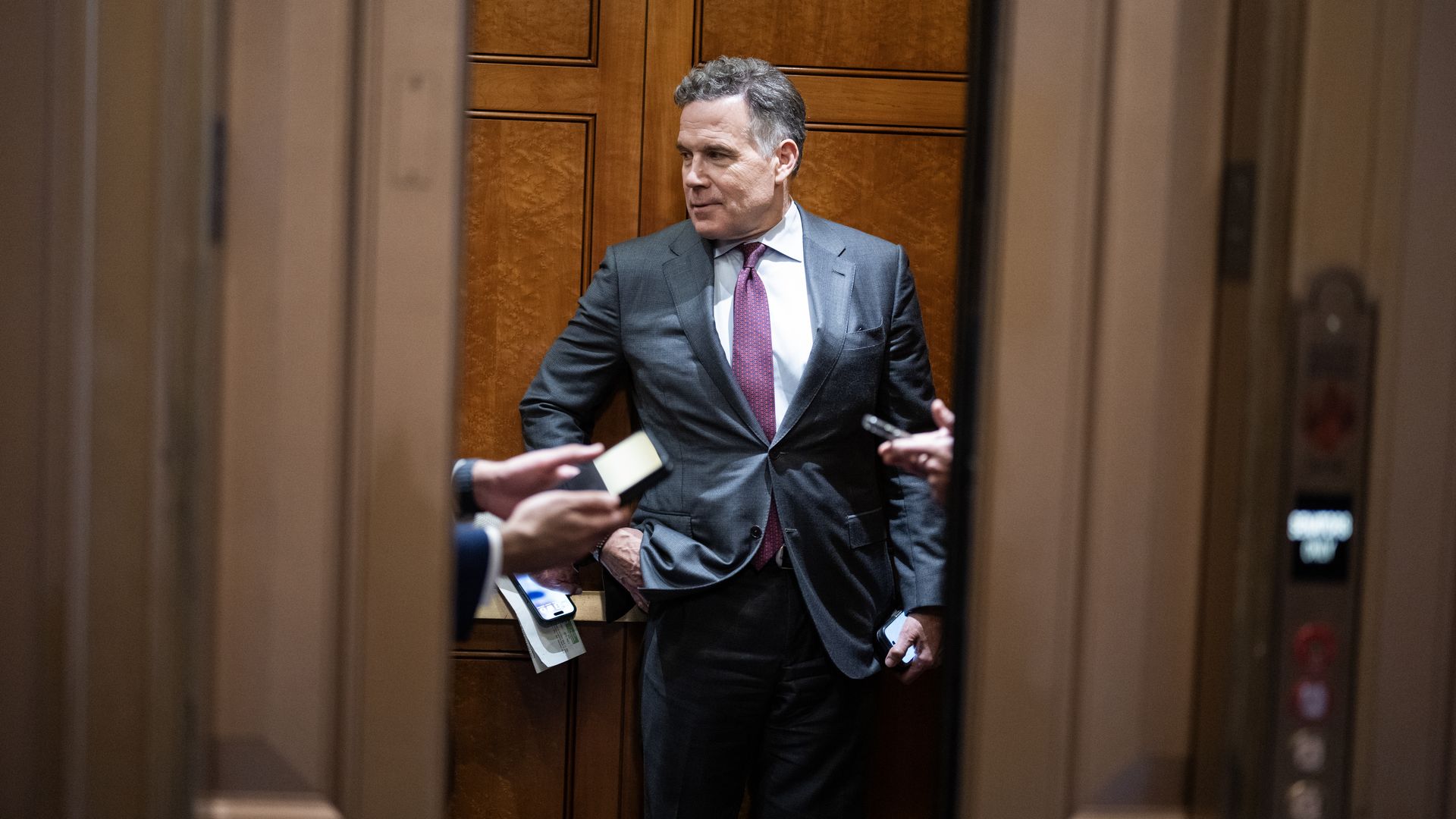
Exclusive: AI's revolution comes with risks, Sen. McCormick says
The AI revolution presents "the most profound moment of change in our lifetimes" and Americans are rightly concerned about how that will affect them, Sen. David McCormick (R-Pa.) told Axios' Mike Allen at a News Shapers event Wednesday.
Why it matters: McCormick is an AI champion on Capitol Hill, but he acknowledged that it comes with risks to Americans, the environment and economy that must be mitigated.

Airline mega-merger story is all about Trump
United Airlines CEO Scott Kirby floated the idea of a merger with American Airlines while meeting with President Trump last month, according to multiple reports.
Why it matters: Corporate America has concluded that federal antitrust approval now comes from the top.

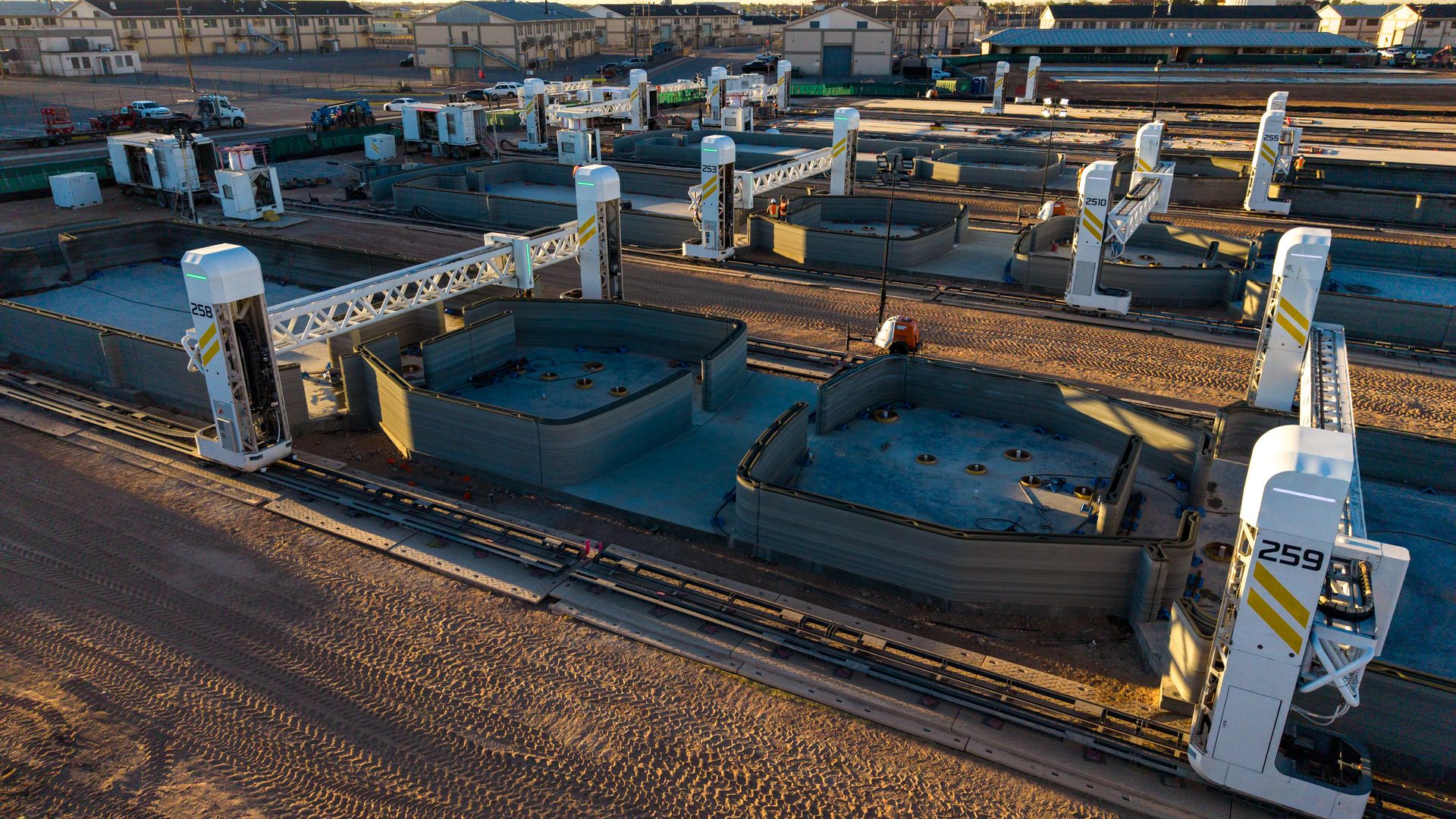
Icon Prime boss wants to build "900 barracks" in five years
Icon, a 3D-printing construction company, is launching a dedicated defense-and-space division dubbed Icon Prime.
- It's led by Will Hurd, the former Republican presidential candidate and CIA clandestine officer.
Why it matters: The business specializes in government work, including construction of military barracks and potential space bases, as well as the advanced robotics needed for such ventures.
- "We need an ability to build infrastructure, to have this force projection, in really hard places," Hurd told Axios, mentioning both the Arctic and the Indo-Pacific.

Air Force teaches an old Hog new tricks
The U.S. Air Force is developing and deploying refueling adapters for the A-10, giving the beloved-but-aging attack aircraft additional means of staying aloft.
Why it matters: The A-10, often referred to as the Warthog, has played a key role in Operation Epic Fury.
- The warplanes have strafed boats in the Strait of Hormuz and aided the rescue of an F-15E Strike Eagle pilot and weapon-system office deep inside Iran.

Turion Space raises millions, snags Andromeda contract
Turion Space raised more than $75 million and plans to spend the money on improving its spacecraft production rates and its reconnaissance capabilities in orbit.
Why it matters: Turion is one of 14 companies recently selected by the Space Force to compete for work on the Andromeda program.

Investors see past war, sending stocks near all-time high


The S&P 500 just took a round-trip — the stock benchmark for investors has recovered, and then some, from a war-driven selloff.
Why it matters: It's a split-screen moment: investor enthusiasm happening alongside the biggest energy shock in history, a rise in inflation and warnings about slower economic growth.

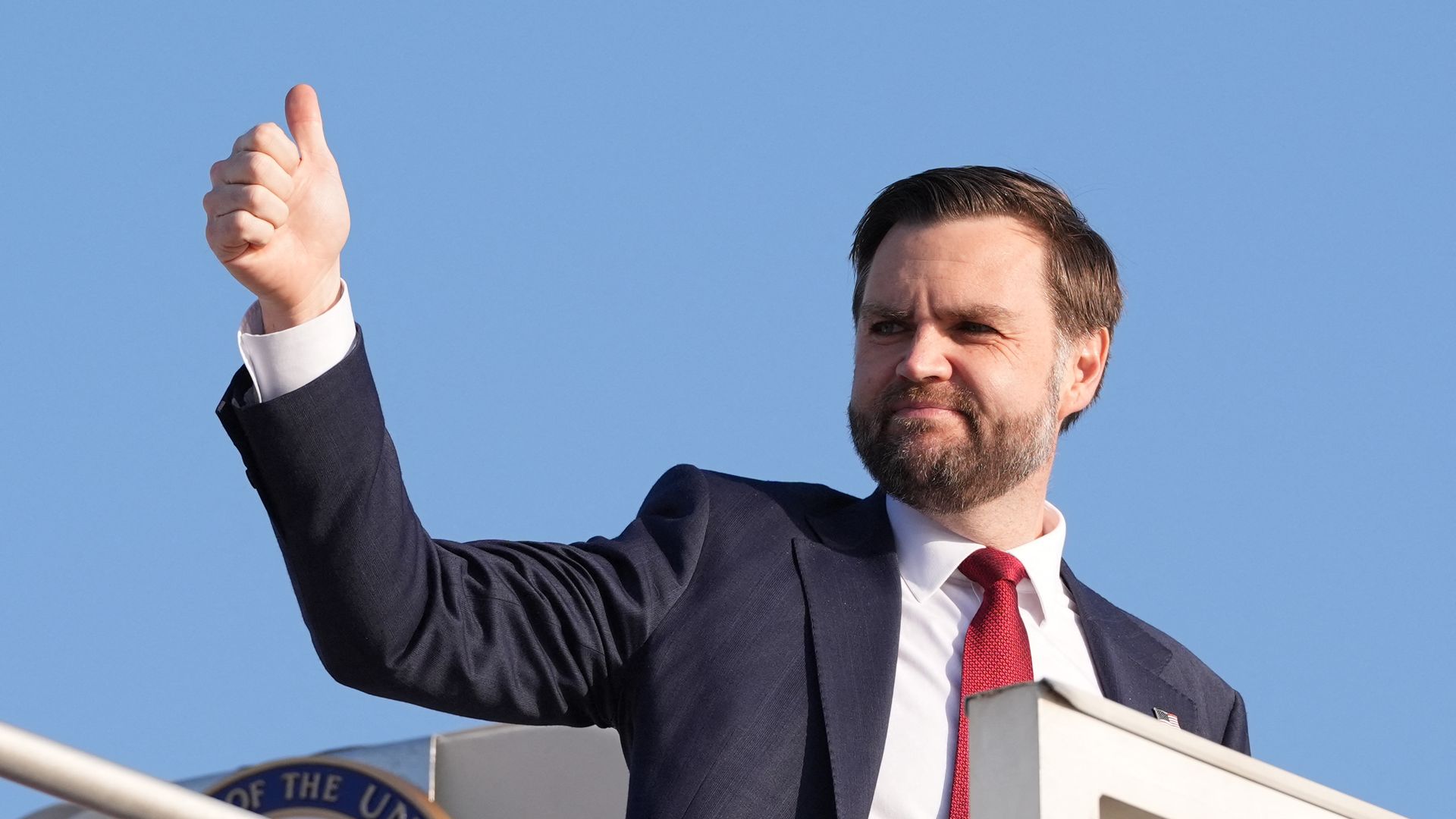
Scoop: Vance heading to Iowa for midterm events
Vice President Vance will head to Iowa later this month to host a pair of events ahead of the fall midterms, Axios has learned.
Why it matters: Vance's April 30 appearances will be aimed at helping Republicans in this fall's elections. They'll also be part of his first visit to an early primary state ahead of a widely expected bid for president in 2028.
States' efforts to rein in PBMs hit a legal roadblock
State efforts to regulate pharmacy benefit managers are colliding with federal law, reviving a power struggle over who can police the companies that manage drug benefits for most Americans.
Why it matters: The states are trying to rein in the middlemen that negotiate drug prices and pay pharmacies, but they're running into a federal law that has the final say over employer health plans.

Americans grow a bit friendlier toward China


The percentage of Americans holding favorable views of China rose for the third straight year, according to an annual Pew survey, and has nearly doubled since 2023.
- Meanwhile, the share of Americans who view China as an "enemy" has fallen significantly over that time.
Why it matters: Distrust of China hardened into a bipartisan consensus beginning in Trump's first term. It's now softening somewhat during Trump 2.0.

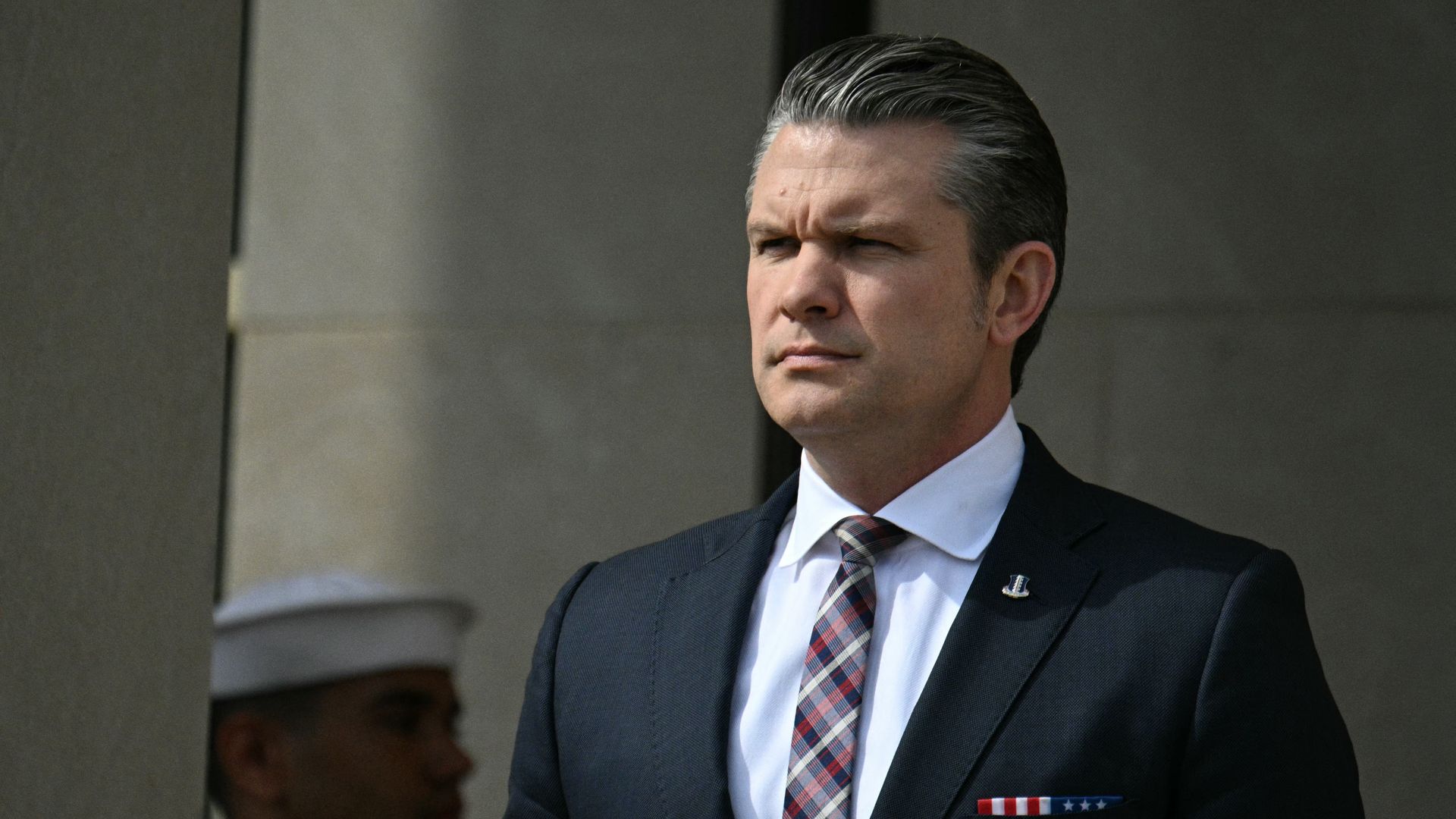
Scoop: Dems file 6 impeachment articles against Hegseth
House Democrats will introduce six articles of impeachment against Defense Secretary Pete Hegseth on Wednesday accusing him of abuse of power, war crimes and other serious wrongdoing.
Why it matters: The measure has virtually no chance of passing this Congress, but it is the latest sign that Democrats have coalesced around Hegseth as their new top target in Trump's Cabinet.

ICE deported 442k people in fiscal year 2025
The top U.S. immigration enforcement agency deported 442,637 people between October 2024 and September 2025, according to newly-released statistics.
Why it matters: The top-line figure is about 171,000 people more than the fiscal year before, but far short of Trump's campaign promise to deport one million people a year.