"The door is not closed": Mediators rush to revive U.S.-Iran talks

Add Axios as your preferred source to
see more of our stories on Google.
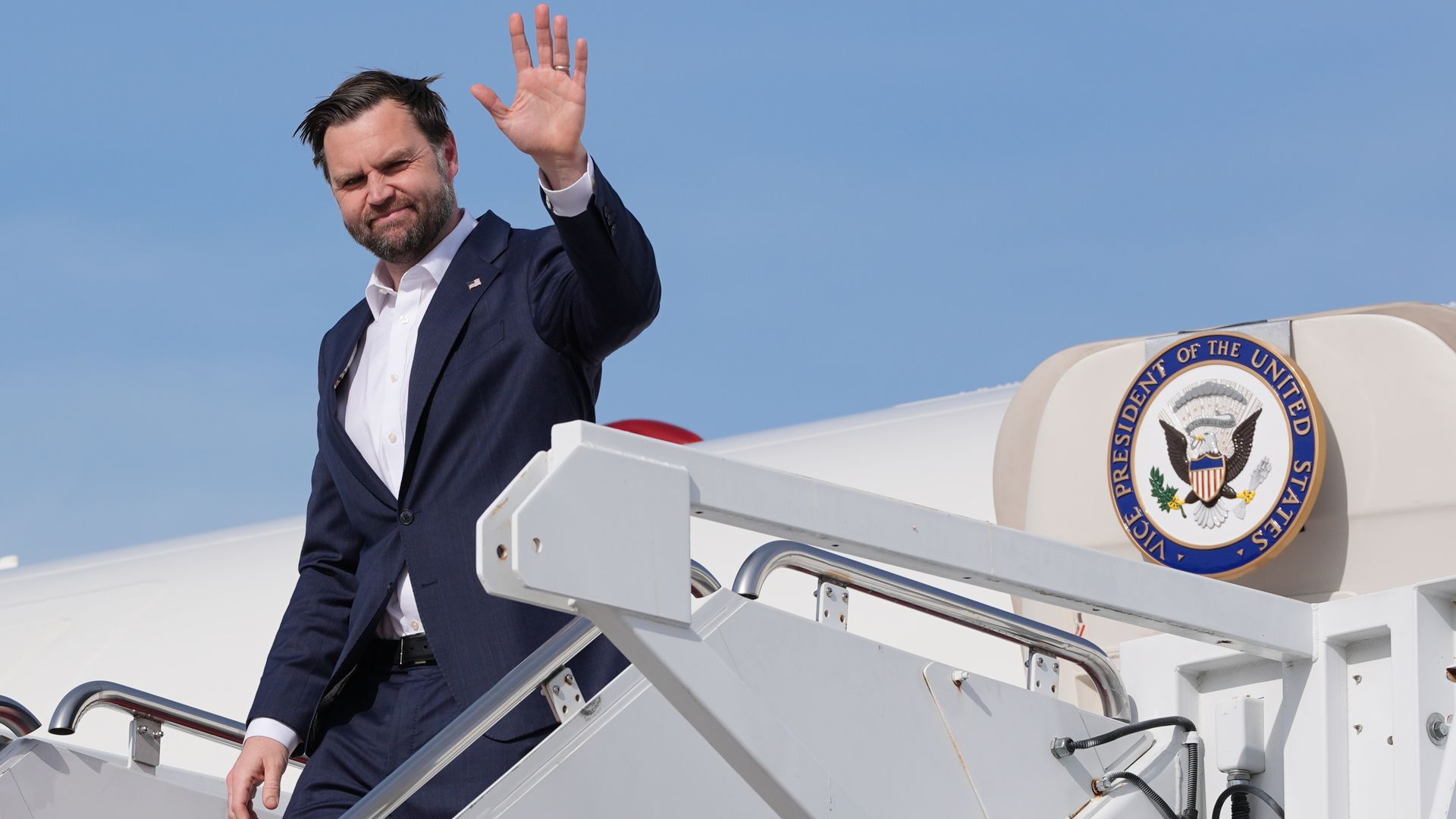
Vice President JD Vance arrives at Joint Base Andrews in Maryland yesterday following the Iran talks in Pakistan. Photo: Jacquelyn Martin/AP
Pakistani, Egyptian and Turkish mediators will continue talks with the U.S. and Iran in the coming days in an effort to bridge the remaining gaps and reach a deal to end the war, according to a regional source and a U.S. official.
Why it matters: All parties still believe a deal is possible. The mediators hope that narrowing the gaps could enable another round of negotiations before the ceasefire expires on April 21.
The big picture: President Trump is considering resuming strikes if a U.S. naval blockade doesn't make Iran change course, sources said.
- Targets could include infrastructure he threatened to attack before the ceasefire was announced.
- The blockade, like the U.S. decision to walk away from the talks in Pakistan, is part of the ongoing negotiations, a U.S. official said.
- The official claimed Trump wants to prevent Iran from using the Strait of Hormuz as leverage in the talks.
What they are saying: "We are not in a complete deadlock. The door is not closed yet. Both sides are bargaining. It's a bazaar," the regional source said
- A U.S. official agreed, adding that a deal could be reached if Iran shows more flexibility and recognizes that the Islamabad proposal is the best it will get.
- Iran's ambassador to Pakistan, Reza Amiri Moghadam, who participated in the negotiations, wrote on X that the Islamabad talks didn't fail, but laid the foundation for a diplomatic process.
- "If trust and will are strengthened, [we] can create a sustainable framework for the interests of all parties", he said.
Behind the scenes: The main gaps during the 21-hour negotiations between the U.S. and Iran in Pakistan focused on the nuclear issue, U.S. officials and regional sources said.
- One gap was around the U.S. demands that Iran freeze uranium enrichment and give up on its stockpile of highly enriched Uranium.
- Another was around the amount of frozen money Iran wants the U.S. to release in return for its nuclear concessions, the sources said.
- Iranian foreign minister Abbas Araghchi claimed the parties were "inches away" from a deal before the U.S. "shifted the goalposts" — a characterization U.S. officials and regional sources didn't confirm, though they stressed progress was made.
- On Sunday, the Turkish and Egyptian foreign ministers held separate phone calls with their counterpart in Pakistan. Both then spoke to White House envoy Steve Witkoff and Araghchi, sources said.
Zoom in: Vice President JD Vance, who led the U.S. negotiating team, met the Iranians for the first time in Islamabad.
- A U.S. official said the talks were "tough" but became "a friendly and productive exchange of proposals."
- Despite a downbeat close to the Islamabad talks, Vance left the door open and hopes Iran will return to the table.
- "In the coming days, the Vice President is hopeful that they reflect on the offer that they received and recognize that a deal is in both parties' interest," the U.S. official said.
The latest: Vance called Israeli Prime Minister Benjamin Netanyahu from his plane after leaving Islamabad, Netanyahu told his cabinet Monday.
- "He reported to me in detail, as this administration does every day, about the development of the negotiations," Netanyahu said.
- Netanyahu said the U.S. broke off talks after concluding Iran violated the ceasefire agreement by failing to reopen the Strait of Hormuz.
- Vance told him the main sticking point was removing all enriched material from Iran and ensuring no enrichment "in the coming years, and that could be in decades," Netanyahu said.
What to watch: U.S. Central Command (CENTCOM) said the naval blockade on Iran that Trump announced would begin on Monday at 10am ET and "will be enforced impartially against vessels of all nations entering or departing Iranian ports and coastal areas."
- CENTCOM added that the U.S. "will not impede freedom of navigation for vessels transiting the Strait of Hormuz to and from non-Iranian ports."
