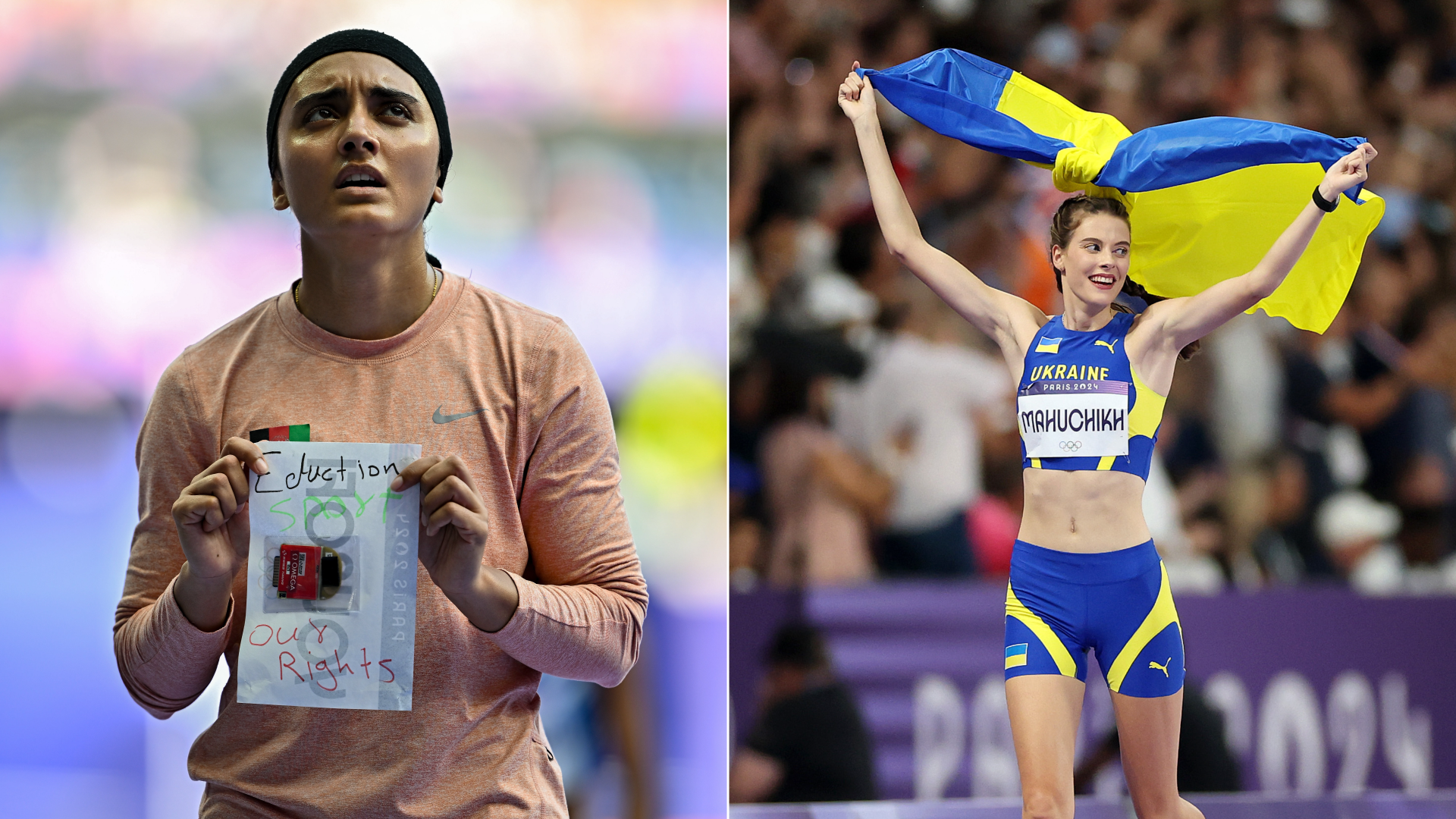
Some Paris Olympics athletes are utilizing the world stage to shed light on conflicts in their home countries.
The big picture: While theInternational Olympic Committee typically steers clear of geopolitics, they have imposed some restrictions regarding world affairs, including a ban on athletes from Russia and Belarus competing under their nation's flags due to Moscow's ongoing invasion of Ukraine.
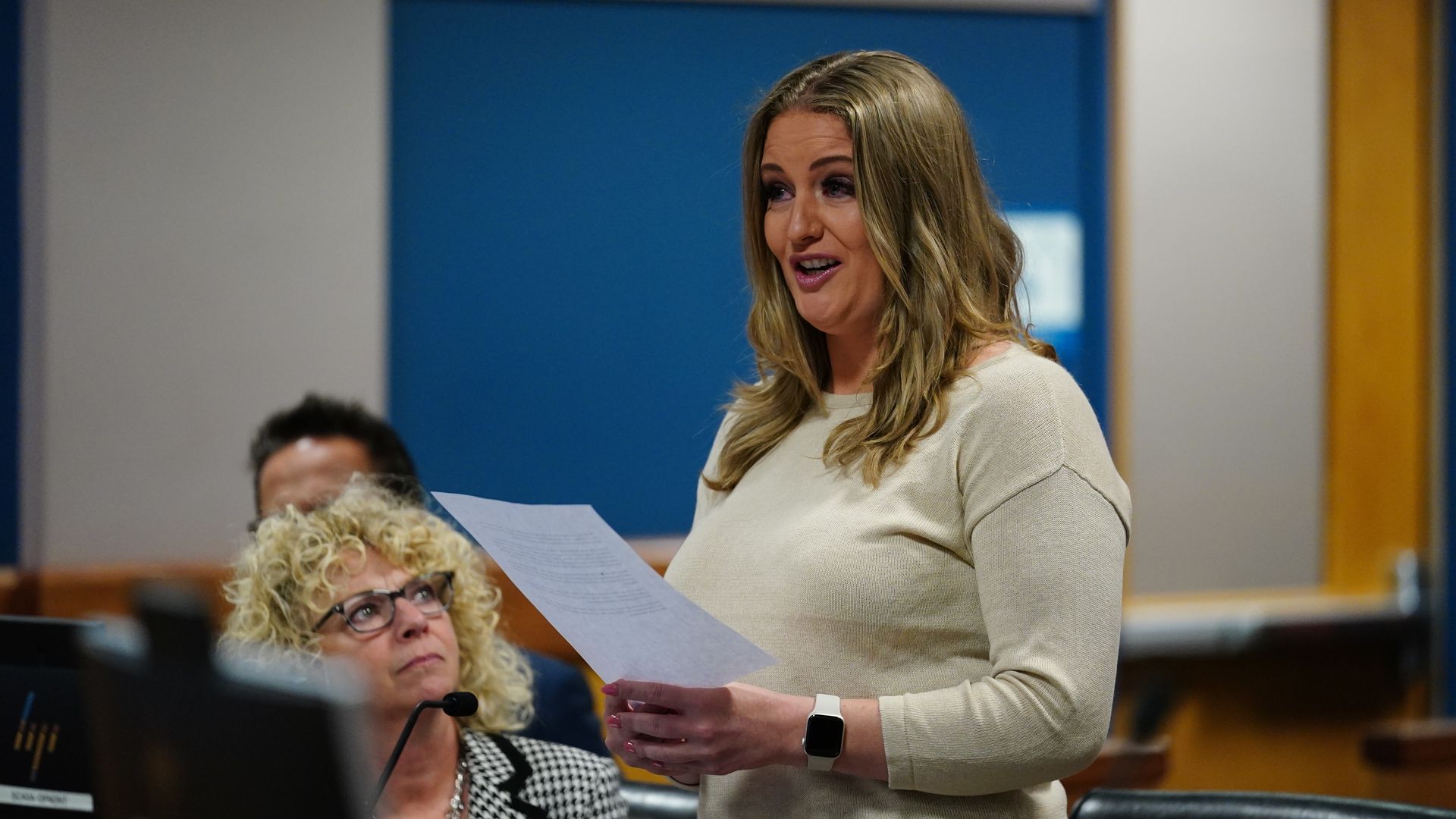
Jenna Ellis, a one-time attorney for former President Trump, has agreed to testify against her co-defendants in the Arizona fake electors case in exchange for the state Attorney General's Office dropping charges against her.
Why it matters: Ellis is the first of 18 defendants in the alleged plot to overturn Arizona's 2020 presidential election results to cooperate with the state AG's office.
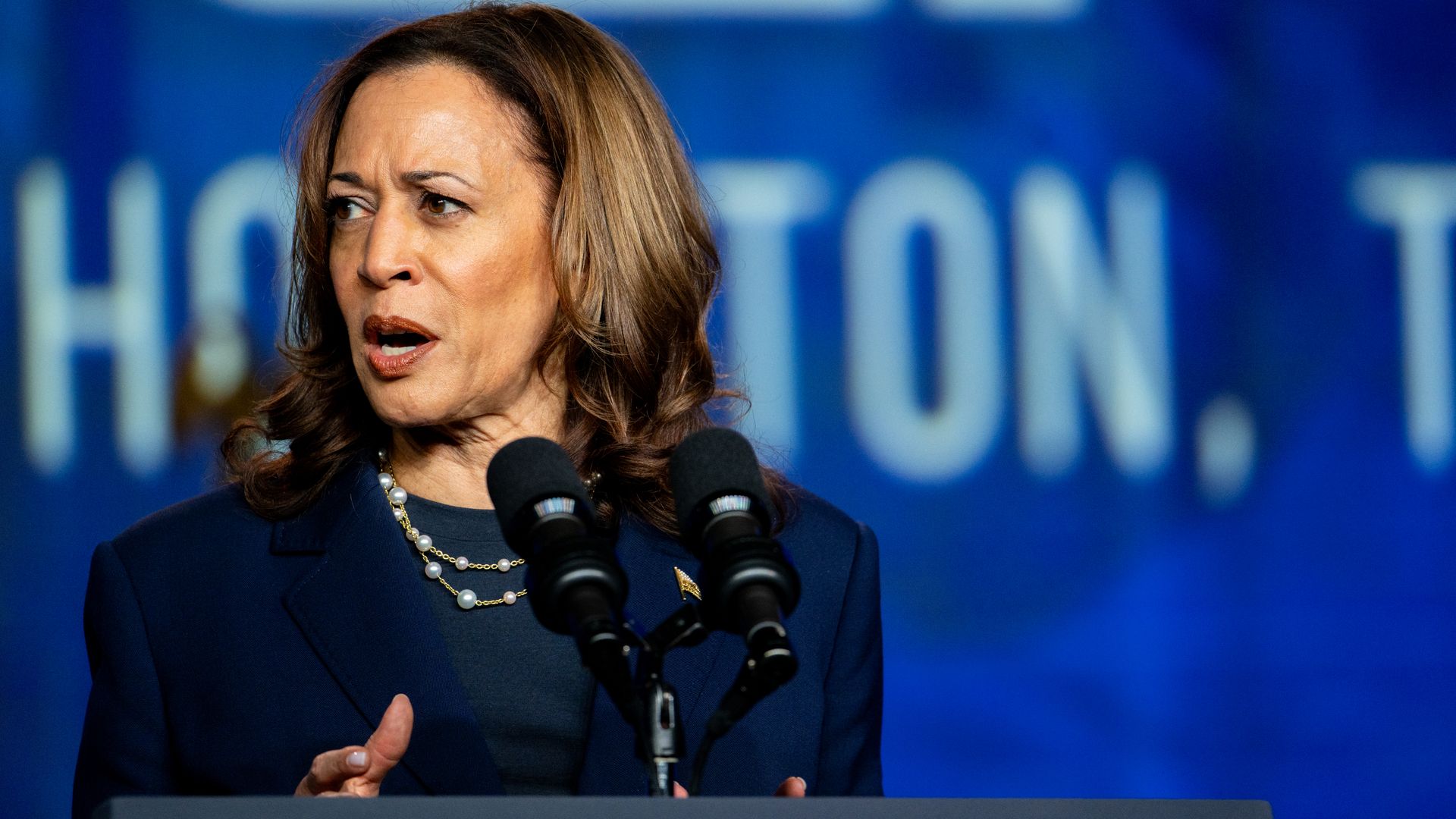
A Virginia man was arrested and charged with making threats against Vice President Harris and other public officials in thousands of social media posts, Department of Justice officials announced on Monday.
The big picture: In recent years, law enforcement officials have warned that threats against members of Congress, election workers and other public officials are on the rise.
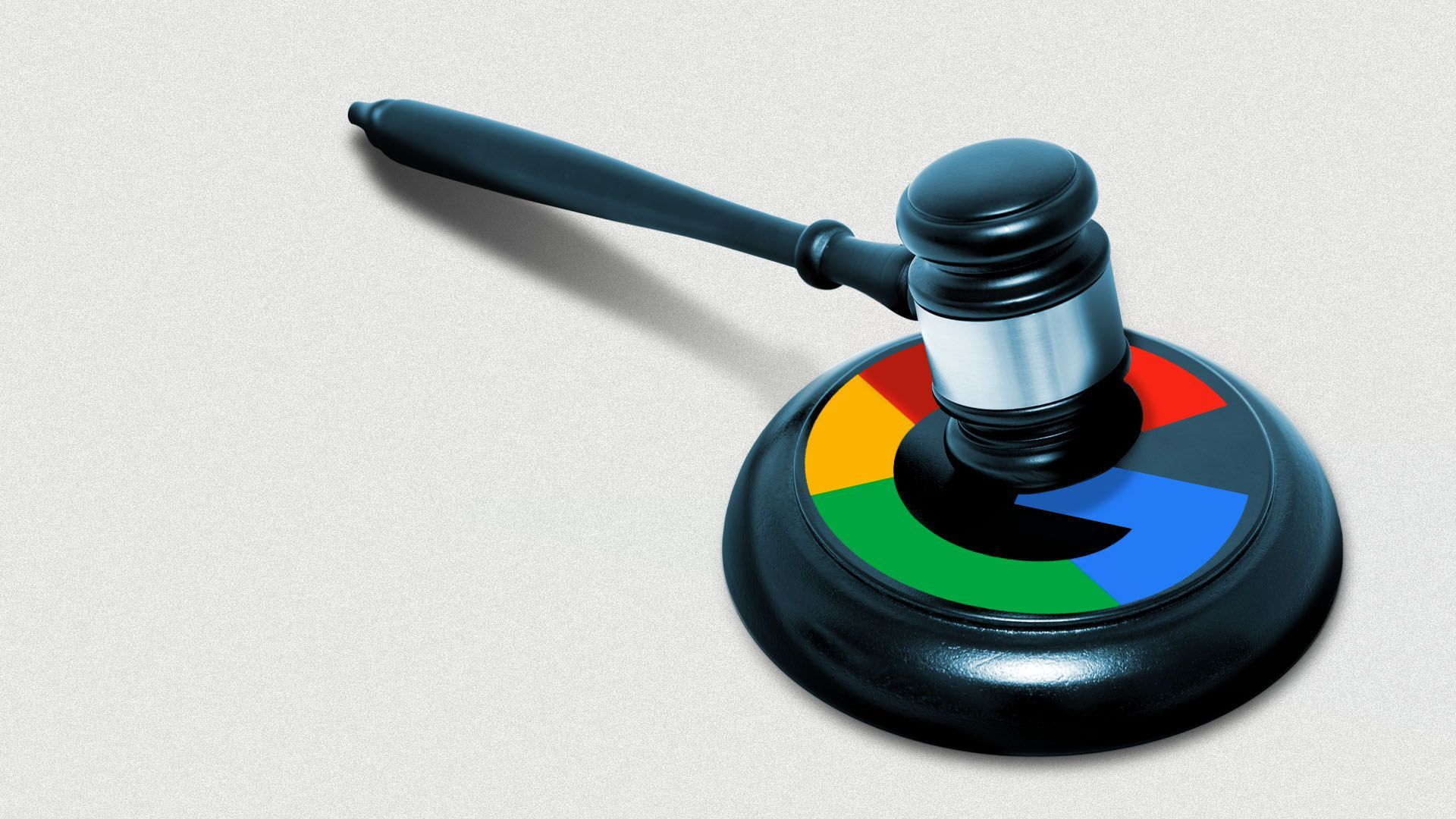
Google violated federal antitrust rules to maintain a monopoly in the online search market, per a federal judge's ruling issued Monday, a seismic turn of events for the tech giant that will ripple across the entire industry.
Driving the news: Judge Amit P. Mehta of the U.S. District Court for the District of Columbia said in the ruling Google has abused its position to stay at the top:
"Google is a monopolist, and it has acted as one to maintain its monopoly," Mehta wrote.
It's the biggest tech antitrust ruling since the Microsoft case in the 1990s.
Why it matters: The ruling is proof that current U.S. antitrust law can be successfully applied to online companies born in the digital age, and factors beyond customer price can convince a judge that a company acted as a monopolist.
Mehta's ruling is about liability—not remedies—so it's unclear what Google will be required to do next.
Google and the Justice Department did not immediately provide comment.
Context: The proceedings first began in 2020, when the DOJ and a number of states sued Google for illegal dominance in online search, basing their case mostly on the contracts between Google and Apple's Safari and Mozilla's Firefox, worth billions.
What they're saying: "This landmark decision holds Google accountable. It paves the path for innovation for generations to come and protects access to information for all Americans," said DOJ assistant attorney general Jonathan Kanter in a statement.
"This decision recognizes that Google offers the best search engine, but concludes that we shouldn't be allowed to make it easily available," Kent Walker, Google's president of global affairs, said in a statement, citing the ruling's description of Google's "high quality" search engine.
"Given this, and that people are increasingly looking for information in more and more ways, we plan to appeal," Walker said.
The other side: Google and its lawyers maintained throughout the trial that every decision made around search, and the default settings for search it paid for on Apple iPhones and Androids, were all for providing the best possible consumer experience.
People aren't forced to use Google on their smartphones, they choose to because they think it's the best, the company repeatedly argued.
Google rivals including Microsoft and browsers including DuckDuckGo accused the company of monopolistic behavior, arguing smaller browsers can't possibly compete with Google's scale; also arguing that such dominance is sure to spill into the race to lead on artificial intelligence.
The government accused Google of acting as a monopoly both in how it priced search ads and over the lucrative contracts with other companies.
What's inside: DOJ's ruling says that Google has monopoly power over general search and general search text ad markets, that its contracts or "distribution agreements" have anticompetitive effects, and Google did not provide a valid argument as to why they exist.
What's next: Antitrust cases against Big Tech will continue. Another DOJ case focused on Google's advertising technology will go to trial in September, and a DOJ suit against Apple is underway as well. The Federal Trade Commission has its own proceedings against Meta and Amazon.
Mehta will next have to decide on remedies in the search case.
Editor's note: This is a developing story. Please check back for updates.
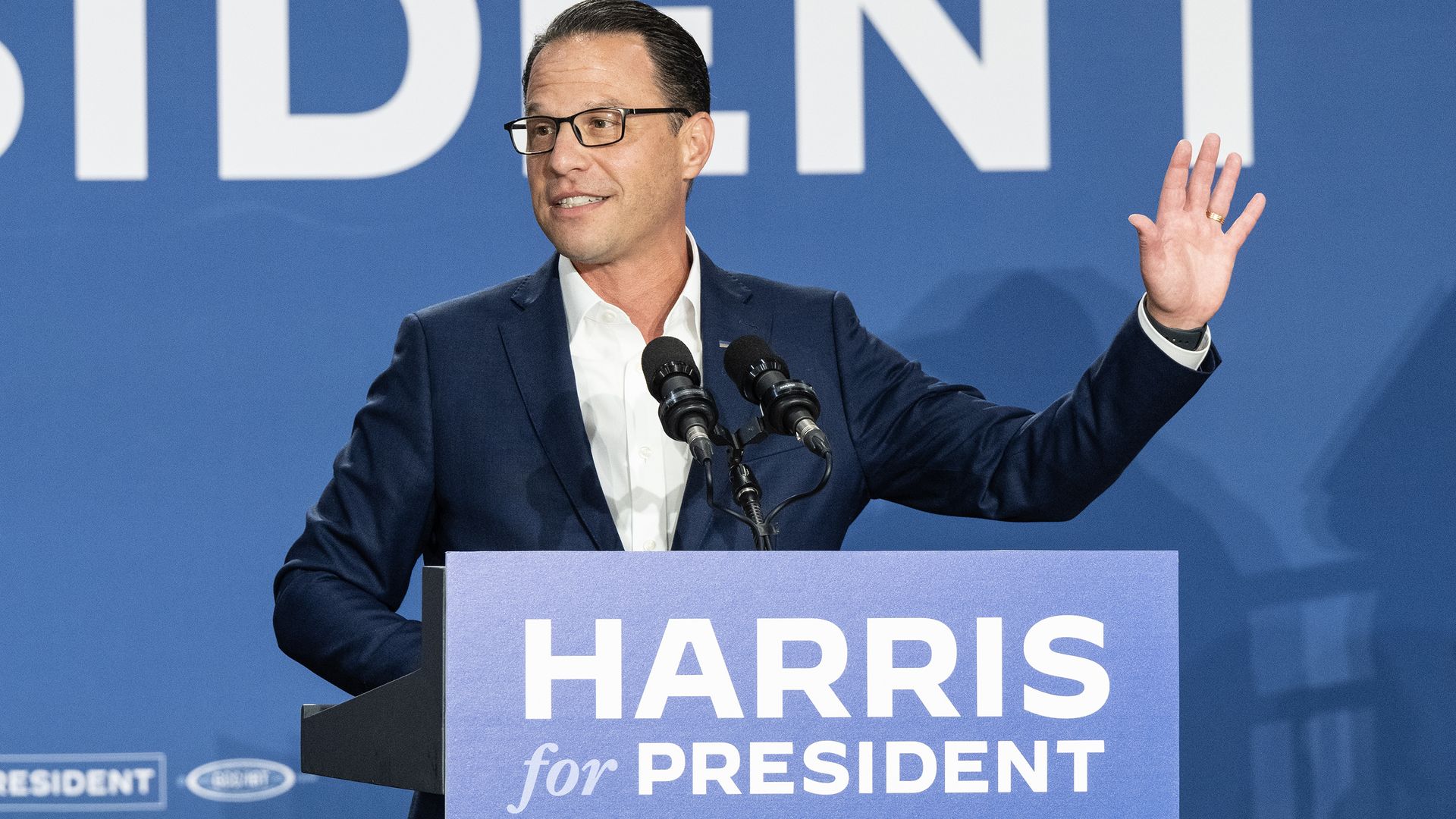
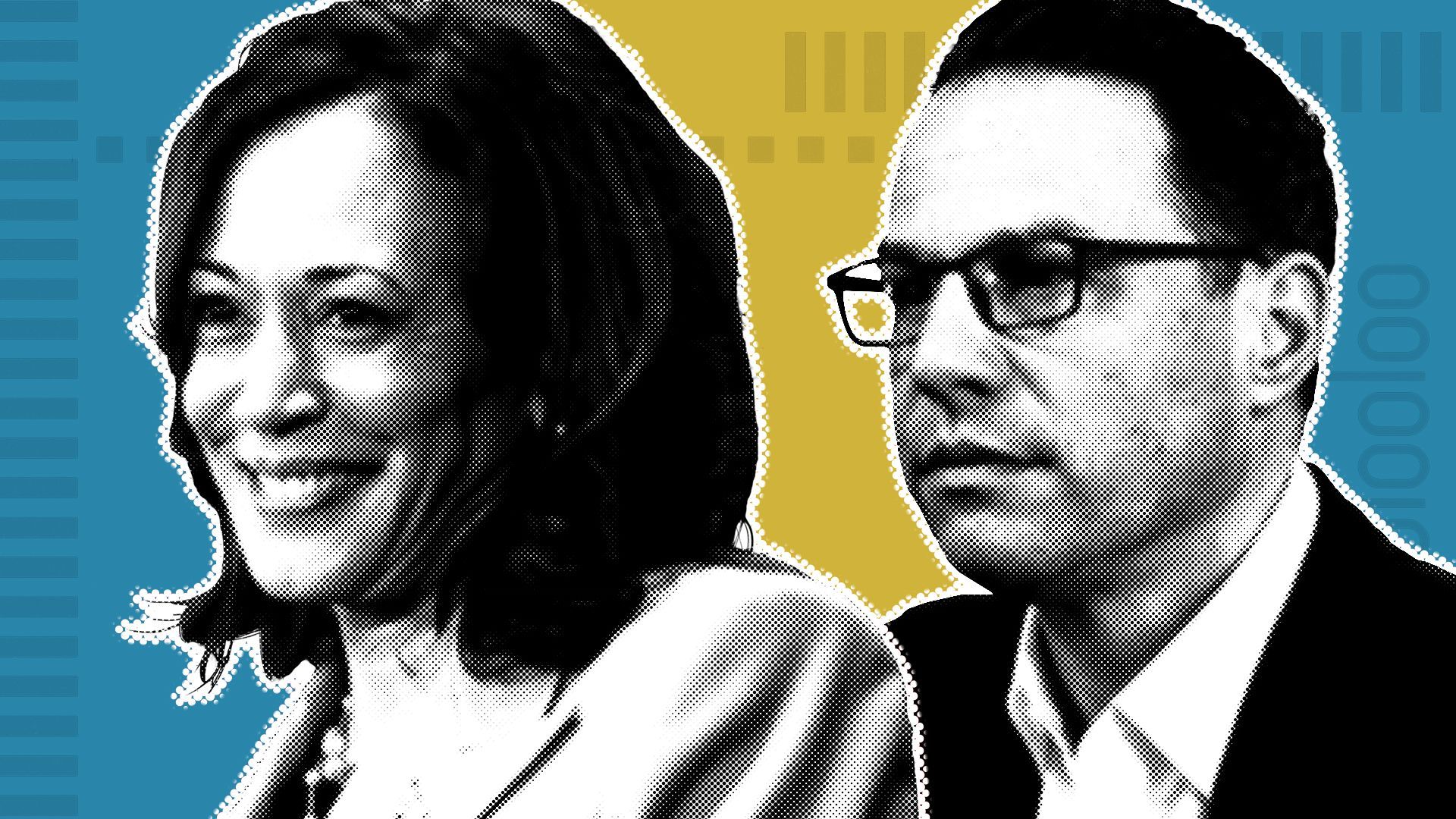
Pennsylvania Gov. Josh Shapiro has been outspoken against antisemitism and in support of Israel throughout the war in Gaza. His positions have attracted criticism from some progressives as the biggest point against him now that he's on Vice President Kamala Harris' running mate shortlist.
Why it matters: Pennsylvania is a key battleground in the presidential election. Harris is expected to announce her pick early this week ahead of an appearance in Philadelphia Tuesday to kick off a swing-state tour.
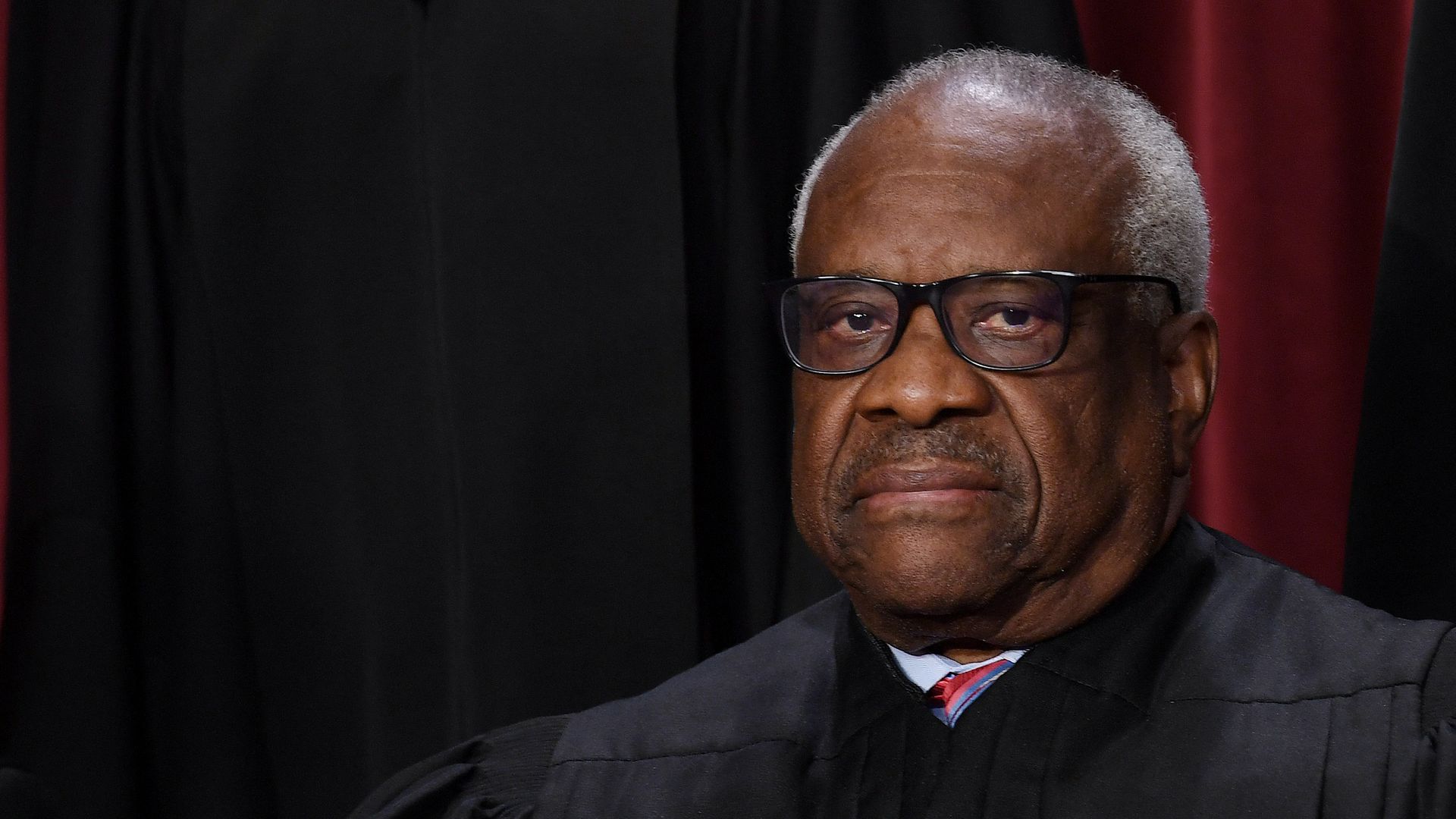
Supreme Court Justice Clarence Thomas failed to disclose flights between Hawaii and New Zealand that he took on Republican megadonor Harlan Crow's private jet, Senate Finance Committee Chair Ron Wyden said Monday.
Why it matters: Thomas came under fire last year after several investigations revealed the close ties between him and Crow — including that he'd failed to report luxury trips taken on Crow's dime — that spurred greater scrutiny of Supreme Court justices' financial practices.
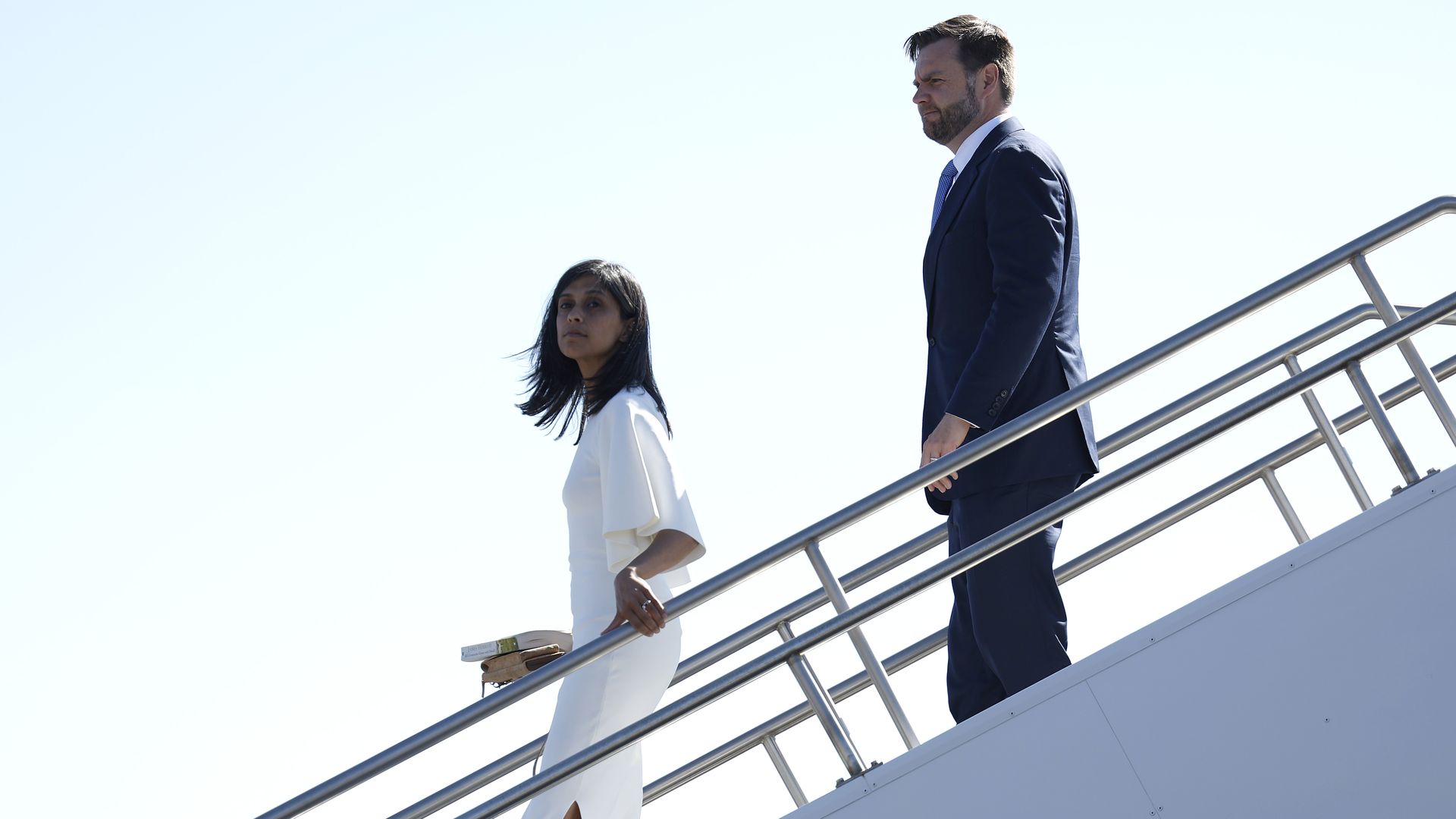
Usha Vance, the wife of GOP vice presidential nominee and Sen. JD Vance (R-OH), defended her husband as he's faced blowback for criticizing "childless" adults in a 2021 interview — saying it was a "quip."
Why it matters: Vance's past comments have attracted substantial bipartisan criticism and have been seen as part of a broader conservative effort to weaponize the intensely personal decision to have children.
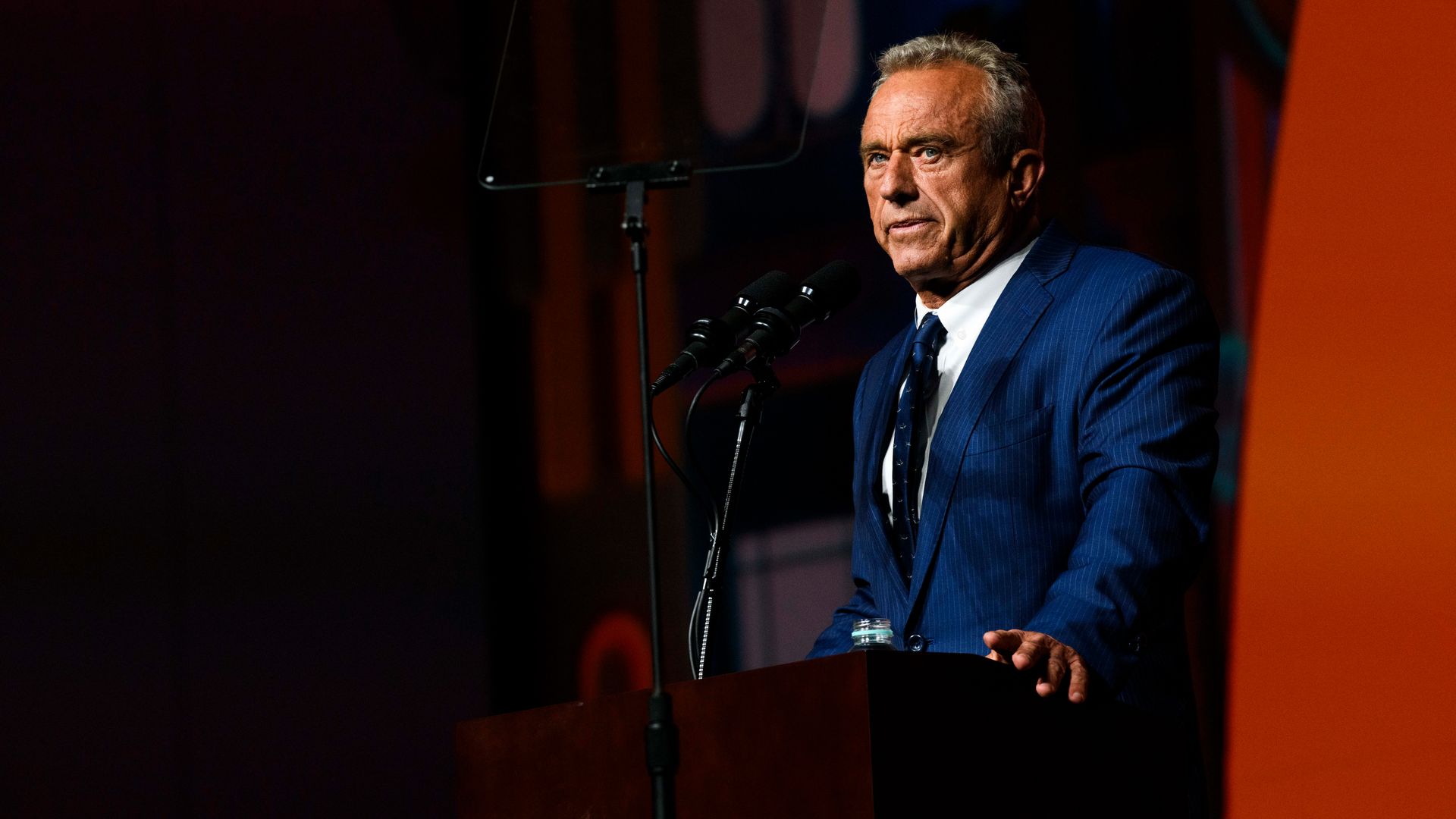
A New Yorker profile of Robert F. Kennedy Jr. out Monday revealed the story behind his decision to leave a dead bear cub in New York City's Central Park a decade ago, which he revealed on X the previous day.
The big picture: The independent presidential candidate has struggled to find footing in a race where he was once viewed as a formidable spoiler in a Trump-Biden rematch.
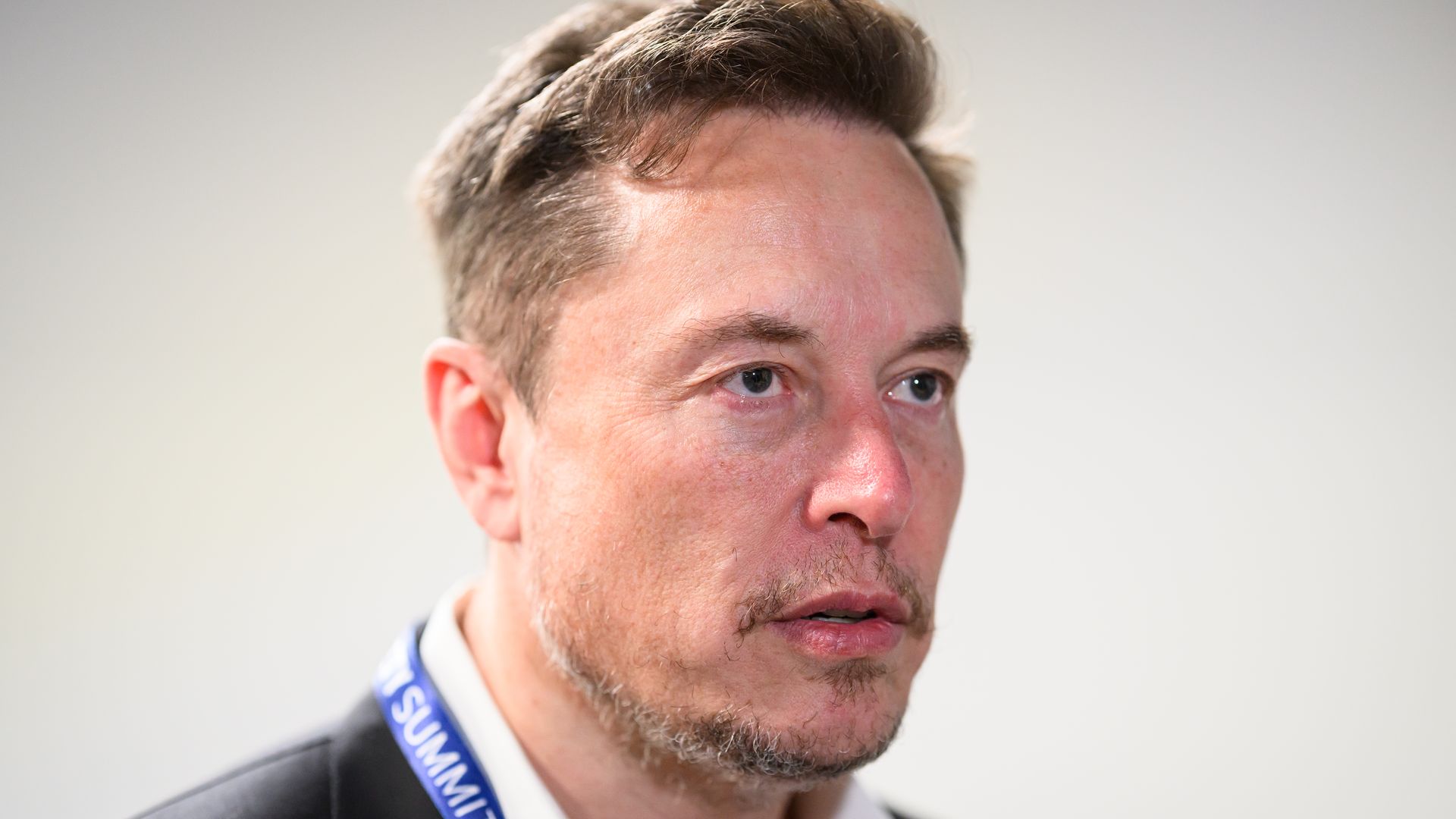
Five secretaries of state sent a letter to Elon Musk Monday imploring him to fix X's AI chatbot after it shared misinformation about the 2024 presidential election.
Why it matters: Experts have long warned about the threat of AI-driven misinformation, which is more salient than ever as the election heats up and voters are susceptible to lies about the candidates or voting process.
Conservatives are targeting the hundreds of billions of dollars infederal spending that's led to the highest insured rate in U.S. history — and no program is more in the crosshairs than Medicaid.
Why it matters: The Affordable Care Act expansion of Medicaid for low-income adults helped drive enrollment to nearly 75 million people as of April.
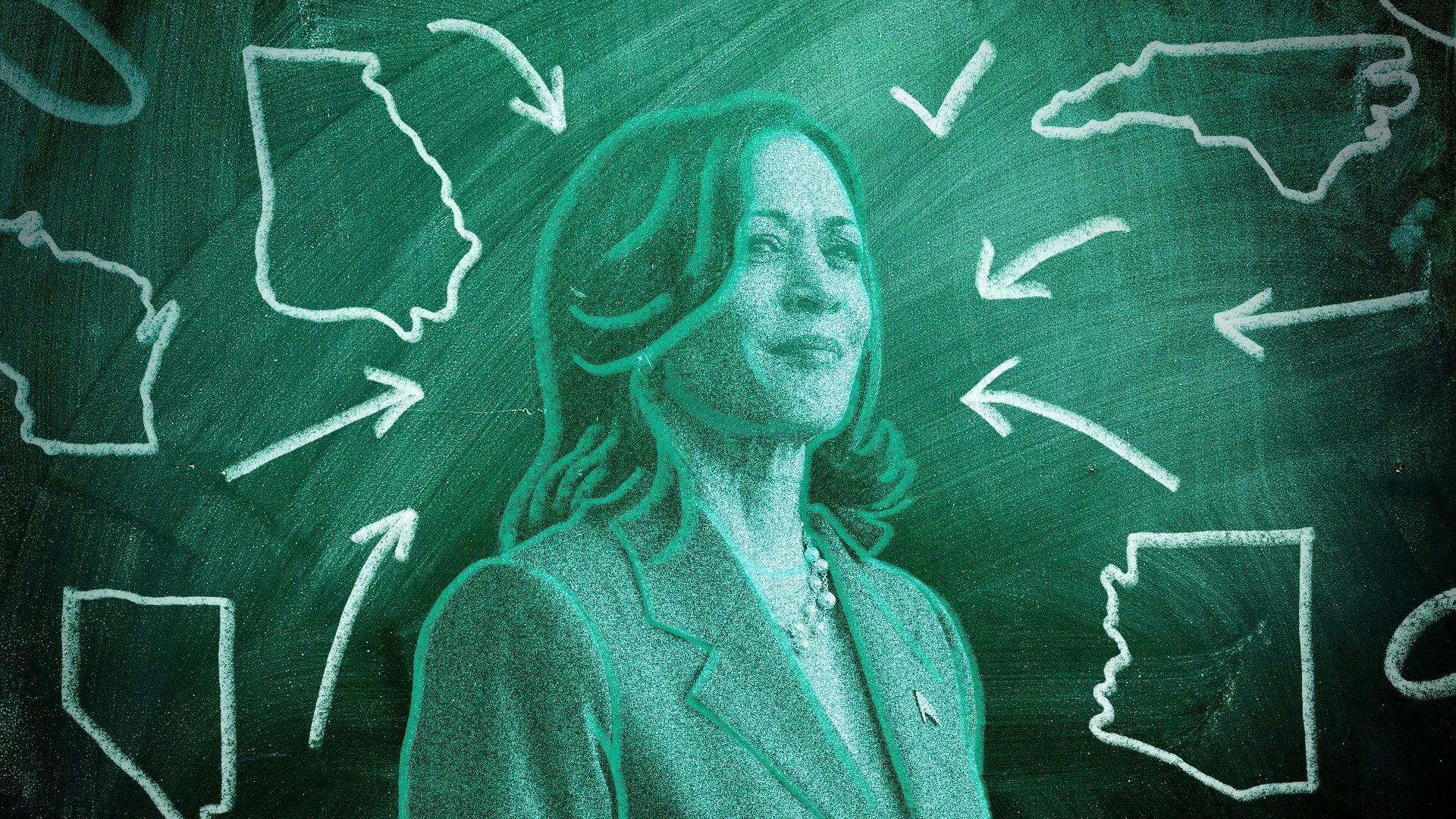
Vice President Kamala Harris is eyeing a broader path to victory than President Biden's 2024 map, with an army of enthused volunteers and piles of cash.
Why it matters: Harris' entry could put Georgia, Arizona, and North Carolina back in play, forcing Trump to spend in states he considered safe.