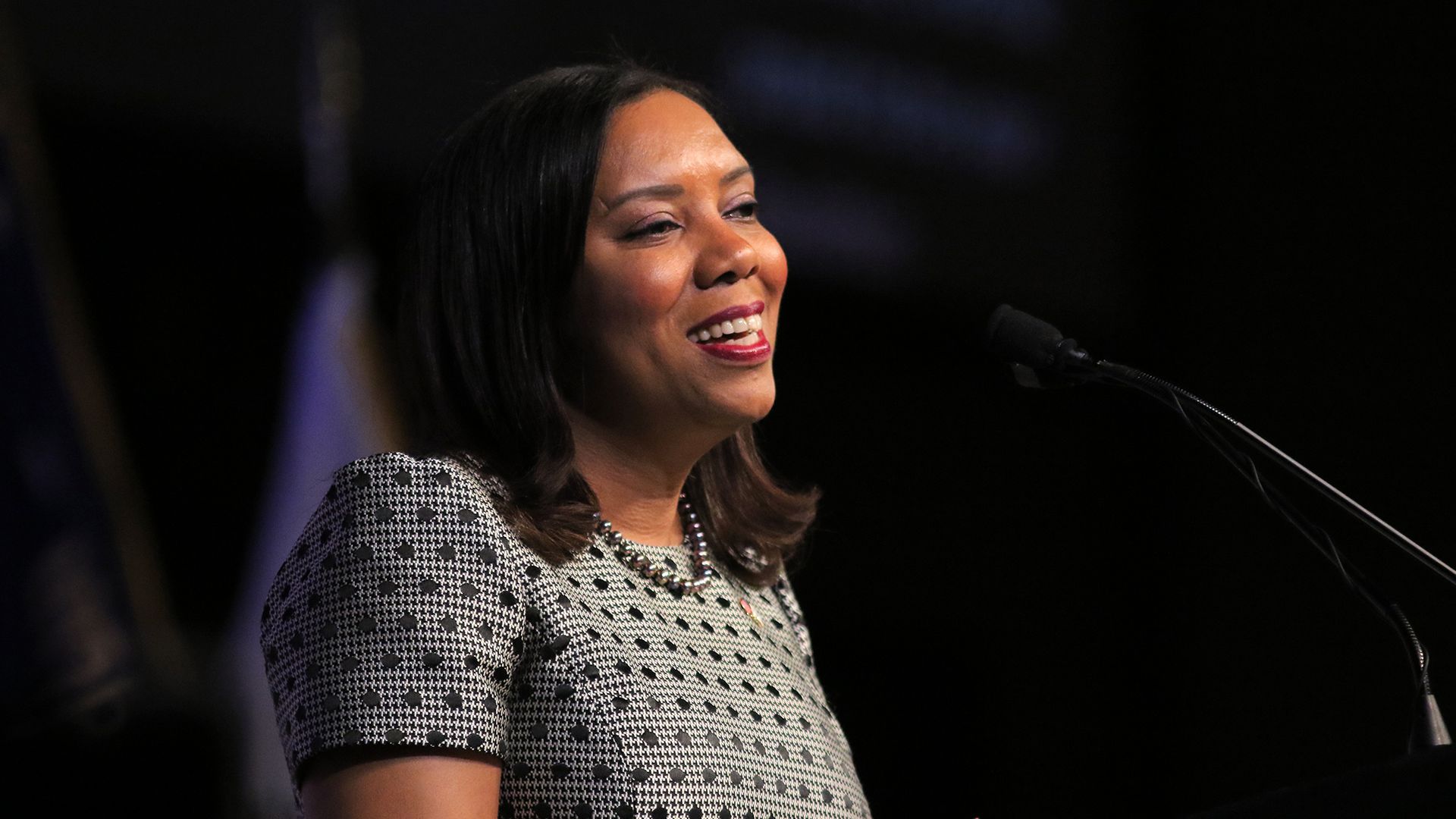
Rhode Island Lt. Gov. Sabina Matos is attempting to become the first Dominican American woman in Congress, announcing Monday she'll run for the seat soon to be vacated by Democratic Rep. David Ciciline.
The big picture: The announcement by Matos comes as Dominican political power has grown in recent years, particularly in northeast states like Rhode Island, Massachusetts and New York.
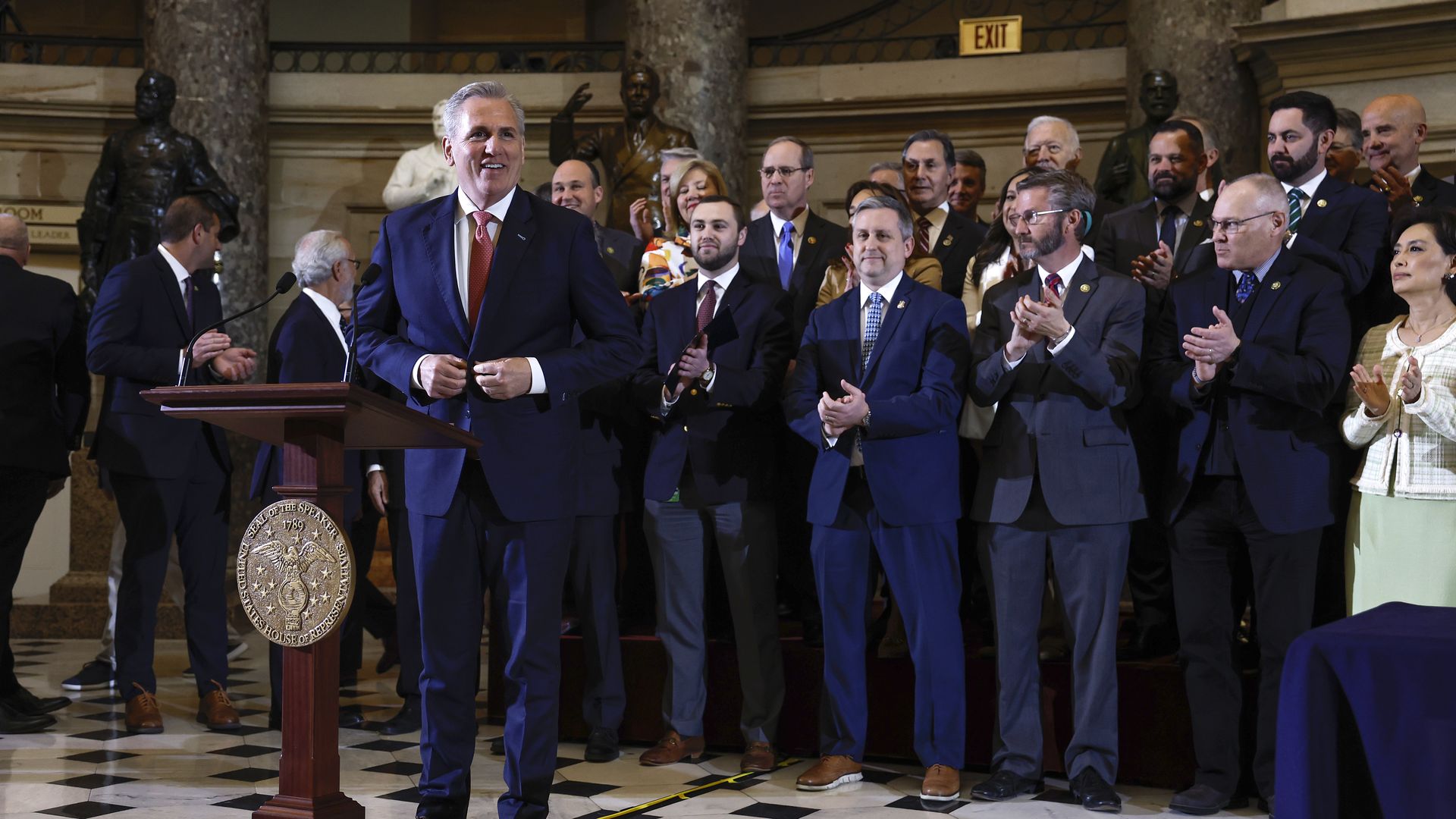
The National Republican Congressional Committee is plotting a sprawling battlefield in 2024, naming 37 Democrat-held House districts to its initial list of targets.
Why it matters: It’s an ambitious strategy in a presidential year, when House results are often closely correlated with top-of-the-ticket margins. The last three presidential elections — all close by historical standards — saw flips of six to 14 seats in the House.
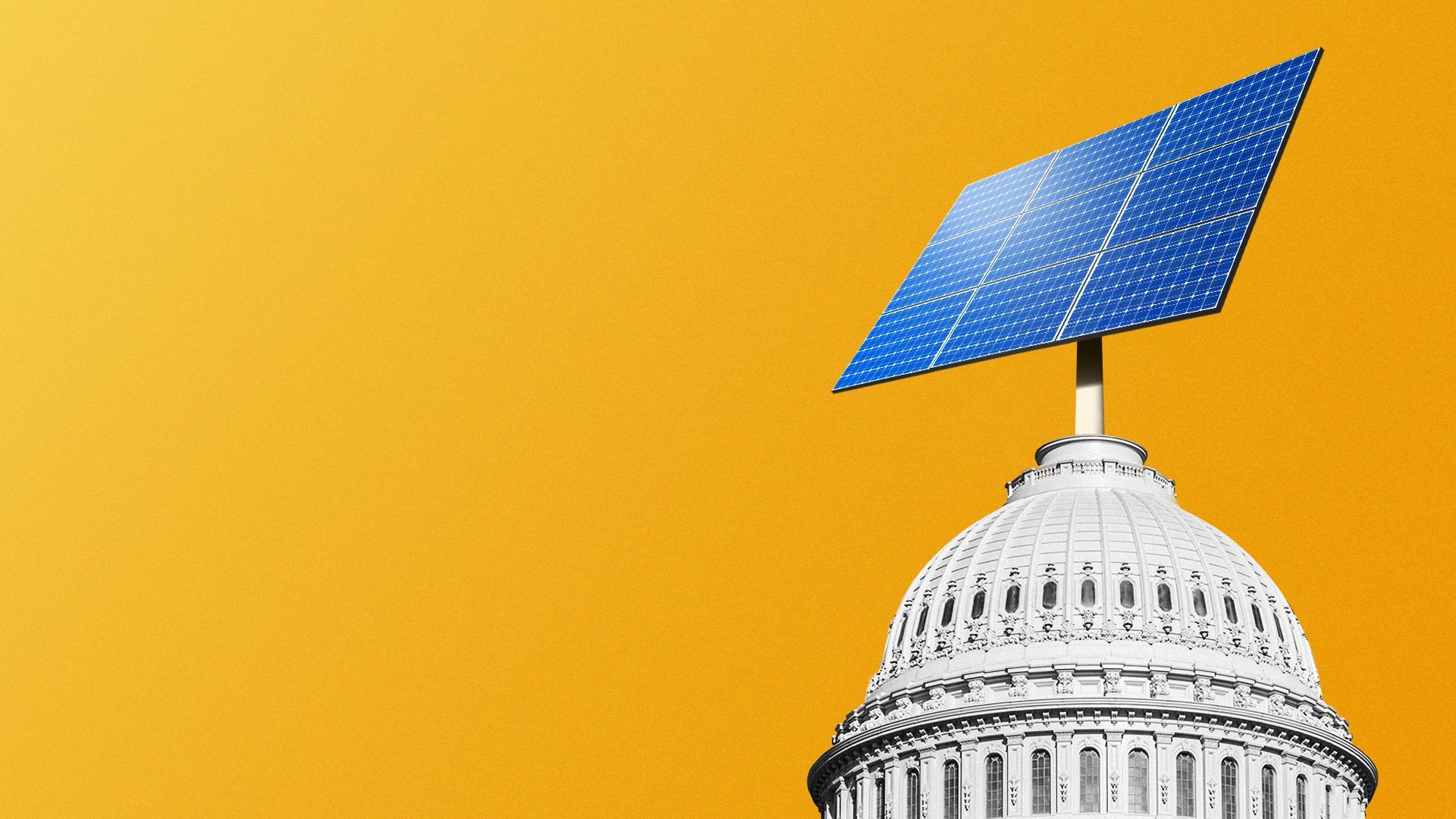
Senate Democrats are preparing to rehash a fight over solar panel tariffs they thought they had won last summer, when President Biden used his executive power to suspend tariffs on solar parts from Southeast Asia.
Why it matters: Last summer's showdown between solar panel importers and domestic producers pitted Democrats against each other and nearly froze solar panel projects across the country.
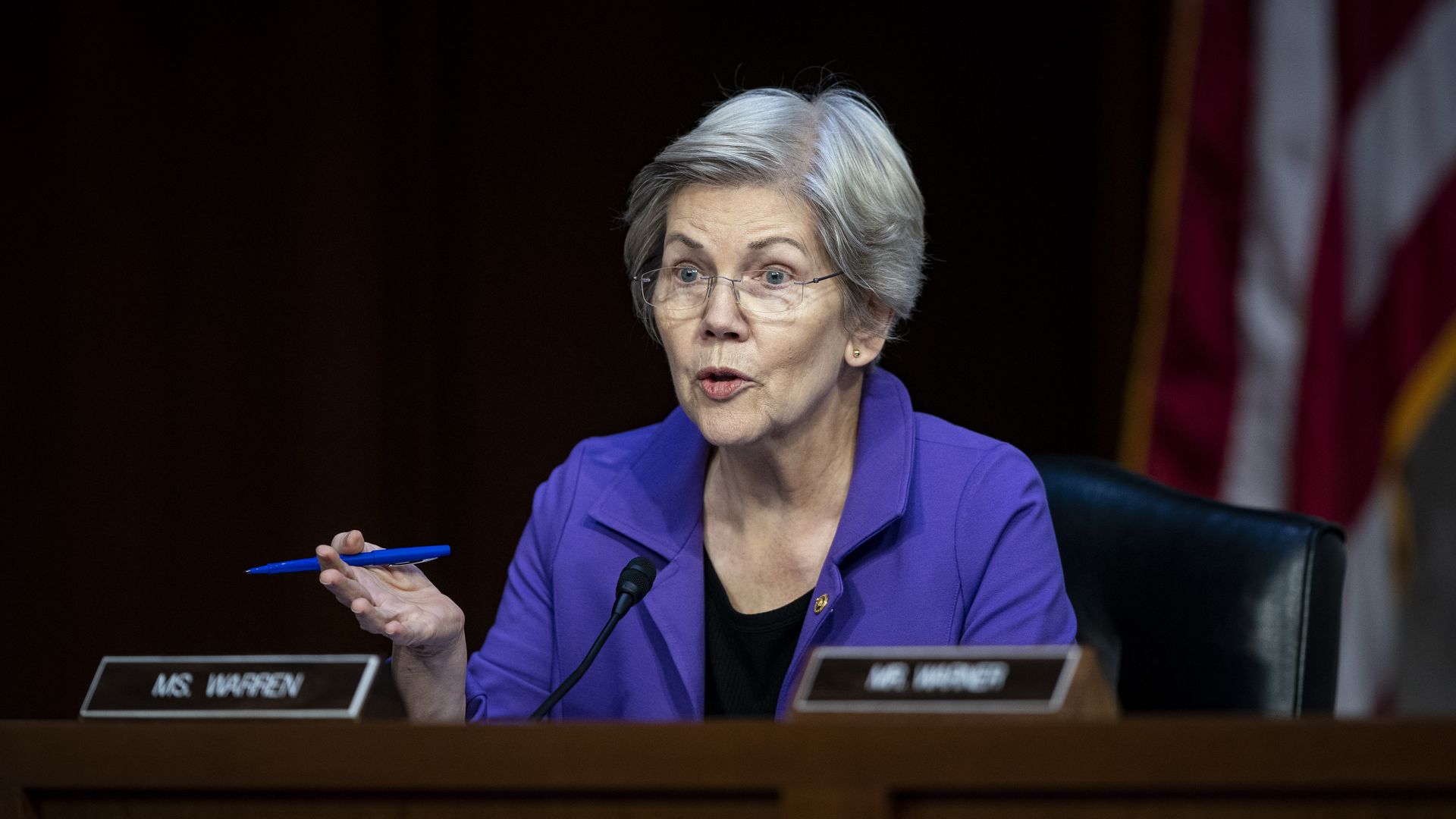
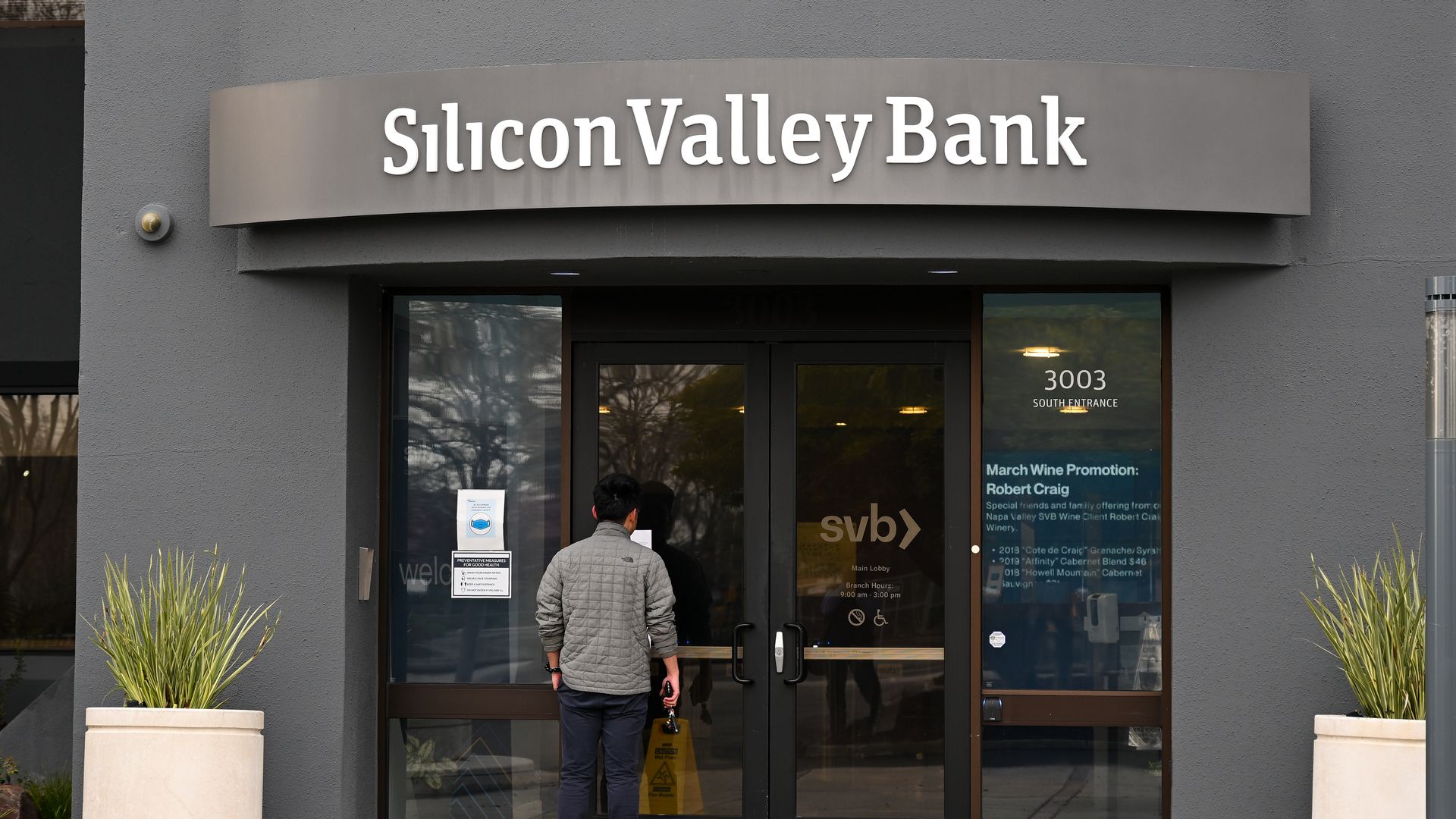
Republicans and Democrats alike have wasted no time turning the collapse of Silicon Valley Bank into a political football, seizing on the themes already animating each party's economic message heading into 2024.
Why it matters: The 2008 financial crisis — and the bailouts for big banks that followed — spawned significant populist movements on both the right and left, with legacies still felt in today's politics.
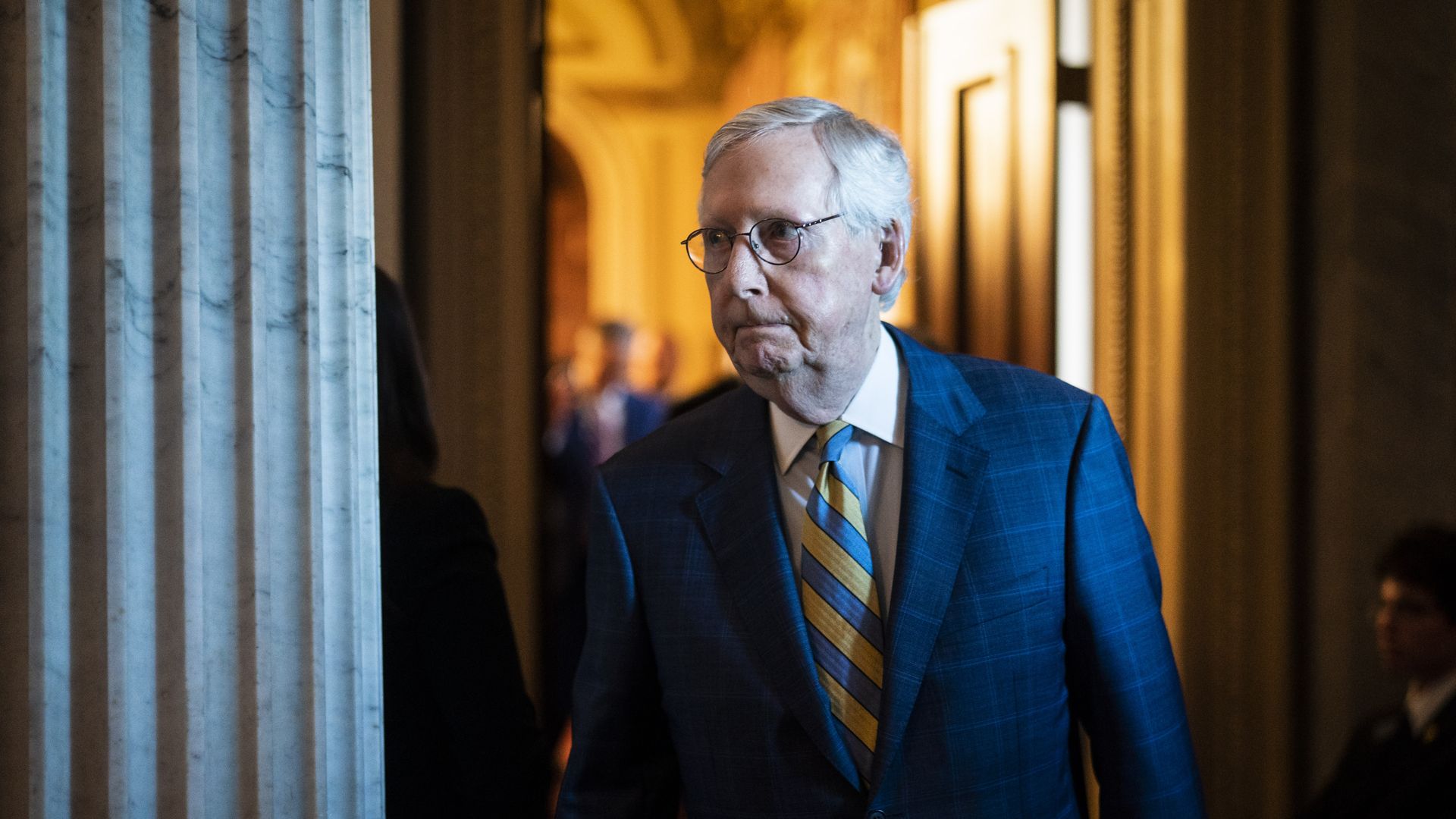
Senate Minority Leader Mitch McConnell (R-Ky.) was discharged from the hospital on Monday but will undergo physical therapy at a separate facility before returning home, his office said.
The big picture: It's unclear how long the GOP leader will remain at the inpatient rehabilitation facility, but it delays his return to the Senate as lawmakers respond to two major bank failures — and underlines the seriousness of McConnell's injuries.
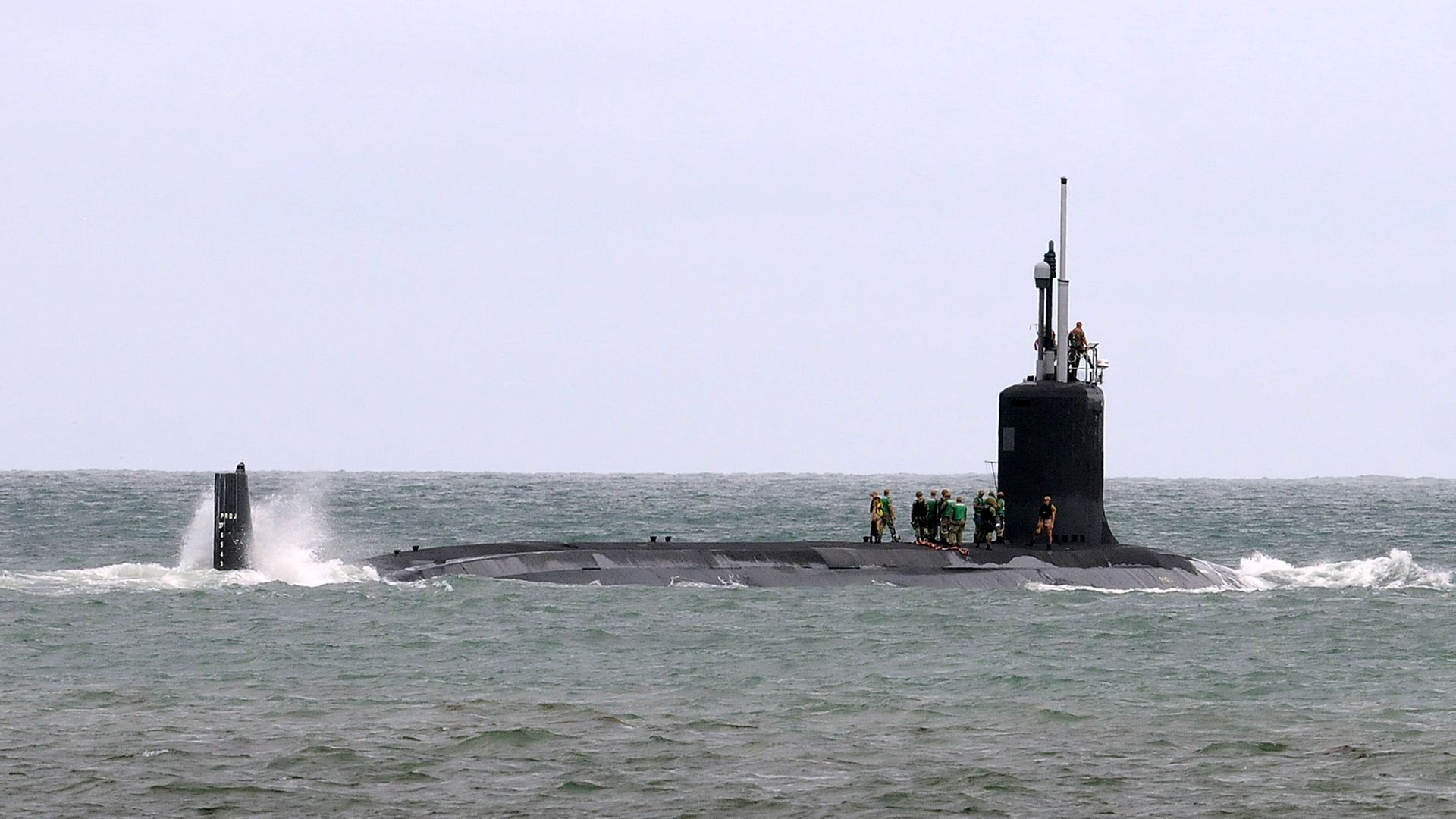
The White House on Monday unveiled details of a joint agreement with the U.K. and Australia tosupply the latter nation withnuclear-powered submarines.
Why it matters: It's the first concrete step taken by the trilateral strategic partnership, known as AUKUS, that was announced in 2021 and seeks to counter China's influence across the Asia-Pacific region.
A supplemental report from the FBI shows that hate crimes in 2021 increased, instead of dropping as the agency initially reported.
Driving the news: An FBI report in December said hate crimes in the U.S. fell slightly in 2021, but the agency warned the figures were likely off due to a shift to a new reporting system that led some of the country's biggest police departments to not report their numbers.
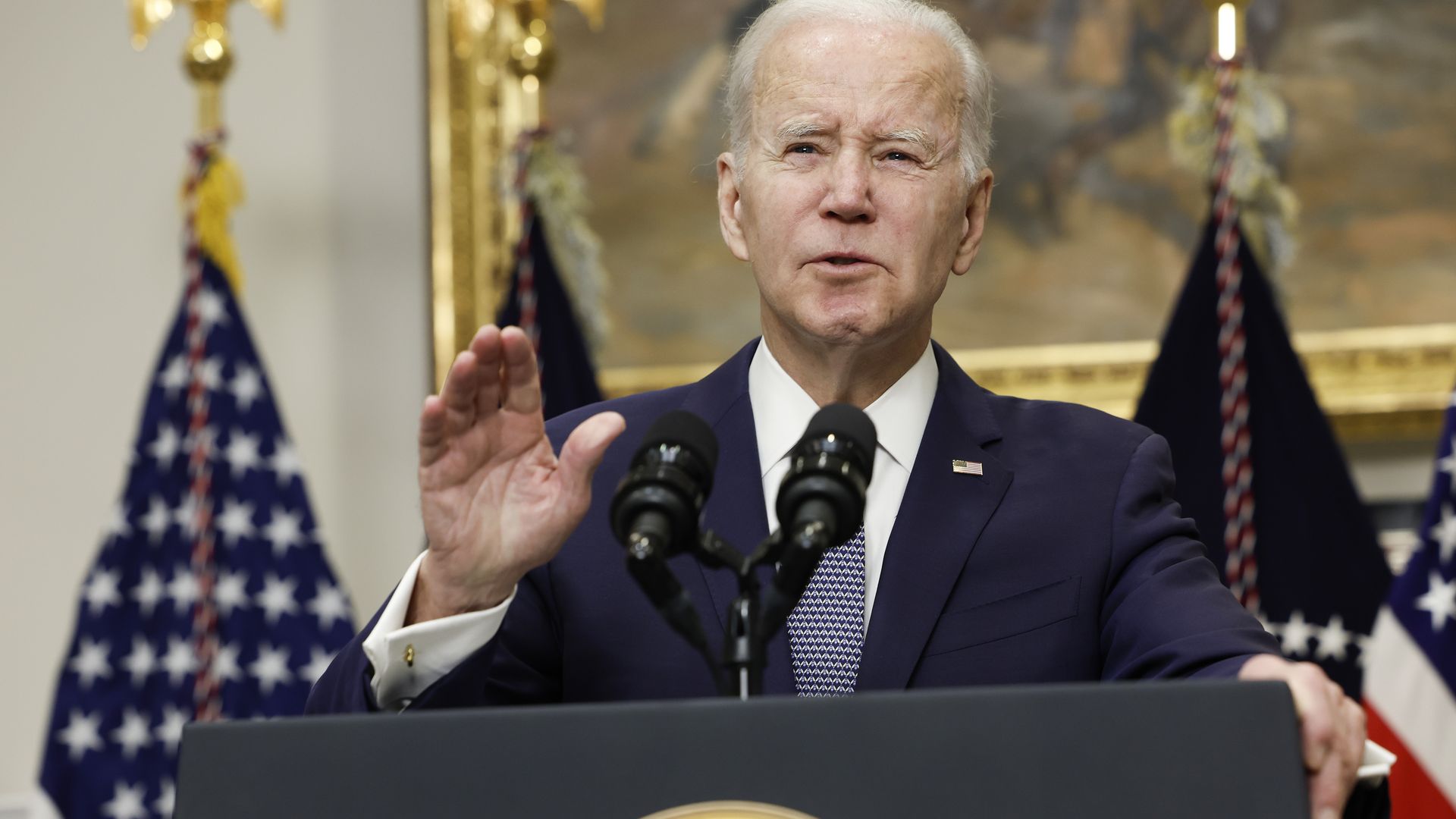
President Biden said Monday that "Americans can rest assured that our banking system is safe, your deposits are safe" after the collapse of Silicon Valley Bank.
The big picture: Biden promised to do "whatever is needed" to prevent any additional bank runs. SVB's collapse was the second-largest bank failure in U.S. history.
The White House is looking to strike a political balance with new decisions on Arctic oil.
Driving the news: The Interior Department on Monday is slated to back ConocoPhillips' big Willow project on Alaska's North Slope, per a source familiar with the decision and multiple news reports.
JPMorgan and PNC are among the potential suitors in talks to acquire SVB Financial Group in a deal that would exclude the commercial bank currently under U.S. government control, according to sources familiar with the matter.
Why it matters: A buyer for the other SVB divisions could stabilize those businesses, which are being impacted by the collapse of the commercial bank, known as SVB Bank.
The second and third largest bank collapses in U.S. history — coming in rapid succession — are prompting a reckoning within Congress about the state of the U.S. financial system.
Why it matters: The vast majority of members of Congress came into office after the 2008 financial crisis. For them, this is relatively uncharted territory.
Federal banking regulators took aggressive new actions aimed at preventing depositors in failed Silicon Valley Bank from losing money— and at trying to prevent its downfall from unleashing a nationwide run across the banking system.
Why it matters: The extraordinary actions, using tools last deployed in the early days of the pandemic and in the 2008 global financial crisis, are an attempt to avert a broad banking crisis triggered by a run on the bank.