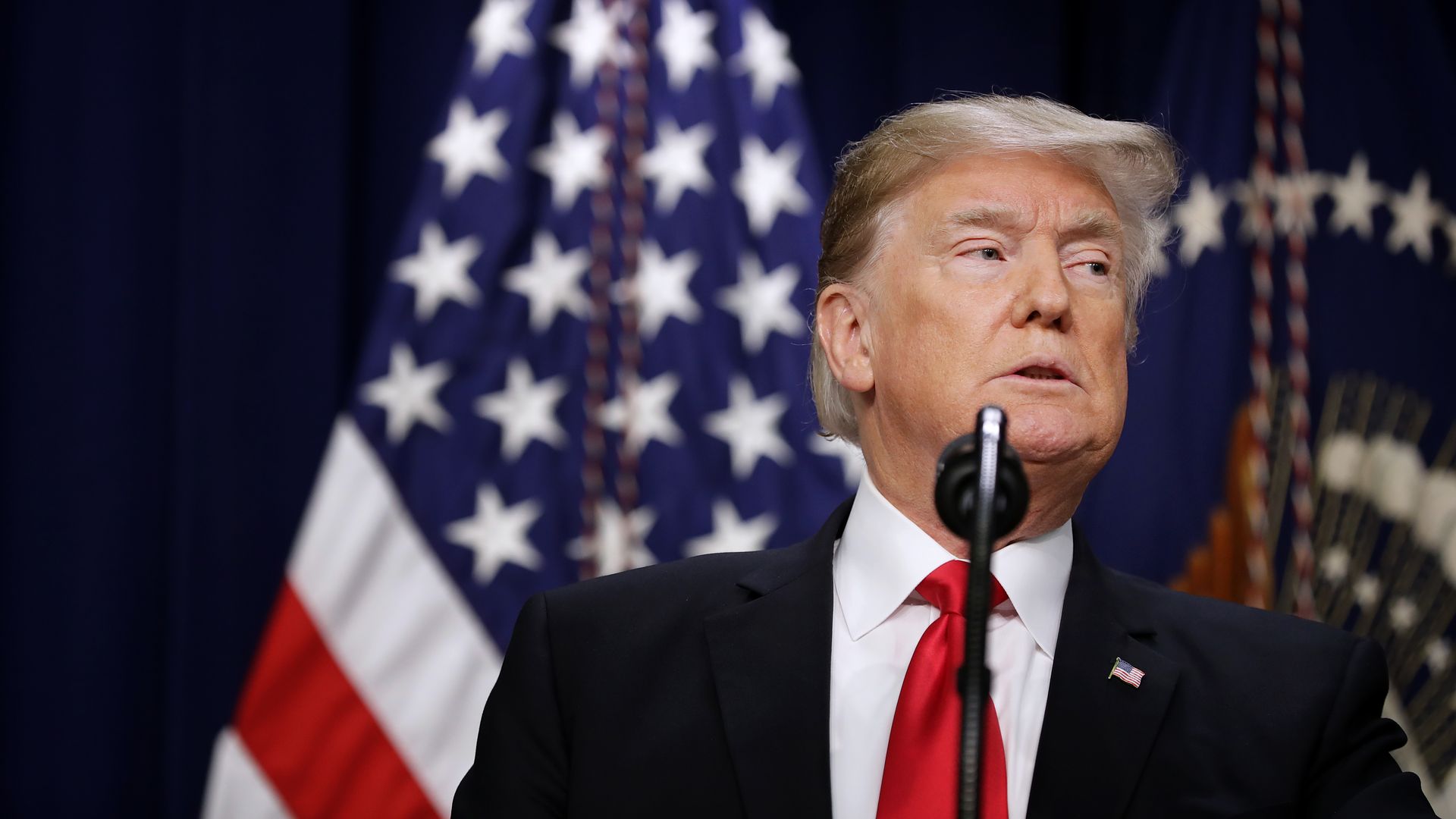
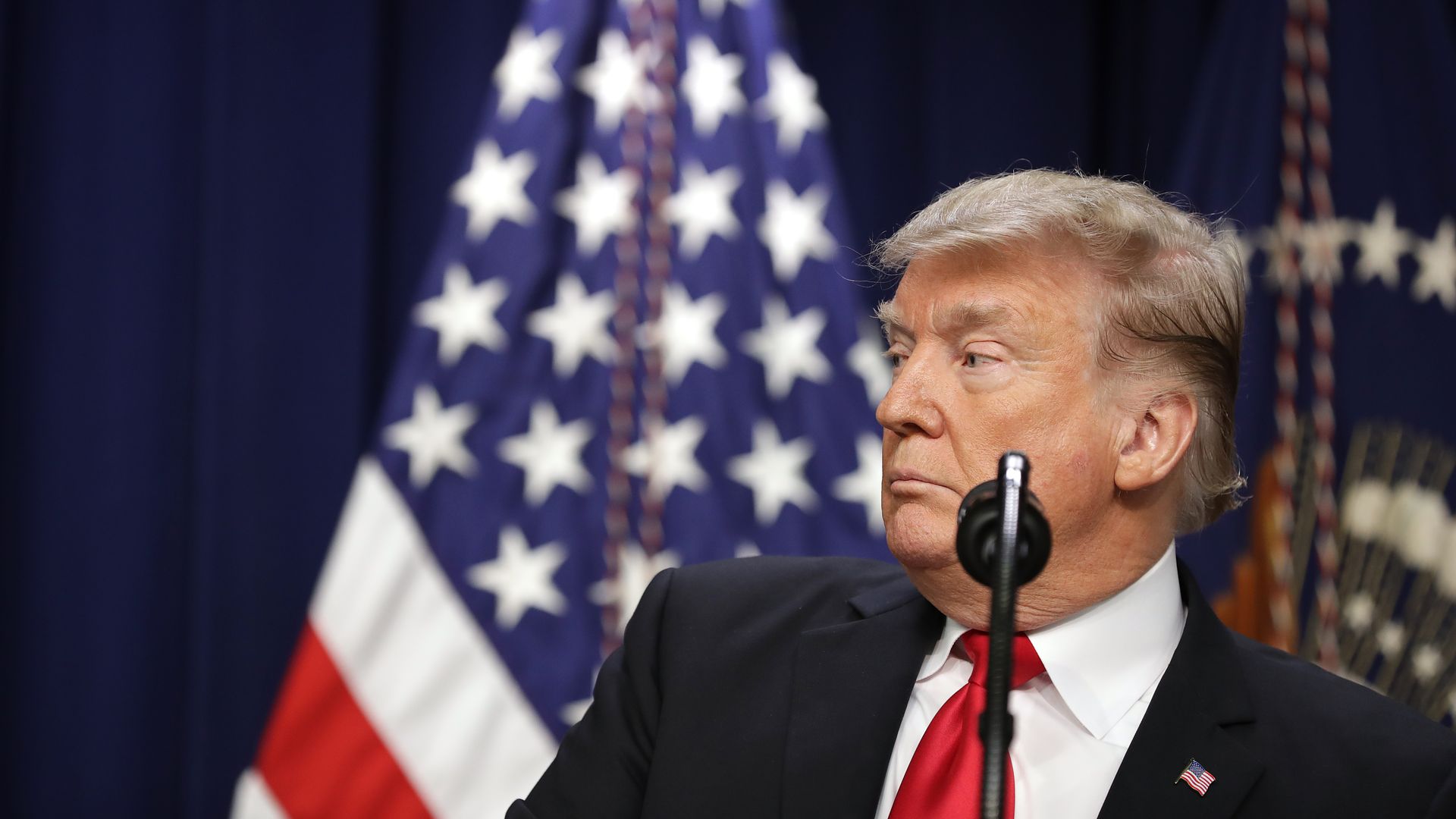
President Trump has privately said he's glad that Democrats took the House in the 2018 midterm elections because he believes it will increase his chances of being re-elected in 2020, the New York Times reports.
The big picture: Trump's outlook is that incoming-Speaker of the House Nancy Pelosi and the House Democrats will "serve as a useful antagonist," per the Times, which notes that both Presidents Bill Clinton and Barack Obama were re-elected after "even bigger midterm setbacks" than Trump saw in November. Former legislative affairs director Marc Short told the Times it's "better to have Nancy Pelosi as a foil than Paul Ryan as a foil." Of course, just wait until the subpoenas start flying — as Trump's glad will likely turn to mad.
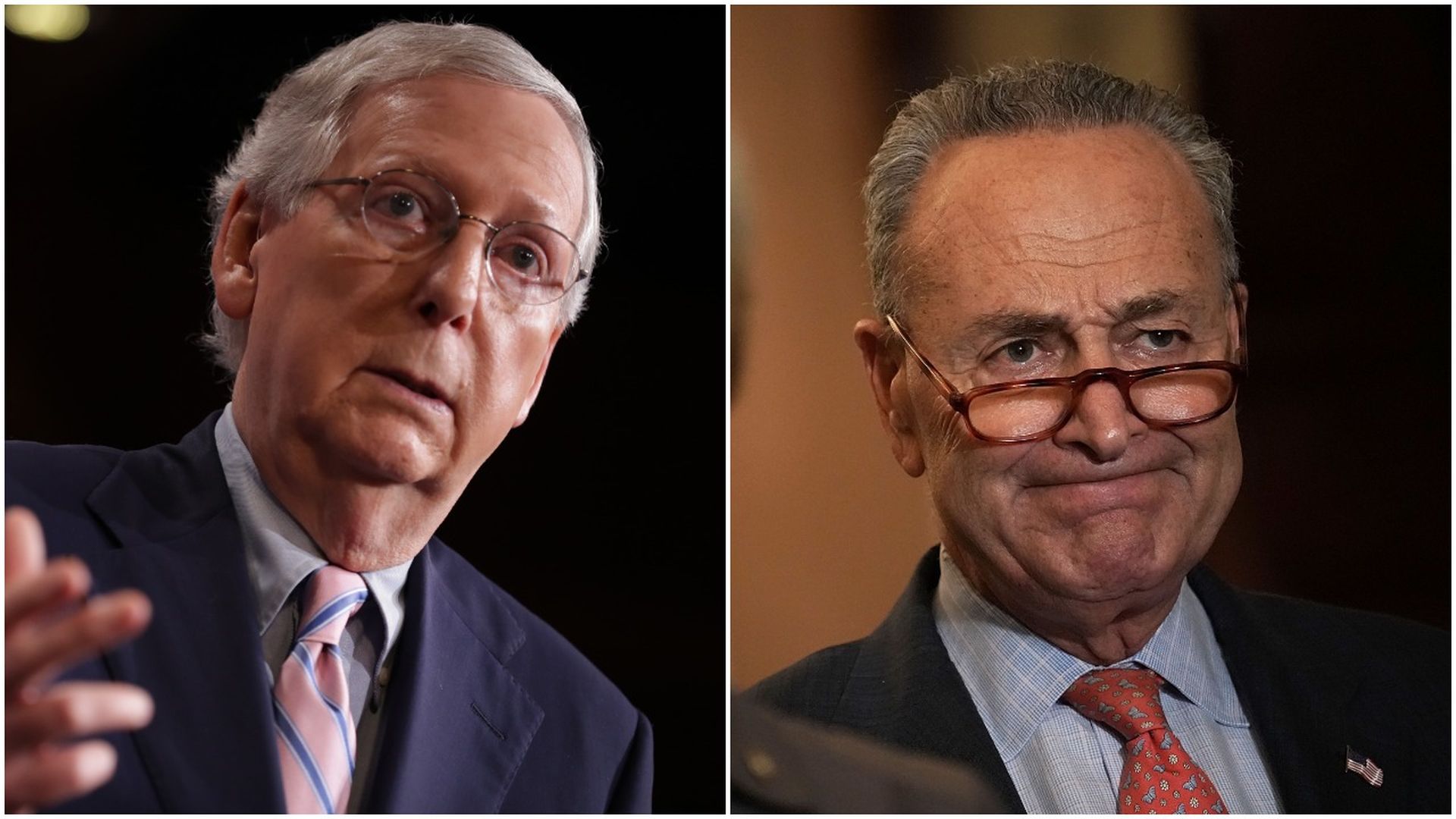
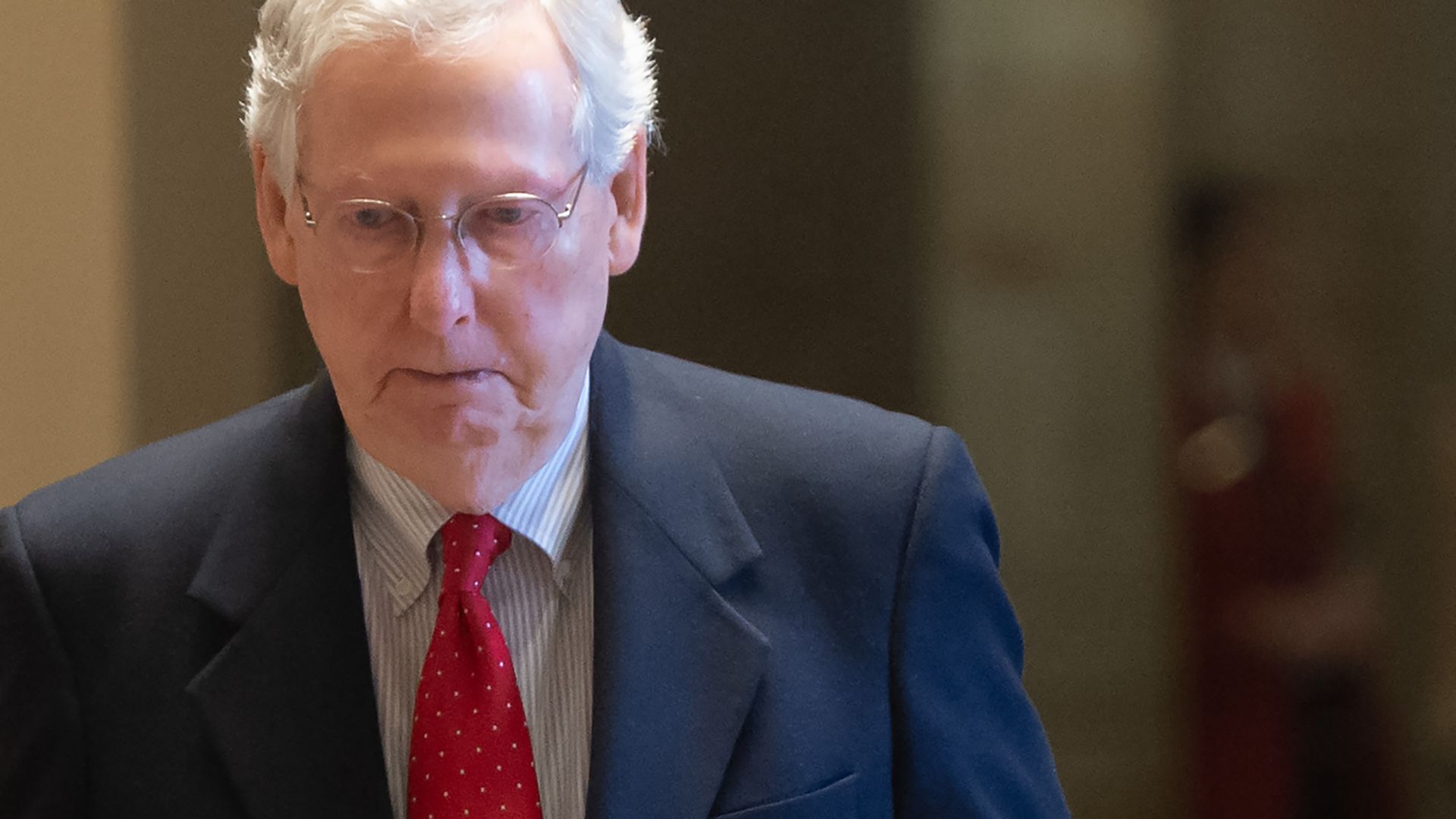
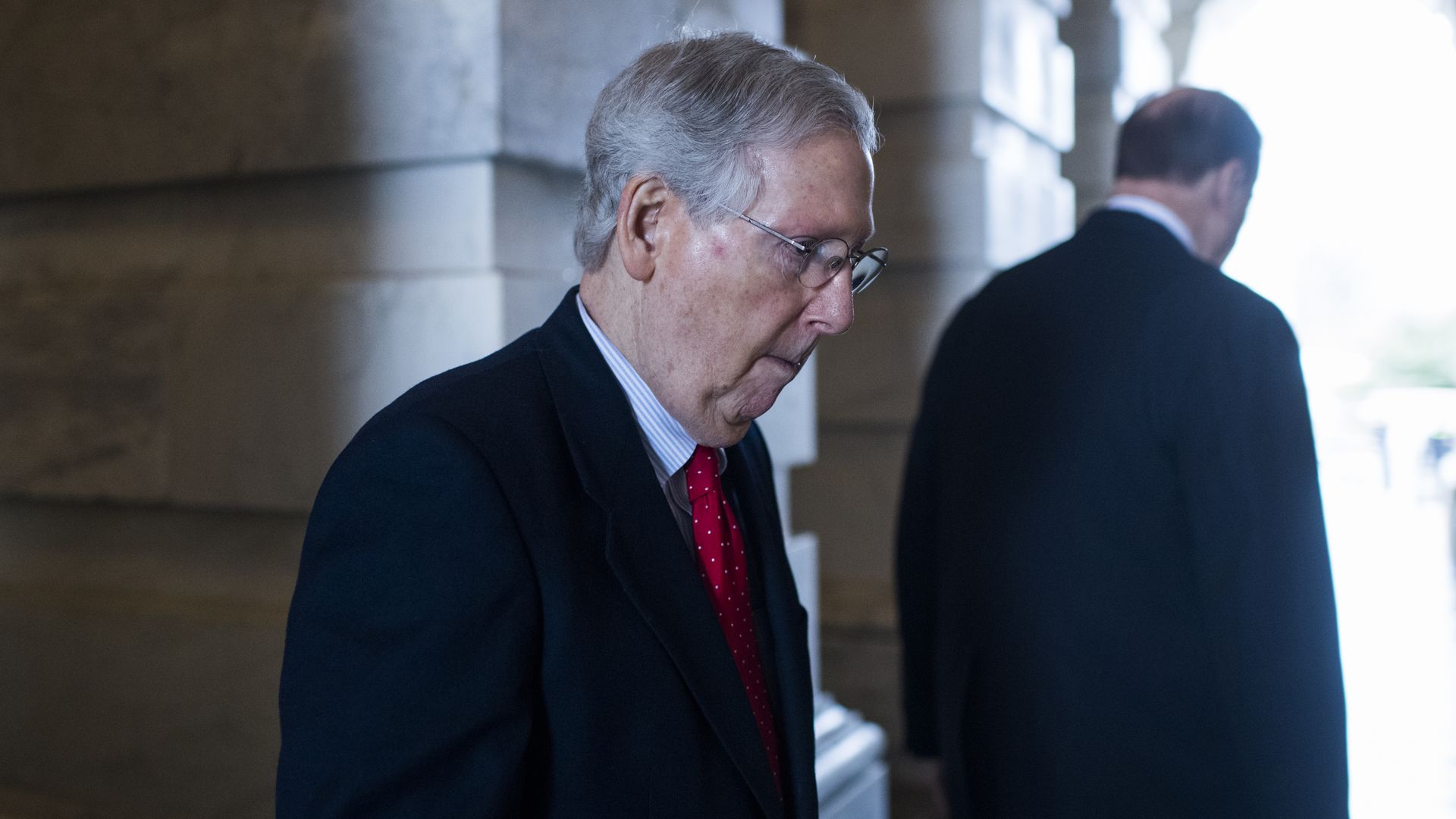
Senate Majority Leader Mitch McConnell (R-Ken.) said Saturday that the Senate will reconvene Dec. 27th, and that no further votes on a short-spending bill will be held until Democrats reach an agreement with President Trump.
The big picture: The government will remain partially shut down at least until after Christmas. In a statement released Saturday, Press Secretary Sarah Sanders wrote: "Due to the shutdown, President Trump will remain in Washington, D.C. and the First Lady will return from Florida so they can spend Christmas together.”
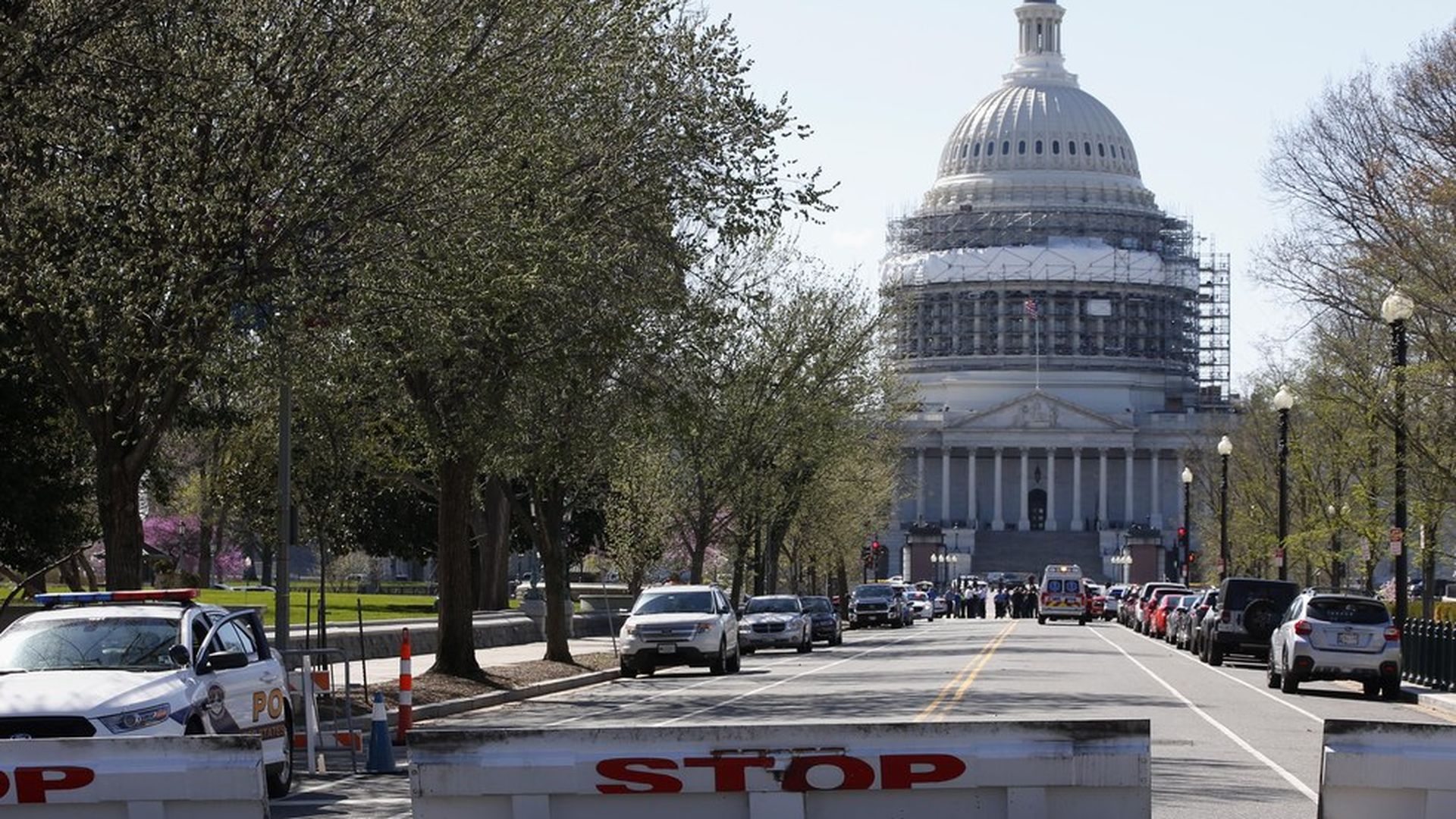
Without a spending bill, parts of the government began shutting down early Saturday for the third time this year. That means most federal services, including the Departments of State, Justice, Transportation, and Homeland Security, will close temporarily.
Why it matters: Even if you aren't a government employee, a shutdown can still affect you personally — from how your tax dollars are spent to which tourists sites you can't visit.
President Trump's self-inflicted shutdown before Christmas has left Republicans with a debacle as their last act in control of the House. And now the party is even more worried about the outlook beginning Jan. 3, when Democrats take over. "It's a showdown, but one side has already lost," said one outside adviser in close touch with the West Wing.
Why it matters: The shutdown is a preview of how divided government could play out, with a Speaker Nancy Pelosi as the first national counterweight President Trump has had since he was inaugurated two years ago.
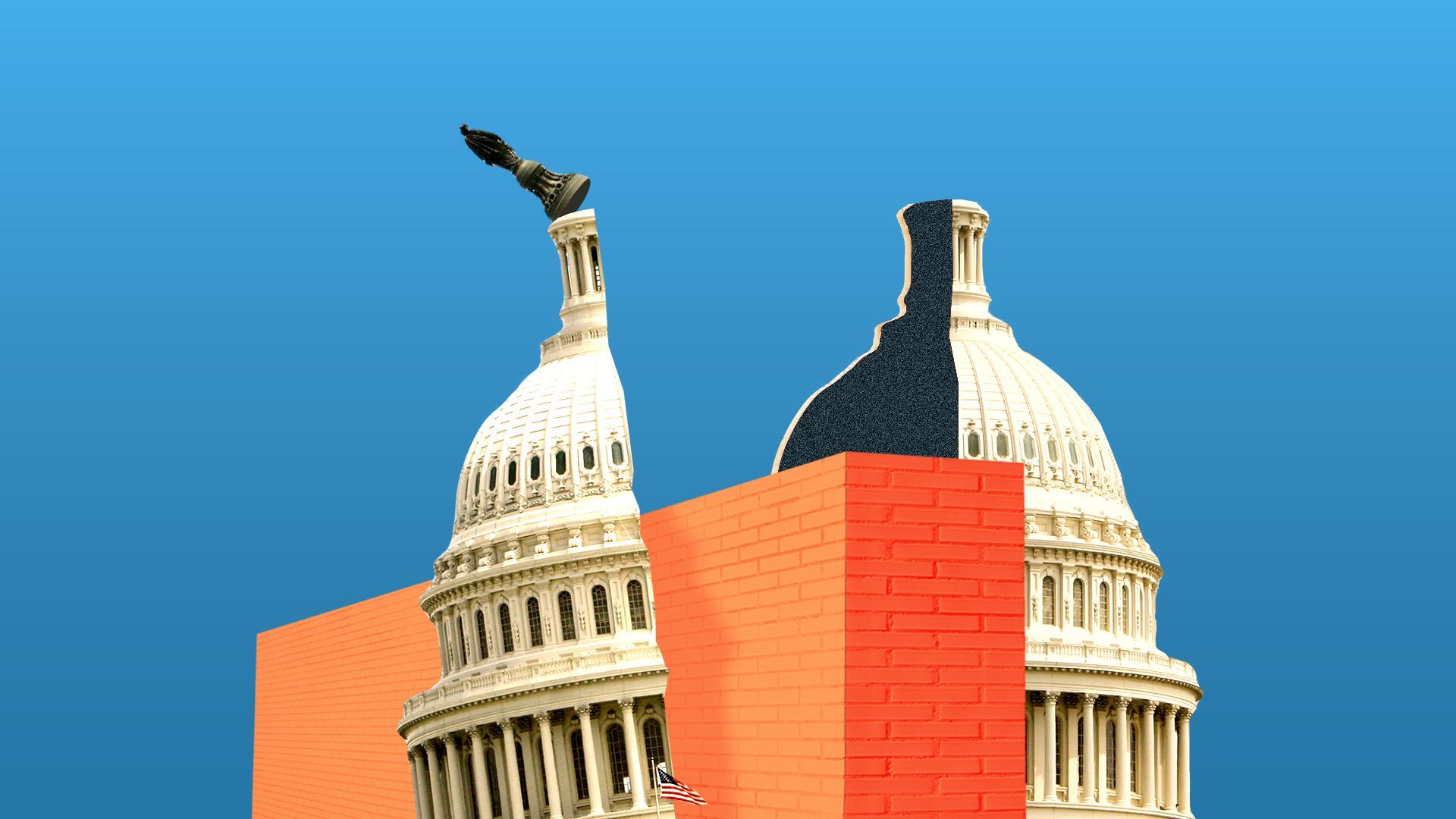
The House of Representatives and the Senate have been adjourned until Saturday at noon, indicating a partial government shutdown will take effect tonight at midnight.
Driving the news: The Senate passed a procedural vote Friday evening to take up a short-term spending bill passed by the House. But Republican Sens. Jeff Flake and Bob Corker, who were initially against the motion to proceed, said they switched their vote with the understanding that the Senate will not vote again until both chambers of Congress and President Trump can come to a consensus on border wall funding.
The Senate passed a procedural vote Friday evening to take up a short-term spending bill passed by the House. But Republican Sens. Jeff Flake and Bob Corker, who were initially against the motion to proceed, said they switched their vote with the understanding that the next vote they take up will be on a bill that can pass both chambers of Congress.
The bottom line: Congress and President Trump are essentially back to square one of negotiations, with neither side willing to budge on funding for Trump's proposed border wall. With just hours until the funding deadline, this all but ensures a partial government shutdown will go into effect tonight at midnight.
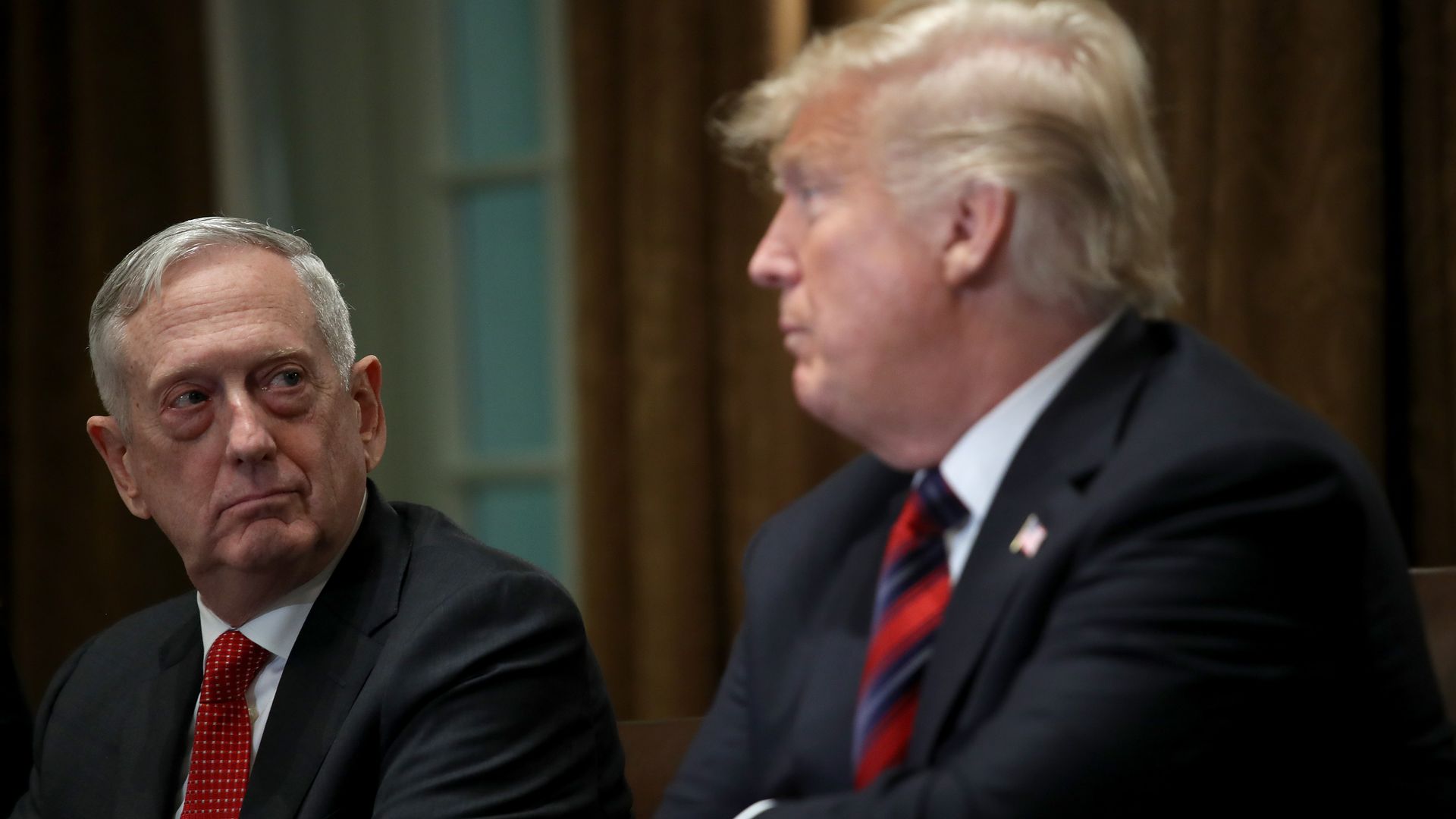
President Trump has decided to quickly withdraw all U.S. troops from Syria, against the advice of his most senior national security advisers. The move prompted the resignation of Secretary of Defense James Mattis and sparked widespread concerns about an ISIS revival.
The big picture: Aside from the results of the decision, the manner in which Trump made it was deeply problematic. By upending the public and private messages his own officials send, Trump disempowers and alienates his own diplomatic team. He also creates incentives that make his foreign policy agenda more difficult to attain.
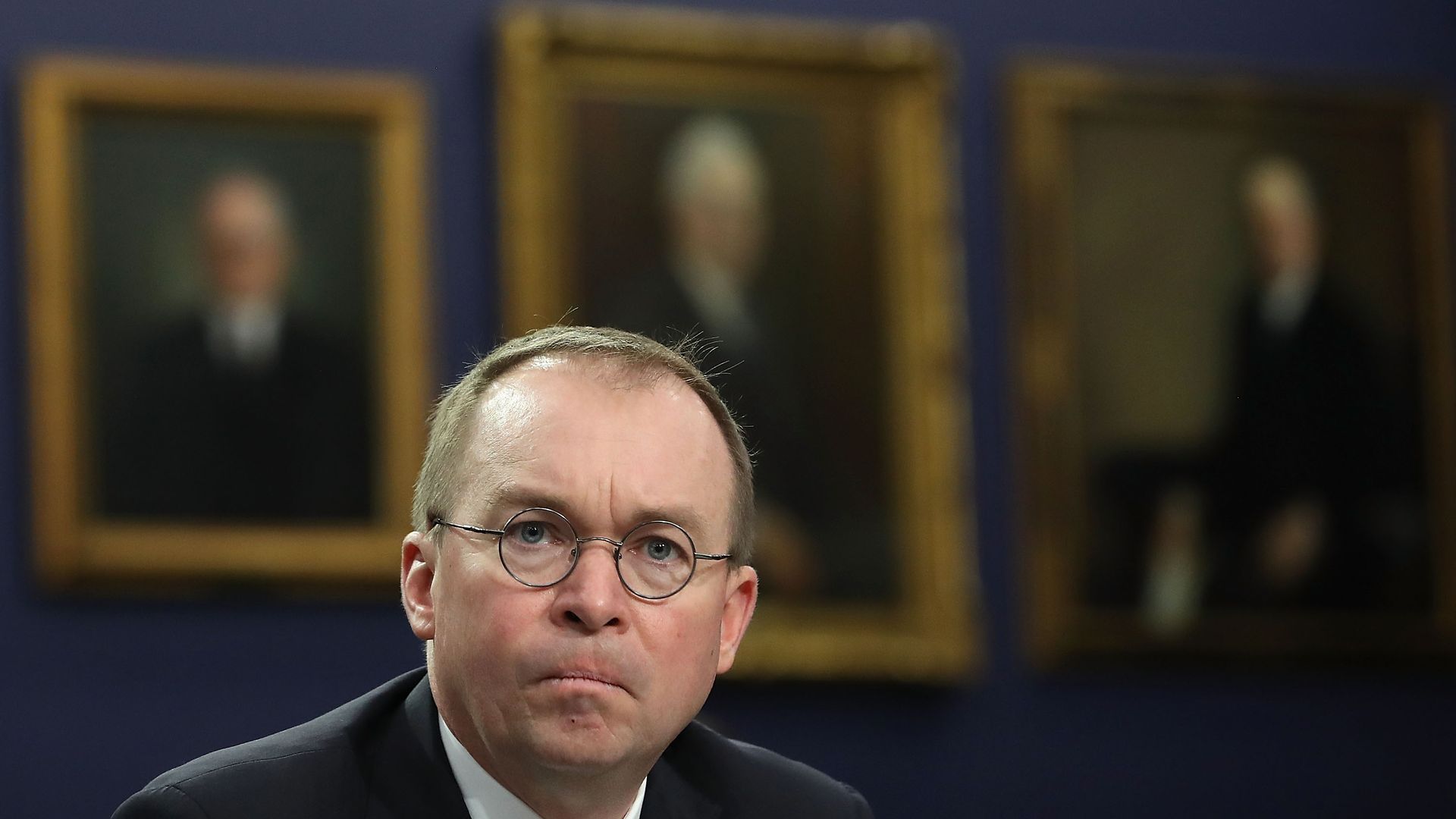
In a 2015 interview, President Trump’s incoming chief of staff Mick Mulvaney called Trump’s idea a border wall along the U.S.-Mexico border "simplistic," "absurd" and "almost childish," CNN's Andrew Kaczynski reports.
Why it matters: As Axios reported earlier Friday, Trump was furious when a two-year-old video of Mulvaney calling him "a terrible human being" was resurfaced by The Daily Beast, right after Trump named him chief of staff. These latest comments are sure to add to Trump's frustrations, especially at a moment when funding for his border wall is at the center of a debate over a potential government shutdown.
The Supreme Court voted 5-4 Thursday to uphold a federal judge's ruling that blocked the Trump administration from denying asylum to migrants who illegally cross the border between Mexico and the United States, the Washington Post reports. Justice Ruth Bader Ginsburg, who just had surgery removing malignant cancerous growths from her lung, voted from her hospital bed, per NBC News.
The big picture: The rule was initially blocked by U.S. District Court Judge Jon Tigar, who ruled that President Trump "may not rewrite the immigration laws to impose a condition that Congress has expressly forbidden." Justices Clarence Thomas, Samuel Alito, Neil Gorsuch and Brett Kavanaugh voted in favor of allowing the Trump administration's new asylum rules to go into effect, making chief Justice John Roberts the deciding vote against the ban.
The sudden withdrawal of U.S. forces from Syria that Trump has called for, potentially within as little as 30 days, would pose severe humanitarian risks.
Why it matters: The power vacuum created by an abrupt U.S. disengagement could spark a new round of fighting, which in turn will disrupt and displace communities. The result could be an even worse humanitarian crisis in a country where some 11 million people have fled their homes and more than half a million people in the northeast alone are already receiving some form of humanitarian assistance.
Senate Majority Leader Mitch McConnell came away from his meeting at the White House this morning with President Trump and other Senate Republican leaders with no new deal for Democrats, and said the Senate will vote today on the House's short-term spending bill, which includes $5.7 billion for border security.
The big picture: The bill, which McConnell — toeing the Trump line — called "uncontroversial," is extremely unlikely to pass, and a partial government shutdown will go into effect at midnight if no deal is reached. Trump, who rejected the initial short-term spending bill that the Senate passed earlier this week for not including enough money for his wall, tweeted earlier that Democrats are to blame if the government shuts down. Last week, he vowed to take full responsibility for a shutdown over funding for the border wall.
A GoFundMe created to raise money for President Trump's border wall has raised over $11 million in four days, but that's a small fraction of its $1 billion goal.
Why it matters: Congress is in a stalemate over the border wall. The House passed a short-term funding that includes $5.7 billion for border security, but the Senate, which passed their own bill that did not include the amount of wall funding Trump has demanded, will likely shoot it down. President Trump said last week that he'd accept full responsibility for a shutdown over wall funding, but said this morning that Democrats will be to blame if the Senate fails to pass the House's bill.
President Trump tweeted Friday that it would be a "Democrat Shutdown" if Senate Democrats vote down the short-term spending bill that the House passed last night, which includes $5.7 billion for Trump's border wall.
"Senator Mitch McConnell should fight for the Wall and Border Security as hard as he fought for anything. He will need Democrat votes, but as shown in the House, good things happen. If enough Dems don’t vote, it will be a Democrat Shutdown! House Republicans were great yesterday!"
Why it matters: Trump said last week that he'd be "proud to shut down the government," and said he would take full responsibility for a shutdown over border security. Meanwhile, the bill passed by the House last night is almost certainly going to fail in the Senate, and a partial government shutdown will go into effect at midnight if no deal is reached. This week, Trump shot down a short-term spending bill that the Senate approved over border security.
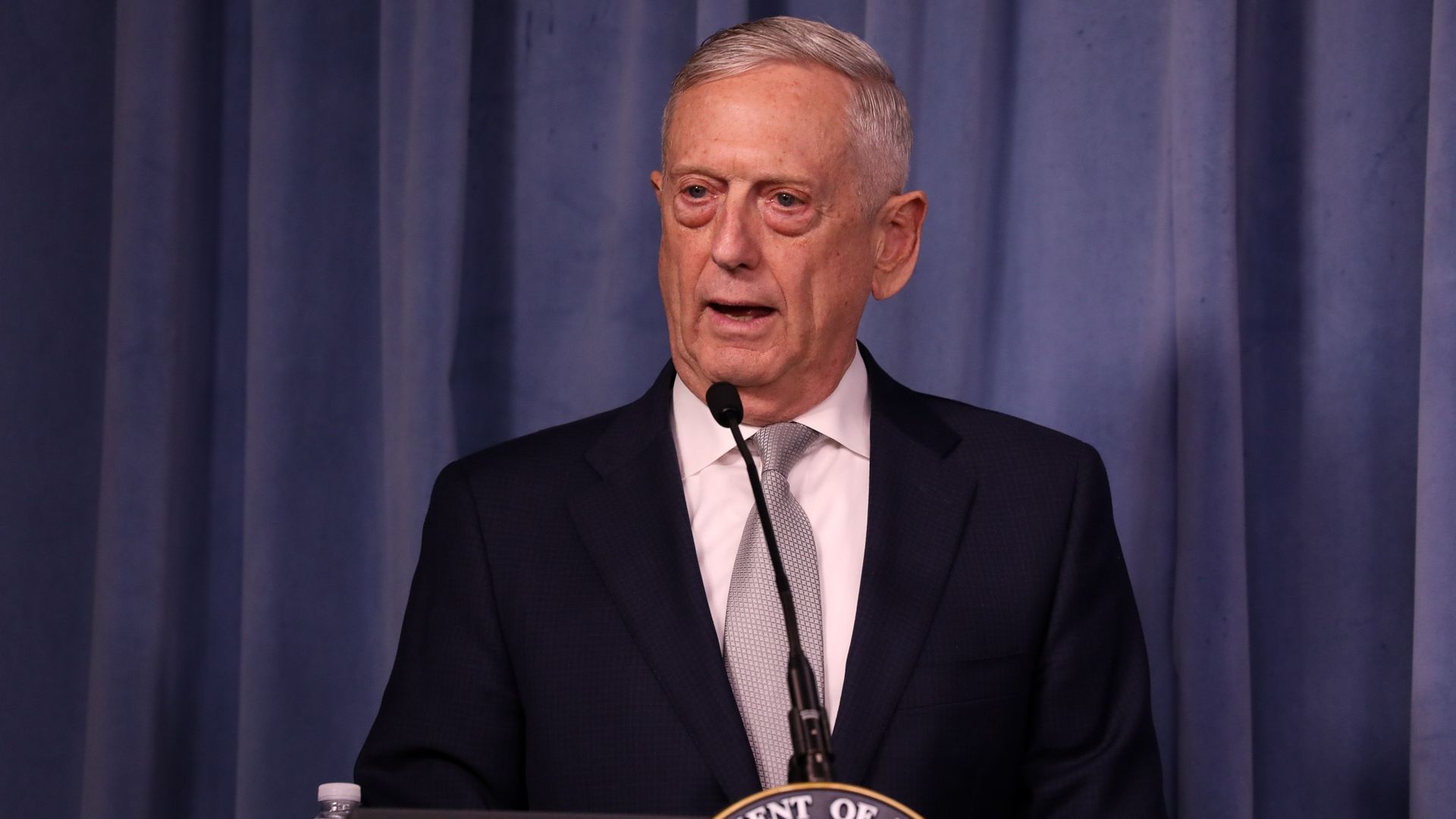
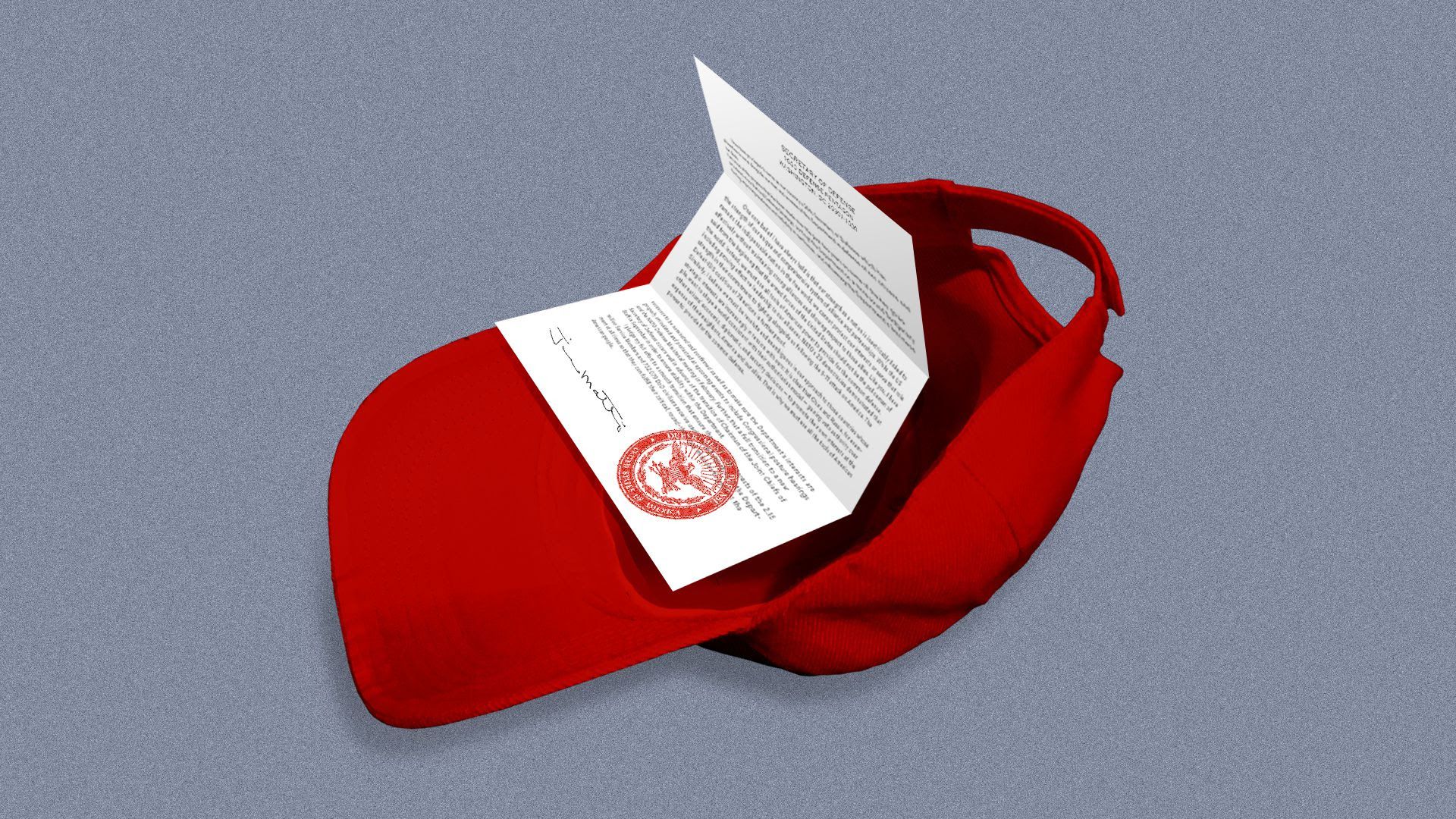
Secretary of Defense James Mattis announced Thursday that he will step down, after two difficult years in which he and President Trump were often not on the same page. Mattis underscored their differences in his resignation letter, telling Trump he had the right to a defense secretary with more closely aligned views.
Why it matters: Mattis was a traditionalist who believed in an international order led by the United States, in respecting and supporting its allies, and in keeping its commitments. His departure leaves the administration without an experienced, centrist foreign policy hand.
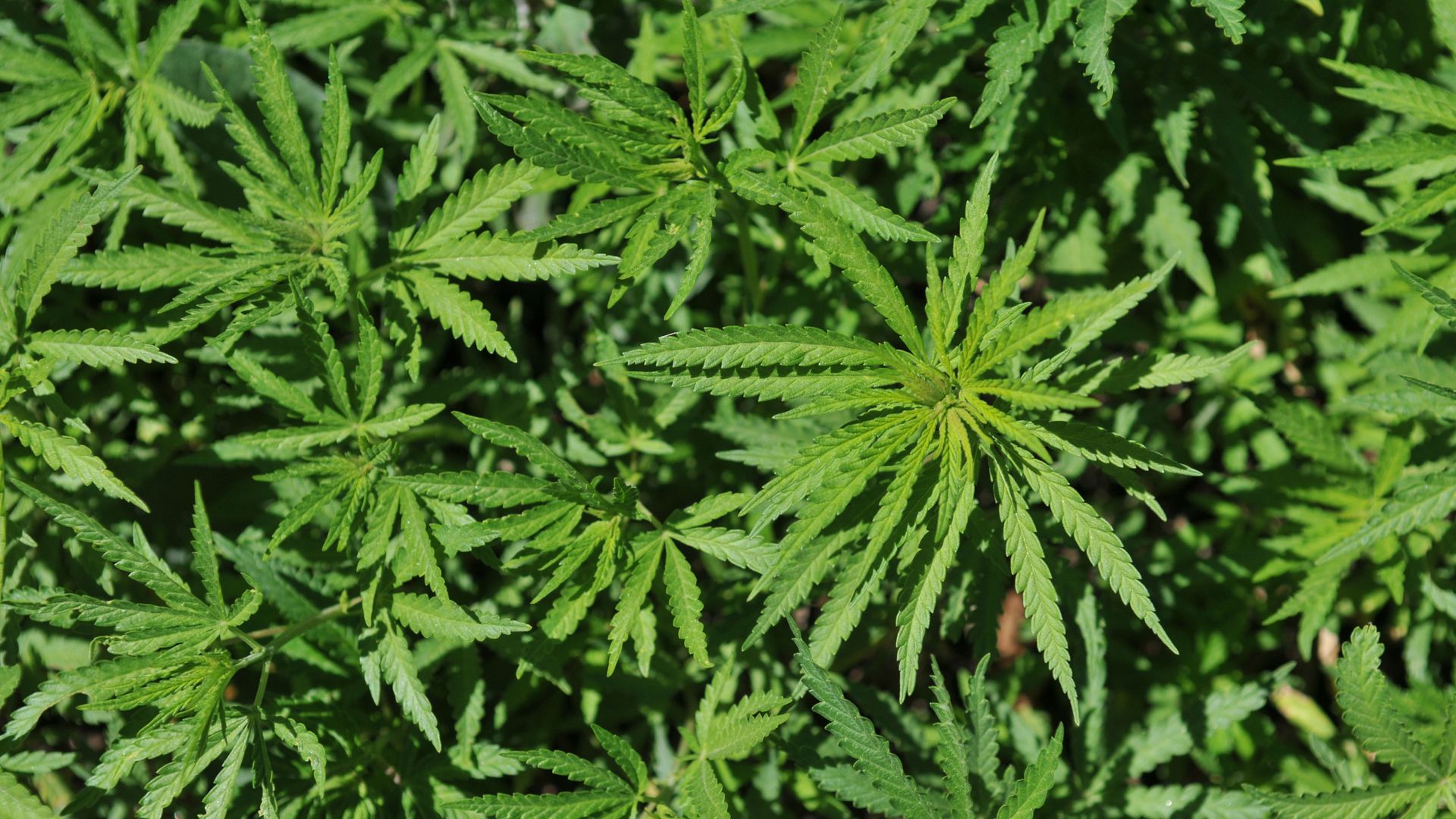
The farm bill that President Trump signed into law yesterday legalized hemp, although it will be highly regulated.
Why it matters: Hemp is defined as the cannabis plant, which also produces marijuana. However, the distinction is that hemp cannot contain more than 0.3% THC — the chemical that gets people high. The legalization will promote research into hemp's uses, including as a medical product.
The last member of an informal alliance of top Trump officials with enough swat or stature to stand up to President Trump — the Committee to Save America, as we called these officials 16 months ago — resigned in epic fashion.
The bottom line: Unlike most others,who pretended to leave on fine terms, Defense Secretary Jim Mattis bailed with a sharp, specific, stinging rebuke of Trump and his America-first worldview.
Another reason this is a historic week — and what President Trump should really worry about — is that lots of different Republicans have been turning on him over different topics.
Why it matters: A former Trump aide who asked to be described as "a Trump ally" told Axios that the sudden wave of criticism from the Hill over Syria and Mattis should scare the president because he would desperately need these lawmakers' support during a possible impeachment battle.
The House passed a short-term spending bill by a margin of 217-185 Thursday night that included the $5.7 billion President Trump has requested for border security.
What's next: The bill will now go to the Senate, where it will almost certainly fail. A partial government shutdown is due to go into effect Friday at midnight if no bill is passed.



/2018/12/22/1545488964598.gif?w=3840)