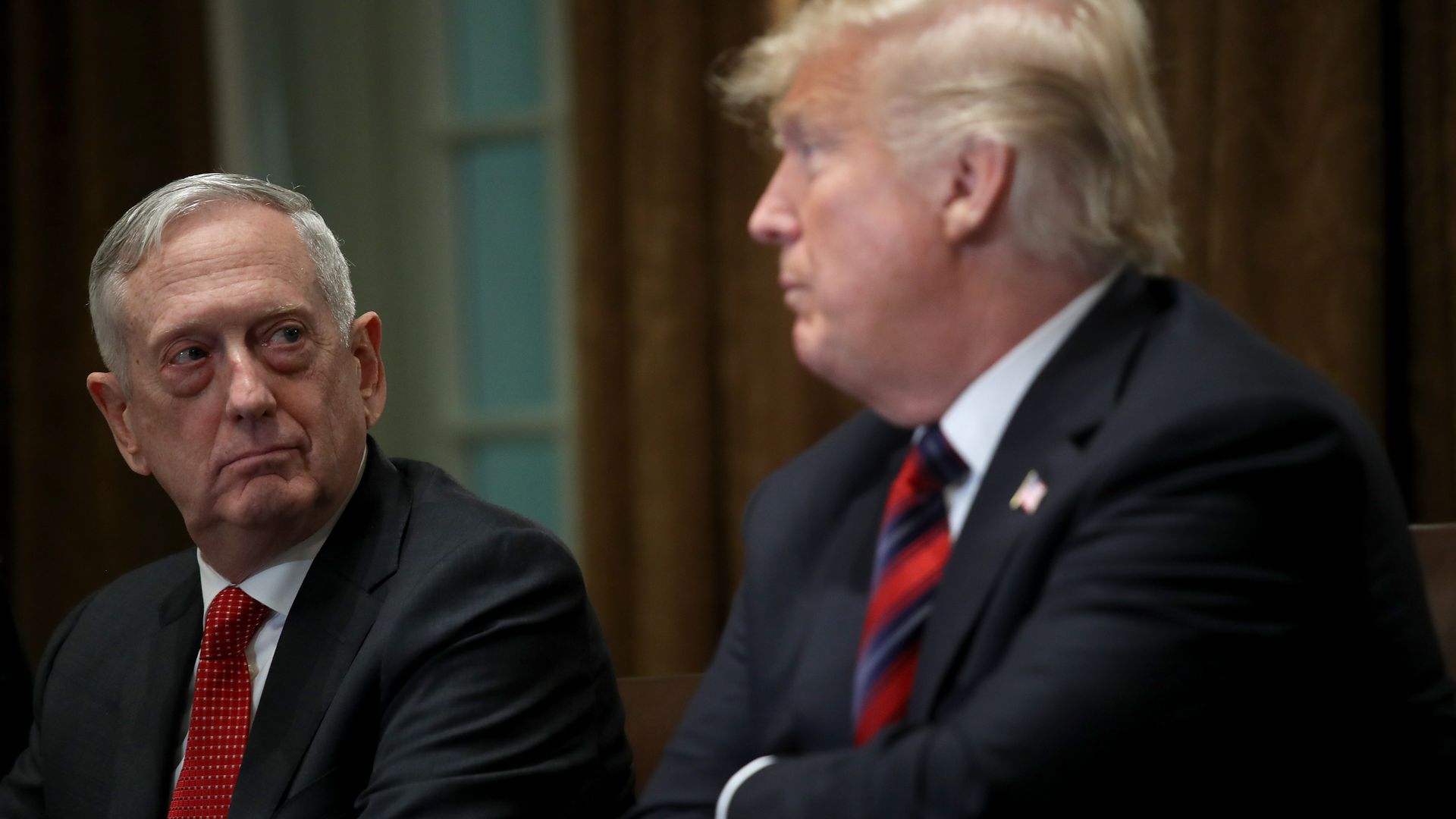
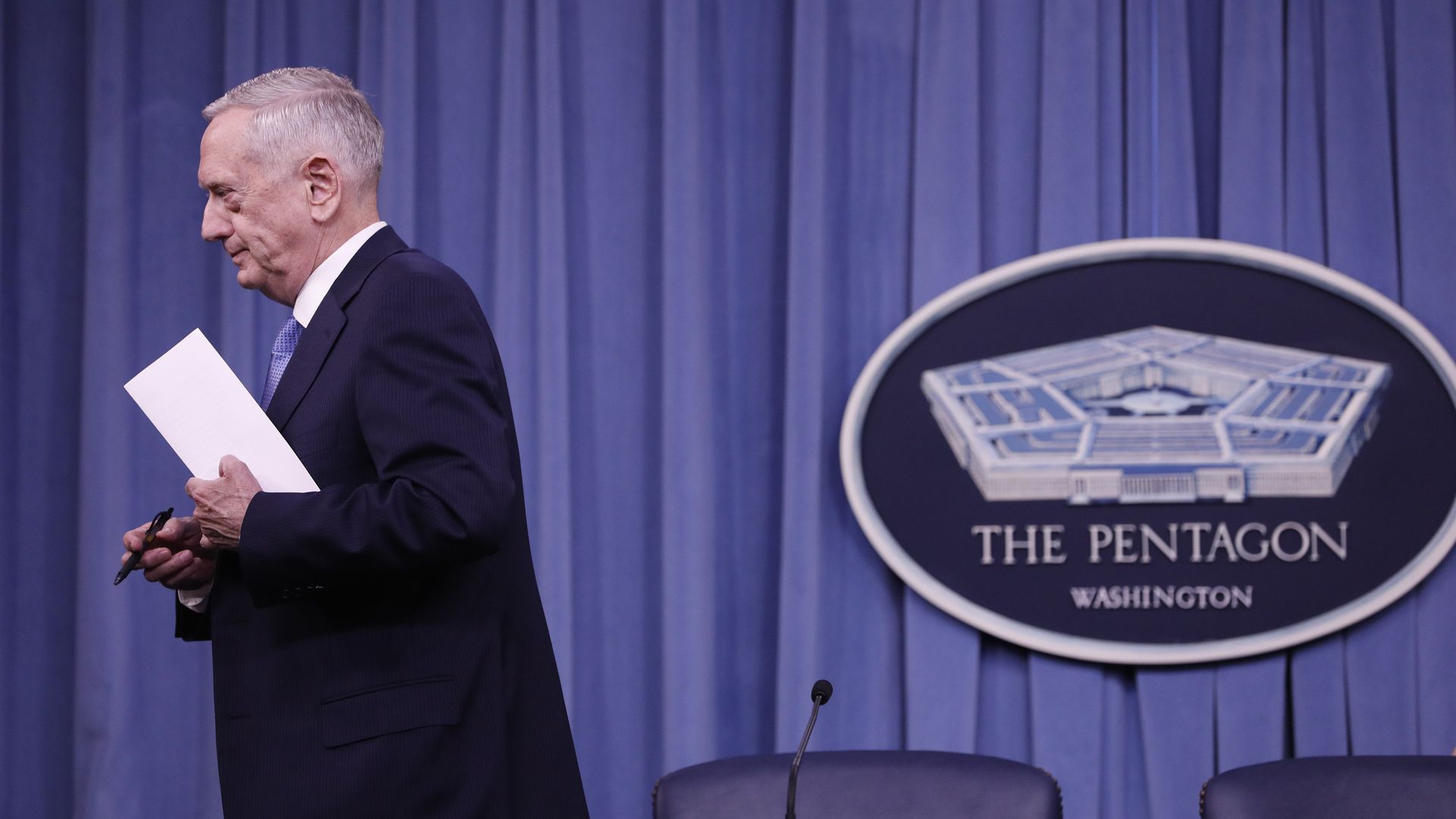
The big picture: The Times reports that when Mattis spoke with Trump about staying in Syria, he "was rebuffed, and told the president that he was resigning as a result." In his resignation letter, Mattis wrote that Trump has "the right to have a Secretary of Defense whose views are better aligned" with his, and stressed his belief in the importance of "showing respect" to American allies.
Just on the heels of President Trump's announcement that he would be pulling troops out of Syria, Defense Secretary James Mattis announced his resignation from the Trump administration, effective at the end of February.
Why it matters: Though Trump described Mattis' departure as a retirement, Mattis painted a picture of dissenting opinion in his resignation letter, saying he was "not aligned" with the president on key decisions. Key Republican officials are reacting to the news with reverence for Mattis and hope for the future.
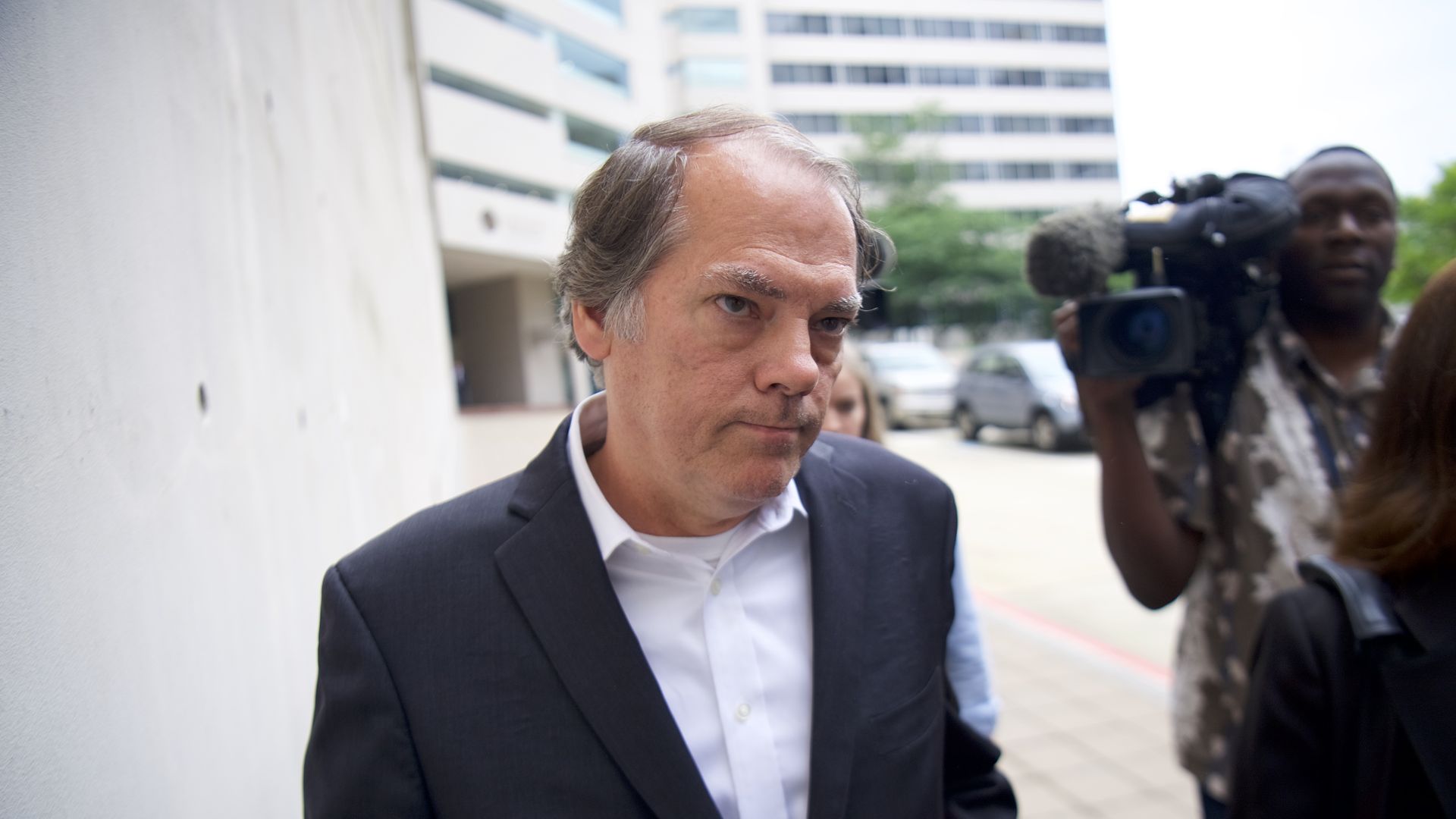
James Wolfe, a former senate staffer for the Senate Intelligence Committee, has been sentenced to two months in prison after lying to federal investigators about leaking information to the media, BuzzFeed News reports.
Why it matters: Wolfe's case was the first instance of President Trump's administration using data seized from a reporter to pinpoint a leaker of confidential information.
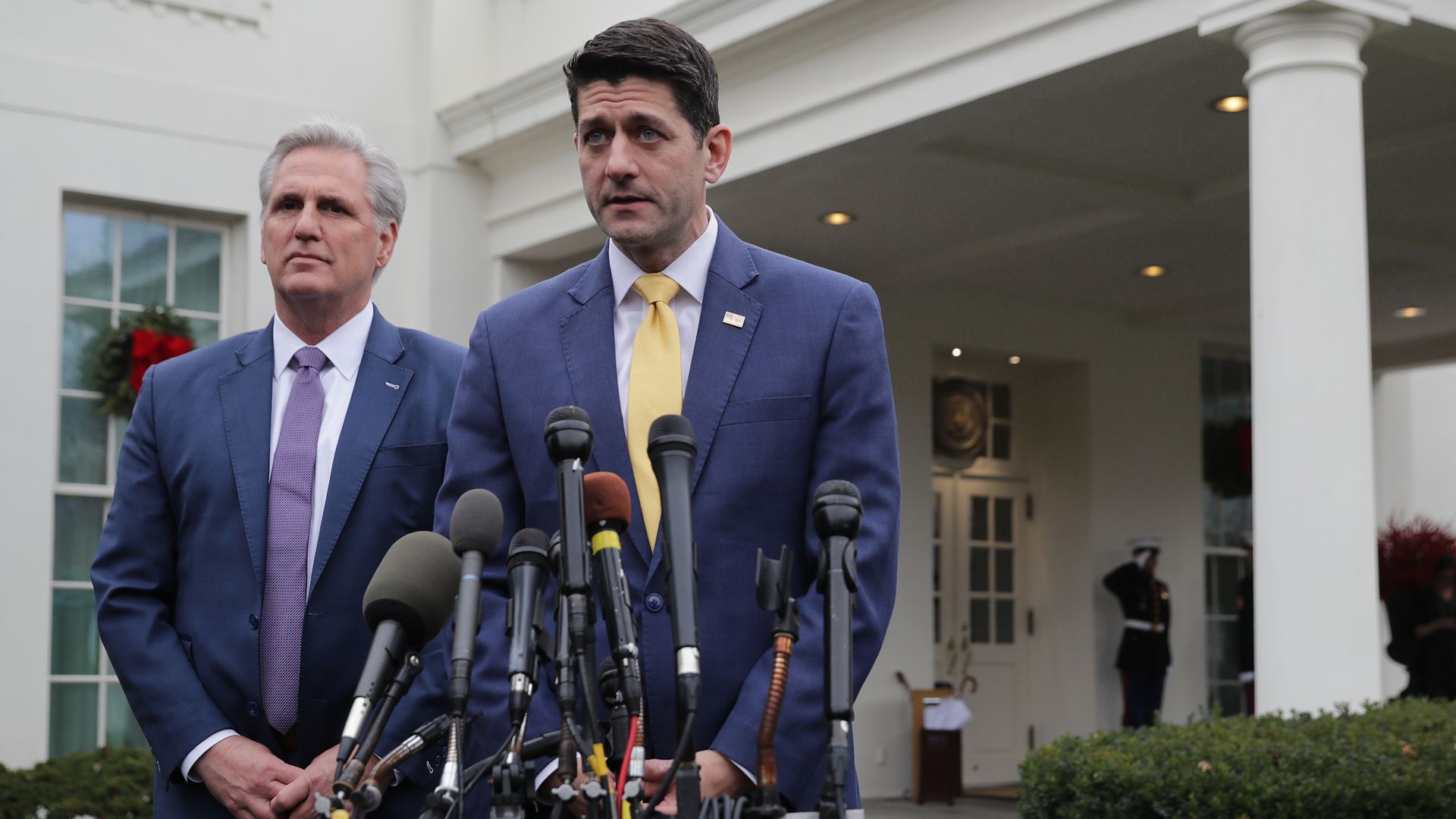
After meeting with President Trump at the White House Thursday, House Speaker Paul Ryan introduced a new short-term spending bill that includes a proposed $5.7 billion in funding for border security.
Why it matters: Trump said that he would not sign the funding bill that passed the Senate last night because it did not include the $5 billion he requested for a border wall. The new bill is unlikely to make it past the House, much less the Senate, indicating the government will not be funded in time to avoid Friday's partial shutdown deadline.
Reps. Warren Davidson (R-Ohio) and Darren Soto (D-Fla.) have introduced a new House bill that would clarify laws governing initial coin offerings and change how cryptocurrencies are taxed.
Why it matters: Cryptocurrencies like Bitcoin function partly as currency and partly as investment, creating all sorts of regulatory uncertainties that the industry has long hoped to get clarified. But the U.S. Securities and Exchange Commission has been slow to lay out rules, instead communicating its interpretation of securities law via enforcement actions.
The House passed the bipartisan criminal justice reform First Step Act by a margin of 358-36 Thursday afternoon, two days after the same bill passed the Senate.
House Speaker Paul Ryan (R-Wis.) said Thursday outside of the White House that President Trump informed House Republican leaders that he would not sign a short-term spending bill passed by the Senate "because of legitimate concerns about border security."
What's next: Ryan saidthe House would attempt to pass a bill with funding for Trump's border wall. It's unclear if the bill will garner enough support, suggesting the government may be heading for a partial shutdown Friday at midnight.
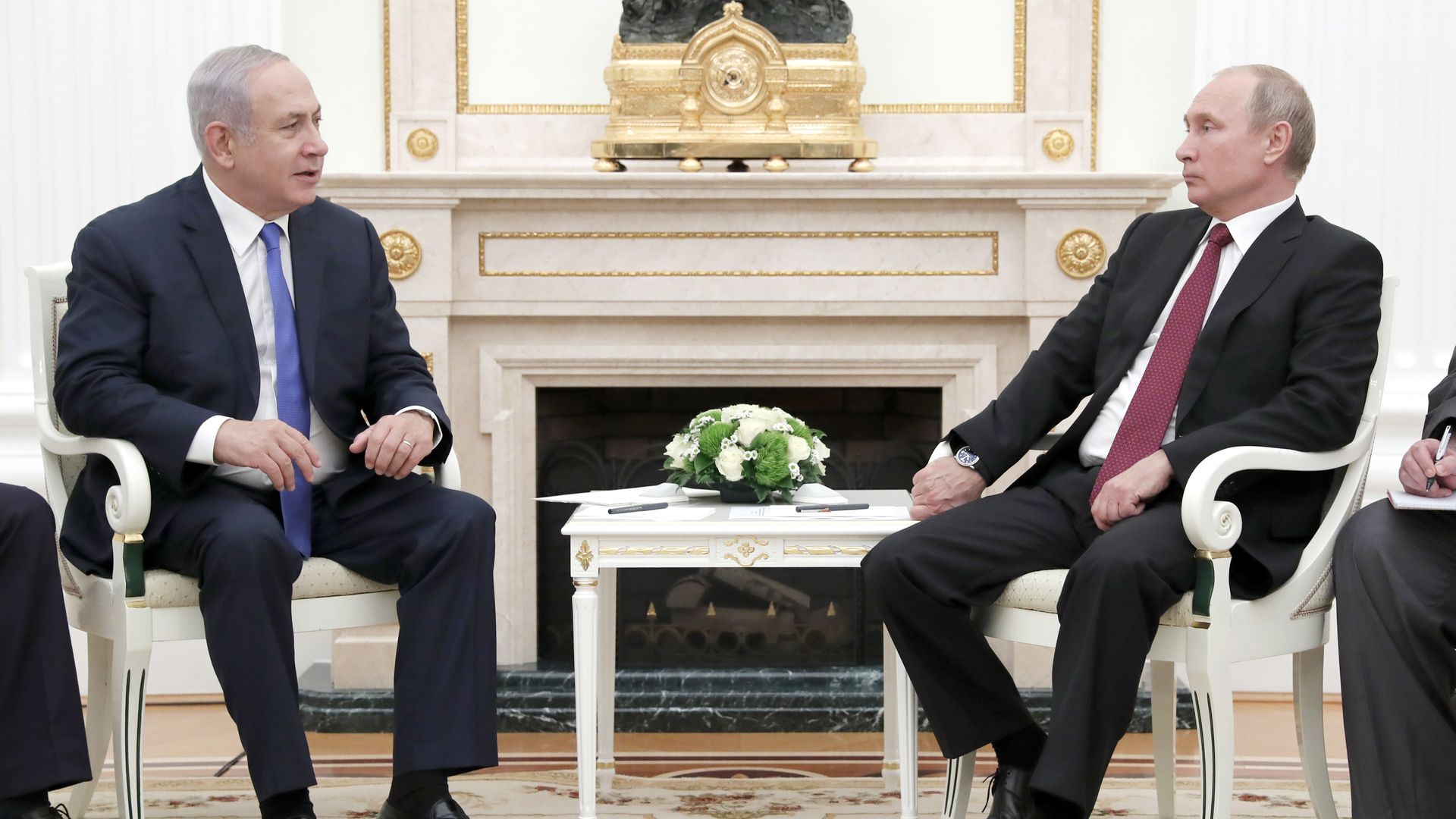
More than three months ago, Russian President Vladimir Putin's national security adviser Nikolai Patrushev gave his Israeli counterpart a document. It contained an unofficial proposal for a deal between the U.S. and Russia on Syria and Iran intended to start a wider dialogue between Washington and Moscow to improve relations, two Israeli officials with direct knowledge tell me.
Why it matters: The Russian proposal would have tied a U.S. withdrawal from Syria to an Iranian exit from the country, and provided the U.S. and Israel more influence over a future political settlement in Syria. However, it also called for a freeze on U.S. sanctions on Iran — something Netanyahu found unacceptable. Ultimately, the U.S. gave up much of its leverage in Syria with President Trump's surprise announcement Wednesday of a unilateral withdrawal.
President Trump appears to be wavering on signing a short-term spending bill to avoid a government shutdown, with the White House saying Thursday that Trump "does not want to go further without border security."
The state of play: House Republican leaders are meeting with Trump at the White House this afternoon. Mark Meadows and Jim Jordan, members of the conservative House Freedom Caucus, are part of that group and have urged Trump not to back down on his demands for wall funding. The Senate passed a bill Wednesday night that did not include the full $5 billion Trump wants for border security.
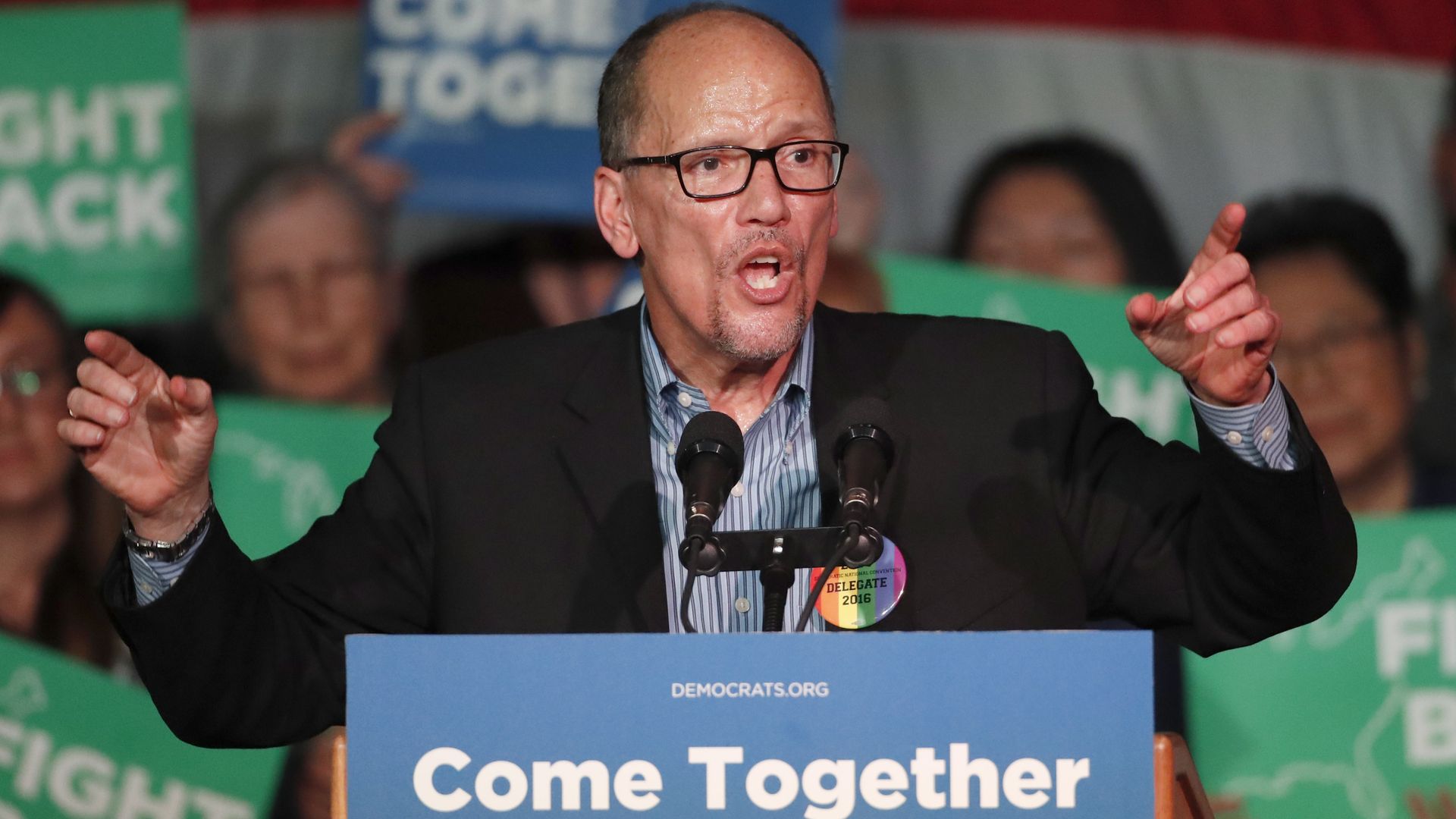
Democratic Party Chairman Tom Perez said the party will host at least 12 primary debate nights for candidates leading up to the 2020 election starting in June 2019, with some of the debates being split over back-to-back nights, The Daily Beast reports.
Details: The Democratic candidate pool for the presidential election is expected to be historically large in 2020, and Perez promised these rules will give all candidates a fair shot for voters' attention. There will be six debates held in 2019 and six in 2020, with early voting states such as Iowa, New Hampshire, Nevada and South Carolina not hosting until 2020.
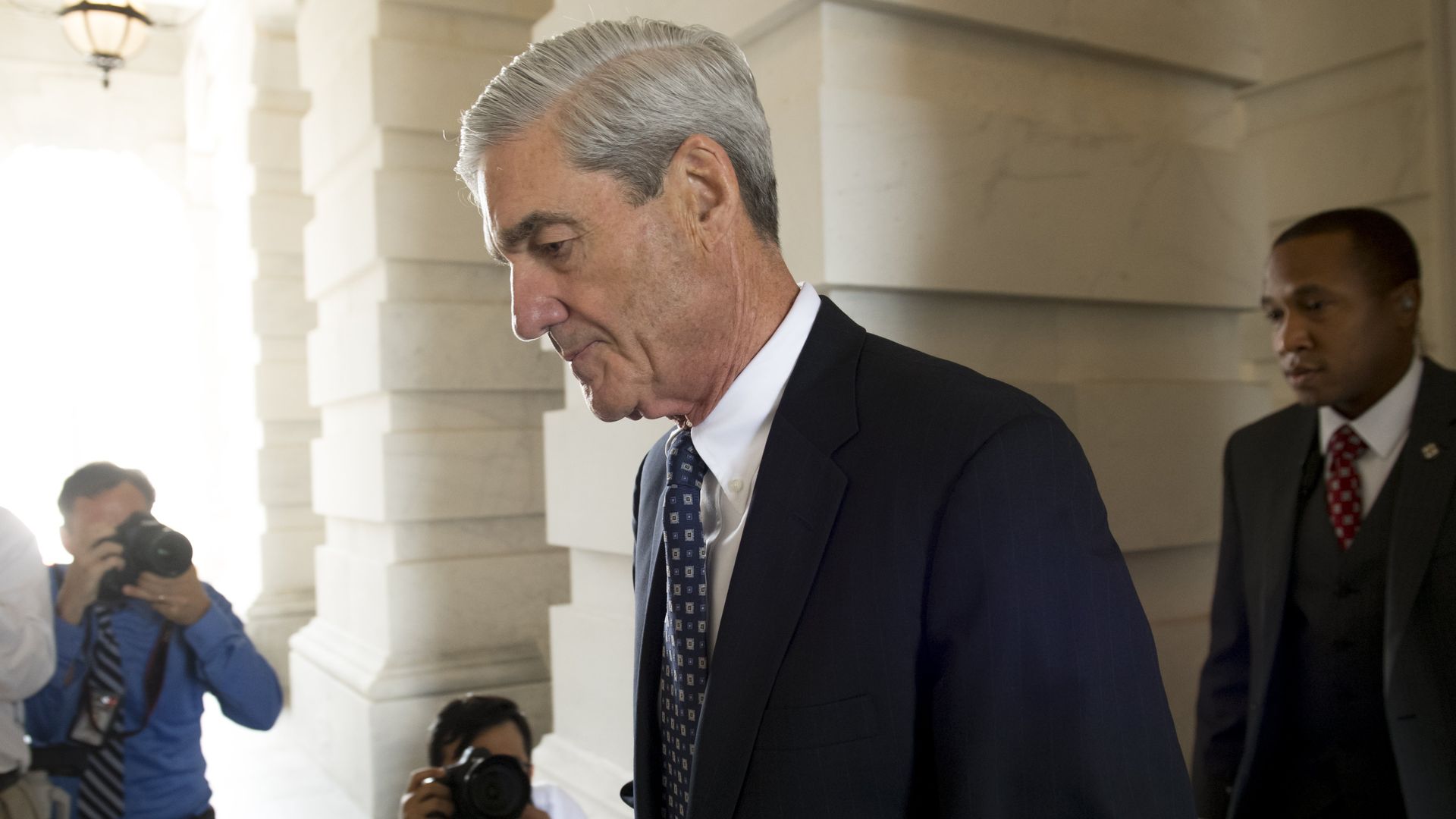
William Barr, President Trump's latest nominee for attorney general, wrote a June memo to top Justice Department officials criticizing special counsel Robert Mueller's investigation into Russia's interference into the 2016 election, the New York Times reports.
Why it matters: Barr's views on the investigation, as well as Trump's authority, will come into question when he sits down at his Senate Judiciary Committee confirmation hearing.
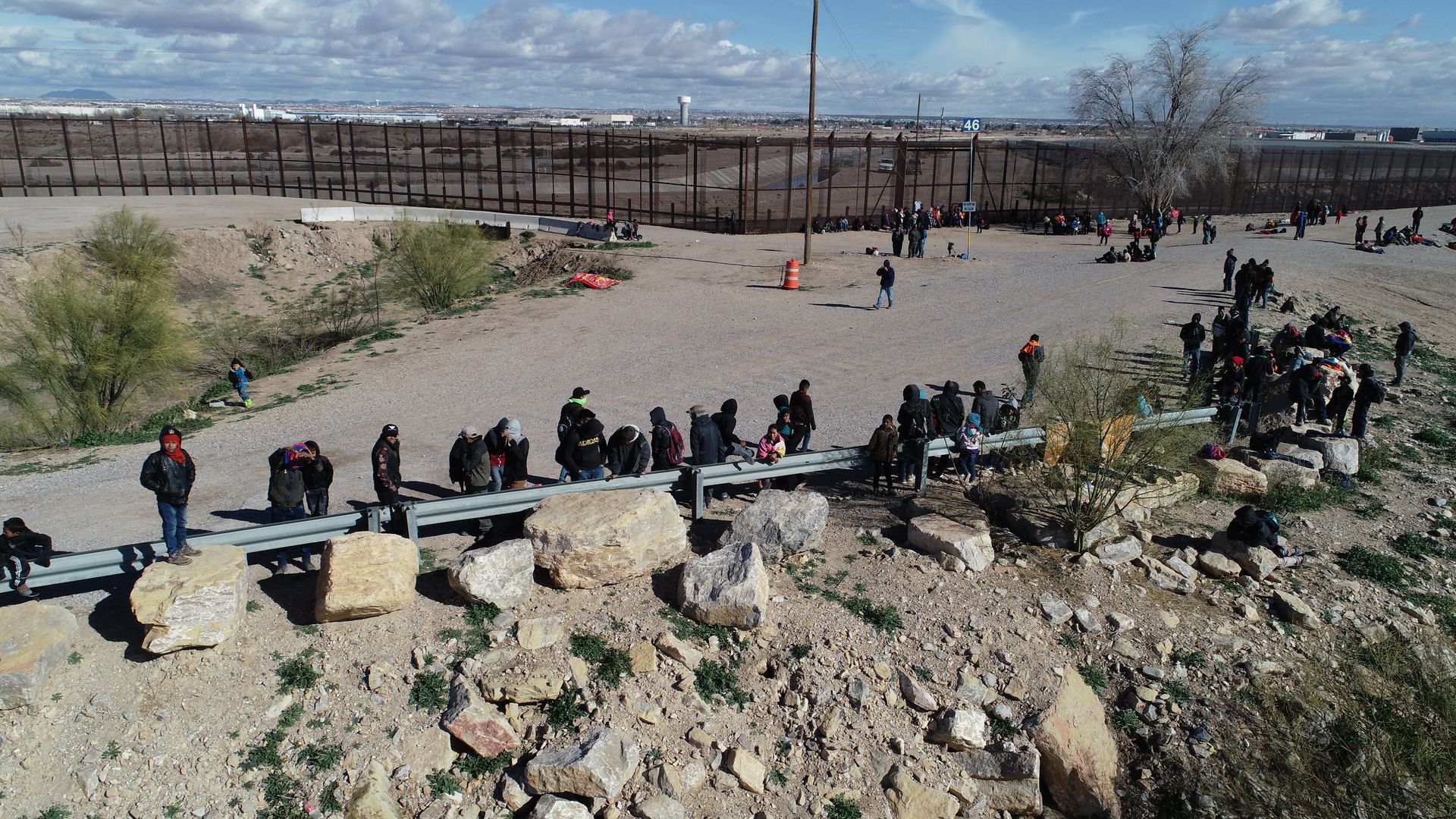
Mexico announced on Thursday morning that it will allow migrants seeking asylum in the U.S. to remain on its soil while their applications are processed, the AP reports.
Why it matters: This was a priority for the Trump administration, which has now cut a deal with a Mexican administration that couldn’t have more different views on immigration, or just about anything else. The announcement comes two days after the Trump administration pledged billions of dollars in aid to Central American nations and southern Mexico as part of new Mexican President Andrés Manuel López Obrador's “Marshall Plan” for Central America.
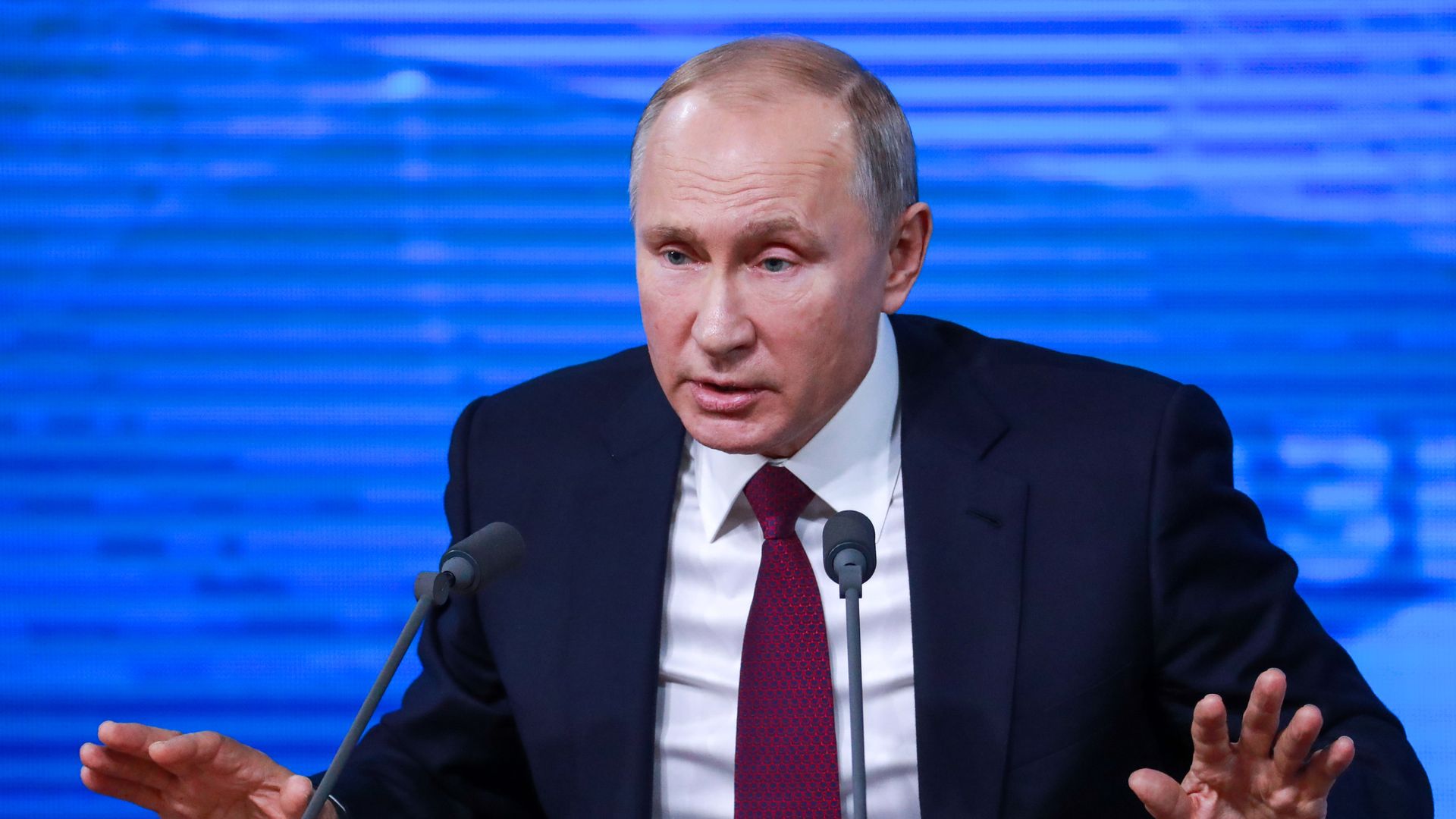
Leaders are responding to President Trump's decision to pull 2,000 U.S. troops out of Syria, including Russian President Vladimir Putin, who said he supports the move, and the country's European allies, who are still concerned of the ongoing threat of the Islamic State, or ISIS.
The big picture from Axios' Dave Lawler: Trump claimed on Twitter Thursday morning that Russia and Iran are "not happy" that the U.S. is withdrawing troops, because "they will have to fight ISIS and others, who they hate, without us." But that's not true. The move solidifies them as the dominant players in the country, and the key arbiters for a future resolution of the conflict — which will almost certainly see their ally, Syrian President Bashar al-Assad, remain in power.
Mexico's newly inaugurated president, Andrés Manuel López Obrador (AMLO), may have just scored a big political victory after a rocky start to his tenure. The U.S. State Department announced yesterday its intention to deliver $5.8 billion in aid and investment to Central America to stem the tide of migrants flocking toward the U.S. border.
Why it matters: AMLO has worked energetically since taking office to sell the White House on a "Marshall Plan" of support to address the region's growing migrant crisis. The U.S. commitment is a preliminary sign that he's at least being heard.
President Trump has botched the six weeks since the midterms, repeatedly making unforced errors that have produced weaker markets and political standing as he heads into next year's divided government and his re-election race.
What's happening: Yesterday became "Dump on Trump" day for the president's usual allies, as Republican officials condemned his seemingly impulsive decision to withdraw 2,000 U.S. troops from Syria.
A group of bipartisan senators sent a letter to President Trump Wednesday night urging him to "reconsider" his proposed withdrawal from Syria.
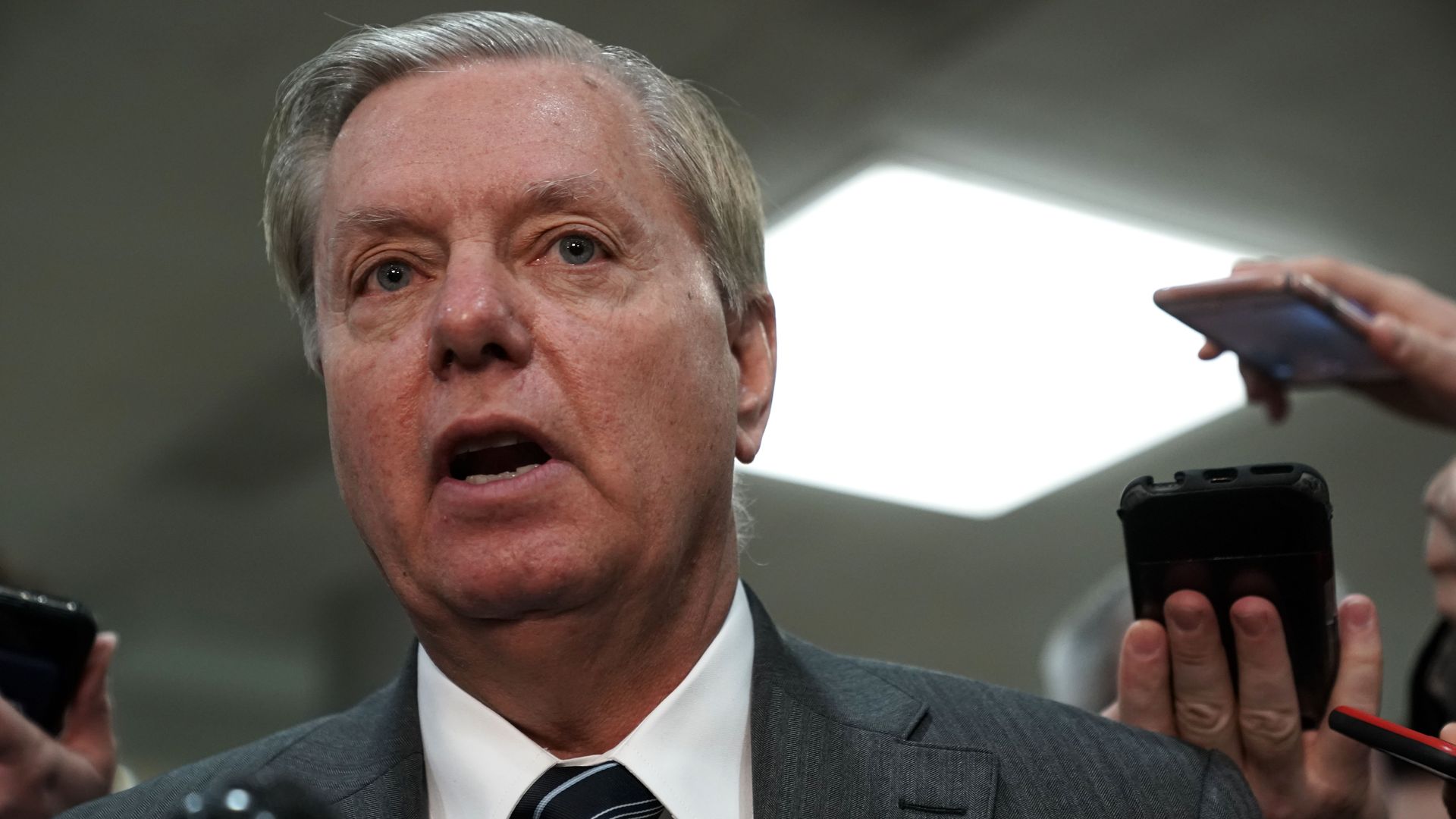
Details: Sens. Lindsey Graham (R-S.C.), Marco Rubio (R-Fla.), Tom Cotton (R-Ark.), Joni Ernst (R-Ia.), Angus King (I-Maine), and Jeanne Shaheen (D-N.H.) all signed onto the letter, writing that a withdrawal of U.S. troops would "renew and embolden" ISIS fighters in the region. They join a chorus of other Republican voices who have spoken out against the move.
The Senate passed a short-term funding bill Wednesday night to keep the federal government open until Feb. 8.
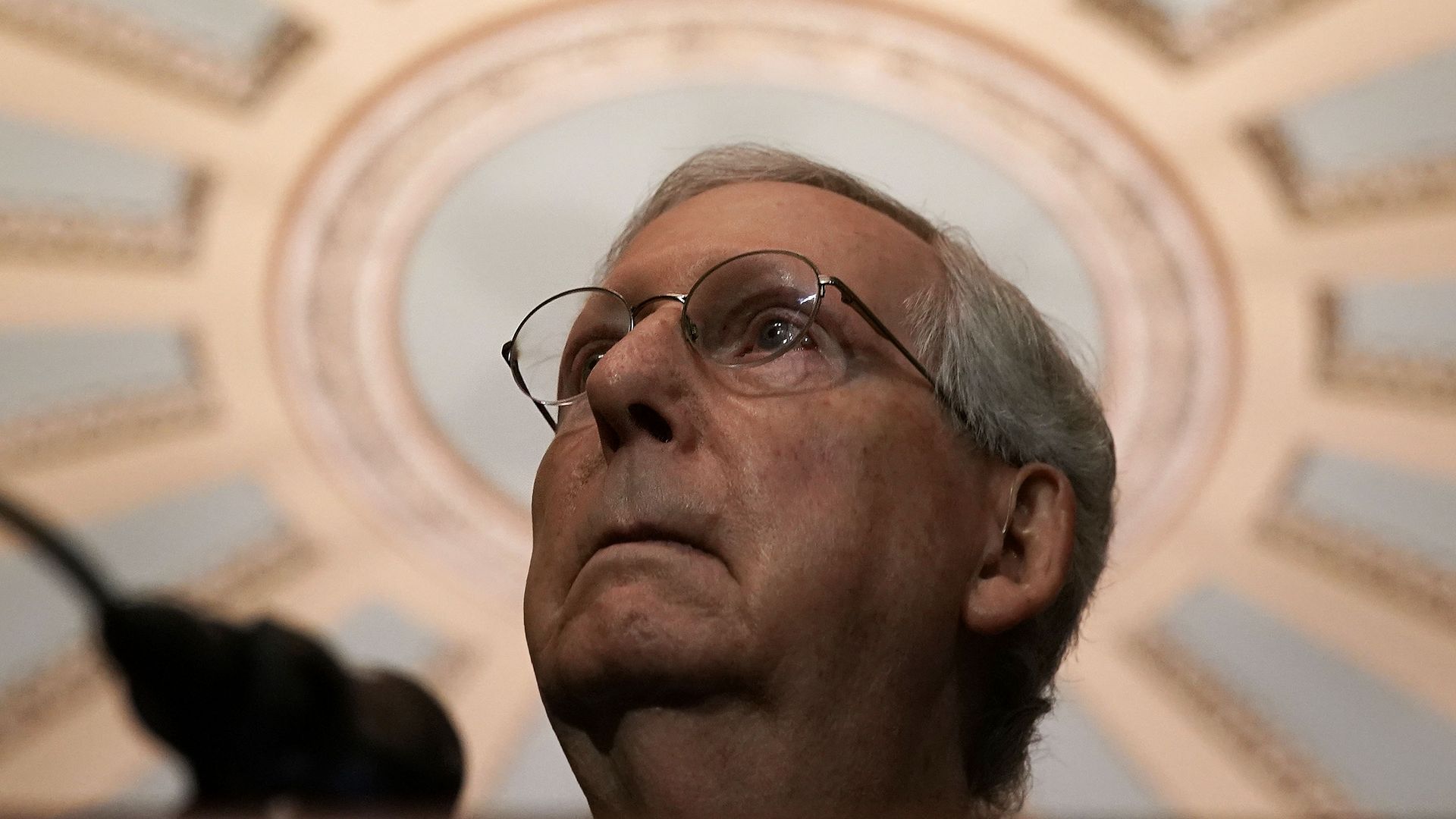
The big picture: President Trump declared last week he would be "proud to shut down the government" over the $5 billion he's demanded for the border wall, though Senate Majority Leader Mitch McConnell said he was confident it wouldn't come to that. The House will now need to approve the Senate's bill before it heads to Trump's desk for signing ahead of Friday's shutdown deadline. Members of the conservative House Freedom Caucus have called on Trump to veto the bill, claiming it's his last chance to save his signature campaign promise before Democrats take control of the House.