Friday's politics & policy stories

Trump's attorney tries to muddle Comey leak timeline
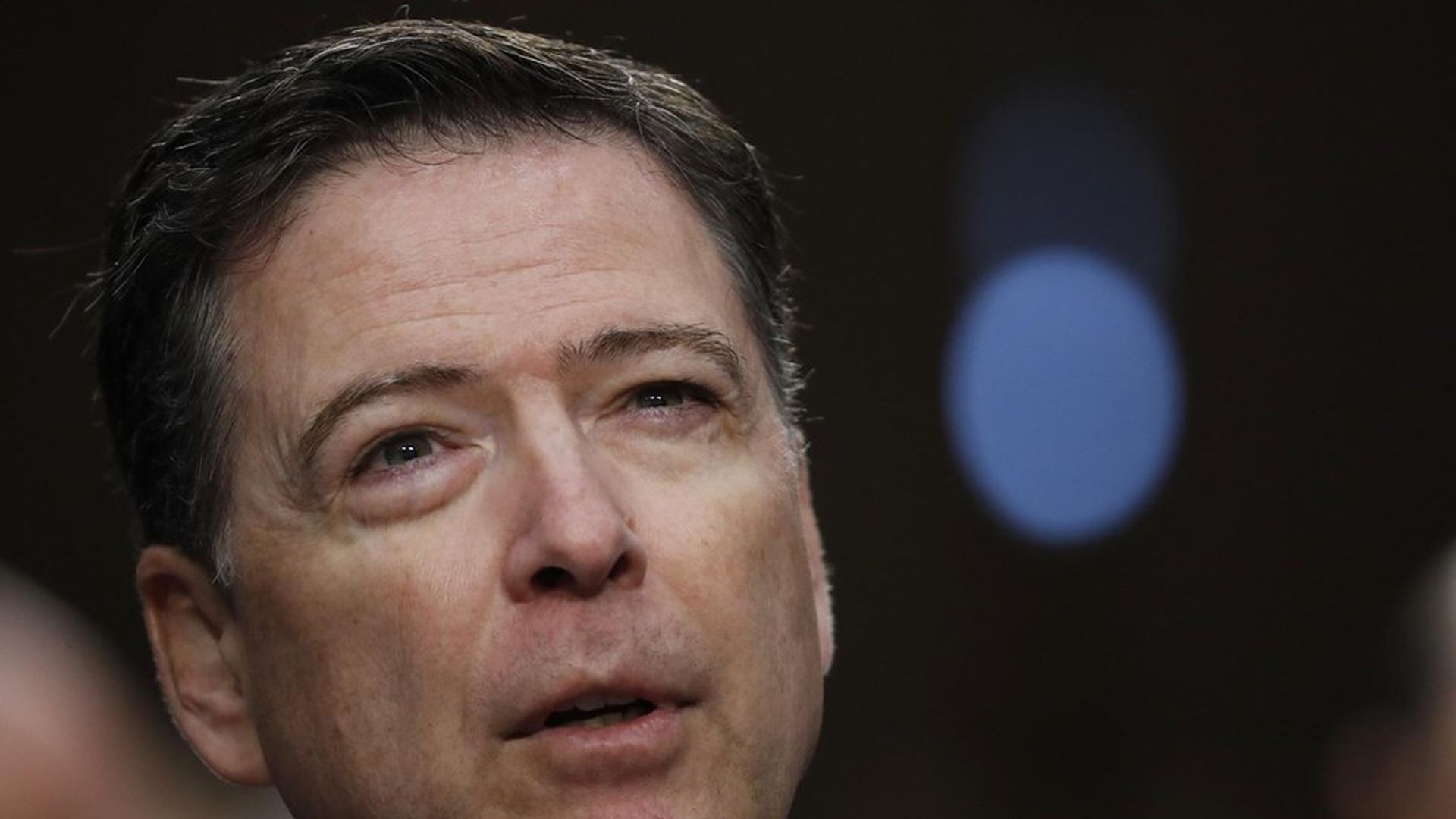
Marc Kasowitz, President Trump's personal attorney, released a new statement today pushing back on reports that his response yesterday to fired FBI Director James Comey's testimony inaccurately represented the timing of news reports surrounding Comey's interactions with Trump.
Kasowitz's claim: Comey claimed in his testimony yesterday that Trump's infamous "tapes" tweet on May 12 was his impetus for leaking his memos regarding his interactions with Trump to the New York Times, leading to the first report of their existence on May 16. But Kasowitz says that a Times report on May 11 about Comey's dinner with Trump must mean that Comey had incorrectly testified about the day he'd leaked the memos.
But consider: The sources for the dinner report in the Times are "associates" of Comey. And Comey's written opening statement said: "As was my practice for conversations with President Trump, I wrote a detailed memo about the dinner immediately afterwards and shared it with the senior leadership team of the FBI."


Trump's theory on Comey defense
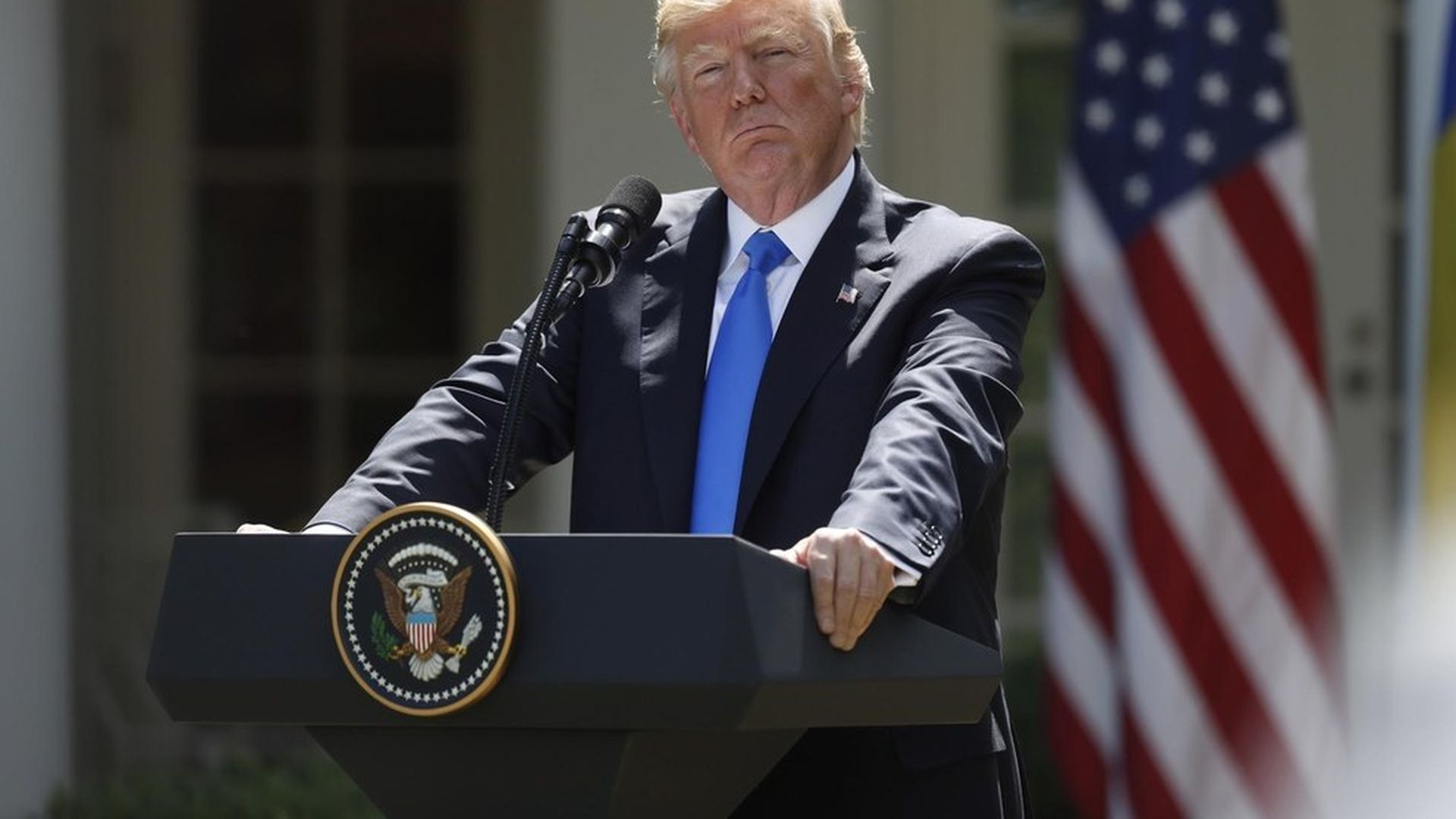
President Trump's combative press conference this afternoon, in which he declared his "100 percent" willingness to rebut Jim Comey under oath, reflects the White House's new take-no-prisoners war footing.
- The Trump theory: The best way to defend is to attack. If you're explaining, you're losing. White House officials, while recognizing the optics were devastating, tell us they were relieved that the substance of Comey's testimony lacked a smoking gun. But they know that special counsel Bob Mueller poses a dire threat to Trump's hold on the office.
- Behind the curtain: The widely held view in Republican circles, according to Axios' Jonathan Swan, is that Trump's aggressiveness undercuts the notion that there are tapes. Trump clearly sees this as his word against Comey's.
WH social media director violated Hatch Act
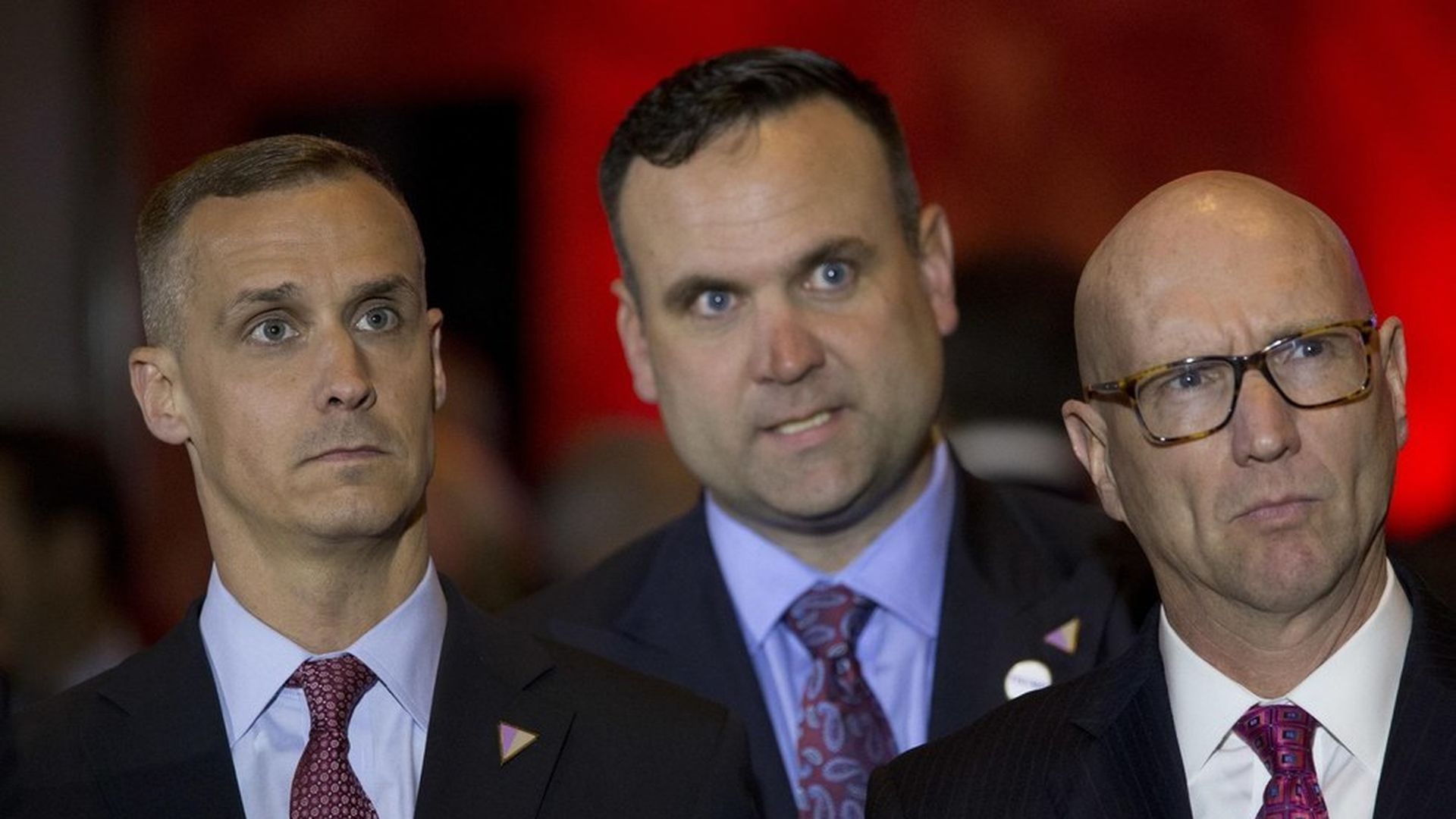
Dan Scavino Jr., the White House's social media director, has been issued a warning for violating the Hatch Act, a federal law that prohibits officials from using government positions for political advocacy, according to the watchdog group Citizens for Responsibility and Ethics in Washington (CREW).
What happened: In April, Scavino posted a tweet from his personal Twitter account — though at the time, it listed his White House position and had a profile picture in the Oval Office — asking Michiganders to remove Republican Rep. Justin Amash in a primary. CREW submitted a complaint soon after.

Trump agrees to testify under oath about Russia probe
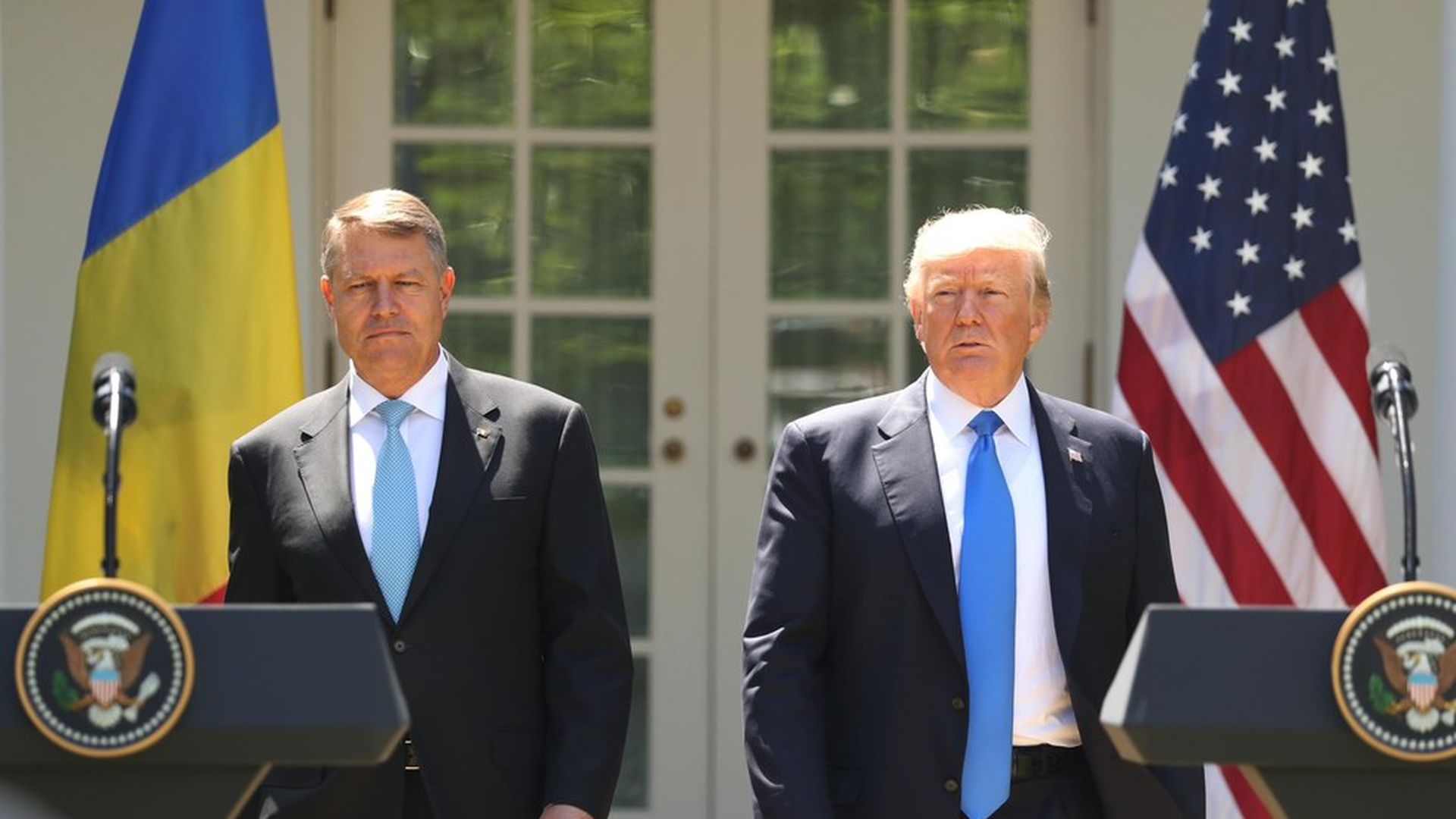
President Trump fielded questions on James Comey while giving a joint press conference with Romanian President Klaus Werner Iohannis at the White House Friday. Trump told reporters that he felt completely vindicated by Comey's testimony, stating that there was "no collusion, no obstruction, he's a leaker."
When asked whether he recorded the conversations he had with Comey, Trump said, "I'll tell you about that sometime in the near future." He also denied ever asking for Comey's loyalty or asking him to "let Flynn go." And he said he'd "100%" be willing to testify under oath to Special Prosecutor Robert Mueller.
Tillerson: Qatari leader must solve terrorism "more quickly"
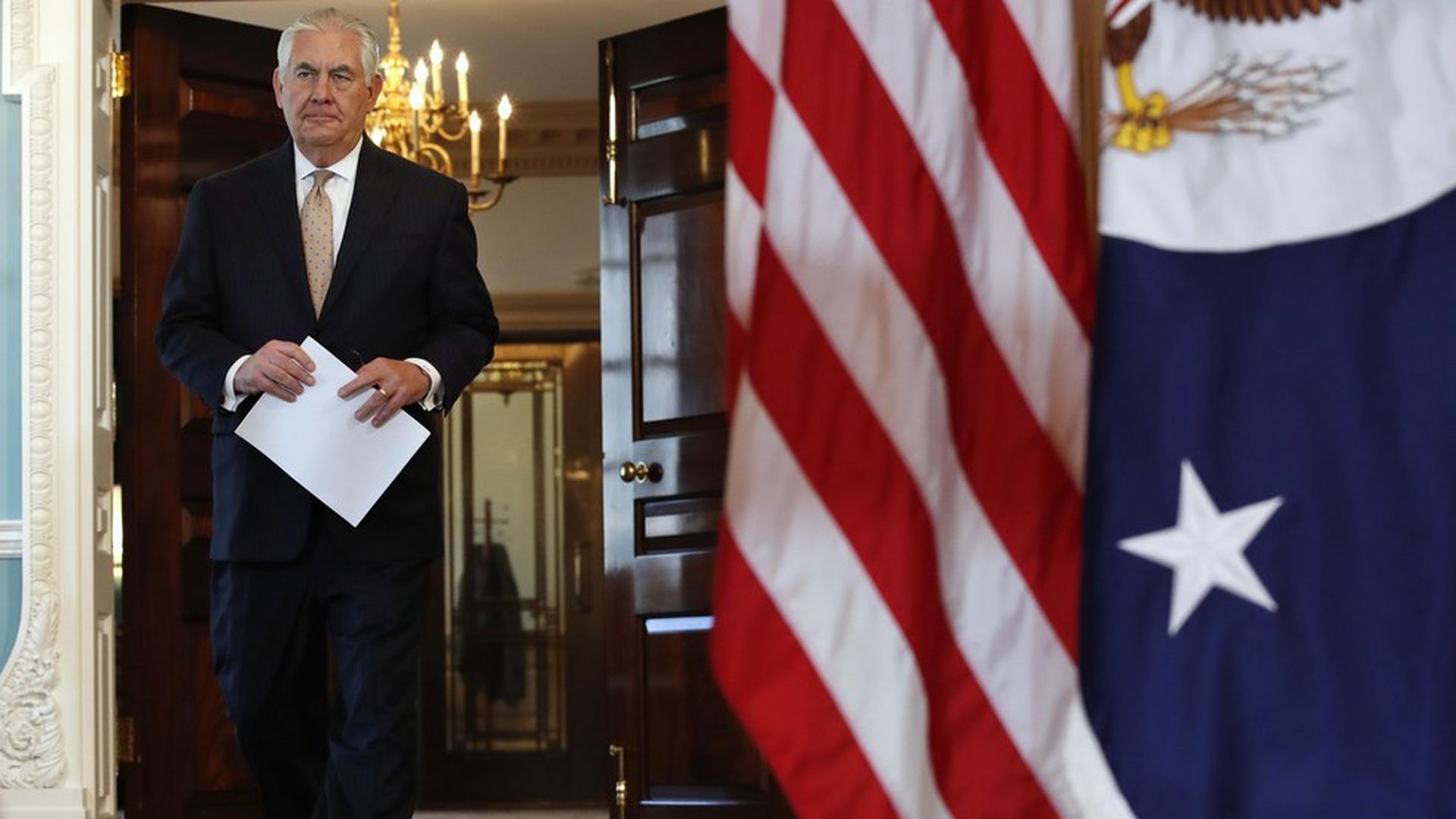
Secretary of State Rex Tillerson called on the countries in the Persian Gulf region who have cut off Qatar to "ease the blockade." He also argued that the diplomatic crisis is impairing U.S. and international business activity, as well as hindering military actions in the region, including the campaign against ISIS.
Note: Qatar's leader reportedly declined Trump's invitation to host mediation talks at the White House. A Qatari official told Reuters Thursday that the Emir of Qatar "has no plans to leave Qatar while the country is under a blockade."
Trump closes out his infrastructure week
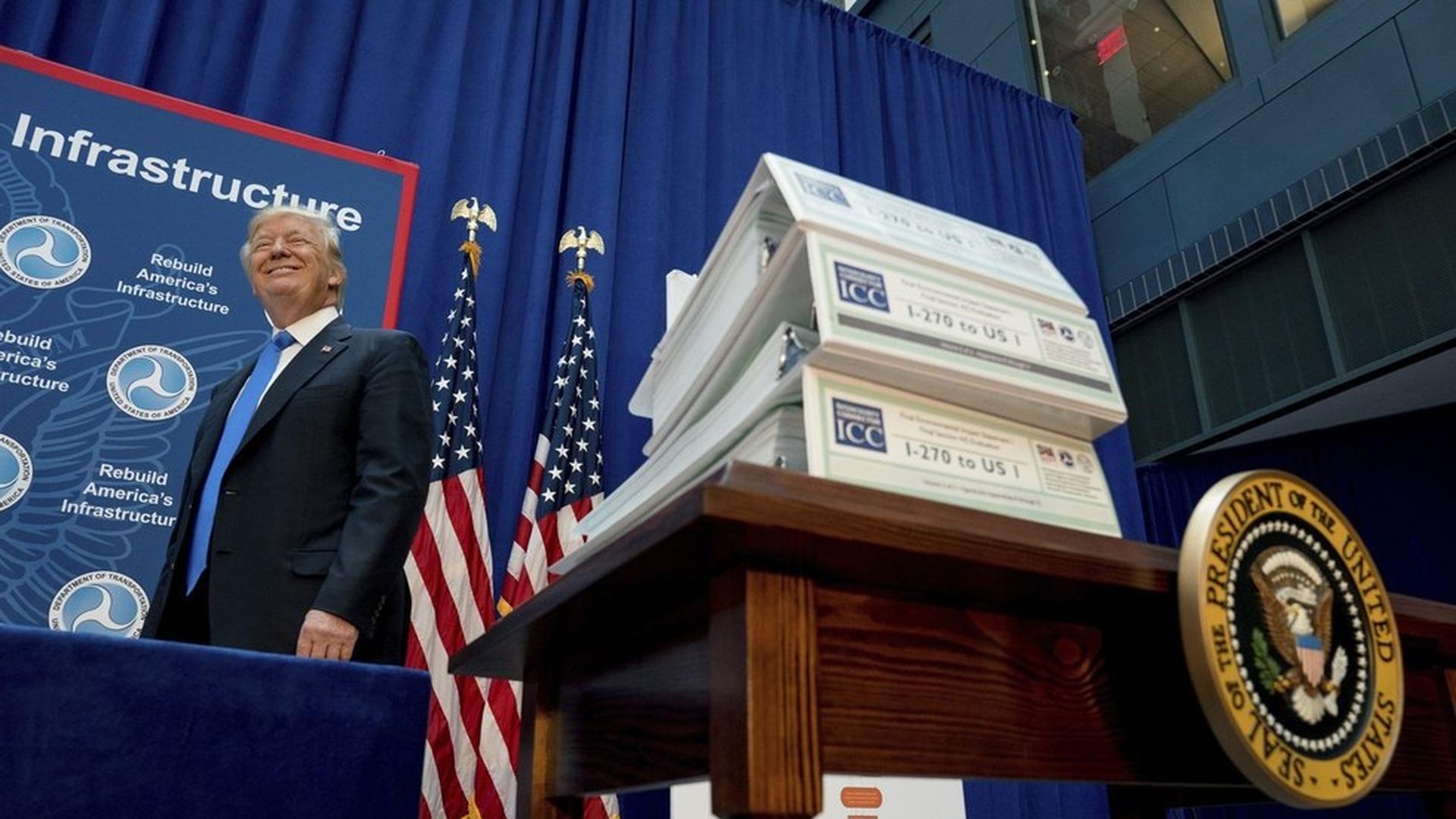
President Trump ended his much-touted "infrastructure week" with an announcement at the Department of Transportation that his administration was creating a new council to help navigate permitting hurdles that can delay critical infrastructure projects.
The key quote: "It took four years to build the Golden Gate bridge and five years to build the Hoover Dam, but today it can take 10 years just to get the approval and permits needed to build a major infrastructure project."
Trump's biggest skills: If there's one thing that Trump might definitely understand, it's building massive infrastructure projects. And if there's a second, it's reality television. Both were on on full display with prop binders apparently filled with environmental reports:

New threats to Trump
Many of Trump's mounting perils are self-inflicted:
- From a New York Times front-pager by Peter Baker, "For Trump, a Looming 'Cloud' Just Grew That Much Darker": "Comey... revealed that he had turned over memos of his conversations with Mr. Trump to that newly appointed special counsel, Robert S. Mueller III, suggesting that investigators may now be looking into whether Mr. Trump obstructed justice by dismissing the F.B.I. director."
- Comey testified that he arranged the leak of his private conversations with Trump after the president tweeted a threat at Comey.
- CNN: "Comey told senators in a closed hearing [after his public testimony] that Attorney General Jeff Sessions may have had a third interaction with Russia's ambassador to the US."
Sound smart: Imagine how much the public would never have known if Trump hadn't canned Comey.
Qatar's leader declines invitation to White House
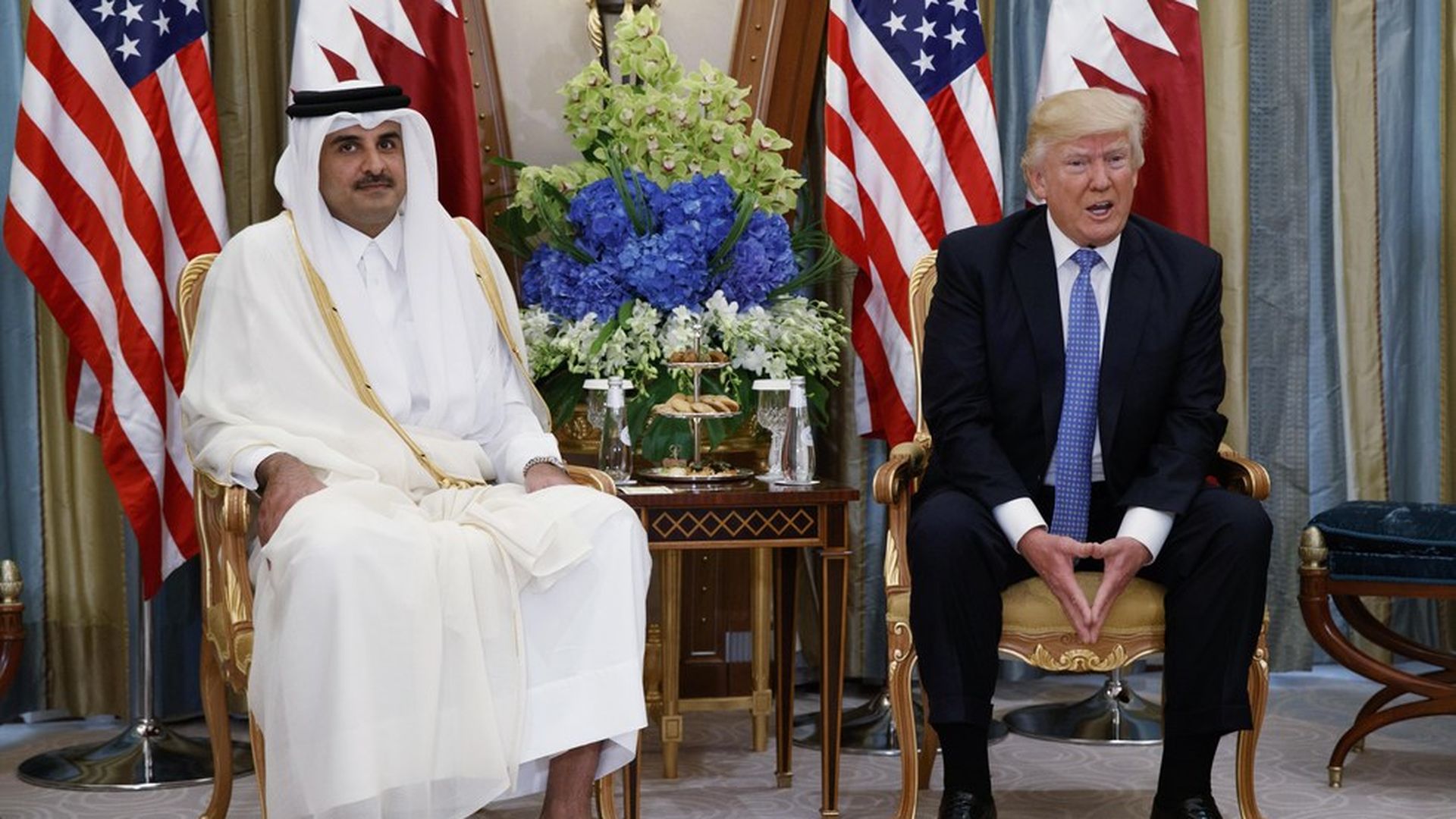
Qatar's leader reportedly will not accept President Trump's invitation for a White House meeting while the country remains isolated from several of its Persian Gulf neighbors, reports Reuters. A Qatari official told the outlet Thursday that the Emir of Qatar "has no plans to leave Qatar while the country is under a blockade."
Flashback: Earlier this week, seven countries, including Saudi Arabia, Egypt and the United Arab Emirates, cut diplomatic ties with Qatar after accusing the nation of collaborating with militant groups and adding to instability in the region.
The Trump effect: Wednesday, President Trump offered his support to the emir of Qatar over the phone, and said he is willing to "help the parties resolve their differences, including a meeting at the White House if necessary," according to a WH statement.

Kushner to meet with Senate Intel staff
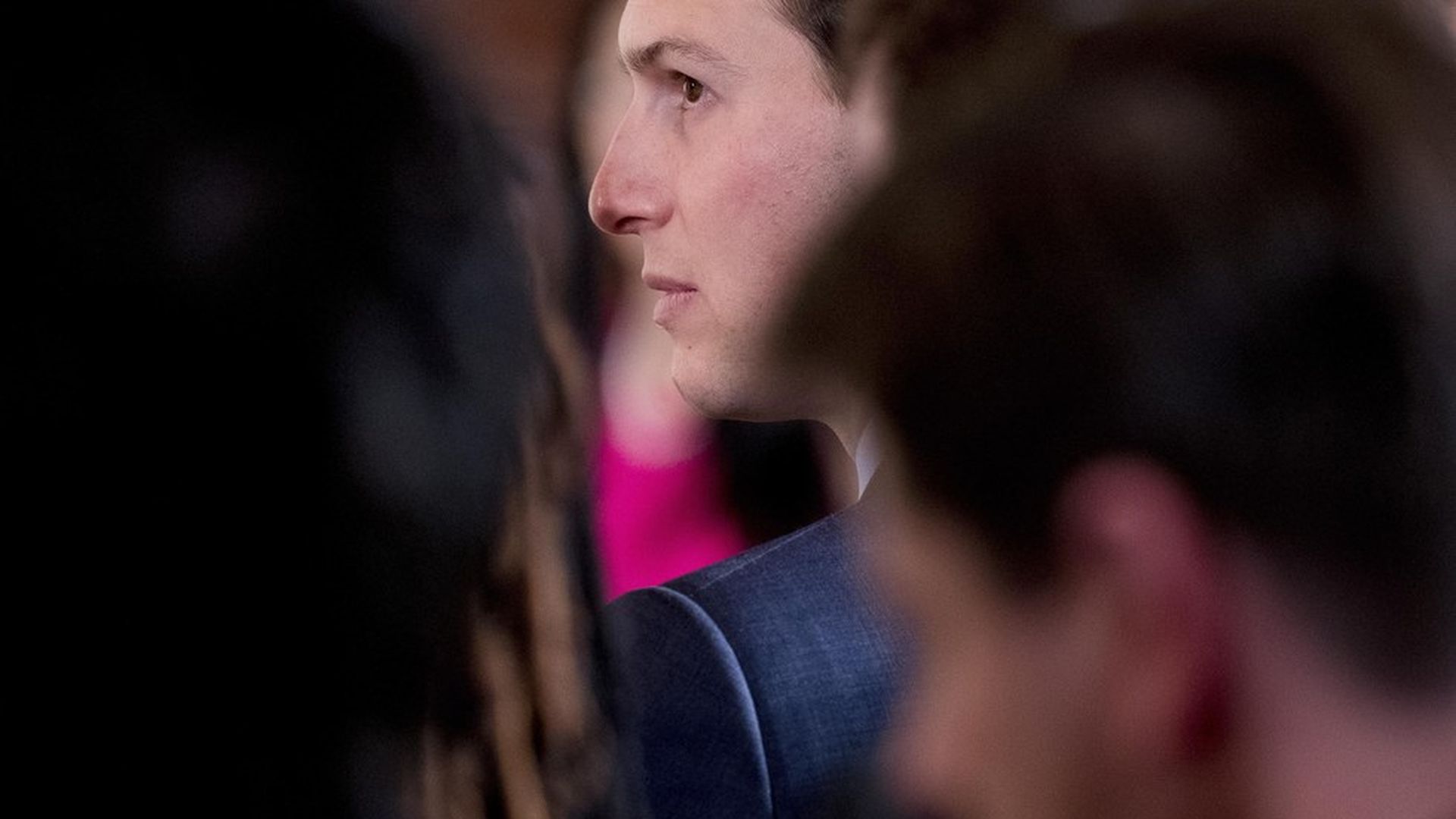
Jared Kushner will meet with Senate Intelligence Committee staffers in mid-June, "two people familiar with the matter," told NBC News, although one person said the conversation on timing is ongoing.
Why it matters: He's expected to provide documents and take questions from the Senators on the committee. Investigators believe he has "significant information" relevant to the probe.
What they'll probably ask about: Kushner allegedly tried to create a backchannel with the Kremlin during the presidential transition and met with the chairman of the Russian state bank, Vnesheconombank, which is under U.S. sanctions. He is not currently a subject of the federal Russia investigation.

CEOs from Apple, Amazon, Cisco, IBM, Microsoft and Oracle expected to attend White House tech summit
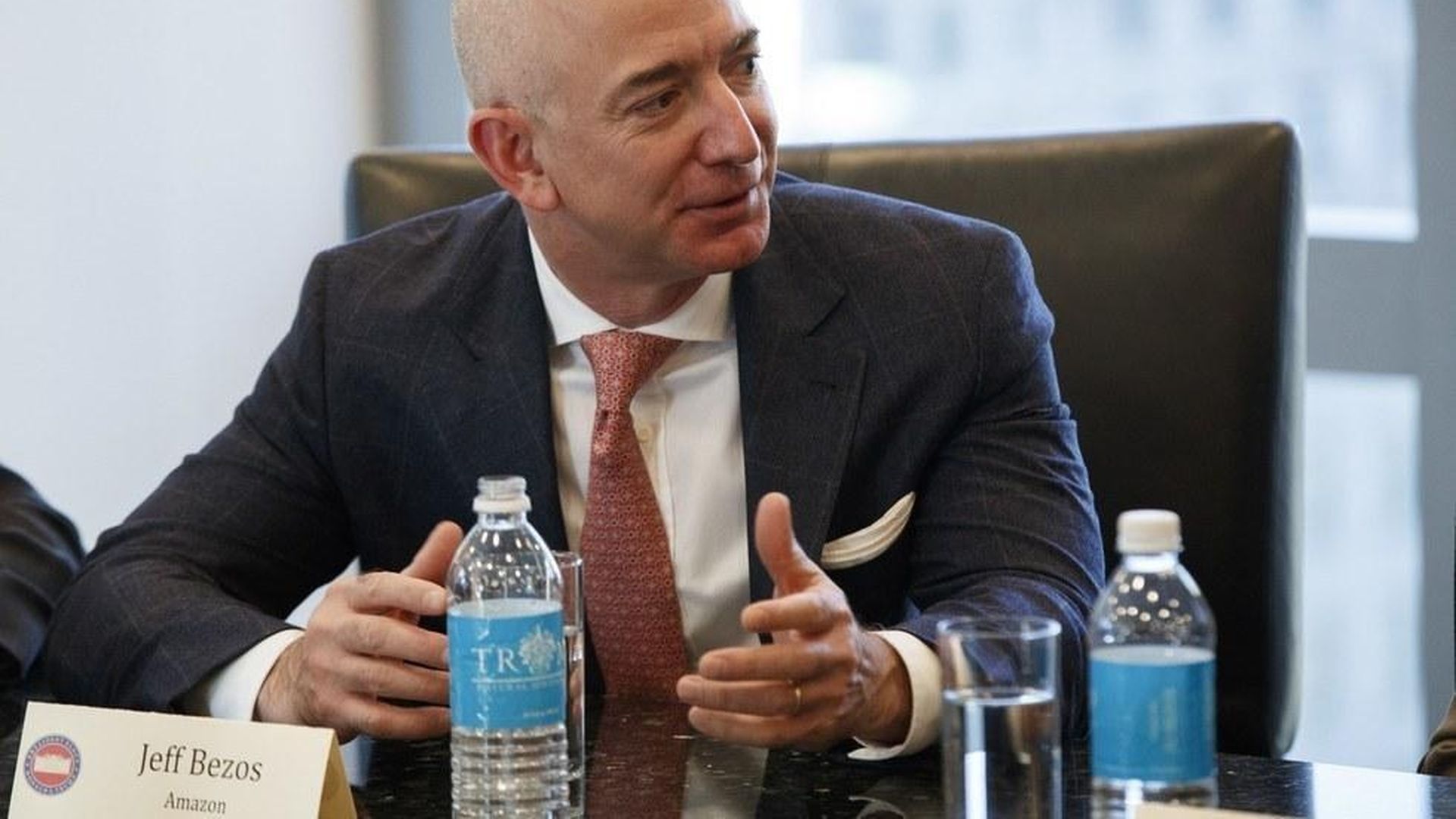
Although tech companies were unhappy with Trumps' move to exit the Paris environmental accord, their discontent doesn't appear to be deterring most of the industry's leaders from attending a White House summit this month. According to Bloomberg, Apple CEO Officer Tim Cook, Microsoft CEO Satya Nadella, Amazon.com CEO Jeff Bezos, Oracle Co-CEO Safra Catz and IBM CEO Ginni Rometty are all expected to attend the meeting of the Jared Kushner-led American Technology Council. Alphabet executive chairman Eric Schmidt is also planning to go, Bloomberg said. Axios has confirmed that Cisco CEO Chuck Robbins and Intel CEO Brian Krzanich plan to attend.
An Oracle representative confirmed Catz' participation, while representatives of the other companies were not immediately available for comment.
On the fence: Facebook has yet to decide whether to send an executive, Bloomberg said.
Out: Tesla and SpaceX CEO Elon Musk warned the president he would pull out of all presidential advisory groups if Trump moved to exit Paris and confirmed after the move he would cease involvement.

The questions Comey dished off to Bob Mueller
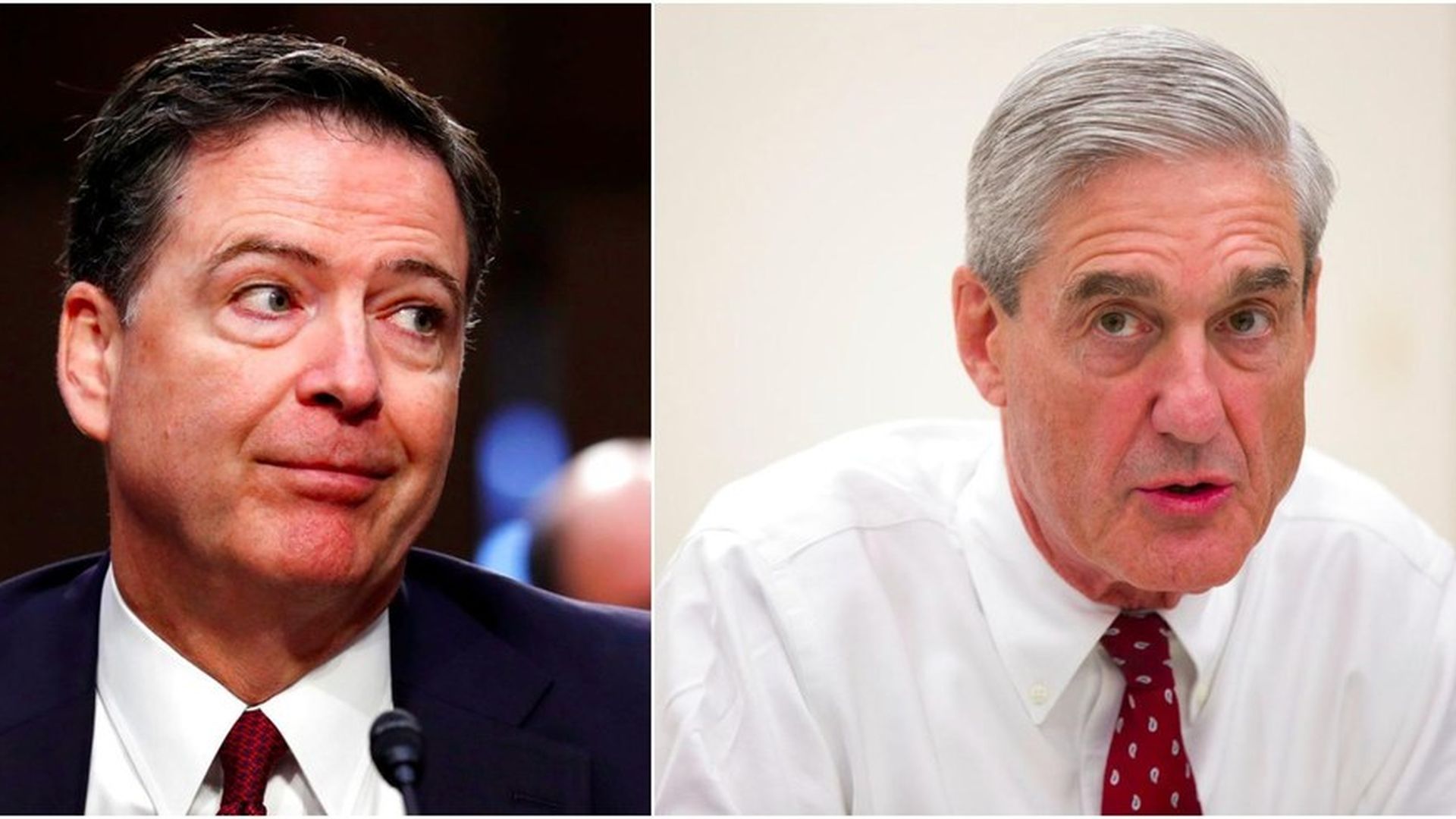
As James Comey testified before the Senate Intelligence Committee and much of America Thursday, he deferred some of the committee's questions to Robert Mueller, the former FBI leader appointed as special counsel in the Russia probe.
- When asked if Trump obstructed justice: "I don't know, that's Bob Mueller's job to sort that out.
- On the Senate probe and Special Counsel coexisting: "It requires lots of conversations, but Bob Mueller is one of this country's great, great pros."
- On whether the Steele dossier is relevant to the probe: "It is Bob Mueller's responsibility now. I don't know."
Vote of confidence: Comey is confident in Mueller's ability to lead the probe, acknowledging his long-standing relationship with the former FBI Director, he said, "If there's something that he thinks he needs, he will speak up about it."
Many in GOP seem to believe Comey over Trump
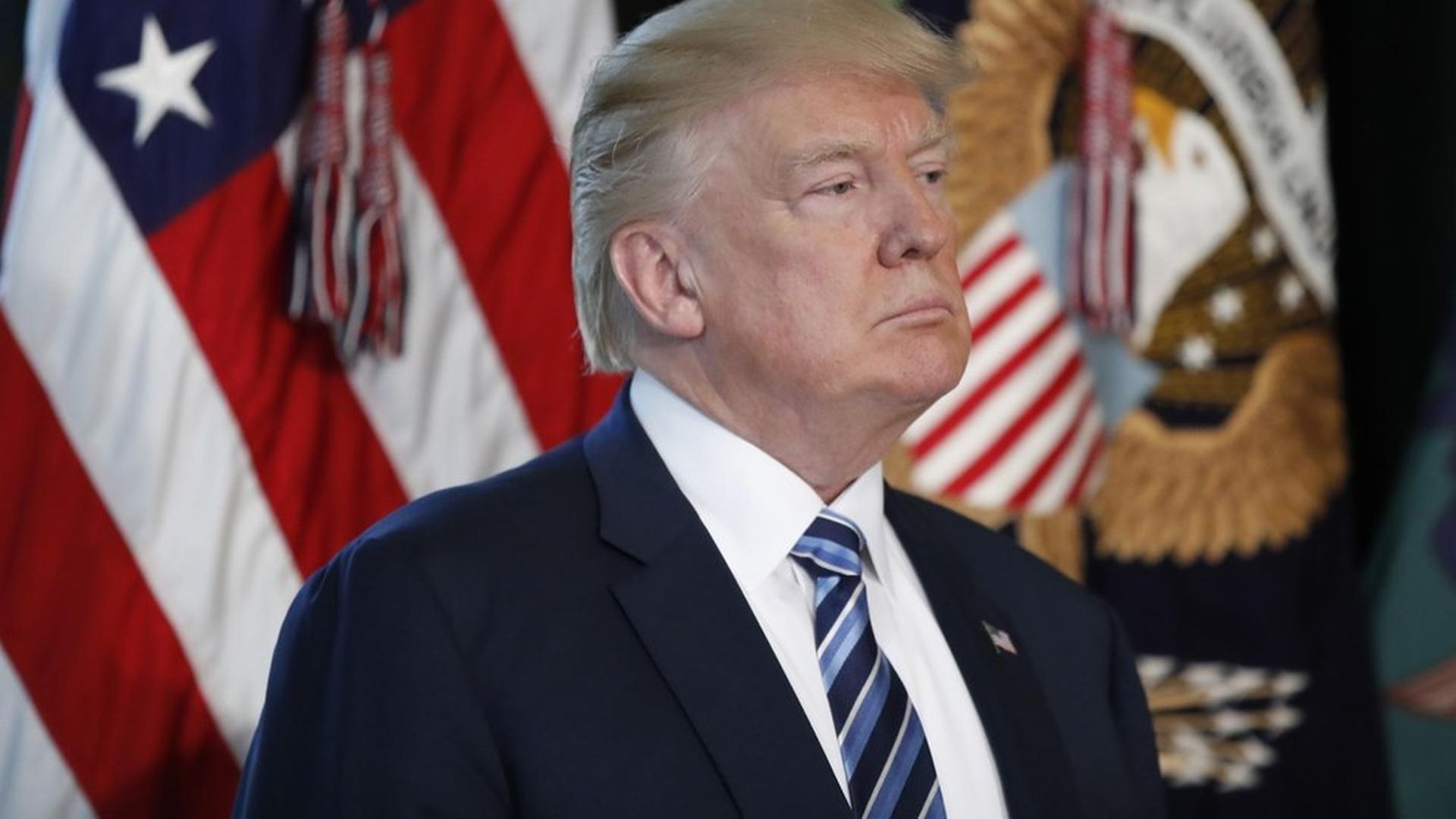
James Comey testified Thursday that President Trump told him "I need loyalty" and directed him to back off the investigation of Michael Flynn. Trump, via his lawyer, denied both of those claims.
The reactions to those comments exposed a notable split between Trump's inner circle and other high-profile Republicans, many of whom seemed to take Comey's version of events at face value.
Why it matters: As the Russia "cloud" casts a wider shadow across the Trump administration, the president will need his party to remain firmly behind him to avoid disastrous results. While the statements thus far don't indicate that Trump has lost his party, they do indicate that he doesn't have the implicit trust of many top Republicans.
The questions Comey wouldn't answer in public hearing
When asked if he had thoughts on whether President Trump colluded with Russians, James Comey said, "that's a question I don't think I should answer in an open setting."
Everything else he said he couldn't answer in a public setting:
Trump's lawyer: President never said "I need loyalty"
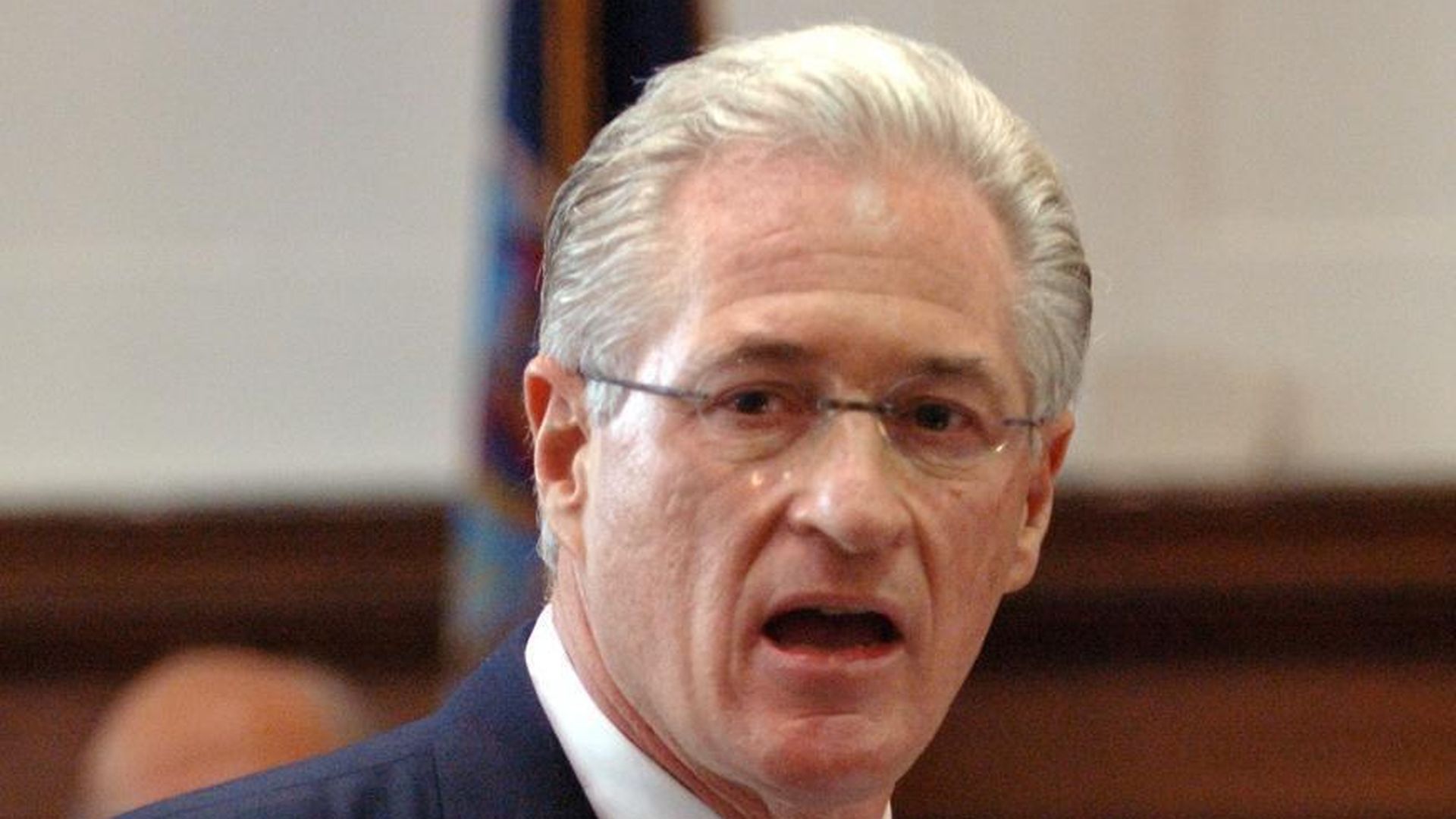
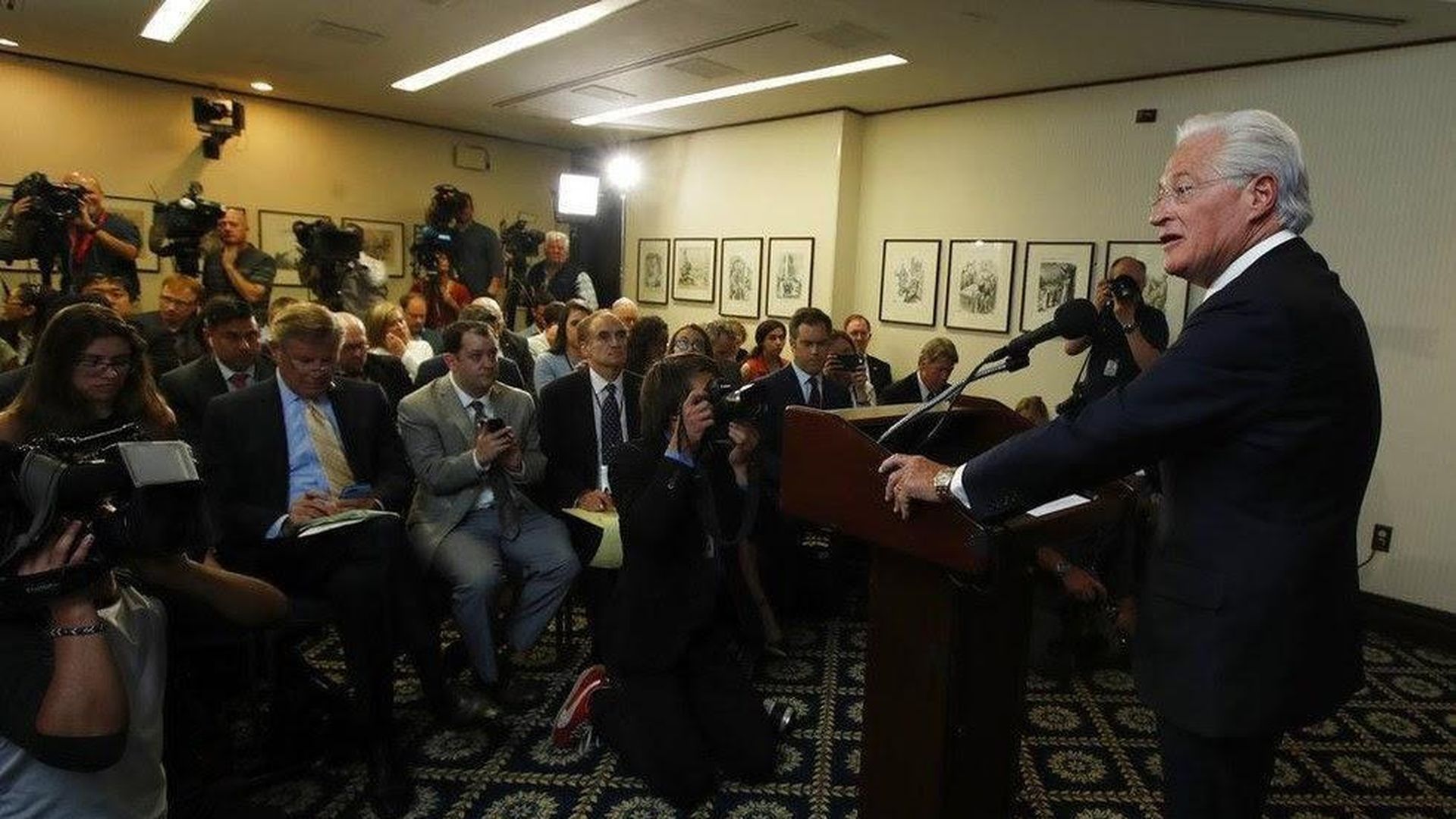
President Trump's lawyer, Marc Kasowitz, delivered a statement regarding James Comey's testimony earlier today, in which Comey accused Trump of lying and trying to influence the FBI's Russia probe. Key excerpts:
- "The President never... directed or suggested that Mr. Comey stop investigating anyone, including suggesting that Mr. Comey 'let Flynn go.' As he publicly stated the next day, he did say to Mr. Comey, 'General Flynn is a good guy, he has been through a lot' and also 'asked how is General Flynn is doing.'"
- "The President also never told Mr. Comey, 'I need loyalty, I expect loyalty" in form or substance.'"
- "It is overwhelmingly clear that there have been and continue to be those in government who are actively attempting to undermine this administration with selective and illegal leaks of classified information and privileged communications. Mr. Comey has now admitted that he is one of these leakers."
- "We will leave it [to] the appropriate authorities to determine whether [these Comey] leaks should be investigated along with all those others being investigated."
Trump's "tapes" tweet prompted Comey to leak memos
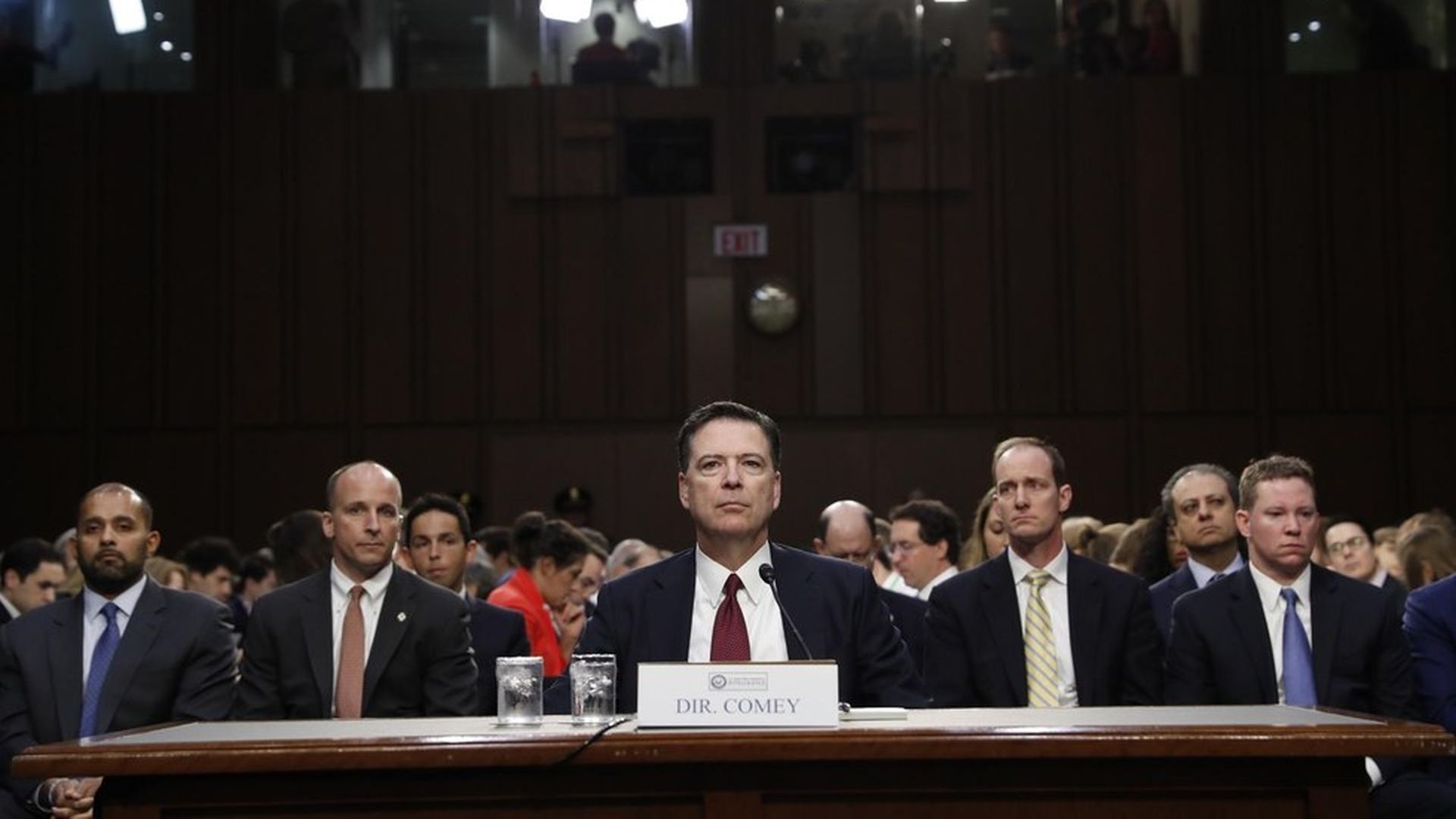
Fired FBI Director James Comey appeared in front of the Senate Intelligence Committee to testify about his interactions with President Trump as they relate to the federal government's Russia probe — and there's been some significant revelations thus far.
A big thing: Comey refused to state whether he believed that President Trump's request to shut down the investigation into former National Security Advisor Michael Flynn amounted to obstruction of justice — saying it was a question for the investigation's special counsel Bob Mueller — but he called it "a very disturbing thing, very concerning."
Another big thing: After his firing and this Trump tweet, Comey asked a close friend of his — Columbia law professor Daniel Richman — to leak the content of his memos to the media with the hope of triggering the appointment of a special counsel.
Sanders: "No idea" if Trump has tapes
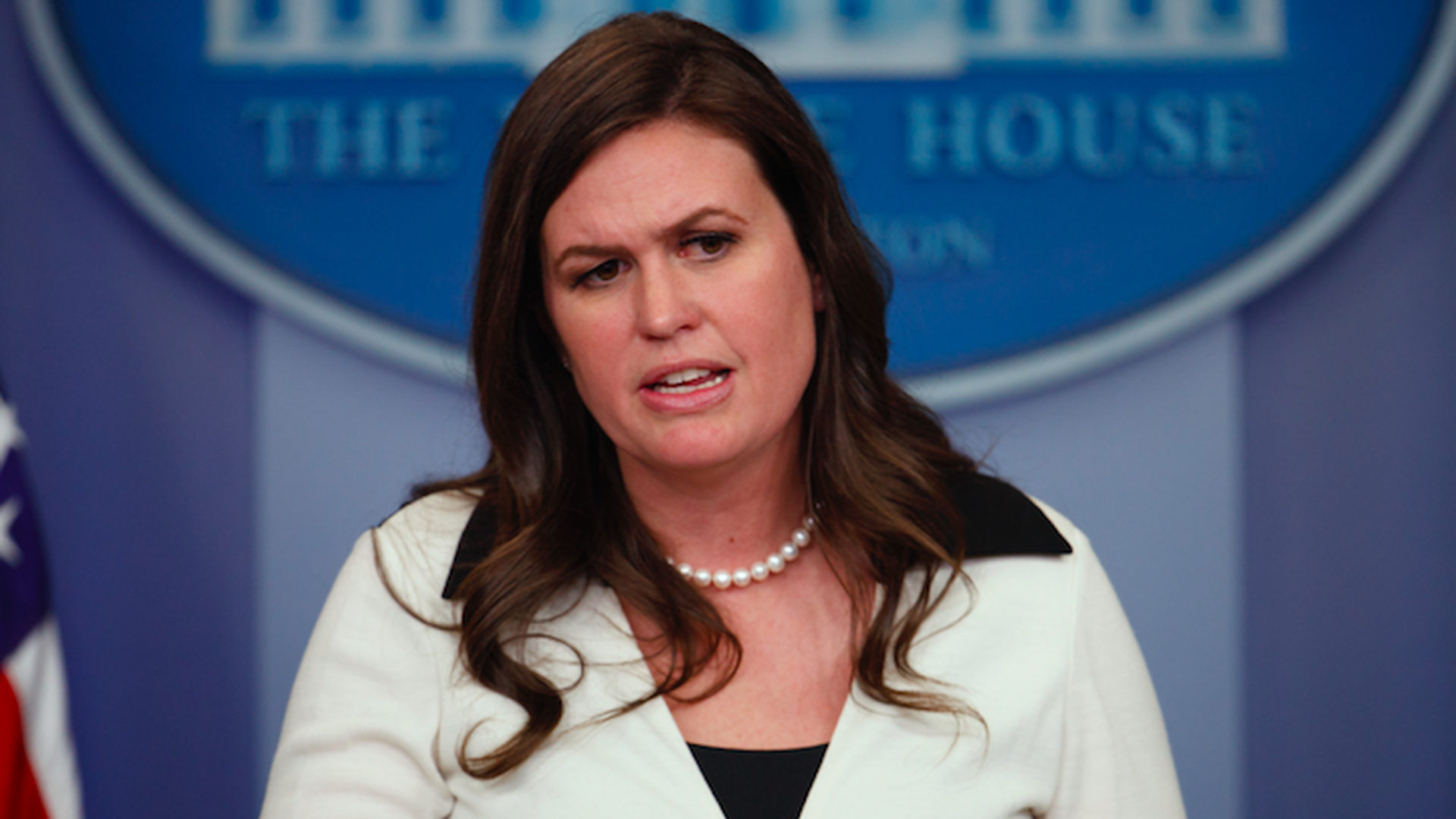
Deputy Press Secretary Sarah Sanders told reporters Thursday that she has "no idea" if President Trump records his Oval Office meetings. Meanwhile, former FBI Director James Comey said in a hearing before the Senate Intelligence Committee that he hopes the president has tapes, and asked him to release them. Other takeaways:
- Press briefing post-Comey: President Trump's outside counsel Marc Kasowitz will brief reporters after Comey's hearing.
- Has Trump watched the hearing? "I don't know if he's seen much of it," said Sanders, noting he spent the morning meeting with Mattis, Tillerson, and McMaster.
- Is Comey's testimony true? "I can definitively say the president is not a liar, and I think it's frankly insulting that that's asked."
- Does Trump have confidence in Sessions? "Absolutely, the president has confidence in all of his cabinet." Note: The White House failed to answer this question for two straight days.
Paul Ryan on Comey testimony: Trump is "new at this"
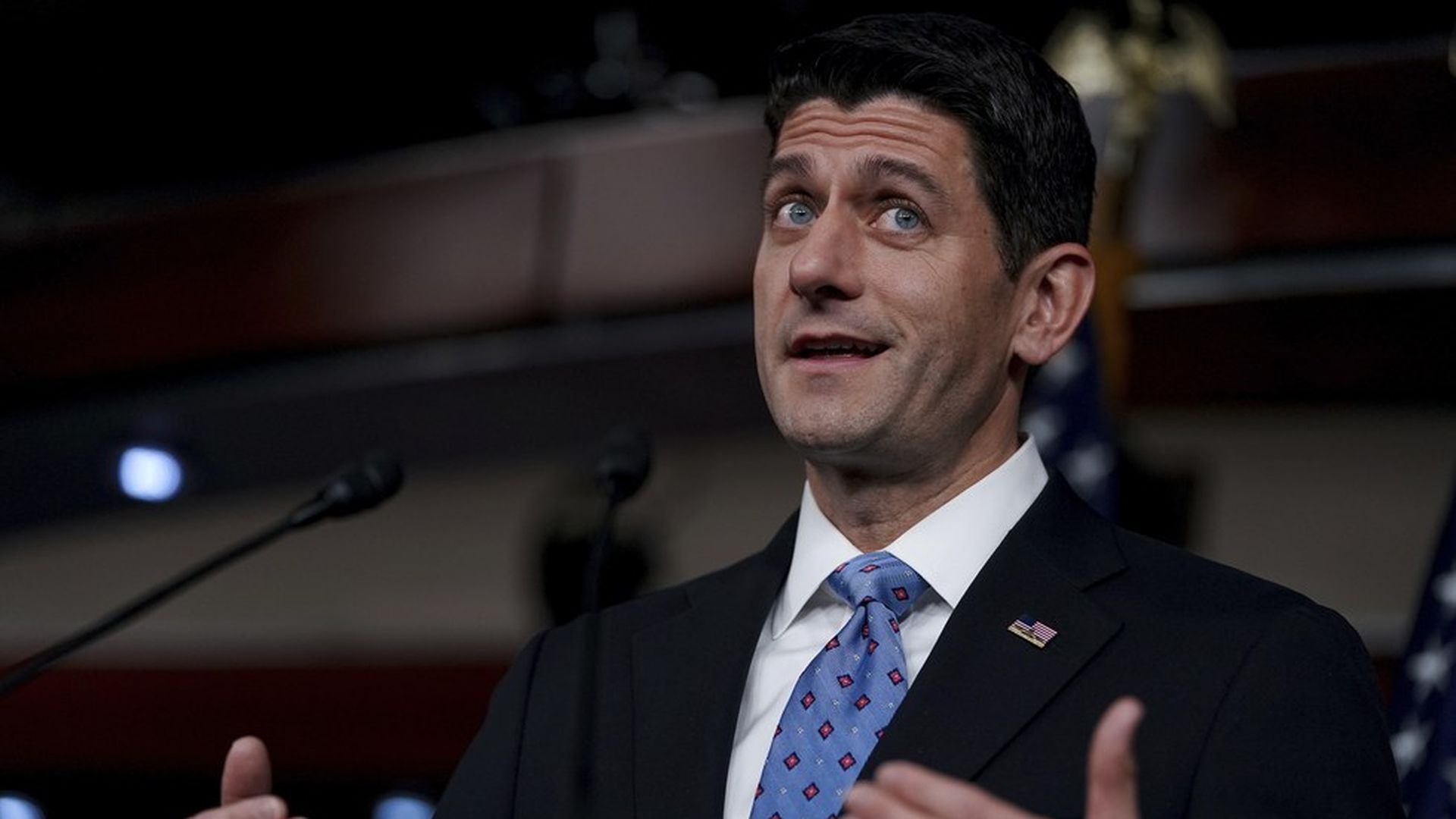
As Trump's fired FBI Director James Comey testified before Congress, Speaker of the House Paul Ryan told reporters that the president is new at this and that "he's not steeped in the ongoing protocols." Ryan added when prompted by questioning: "I'm not saying this is an excuse, I'm just saying it's my observation."
It's a "he said, he said" situation and Comey's word against Trump's (read more on that here). Ryan sidestepped most other questions on Comey, noting "I'm not gonna prejudge this."
Why the president is frustrated: "Because there's a lot of work to be done," Ryan said, referencing legislative work he is working on with the GOP, including trying to repeal the Dodd Frank Act.
Comey: Sessions' involvement in Russia probe was "problematic"
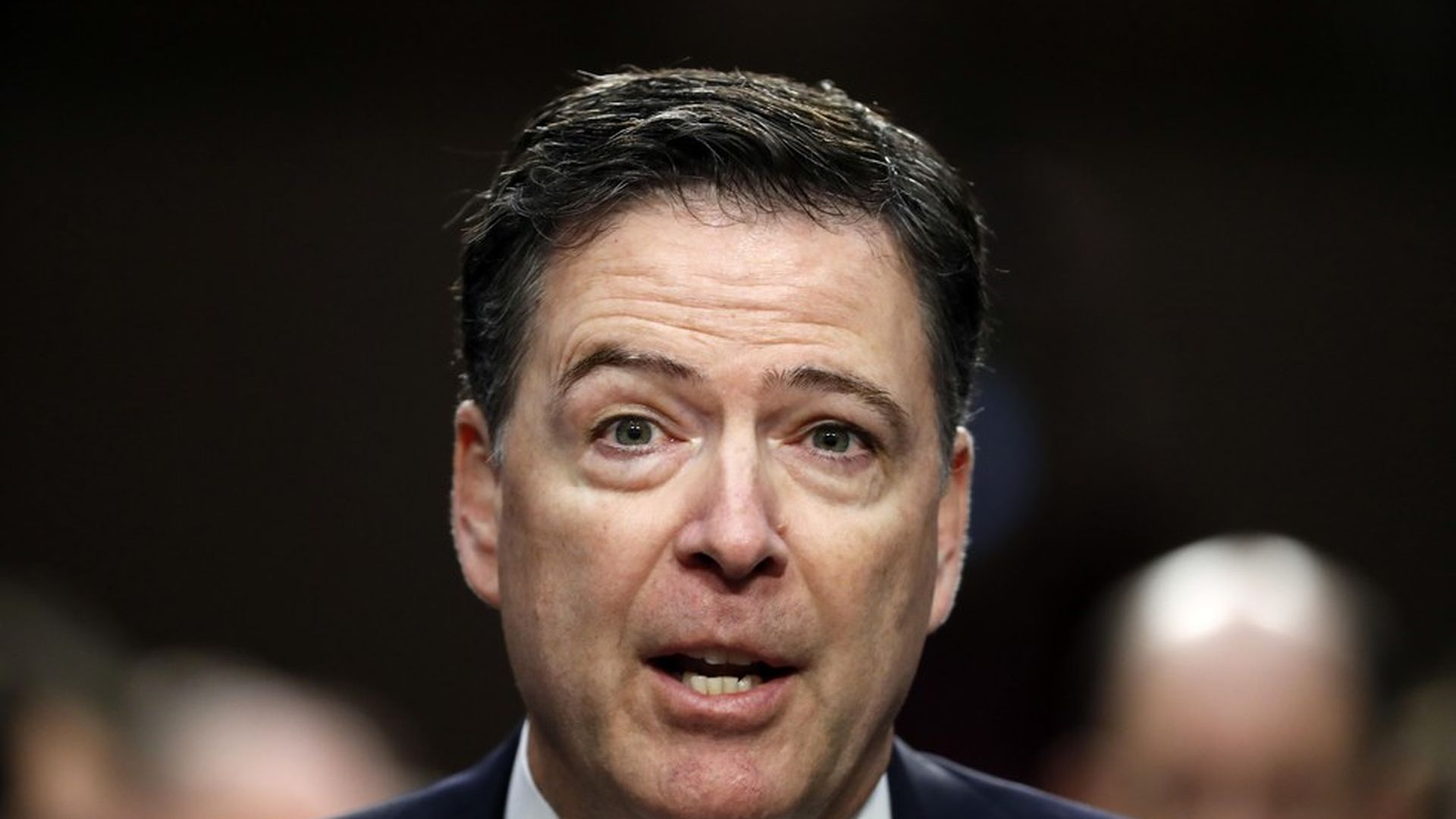
Sen. Ron Wyden (D-OR) asked James Comey why he chose not to tell Attorney General Jeff Sessions about his conversations with President Trump regarding Michael Flynn, even though Sessions had not yet recused himself from the Russia investigation:
WYDEN: "What was it about the Attorney General's own interactions with the Russians, or his behavior with regard to the investigation that would have led the entire leadership of the FBI to make this decision?"
COMEY: "Our judgment as I recall is that he was very close to and inevitably going to recuse himself for a variety of reasons, we were also aware of facts that I can't discuss in an open setting that would make his continued engagement in a Russia-related investigation problematic. And so we were convinced, in fact I think we had already heard, that the career people already recommended that he recuse himself, that he would not be in contact with Russia-related matters much longer, and that turned out to be the case."
Trump Jr: "Flynn stuff is BS in context"
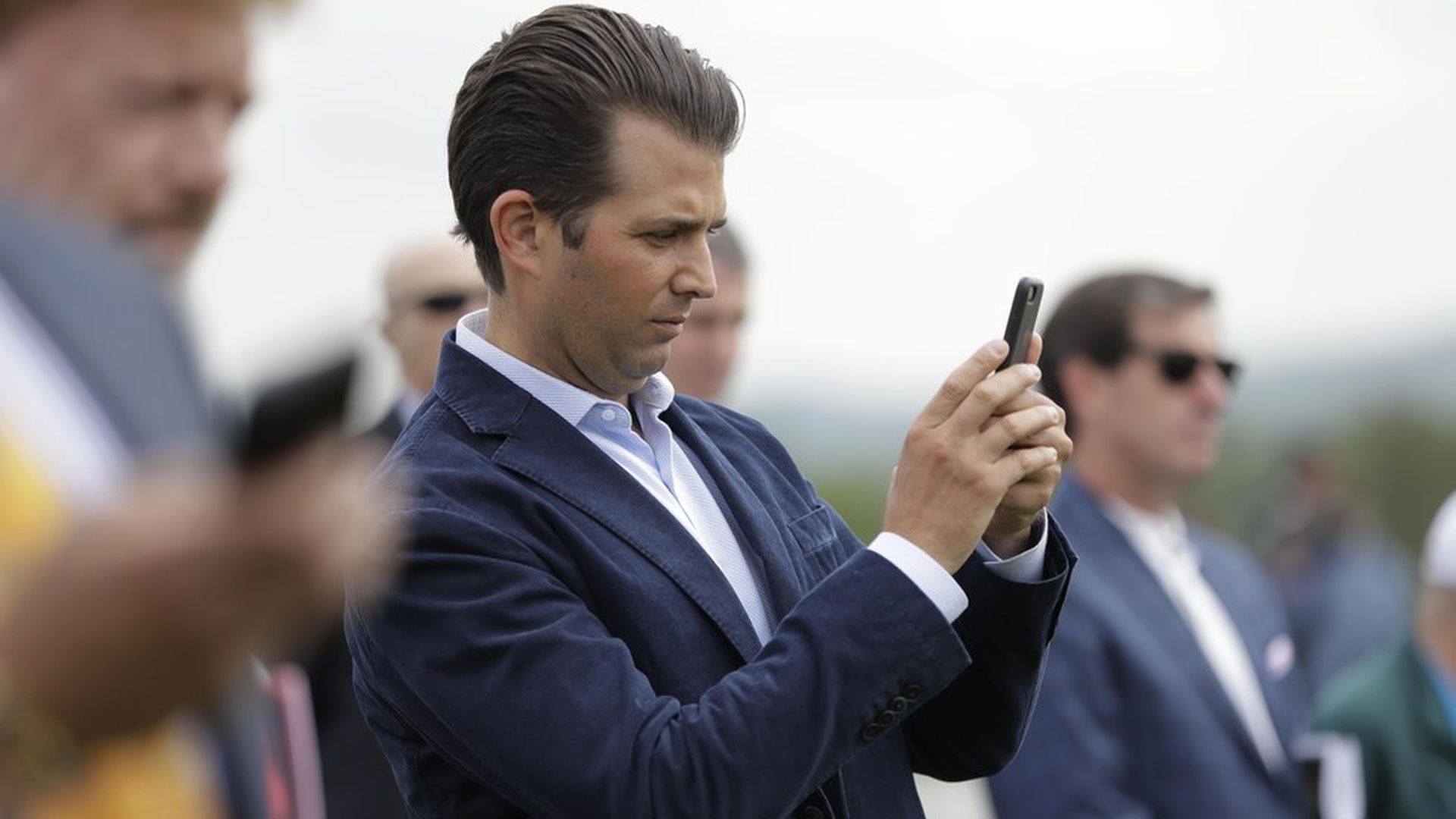
Donald Trump Jr. on Twitter:
"Flynn stuff is BS in context 2 guys talking about a guy they both know well. I hear 'I hope nothing happens but you have to do your job' very far from any kind of coercion or influence and certainly not obstruction! Knowing my father for 39 years when he 'orders or tells' you to do something there is no ambiguity, you will know exactly what he means. Hoping and telling are two very different things, you would think that a guy like Comey would know that. #givemeabreak Comey 'I could be wrong.' So if he was a 'Stronger guy' he might have actually followed procedure & the law? You were the director of the FBI, who are you kidding?"
Mark Warner: "This is not how a President behaves"
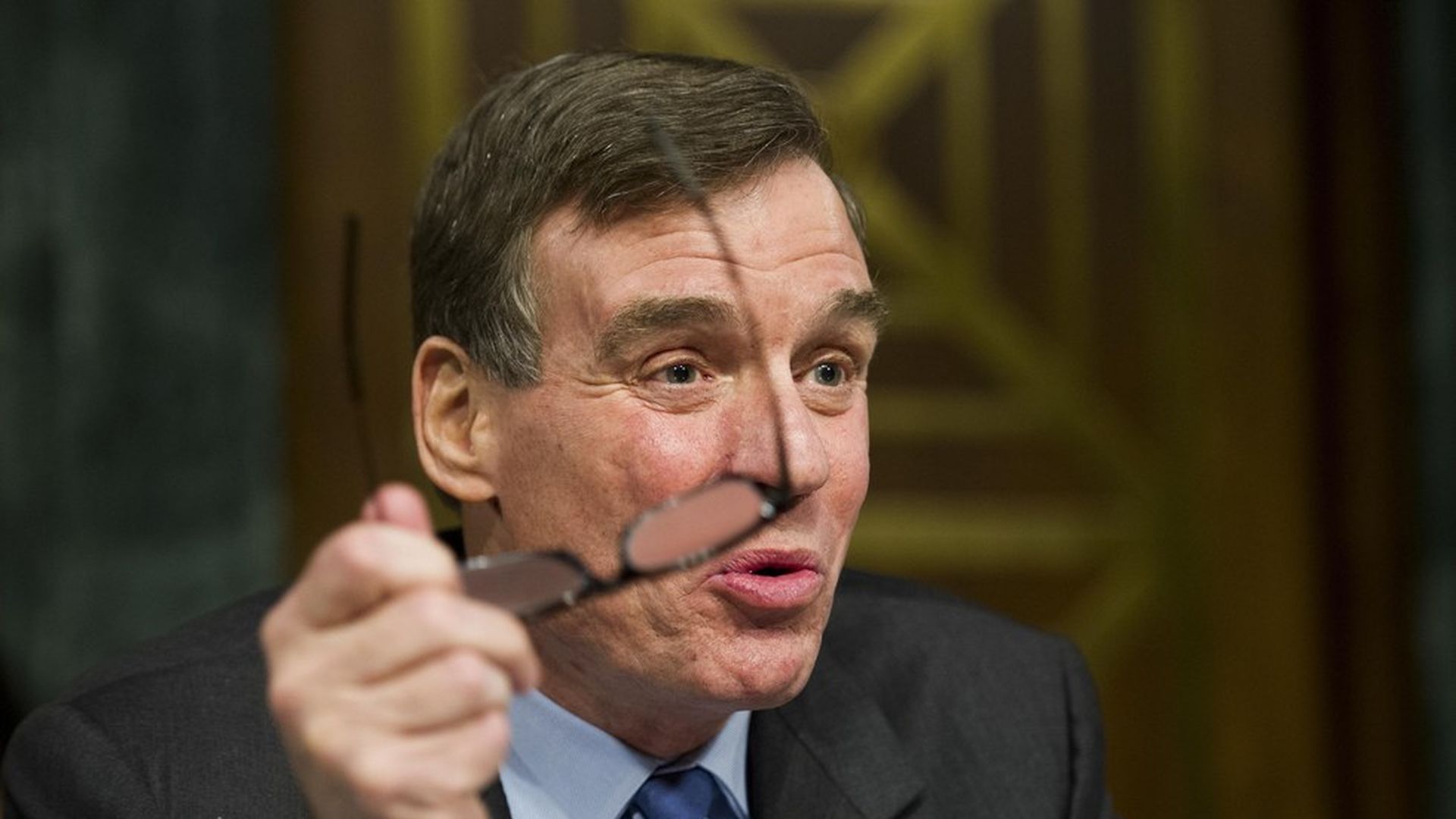
Axios got a copy of Senator Mark Warner's (D-VA) opening statement ahead of James Comey's testimony before the Senate Intelligence Committee later this morning.
Bottom line: "This is not how a President of the United States behaves. Regardless of the outcome of our investigation into those Russia links, Director Comey's firing and his testimony raise separate and troubling questions that we must get to the bottom of."
The swamp's hotel
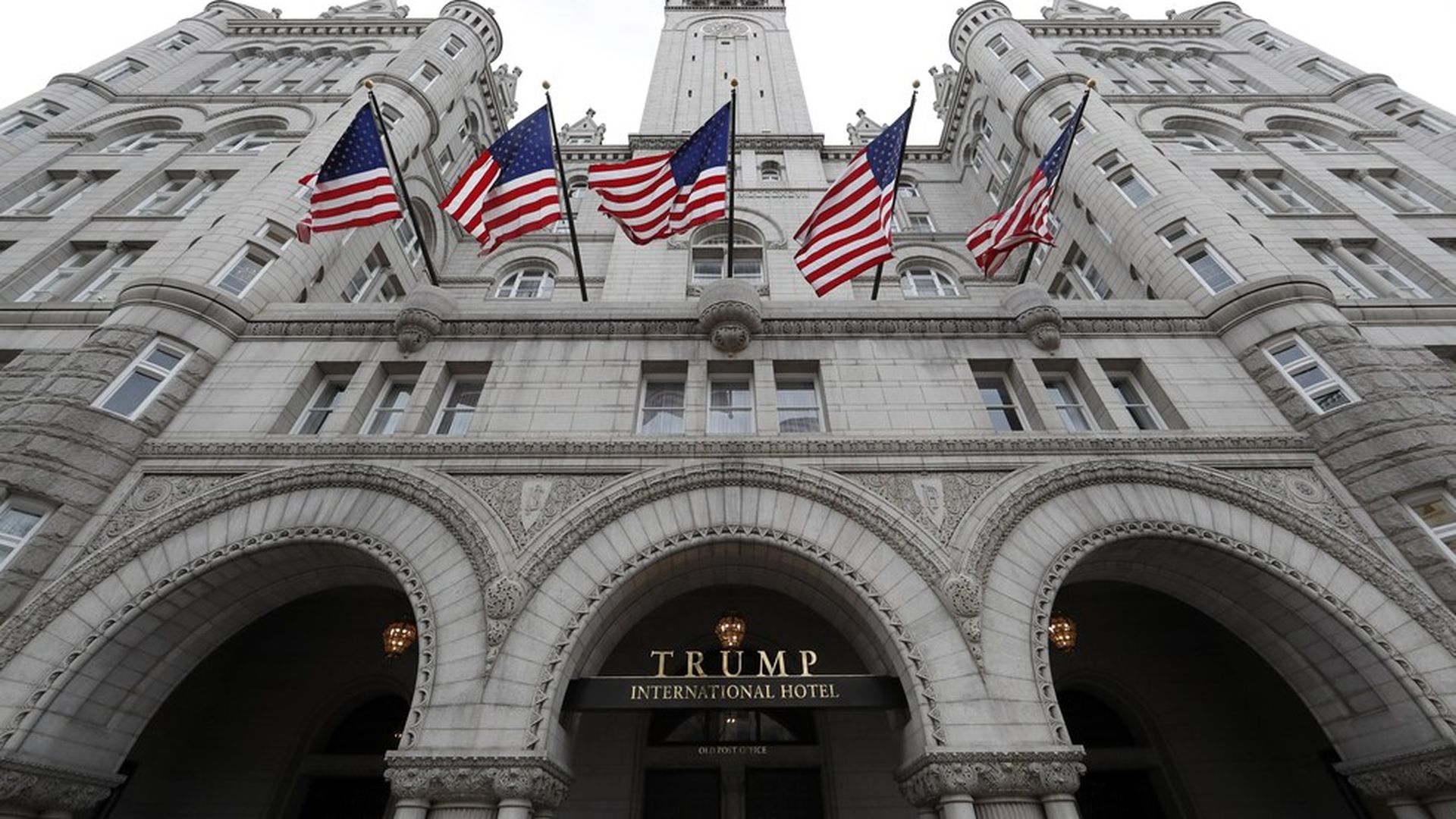
TIME's latest cover story, "Why Donald Trump's Washington hotel is the capital's new swamp," by Alex Altman:
- "There's a seafood pyramid called 'the Trump tower' that costs $120."
- A former Trump campaign adviser: "Of course we hang out there. Everyone hangs out there. Being in the Trump hotel's lobby is a way to get people to know you."
- One longtime Republican power broker summed up the role the hotel is playing in Trump's Washington: "It is a magnet for unsophisticated foreign governments and companies to offer tribute. It does not work, but it's perceived as a path to influence."
Trump's "satellite" associates
A passage from James Comey's testimony helps explain President Trump's mindset in a way that has not been clear before:
"I explained that we had briefed the leadership of Congress on exactly which individuals we were investigating and that we had told those Congressional leaders that we were not personally investigating President Trump. I reminded him I had previously told him that. He repeatedly told me, 'We need to get that fact out.'"
Then Comey uses a word that I suspect will become famous as the investigation unfolds:
"The President went on to say that if there were some 'satellite' associates of his who did something wrong, it would be good to find that out, but that he hadn't done anything wrong and hoped I would find a way to get it out that we weren't investigating him."
The big question: Who does the Trump think of as "satellites"?