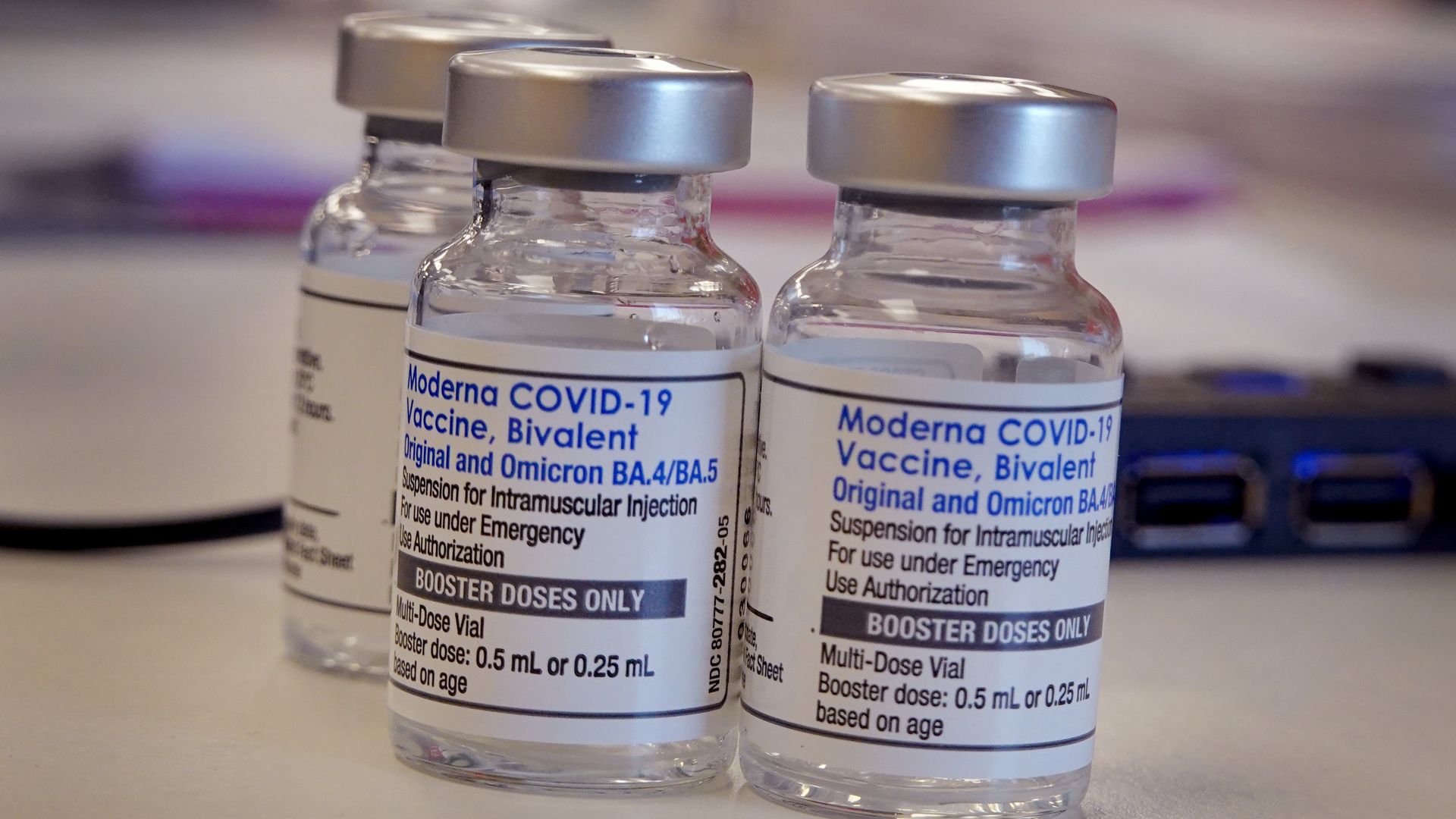
The Centers for Disease Control and Prevention on Wednesday movedto make a second omicron booster available for adults 65 and older and immunocompromised people as soon as late this week.
Why it matters: The agency's sign-off allows nearly 60 million eligible Americans with waning immunity to COVID-19 receive an additional dose of bivalent vaccine from Pfizer and Moderna and reduce their risk of hospitalization or death.
Driving the news: The go-ahead came hours after outside advisers to the agency backed the change in vaccine strategy first approved by the FDA on Tuesday.
It's also the latest in the Biden administration’s efforts to simplify vaccination schedules and “encourage future vaccination,” said Peter Marks, director of FDA’s Center for Biologics and Research.
Yes, but: The Advisory Committee on Immunization Practices said the more complex considerationsfor children under the age of 5 could stir confusion for pediatricians and parents trying to determine eligibility.
A CDC presentation listed nine different scenarios that depend on vaccination status, brand of vaccine received and the number of doses a child has had.
Other members noted that pregnant patients and immunocompromised children younger than 5 years old who had Pfizer don’t yet qualify for an updated booster, potentially leaving them at higher risk.
What they’re saying: In a Tuesday briefing, Marks acknowledged that the most recent changes are “still somewhat more complicated than desirable.”
“Unfortunately, this was where we were left with the data that we had at hand,” Marks told committee members on Wednesday, adding that more update are likely to come in the fall.
By the numbers: Roughly 55.6 million people, or 17% of eligible Americans, have received a bivalent booster dose, according to the latest CDC data. For those 65 and older, booster uptake is about 43%.
The lowest coverage — 0.5% — is among children under the age of 5, which CDC senior epidemiologist Ruth Link-Gelles said makes measuring vaccine effectiveness challenging.
Nearly 1 in 4 participants surveyed in a January CDC report said they weren’t aware of their eligibility for a bivalent booster.
While close to 70% who hadn’t received a booster said they planned to, less than 30% reported actually getting it in a follow-up survey.
State of play: Outside advisers to the FDA in January unanimously recommended replacing the original COVID shots with ones that specifically target omicron subvariants, the latest of which is driving a surge of infections in India.
The January expert panel, however, stopped short of determining whether a yearly dose will be needed for the general population — a question the FDA requested they consider.
An agency advisory committee will take up the matter in June, about a month after the COVID public health emergency is slated to end,shifting the cost of vaccines and other countermeasures to the commercial market.
Bicyclists suffer more severe injuries when they're struck by SUVs than when they're hit by cars because the point of impact is higher, a new Insurance Institute for Highway Safety (IIHS) study shows.
Why it matters: Fatal bicycle crash rates have risen dramatically over the past decade, and researchers attribute the trend to the growing number of large SUVs and pickups on U.S. roads.
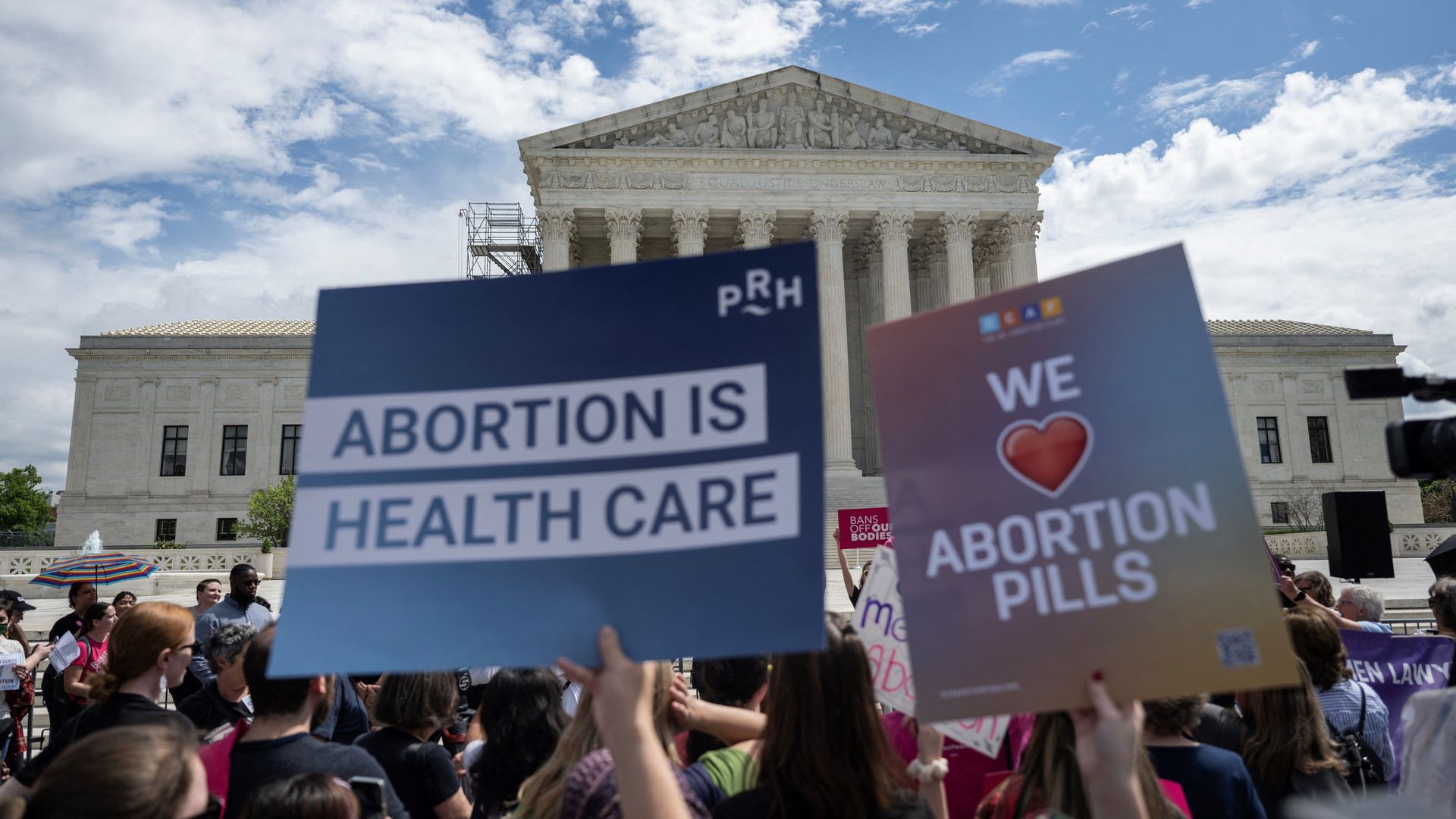
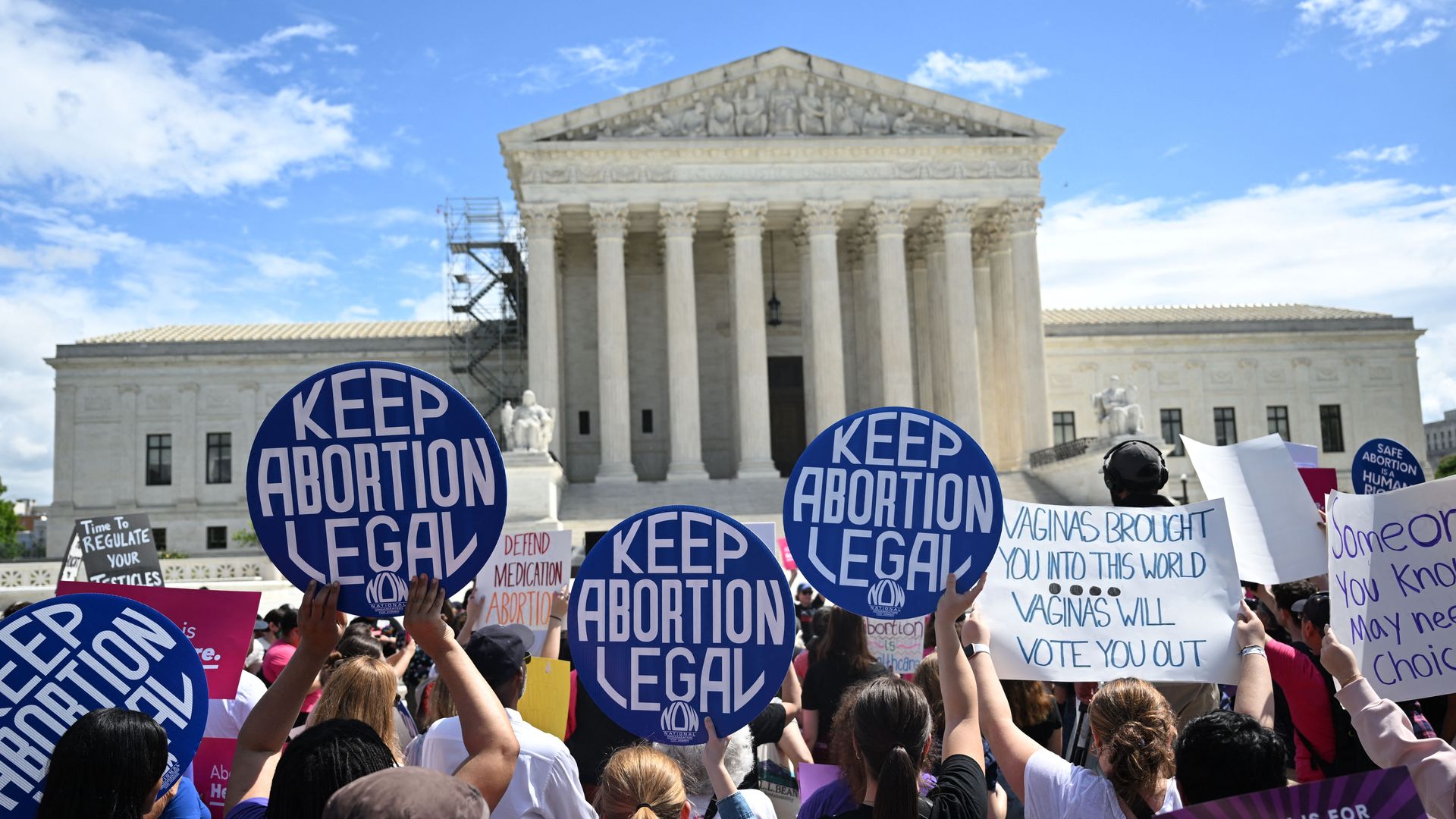
The Supreme Court on Wednesday issued an order extending a freeze on lower court orders that imposed restrictions on a widely used abortion pill in a case that tests the Food and Drug Administration's authority over drug approvals.
Driving the news: Justice Samuel Alito said in an order that the temporary stay they issued last week is extended until Friday, April 21 at 11:59 p.m. while the court continues to evaluate the case.
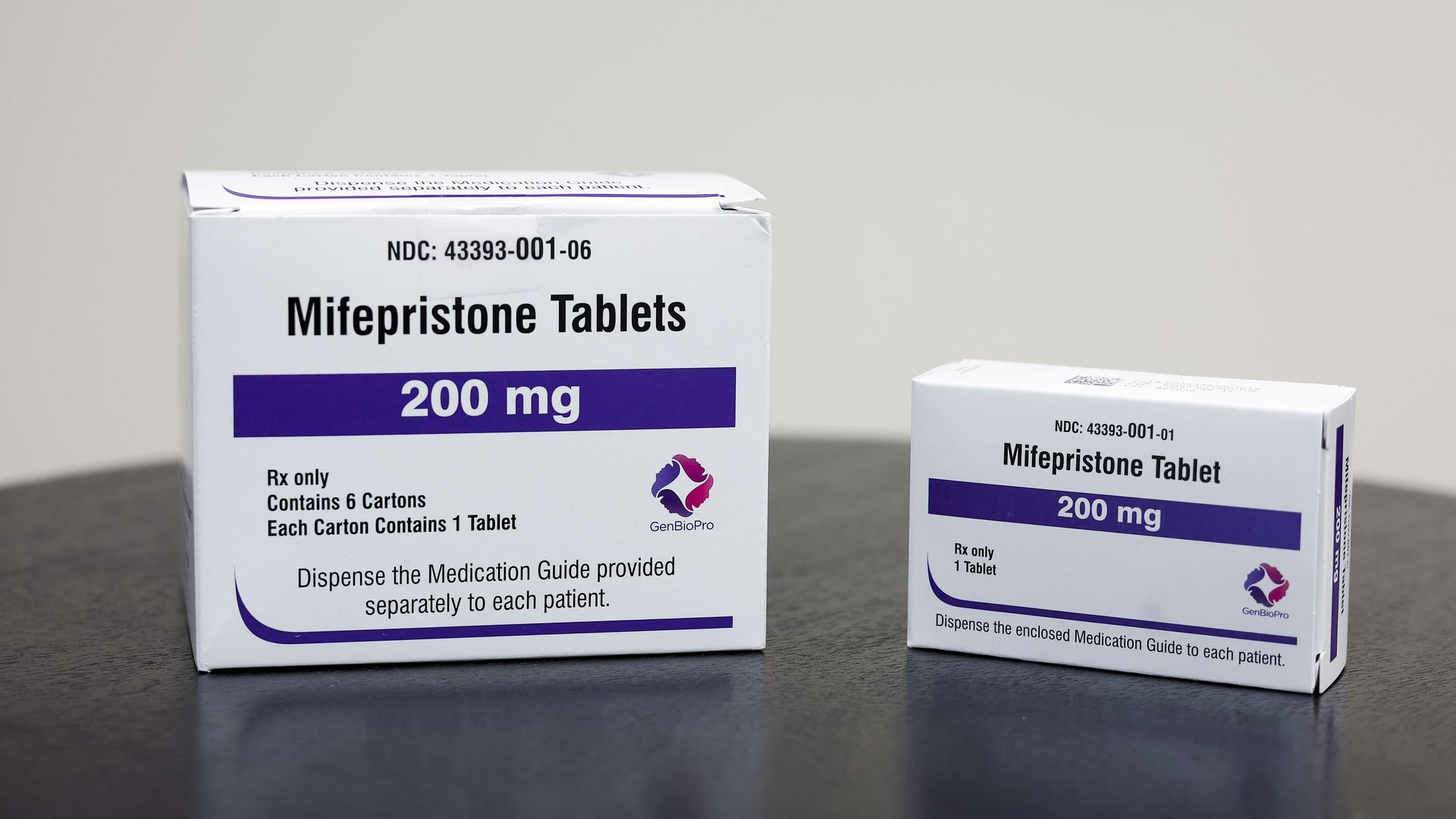
The manufacturer of the generic version of a widely used abortion pill on Wednesday sued the Food and Drug Administration to prevent the drug from being removed from the market.
Driving the news: The lawsuit comes on the day that the Supreme Court is expected to rule on whether restrictions should be imposed on the drug, mifepristone, including potentially revoking the generic version's FDA authorization.
M42, a health care joint venture between Mubadala Investment Co. and Abu Dhabi-based tech firm G42, has agreed to buy Sweden-based dialysis clinic chain Diaverum from private equity firm Bridgepoint.
Why it matters: M42 says the deal makes it the Middle East's largest health care company.
A new report by Senate Republicans lays out one of the most comprehensive public cases to date for the theory that COVID originated from a lab accident, but its reliance on circumstantial evidence means the debate is far from settled.
The big picture: The report focuses largely on missing data and signs of biosafety issues that require interpretation.
Leading wastewater surveillance firm Biobot Analytics is now able to monitor for norovirus, Axios is first to report.
Why it matters: Norovirus — which typically causes gastrointestinal symptoms such as diarrhea and vomiting — is a little-understood yet highly communicable (and sometimes fatal) disease.
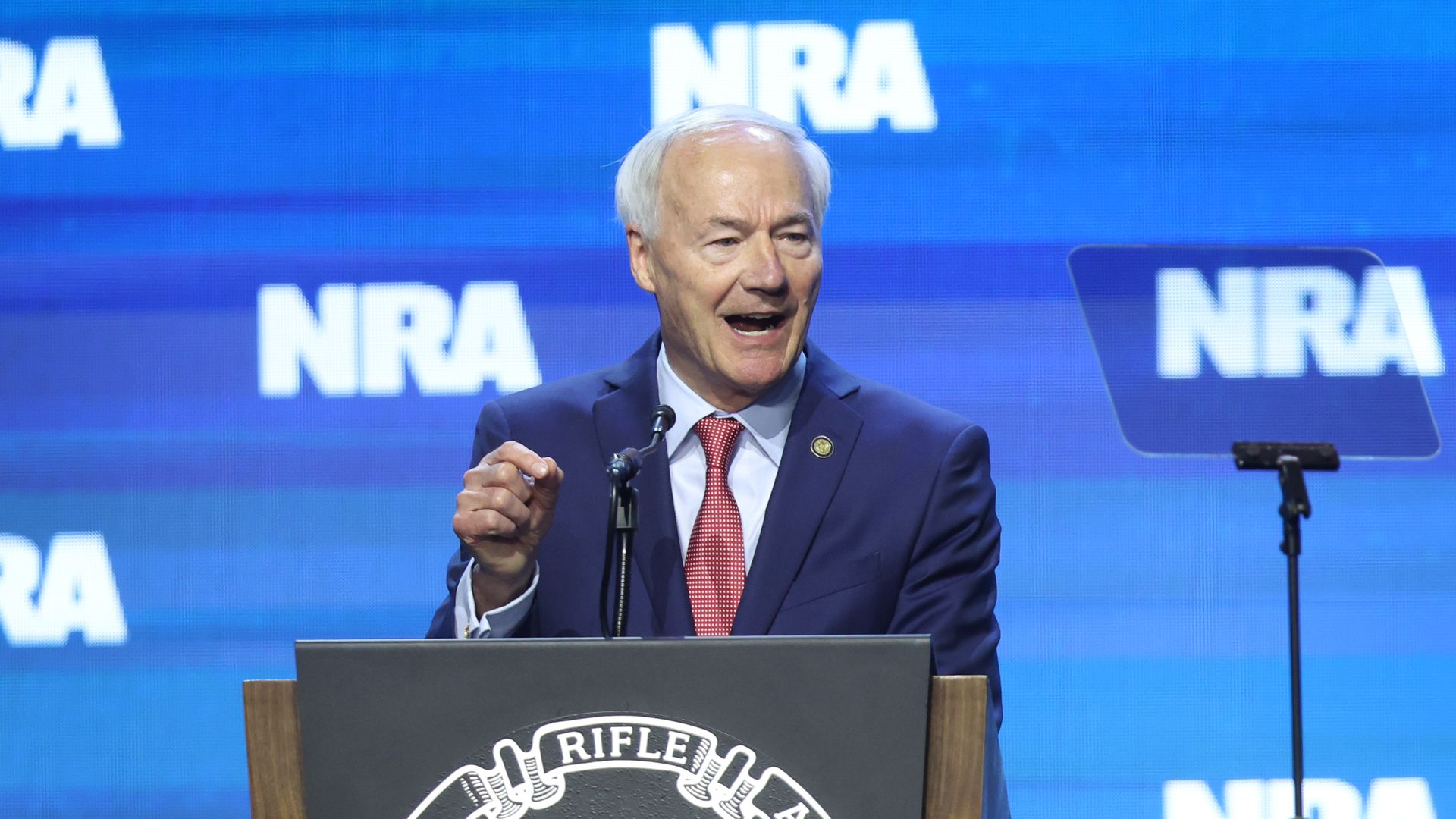
Abortion won't be a priority for voters in 2024, according to former Gov. Asa Hutchinson, who announced earlier this month that he intends to run for the Republican presidential nomination.
What he's saying: "It's going to have a political impact," Hutchinson said of abortion in an interview with NBC News airing Tuesday. "But it'll settle as time goes on. The important thing for candidates, for anybody in the public arena, is to state your conviction."
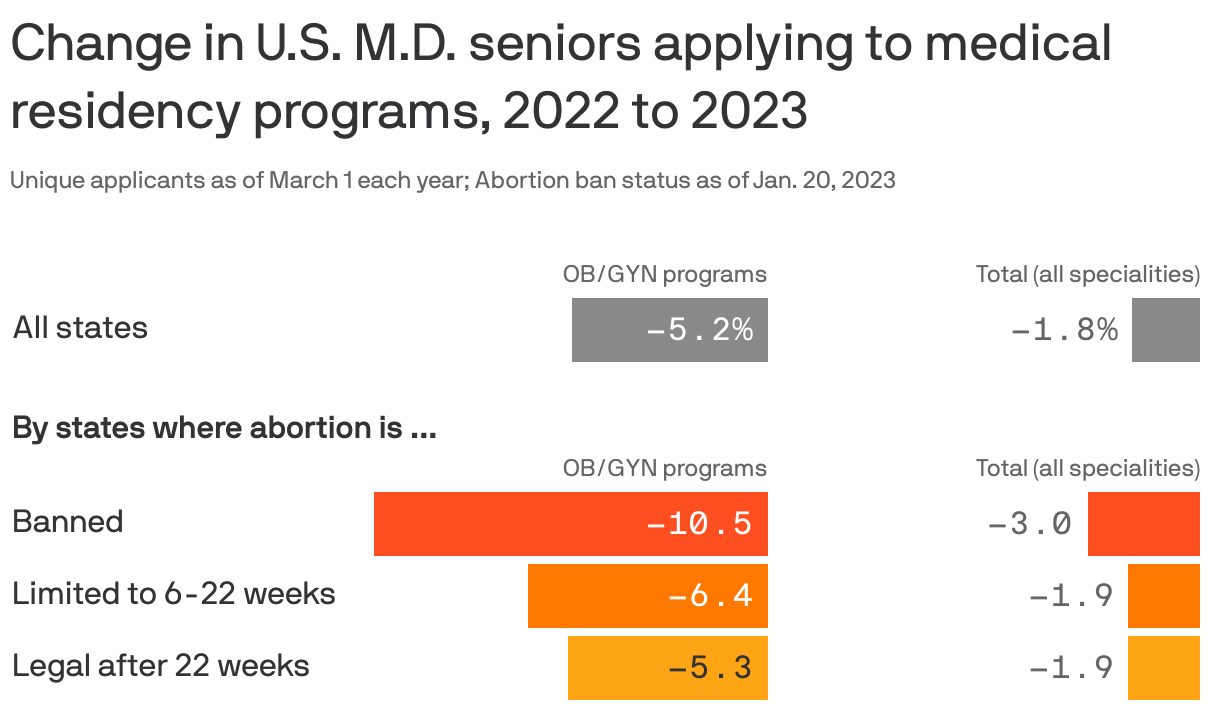
Data: AAMC analysis of ERAS data and KFF abortion ban status; Note: No OB/GYN residency programs in Alaska, Idaho, Montana, North Dakota, South Dakota and Wyoming. States with enforceable abortion bans are Alabama, Arkansas, Idaho, Kentucky, Louisiana, Mississippi, Missouri, Oklahoma, South Dakota, Tennessee, Texas, West Virginia and Wisconsin. States with gestational limits (6 weeks - 22 weeks) are Arizona, Florida, Georgia, Indiana, Iowa, Kansas, Nebraska, North Carolina, North Dakota, Ohio, South Carolina and Utah; Chart: Simran Parwani/Axios
New doctors applying to medical residency programs were likelier to avoid practicing in states with the most stringent abortion restrictions, an analysis from the Association of American Medical Colleges found.
Nearly 150 Republican lawmakers on Tuesday urged the Supreme Court to allow lower court rulings imposing restrictions on a widely used abortion pill to take effect.
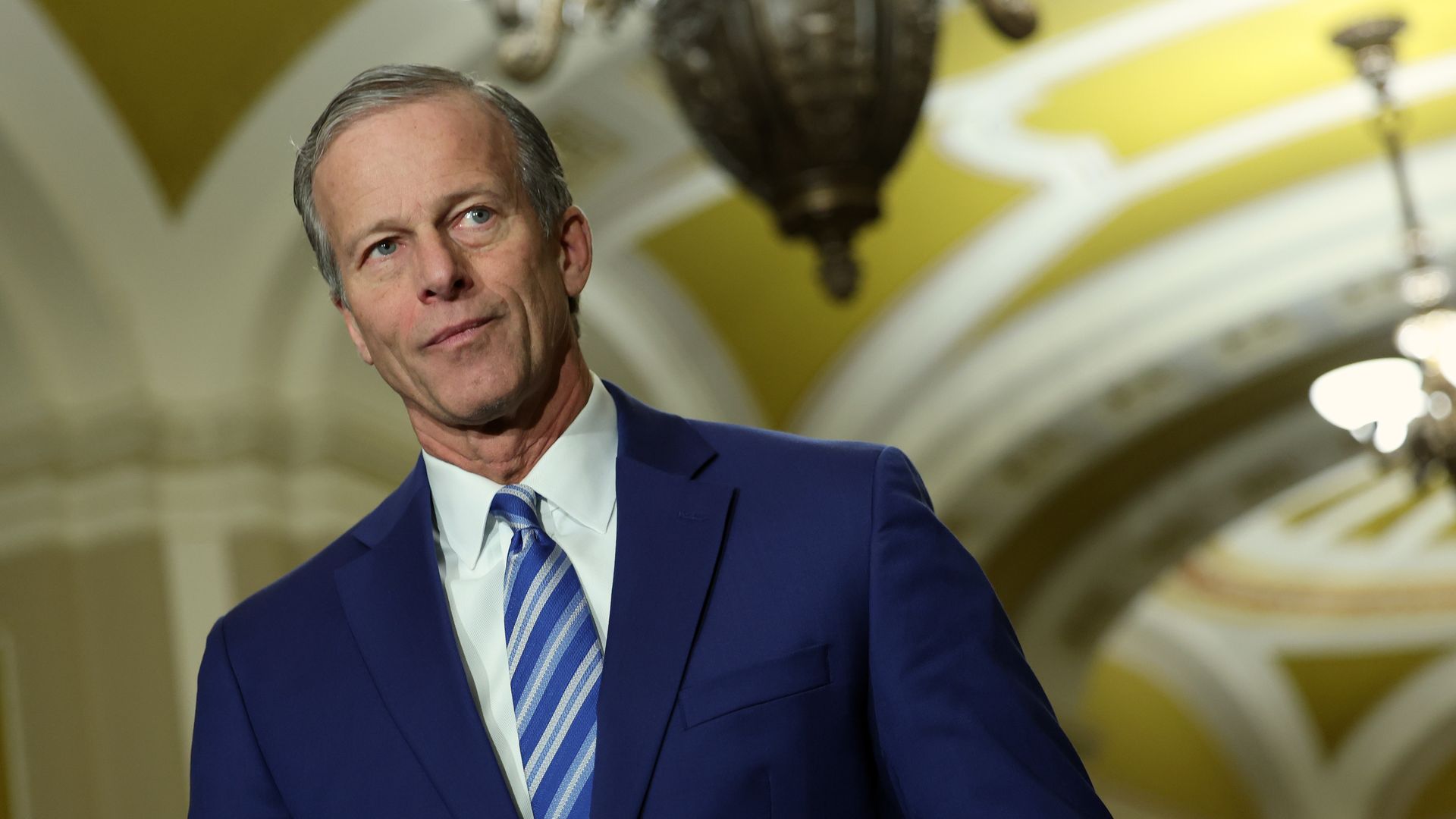
Why it matters: Lawmakers who signed on to the brief that was filed to the court include some within Republican leadership, such as Senate Minority Whip John Thune (R-S.D.) and House Majority Leader Steve Scalise (R-La.).
The Food and Drug Administration on Tuesday approved a second omicron booster from Moderna and Pfizer for people over the age of 65 and immunocompromised individuals.
Why it matters: An additional dose of the bivalent vaccine can help high-risk individuals with waning immunity to COVID, the FDA said.
Eisai and Biogen's new Alzheimer's drug lecanemab doesn't show a net health benefit over current treatment options and, at its current price, represents low long-term value for the money, the Institute for Clinical and Economic Review said in a report on Monday.
Why it matters: The findings cast doubts on the first treatment shown to delay cognitive decline from Alzheimer's — which affects over six million people in the U.S.
The Supreme Court today will look at whether national pharmacies run by Safeway and SuperValu violated the government's flagship anti-fraud law — or whether the law's requirements are too unclear to hold the chains accountable.
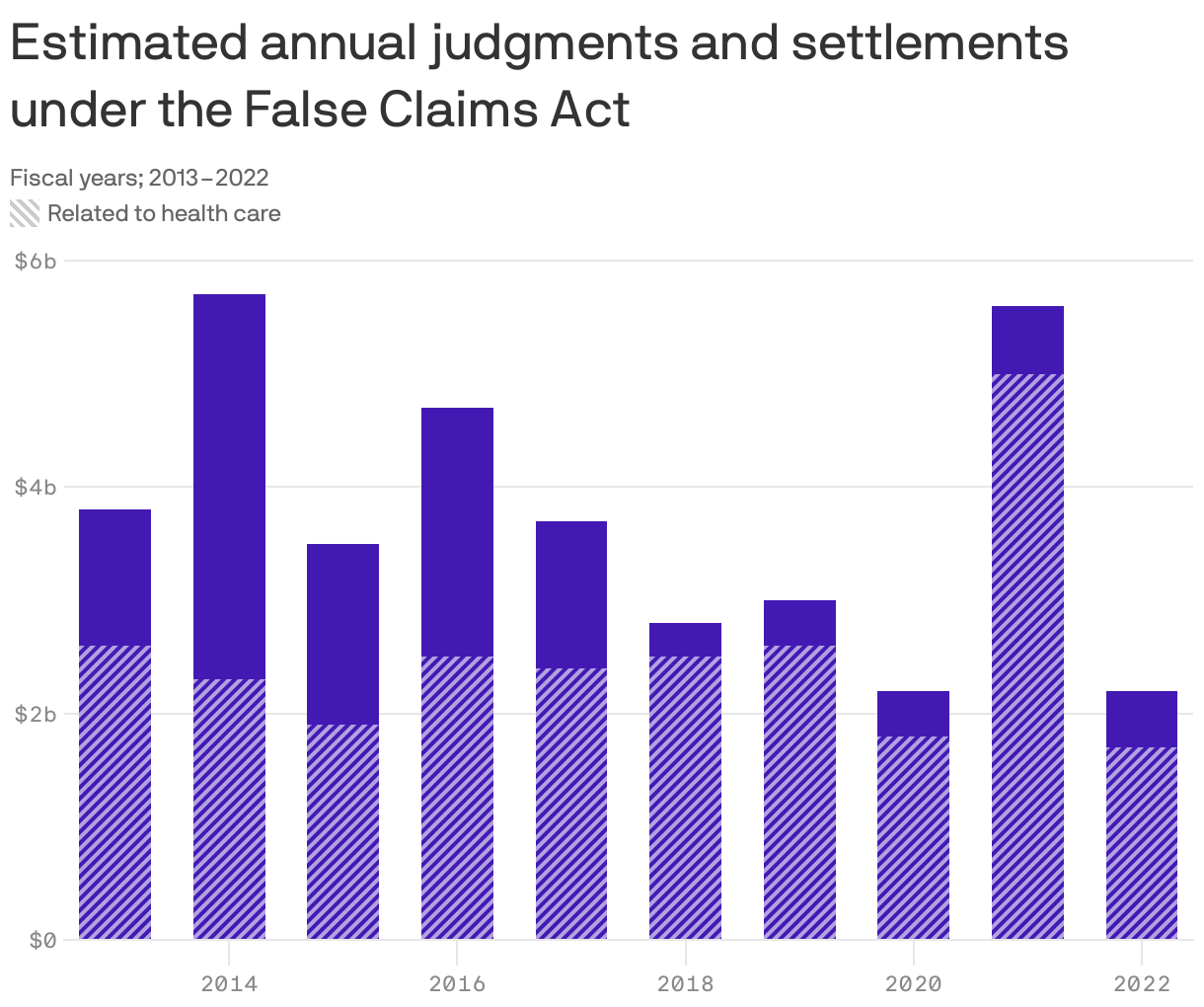
Why it matters: Billions of dollars are at stake in the case, which pivots around the False Claims Act, a key tool used since the Civil War to penalize those who knowingly defraud the U.S. government. The law has driven scores of whistleblower complaints against health care companies for defrauding Medicare and other alleged misconduct.
Minnesota settled its lawsuit against Juul labs and the e-cigarette manufacturer's previously largest investor Altria as their trial was wrapping up on Monday, the two parties announced.
The big picture: Juul has settled thousands of lawsuits — its biggest coming last week when it agreed to pay six states and the District of Columbia $462 million related to allegations that the vaping company targeted youth in its marketing. The Minnesota case was first to reach trial.