Congress should raise Medicare payment rates for hospitals and physicians next year while cutting fees to skilled nursing facilities and home care providers, MedPAC recommended on Thursday.
Why it matters: The adjustments from the board, which advises Congress on Medicare policy, reflect inflationary pressures facing providers and concerns about maintaining Medicare beneficiaries' access to care, committee members say.
The pandemic-fueled boom in home care could be replicating one of the most worrisome hazardsin institutional settings: bloodstream infections from central lines.
Driving the news: Home infusion therapy — whether for cancer drugs, antibiotics or other treatments — is becoming a preferred option for more patients.
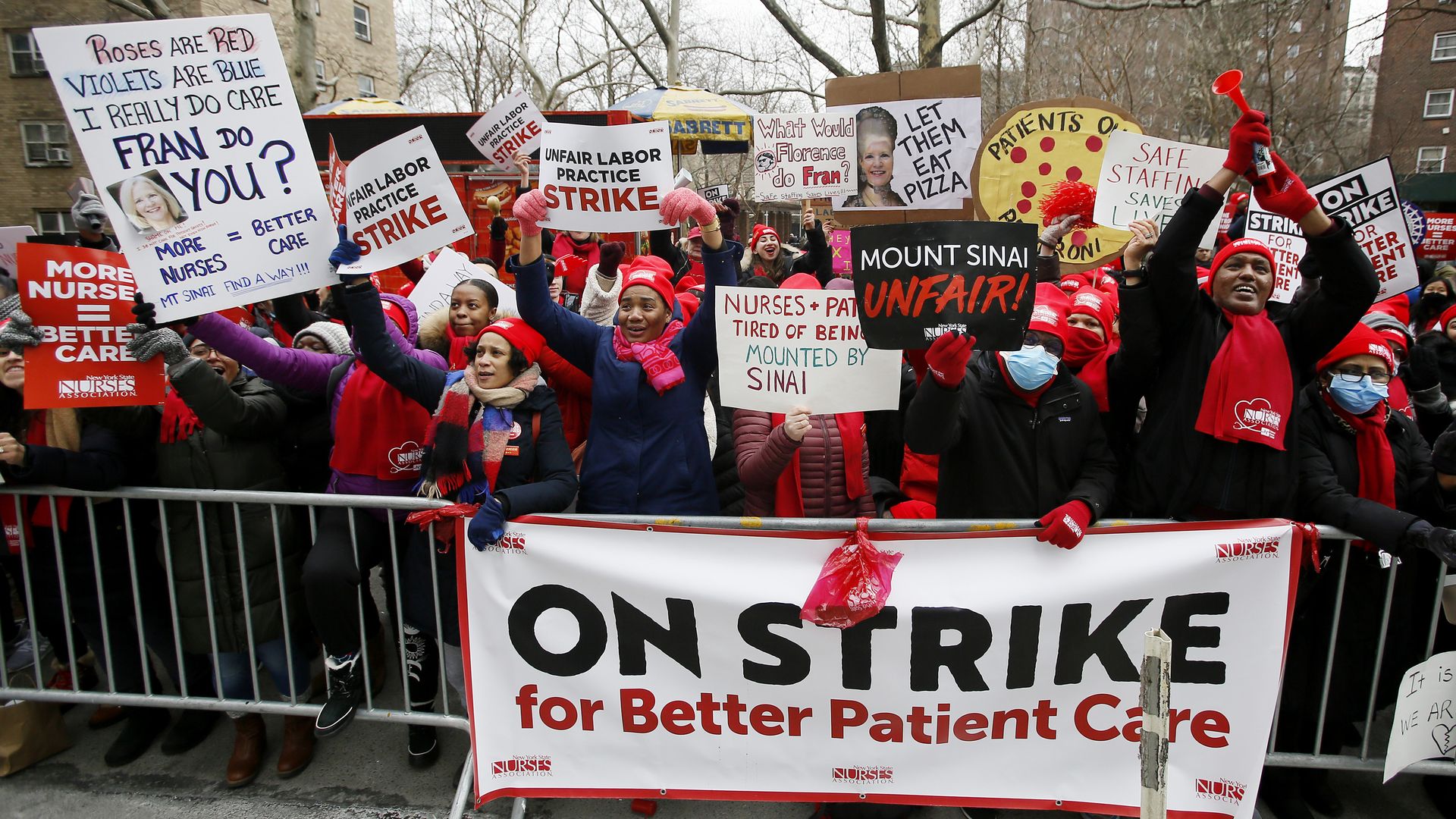
Nurses at two New York City hospitals on Thursday reached a tentative agreement to end their strike after three days and return to work.
Driving the news: The deal came after more than 7,000 nurses at two of New York City's major hospitals went on strike, arguing that staffing shortages had caused widespread burnout, hampering patient care, CNN reported.
People experiencing long COVID may see their symptoms ease within a year, per a study published in BMJ medical journal Wednesday.
The big picture: The outcome of this new study may provide some hope for the millions of people left newly disabled during the pandemic with a lingering illness that has no effective treatment.
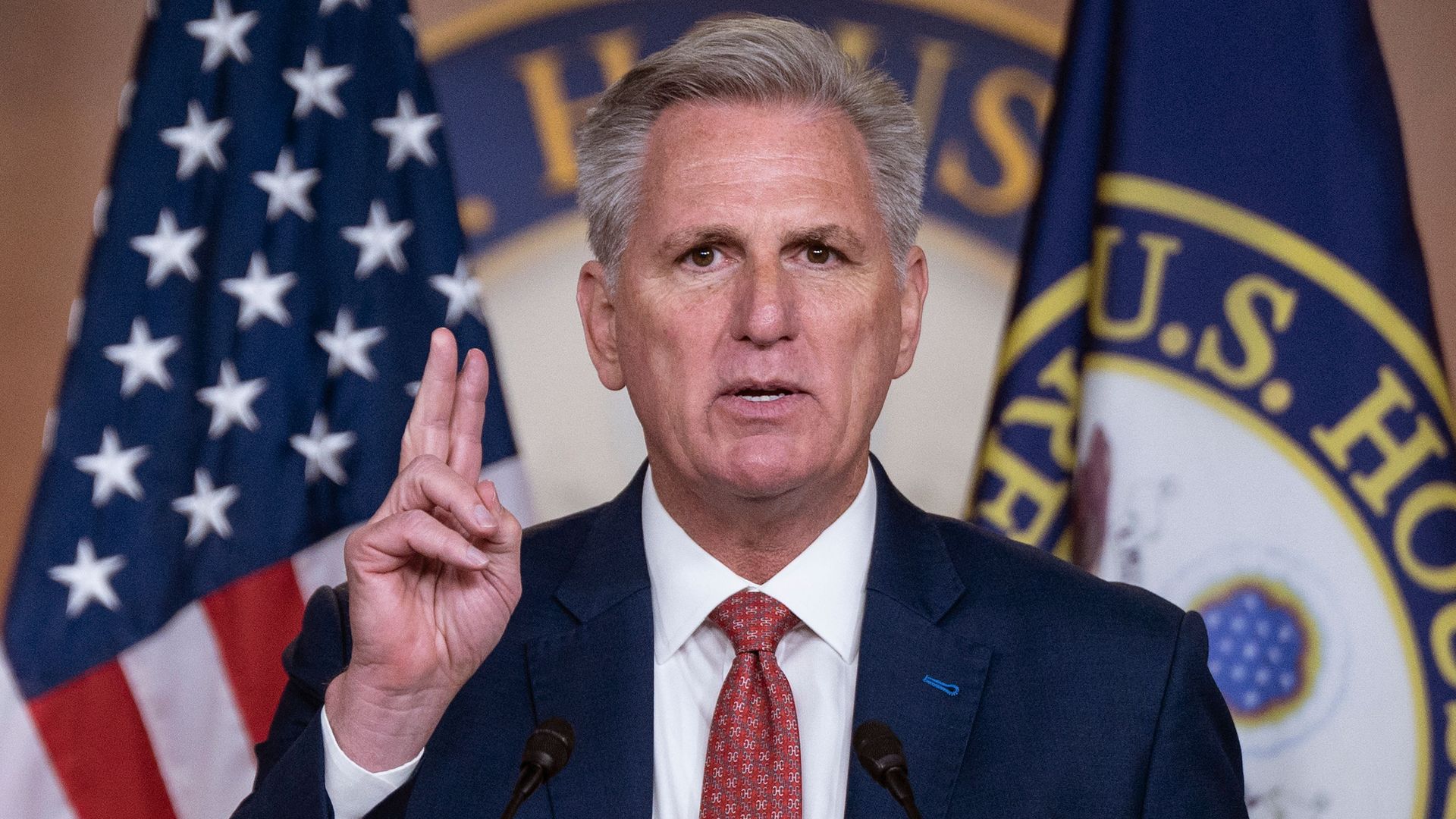
House Republicans on Wednesday used their new majority to push through a largely symbolic bill that would require health care providers to provide care to infants born after an attempted abortion.
Don't forget: Health providers are already required under law to act to provide medical services to any infant born at any gestational age. The House bill also penalizes the "intentional killing of a born-alive child," which is already illegal.
The COVID-19 public health emergency will be extended for another 90 days, maintaining a long set of Trump-era allowances and programs affecting much of U.S. health care.
Why it matters: When the emergency does end, it will bring major policy shifts to insurance markets, drug approvals and telehealth.
The Department of Health and Human Services on Wednesday released its timeline for starting Medicare prescription drug price negotiations — a key piece of Democrats' Inflation Reduction Act.
What's happening: The department will reveal in early September the first 10 high-cost drugs that will be subject to talks with manufacturers. Discussions will begin in February 2024 and the maximum negotiated prices will be announced in September 2024.
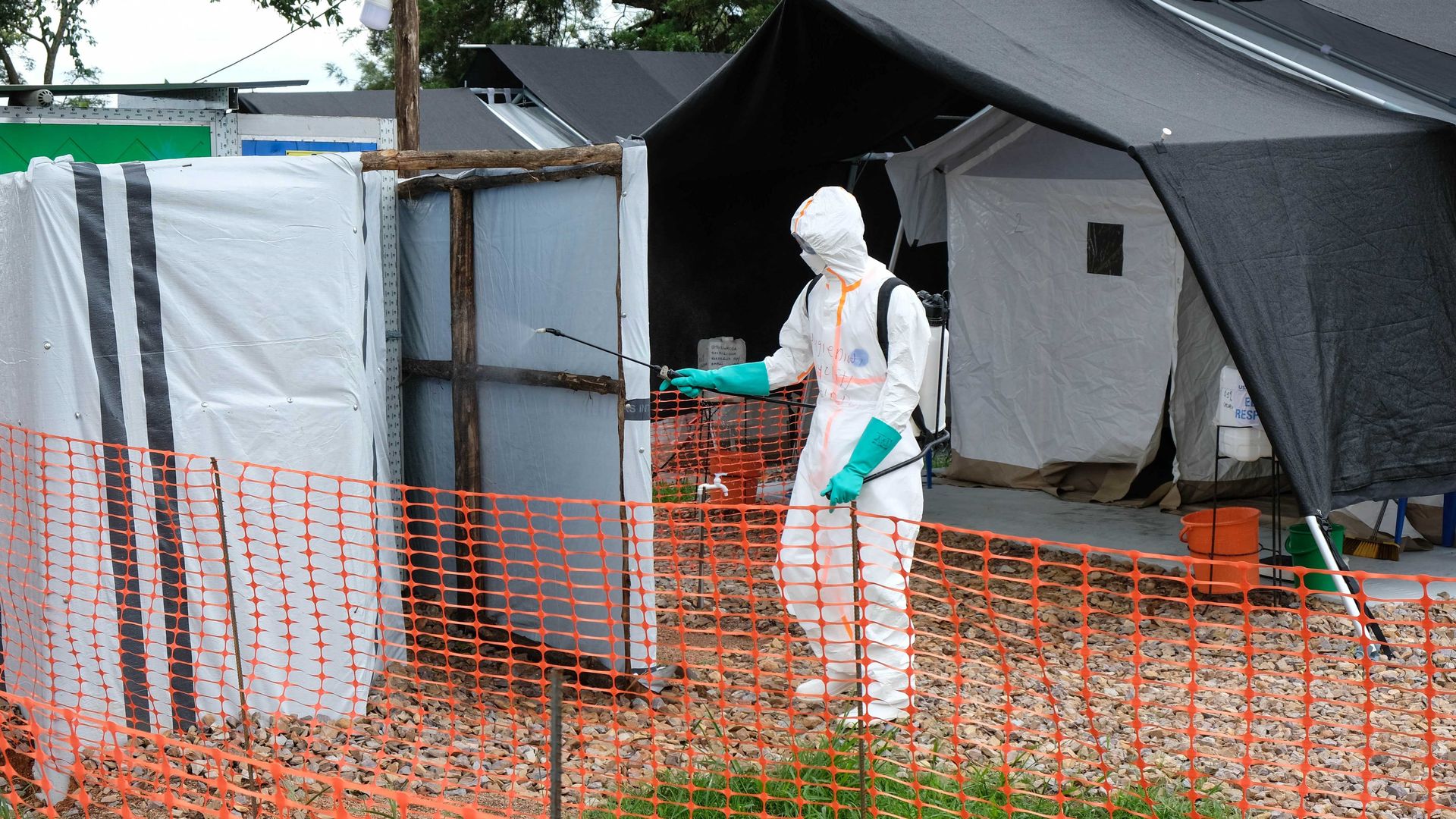
The World Health Organization (WHO) declared Uganda's recent Ebola epidemic over on Wednesday less than four months after the first case was confirmed in the country’s central Mubende district.
Driving the news: It was the country's first outbreak of the rare Sudan strain of Ebola in a decade. The last patient was released from care on Nov. 30, 2022, which began the WHO's 42-day countdown to determine the outbreak over.
Experts are increasingly warning of a connection between heavy social media use and mental health issues in children — a hot topic now driving major lawsuits against tech giants.
Why it matters: Seattle Public Schools' recently filed lawsuit against TikTok, Meta, Snap and others — which accuses the social media giants of contributing to a youth mental health crisis — is one of hundreds of similar cases.
Americans saw pro football players weep openly on the field and during news conferences last week — a window into a deep culture shift by one of the nation's most macho and barbaric sports.
Why it matters: The reaction of NFL players and coaches to Damar Hamlin's collapse shows athletes' reluctance to grapple with mental health has subsided in recent years.
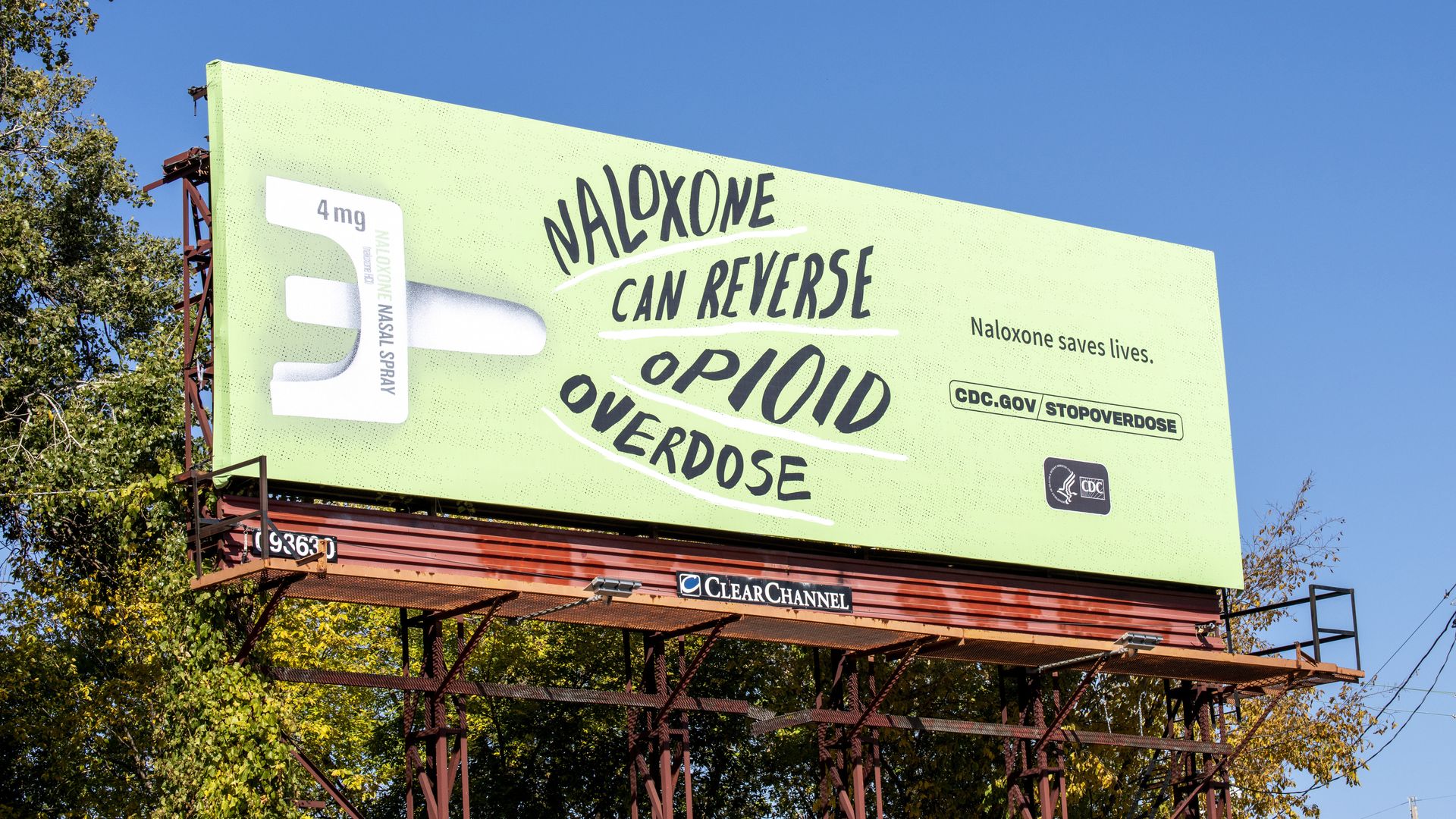
The worsening opioid epidemic is prompting more people to carry a nasal spray that reverses overdoses and become de facto first responders in life-or-death situations.
Why it matters: Naloxone acts five times quicker than the approximately 10-minute average arrival time for EMS technicians, according to a federal overdose tracker launched last month.
This article originally appeared in Axios Finish Line, our nightly newsletter on life, leadership and wellness.Sign up here.
If you're routinely waking up feeling sluggish, you're not alone.
Stunning stat: Fewer than 1 in 3 Americans are getting "restorative sleep," according to a recent study from researchers at Boston's Brigham and Women's Hospital.
That means the vast majority of us aren't getting the right kind of sleep. We might be getting enough hours, but we're not waking up with the boosted alertness, mood and energy that we want in the morning.
Why it matters: Low quality or quantity of sleep has far-reaching effects, from short-term ability to focus to long-term risk for chronic disease.
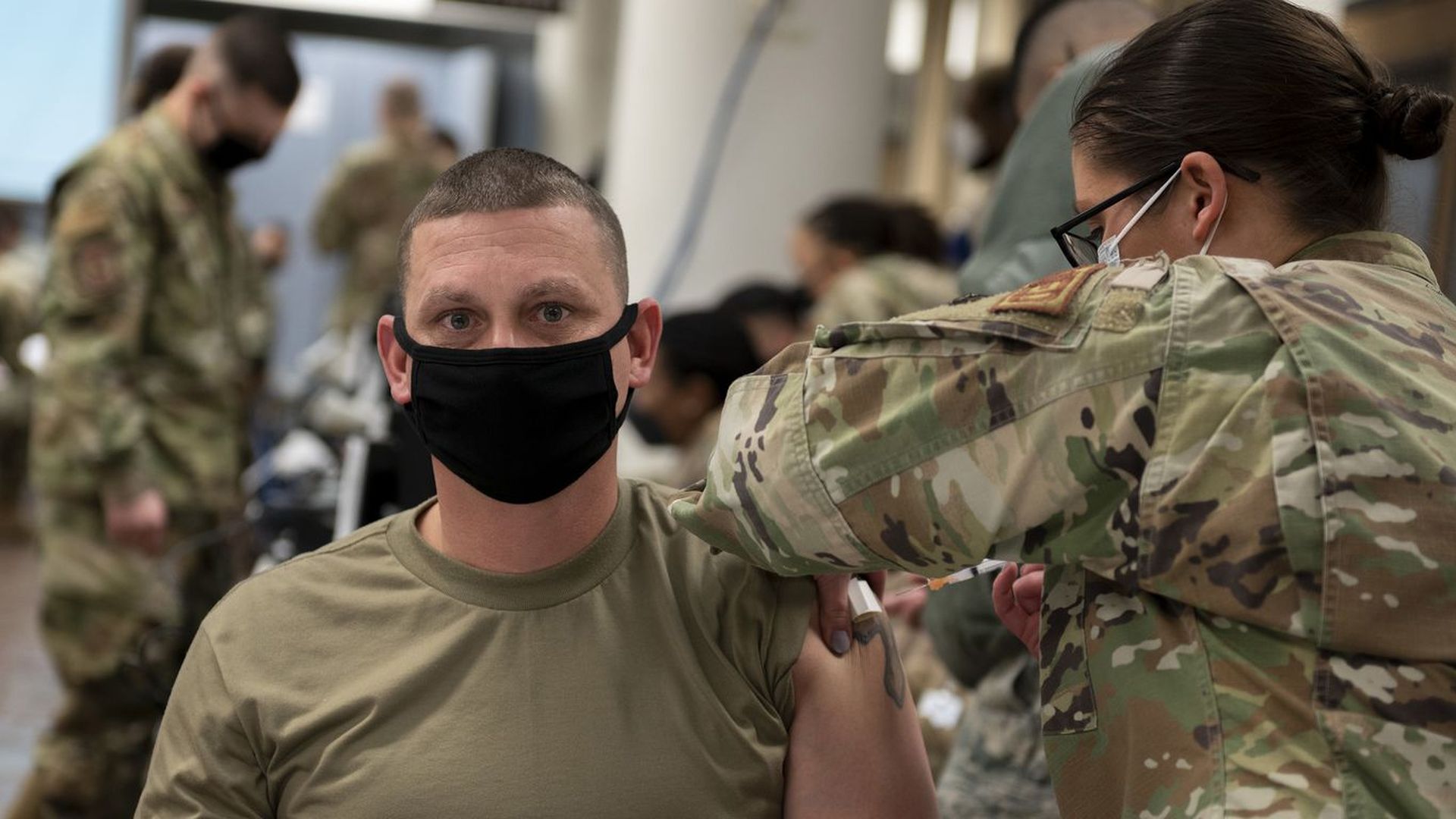
The Pentagon on Tuesday rescinded its COVID-19 vaccine mandate, but is giving commanders some discretion in the deployment of unvaccinated troops, according to a memo from Defense Secretary Lloyd Austin obtained by AP.
Why it matters: The move could help the Pentagon boost enrollment numbers while not having to remove troops for not complying.
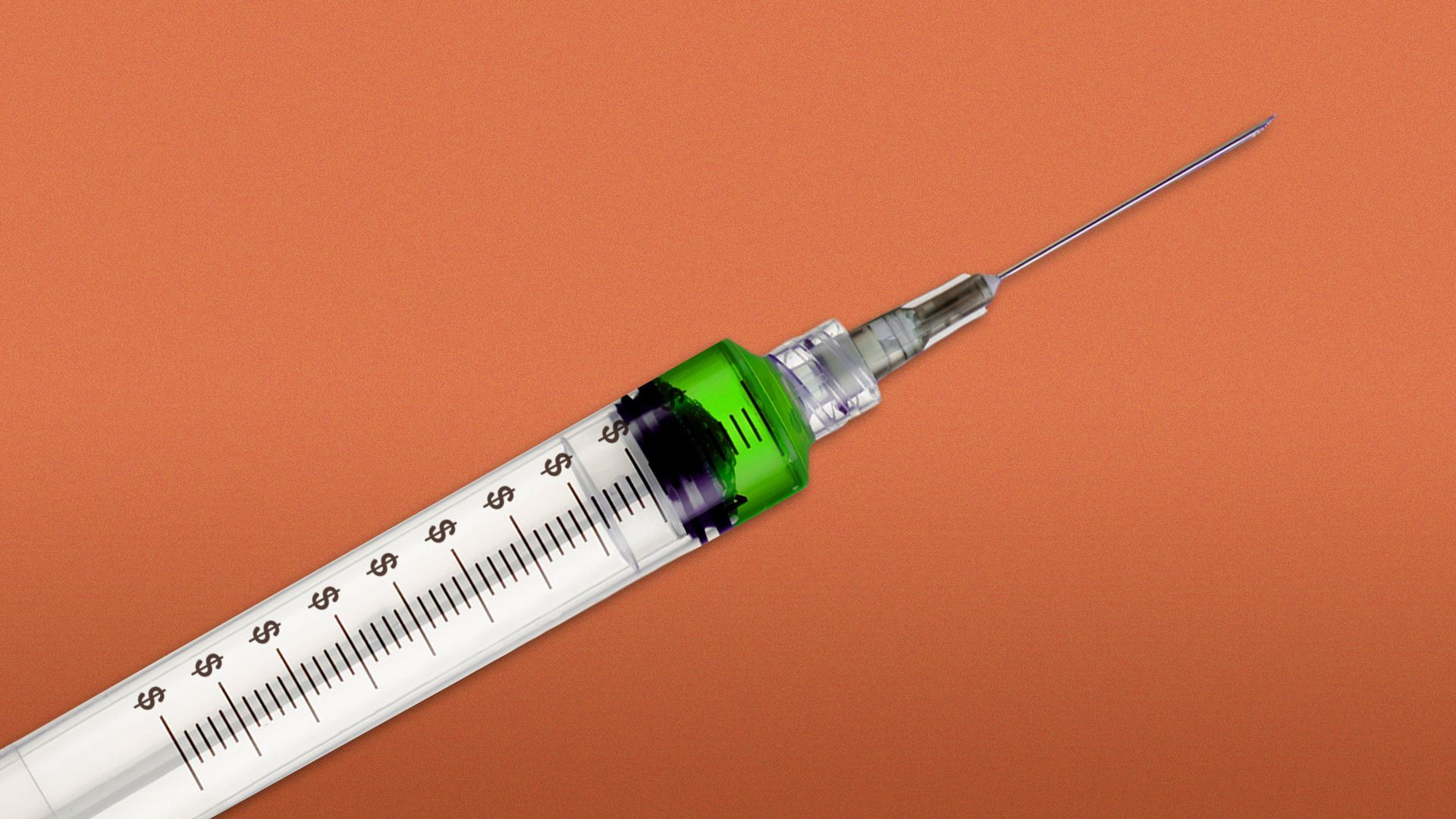
Moderna is considering charging $110 to $130 per dose of its COVID-19 vaccine in the U.S. after its contract with the government expires, Moderna CEO Stéphane Bancel told the Wall Street Journal.
The big picture: A wavering demand for the shots paired with private market pressures are expected to cost manufacturers billions once the federal government stops buying the doses and sales shift to commercial distribution.