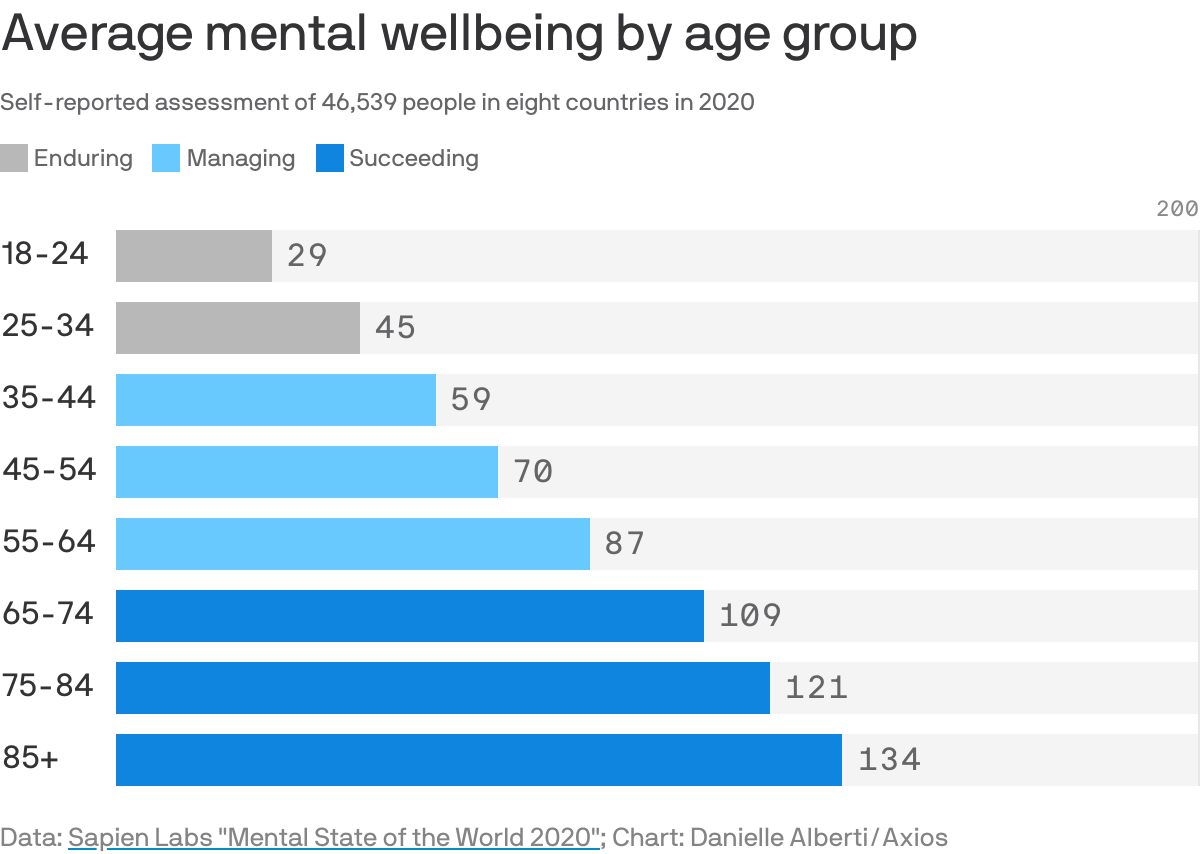
A new survey of people in eight countries finds that mental wellness took a dive in 2020, with the worst effects found among the young.
Why it matters: Few people's mental health escaped unscathed from the effects of the pandemic, but the gap between the state of the young versus older adults could mean serious problems down the road.
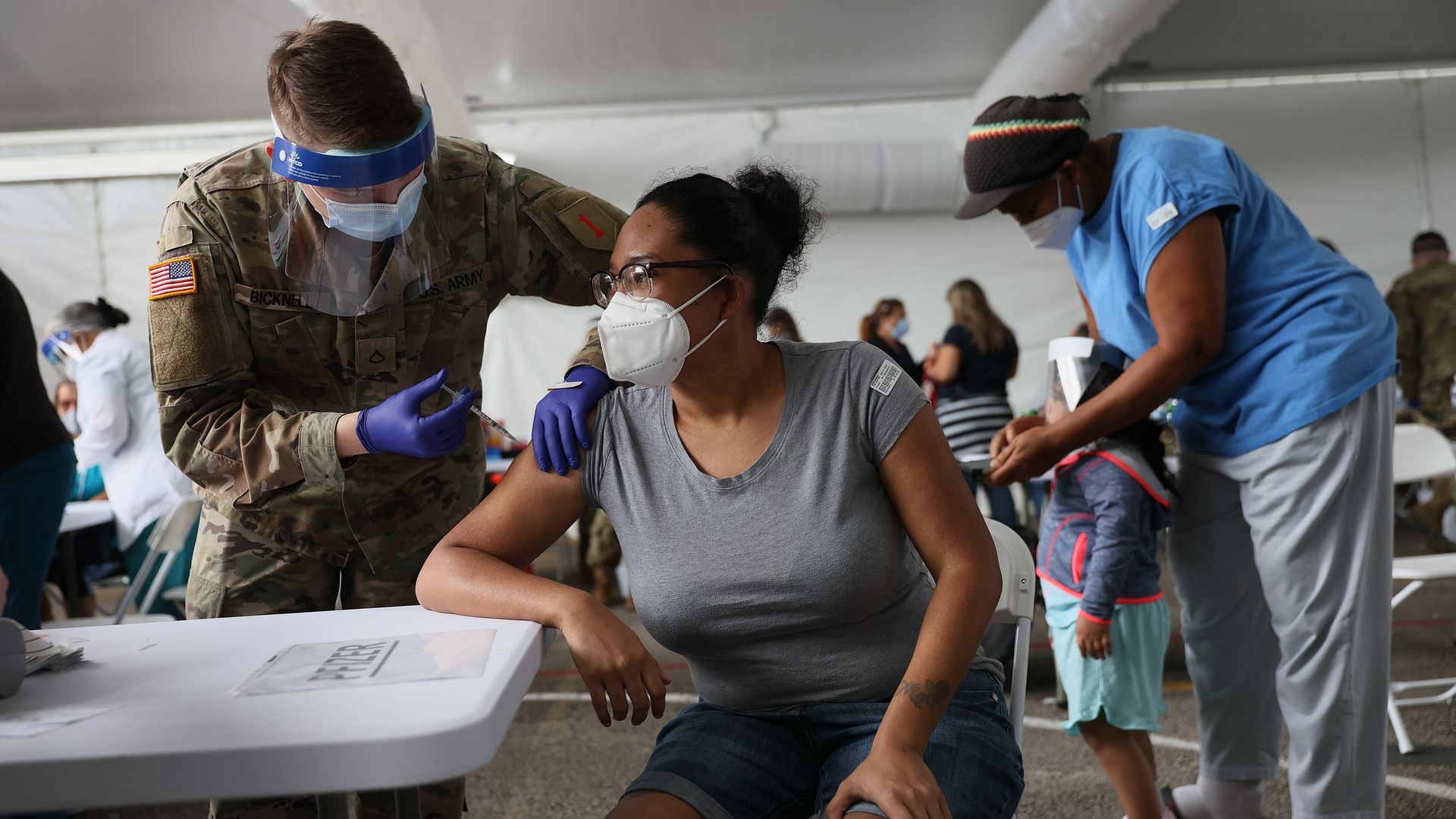
More than 15% of Americans 18 and older are now fully vaccinated for COVID-19, with nearly 28% having received at least one shot, and many states loosening eligibility rules.
Axios Re:Cap digs into where the vaccine rollout goes from here, and who might be getting skipped over, with Zeke Emanuel, an adviser in the Obama White House and chair of the University of Pennsylvania's Department of Medical Ethics and Health Policy.
After a more than yearlong closure, Disneyland's two California theme parks will reopen their doors to the general public on April 30, Disney announced in a statement Wednesday.
Why it matters: As Axios' Sara Fischer previously noted, Disney said in February that it did not expect to reopen its California parks until the end of Q2 2021. The April 3o reopening reflects a growing confidence in safety due to dropping COVID-19 cases and increased vaccinations.
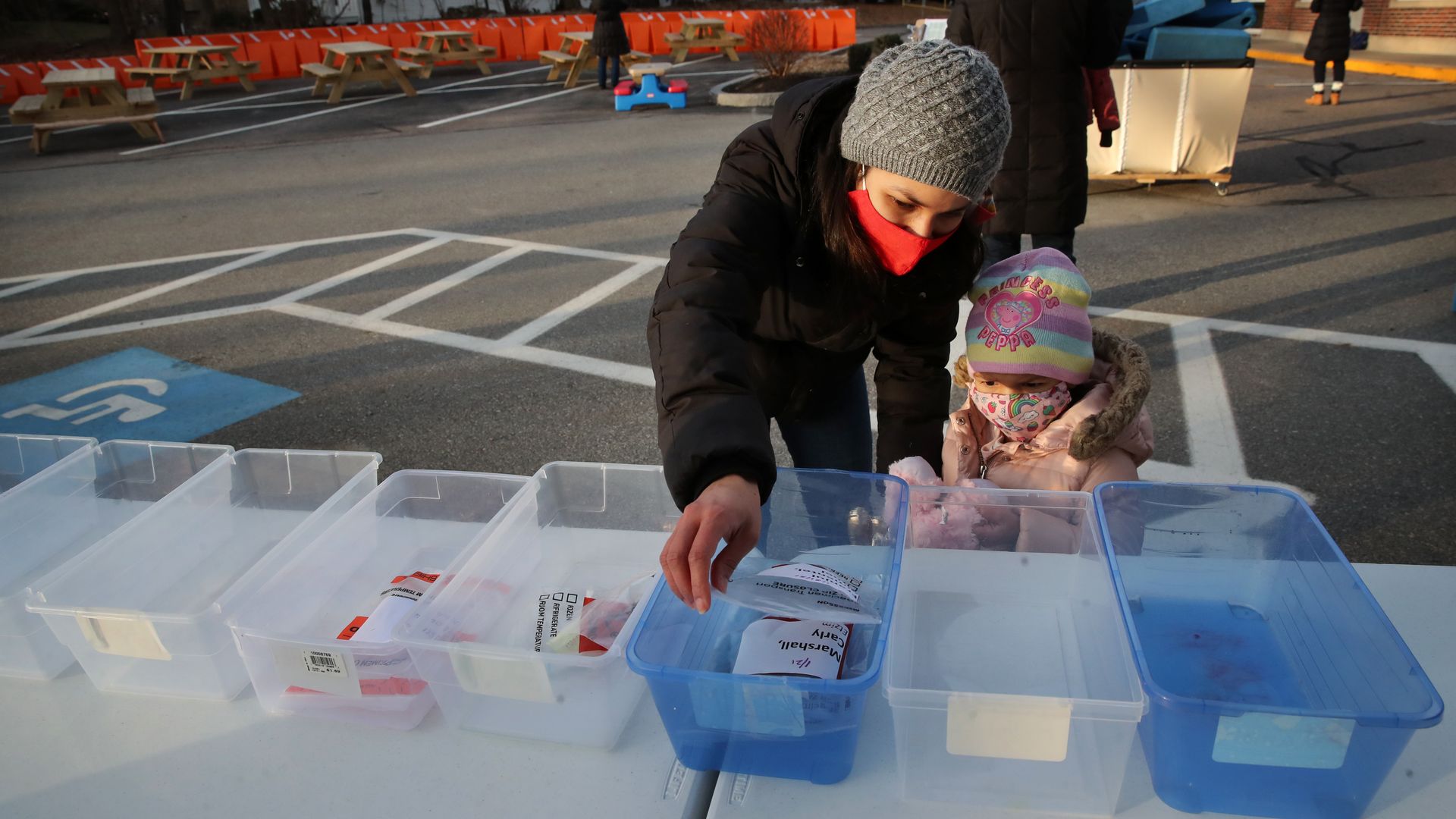
The Biden administration will funnel more than $12 billion from the American Rescue Plan toward COVID-19 testing in K-12 schools, as part of a push to reopen the remaining closed districts for in-person learning, the Department of Health and Human Services will announce Wednesday.
Why it matters: About 20% of the country's students are still fully remote. Though the number of reopened schools grows each week, many still aren't at full capacity or are struggling to convince some parents and teachers to return to the classrooms.
The Cherokee Nation is now facing the issue that the rest of America will have to deal with in the coming months: demand for coronavirus vaccines has dried up, the New York Times reports.
The big picture: So far, demand for vaccines has outstripped supply in the U.S. But at some point the vaccination effort's biggest challenge will be finding the unvaccinated and convincing them they should get a shot.
Some people with "long COVID" say their symptoms have gotten better after they received a vaccine, the Washington Post reports.
The big picture: The evidence so far is largely anecdotal, but further research could help determine whether vaccines can offer some help to the millions of people worldwide who are suffering through long-term illness that science doesn't understand very well.
Several states are making their entire adult populations eligible for coronavirus vaccines well ahead of President Biden's May 1 goal.
Why it matters: Opening up eligibility could get more shots in arms, but it also risks creating more competition for vaccines before many vulnerable Americans have received theirs.
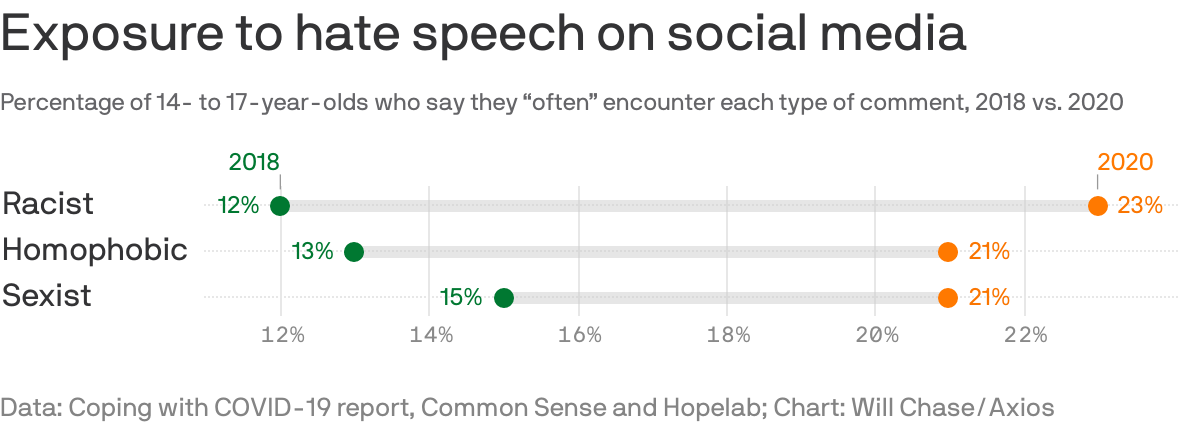
Young people are encountering far more hate speech on social media than they did just two years ago, according to new survey data out Wednesday from Common Sense Media.
Why it matters: Cooped-up teens and young adults are spending more time than ever on social media to cope with loneliness during the pandemic, the survey shows, but they are also met with a new wave of vitriol, including body shaming and racist, sexist and homophobic content.
Congress will receive an additional 8,000 doses of the COVID-19 vaccine on Wednesday to be equally divided for staffers in the House and Senate, Axios has learned from sources who are familiar.
Why it matters: Members of Congress were eligible for coronavirus inoculations as early as January, but just a small portion of their staff qualified to receive them at the time. Now, the circle is expanding, a move to restoring legislative operations to pre-pandemic norms.
The Food and Drug Administration announced Tuesday that it will allow some companies developing COVID-19 tests to market their products for regular at-home use without first seeing how they perform on asymptomatic people, Politico reports.
Why it matters: The agency hopes the move will streamline emergency-use authorizations for such tests, making it easier to conduct widespread testing of people who may soon be returning to schools and office spaces, the FDA noted in a statement.
The Olympic torch relay kicks off next week at a spectator-free "Grand Start" in Japan, with organizers hoping to avoid a cancellation after last year's delay.
The big picture: The Tokyo Olympics start in four months, and there's considerable opposition to the Games in Japan, AP reports.
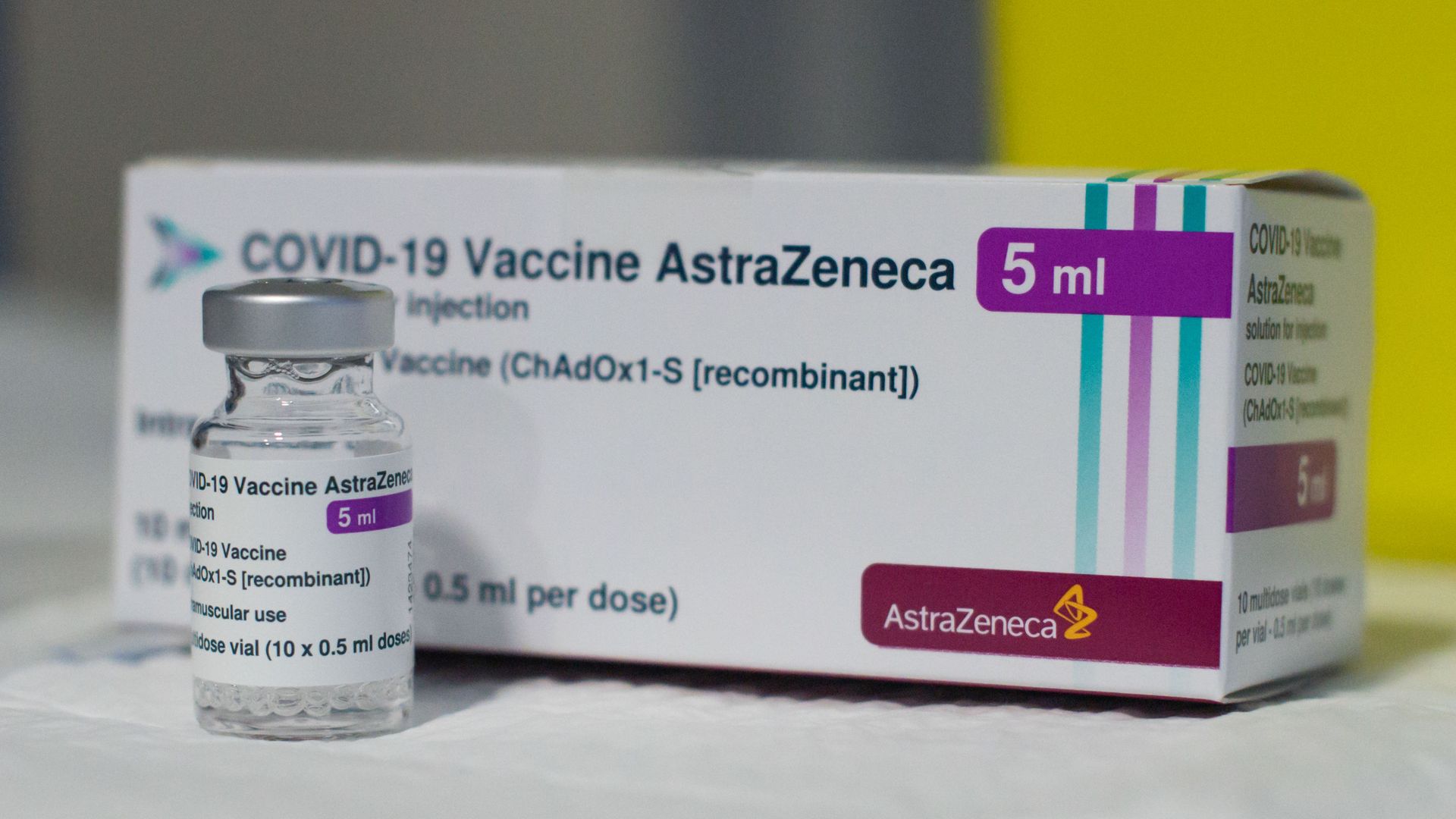
The head of the European Medicines Agency said at a briefing Tuesday that while a full review is ongoing, there is currently "no indication" that the AstraZeneca coronavirus vaccine is responsible for the small number of blood clots reported in patients in Europe.
Driving the news: EMA executive director Emer Cooke said she is "firmly convinced" that the benefits of the AstraZeneca shot "far outweigh" the risks, and expressed concern that the suspension of vaccinations by dozens of European countries could increase vaccine skepticism.
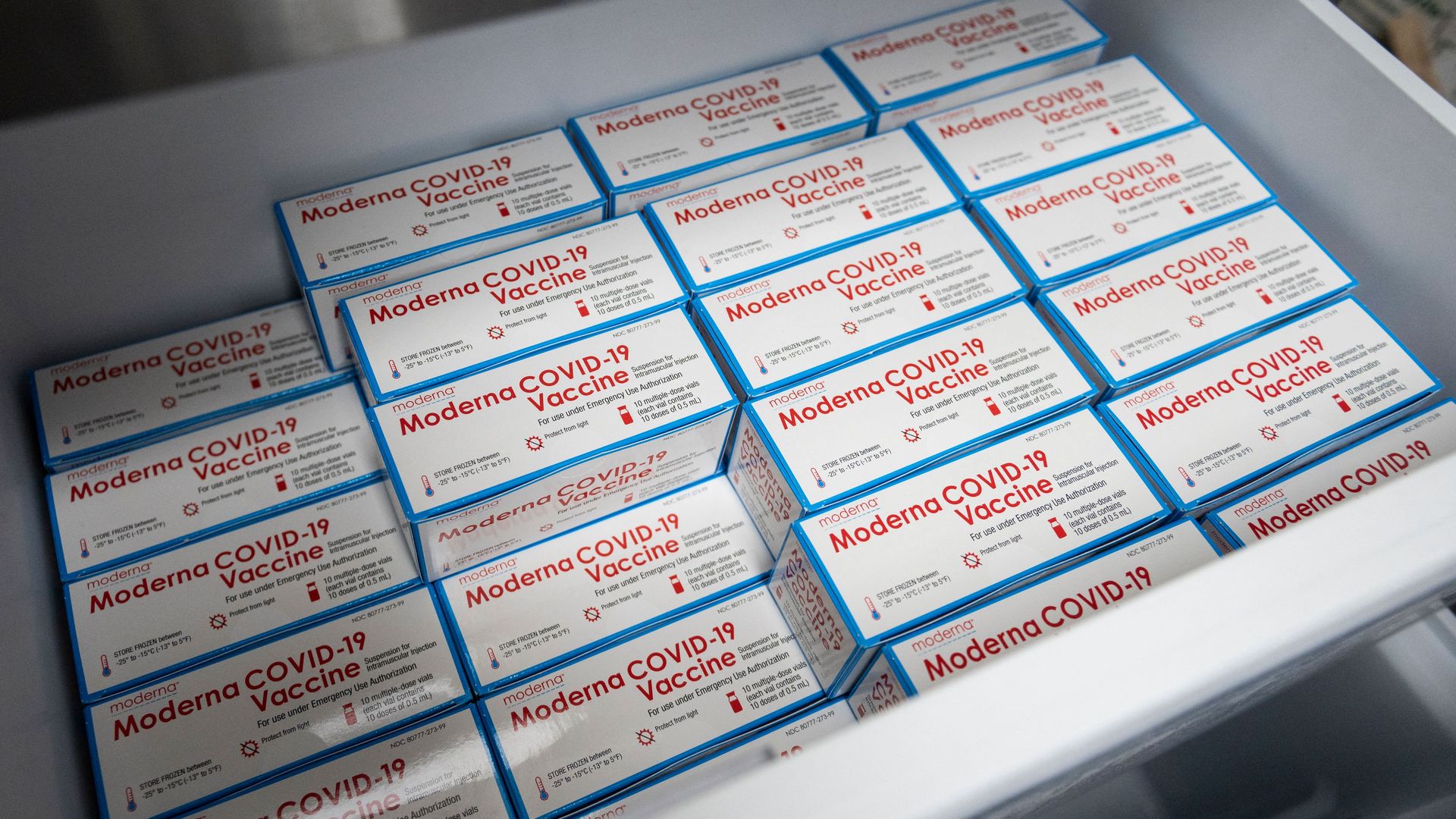
Moderna announced Tuesday that it has begun testing its coronavirus vaccine on children ages six months to less than 12 years in a Phase 2/3 trial beginning in the U.S. and Canada.
Why it matters: It's an important step in expanding the vaccine rollout beyond adults, who are at higher risk of severe disease and have been a focus of inoculation campaigns around the world thus far.
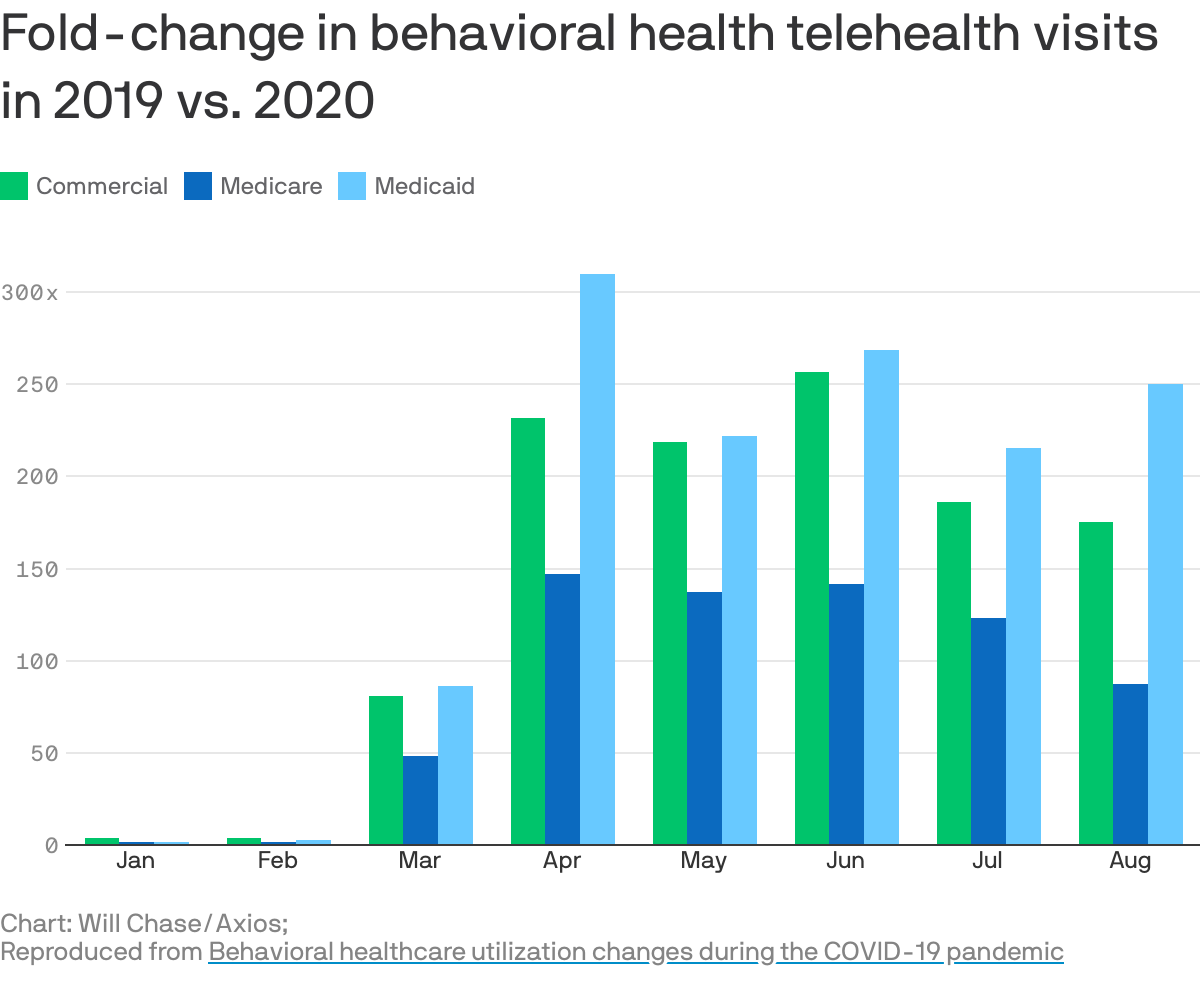
Virtual behavioral health visits in the first half of 2020 were hundreds of times higher than the year before, according to a new analysis by Well Being Trust and Milliman.
The big picture: The number of total behavioral health visits — both in person and virtual — were generally within 20% of 2019 levels from January to August, even though in-person visits plunged.
Only a minority of patients are receiving some of the most promising coronavirus treatments.
Why it matters: COVID-19 is almost certainly going to be part of our lives for a long time, even with high vaccination rates. Antibody treatments could make it much less deadly — but only if patients get them.
Affluent urban areas saw the biggest uptick in telehealth usage over the past year, according to a new study from RAND.
Why it matters: Experts have hailed telemedicine, in part, for its potential to help rural patients who would have to travel long distances for an in-person appointment. But the study suggests that telehealth hasn't closed the rural-urban access gap even as its overall use has soared.
Brazil's President Jair Bolsonaro on Monday appointed cardiologist Marcelo Queiroga as the new health minister, as the number of infections and deaths from COVID-19 continue to spike in the country, per Bloomberg.
Why it matters: Queiroga is Brazil's fourth health minister since the pandemic began. Intensive care units in 25 of Brazil's 26 state capitals are operating at capacity or close to it, and the numbers show no signs of slowing down.
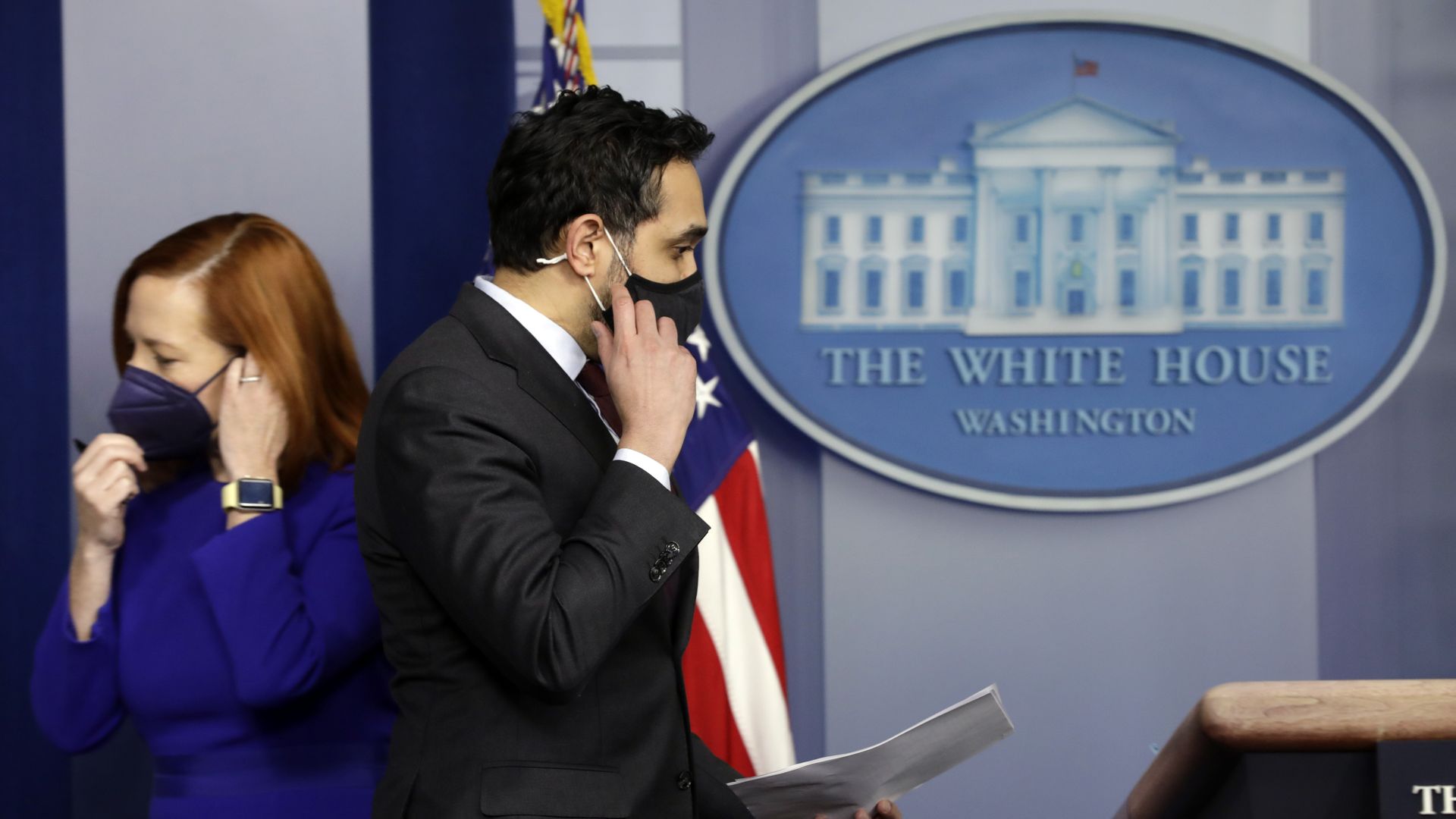
The Biden administration issued new internal guidance Monday saying it would reduce daily coronavirus testing for White House staff to once a week, Axios has learned.
Why it matters: Now that a majority of officials working on the 18-acre complex have been vaccinated, the administration is relaxing some of its coronavirus restrictions — a step closer to normalcy.