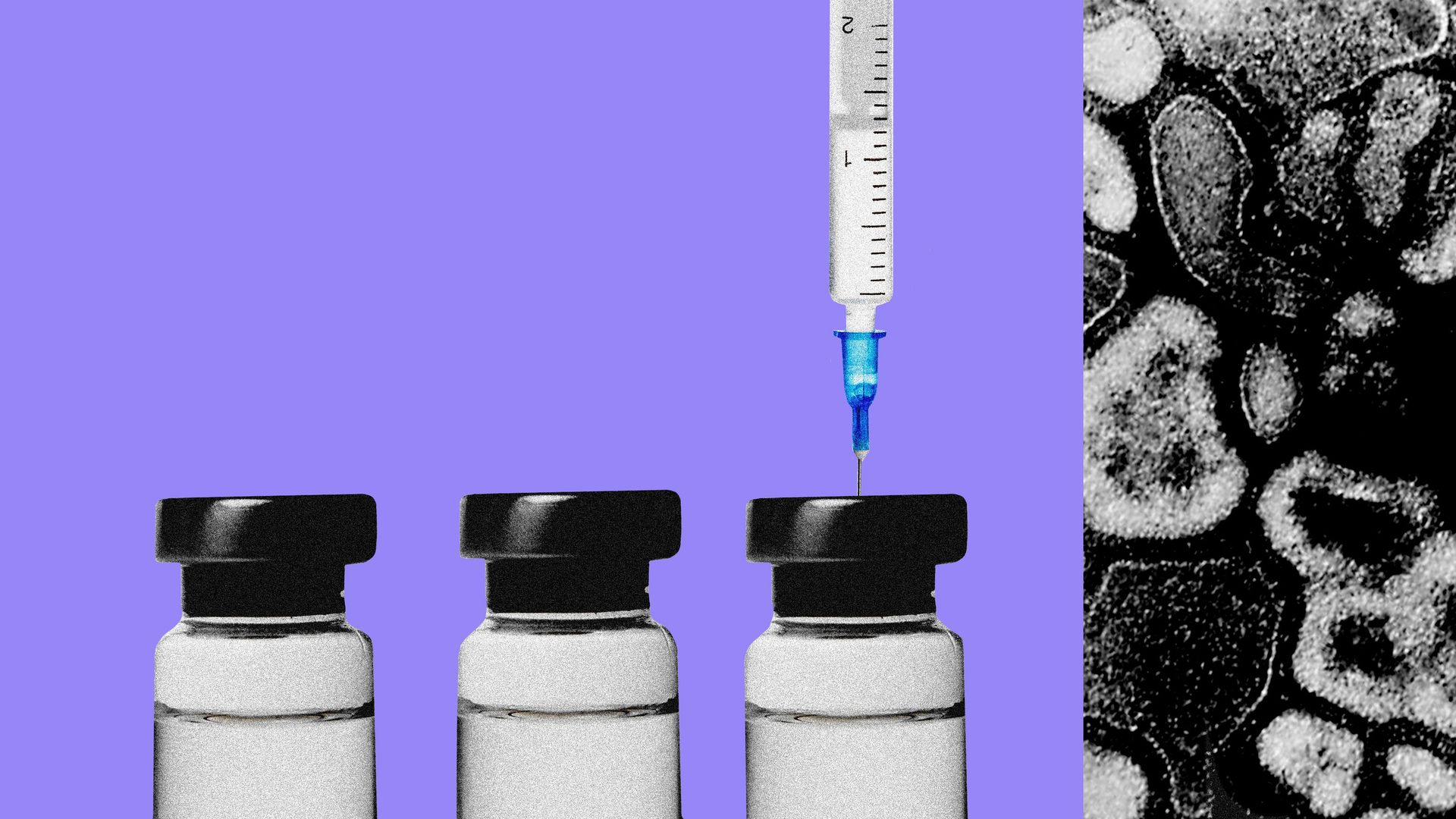
A Food and Drug Administration advisory panel on Friday recommended the authorization of Johnson & Johnson’s one-shot coronavirus vaccine for emergency use.
Why it matters: The FDA is expected to make a final decision within days on the J&J vaccine, which was found to be 66% effective against moderate to severe COVID. An emergency use authorization would allow distribution to immediately begin, helping streamline and speed up the vaccine rollout across the U.S.
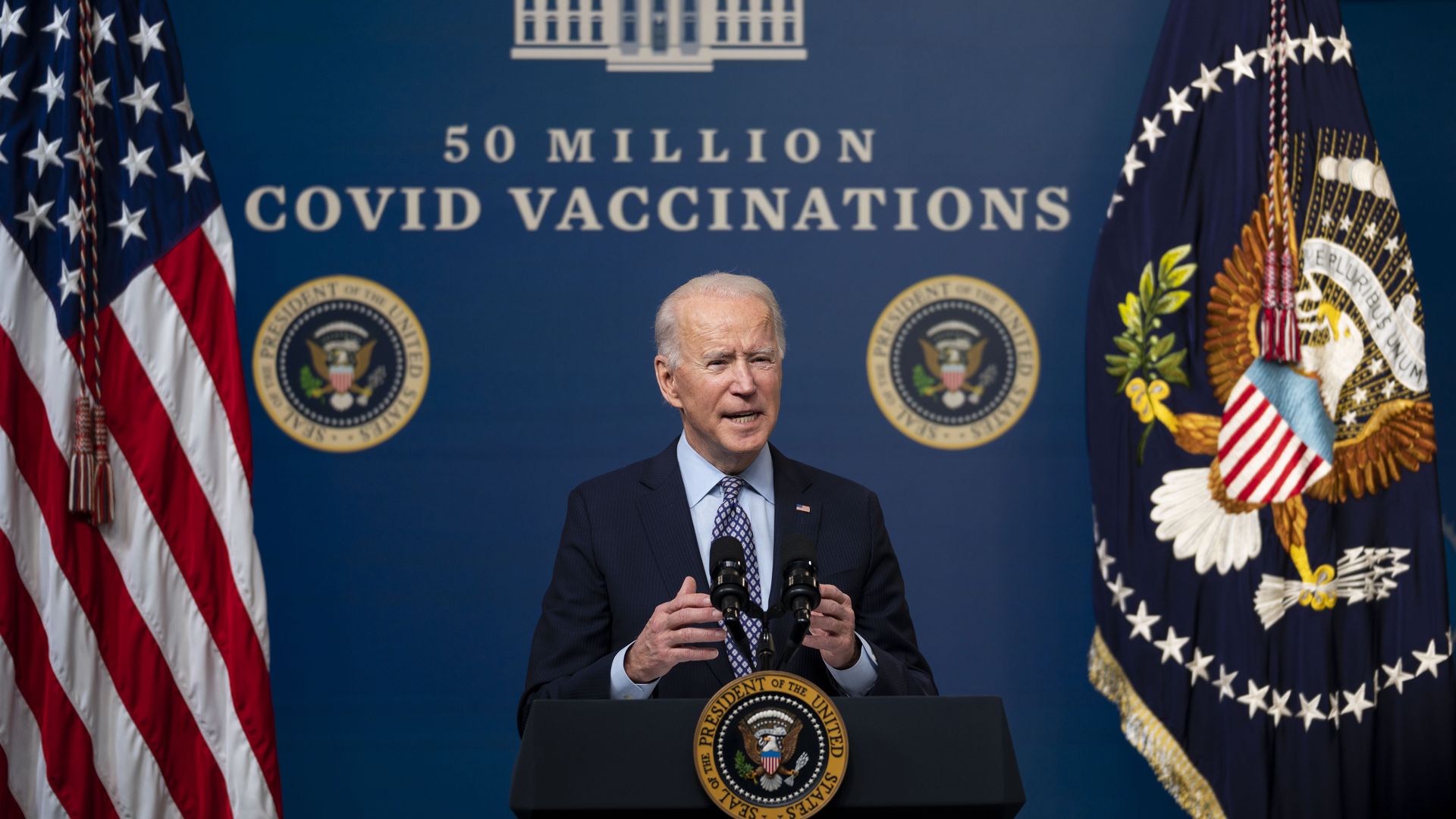
Nearly 1 in 5 adults and nearly half of Americans 65 and older have received their first dose of the coronavirus vaccine, White House senior adviser Andy Slavitt said on Friday.
The big picture: The Biden administration has previously said it has secured enough doses to vaccinate most of the American population by the end of July.
54% of Americans think it would be a good idea to give NBA players early access to the COVID-19 vaccine in order to increase public confidence in it, according to a survey administered last week by The Harris Poll.
1,961 adults were surveyed; 68% said they'd likely get the vaccine as soon as it became available.
39% said they'd be more comfortable getting the vaccine if NBA players publicly received it first, led by Black (55%) and Asian (54%) respondents.
The state of play: Through Wednesday, 13.6% of Americans have received at least one dose, and 6.2% have received both, per the CDC.
Business Roundtable, the voice ofAmerica's top CEOs, today launched "Move the Needle," a campaign to support President Biden in rolling out COVID vaccines, increasing vaccine uptake and encouraging masks.
What they're saying: "Masks and vaccines are working. Now is the time to keep at it, overcome pandemic fatigue, and double down on the measures that will end this public health and economic crisis, said Business Roundtable president and CEO Josh Bolten.
Nearly half of employers say they're at least considering the idea of requiring proof of vaccination as a condition for employees return to in-person work, according to a survey from Willis Towers Watson.
Why it matters: The gradual upticks in mass vaccinations has allowed America's workforce to begin to picture reopened office buildings.
New research is bolstering the case for delaying second doses of coronavirus vaccines.
Why it matters: Most vulnerable Americans remain unvaccinated heading into March, when experts predict the more infectious virus variant first found in the U.K. could become dominant in the U.S.
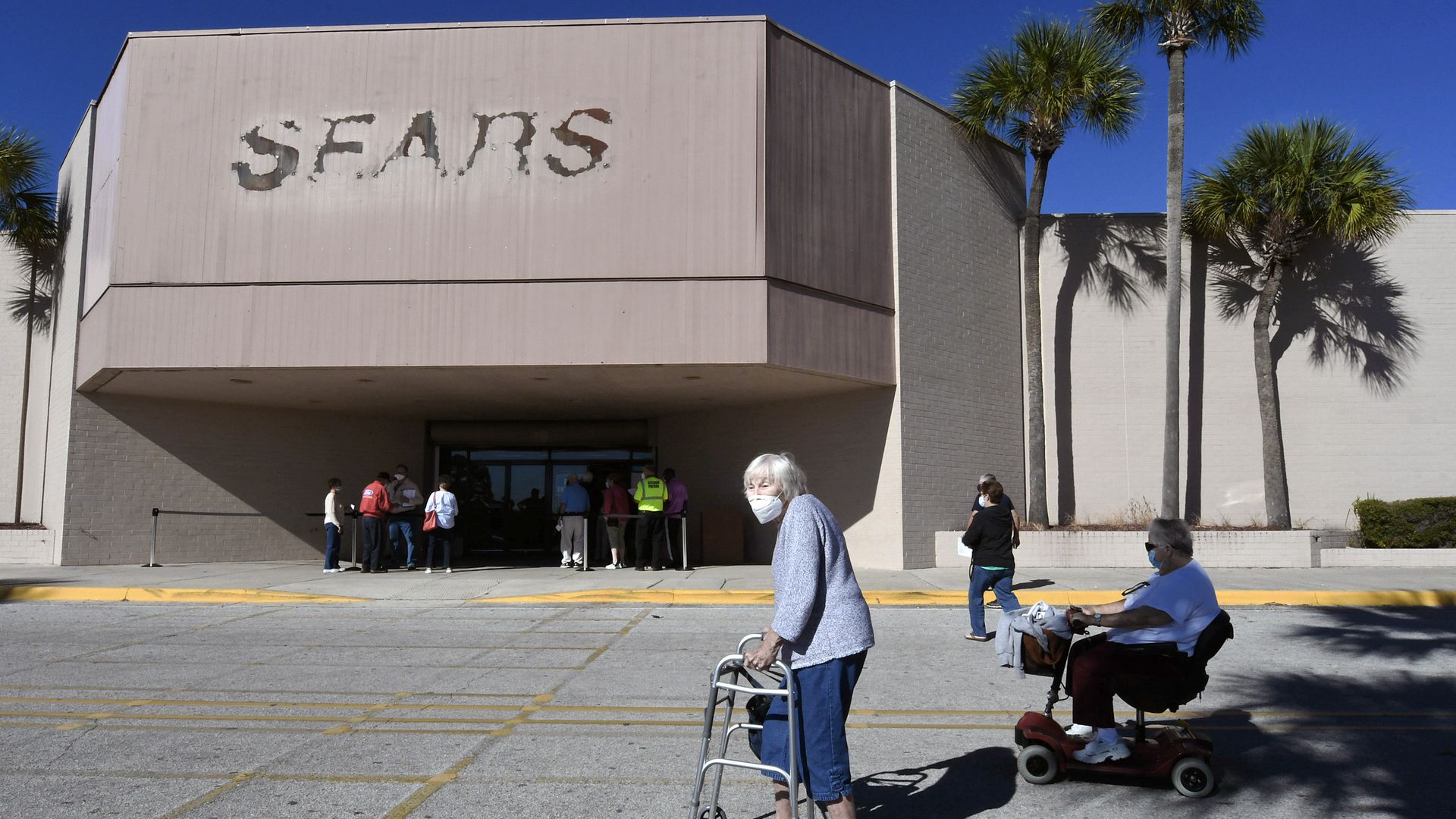
A number of abandoned Sears locations have gotten a second life as COVID-19 vaccination centers, converted from community blights to community saviors.
Why it matters: Empty department stores can be ideal locations for mass vaccinations, given their size, central location and available parking.
COVID-19 survivors tend to have a roughly tenfold increase in protection against the virus, according to a government-funded study published Wednesday.
Why it matters: There have been some documented cases of reinfection leading to concern survivors don't gain any immunity. While there remain questions on how much or how long immunity lasts and what the impact of variants will be, this large set of observational data bolsters evidence there's some protection.
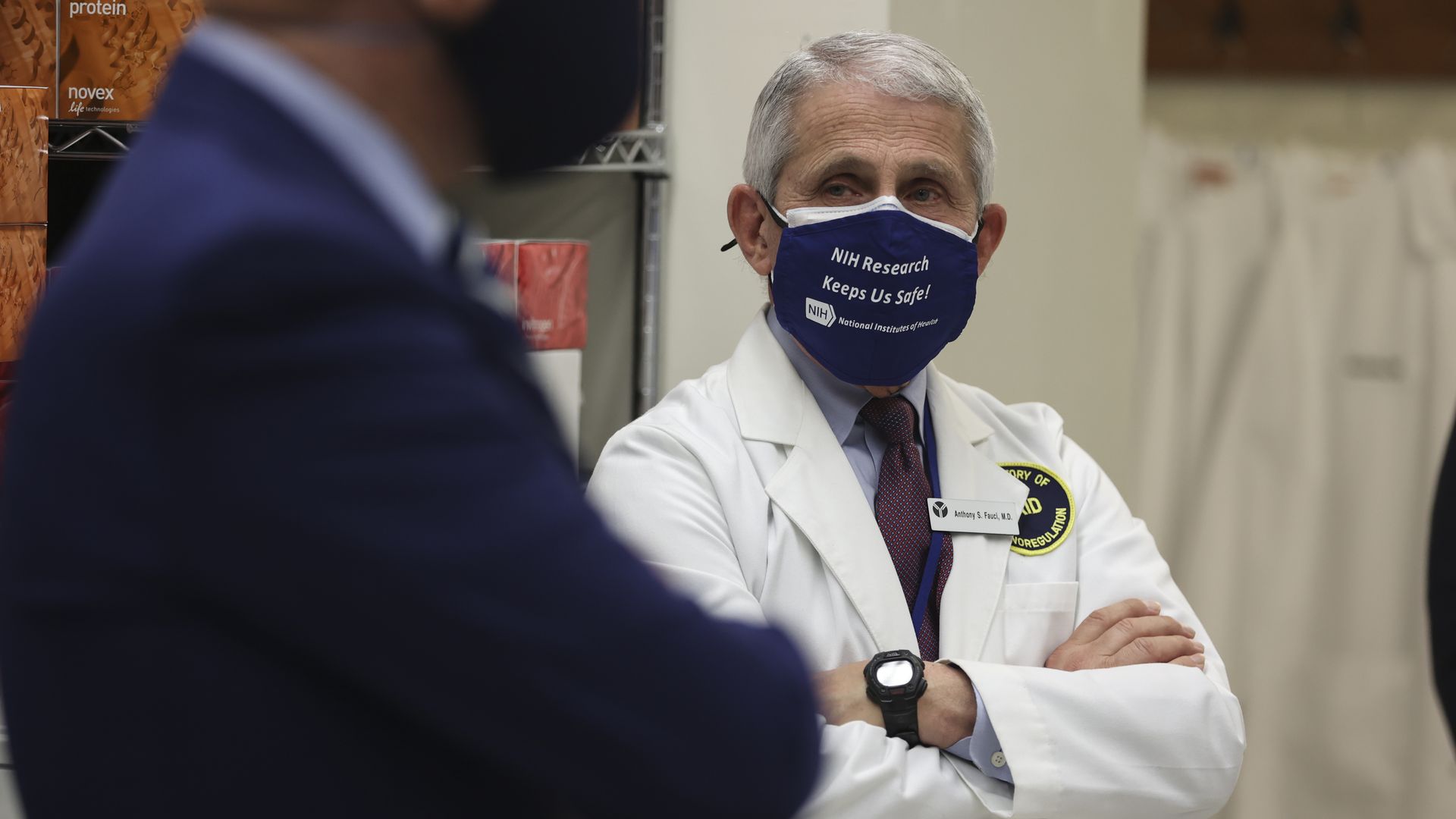
Dr. Anthony Fauci is encouraging Americans to take the coronavirus vaccine if it becomes available, regardless of which one it is.
Why it matters: The Johnson & Johnson vaccine, which will be administered in a single shot instead of two doses as required by the Moderna and Pfizer vaccines, is expected to soon receive emergency authorization. Fauci said people should not wait to take the marginally more effective vaccines if the Johnson & Johnson shot becomes available to them.
Public transit use across the metro plummeted amid the pandemic, as remote work and fear of enclosed spaces kept people from boarding buses and trains.
A new fitness and wellness vertical has emerged amid the pandemic. Dubbed the "high-performance lifestyle" (HPL), it combines physical health, mental health and technology.
Why it matters: HPL aims to track and optimize human performance. Athletes have been doing this for decades; now, thanks to data democratization, anyone can.
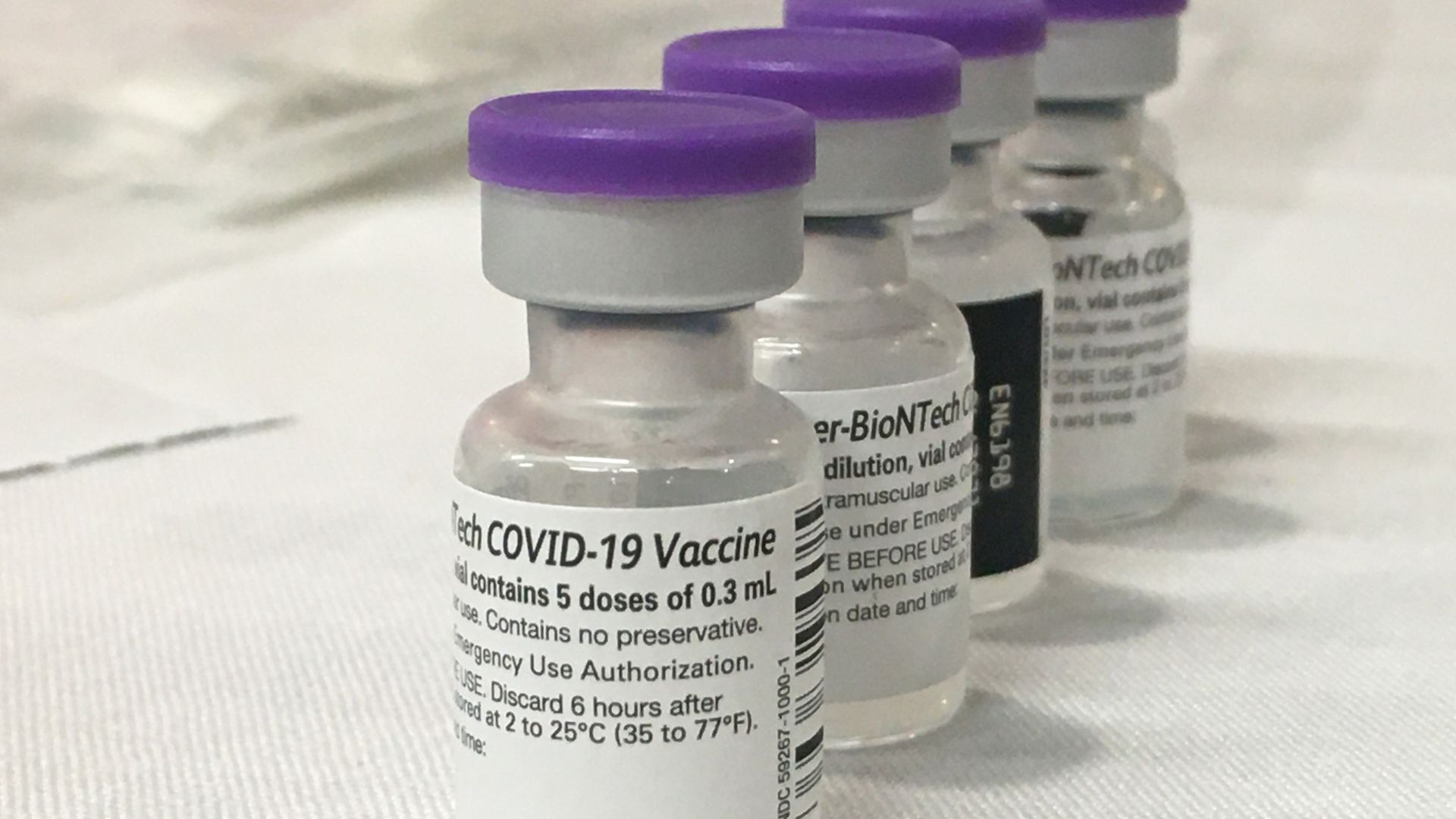
Pfizer and BioNTech on Thursday announced they have launched a study to evaluate whether a third dose of their COVID-19 vaccine can protect against new variants of the virus.
Why it matters: Vaccine makers are racing to find effective ways to fight more infectious virus variants. There is no evidence that the current vaccines are not effective against the new variants, but companies are looking for ways to adapt to new mutations in case it becomes necessary.
Reports of the flu have "virtually disappeared" in the U.S. amid the coronavirus pandemic, the AP reports, during a season when the disease would otherwise be packing doctors' offices and hospitals.
The intrigue: The drop in flu illnesses is in part a byproduct of efforts intended to curb the spread of COVID-19 — like wearing masks, social distancing, and remote schooling, experts tell AP. The significant drop in travel, as well as a public push to encourage people to get the flu vaccine, also likely had an effect.
Public health advocates are pressing the Food and Drug Administration to ban menthol-flavored tobacco products, years after other flavors were banned.
The big picture: Congress gave menthol a pass when it banned flavored cigarettes in 2009, but advocates are highlighting the products' disproportionate use among Black smokers, at a time when policymakers are especially attuned to racial inequities in health.
Americans of all ages, education levels, genders, races and political parties say they're more likely than not to get the coronavirus vaccine — except Republicans.
Why it matters: Vaccine hesitancy is higher among white Republicans than any other demographic group, and it hasn't been improving much as the vaccination effort continues, according to Civiqs polling.
New coronavirus infections continued their sharp decline over the past week, and are now back down to pre-Thanksgiving levels.
The big picture: Given the U.S.’ experience over the past year, it can be hard to trust anything that looks like good news, without fearing that another shoe is about to drop. But the U.S. really is doing something right lately. Cases are way down, vaccinations are way up, and that’s going to save a lot of lives.
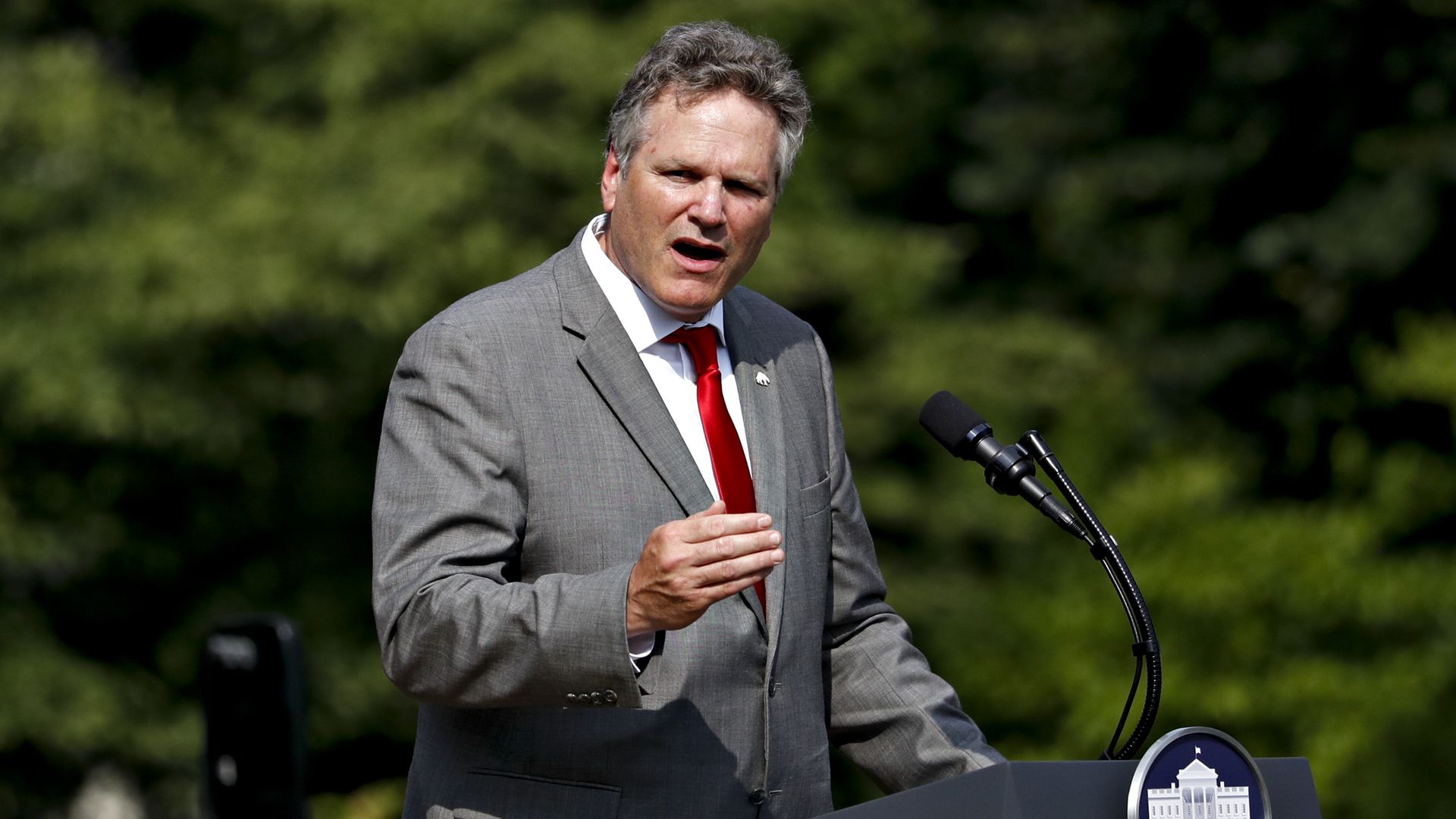
Alaska Gov. Mike Dunleavy (R) tested positive for COVID-19 Wednesday and is isolating at home with mild symptoms, his office announced.
Details: Dunleavy originally got tested after being identified as a close contact to someone who contracted the virus and returned a negative result Sunday morning, per a statement. He still went into quarantine in his home in Wasilla, just north of Anchorage.
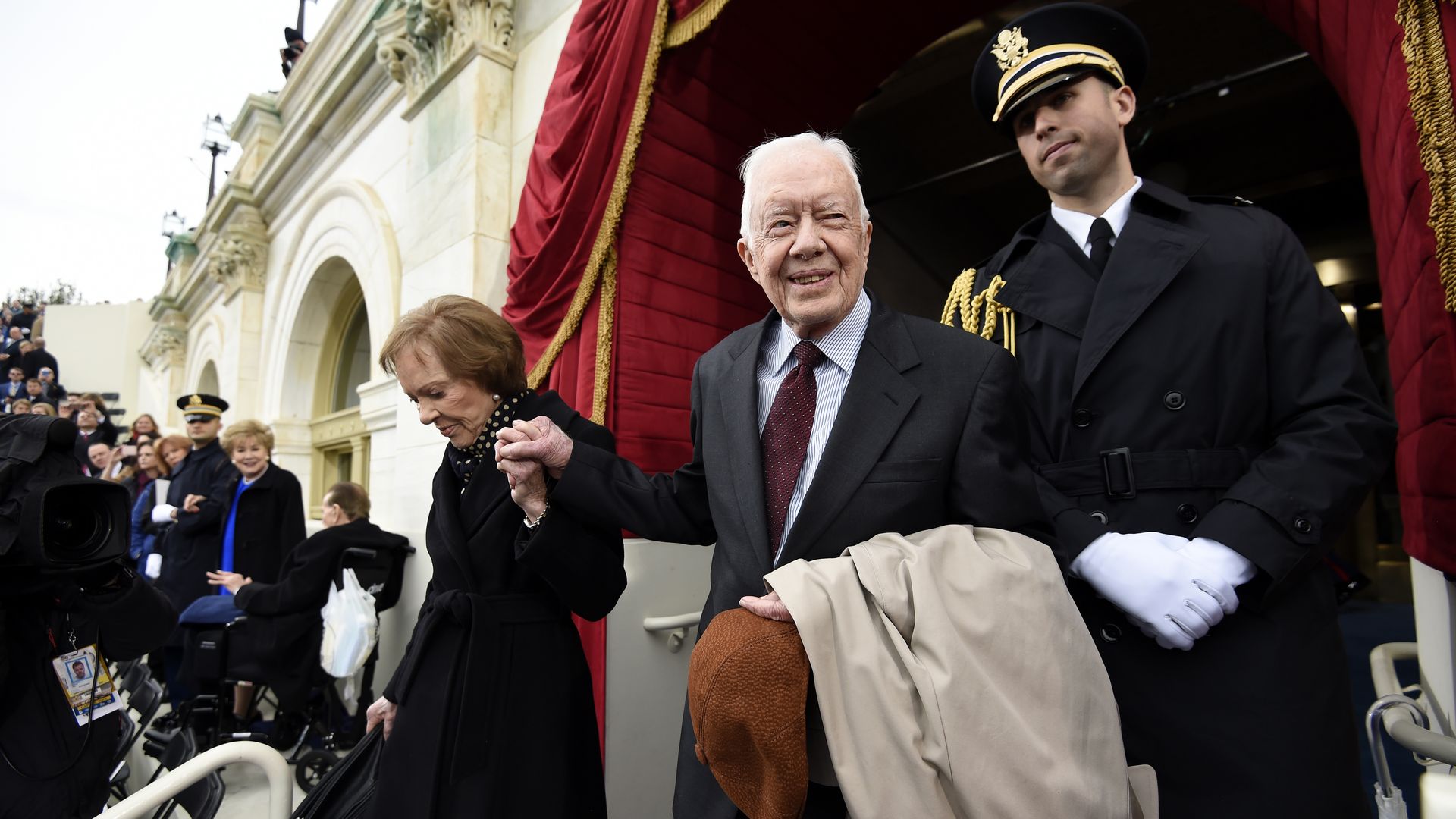
Jimmy and Rosalynn Carter are attending church once again after receiving COVID-19 vaccines.
Driving the news: Maranatha Baptist Church in Plains, Georgia, erupted into applause as Pastor Tony Lowden made the announcement, telling the congregation Wednesday: "Let's welcome them back — they've both had their shots."