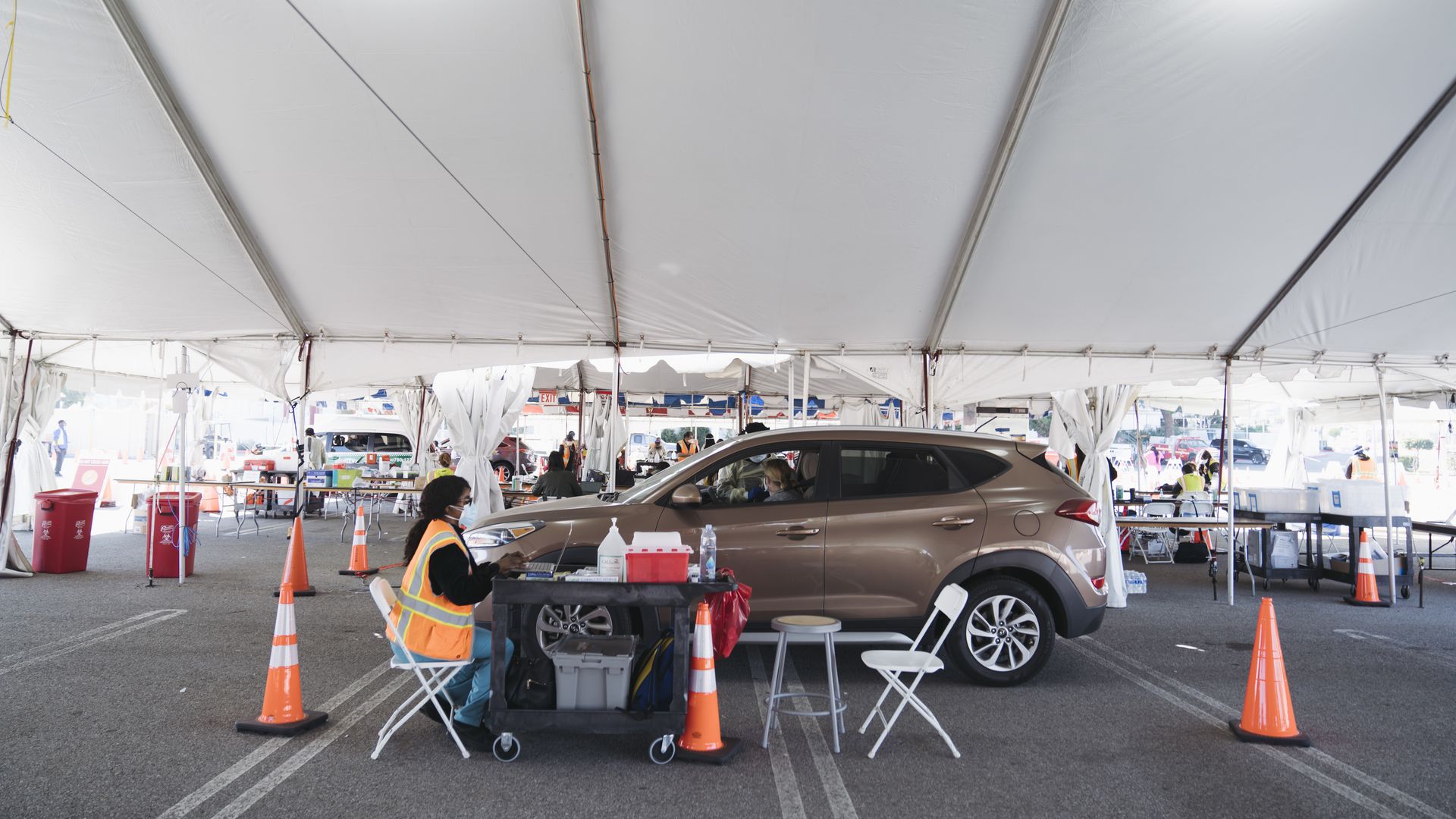
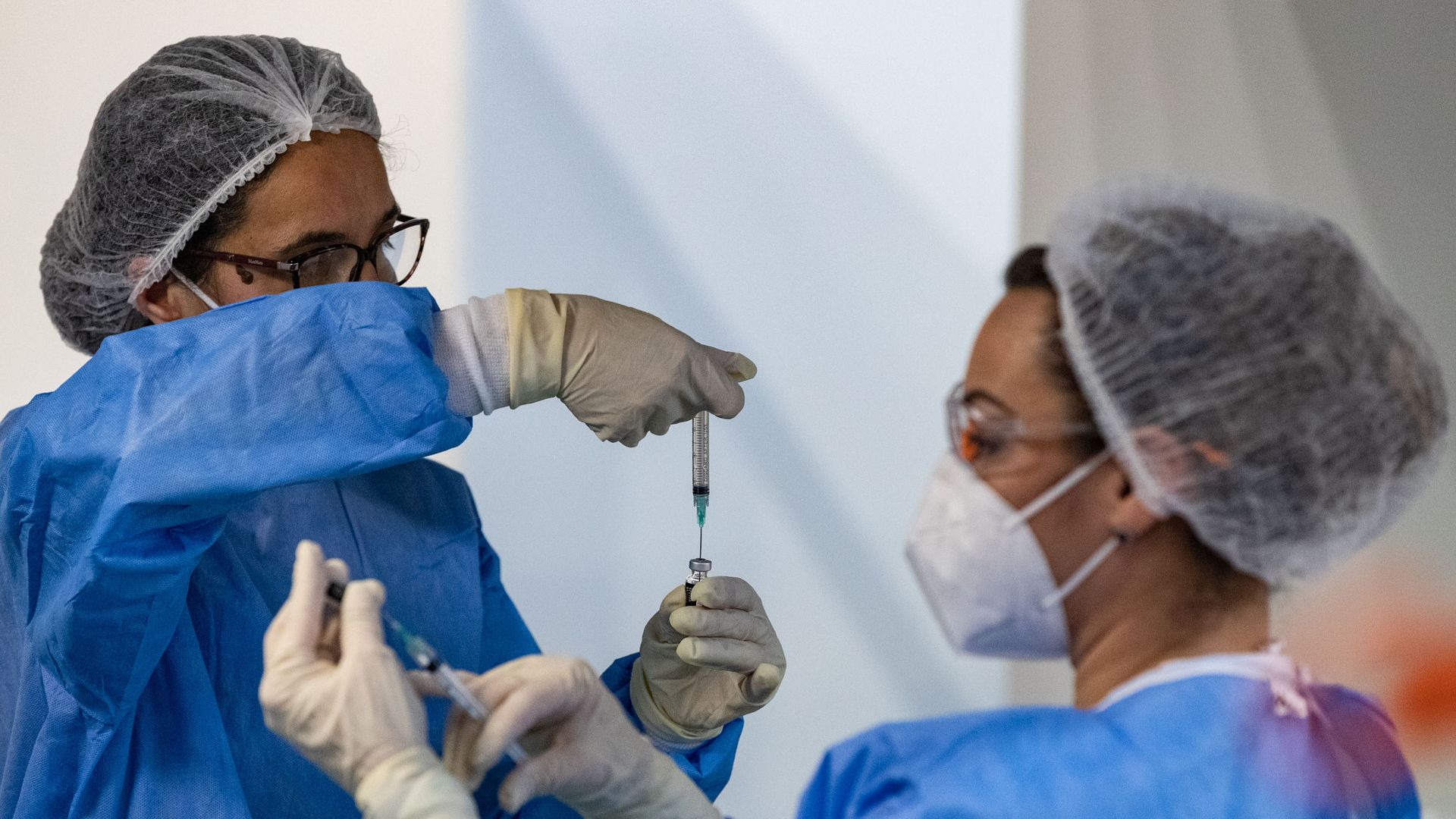
Why it matters: Vaccinations are ramping up again after widespread delays caused by historic winter storms. Over 75 million vaccine doses have been administered thus far, with 7.5% of the population fully vaccinated and 15% having received at least one dose.
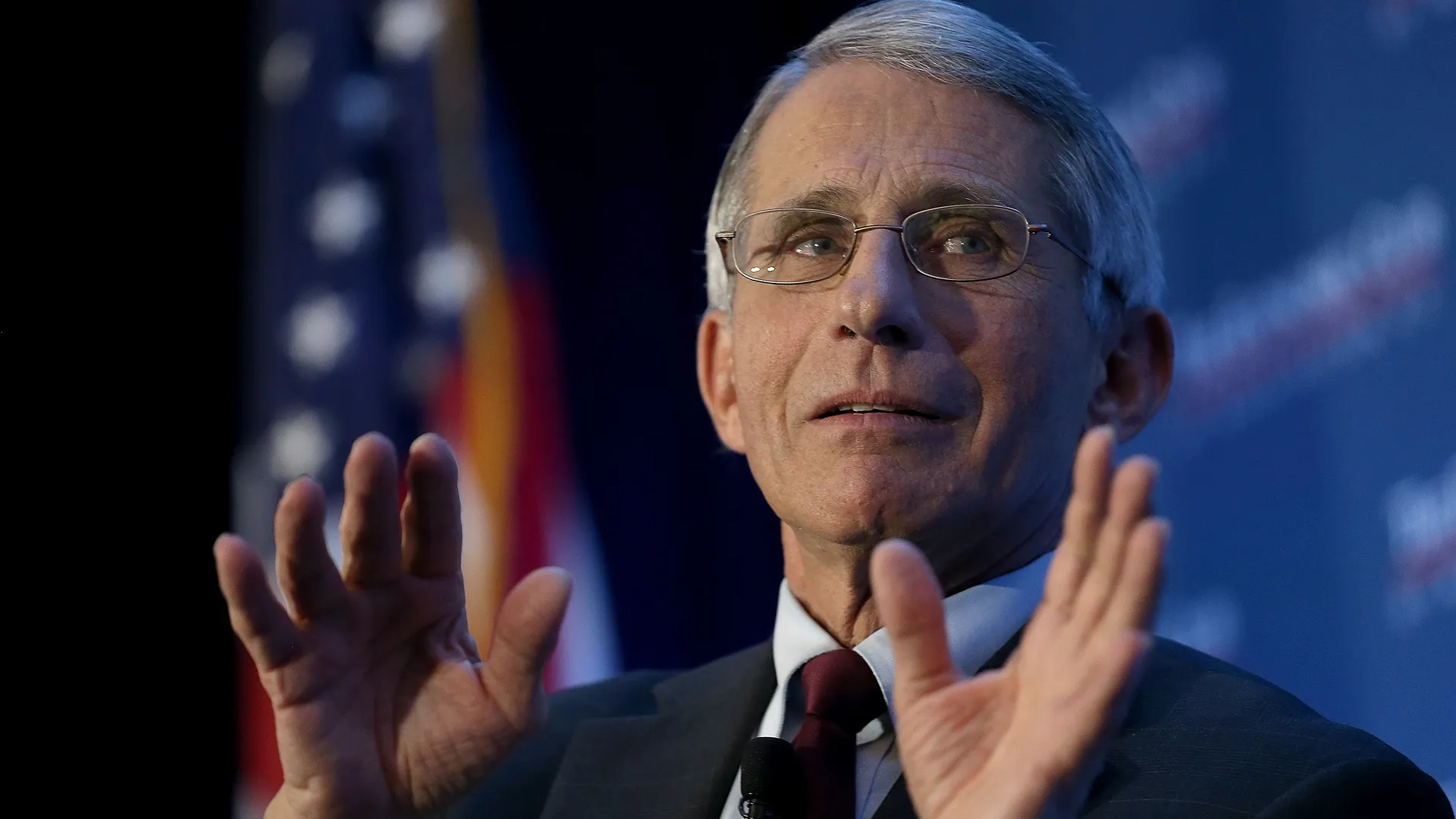
Children under age 12 will "very likely" be able to get vaccinated for coronavirus at the "earliest the end of the year, and very likely the first quarter of 2022," NIAID Director Anthony Fauci told "Meet the Press" Sunday.
Why it matters: Children generally aren't at risk of serious coronavirus infections, but vaccinating them will be key to protecting the adults around them and, eventually, reaching herd immunity, writes Axios' Caitlin Owens.
Scamming has skyrocketed in the past year, and much of the increase is attributed to COVID-related scams, more recently around vaccines.
Why it matters: The pandemic has created a prime opportunity for scammers to target people who are already confused about the chaotic rollouts of things like stimulus payments, loans, contact tracing and vaccines. Data shows that older people who aren't digitally literate are the most vulnerable.
Why it matters: The authorization of a third coronavirus vaccine in the U.S. will help speed up the vaccine rollout across the country, especially since the J&J shot only requires one dose as opposed to Moderna and Pfizer-BioNTech's two-shot vaccines.
The Food and Drug Administration authorized a device called the "Q-Collar" that may help reduce the risk of traumatic brain injuries "associated with repetitive sub-concussive head impacts" sustained during sports.
Why it matters: Impact athletics, such as football, are a major cause of TBI-related emergency department visits, hospitalizations and deaths across the U.S. every year.
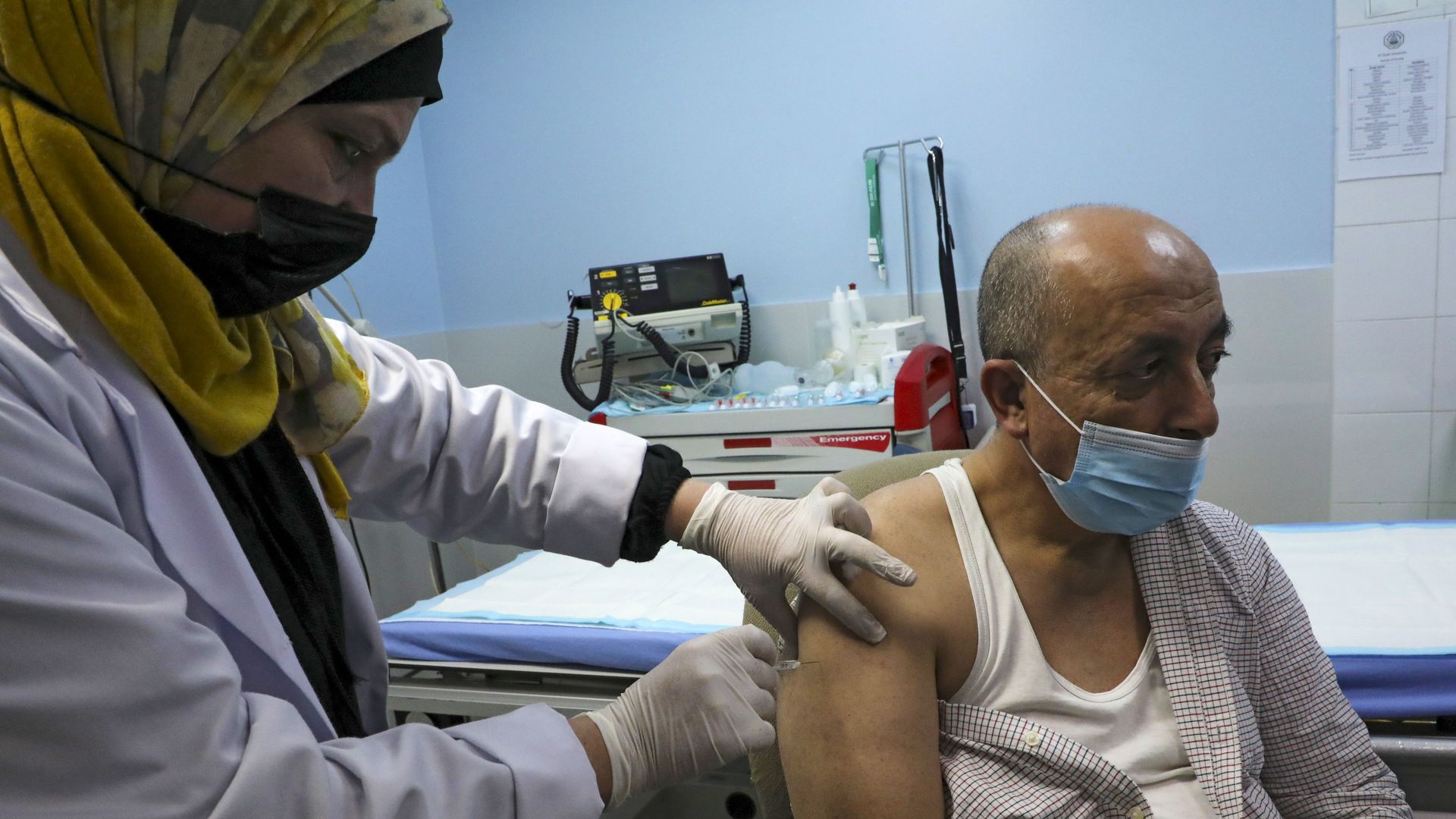
The Palestinian Authority on Saturday announced fresh coronavirus restrictions, including a partial lockdown, for the occupied West Bank as COVID-19 cases surge.
The big picture: The new measures come as Israel, which leads the world in vaccinations, faces increased pressure to ensure Palestinians in the occupied West Bank and Gaza Strip have equal access to vaccines.
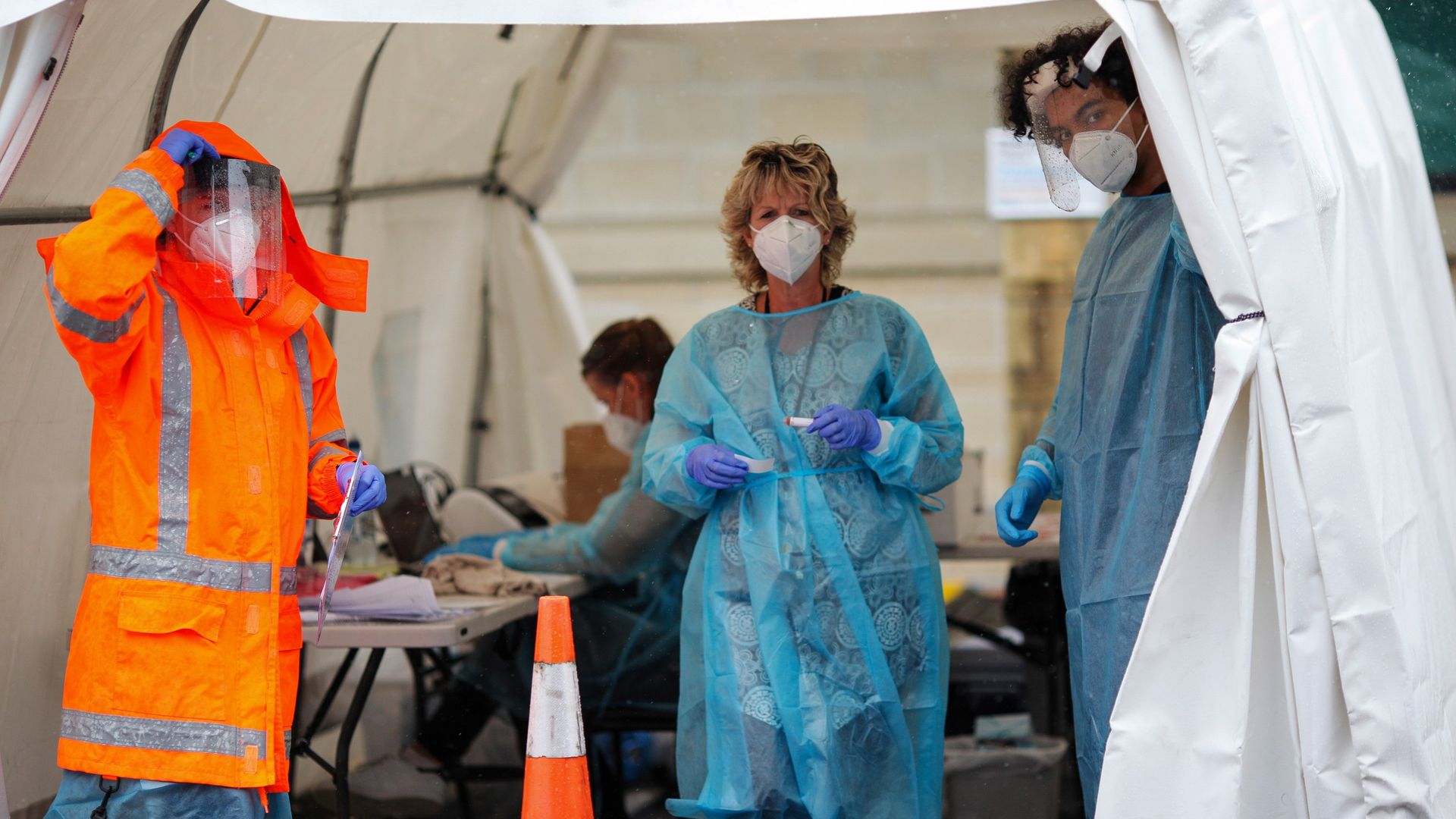
New Zealand's largest city Auckland will enter a seven-day coronavirus lockdown starting Sunday after a new local case of the virus was discovered, Prime Minister Jacinda Ardern announced.
Why it matters: The action comes roughly two weeks after the city of 2 million residents entered a three-day lockdown over a cluster of the more transmissible UK variant that was reported in the city.
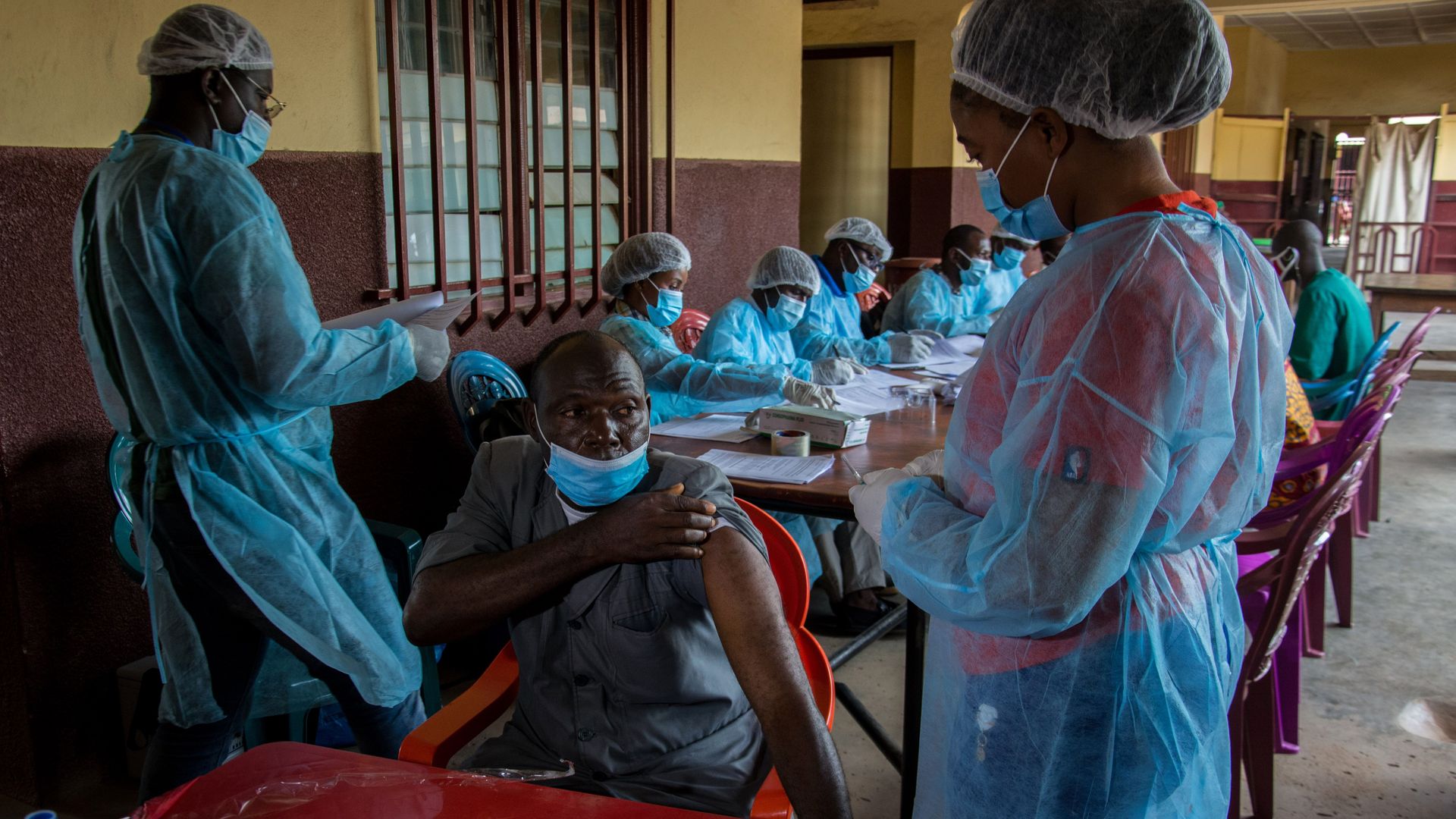
The Centers for Disease Control and Prevention on Friday announced travel restrictions on people coming to the U.S. from Guinea and the Democratic Republic of Congo, both of which are fighting outbreaks of the Ebola virus, according to the United Nations.
The state of play: Starting next week, flights from those countries will be directed to six U.S. airports, where airlines are directed to collect and provide passenger information. The CDC will monitor new arrivals who were in the DRC or Guinea during the previous 21 days.
Wastewater is proving a valuable resource to genetically track the spread of the coronavirus — and the emergence of new variants.
Why it matters: As long as widescale testing and genetic surveillance remains constrained, we'll always be a step behind COVID-19. But sequencing sewage presents a cheap and simple way of keeping tabs on viral spread within a community.
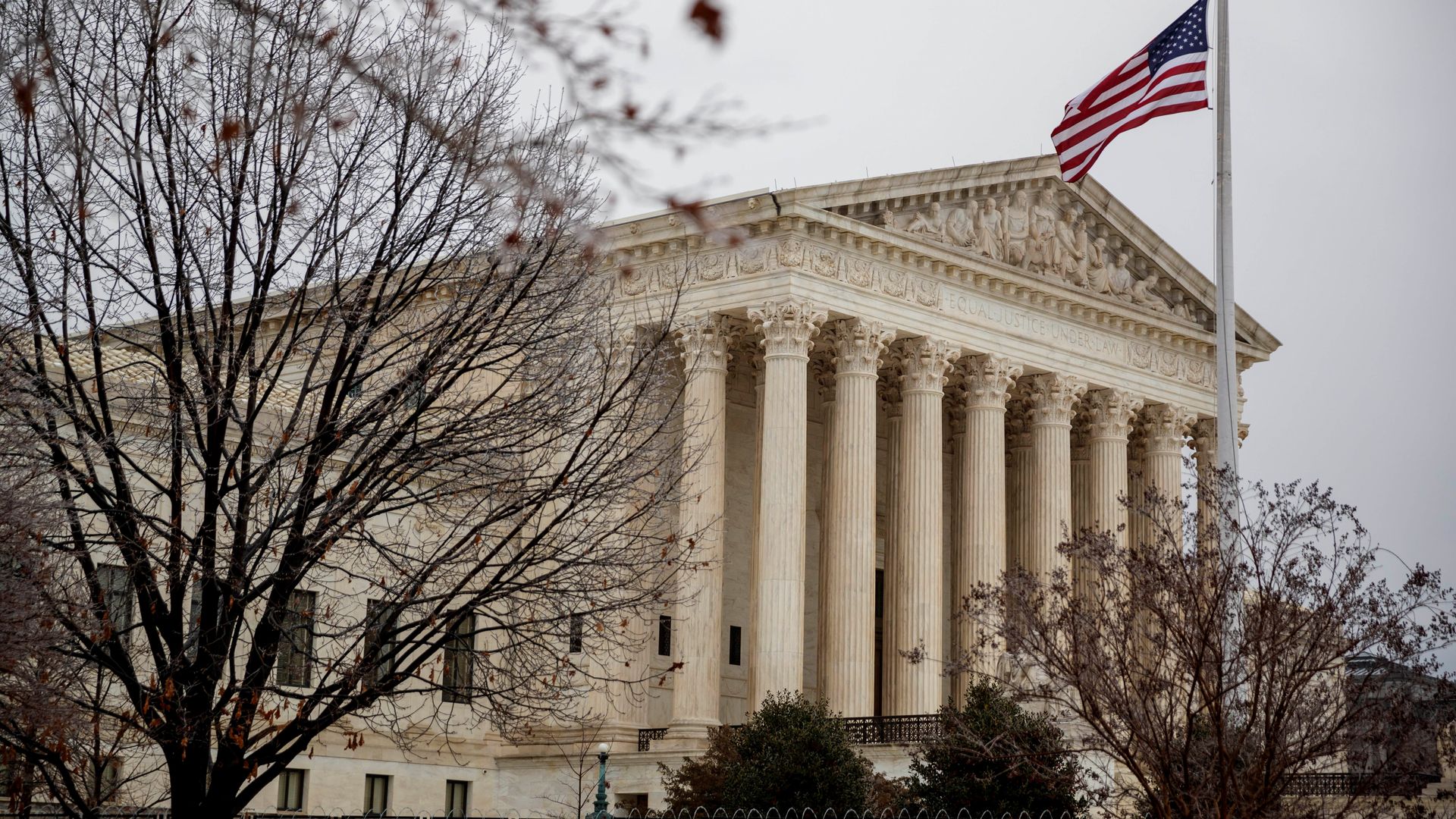
The U.S. Supreme Court ruled that five California churches in Santa Clara County are exempt from a health directive prohibiting indoor gatherings, and are now permitted to resume services indoors.
Why it matters: The late Friday action is the latest in a string of orders directing state and local governments to whittle down public-health orders intended to stop the spread of the coronavirus.
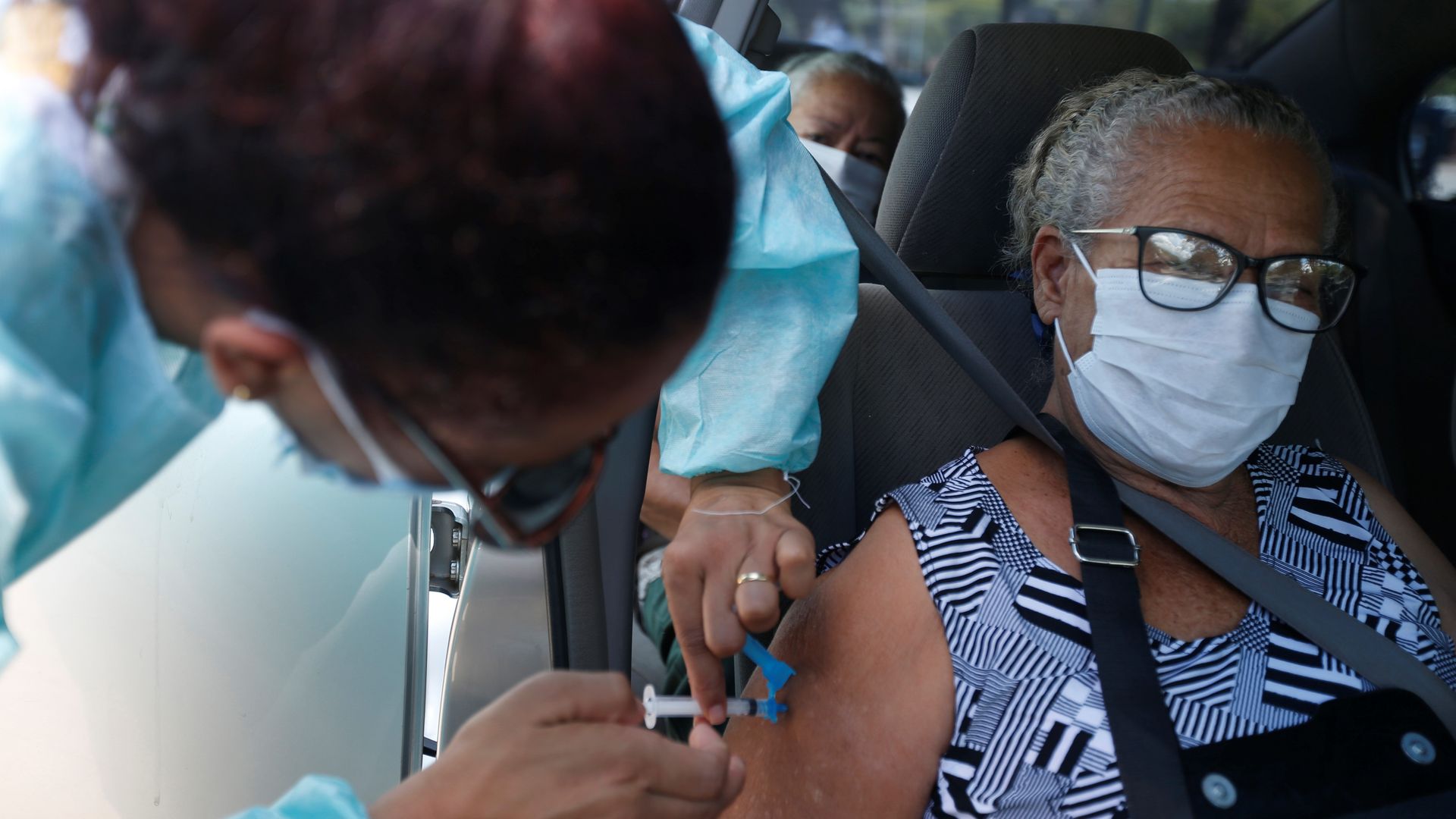
The Brazilian capital of Brasilia will enter a 24-lockdown on Saturday as coronavirus cases and hospitalizations surge, Reuters reports.
Why it matters: Hospitals in Brasilia, the third-largest city in Brazil, have struggled to keep up with hospitalizations from the virus. More than 80% of the city's intensive care beds are occupied, according to Reuters.
President Biden said Friday that "it's not the time to relax" coronavirus mitigation efforts and warned that the number of cases and hospitalizations could rise again as new variants of the virus emerge.
Why it matters: Biden, who made the remarks after touring a vaccination site in Houston, echoed CDC director Rochelle Walensky, who said earlier on Friday that while the U.S. has seen a recent drop in cases and hospitalizations, "these declines follow the highest peak we have experienced in the pandemic."