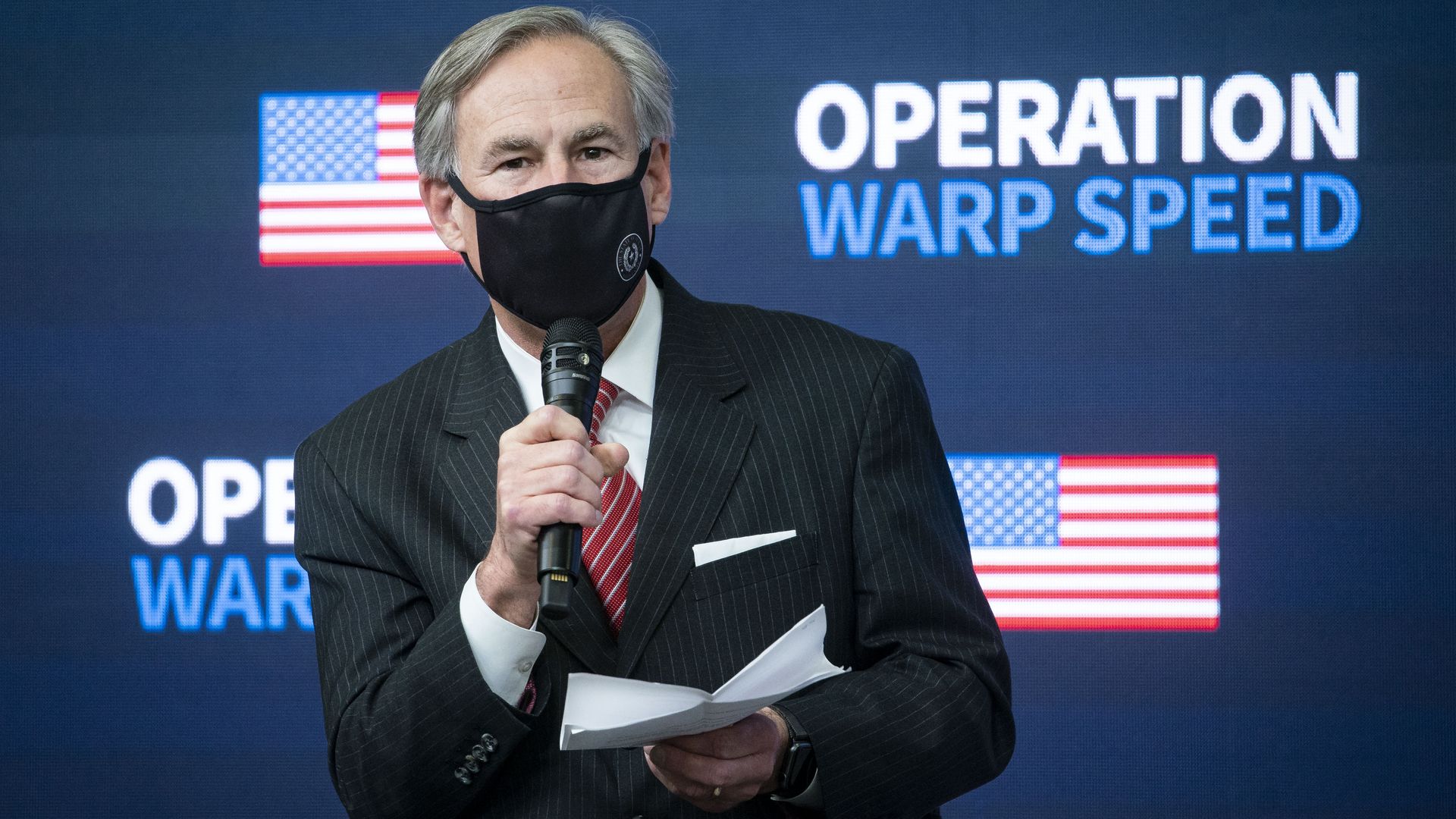
Texas will end its coronavirus restrictions next week with an upcoming executive order, Gov. Greg Abbott (R) announced Tuesday during a press conference in Lubbock.
Why it matters: After Abbott signs the new order, which rescinds previous orders, all businesses can open to 100% capacity and the statewide mask mandate will be over, though large parts of the state will remain under mask local ordinances.
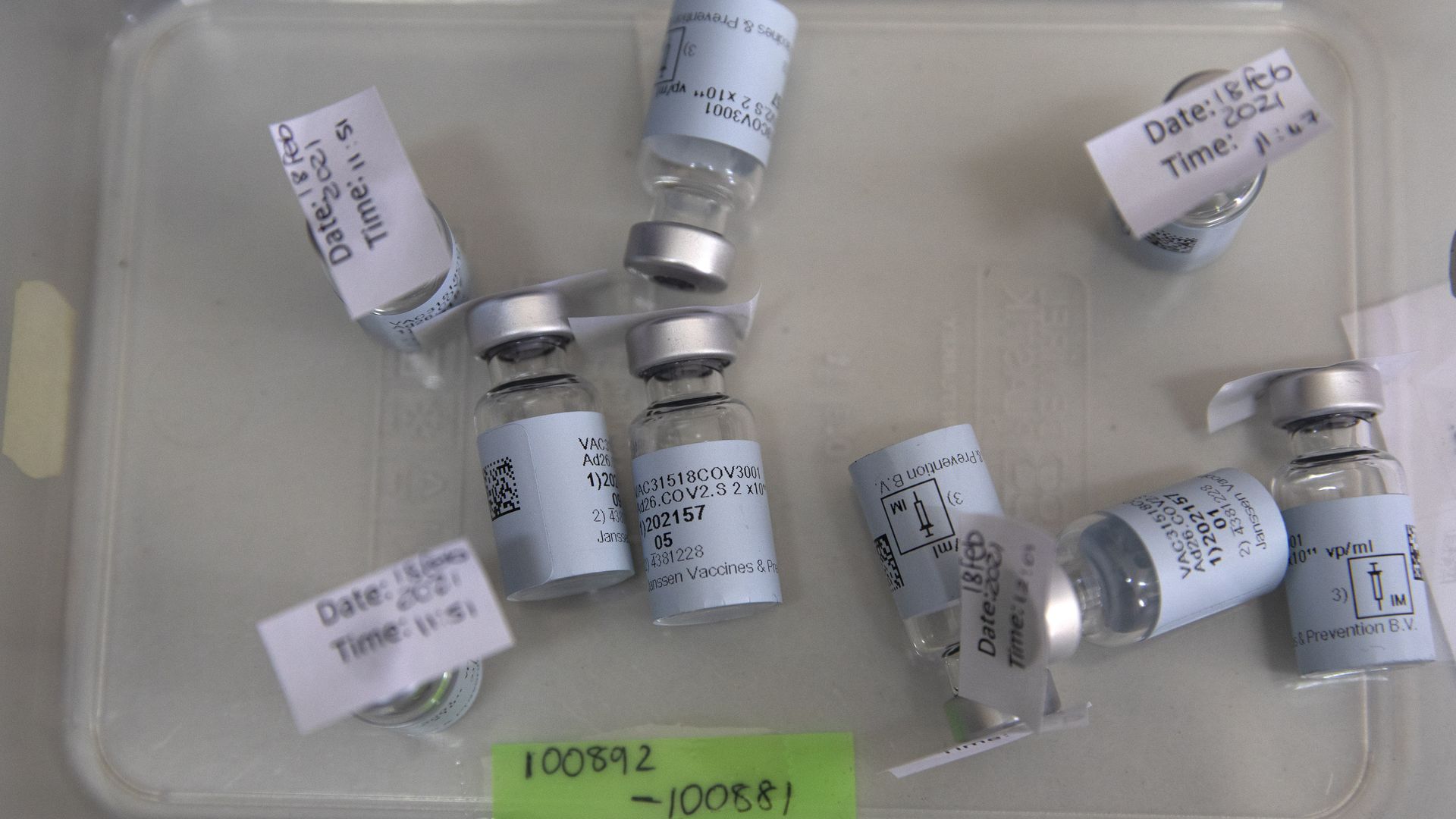
President Biden will announce Tuesday that pharmaceutical giant Merck will help Johnson & Johnson manufacture its newly authorized coronavirus vaccine to boost supply, a senior administration official tells Axios.
The big picture: The development has the potential to vastly increase supply, possibly doubling what the J&J could make on its own, the official said. The company has run into challenges while trying to expand its vaccine production to a global scale.
A new initiative — funded by DARPA, the Pentagon's high-tech research arm — is aiming to make it much easier to scale up the next generation of RNA- and DNA-based vaccines.
Driving the news: A consortium including GE Research, the Broad Institute and the University of Washington is announcing today that it's secured a $41 million grant from DARPA.
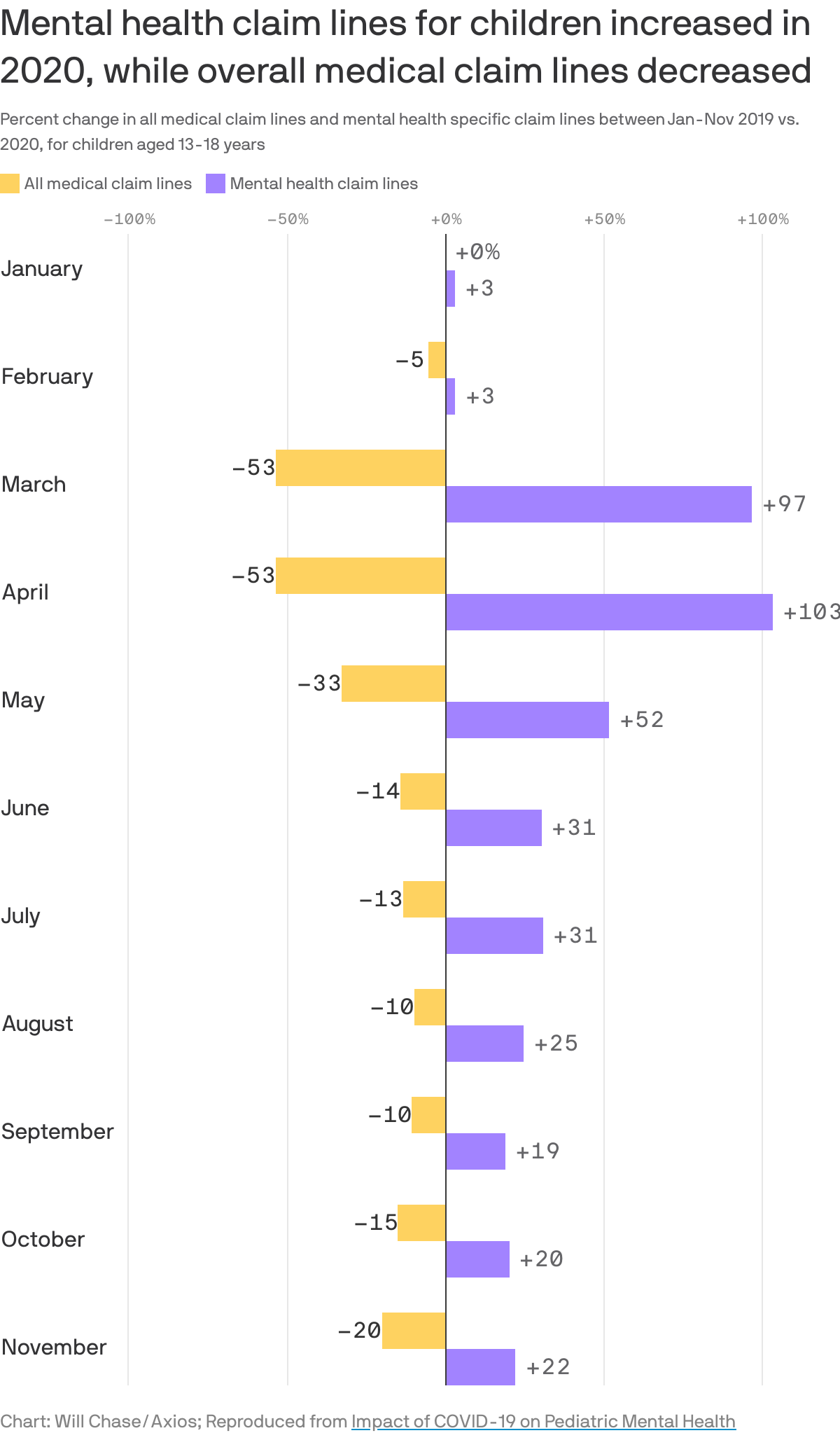
Teenagers' demand for mental health care skyrocketed last year amid the pandemic, even as their overall need for care declined, according to a new analysis by FAIR Health.
Why it matters: Parents, schools and pediatricians have been warning for months that kids aren't OK, and this analysis backs up their concern with numbers.
During the last year, Americans have felt stressed out and worried about the coronavirus — but now more say they're hopeful as the vaccines become available, according to the latest installment of the Axios/Ipsos Coronavirus Index.
The big picture: Americans finally see some light at the end of the tunnel as we approach the one-year anniversary of the national emergency over the pandemic — a year that has been full of misery, mental anguish, and sickness and death here and around the world.
Only the biggest subsidies through the Affordable Care Act improved families' overall financial well-being, according to a study published Monday in Health Affairs.
The big picture: Low-income families eligible for both premium subsidies and cost-sharing subsidies spent 17% less on out-of-pocket health care costs than unsubsidized enrollees. But the financial burden of health care costs didn't alleviate at all for middle-income families eligible only for premium subsdies.
Several countries in the Americas have received their first vaccine shipments over the past few weeks — not from the regional superpower or from Western pharmaceutical giants, but from China, Russia, and in some cases India.
Why it matters: North and South America have been battered by the pandemic and recorded several of the world’s highest death tolls. Few countries other than the U.S. have the capacity to manufacture vaccines at scale, and most lack the resources to buy their way to the front of the line for imports. That’s led to a scramble for whatever supply is available.
More than 72% of K-12 students are now attending schools that offer in-person or hybrid models of learning.
The big picture: The U.S. is seeing an almost-universal return of schools that were in-person as of November, as well as a gradual return in parts of the country that had been virtual for almost a year.
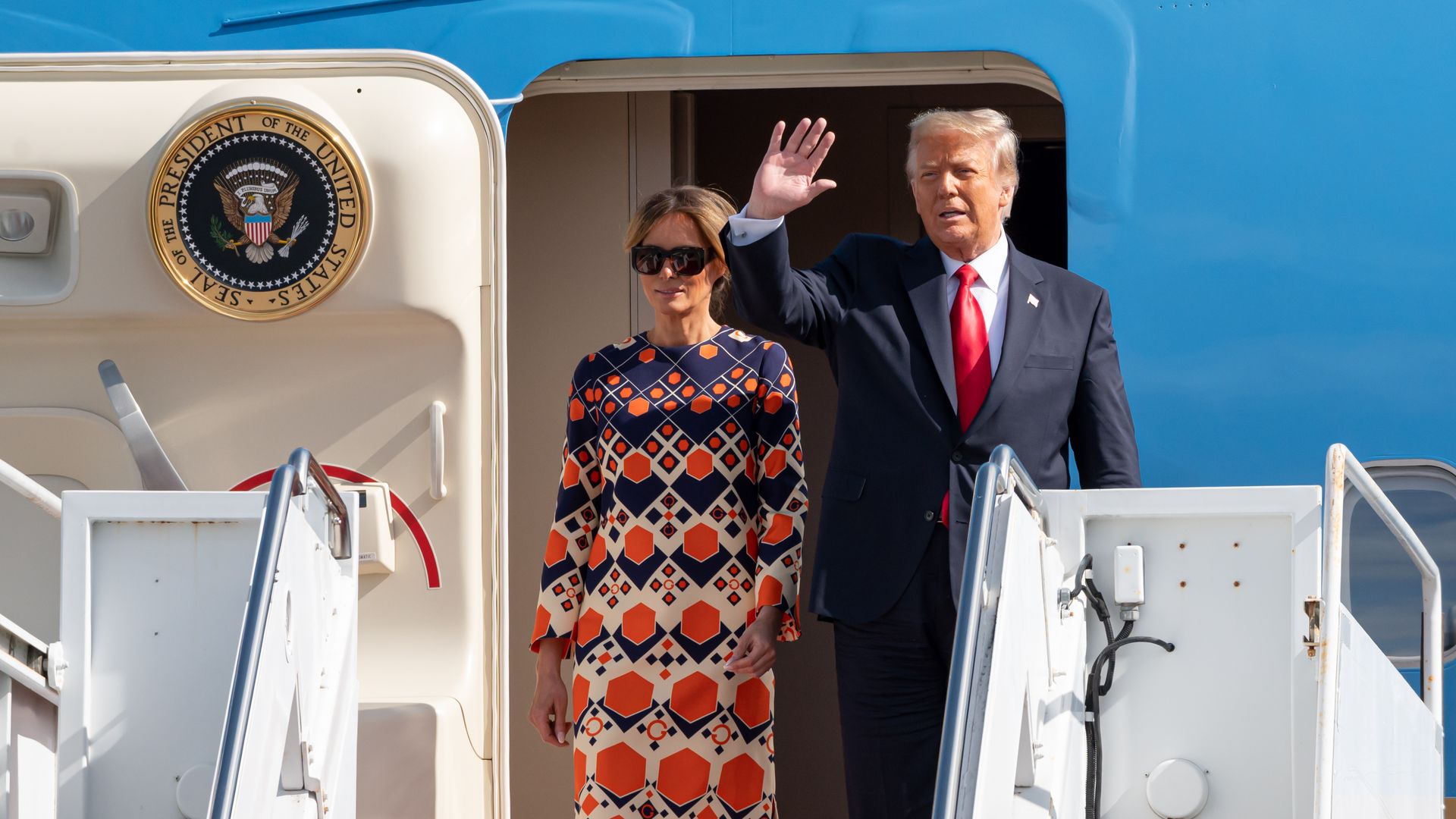
Former President Trump and former first lady Melania Trump were both vaccinated at the White House in January, a Trump adviser tells Axios.
Why it matters: Trump declared at CPAC on Sunday that "everybody" should get the coronavirus vaccine — the first time he's encouraged his supporters, who have been more skeptical of getting vaccinated, to do so.
Obamacare is still standing, despite numerous GOP efforts to repeal it and progressive pleas to expand it.
Dan talks with Jonathan Cohn, a longtime health care reporter at the Huffington Post and author of a new book on the ACA, “The 10 Year War,” to learn where the law stands today and what we should expect to come next.
The Biden administration will provide about $2.3 million to help bolster Affordable Care Act sign-ups in underserved communities, the Centers for Medicare & Medicaid Services said Monday.
Why it matters: This funding for ACA "navigators" who provide in-person enrollment assistance will help uninsured Americans take advantage of the special enrollment window that opens later this month.
CDC director Rochelle Walensky warned states on Monday that "now is not the time" to lift public health restrictions, as the recent dramatic declines in coronavirus cases and deaths "appear to be stalling."
Why it matters: While the average of 70,000 new infections and 2,000 daily deaths is nowhere near the extremely high levels recorded at the start of 2021, the figures are still a poor baseline to "stop a potential fourth surge" — especially with the threat posed by more contagious new variants, Walensky warned.
All Apple stores in the U.S. are open for the first time since businesses began widespread closures due to the coronavirus last spring, the company confirmed to CNBC.
Why it matters: The milestone is a sign that the pandemic is winding down in the U.S. The stores closed nearly a year ago as COVID-19 first began to spread rapidly across the country.
Johnson & Johnson CEO Alex Gorsky said Monday that he is "absolutely" confident that the company will be able to meet its distribution goals, which include 100 million doses by June and up to a billion by the end of 2021.
Driving the news: J&J is already in the process of shipping 3.9 million doses this week, just days after the FDA issued an emergency use authorization for the one-shot vaccine. Gorsky said he expects vaccines to be administered to Americans "literally within the next 24 to 48 hours."
The RNA technology that helped us get a COVID vaccine may help the world get a vaccine for malaria, too.
Driving the news: Scientists have applied for a patent for an RNA-based vaccine that might circumvent the problems that have made it difficult to come up with any kind of malaria vaccine, per the Academic Times.
Most states have not made much of their incarcerated populations eligible for the COVID-19 vaccine.
The big picture: Jails and prisons have seen big outbreaks and a higher death rate than the general public, but with supplies still limited, most governors aren't putting prisoners at the top of the list for vaccines.
The share of Americans who say they won’t get vaccinated is already small enough that the U.S. should be able to reach herd immunity even if the most reluctant people don’t change their minds.
By the numbers: According to the KFF Vaccine Monitor, 57% of adults either have already received at least one dose of a vaccine or plan to get vaccinated as soon as they can.