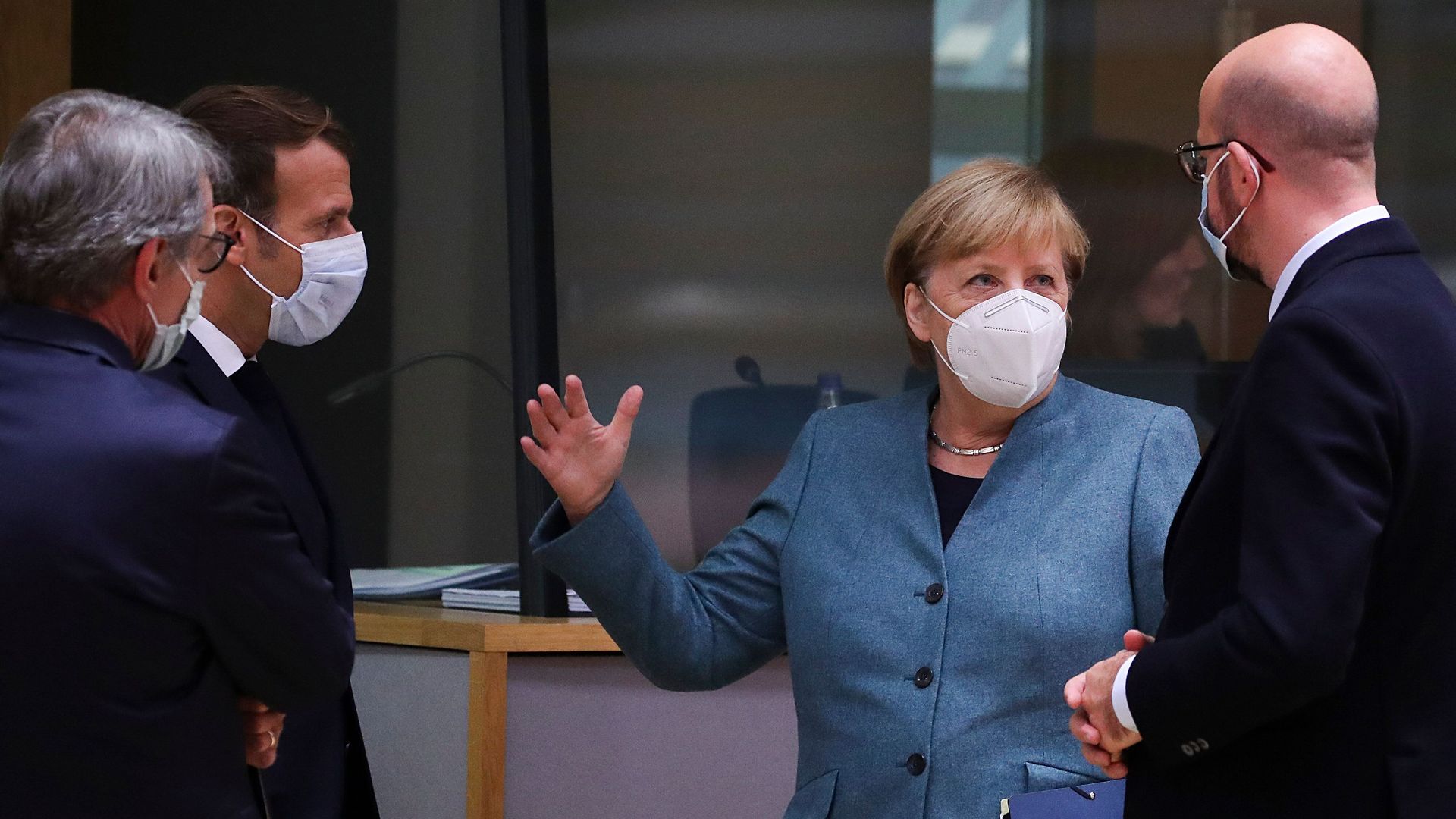
Italy on Thursday blocked the export of 250,000 AstraZeneca doses to Australia, becoming the first EU country to exercise an export ban due to a vaccine shortfall in the bloc.
Why it matters: The controversial step exposes multiple major challenges to distributing vaccines — even among the world’s richest countries.
Health insurers' massive pandemic windfallmay be interrupted, thanks to an uptick in people seeking the medical care they put off and higher COVID-19 testing and treatment costs.
Why it matters: It turns out that an uncontrolled pandemic gets expensive for insurers, patients, and employers.
Now that COVID-19 vaccines are bringing hope to fighting the pandemic, there is some concern the U.S. and others will lose interest in improving the tools needed to confront emerging outbreaks.
The big picture: On top of the coronavirus pandemic, there are currently other smaller outbreaks around the globe — some with pandemic potential. These, and the threat of viruses emerging in the future, mean more permanent pandemic preparedness is needed, experts tell Axios.
West Virginia has no plans to lift its mask mandate, Gov. Jim Justice (R) told CNN on Thursday, adding, "I don't know what the rush is, and if we don't watch out, we can make some mistakes."
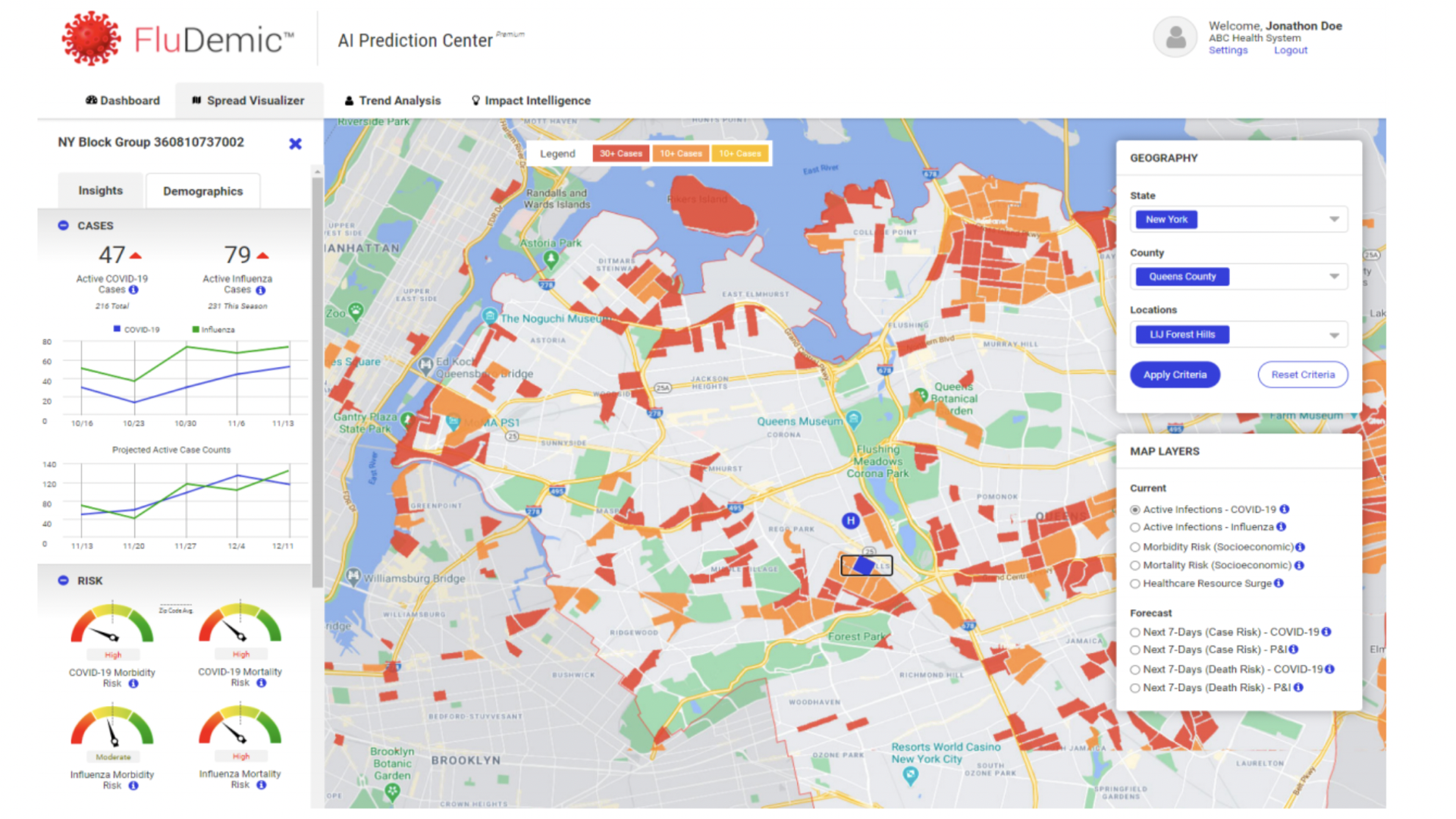
By combining a range of private and public information, a small startup says it is able to predict COVID-19 hot spots at the neighborhood level a week out — with 92% accuracy.
Telemedicine and other health-related technologies have gotten huge boosts over the past year as COVID-19 upended how patients receive medical attention.
Why it matters: Virtual doctor's appointments and therapy sessions will likely be the norm, even after more people are vaccinated.
The U.S. may be on the verge of another surge in coronavirus cases, despite weeks of good news.
The big picture: Nationwide, progress against the virus has stalled. And some states are ditching their most important public safety measures even as their outbreaks are getting worse.
British scientists are trying to develop a way to deliver COVID-19 vaccines without a needle, the Wall Street Journal reports.
Why it matters: If annual booster shots ultimately become necessary, as some experts anticipate, alternate delivery systems could make them easier to administer, including at home, and increase uptake.
Michael Neidorff, CEO of health insurance company Centene, made almost $59 million in 2020, according to calculations from the company's preliminary financial documents. That amount was roughly 1.5 times more than what Neidorff made in 2019.
The bottom line: Neidorff's compensation is an early sign of how corporate executives, especially those in health care, reaped large, stock-heavy paydays during the coronavirus pandemic, despite the broader economic turmoil.
Canada's National Advisory Committee on Immunization (NACI) on Wednesday recommended extending the interval between first and second doses of COVID-19 to up to four months to boost inoculation numbers.
Why it matters: The panel said taking such action would allow about 80% of Canadians over 16 to receive a single dose by the end of June.
The U.S. has administered 80,540,474 COVID-19 doses as of Wednesday, CDC data shows.
Why it matters: That's 75% of the 107,028,890 doses delivered. It means some 1.9 million more doses have been reported administered since Tuesday, taking the seven-day average to over 2 million a day for the first time, CNN notes. Nearly 53 million people, or 16% of the U.S. population, have had at least one COVID shot and almost 27 million have had two, per the CDC.