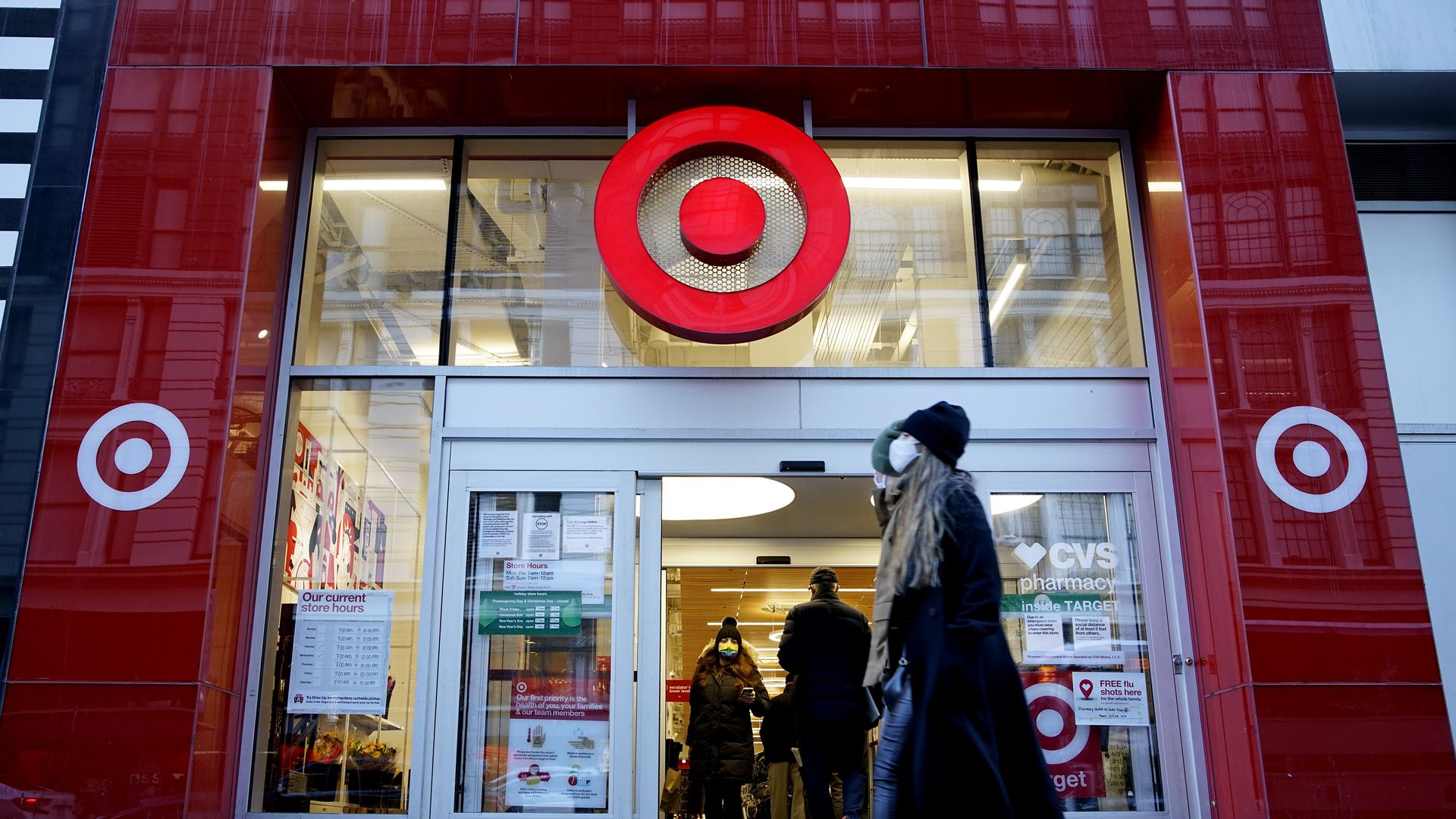
Some of the biggest chains in the U.S., including Target and Starbucks, will continue to require masks and limit capacity in Texas and Mississippi after the states lift coronavirus restrictions, Wall Street Journal reports.
Why it matters: The Republican governors' move to reopen "100%" has divided the business community, with some welcoming the decision while others worry about risk of backslide on progress and put workers at risk.
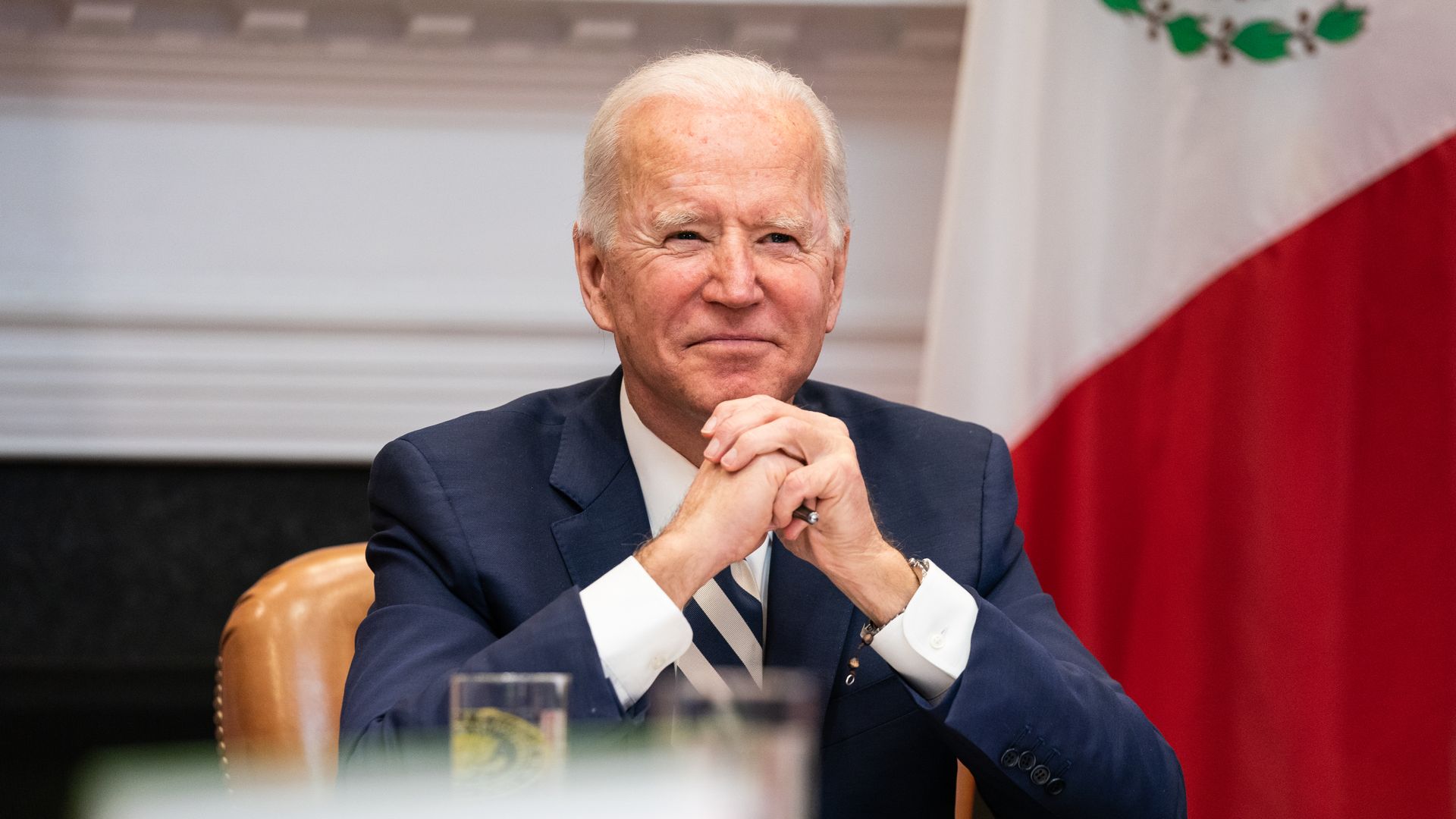
States that are relaxing coronavirus restrictions are making "a big mistake," President Biden told reporters on Wednesday, adding: "The last thing we need is Neanderthal thinking."
President Biden on Wednesday used the federal government to prioritize vaccinating teachers and child care workers, an effort to get kids back in schools, WashPost reports.
What he's saying: "My challenge to all states, territories and the District of Columbia is this: We want every educator, school staff member, child care worker to receive at least one shot by the end of the month of March," Biden said.
The U.S. now has three COVID-19 vaccines, and public health officials are quick — and careful — to say there’s no bad option. But their effectiveness, manufacturing and distribution vary.
Why it matters: Any of the authorized vaccines are much better than no vaccine, especially for people at high risk of severe coronavirus infections. But their differences may fuel perceptions of inequity, and raise legitimate questions about the best way to use each one.
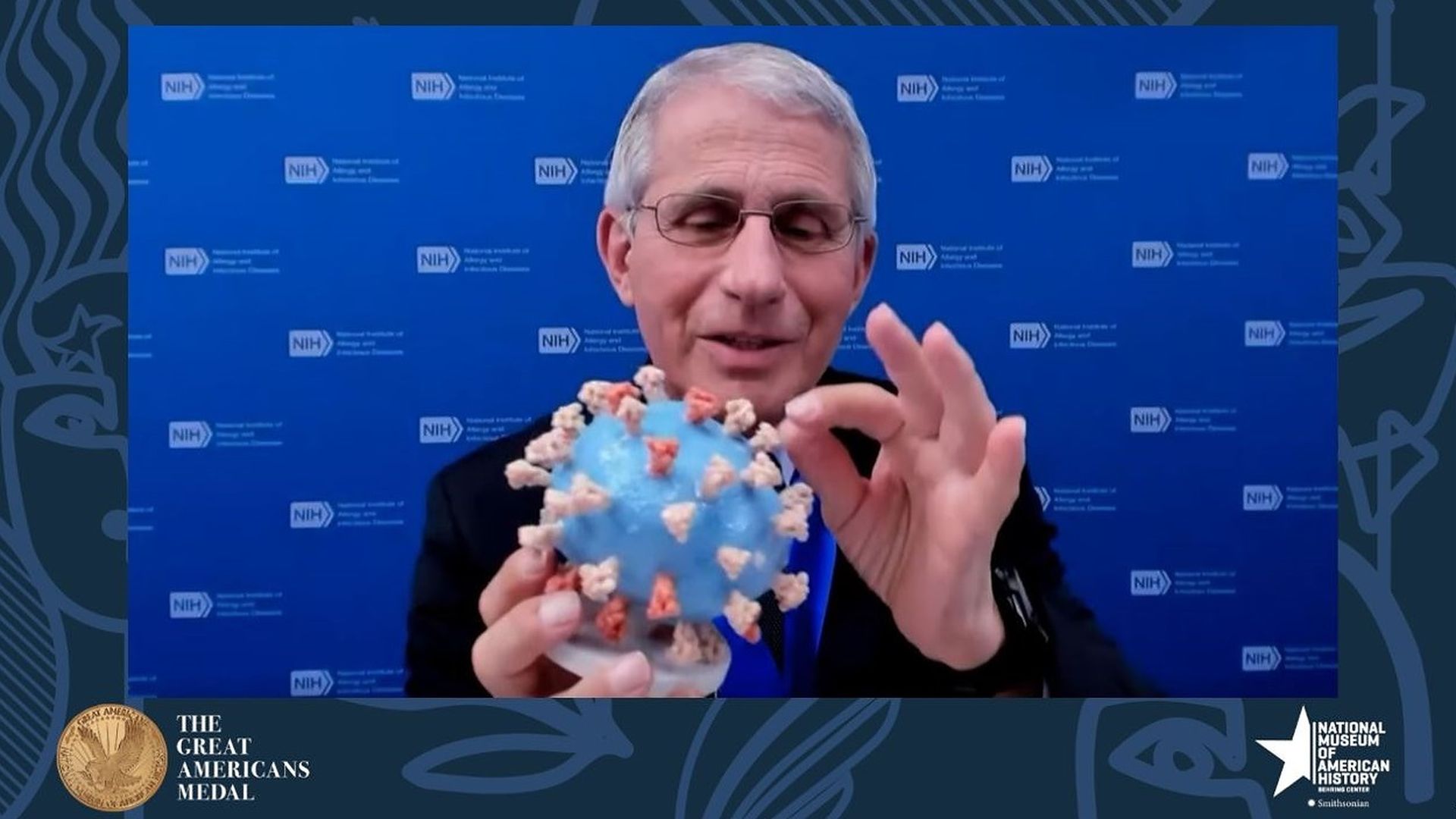
NIAID director Anthony Fauci gave the Smithsonian's National Museum of American History his personal COVID-19 model Tuesday, as he was honored with the institution's Great Americans Medal.
The big picture: Fauci virtually presented the educational tool, made with a 3D printer, to museum director Anthea Hartig. She praised him in a statement for his "humanitarianism" and "dedication," helping to "save millions of lives" and advance the treatment and understanding of infectious and immunologic diseases. Fauci said in a video the medal was a "humbling honor."
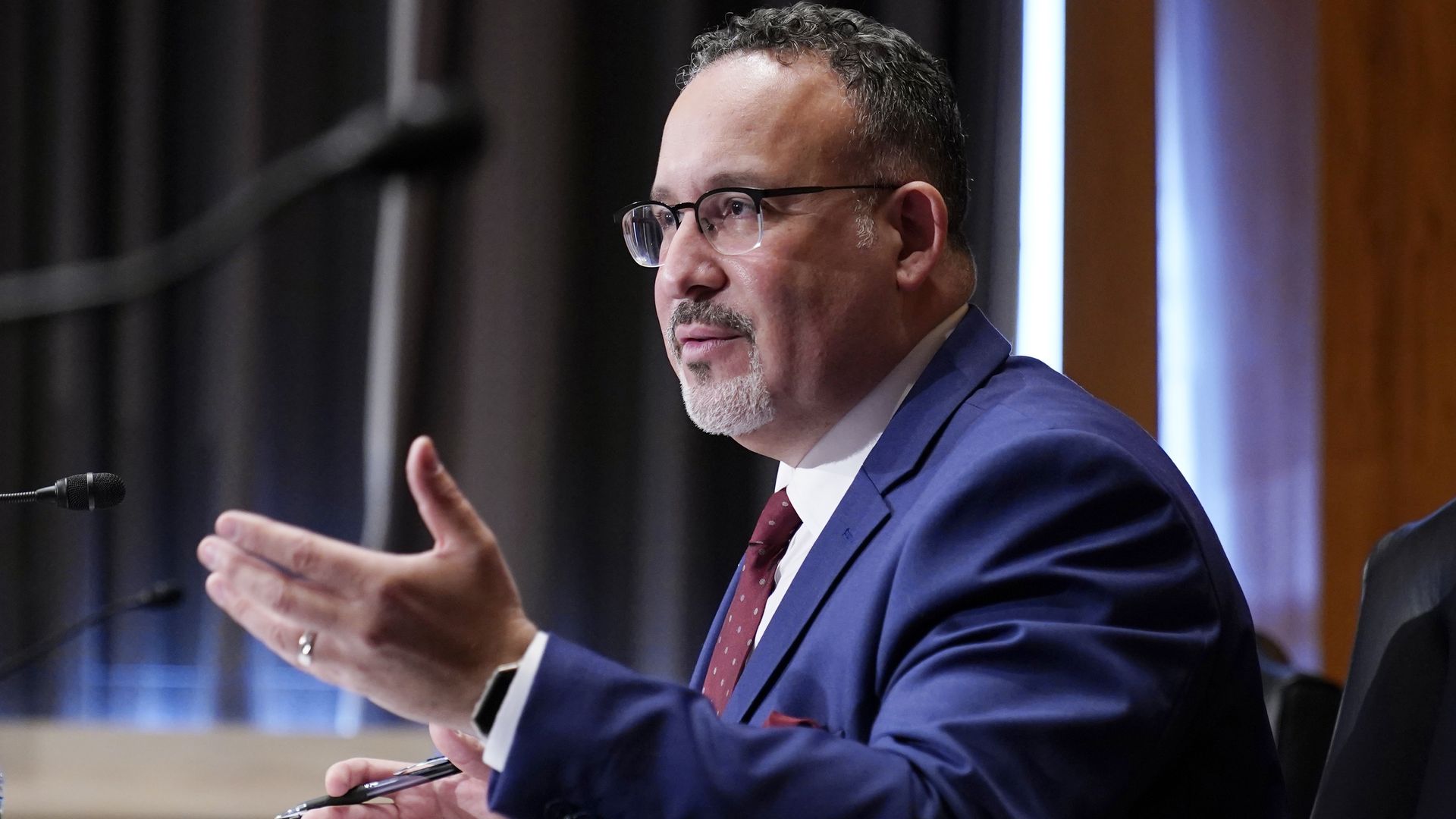
The Department of Education is planning a national summit in March on how to safely reopen schools, Education Secretary Miguel Cardona announced in a USA Today op-ed Tuesday.
Why it matters: By announcing the summit, the Biden administration is trying to depoliticize an issue that some of the president's advisers worry will hurt them with suburban parents.
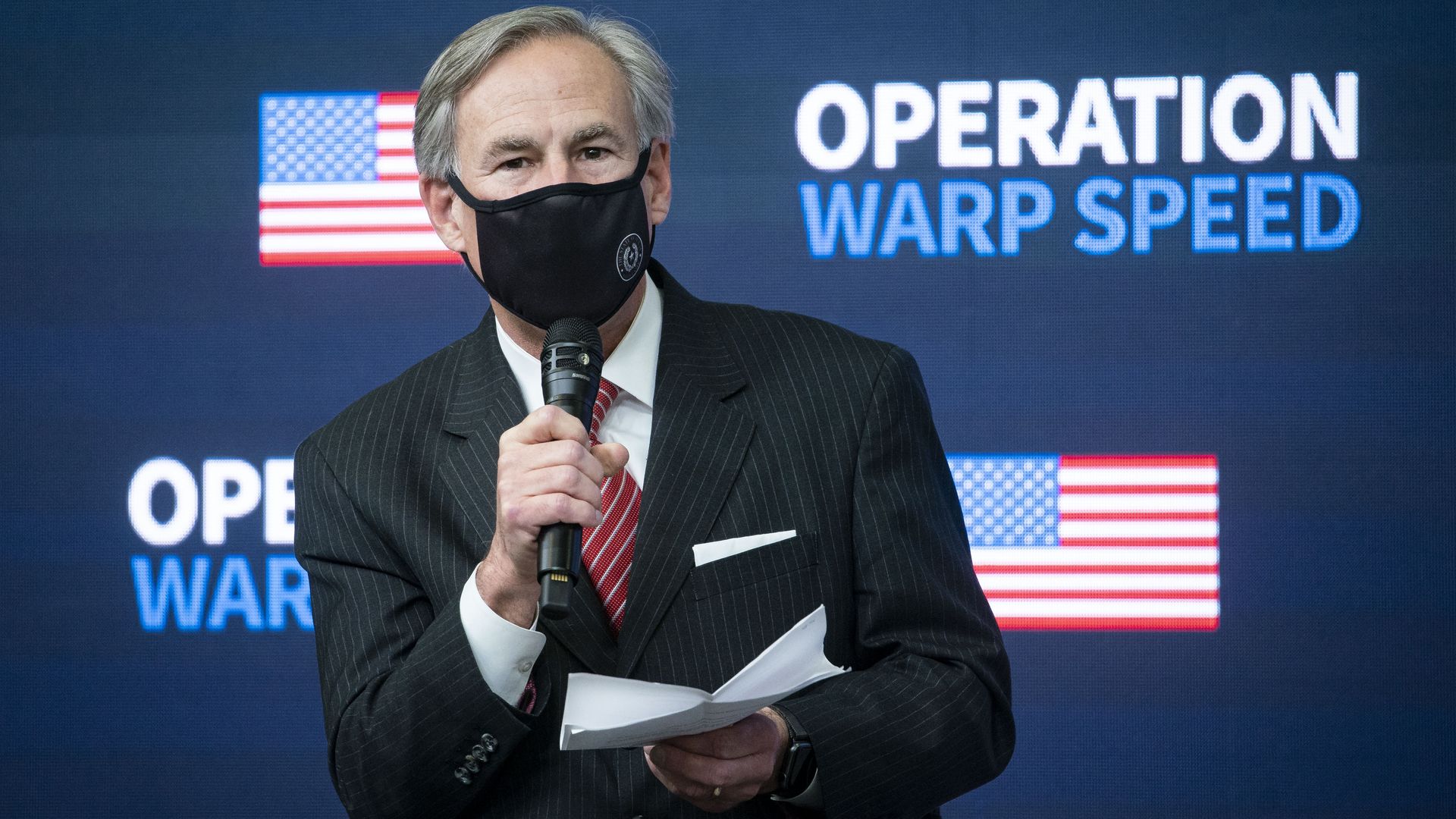
Texas will end its coronavirus restrictions next week with an upcoming executive order, Gov. Greg Abbott (R) announced Tuesday during a press conference in Lubbock.
Why it matters: After Abbott signs the new order, which rescinds previous orders, all businesses can open to 100% capacity and the statewide mask mandate will be over, though large parts of the state will remain under mask local ordinances.
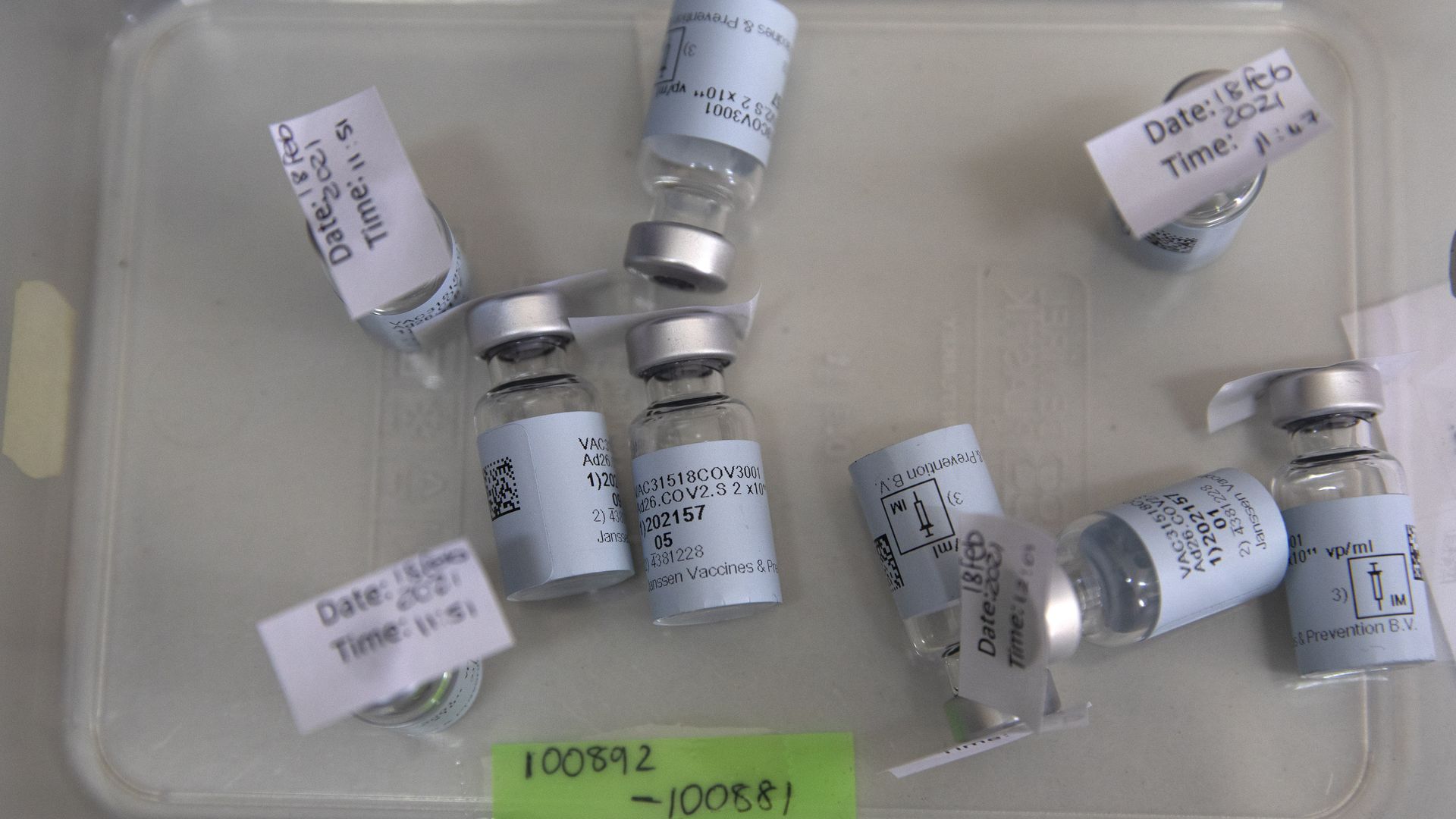
President Biden will announce Tuesday that pharmaceutical giant Merck will help Johnson & Johnson manufacture its newly authorized coronavirus vaccine to boost supply, a senior administration official tells Axios.
The big picture: The development has the potential to vastly increase supply, possibly doubling what the J&J could make on its own, the official said. The company has run into challenges while trying to expand its vaccine production to a global scale.
A new initiative — funded by DARPA, the Pentagon's high-tech research arm — is aiming to make it much easier to scale up the next generation of RNA- and DNA-based vaccines.
Driving the news: A consortium including GE Research, the Broad Institute and the University of Washington is announcing today that it's secured a $41 million grant from DARPA.
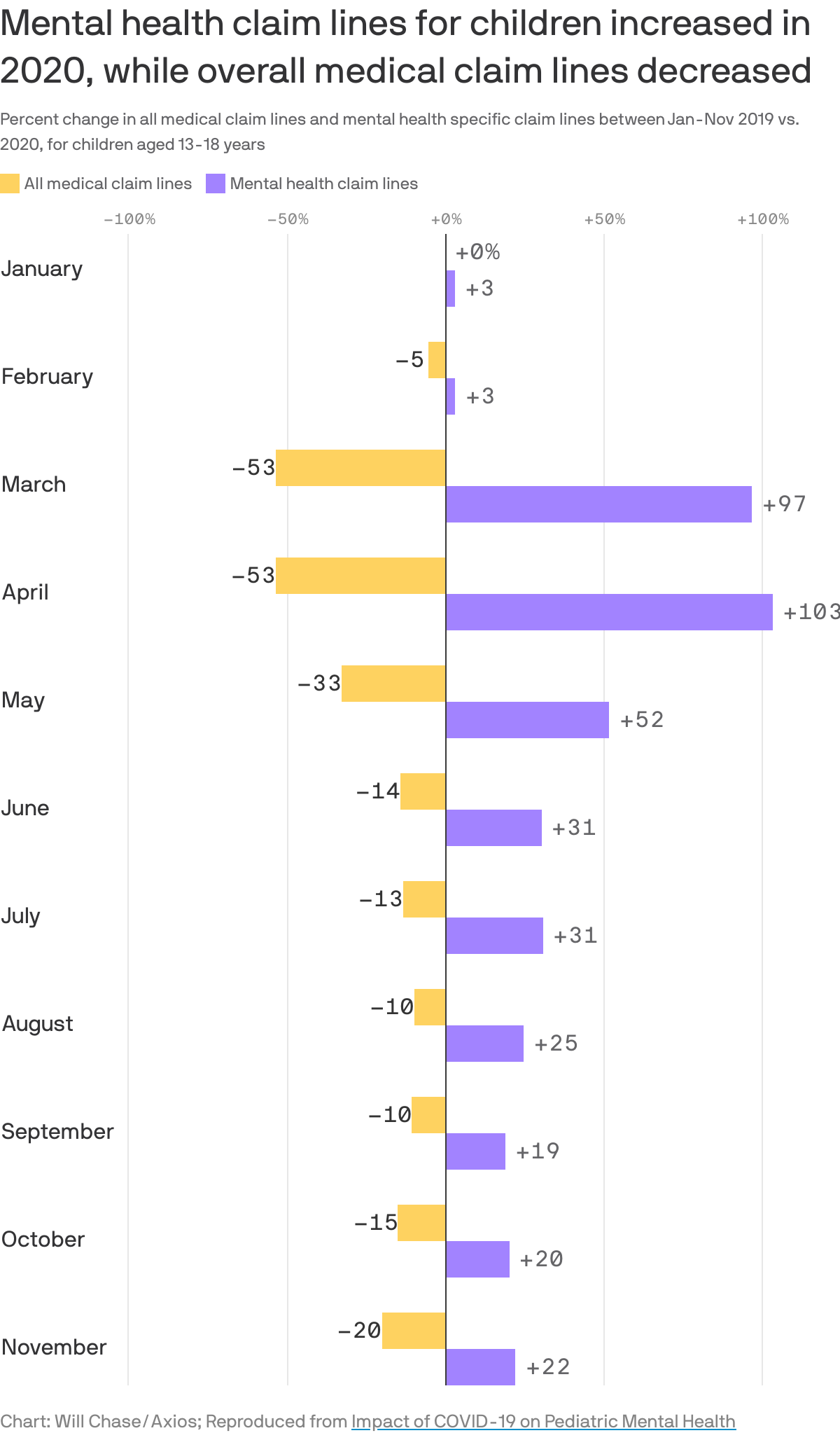
Teenagers' demand for mental health care skyrocketed last year amid the pandemic, even as their overall need for care declined, according to a new analysis by FAIR Health.
Why it matters: Parents, schools and pediatricians have been warning for months that kids aren't OK, and this analysis backs up their concern with numbers.
During the last year, Americans have felt stressed out and worried about the coronavirus — but now more say they're hopeful as the vaccines become available, according to the latest installment of the Axios/Ipsos Coronavirus Index.
The big picture: Americans finally see some light at the end of the tunnel as we approach the one-year anniversary of the national emergency over the pandemic — a year that has been full of misery, mental anguish, and sickness and death here and around the world.
Only the biggest subsidies through the Affordable Care Act improved families' overall financial well-being, according to a study published Monday in Health Affairs.
The big picture: Low-income families eligible for both premium subsidies and cost-sharing subsidies spent 17% less on out-of-pocket health care costs than unsubsidized enrollees. But the financial burden of health care costs didn't alleviate at all for middle-income families eligible only for premium subsdies.
Several countries in the Americas have received their first vaccine shipments over the past few weeks — not from the regional superpower or from Western pharmaceutical giants, but from China, Russia, and in some cases India.
Why it matters: North and South America have been battered by the pandemic and recorded several of the world’s highest death tolls. Few countries other than the U.S. have the capacity to manufacture vaccines at scale, and most lack the resources to buy their way to the front of the line for imports. That’s led to a scramble for whatever supply is available.