Making sure we can safely return to work and public life post-coronavirus will require new rules, new equipment — and even whole new jobs.
The big picture: The U.S. needs anywhere from 100,000 to 300,000 contact tracers, whose job it is to keep track of people who have been exposed to the virus and give them advice on how to contain it, the New York Times' Jacey Fortin writes.
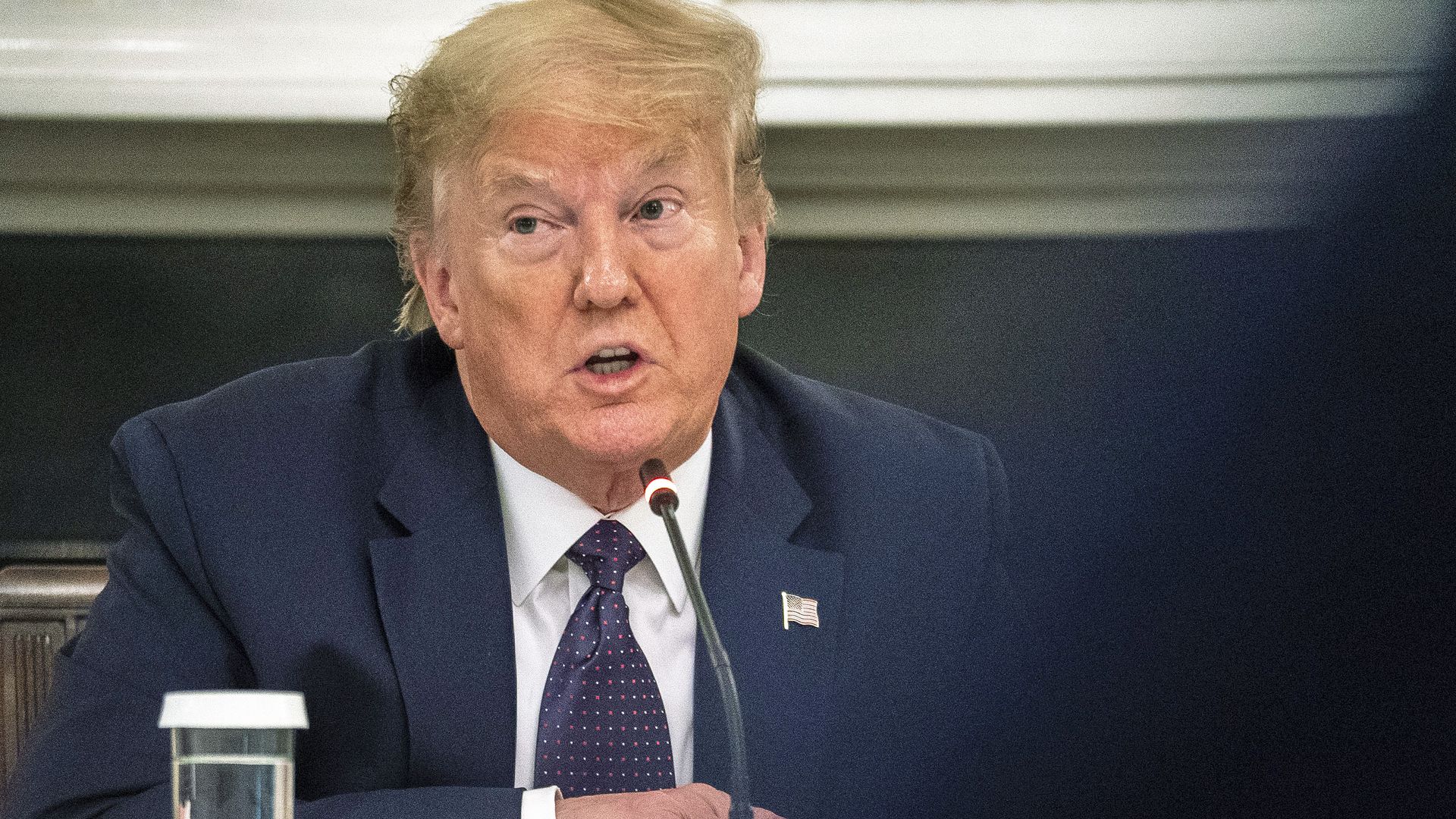
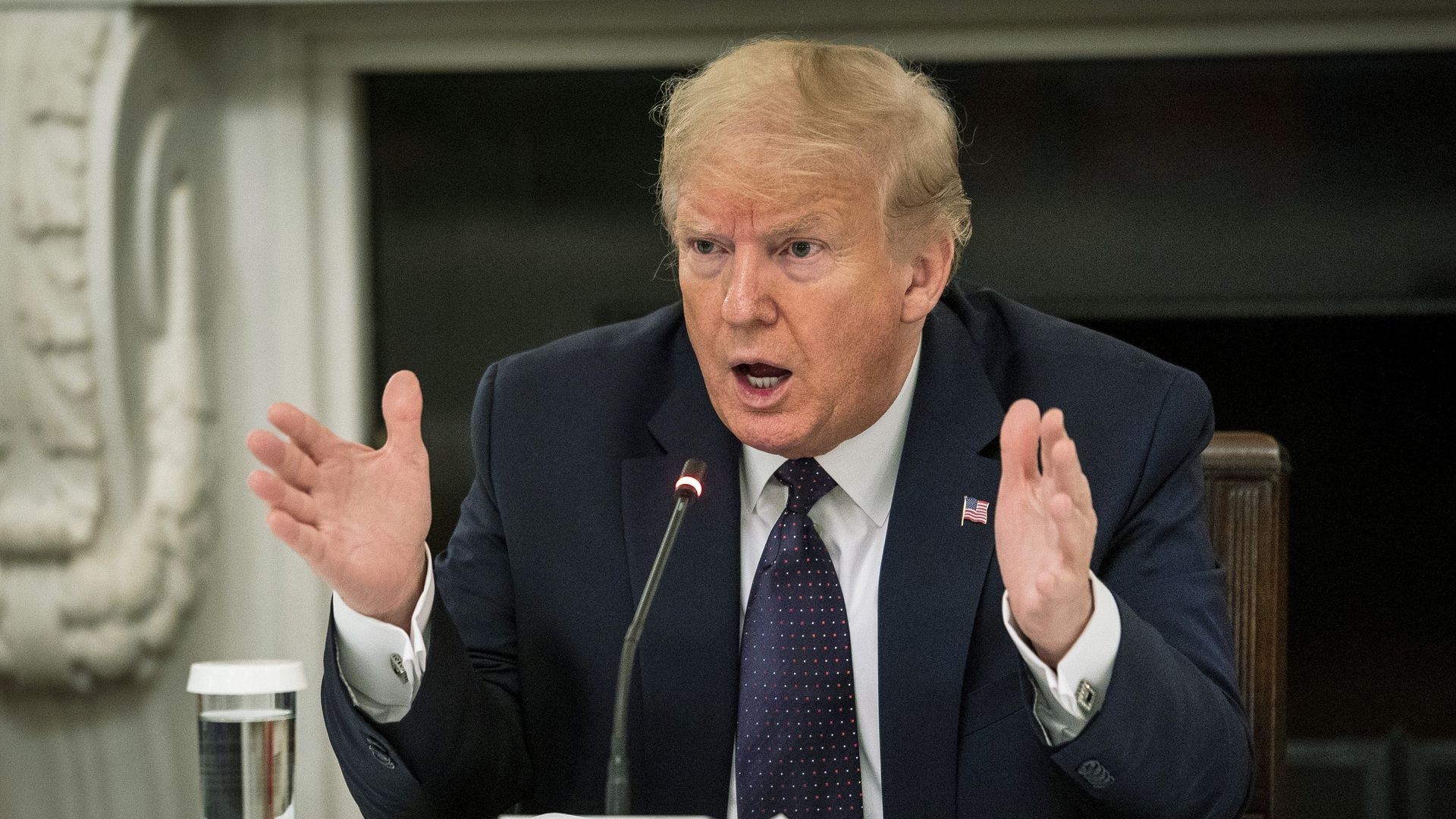
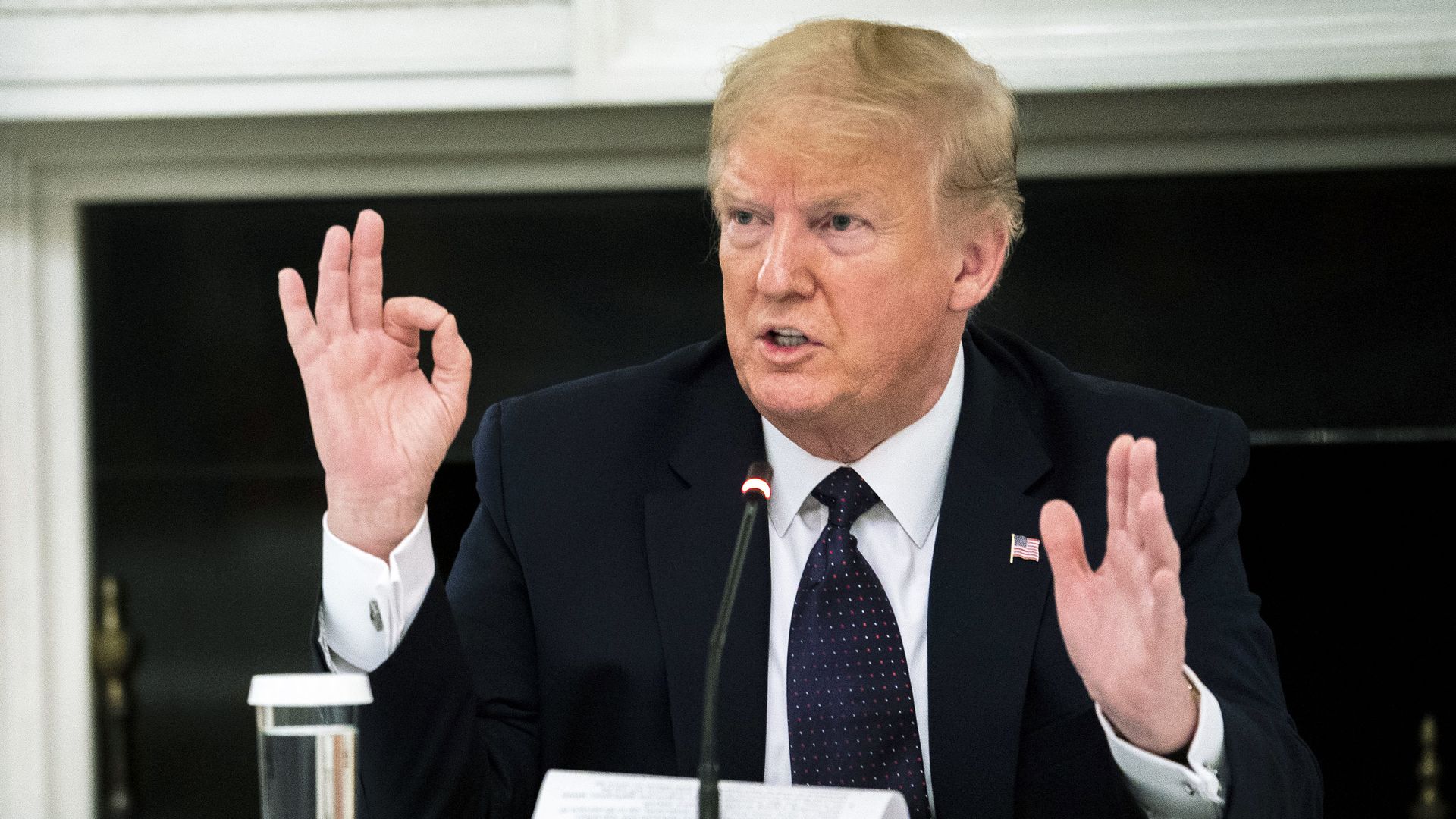
Asked about the FDA's warning about the use of hydroxychloroquine for coronavirus patients, Trump responded by attacking a non-peer reviewed study released last month that found an increased risk of death associated with patients who were only treated with the antimalarial drug — calling it a "false study."
Why it matters: The president, who revealed Monday he is taking the drug as a "line of defense" against the virus, referred to the study as a "Trump enemy statement." He did not address the FDA's warning that hydroxychloroquine appears to cause some serious and potentially life-threatening side effects in coronavirus patients.
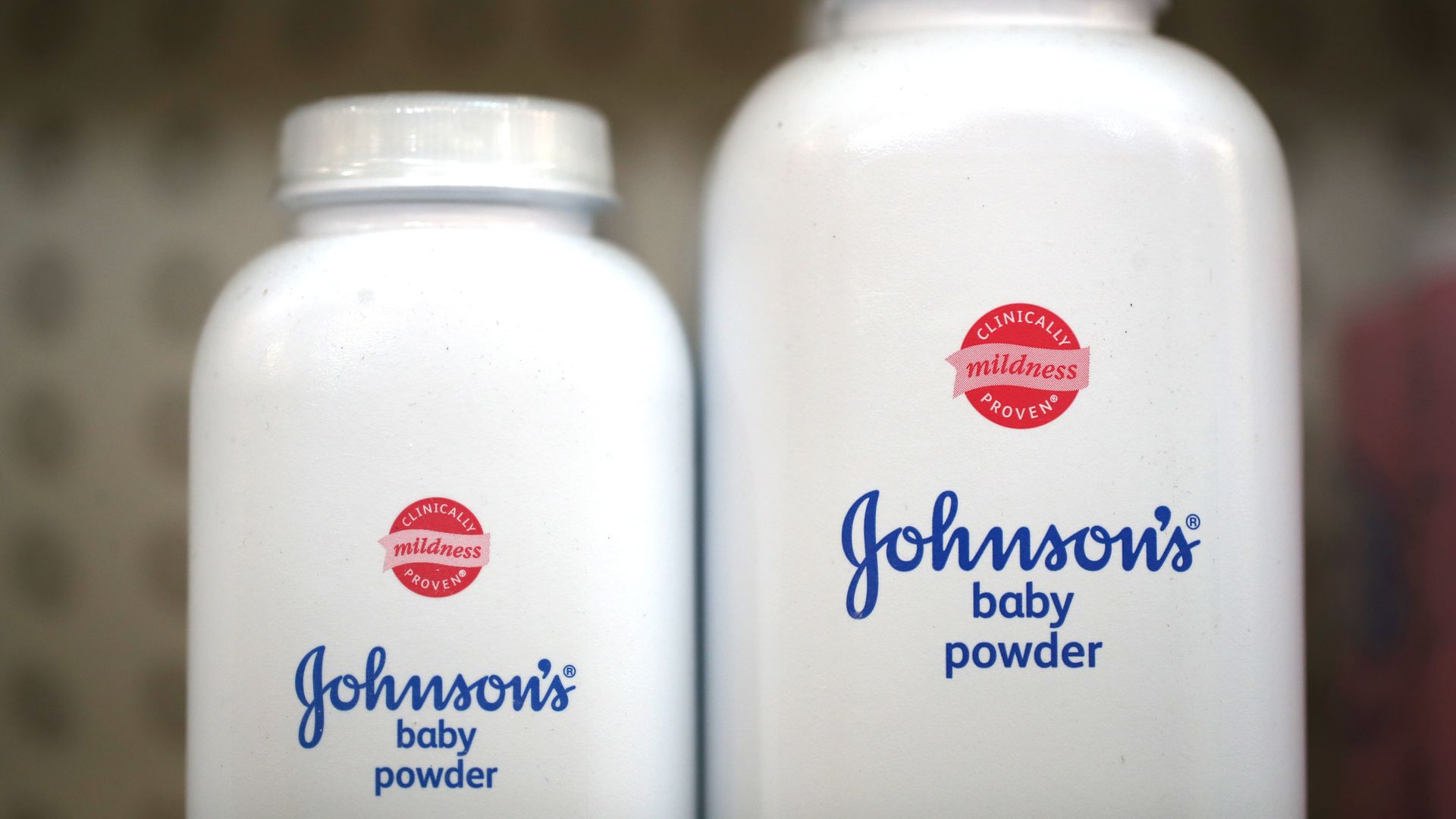
Johnson & Johnson will stop selling its talcum baby powder in the U.S. and Canada as it faces nearly 20,000 lawsuits that allege the product can cause cancer, the company announced Tuesday.
The big picture: Sales of the powder have dropped 60% in the last three years, per the Financial Times. In 2018, the company was forced to pay $4.7 billion in damages to 22 women who alleged they got cancer from using the product.
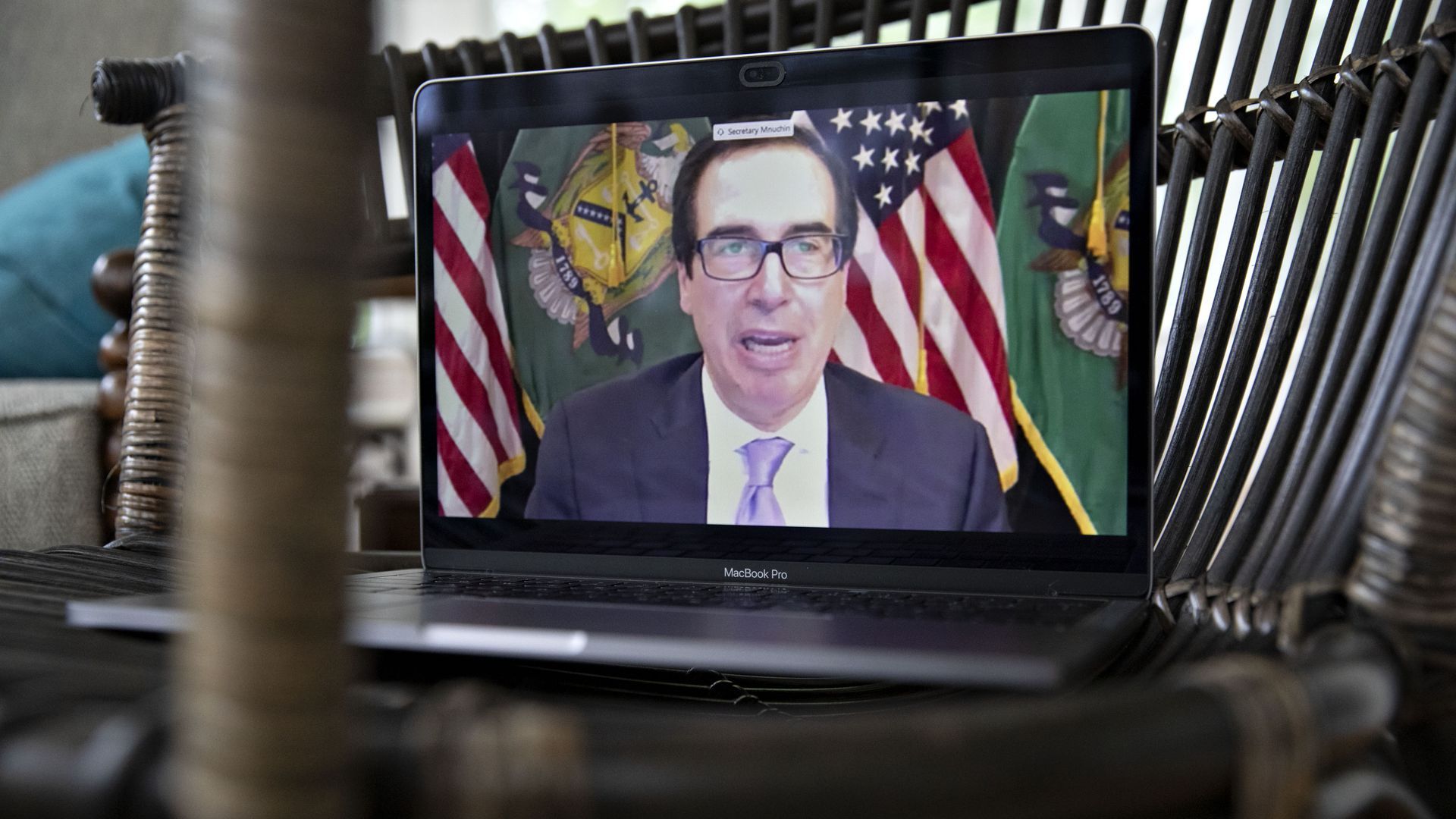
One takeaway from Tuesday's Senate coronavirus bailout hearing: The Treasury Department and Federal Reserve both think the worst could be yet to come for America's economy.
Why it matters: Fed Chair Jerome Powell reiterated his belief that a full recovery may not come until there's a vaccine, and Treasury Secretary Steven Mnuchin said there's the risk of "permanent damage" if states delay reopening.
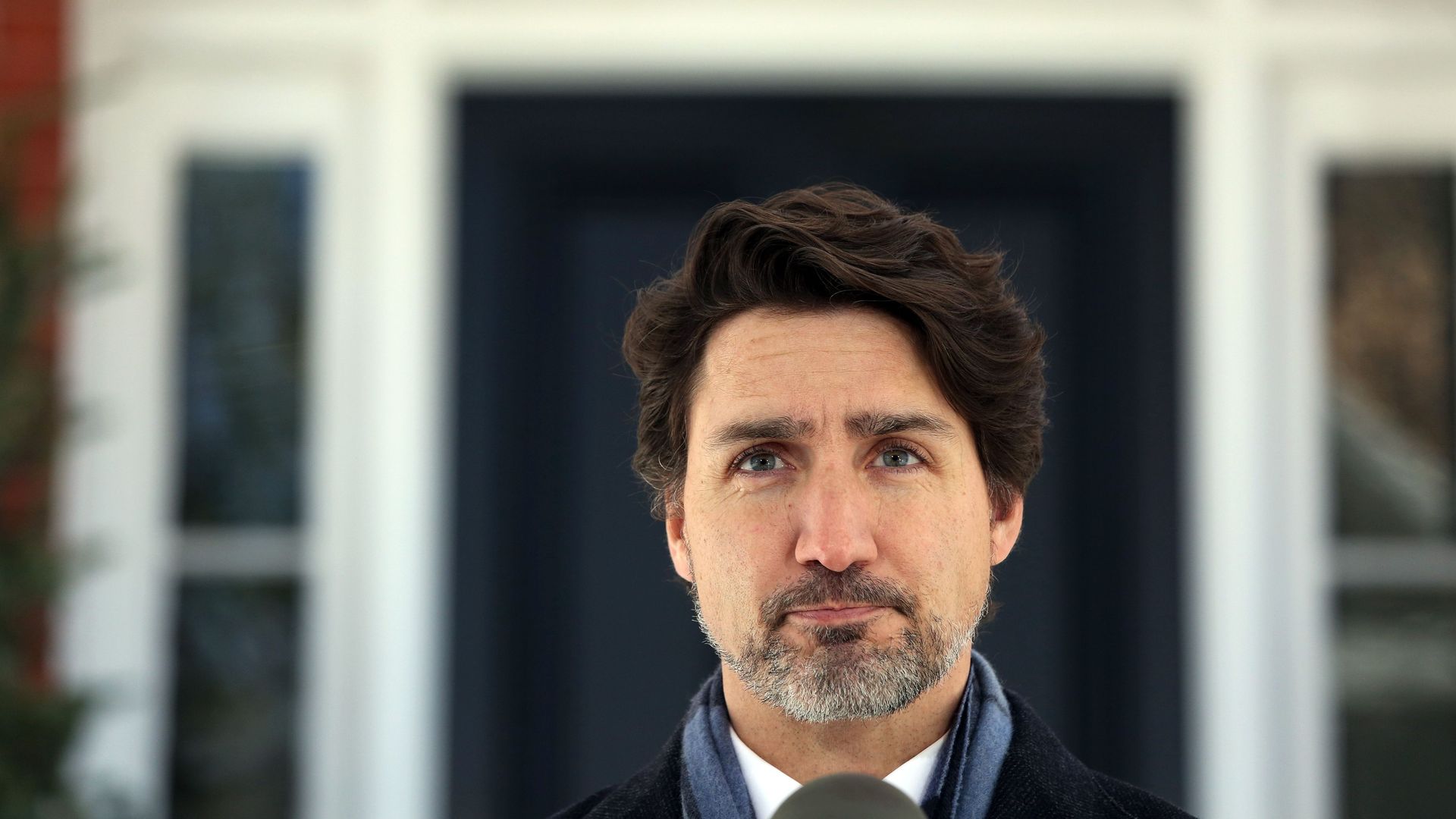
Nonessential traffic between the U.S. and Canada will be restricted for another 30 days, due to the coronavirus pandemic, Prime Minister Justin Trudeau said at a press conference on Tuesday.
The big picture: The temporary travel restrictions — which have been a mutual effort between the two countries, Trudeau stressed — will last a total of three months under his latest extension.
New York University announced on Tuesday that it will resume in-person classes this fall after finishing its spring semester remotely due to the coronavirus pandemic, NYU Local reports, citing an email from the school's provost.
Why it matters: K-12 schools and colleges across the country are grappling with plans for their fall term. Some schools will continue classes online to promote social distancing, while others argue that another remote semester could financially debilitate institutions and decrease retention.
35 of the 92 people (38%) who attended services at a rural Arkansas church March 6–11 tested positive for the coronavirus, ultimately killing three, according to a case study released Tuesday by the CDC.
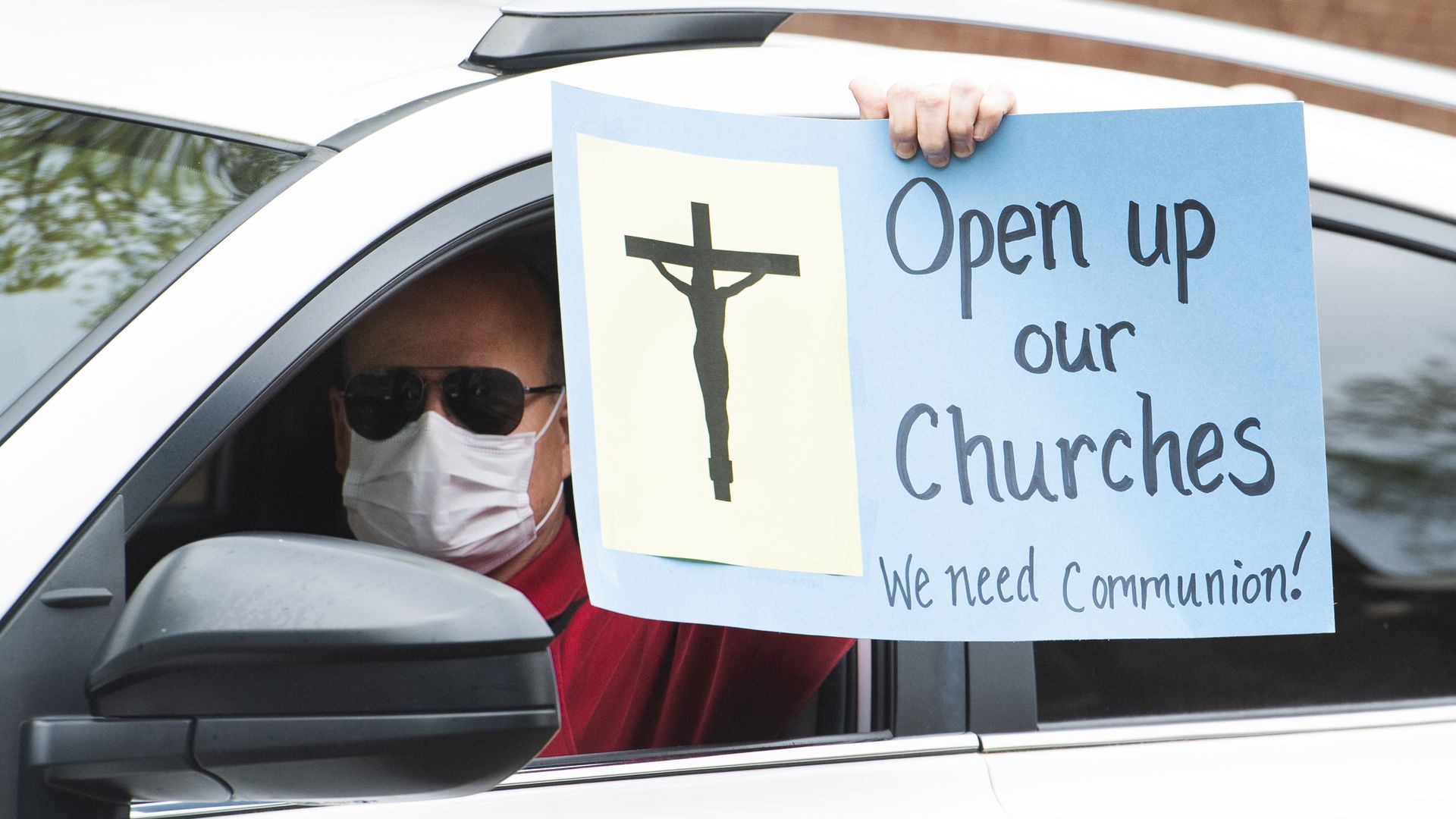
Why it matters: Places of worship continue to be a problem for controlling the widespread transmission of the coronavirus, especially as some churches and local government officials push to loosen restrictions on religious gatherings.
Hospitals have been at surge capacity to treat COVID-19 patients — but they’ve taken big hits due to the massive drop off in elective surgeries and procedures. In fact, the sector lost 1.5 million jobs last month. Dan and Axios' Bob Herman discuss what happens next.
The Lancet medical journal issued a statement Tuesday responding to a letter President Trump sent to the World Health Organization about the coronavirus, calling his citation of its studies "factually incorrect."
The big picture: In a letter sent to the WHO's director-general on Monday, Trump claimed the global health agency “consistently ignored credible reports of the virus spreading in Wuhan in early December 2019 or even earlier, including reports from the Lancet medical journal." The Lancet said in a statement that it did not publish any papers on a virus or outbreak in Wuhan or China in the month of December.
New analyses about electric vehicles underscore two things: the pandemic is creating unprecedented turmoil for all kinds of energy technologies, and attempts to assess the fallout are more art than science.
Driving the news: A brand new analysis from the research firm BloombergNEF projects that global electric vehicle sales will drop 18% this year, which would end 10 years of growth but represents a smaller decline than their estimated cut to sales of traditional cars.
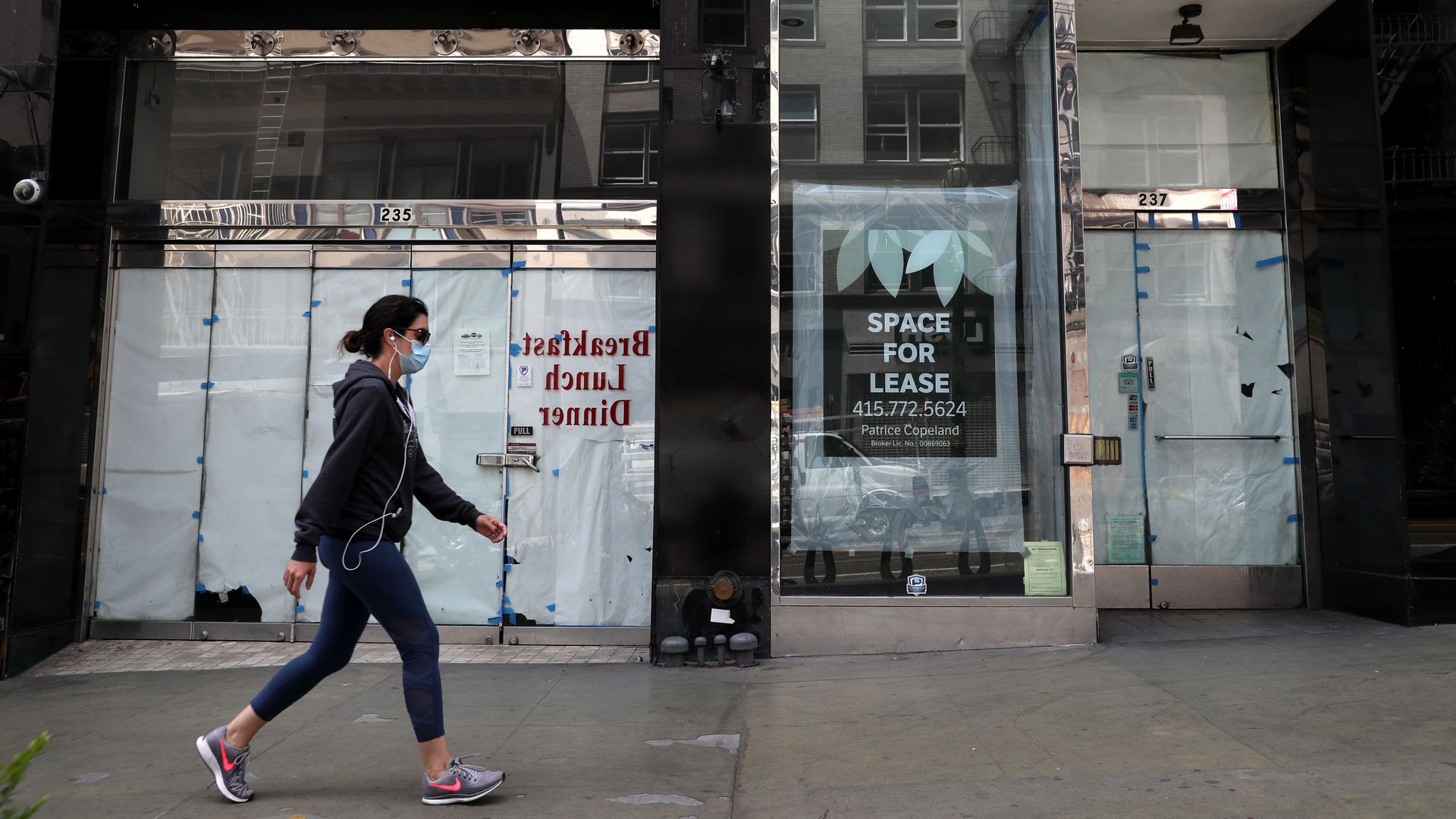
What they're saying: The much ballyhooed retail apocalypse is poised to benefit budget retail names like Ross and Kohl's that have gained market share in recent years.
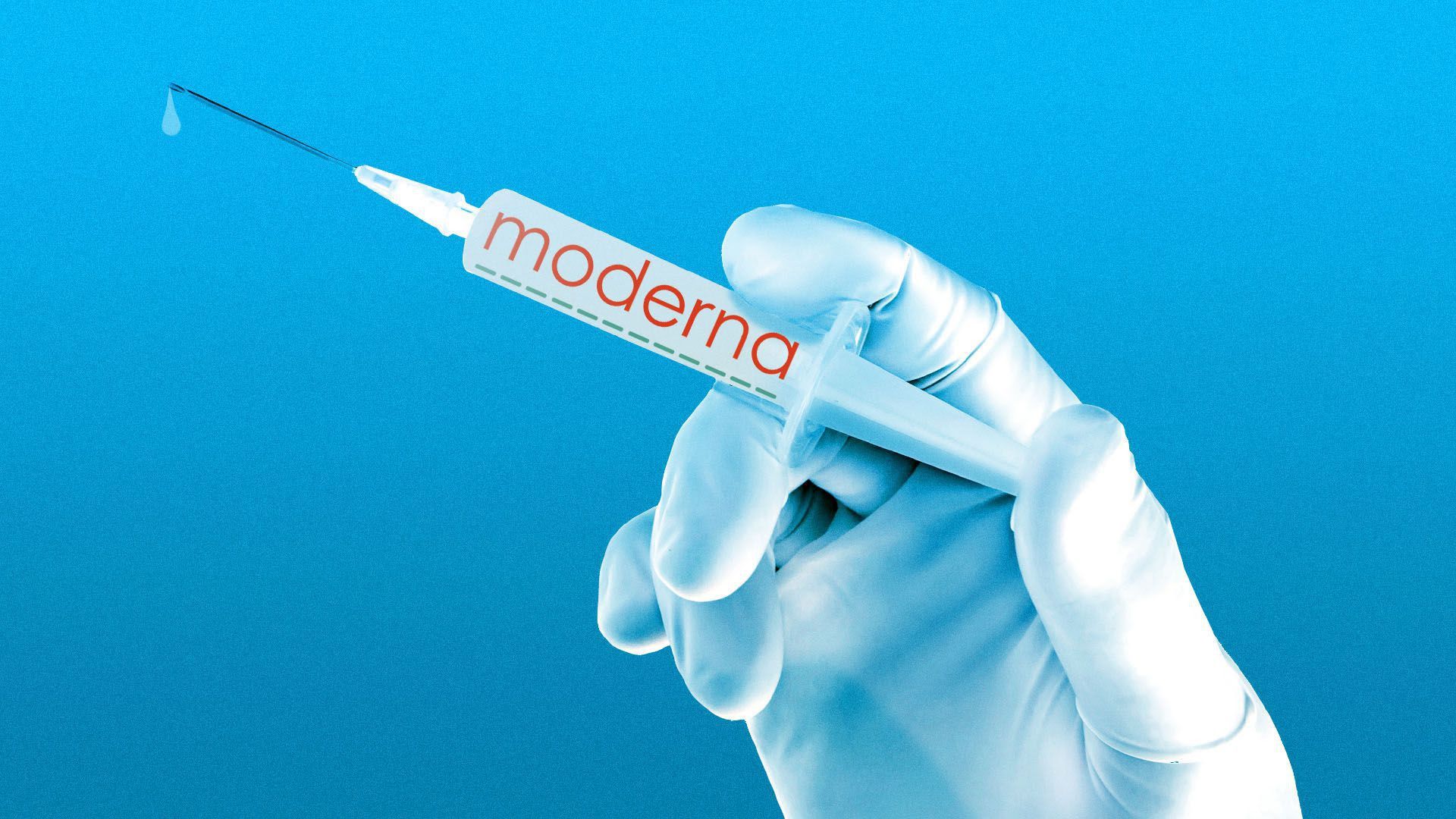
Biotech company Moderna had a day for the ages on Monday and finished by announcing the issue of $1.34 billion of new stock at a hefty price.
What happened: A small number of healthy patients given the first doses of Moderna's coronavirus vaccine appeared to have generated antibody responses to the virus, according to early phase one trial data released by the company Monday.
The coronavirus pandemic has shut down college sports, forcing athletic departments to search for any cost-cutting measures they can find.
Why it matters: While some of those are temporary, like furloughing employees, halting travel and asking head coaches to take pay cuts, others could be more permanent as schools take a closer look at their budgets and revisit why they were spending money on certain things in the first place.
A large majority of Americans say they're likely to cooperate with contact tracing and isolation efforts — as long as that doesn't involve handing over their cellphone location data, according to the latest installment of the Axios-Ipsos Coronavirus Index.
Why it matters: Basing contact tracing efforts around voluntary cellphone programs is only effective if people are willing to use those programs — which Americans generally aren't, as we reported last week.
As the coronavirus pandemic drags on, many summer camps around the country are cancelling sessions — and the ones attempting to stay open are jumping through logistical hoops to do so.
Why it matters: Summer camps are a lifeline for parents trying to cope with the pandemic's exhausting double whammy of work and child care.
Hospitals and outpatient offices have canceled elective procedures and surgeries en masse to prepare for the coronavirus, but some treatments have been more "elective" than others.
The big picture: Health care services have fallen across the board. The most pronounced drops have come in eye, spine and joint replacement surgeries.
Americans are increasingly stepping out for social calls amid the pandemic — making playdates for their kids, restarting visits with elderly relatives, even grabbing a haircut, according to the latest installment of the Axios-Ipsos Coronavirus Index.
Why it matters: They're enabled and emboldened bystates that have begun reopening, even as infections in the U.S. near 1.5 million and office closures and work-from-home arrangements remain in effect.
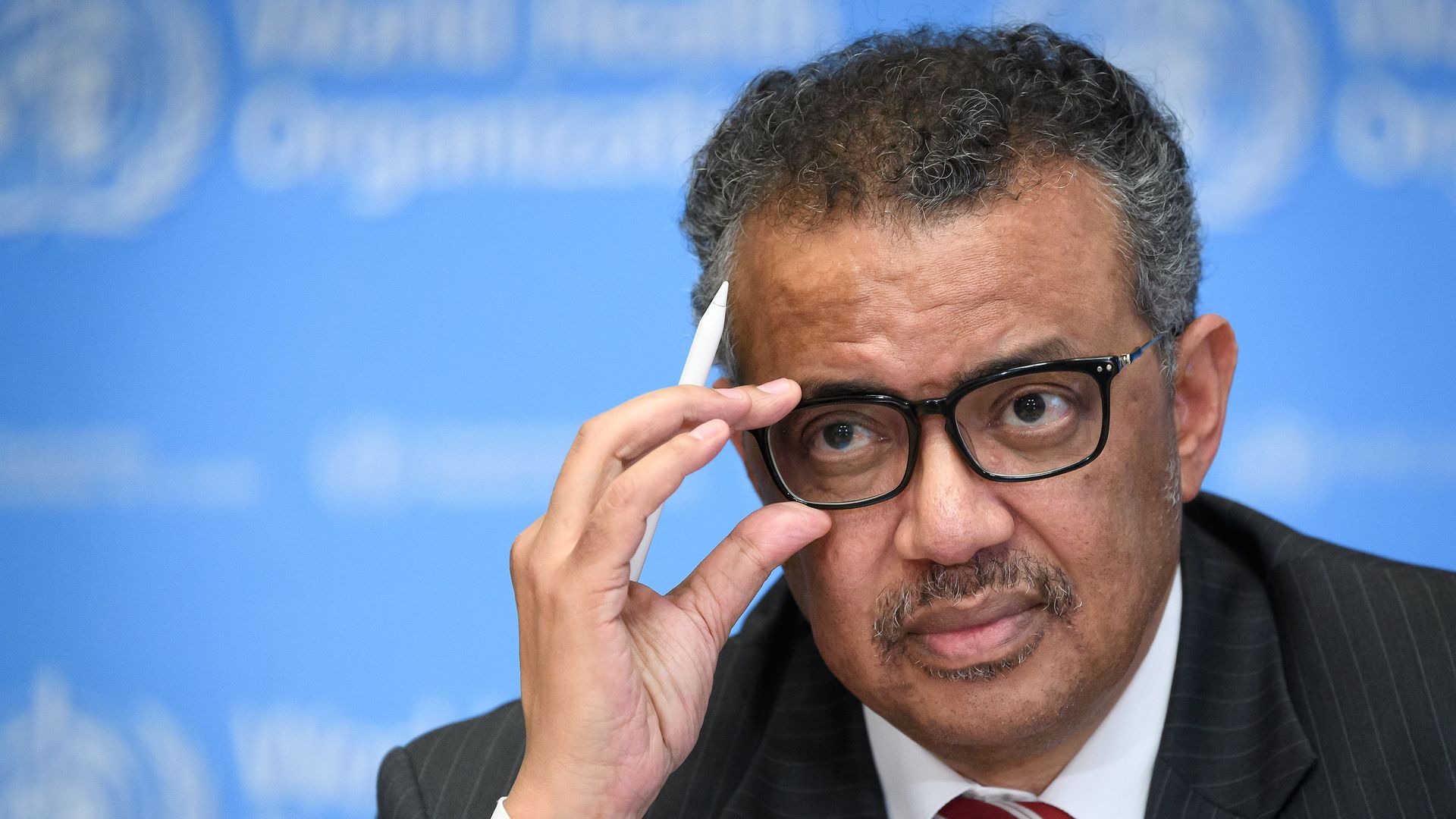
President Trump tweeted a letter Monday night threatening to permanently cut off the World Health Organization's U.S. funding, accusing the WHO of "repeated missteps" during the pandemic and demanding it "demonstrate independence from China."
What he's saying: If the WHO "does not commit to major substantive improvements within the next 30 days, I will make my temporary freeze of United States funding to the World Health Organization permanent and reconsider our membership in the organization," Trump said in the letter to WHO Director-General Tedros Adhanom Ghebreyesus.
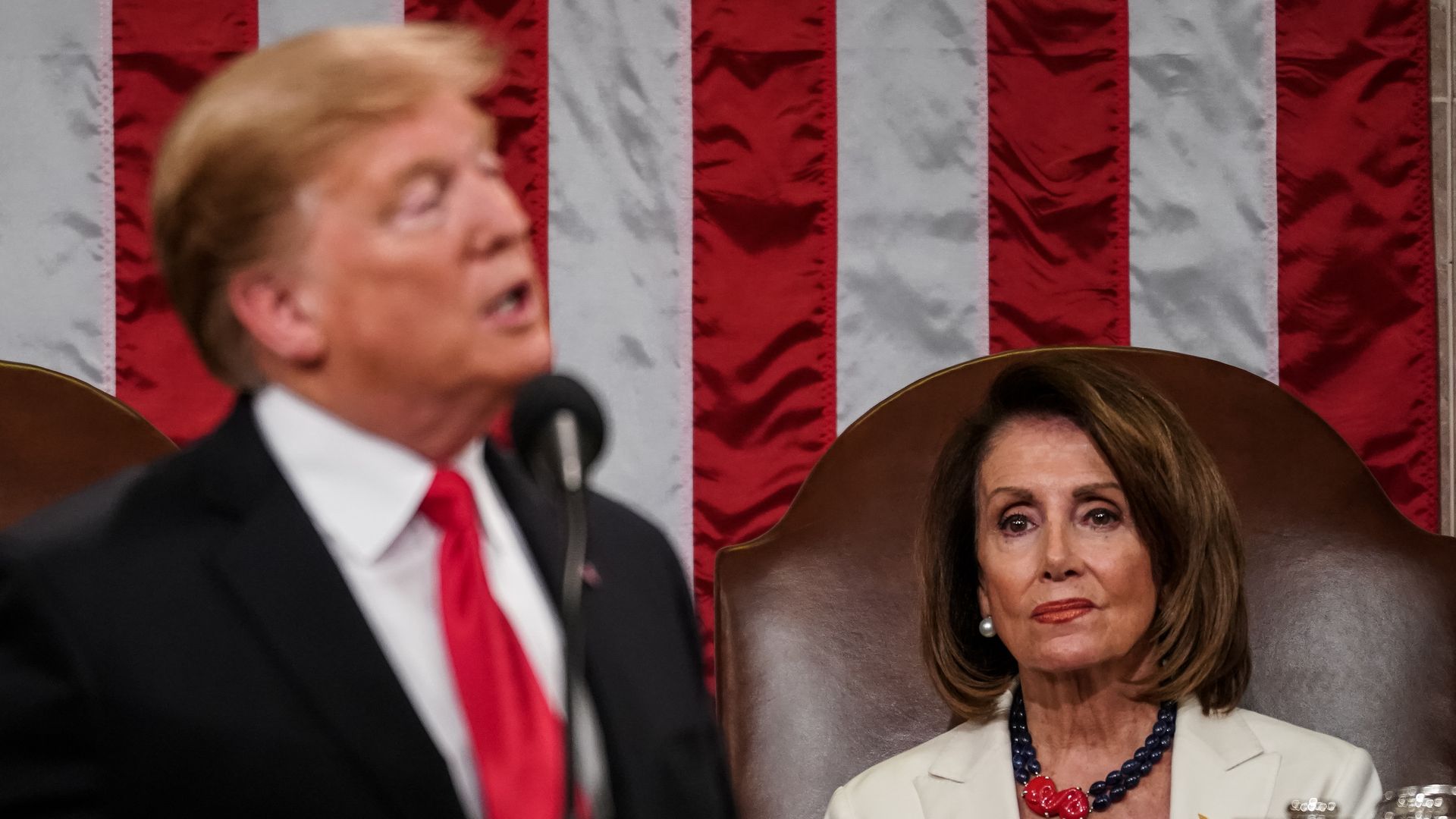
House Speaker Nancy Pelosi bluntly cited President Trump's age and speculated on his weight during an appearance on CNN Monday night as reasons why the president should not be taking hydroxychloroquine.
Driving the news: Trump said earlier Monday that he's been taking the antimalarial drug for "about a week and a half" as a preventative measure against the novel coronavirus.
The World Health Organization agreed Monday to a call from over 110 countries for an independent review of the global coronavirus response after China backed the move, despite strongly rejecting an inquiry when Australia first proposed it.
Driving the news: WHO Director-General Tedros Adhanom Ghebreyesus pledged during the World Health Assembly's virtual meeting to hold a "comprehensive evaluation" soon in response to a draft motion, co-sponsored by the African Group's 54 member states, filed at the talks. The probe won't examine the origins of the virus.
President Trump's physician said in a statement Monday it was decided that hydroxychloroquine could be beneficial to him after a White House staffer tested positive for the coronavirus.
Why it matters: Trump said earlier Monday that he's been taking the antimalarial drug and a zinc supplement for "about a week and a half" as a preventative measure against the virus. The FDA warned last month that the drug should only be taken in hospitals because of the risk of heart complications. Its effectiveness against COVID-19 is unproven.